Home Blog Page 2536

JANIKHEL PROTESTERS BEGIN MARCH TOWARDS ISLAMABAD WITH BODIES OF 4 TEENAGE BOYS

ISLAMABAD, MAR 28 – After a week of a protest sit-in outside the Janikhel police station in Khyber Pakhtunkhwa’s Bannu district, local tribesmen and relatives of four teenage boys whose bullet-riddled bodies were found last week began a protest march towards Islamabad on Sunday.

The tribesmen and relatives have been protesting the brutal killing of the four boys — aged between 13 to 17 years — whose bodies were found in a field on Sunday, for the last six days. The boys had gone missing three weeks ago.

The victims were identified as Ahmadullah, Mohammad Rahim, Razamullah, and Atifullah.

On Sunday around 10am, around 10,000 people from the Janikhel area of Bannu bordering South Waziristan started a long march to Islamabad along with the bodies of the slain boys, demanding action against anti-state elements.

Police blocked the main road in Bannu and stopped the protesters from marching for several hours before they were allowed to proceed on their path.

The situation turned tense when the protesters entered Bannu city, with police firing tear gas at them and resorting to aerial firing to disperse the marchers. In response, the protesters pelted stones at the police.

A video showed the protesters raising the slogans of “What do we want? Peace!”, “We want justice!” and “negligent state!”.

“In the start, the march was smooth and peaceful,” Lateef Wazir, a resident of Janikhel participating in the march told Dawn.com, adding that upon reaching Toche Pull, they faced a blockade and resistance from the administration and police.

He alleged that police stopped the protesters forcibly and used tear gas to disperse them, saying a large number of policemen had been deployed to stop the march.

Wazir said they were protesting peacefully and demanding of the government to take action and expose the elements behind the killing of the four young boys.

After keeping the road blocked for several hours, police allowed the march to continue, according to Wazir.

On the other hand, police in Karak district took Pashtun Tahaffuz Movement (PTM) leader and tribal MNA Mohsin Dawar into custody to prevent him from travelling to Bannu to join and lead the march. PTM chief Manzoor Pashteen was also taken into custody in Kohat, according to PTM sources.

Meanwhile, KP social welfare minister Hisham Inamullah Khan along with some elders of the Marwat tribe reached Bannu in the form of a jirga to hold talks with the protesters.

He told leaders of the protest that the tribes of Marwat and Bannu had brotherly ties and the former shared the grief of the local residents over the boys’ killing.

The minister urged the protesters to bury the bodies, saying he would convey their “legitimate demands” to the chief minister and Prime Minister Imran Khan.

As a gesture of goodwill and in accordance with local custom, Khan also sacrificed three sheep, which the protest organisers accepted.

There was no immediate result of the negotiations, with the protest leaders seeking time to consult the Janikhel tribe.

KP Chief Minister Mahmood Khan has now reached Bannu and will likely meet the Janikhel elders to resolve the situation.

Earlier, the protesters had placed the four bodies outside the local police station, demanding a shuhada package for the victims’ families, bringing perpetrators of the crime to justice, and taking steps to restore peace and harmony in the region.

Political and social activists, representatives of traders, and people from different walks of life also participated in the protest to show solidarity with the bereaved families.

Provincial Minister for Transport Malik Shah Mohammad Khan and local administration officials failed to convince the protesters to call off the sit-in.

A day earlier, a delegation of religious scholars also reached Janikhel and held talks with the protesters, highlighting the importance of immediate burial of the dead in light of the teachings of Islam.

Saudi-led coalition destroys Houthi rigged boats, drones

RIYADH, MAR 28 – The Saudi-led coalition battling Yemen’s Houthi forces has destroyed two explosive-laden boats that the Iran-aligned group planned to use in an “imminent” attack launched from the Red Sea port of Hodeidah, Saudi state media reported on Sunday.

The coalition in separate statements also said it intercepted and destroyed three armed drones launched towards southern Saudi Arabia, including the city of Khamis Mushait.

The Houthis, who ousted Yemen’s internationally recognised government from the capital, Sanaa, and now hold most of north Yemen, have kept up missile and drone attacks on Saudi Arabia after Riyadh last week presented a new peace initiative.

U.S. Special Envoy Tim Lenderking on Thursday returned to the region to push for the initiative, which includes a nationwide ceasefire.

The Houthis want the coalition to fully lift its sea and air blockade on areas the group controls.

The conflict, seen in the region as a proxy war between Saudi Arabia and Iran, has caused what the United Nations says is the world’s largest humanitarian crisis.

The Houthis say they are fighting a corrupt system and foreign aggression.

PM IMRAN RECOVERS FROM CORONAVIRUS

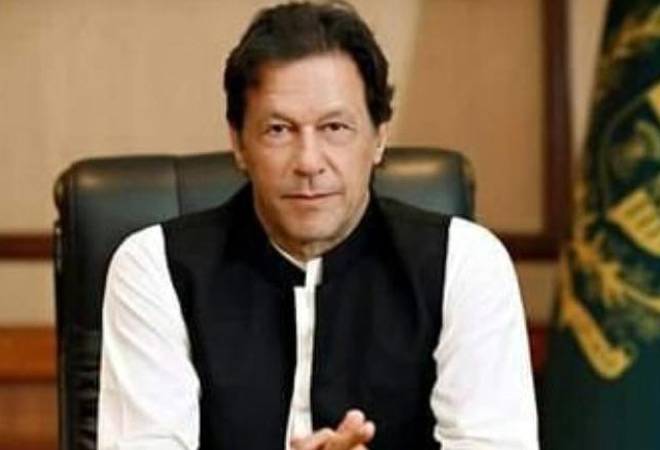
ISLAMABAD, Mar 28 (DNA): Prime Minister Imran Khan has made a steady
clinical recovery from Covid-19 and his lab parameters have remained
stable.

In a tweet uploaded on Sunday, Special Assistant to the Prime Minister
on Health Services, Regulations and Coordination Faisal Sultan
announced, “Imran Khan has been advised that he may resume work and
build up his work routine over the next few days. This is in line with
national and international guidelines.”

Pakistan’s Prime Minister Imran Khan had tested positive for Covid-19 on
March 20. The 68-year-old self-isolated himself at home in Bani Gala in
Islamabad.

It may be recalled that Khan, a former captain of the national cricket
team who became prime minister in August 2018, received his first
vaccination two days ago. Prime Minister Imran Khan also came under
severe criticism from the opposition for presiding over a meeting of his
media team at his Banigala residence on Thursday.

There was no update on the health status of First Lady Bushra Bibi, who
had also contracted the coronavirus the same day Imran Khan was
infected. DNA

=======

INDONESIA: THE EMERGING ECONOMIC GIANT

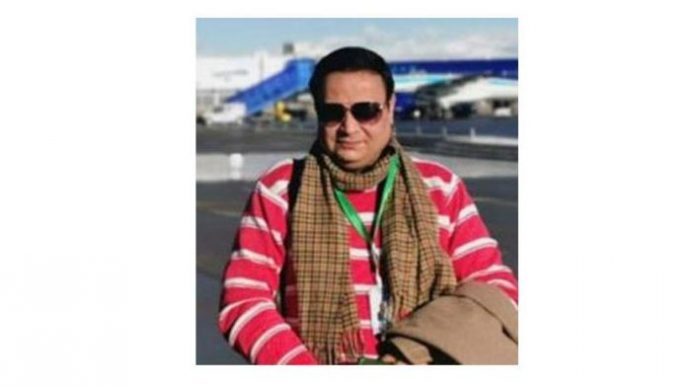
Dr. Mehmood Ul Hassan Khan

Ours is the age of commercial diplomacy and Indonesia is the pioneer of it in Southeast Asia region. Economic liberalization, privatization, development of private sector, foreign direct investment (FDIs), joint venture and digitalization are playing important role in the socio-economic progress of Indonesia which is the champion of structural reforms in the region and actually outperformed all the regional economies in achieving and sustaining high ratios of GDPs and GNPs.

According to various published reports of the World Bank, IMF, Asian Development Bank, Indonesia is the future economic giant in the region. It is the largest economy in Southeast Asia and the world’s seventh by purchasing power parity.

Somehow, ongoing COVID-19 has damaged its macro-economy which is now showing resilience and robust recovery. According to IMF published report (2021) GDP of Indonesia may reach to above 5.1 percent during 2021.

As any other advanced economy the key drivers of its national economy are private domestic consumption stimulated by its huge market with a growing middle class of nearly 70 million people (55 percent of GDP).

According to the IMF’s report (October 2020) growth is expected to return in full force to 5.1 to 6.1 percent in 2021 before stabilising at 5.3 percent in 2022, subject to the post-pandemic global economy recovery. Moreover, in its most recent (January 2021) update of the World Economic Outlook, the IMF has revised its GDP growth projections for Indonesia to 4.8% in 2021 and 6% in 2022.

Despite the regional recession and global pandemic the first in 20 years, Indonesia avoided an even larger downturn in 2020 because of a credible economic policy response.

The latest OECD Economic Survey (2021) acknowledged Indonesian government timely economic policies and financial assistance that averted recession, economic meltdown and poverty in its society. It introduced numerous structural reforms which actually improved market functioning and saved its economy and civility alike even in a severe crisis.

Its GDP decreased by 2.1 percent in 2020 and the OECD Survey forecasted growth of 4.9 percent for 2021 and 5.4 percent in 2022. The recovery is sustained by pent-up demand for consumer goods and capital goods and will gain momentum as containment measures are phased out and vaccination progresses to the entire archipelago of 17 000 islands.

Traditionally, most Indonesians work in the informal sector and their limited savings were used to guarantee basic necessities during lockdowns. The emerging middle class that was celebrated in the 2010s found itself much more vulnerable than expected which has to be supported for achieving the desired goals of socio-economic prosperity in the country.

According to the IMF, the budget deficit increased from 2.2 percent of GDP in 2019 to 5.3 percent in 2020.The estimations is for a stabilisation of the deficit at 5 percent, before a reduction to 3.7 percent in 2022.

Inflation was estimated at 2.1 percent in 2020 and is expected to be reduced to 1.6 percent in 2021 before increasing to 2.5 percent in 2022. Public debt has shown a significant improvement since the Asian Financial Crisis in 1998 which reached up to 150 percent of GDP, but it reduced slightly to 30.5 percent of GDP in 2019.

Three social programs (RPJMN, PNPM Urban and PAMSIMAS) have been initiated to ensure that the poorest strata of the population have access to healthcare and education. Other structural issues that remain to be tackled include a large public infrastructure gap, high labour informality and youth unemployment, and low educational attainment.

Environmental protection also remains a major challenge. The government hopes to take advantage of the country’s strategic location between Asia and the Pacific in the current unfavourable international context (weakening demand from China and falling commodity prices), and aims to be in the top six largest economies by 2030.

In 2021, the Indonesian’s most immediate challenge is related to the economic, social and public health impacts of the COVID-19 pandemic. Indonesia has achieved enormous gains in poverty reduction, cutting the poverty rate by more than half since 1999, to approximately 9.8 percent of the population in 2020.

Indonesia is a developed market economy with abundant natural resources having a young, large and burgeoning population (274.8 million), a labor force of 136.7 million people in 2020, and political stability.

According to World Bank, (2020) its agricultural sector contributes to 12.7 percent of the country’s GDP and employed 27.7 percent of the active population in 2020. Indonesia is the second-largest natural rubber producer in the world. Other major crops include rice, sugarcane, coffee, tea, tobacco, palm oil, coconuts and spices.

Besides, the country is the world’s biggest nickel ore producer and has become a major exporter of stainless steel. Indonesian land area used for agriculture has been growing, and is currently around 30 percent. Indonesia is the only Asian country to have been a member of the OPEC, although its membership is frozen since December 2017 because it would not agree to production cuts mandated by OPEC.

Industry contributes approximately to 38.9 percent of GDP and employed 22.7 percent of the labour force in 2020. The industrial sector includes manufacturing of textiles, cement, chemical fertilisers, electronic products, rubber tyres, clothing and shoes (most of these are for the American market). Wood processing is also a major activity as the country is one of the world’s largest timber producers.

The service sector (financial institutions, transportation and communications) contributes to 44.2 percent of the GDP and employed 49.6 percent of the active population in 2020.

The banking sector is well developed and the Islamic bank Syaria has expanded rapidly in recent years. Tourism is a major source of revenue, although the sector has suffered from terrorist threats and natural catastrophes in the past few years. From January to October 2019, the country received 13.6 million visitors, an increase of 4.6% compared to the same period of 2018 (Ministry of Tourism data). The government was expecting the country to become a leading Asian and World tourism destination by 2045 with 73 million tourists.

President Joko Widodo announced Indonesian “Vision 2045” with the promise to make Indonesia a $7 trillion economy by 2045, seven times its current value. It forecasted an annual GDP per capita of $320 million rupiah ($22,807) in 2045.

It is based on four pillars mainly human development and the mastery of science and technology, sustainable economic development, equitable development, strengthening national resilience and governance.

President Jokowi termed development of human resources would be a top priority. The effort was made to respond to demographic bonuses that create their own opportunities. The President Jokowi wanted to create a generation of hard workers who are dynamic, mastering science and technology.

He upheld the importance of infrastructural development which would continue to support community activities, including economic development and ease of accessibility. To achieve simplification of all forms of regulatory constraints president Jokowi invited the House of Representatives to issue major laws concerning the Employment Copyright Act and the UMKM (Usaha Mikro Kecil Menengah or Micro, Small and Medium Enterprises) Empowerment Act, which would aim at unlocking local potential and contribute to nation building.

He planned to introduce simplification of the bureaucracy and was also determined to cut significant amounts of bureaucratic red tape and simplify echelons, claiming there would be only two echelon levels; the functional level that respects competence and expertise.

The president introduced a comprehensive economic transformation drive by intending to focus efforts to transform from dependency on natural resources to the competitiveness of modern manufacturing and services that have high added value for the prosperity of the people.

Diplomatic relations between Pakistan and Indonesia are strong and people of both nations support and help each other over the period in different ways and situations. Indonesia and Pakistan are strengthening mutual relations in order to potentially deal in different sectors of the economy and the bilateral trade is also growing on annual basis.

Pakistan and Indonesia stand proudly together as two of the largest Muslim populated countries and emerging economies of creative and talented people. In recent years, Indonesia-Pakistan bilateral relations have seen significant development as the two countries continuously endeavor to expand their all-round cooperation including in the areas of trade & economy and educational cooperation.

Major import items of Indonesia to Pakistan included rice, chemical, raw cotton, wheat, paper, fruits, garments, leather, plastic materials, cotton yarn, cloth, other textile products, sports and surgical goods.

Both countries are also cooperating in the spheres of global and regional security, terrorism, narcotics, maritime security, and human trafficking. Holding of various Strategic Forums has further strengthened cooperation between the two countries and identified new areas of cooperation related to security issues of concern and agreement between the two countries.

It is advisable that the concerted communication and consultations with various stakeholders between the two brotherly countries will certainly build greater confidence and improve the environment for both countries to uplift business, economic and other aspects of bilateral ties.

Being prominent regional geopolitical expert I suggest that Indonesia is an ideal country for investments because of Indonesia’s favorable endowments of natural resources and geographically strategic location with its large number of human resources. Indonesia is a diverse archipelago nation of more than 300 ethnic groups and continues to be the largest economy in Southeast Asia.

Indonesia ranks as the fourth most populous country in the world, the world’s 7th largest economy in terms of purchasing power parity, and is a member of the G20 group of nations. Indonesia was the second fastest growing economy in G-20 from 2012 up to the COVID-19 outbreak in 2020. Since the pandemic, it has ranked third after China and South Korea in terms of economic growth among G-20 economies according to Bloomberg data collected in September 2020 .

ARMENIAN PRIME MINISTER PASHINYAN SAYS WILL RESIGN IN APRIL

Yerevan, MAR 28 – “I will resign in April. I will resign not to resign, but in order for early elections to take place,” Pashinyan said during a visit to northwest Armenia, according to a video published on Sunday.

“I will continue to serve as interim prime minister,” he added.

Turkish foreign minister to visit Tajikistan

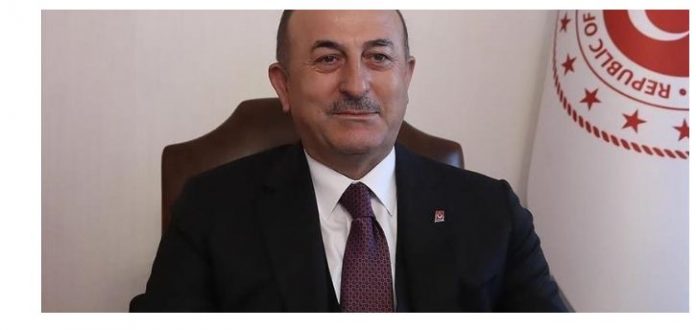
ANKARA, MAR 28 – Turkish Foreign Minister Mevlüt Çavuşoğlu will pay a visit to Tajikistan on March 28-30 and participate in the 9th Ministerial Meeting of Heart of Asia-Istanbul Process, according to an official statement on Sunday.

Çavuşoğlu will meet with his Tajik counterpart Sirojiddin Muhriddin and will be received by Tajikistan’s President Emomali Rahmon, said the statement by the Turkish Foreign Ministry.

“All aspects of bilateral relations will be discussed and views will be exchanged on regional and international developments during the meetings,” it read.

“Çavuşoğlu will also attend the 9th Ministerial Meeting of Heart of Asia-Istanbul Process, which is co-hosted by Tajikistan and Afghanistan, on 30 March 2021,” the statement added.

The Heart of Asia-Istanbul Process — a regional initiative of Afghanistan and Turkey launched in 2011 — has two chairs with Afghanistan as the permanent chair and a co-chair from among the member states that shifts each year.

“The process aims to promote regional security, economic and political cooperation centered on Afghanistan through dialogue and confidence building measures,” according to the organization’s website.

CHINA, PAK NEEDED TO ENHANCE COOPERATION ON EARTH SCIENCES: CUI PENG

BEIJING, Mar 28 (DNA): CPEC needs enhanced SinoPak cooperation in field of earth sciences, said Prof. Cui Peng, the Director-General of China-Pakistan Joint Research Centre on Earth Sciences (CPJRC).

He told Gwadar Pro in an exclusive interview that the “CPEC, located at the tectonic junction of the western Himalayas, is a natural museum and laboratory for earth sciences.

Thus, research on geological conditions of this region is crucial for the construction of CPEC projects.

What we are doing with Pakistani scientists is aiming to ensure the security and efficiency of CPEC projects construction,” he added.

Cui emphasised that research on earth science can support CPEC projects and local people’s well-being in four respects: providing solutions for adverse engineering and technical conditions; early warning of natural hazards; efficient utilization of mineral, marine, solar, and other natural resources; sustainable development and tackling climate change.

“Pak-China academic cooperation in earth sciences is not an impractical project and far from daily life.

Actually, it’s closely related to people’s well-being and economic development of the two countries,” Prof. Su Lijun, Deputy Director-General of CPJRC, said.

Su also cited a case of landslide on Karakoram Highway in 2010. The landslide blocked 25 kilometers of the main road and people had to cross a dammed lake with height of 118 meters by boat.

In order to cope with the dilemma, scientists of CPJRC designed an advanced plan which was reckoned as impossible to implement.

Finally, thanks to the plan, the landslide and dammed lake were dredged meanwhile saving $200 million as engineering cost. Furthermore, that place has turned into a scenic spot with a beautiful lake now.

Su believed that in addition to its contribution to the construction of infrastructure projects for people’s livelihood, earth science also plays a role in poverty alleviation.

Geoscience can be integrated with regional poverty alleviation, which is what China is doing, and the same can be done in Pakistan.

“There are two factors that lead to poverty, disease and disaster. Poverty due to disease is familial, poverty caused by disaster is regional and can be alleviated through our efforts.

Up to now, CPJRC headquarter (approximately 50 acres) located on QAU campus is preparing to construct. In addition, CPJRC is cultivating a batch of earth science talents and will enroll more Pakistani scholars to work in this field.

Meanwhile, the information system and sharing platform of CPEC has been designed and its prototype has been constructed, integrating the current data resources.

According to the 2021 plan of CPJRC, Su introduced that they will focus on: Deep lithosphere interaction from ocean subduction to continental; Climate change and environmental effects; Natural hazards and disaster risk reduction; Resources environment and green development.

The institution also is planning to establish field observation stations in Gwadar Port and Hunza.=DNA

===========

AMPLIFICATION IN THE EFFECTIVENESS OF SOFT POWER

Zahra Ali

Pakistan being in the limelight on a global juncture now more than ever, it must be remembered that it hosts six UNESCO world heritage sites. More often the country’s history is spotlighted around early Islam, Sufi, and Mughal artistic monuments while it is noteworthy that Pakistan has been a hospice to various smaller religious groups including Sikhs, Parsis, Zikris, Bahá’í, Buddhists and Kalasha; the largest and most prominent of which are Hindus, Christians and Ahmadis. Pakistan is a pluralistic society with myriad religious and ethno-linguistic identities.

The Constitution of Pakistan guarantees all citizens are equal before law and are entitled to equal protection of law, adequate provision for the minorities to freely profess and practice their religions and develop their cultures. Pakistan has been a home to various Hindu temples and Buddhist relics pooled with rich natural landscapes. The opening of the recent Kartarpur corridor illustrates one such action where a visa-free initiative for the Sikh community was taken for cross-border pilgrimages, Pakistan demonstrating a pro-peace stance while the premier also enhanced tourism. From reciprocal presents of ancient rulers to today’s Expos & symposiums, numerous forms of culture have been used by state actors to demonstrate who they are, assert their claim in the global governance, shape national image and build long-lasting relations with people from other cultures & ethnicities. The green in the National flag of Pakistan symbolises the Muslim majority in Pakistan and the white stripe represents the various minority groups. Nonetheless, the white is as much Pakistan as the green. The notion of public diplomacy & cultural diplomacy lies at the heart of soft power. Cultural diplomacy is one such aspect of public diplomacy. Whilst a traditional diplomatic approach aids in understanding, notifying and influencing the people, cultural diplomacy is the exchange of values, systems and other aspects of culture with the intention to forging mutual thought and consideration with the aim to promote reconciliation by strengthening intercultural and interfaith harmony and enhance socio-cultural cooperation. Pakistan is a land of diverse multi-cultures, a repository both rich in history and blessed with striking topographical benefits. It is a cradle of rich landscapes and welcoming people that have much to offer those that desire to learn about our nation.

 The primordial historical sites and landmarks, and the splendor of our towering mountain ranges and gentle seas offer much to explore. Tourism is a key stride towards increasing the understanding of other cultures. The surge of international travel vloggers has amplified more than ever, to name a few; Eva Zu Beck from Poland, Rosie Gabrielle from Canada have placed emphasis on art, literature, food, intricate truck murals and dance which is also evident through our books, movies and documentaries.

 Mark Weins from the United States & Trevor James from Canada, contributed towards promoting how vast and varied the street food culture is in our Country on his social media accounts named “The Food Range. Former Minister of Information of Pakistan, Fawad Chaudhry, announced a new visa policy to revive the country’s tourism industry. This measure offers an e-visa option to 175 countries and a visa-onarrival to 50 other countries exhibiting a well-articulated cultural-diplomacy effort. Additionally, the minister had also announced policy decrees toward developing the country’s image and making tourism a vibrant sector capable of accomplishing economic growth while enriching the brand image of the country. Ever since the ascension of Imran Khan to power, Pakistan has tremendously improved its soft power capital by utilizing public diplomacy. The Pakistani leadership is in a frenzied move to build a positive image of the country. The emphasis on the tourism sector, therefore, aligns with Khan’s reform agenda, which consists of enhancing the use of national resources and making the economic apparatus work for citizens while also making the country safe haven for minority groups more than ever before.

The writer is a Peace activist and Community service volunteer

CHAIRMAN CDA ANNOUNCES TO START DEVELOPMENT WORKS IN INDUSTRIAL AREAS

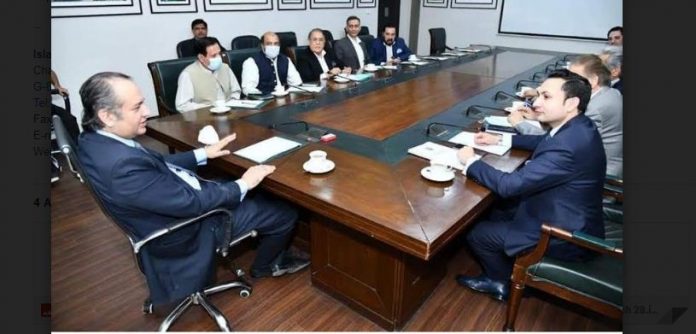
ISLAMABAD, MAR 28 (DNA) – A delegation of local industrialists and trade representatives led by Sardar Yasir Ilyas Khan, President, Islamabad Chamber of Commerce & Industry (ICCI) held a meeting with Amir Ali Ahmed, Chairman CDA and apprised him of the key issues of industrial areas in Islamabad along with other development issues in the federal capital.

Ms. Fatma Azim Senior Vice President, Abdul Rehman Khan Vice President ICCI, Mian Akram Farid Chairman Founder Group, Abdul Rauf Alam, Convener ICCI CDA Committee, Tariq Sadiq President Islamabad Industrial Association, Muhammad Ahmed former President ICCI and Omais Khattak Executive Board Member ICCI were part of the delegation.

Munawar Shah Member Engineering and Faisal Naeem Director (Technical) were also present in the meeting.

Sardar Yasir Ilyas Khan, President ICCI said that the CDA Board in its meeting held in August 2020 had recommended the rationalization of lease extension fee for industrial plots @ Rs. 100,000/- per kanal, but the decision was not implemented as yet due to which industrial growth and expansion was facing problems since investors were uncertain about the outcome of the policy.

He urged that CDA should approach the National Coordination Committee on Housing, Construction & Development (NCCHCD) for endorsement of this decision so that it could be implemented to facilitate the lease renewals of industrial plots. He also highlighted the severity of parking issues in the local markets of Islamabad and stressed that CDA should auction plots for construction of multi storey parking plazas across Islamabad to address this long standing issue.

These parking plazas can be built on BOT basis and would also help generate additional revenue for CDA. Sardar Yasir emphasised that CDA must further improve street lights, sewerage systems, waste management and development of public toilets across all main areas of Islamabad.

Ms. Fatma Azim Senior Vice President, Abdul Rehman Khan Vice President ICCI, Mian Akram Farid Chairman Founder Group, Tariq Sadiq President Islamabad Industrial Association and Muhammad Ahmed former President ICCI said that during Covid-19, SBP had launched refinance schemes for industries at low credit cost, but without lease renewal of industrial plots, banks were not extending these schemes to industries.

They urged that CDA should expedite the implementation of its Board decision for lease renewals of industrial plots @ Rs.100,000/- per kanal as the SBP schemes were expiring by April 30 of this year. They said that industrial areas needed carpeting of roads, repair of footpaths and restoration of streetlights and urged that CDA should address these issues on priority basis. Abdul Rauf Alam Convener ICCI CDA Committee highlighted the issues of carpeting, parking and encroachments in Super Market, Jinnah Super, F-10 Markaz, G-9 Markaz and Blue Area and emphasized that CDA should address them.

Addressing the ICCI delegation, Amir Ali Ahmed, Chairman CDA assured that development works in I-9 and I-10 industrial would be started before Ramadan that would address the highlighted issues. He said that he would write a letter to NCCHCD for early endorsement of the CDA Board decision regarding lease renewals of industrial plots. He said that plots for parking plazas have been identified in Blue Area, F-10 Markaz and other markets and CDA would soon auction them for construction of parking plazas in markets.

He said that CDA has allocated a budget of Rs.375 million for the development of Kahuta Industrial Triangle and development works would be started in April this year. In addition to this he confirmed the allocation of plots for a dispensary and mosque in the industrial areas and assured that base work has already been done while carpeting and concreting of roads in the industrial areas would be done in the coming days. 

He further stated that CDA would construct 300 public toilets in markets and would hand over them to ICCI for their maintenance and operation in coordination with concerned market associations. He said that the PWD under pass and Koral bridge projects would be completed by September this year. He also said that Margalla bypass project and carpeting of IGP road would also be started soon. He stated that a ring road from Margalla via GT Road upto Murree Road would also be constructed to address the traffic issues of the twin cities.

He further shared that many other initiatives of CDA for the better development of the city and appreciated ICCI for cooperating with the civic body for addressing key issues of the business community including removal of encroachments.

He also confirmed that subsequent to joint visits conducted by Chairman CDA and President ICCI several developments works were already underway across the entire Capital which included carpeting of roads, upgradation of street lights, parks, landscaping and development of communal areas within markets.=DNA

======================

FM QURESHI TO ATTEND 9TH HEART OF ASIA-ISTANBUL PROCESS (HOA-IP) MINISTERIAL CONFERENCE IN TAJIKISTAN

DNA

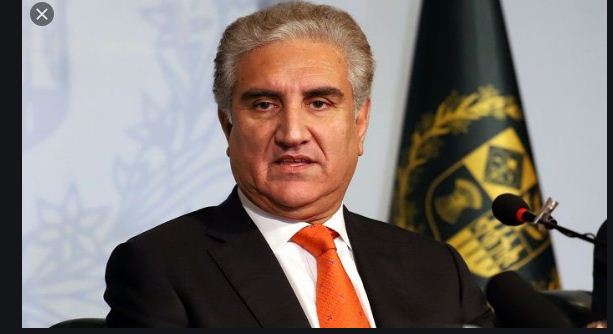
ISLAMABAD, MAR 28: Foreign Minister Shah Mahmood Qureshi will lead the Pakistan delegation at the 9th Heart of Asia-Istanbul Process (HoA-IP) Ministerial Conference, being held on 30 March 2021 in Dushanbe, Tajikistan. The Ministerial meeting will be preceded by Senior Officials Meeting (SOM) on 29 March 2021. The theme of the Conference is “Strengthening Consensus for Peace and Development.”

During the Ministerial Conference, the Foreign Minister will deliver a statement highlighting Pakistan’s positive contributions to the Afghan peace process and its support for Afghanistan’s development and connectivity within the regional framework. On the sidelines of the Conference, the Foreign Minister will hold consultations with key regional and international partners.

The Heart of Asia-Istanbul Process, initiated in 2011, is an important platform to promote peace, stability and prosperity in Afghanistan through regional cooperation, confidence-building measures (CBMs), and dialogue. Pakistan attaches high importance to this Process and has been a regular contributor to the advancement of its objectives. Pakistan is the lead country for Disaster Management and Agriculture Development CBMs under the Heart of Asia-Istanbul Process.

In 2015, Pakistan co-chaired the Heart of Asia-Istanbul Process, along with Afghanistan, and hosted its 5th Ministerial Conference in Islamabad.

During his visit to Dushanbe, the Foreign Minister will have bilateral engagement with the Tajik leadership. Besides holding talks with Foreign Minister Sirojiddin Muhriddin, Foreign Minister Qureshi will have interaction with other Tajik dignitaries and review the entire gamut of bilateral relations.

Pakistan highly values its close fraternal ties with countries in Central Asia. Pakistan’s relations with Tajikistan are firmly rooted in common faith, shared history, and geographic proximity. There is a mutual interest in developing close cooperative ties in all areas. Pakistan hopes that the return of peace and stability in Afghanistan would further strengthen its historic links with Central Asia, including Tajikistan.

The Foreign Minister’s visit to Tajikistan will help deepen bilateral cooperation in diverse fields and reinforce the growing partnership between the two brotherly countries.=DNA

============

Stay Connected

64FansLike
60FollowersFollow

Latest Reviews

Exchange Rates

USD - United States Dollar
EUR
1.16
GBP
1.34
AUD
0.67
CAD
0.72