ISLAMABAD, MAR 26 /DNA/ – Foreign Minister Ishaq Dar received the Russian Ambassador, Albert Khorev today at the Ministry of Foreign Affairs. They discussed bilateral areas of cooperation and global and regional issues of mutual concern.
Ambassador of Türkiye pays a courtesy call on Foreign Minister Ishaq Dar

ISLAMABAD, MAR 26 /DNA/ – Ambassador of Türkiye, Mehmet Pacaci, paid a courtesy call on Foreign Minister Ishaq Dar today. Noting the exemplary Pak-Türkiye relationship, the Foreign Minister underlined Pakistan’s commitment to further deepen cooperation between the two brotherly countries across all areas of mutual interest.
PTC acknowledged as one of Pakistan’s leading taxpayers by government

DNA
ISLAMABAD, MAR 26 – Pakistan Tobacco Company Limited (PTC) has been honoured by the Government of Pakistan for its exemplary contribution as one of the country’s highest taxpaying company. This recognition underscores PTC’s steadfast commitment to corporate responsibility and its significant role in driving economic growth in Pakistan.
As one of the leading multinational’s operating in Pakistan, PTC has always placed a strong emphasis on compliance and integrity in fulfilling its tax obligations. In 2023, PTC contributed more than PKR 229 billion to the National Exchequer in the form of various taxes and duties.
Furthermore, PTC has actively participated in the country’s development endeavours, evident through its exports exceeding USD 48 million in 2023. The Company’s substantial investments for its Environment, Social, and Governance Agenda underscores its dedication to shaping A Better Tomorrow™.
The Government of Pakistan’s acknowledgment of PTC as one of its highest taxpayers is a testament to the company’s unwavering dedication to upholding the highest standards of corporate citizenship.
Chinese embassy condemns terrorist attack on Dasu hydropower project personnel in Pakistan
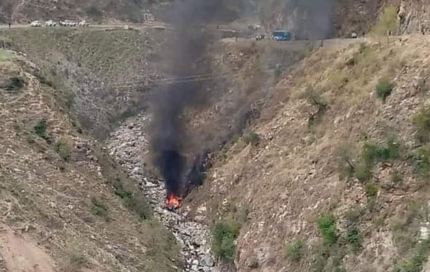
ISLAMABAD, MAR 26 /DNA/ – At around 1 pm on 26th March local time, a Chinese company’s bus carrying staff on the Dasu Hydropower Project in Khyber Pakhtunkhwa Province was hit by terrorist attack. 5 Chinese citizens and 1 Pakistani citizen were unfortunately deceased.
The Chinese Embassy and Consulates General in Pakistan strongly condemn this terrorist attack, express deep condolences to the victims and sincere sympathy to the bereaved families, and are making every effort to handle the aftermath together with the Pakistani side.
The Chinese Embassy and Consulates General in Pakistan have launched an emergency plan immediately, requesting the Pakistani side to thoroughly investigate the attack and severely punish the perpetrators. Meanwhile, The Chinese Embassy and Consulates General in Pakistan are taking all necessary measures to protect the safety of Chinese citizens, institutions and projects in Pakistan, and to ensure such incidents will not happen again.
The Chinese Embassy and Consulates General in Pakistan remind Chinese citizens, enterprises in Pakistan to pay close attention to the security situation, enhance security alerts, strengthen security measures, and make every effort to take safety precautions.
Chairman Bilawal condemns terror attack in Besham

ISLAMABAD, MAR 26 /DNA/ – Chairman Pakistan Peoples Party, Bilawal Bhutto Zardari has strongly condemned the barbaric act of terrorism in Besham.
Chairman Bilawal Bhutto Zardari expressed deep sorrow over the death of Chinese residents in the suicide attack. The planners and facilitators involved in terrorism in Besham should be exposed and punished severely.
Chairman PPP extended condolences to the government of China for the death of Chinese citizens. He extended sympathy and condolences to the families of the victims in the Besham attack.
Bilawal Bhutto Zardari prayed for the speedy recovery of the injured and said that the culprits of the Besham incident cannot escape punishment.
President strongly condemns attack on Chinese nationals
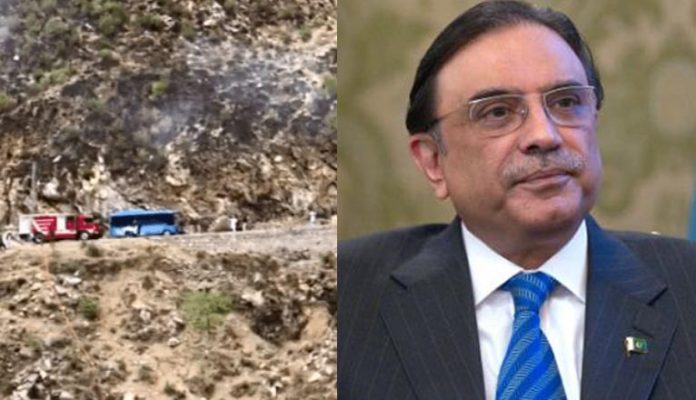
ISLAMABAD, Mar 25 (APP/DNA): President Asif Ali Zardari on Tuesday strongly condemned an attack on the Chinese nationals in Bisham and expressed his deep grief and sorrow over casualties. The president also conveyed his condolences to the bereaved Chinese families and the Government of China, President Secretariat Press Wing said in a press release.
The president reiterated that the enemies of Pakistan would never cause damage to Pak-China friendship.
Powering Economic Growth: Harnessing AI in Pakistan’s Energy Regulatory Organizations
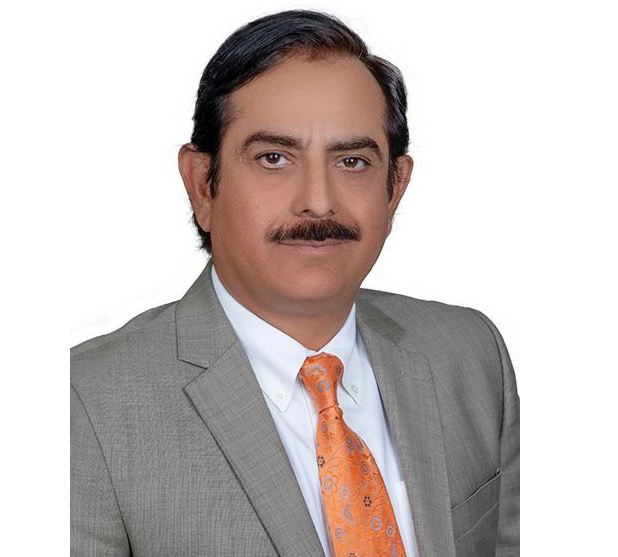
By Imran Ghaznavi
In Pakistan, the power, oil, and gas sectors play pivotal roles in driving economic growth and ensuring energy security. Regulatory organizations within these sectors, such as the National Electric Power Regulatory Authority (NEPRA) and the Oil and Gas Regulatory Authority (OGRA), are tasked with overseeing market dynamics, enforcing compliance, and fostering sustainable development. As Pakistan strives to achieve its economic goals, the adoption of artificial intelligence (AI) at the organizational level presents a transformative opportunity for regulatory bodies to enhance efficiency and act as catalysts for national economic growth.
- Leveraging AI for Regulatory Efficiency
In the near future, AI holds the promise of revolutionizing the operations of regulatory organizations in Pakistan’s energy sector. By automating routine tasks, analyzing vast amounts of data, and providing actionable insights, AI technologies can streamline regulatory processes and improve decision-making efficiency. For example, AI-powered algorithms can be utilized to predict electricity demand, optimize resource allocation, and detect irregularities in energy markets, thereby enabling regulators to proactively address emerging challenges and ensure market stability.
- Identifying Bottlenecks and Challenges
Despite the potential benefits, the adoption of AI in regulatory organizations faces several challenges in Pakistan. One bottleneck is the lack of comprehensive data infrastructure and digital capabilities within regulatory bodies. Many organizations struggle with outdated systems, fragmented data sources, and limited technical expertise, hindering their ability to fully leverage AI technologies. Additionally, there may be resistance to change from stakeholders accustomed to traditional regulatory approaches, as well as concerns regarding data privacy, security, and ethical considerations in AI-driven decision-making processes.
- Overcoming Challenges and Building Capacity
To overcome these challenges, regulatory organizations must invest in building robust data infrastructure, developing technical capabilities, and fostering a culture of innovation and collaboration. This requires strategic partnerships with technology providers, academic institutions, and industry stakeholders to facilitate knowledge transfer and skill development. Moreover, regulatory bodies should prioritize data governance frameworks, transparency mechanisms, and risk management protocols to address concerns related to data privacy, security, and accountability.
- Implementing AI Solutions for Impact
In order to realize the full potential of AI, regulatory organizations must strategically deploy AI solutions across key areas of operation. For example, in the power sector, AI can be used to optimize grid management, improve energy efficiency, and enhance demand forecasting accuracy. Similarly, in the oil and gas sector, AI technologies can enable regulators to monitor supply chains, detect market manipulation, and ensure compliance with environmental regulations. By focusing on targeted use cases and measurable outcomes, regulatory bodies can demonstrate the tangible benefits of AI adoption and garner support from stakeholders.
- Driving Economic Growth through Regulatory Innovation
As regulatory organizations in Pakistan embrace AI and digital transformation, they have the opportunity to become drivers of economic growth and innovation. By promoting regulatory certainty, facilitating investment, and fostering a competitive market environment, AI-enabled regulatory bodies can attract private sector participation, stimulate job creation, and spur technological innovation in the energy sector. Moreover, by aligning regulatory objectives with broader national development priorities, such as poverty alleviation, climate action, and inclusive growth, regulators can contribute to the sustainable and inclusive economic development of Pakistan.
In conclusion, the adoption of AI at the organizational level presents a transformative opportunity for regulatory organizations in Pakistan’s energy sector to enhance efficiency and drive economic growth. By overcoming bottlenecks and building capacity, regulatory bodies can harness the power of AI to streamline operations, improve decision-making, and foster innovation. As catalysts for change, regulatory organizations have the potential to leverage AI to unlock new opportunities for regulatory excellence and become engines of national economic growth in the near future.
- The author is a senior regulatory and reputation management practitioner with over 30 years public and private sector experience. He can be reached at [email protected]
Security forces kill four terrorists in D.I.Khan

RAWALPINDI, MAR 26 /DNA/ – Security forces conducted an intelligence based operation in Dera Ismail Khan District on reported presence of terrorists.
During the conduct of operation, after an intense fire exchange, 4 x Terrorists including Terrorist Mustafa, Terrorist Qismat Ullah and Terrorist Islam Ud Din were sent to hell.
The killed terrorists remained actively involved in numerous terrorist activities against security forces and killing of innocent civilians. Weapons, ammunition and explosives were also recovered from killed terrorists.
Locals of the area appreciated the operation. Sanitization operation is being carried out to eliminate any other terrorist found in the area as the security forces are determined to wipe out the menace of terrorism from the country.
President RCCI Sakib Rafiq hosts iftar dinner for diplomats

ISLAMABAD, MAR 26 /DNA/ – Sakib Rafiq, President of the Rawalpindi Chamber of Commerce and Industry, graciously hosted a splendid iftar dinner, bringing together esteemed members of the diplomatic corps and distinguished figures from the business fraternity. The event saw a notable turnout of diplomats representing a diverse array of nations, adding a touch of international flair to the gathering.



Speaking on the occasion, Zahid Latif Khan, Chairman of REIT, emphasized the longstanding tradition of iftar dinners at the Rawalpindi Chamber, highlighting its significance in fostering camaraderie and collaboration among stakeholders.
The enchanting ambiance of the venue, Qazi Farms, served as the perfect backdrop for the evening’s festivities, adorned with exquisite decor that added to the charm of the occasion.
“Will Israel Comply with the UNSC’s Ceasefire Resolution for Gaza?”
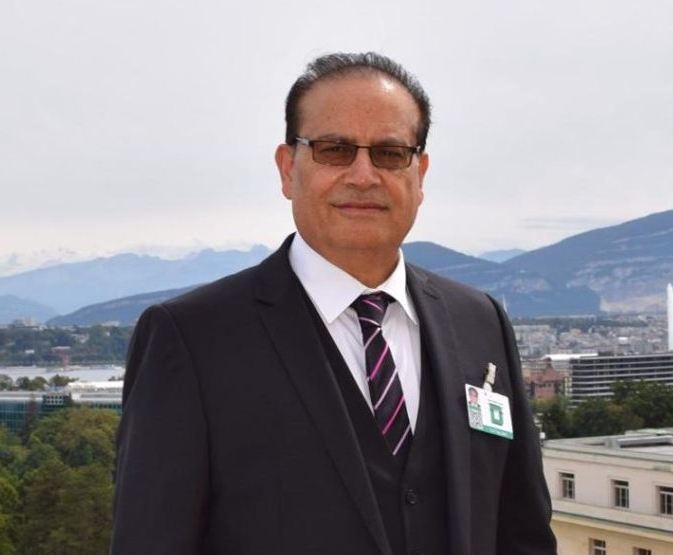
By: Qamar Bashir
In a remarkable turn of events, Israel found itself facing unexpected diplomatic pressure as the United States chose not to exercise its veto power against a ceasefire resolution championed by ten nations led by Mozambique. The resolution garnered the support of 14 members of the UN Security Council, with the US abstaining. The resolution called for an immediate ceasefire during a sacred period, with the ultimate aim of achieving a permanent and sustainable cessation of hostilities. Furthermore, it demanded the immediate and unconditional release of all hostages, underscoring the necessity of humanitarian access to address their medical and other urgent needs.
This development signaled a significant shift in the international community’s stance on the conflict, highlighting a growing consensus towards prioritizing peace and humanitarian considerations in resolving the ongoing crisis.
The shift in the US stance towards the ceasefire resolution primarily stems from multiple factors. Firstly, the enduring and relentless nature of Israel’s military campaign in Gaza,
Secondly, with impending elections on the horizon, the US President’s concerns over potentially alienating Muslim voters, as well as support for a ceasefire from diverse religious, racial, and ethnic groups, influenced the decision-making process in Washington. The mounting frustration within US political circles at the Israeli Prime Minister’s unwavering stance on military actions, particularly the planned Rafah attack, further compounded the situation.
Moreover, Israel’s ongoing massacre, hindrance of humanitarian aid deliveries exacerbated tensions and raised humanitarian concerns globally, prompting the US to reassess its approach.
Israel incessantly and unlawfully pounding Gaza, hitting schools and hospitals and reducing large parts of neighborhoods to rubble. It unlawfully used white phosphorus in densely populated areas. Forced evacuation of all people from northern Gaza and displacing 1.9 million people. Unlawful killing of over 30,228 Palestinians most of them civilians, including 25000 women and children stemming from Israel’s regular use of excessive lethal force and extrajudicial executions.
The sweeping unlawful collective punishment by imposing restrictions on the movement of people and goods deprived the 2.2 million Palestinians in Gaza of their right to freedom of movement and opportunities to better their lives; severely limited their access to electricity, health care, and water; and devastated the economy. Israeli authorities also held 2,873 Palestinians in administrative detention, without charge or trial based on secret information.
More than 46,000 housing units have been destroyed and 234,000 others damaged, accounting for 60 percent of the housing stock in Gaza. At least 342 schools have been damaged, 187 “attacks on health care” were carried out, damaging 24 hospitals.
These atrocities are in utter violation of the established principles of Geneva Conventions designed to ensure the protection and dignity of all individuals affected by armed conflict. Civilians, regardless of age, including children and the elderly, are entitled to special care and must be shielded from deliberate harm. Hospitals and medical personnel are protected. Civilian property such as households, places of worship, and industrial facilities are safeguarded from deliberate targeting. It prohibits collective punishment and emphasizes individual accountability for actions taken during conflict.
The convergence of these factors ultimately compelled the United States to abstain from vetoing the ceasefire resolution, marking a significant departure from its previous staunch support for Israel’s actions.
Israel’s response to international appeals, UN resolutions, and pressure from the US reflects a deep-seated determination to pursue its own strategic objectives in the Israel-Palestine conflict. Despite widespread calls for moderation and humanitarian considerations, Israel has remained steadfast in its military actions against Palestinians in Gaza.
It even started hurling accusations at the US for US persistent advocacy for a two state solution and allowing humanitarian aid to enter into Gaza and warned that with or without the support of US, Israel would continue warfare and annexation of Palestinian territory, underscore Israel’s uncompromising stance on key issues such as the two-state solution and the provision of humanitarian aid.
By canceling a planned trip to Washington and rebuking the US for its perceived interference, Israel demonstrates its frustration with what it views as insufficient support for its military operations and broader objectives in the region.
Big Question is what is next after the passing of the resolution if Israel refuses to abide by the resolution.
This concern was put to writing by the UN secretary general, António Guterres, who in his tweet said quote, “The Security Council just approved a long-awaited resolution on Gaza, demanding an immediate ceasefire, and the immediate and unconditional release of all hostages. This resolution must be implemented. Failure would be unforgivable”.
The UNSC has many arsenals in its armory which could be used to implement the UNSC resolution, if any of the party fails to abide by it as when the UNSC issues a resolution mandating a ceasefire between two countries, it signifies a collective international effort to restore peace and stability in the region.
However, if one of the involved nations refuses to adhere to the provisions outlined in the resolution, a cascade of diplomatic, economic, and potentially military consequences may ensue.
Initially, diplomatic pressure and condemnation from the UNSC and other member states could intensify, urging the non-compliant country to honor the ceasefire agreement.
Concurrently, economic sanctions may be imposed, targeting vital sectors of the non-compliant nation’s economy to compel compliance. This combination of diplomatic and economic measures aims to exert significant pressure on the non-compliant nation and encourage a return to peaceful negotiations and adherence to the UNSC resolution.
In more severe cases where the refusal to comply persists, the international community may escalate its response. This could involve the authorization of military intervention by the UNSC to enforce the ceasefire resolution and restore order.
Additionally, the non-compliant country may face further isolation on the international stage, with repercussions extending to legal consequences for breaches of international law.
However, unfortunately, numerous resolutions passed by the United Nations Security Council (UNSC) including those passed on Indian Illegally Occupied Jammu and Kashmir have remained unimplemented for various reasons. These include the lack of enforcement mechanisms, political obstacles stemming from opposing interests among member states, resource constraints, challenges in securing cooperation among multiple parties, and the evolving nature of conflicts and geopolitical dynamics. Additionally, resolutions may face difficulties in implementation when they involve non-state actors or address issues beyond the control of the UNSC.
Ultimately, the effectiveness of UNSC resolutions hinges on factors such as political will, international cooperation, enforcement mechanisms, and the evolving circumstances surrounding conflicts and crises. When these factors align, resolutions are more likely to be successfully implemented, but when they are lacking, resolutions may remain unimplemented or only partially implemented.
The upcoming test will gauge the resilience and determination of the international community in confronting the actions of a single, albeit influential, nation: Israel. Whether the collective efforts of the international community will prevail over the policies of Israel remains to be seen, with time serving as the ultimate arbiter of this contentious struggle.
By: Qamar Bashir
Press Secretary to the President(Rtd)
Former Press Minister at Embassy of Pakistan to France
Former MD, SRBC