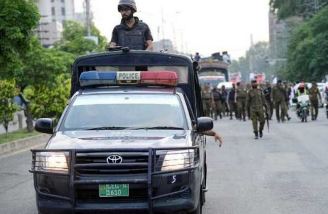
ATTOCK, Aug 24 (DNA): On the direction of District Police Officer (DPO) Dr Sardar Ghias Gul Khan , snap checks were carried out at various places across the district to make Attock district safe, while police were placed on high alert at the entrances and exits of the district. In view of the orders issued by District Police Officer Attock Dr Sardar Ghias Gul Khan , snap checking was carried out at various places in the district while police was alerted at the entrances and exits of the district. During the snap checking, records of persons were checked on the latest software SVAS and vehicles were checked through the latest software AVLS. The purpose of snap checking is to maintain law and order in the district —DNA.
NA speaker issues production order for missing PTI lawmaker Haji Imtiaz
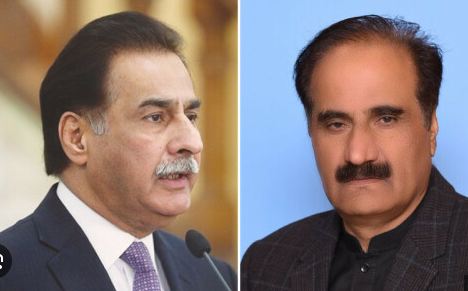
ISLAMABAD, AUG 24: National Assembly (NA) Speaker Ayaz Sadiq on Saturday issued a production order for PTI MNA Haji Imtiaz Ahmad Chaudhry after his party moved a privilege against several Punjab police officials.
According to the motion moved by the PTI, Chaudhry was arrested by law enforcement authorities without obtaining prior approval from the speaker on July 24.
Today, the speaker again issued a production order — an order was issued earlier but was reverted later — for the production of the PTI MNA on August 26 at 5pm.
“Honourable speaker considers [the] presence of Haji Imtiaz Ahmed Chaudhry … during the said session of the National Assembly necessary,” the order said.
The speaker directed the director general of the Punjab Anti-Corruption Establishment (ACE) to produce Chaudhry at the commencement of each NA sitting before the Parliament House’s sergeant-at-arms who will deliver the MNA into ACE custody after each NA sitting.
The opposition lawmaker was in ACE custody on physical remand in connection with a graft case, facing charges of receiving Rs2 million commission in a development scheme.
Gujranwala Headquarters Circle Officer (CO) Aftab Haider had told Gujrat police that an ACE team had taken the MNA to Mandi Bahauddin for the recovery of the “commission amount” he had allegedly received, adding that a sum of Rs300,000 had already been recovered from the suspect.
However, the CO had said, that as the ACE team was bringing the lawmaker back to Gujranwala on Tuesday night, around a dozen armed men in three vehicles intercepted the official vehicle on the new Shadiwal Road and opened indiscriminate fire.
The CO had said that to save themselves from the bullets, the ACE officials left the vehicle to find shelter. Meanwhile, he had said, the armed men took away the MNA, who was still in the official vehicle, with them.
Gujrat Saddar police registered a kidnapping case against the unidentified suspects under Sections 353, 324, 427, 186, 224, 225, 148 and 149 of the Pakistan Penal Code (PPC), on the report of ACE CO and started an investigation.
Chaudhry was elected as an independent candidate (backed by the PTI) in the February 8 polls. Earlier, he had been elected as an MNA, for the first time, in the 2018 elections on the PTI ticket.
Gold prices in Pakistan hit another record high

ISLAMABAD, AUG 24: The price of gold in Pakistan continues to smash all previous records on Saturday and reach new heights in history.
According to data provided by the All-Pakistan Gems and Jewellers Sarafa Association (APGJSA), the price of 24-karat gold per tola increased by another Rs1,700, settling at Rs263,700.
The price of 10 grams of 24-karat gold also saw an increase of Rs1,457 to stand at Rs226,080.
Internationally also, the gold price gained a massive $20 to settle at $2,512. The silver rates in the local market, however, remained stable at Rs2,950.
On Thursday, the price of gold in Pakistan had smashed all previous records to reach the highest rate in history. According to data provided by the All-Pakistan Gems and Jewellers Sarafa Association (APGJSA), the price of 24-karat gold per tola increased by Rs800, settling at Rs261,800.
On August 17, the price of gold in Pakistan witnessed a massive increase, reaching an all-time historic high. According to data provided by the All-Pakistan Gems and Jewellers Sarafa Association (APGJSA), the price of 24-karat gold per tola increased by Rs2,500, settling at Rs260,200.
The price of 10 grams of 24-karat gold also saw a huge increase, rising by Rs2,144 to stand at Rs223,080.
The previous all-time high rate of gold was reported on July 18, when the yellow metal experienced a massive rise after a two-day Ashura break.
Dealers said at the time that gold had become expensive due to the possibility of the US central bank slashing interest rates, while another reason attributed to this historic rise is the influence of Donald Trump’s possible victory in the US elections.
The All-Pakistan Gems and Jewellers Sarafa Association reported that the price of 24-karat gold per tola increased by Rs4,600, bringing it to a historic Rs254,000.
U.S.-Iran Conflict and Russia’s Strategic Gambit
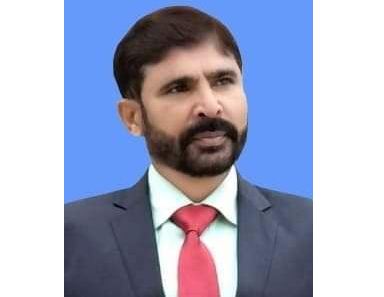
Dr. Muhammad Akram Zaheer
Over the past few days, two notable statements have significantly influenced the geopolitical landscape of the Middle East. Interestingly, these statements did not come from Israel or Hamas, the primary actors in the ongoing conflict in the region. Instead, they originated from the key players in a conflict occurring more than a thousand miles away—the war in Ukraine. The first statement came from Moscow, where Russian officials declared that the conflict in Ukraine would reach a resolution by the end of 2024.
Shortly after, Kyiv responded with a similar timeframe for a potential resolution. The significance of these statements lies in their potential to reshape global political dynamics, particularly in the Middle East, which has long been a region of strategic importance for global powers. The Russia-Ukraine war has already had far-reaching consequences, not only for Europe but also for other parts of the world. The conflict has drawn in resources, attention, and diplomatic efforts from major global players, including the United States, European nations, and, crucially, Russia. Russia’s involvement in the Middle East has been substantial, particularly in Syria, where it has supported the Assad regime.
A resolution to the Ukraine conflict would likely allow Russia to refocus its efforts and resources in the Middle East, potentially altering the balance of power in the region. Moscow’s statement about resolving the conflict by the end of 2024 suggests that Russia is preparing for a strategic shift, possibly aiming to reassert its influence in the Middle East once the war in Ukraine is concluded. On the other hand, Ukraine’s similar statement indicates its confidence in achieving a resolution within the same timeframe. This could imply a forthcoming change in the international order, where Ukraine might emerge stronger and more aligned with Western powers. Such an outcome could influence Western strategies in the Middle East, especially in terms of how they engage with both Russia and Middle Eastern nations. The timing of these statements is crucial.
The Middle East is currently a region of heightened tensions, particularly with the ongoing conflict between Israel and Hamas. The statements from Moscow and Kyiv serve as a reminder that the Middle East is deeply interconnected with broader global conflicts. As the war in Ukraine progresses towards its potential resolution, the outcomes could have a ripple effect, influencing not only European security but also the strategic calculations of Middle Eastern countries. For the Middle East, the implications of these statements are profound. A resolution in Ukraine could lead to a reconfiguration of alliances and rivalries in the region. Russia’s potential re-engagement in Middle Eastern affairs, coupled with a strengthened Western-aligned Ukraine, could lead to shifts in power dynamics, impacting ongoing conflicts and diplomatic negotiations.
At the beginning of its invasion, Russia’s strategy was to swiftly and decisively crush Ukraine, aiming for a quick victory. On the other hand, Ukraine’s strategy focused on resisting just long enough to weaken Russia’s resolve to continue fighting. However, neither side succeeded in fully achieving its goals, leading to a protracted conflict that has now lasted over two years. Initially, both sides made bold statements suggesting that the conflict would soon be over. These declarations turned out to be overly optimistic, but the impact of their failure to materialize was more damaging to Russia than to Ukraine. Russia’s reputation as a military superpower suffered significantly, as the world saw its inability to quickly overpower a much smaller and less equipped nation. In war, the tide of success can turn rapidly, and this case was no different. The early predictions of a swift victory were soon proven wrong, highlighting the unpredictability of conflict. Although the rationale behind these early statements from both sides seemed sound given the circumstances at the time, they failed to account for the complexities and uncertainties inherent in warfare.
As the war drags on, both Ukraine and Russia face significant challenges. For Ukraine, the focus is now on rebuilding its economy though simultaneously ensuring that it can continue to defend itself against future Russian aggression. This is no easy task. Ukraine needs to create an economy that not only supports its people but also aligns with the broader European economic landscape. At the same time, Ukraine must ramp up its military production to sustain its defense efforts, even though managing the enormous costs associated with rebuilding a war-torn country. Russia, on the other hand, faces a different set of challenges. The initial objective of the invasion was to create a buffer zone against NATO, providing Russia with strategic depth. However, with the failure to occupy Ukraine, Moscow is now forced to seek alternative, less ideal buffer zones. This may lead Russia to increase its influence in other regions that could serve as potential barriers against NATO, such as the Baltics, Poland, Hungary, and the Balkans. For Russia, these regions can be managed through political and economic means, but the military threat remains a significant concern due to their geographical proximity.
In addition to these concerns, Russia must also maintain its influence in the Caucasus region, which poses another strategic challenge. The Caucasus is a critical area where threats to southern Russia could emerge, particularly with the presence of U.S. and NATO forces in the region. Among the nations in this area, Iran stands out as particularly important due to its cultural and religious ties with Azerbaijan, a country that could become a potential threat to Russia if supported by a powerful ally. Azerbaijan has traditionally served as a buffer between Russia and Iran, and it is currently aligned with Russia. However, dominating the Caucasus is a difficult task, and Russia may need to explore opportunities in the broader Middle East to secure its strategic interests.
The possibility of a war involving Iran on one side and Israel and the United States on the other is increasingly becoming a credible threat. This potential conflict carries significant risks, especially for the U.S., which stands to lose more than it might gain. The United States has little incentive to engage in another major war, particularly in a region as volatile as the Middle East. However, the stakes are different for Russia, which sees the prospect of such a war as an opportunity to regain its strategic footing after its setbacks in Ukraine. Russia supports for a conflict between Iran and several strategic interests drive the U.S.-Israel alliance. First, such a war would entangle the United States in a prolonged and costly military engagement far from Russia’s borders. This would distract the U.S. and limit its ability to counter Russian moves in other regions, particularly in Eastern Europe and Central Asia.
By drawing the U.S. into a new conflict, Russia hopes to shift the balance of power and relieve some of the pressure it faces on its western front, particularly following the war in Ukraine.Moreover, a conflict in the Middle East would present Russia with opportunities to expand its influence in the region. One such opportunity lies in deepening its relationship with Iran. Despite historical mistrust and cautious relations between the two nations, the shared enmity towards the United States and the potential for mutual benefits could bring them closer together. Russia and Iran could collaborate more closely in the Caucasus region, particularly through joint ventures in Azerbaijan. Such cooperation would enhance Russia’s influence in a region that is strategically important to both nations, securing its southern flank and providing a staging ground for future operations. The prospect of a stronger Russia-Iran alliance is particularly concerning for the U.S. and its allies. If Russia were to solidify its ties with Iran, it could establish a powerful bloc in the Middle East that would challenge U.S. interests in the region. This would also weaken the longstanding U.S.-Israel relationship, which has been a cornerstone of American policy in the Middle East. Israel, for its part, appears to be preparing for a major offensive, likely against Iranian interests. However, Washington is reportedly opposed to such a move, creating a rift between the two allies. This discord benefits Russia, as it weakens the unified front that has traditionally posed a significant threat to its ambitions in the Middle East.
For Iran, the situation is complex. However, Tehran is cautious about getting too close to Russia, especially considering the baggage that comes with such an alliance, the prospect of war might push Iran to reconsider. A conflict with the U.S. and Israel could drive Iran into Russia’s arms, despite its misgivings. This would create a link between the ongoing conflict in Ukraine and a potential Arab-Israeli war, as Russia would gain a powerful ally in the Middle East, compensating for its losses in Ukraine. In this scenario, the U.S. could find itself dragged into a war it does not want to fight. However, if Russia succeeds in dominating the Caucasus and securing Iran as an ally, it would mark a significant shift in the balance of power in the region. This would elevate Russia’s status as a major player in the Middle East, leaving the U.S. with a difficult choice: either withdraw and appear weak, or engage in a brutal and dangerous conflict that Russia, through its partnership with Iran, could influence. Whereas this scenario is not certain, the current dynamics suggest that it is not as unlikely as it may seem. Israel’s aggressive posture, the U.S.’s entanglement, Russia’s need for a strategic victory, and Iran’s ambitions all contribute to a volatile situation that could easily spiral into a larger conflict. The implications of such a war would be far-reaching, with the potential to reshape the geopolitical landscape of the Middle East and beyond.
Pakistan strike early as Bangladesh close in on 448-run total on fourth day
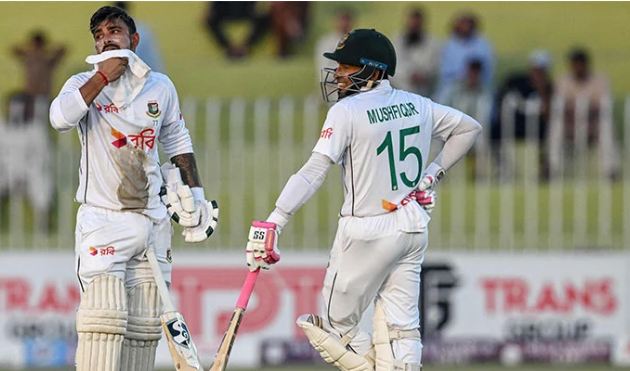
ISLAMABAD, AUG 24: Pakistan on Saturday got an early breakthrough after Naseem Shah bagged the wicket of Liton Das as Bangladesh strive towards reaching the national side’s 448-run total during the fourth day of the first Test being played at Rawalpindi Cricket Stadium.
Bangladesh’s veteran batter Mushfiqur Rahim (67*) and Liton Das (56) continued their innings from 316-5 today, however, the latter fell prey to Shah and was caught behind while attempting to play a shot outside off stump.
Currently, Bangladesh are at 333-6 trailing behind 115 runs in the first innings.
A day earlier, the visitors put up a valiant fight on the third day after losing two early wickets of Zakir Hasan and skipper Najmul Hossain Shanto courtesy of Shadman Islam and Mominul Haque’s partnership.
The guests began their innings at 27 for no loss at the start of the third day. However, in the fifth over of day three, which was 17th overall, Hasan tried to play a shot at cover, but he got an outside edge on Naseem Shah’s delivery and Mohammad Rizwan took a brilliant catch to end his innings.
Soon after Hasan’s dismissal, the hosts got another breakthrough with Khurram Shahzad removing skipper Shanto’s stumps, leaving the visitors at 53-2 in 27 overs.
Pakistan managed to get wickets later in the day as Shahzad removed Haque (50 off 76) while Mohammad Ali bowled Islam out for 93 runs.
Saim Ayub provided another breakthrough to Pakistan by removing the experienced Shakib Al Hasan but Rahim and Das formed a 98-run partnership which strengthened their grip on the Test.
It is to be noted that the Shaan Masood-led side had declared their innings on the second day at 448-6 while Rizwan and Shaheen Shah Afridi were still on the crease.
India’s Shikhar Dhawan retires from international, domestic cricket
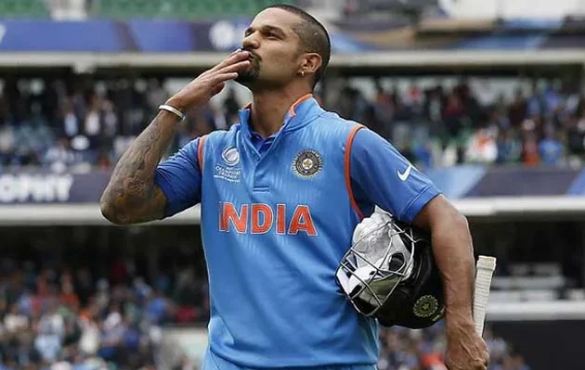
ISLAMABAD, AUG 24: Indian opening batsman Shikhar Dhawan on Saturday announced his retirement from international and domestic cricket, saying he has achieved his dream of playing for the national side.
“I only had one dream and that was to play for India and I even achieved that,” said the 38-year-old cricketer in a video message, thanking those who supported him throughout his career.
Dhawan said he was thankful to supporters including his family, his childhood coach and the team he played alongside for years.
“I would also like to thank my team with whom I have played cricket for so long. I got another family, I got name, fame and love of all the fans,” he said.
“There is a saying you need to turn the page to read the full story. That’s what I am going to do. I am announcing my retirement from international and domestic cricket,” said the batter.
Dhawan said now that he is bidding farewell to his cricket journey, his heart is at peace knowing that he played for his country.
The Indian cricketer made his debut in 2010 against Australia in Visakhapatnam and amassed over 10,000 runs in international cricket.
His impressive career includes 24 centuries — 17 in one-day internationals and seven in Tests.
Dhawan was also a part of the national squad which won the ICC Champions Trophy in 2013 under MS Dhoni’s captaincy.
He was the tournament’s leading run-scorer, accumulating 363 runs in 5 matches at an average of 90.75, with two centuries and one fifty.
Saudi Arabia to host a donor conference
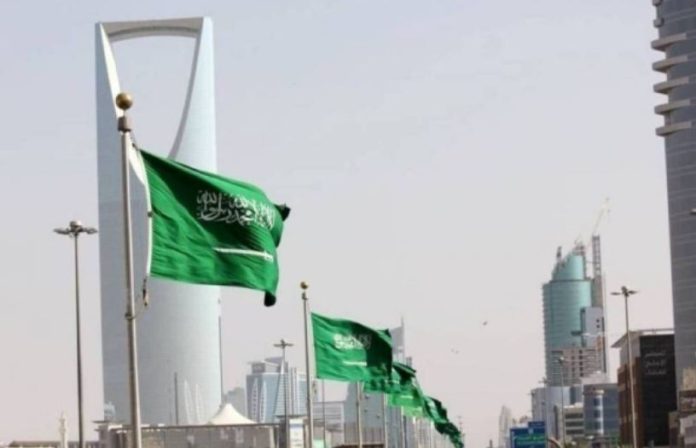
JEDDAH, AUG 23 /DNA/ – In response to the acute humanitarian crisis in Nigeria, Niger, Chad, Cameroon, Burkina Faso, and Mali, the Kingdom of Saudi Arabia has announced that it will host a high-level ministerial donor conference with the support of the Organization of Islamic Cooperation (OIC) on October 26, 2024.
The United Nations estimates nearly 33 million people need humanitarian assistance and protection across the region, including around 11 million people who have been internally displaced and refugees in the Sahel and Lake Chad Region. The conference, co- hosted by the King Salman Humanitarian Aid and Relief Centre (KSrelief) and Organization of Islamic Cooperation (OIC) in cooperation with the United Nations Office for the Coordination of Humanitarian Affairs (OCHA) and the United Nations High Commissioner for Refugees (UNHCR), aims to mobilize resources and coordinate efforts to provide critical assistance to save lives, protect civilians and promote efforts to help affected people emerge from crisis.
The Sahel and Lake Chad countries have been facing a multifaceted crisis for over a decade. The region encounters significant challenges, resulting in ongoing social and economic instability, and disruption of livelihoods. Furthermore, the drying up of Lake Chad, a lifeline for millions, has exacerbated the humanitarian situation, necessitating urgent intervention.
The conference seeks to mobilize resources for humanitarian and development initiatives targeting the affected population, including displaced people and refugees, with a particular focus on UN-coordinated humanitarian response plans (HRPs). Other key goals include raising awareness of the multifaceted crisis and how to address it; building strong partnerships to promote an effective humanitarian response and greater support for longer-term solutions.
His Excellency Dr. Abdullah Al Rabeeah, Supervisor General of KSrelief, stated, “We recognize the importance of supporting the people of the Sahel and Lake Chad regions. This conference is a critical step towards mobilizing the necessary resources and forging partnerships to address the pressing humanitarian needs in these areas. Jointly, we can bring hope and relief to millions.”
“I am proud of our role in the implementation of the Resolution by the Council of Foreign Ministers of the Organization of Islamic Cooperation. This Donors’ Conference seeks to mobilize humanitarian assistance in support of refugees and displaced persons in the Sahel and Lake Chad regions. To that end, I am calling on OIC donor Member States, donor Institutions, and international partners to seize this opportunity and extend the necessary financial resources to help improve the conditions of vulnerable communities in these troubled regions”, said the OIC Secretary-General His Excellency Hissein Brahim Taha.
“The Sahel and Lake Chad Basin are facing an unprecedented crisis,” said Acting Under-Secretary-General for Humanitarian Affairs and Emergency Relief Coordinator Joyce Msuya. “This conference represents a critical opportunity for the international community and affected countries to come together to mobilize more resources and more support – not just for the immediate humanitarian response, but to help the region emerge from crisis and realize its enormous potential.”
“Conflict, instability, and violence continue to drive millions to flee their homes in the Sahel and the Lake Chad basin – an area of the world that must increasingly contend with the destabilizing effects of climate change and food insecurity. We must spare no effort to assist forcibly displaced populations and the communities that host them,” said the United Nations High Commissioner for Refugees Filippo Grandi. “We are grateful to the Kingdom of Saudi Arabia, the OIC and our partners for their efforts to mobilize attention and the resources needed to address the severe funding shortage plaguing the region, to support refugees and populations in need.”
The conference will host a high-level, facilitated discussion to address the pressing needs of vulnerable communities in the affected regions.
Khwaja Hoti moves Peshawar High Court against KP wheat scam, asks Court to direct NAB for investigation
From Our Correspondent
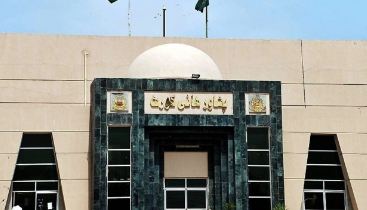
PESHAWAR, AUG 23 /DNA/ – Former Federal Minister , Nawabzada Khawaja Muhammad Khan Hoti, Hoti filed a constitutional petition in Peshawar High Court seeking Court’s direction for probe into the KP wheat scam. The Petition filed through Saleem Shah Hoti advocate has expressed no trust over the three-member Anti-Corruption Committee and dubbed it as an attempt to protect the responsible persons.
The Petitioner has arraigned as respondents Sardar Ali Amin Gandapur, Chief Minister KP, Zahir Shah Toru, Provincial Minister for Food Peshawar, Government of Khyber Pakhtunkhwa through Chief Secretary Civil Secretary Peshawar, Secretary Food, Brig (Retd) Musadiq Abbasi, Advisor to Chief Minister KP on Anti-Corruption, Qazi Muhammad Anwar, Senior Advocate Peshawar , Member Anti-Corruption Committee, Shah Farman, Former Governor KP and Member Anti-Corruption Committee , Shakeel Ahmad MPA , Muhammad Atif Khan PTI MNA, Junaid Akber PTI MNA, Director Food, Director General, Anti-Corruption Establishment KP, Chairman, National Accountability Bureau (NAB) , Islamabad and Director General, National Accountability Bureau (NAB), KP.
The Petitioner said that the total population of KP has been estimated as 40.8 million and the total wheat requirement is 124 Kg/ per head per annum which comes to 5.059 million metric tons. As per the Agriculture Department the expected local production of wheat was estimated as 1.500 million metric ton (30 %). Hence the shortfall was estimated as 3.559 million Metric tons. In order to overcome the shortfall, the KP government decided to purchase 3.5 million metric tons of wheat from open markets of Punjab and KP after the approval of Chief Minister KP, he added.
Khwaja Hoti said that in view of above the Food Department had established 21 wheat procurement centres at Peshawar, Nowshera, Swabi, Charsadda, Mardan, Malakand, Buner, Lower Dir, Upper Dir, Swat, Haripur, Abbottabad, Battagram, Kohistan, Mansehra, Kohat, Hangu, Karak, Bannu, Lakki Marwat and D.I. Khan. In order to oversee, he continued, the procurement process, ‘Monitoring Committees’ comprising the respective Deputy Commissioners and District Food Controllers had been established. He contended that the officers of NAB and Anti-Corruption Establishment were also included; however they reportedly distanced themselves from these Committees after alleged allegations of corrupt practices and irregularities.
“ The KP government had set the price of 40 Kg of wheat at Rs 3900/- and had capped the purchase limit from each dealer and farmer at 500 tons on the pretext of transparency” he further said. Hoti said that government had to purchase 0.6 million metric tons of wheat for the years 2024-25. As such 0.3, he maintained, million metric tons of wheat from open markets in Punjab and KP and another 0.3 million metric tons wheat from Pakistan Agricultural Storage and Services Corporation ( PASSCO). He alleged that market price of 100 kg wheat in Punjab was Rs 8000/- but the same quantity had been procured at Rs 9750 or more excessive prices. The brokers exploited this discrepancy in process and they with collaboration with Respondents No 1, 2 , Chief Minister and Food Minister and Food Department while buying the wheat cheaply from Punjab’s farmers sold out the same quantity at exorbitant and inflated prices to the KP Government, Which caused losses to tunes of billion rupees to the government exchequer.
He contended that in the wake of the alleged wheat scandal unearthed the four officers of Food Department have been suspended and one DFC in Kohat was removed as per reports.
Hoti accused Chief Minister and Food Minister and host of others are allegedly involved in this mega corruption scandal and the former were hell-bent to protect themselves and others from legal action through self-proclaimed Anti-Corruption Committee .He alleged KP Chief Minister for hushing up the matter through the establishment of a three-member Anti-Corruption Committee, including Brig (Retd) Musadique Abbasi, Qazi Muhammad Anwar and Shah Farman.
The Anti-Corruption Committee members are the hard-core members of ruling PTI and handpicked persons of the Chief Minister. The Committee has recently inquired the corruption charges leveled against the a Provincial Minister Shakeel Ahmad and on the recommendations of this Committee, the Chief Minister has de-notified the provincial Minister, Shakeel Ahmad. The Committee has recently started inquiry in ‘wheat Scandal’ and the provincial Food Minister has been summoned to appear before it.
He flayed that this Committee has no legal and constitutional status and it has been toeing the lines of the Chief Minister and Food Minister which is aimed at protecting the big players in the wheat scandal and as such this committee has no legal sanctity and public trust. Therefore this politicized and handpicked committee has lost its worth to inquire the matter.
The petitioner asked the Court to halt the proceedings of the anti-corruption committee and direct the NAB to make transparent inquiry/investigation into the mega Wheat Scam.
Pakistan-Ethiopia Fraternity Park to be established in Islamabad next month
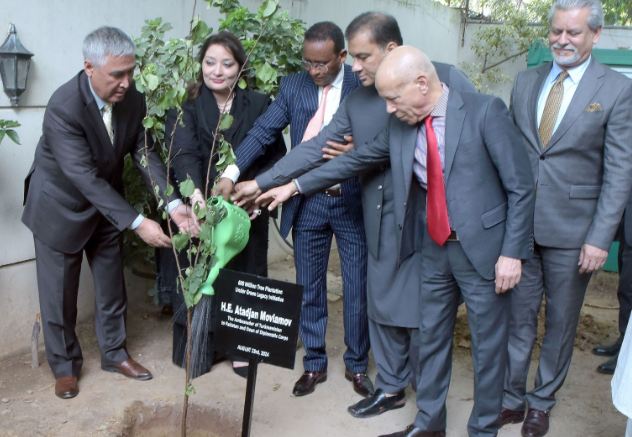
ISLAMABAD, AUG 23 /DNA/ – The Governments of the Islamic Republic of Pakistan and the Federal Democratic Republic of Ethiopia on Friday announced to establish a dedicated park in Islamabad next month to foster fraternity and brotherhood between the two countries under the ongoing bilateral cooperation in the area of climate change.
The announcement to this effect was made during a press briefing jointly addressed by H.E.Jemal Beker Abdula, Special Envoy and Ambassador of Ethiopia to Pakistan, H.E. Romina Khursheed Alam, Coordinator to the Prime Minister on Climate Change, and H.E. Muhammad Ali Randhawa, Chairman of the Capital Development Authority (CDA) and Commissioner Islamabad.
The joint press briefing was held here at the Ethiopia Embassy Islamabad, which was followed by a tree plantation ceremony which was aimed at contributing to Ethiopia’s record-breaking initiative of planting 600 million seedlings in one day under the globally recognized Green Legacy Initiative of H.E. Dr. Abiy Ahmed, Prime Minister of Ethiopia.
Individuals from all walks of life including government officials, diplomatic community, academicians, religious and business fraternity, youth, civil society and media gathered at the Ethiopia Embassy Islamabad and planted saplings of fruits, vegetables and other species under the Green Legacy Initiative.
Addressing the press briefing, H.E. Ambassador Jemal Beker Abdula expressed gratitude to the Government and the people of Pakistan for contributing to 600 million tree plantation initiative of the Government of Ethiopia.
The Ambassador recalled the launch of Ethio-Pakistan Fraternity under the Green Legacy Initiative programme across Pakistan under which not only trees were planted across the country, but also Ethio-Pakistan Fraternity Parks and Enclaves have also been established.
“Climate Change is no more a buzzword rather it is a reality and for that matter we all have to join our forces to deal with the looming threat which is taking more lives than any other global crises,” said the Ambassador while announcing the launch of the 2nd round of Ethio-Pakistan Fraternity under the Green Legacy Initiative programme in Pakistan.
He announced that a dedicated park for Ethiopia-Pakistan friendship was being established in Islamabad in collaboration with the Climate Change Ministry and the CDA. The Ethiopian Embassy would look after the park after its establishment, he added.
Coordinator the Prime Minister on Climate Change H.E. Romina Khursheed said she and the Ambassador of Ethiopia initiated a collaboration in areas of climate change and sustainable development goals since 2022.
She recalled the launch of Ethio-Pakistan Fraternity Programme last year through a collaboration between her office and the Ethiopian Embassy Islamabad under the Green Legacy Initiative of H.E. Dr. Abiy Ahmed, Prime Minister of Ethiopia, which is a laudable initiative.
“This Green Legacy initiative stands as beacon of hope for the world,” she said, adding that Pakistan was looking forward to learn from the best practices of Ethiopia.
She said the Government of Pakistan was also scaling up the Green Pakistan programme which was launched under the leadership of former Prime Minister Nawaz Sharif and received recognition globally.
The CDA Chairman appreciated Ethiopia Ambassador H.E. Jemal Beker for his efforts to tackle climate change which needed collective efforts for being a global problem.
He said the CDA would collaborate with the Ethiopian Embassy Islamabad for promoting the green initiative.
The chairman highlighted selfie with plant initiative launched by the CDA to mobilize the people for plantation.
Pakistan wants to be a part of the Asian Century, but not any conflicts: Mushahid Hussain Syed
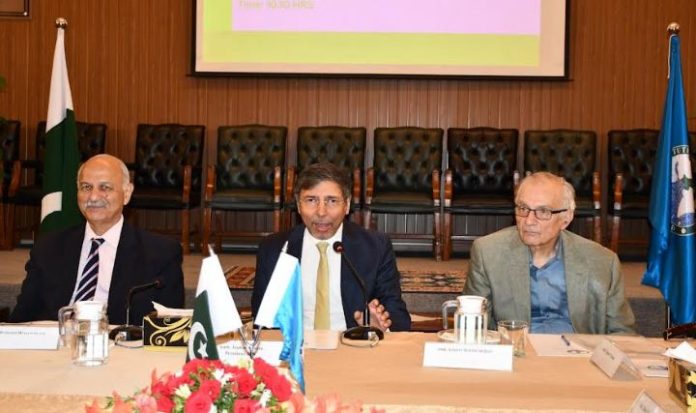
ISLAMABAD, AUG 23: /DNA/ – “Pakistan is against a regional situation similar to witnessed during Cold war years and disagrees with joining camps to counter any country, especially against its trusted friend China”. This was stated by Senator Mushahid Hussain Sayed as a keynote speaker at an event titled, “US’ Asia-Pacific Strategy: Implications for Pakistan-India Relations”, organized by the Institute of Regional Studies (IRS).
Another keynote speaker, Ambassador Ashraf Jehangir Qazi stressed that the change of nomenclature Asia-Pacific to Indo-Pacific for a containment strategy by the US had placed India in a central role fancying targeting China. But China was unlike the former Soviet Union, and could not be challenged and defeated, by no means through empowering India. He stressed that to avoid a dangerous global conflict, Pakistan must stay clear of any part in such hostile endeavours. He also emphasized that China had never projected itself as a super power but only emerging global power.
Earlier, In his opening remarks, President IRS, Ambassador Jauhar Saleem, brought out how the emerging ‘Cold War’ was fraught with grave risks for global peace and stability. He also underlined that India was misusing the western support being extended to build it as a counterweight to China to instead pursue its hegemonic policies in South Asia, and undermine Pakistan. The West was mistaken in seeing India as a reliable partner, since India was adept at playing all sides in the name of so called strategic autonomy.
Ambassador Zameer Akram, adviser SPD, pointed out that under the so called Indo- Pacific strategy, many analysts believed that the US intended to act as a full-spectrum dominant power, with evident control of sea lanes to counter China’s rise. For this objective, the US had even expanded the scope of NATO from Europe to Middle East and Asia, so to contain China. He also highlighted that the US backing had emboldened India which was emerging as an aggressor in the region.
Professor Zafar Jaspal stated that India and the US already have a threshold alliance. In view of the aggressive policies of Prime Minister Modi, capacity building of India by the US as a non-NATO ally posed a serious challenge for Pakistan. However, while India was ostensibly working for American interests and receiving assistance accordingly, its regional challenges were multiplying because of its aggressiveness which was exposing its limitations and duplicity.
Prominent security expert, Syed Muhammad Ali noted that China doesn’t seek regional and global hegemon status; rather China was economically countering US influence in regions all over the world by building mutually beneficial partnerships. It was also noted that within the region, India’s act of aggression was witnessed in case of Pulwama, Galwan, and in IIOJ&K. Exploiting US support, India had been getting away with its aggressive actions on foreign lands, including targeted terrorism.
The event was attended by a latge number of diplomats, academicians, researchers, journalists and students.