Home Blog Page 596

Aga Khan Foundation, Embassy of Denmark sign agreement

Speaking at the occasion,  Jakob Linulf, Ambassador of Denmark shared, “The province of Sindh has a diverse and unique climate profile, ranging from drought prone interior districts, desert landscapes, hills, to long coastal areas spreading across 330 kilometres from the borders of India to the borders of Balochistan

DNA

Islamabad, 27 September 2024: The Aga Khan Foundation, Pakistan and the Embassy of Denmark in Islamabad today signed an agreement to improve coastal communities’ resilience to climate change and mitigate climate risks in Pakistan.

The project “Sindh Coastal Resilience Integrated Programme (SCRIP)” focusses on tackling climate vulnerability in coastal districts where the Aga Khan Development Network (AKDN)’s existing presence on the ground and strong capacity can be leveraged. Through a human-centred approach and partnering closely with government and local civil society actors and knowledge institutions, it will deploy cost-effective and locally relevant solutions to improve resilience to climate change and enhance fragile ecosystems that are critical to people’s lives and sustainable development. The project will build on AKF’s global Indian Ocean Coastal Regeneration Initiative which has been designed as a response to the converging crises of climate change, deforestation and biodiversity loss that threaten the earth’s capacity to recuperate and regenerate.
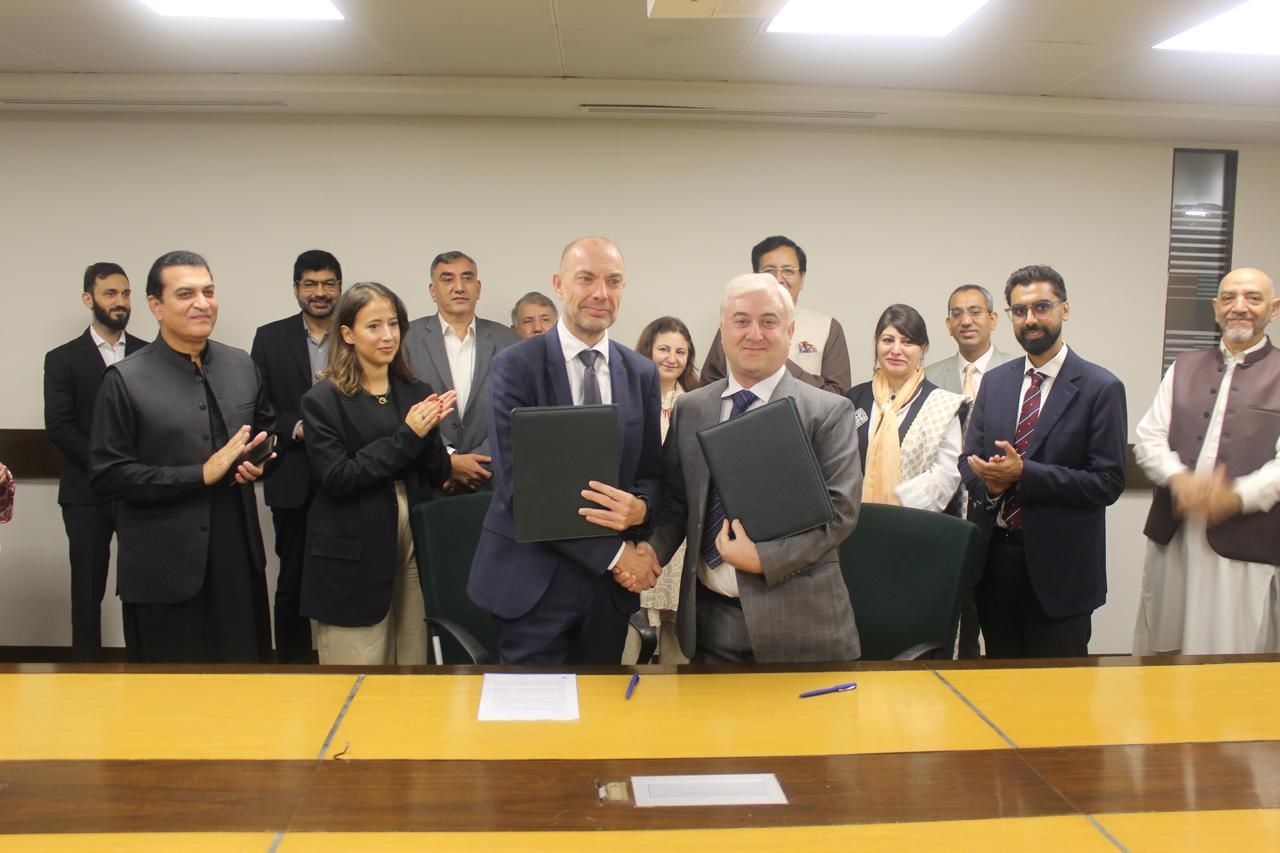
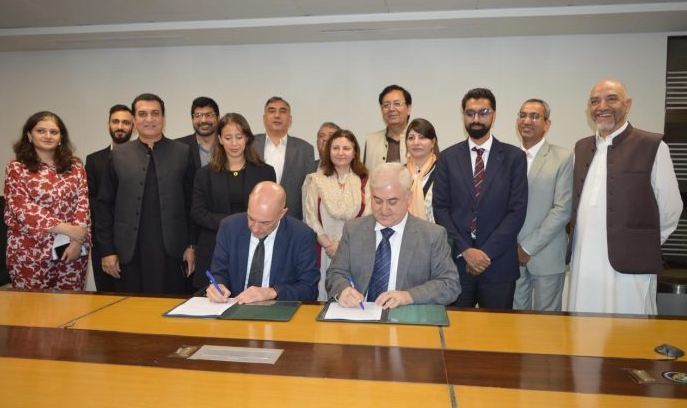
The partnership agreement was signed by H.E. Jakob Linulf, Ambassador of Denmark, and Akhtar Iqbal, CEO, Aga Khan Foundation, Pakistan (AKF(Pakistan)). The signing ceremony was also attended by other senior representatives from the Danish Embassy and the Aga Khan Development Network, Pakistan.

Speaking at the occasion,  Jakob Linulf, Ambassador of Denmark shared, “The province of Sindh has a diverse and unique climate profile, ranging from drought prone interior districts, desert landscapes, hills, to long coastal areas spreading across 330 kilometres from the borders of India to the borders of Balochistan. With such rich and fragile ecosystems, the impacts of climate change are as varied – from droughts and heatwaves impacting agricultural production to severe flooding leading to fragile socio-economic conditions and livelihoods. The project aims to respond to these challenges, focusing on tackling climate vulnerability in coastal districts along the Arabian Sea coast”.

Akhtar Iqbal, CEO AKF, Pakistan noted that AKF is pleased to collaborate with the Embassy of Denmark on a critical component as communities in Pakistan have been experiencing firsthand the impacts of climate change and environmental degradation in Pakistan. Aga Khan Foundation and agencies of the Aga Khan Development Network have been fully committed to doing our part for responsible stewardship of the environment. The Sindh Coastal Resilience Integrated Programme encompasses a science-based ecosystem approach and builds on the premise that in order to address climate change and ensure environmental sustainability, it is essential to engage communities and by doing so, improving the overall quality of life and economic opportunities.”

The project will be implemented by the AKDN agencies including the the Aga Khan Agency for Habitat, Pakistan (AKAHP) and the Aga Khan Rural Support Programme (AKRSP).
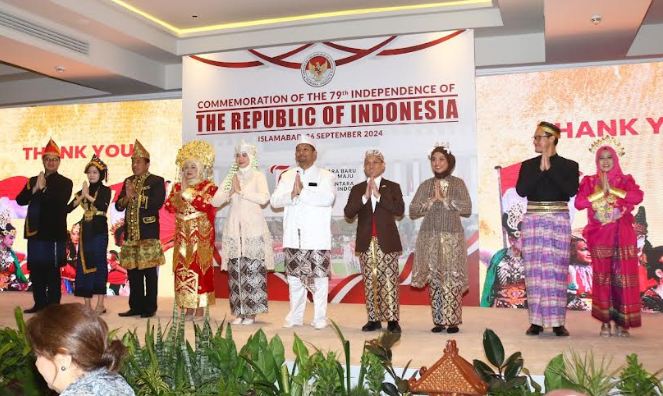
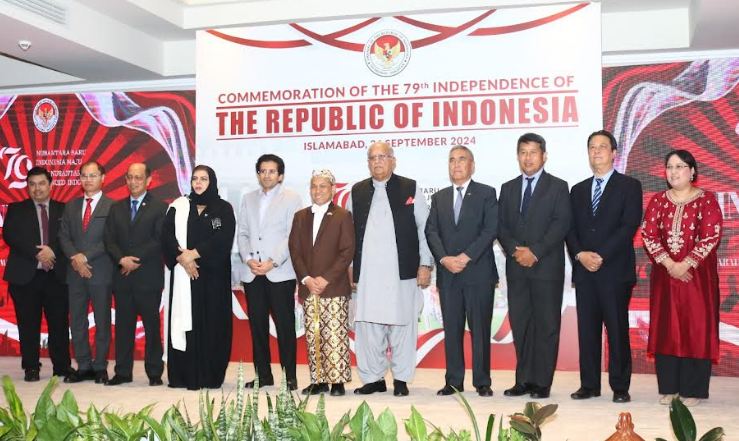
Indonesian Embassy in Islamabad celebrates 79th Independence Day

Indonesian Embassy in Islamabad celebrates 79th Independence Day

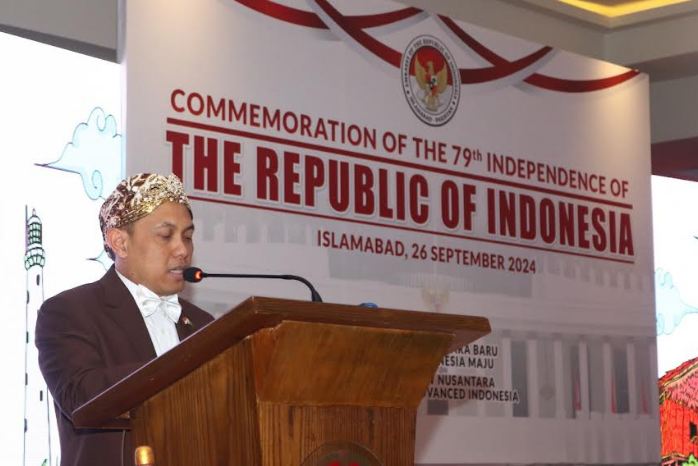
ISLAMABAD, /DNA/ – (26/9): The Embassy of the Republic of Indonesia in Islamabad hosted a majestic and cordial diplomatic reception to celebrate the Anniversary of 79th Indonesia’s Independence Day at the Islamabad Marriot Hotel on 26 September 2024.

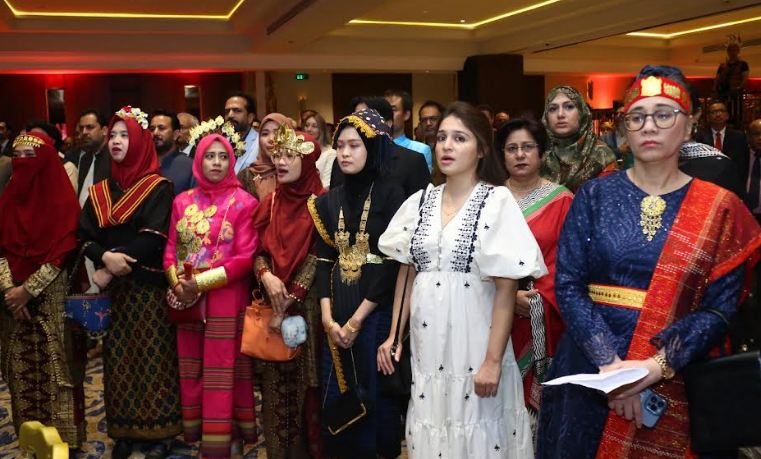
Federal Minister for Housing and Works, Hon. Mr. Mian Riaz Hussain Pirzada was the Chief Guest on the occasion, while State Minister for Finance, Revenue, and Power, Hon. Mr. Ali Pervaiz Malik was also present. Approximately 400 attendees from diverse backgrounds, including members of diplomatic corps, Pakistani government officials, politicians, business leaders, media professionals and others made the celebration vibrant and well-attended. 

Indonesian Embassy in Islamabad celebrates 79th Independence Day

The Indonesian Chargé d’Affaires, diplomats, and their families attired in traditional dresses and colorful ethnic outfits, brought a lively and authentic Indonesian ambiance to the event. The venue itself was beautifully decorated with floral arrangements, Batik fabric, and cultural ornaments, which further enriched by posters of the founding fathers of the respective both countries, President Sukarno of Indonesia and Quaid-e-Azam Muhammad Ali Jinnah of Pakistan. The decorations seamlessly blended symbolism and aesthetics, celebrating the shared values of the two nations. 

Indonesian Embassy in Islamabad celebrates 79th Independence Day

The theme of the reception was “New Nusantara, Advanced Indonesia”, which referred to the current massive development on infrastructure and connectivity across the Indonesian archipelago, including the Indonesian new Capital City of Nusantara (IKN). Indeed, within one decade under incumbent President Joko Widodo, Indonesia has focused on improving the mobility of goods, people, and services through huge investment in infrastructure and connectivity.

“Infrastructure projects across Indonesia is critical, as the Government of Indonesia will never let certain parts of the country left behind. Once again, improving connectivity and infrastructure means a lot, not only in strengthening economy but also in bolstering the unity of Indonesia,” Chargé d’Affaires (CdA) Rahmat Hindiarta Kusuma said in his remarks while he wore the traditional Javanese outfit inspired by the youth movement in the era of struggle for independence.

Indonesian Embassy in Islamabad celebrates 79th Independence Day

“Indeed, Indonesia is not yet a role model, but I would say that Indonesia is an example for political stability, national unity, and economic prosperity,” he added highlighting those issues in his extensive visits to several chambers of commerce and industry, universities, madrasahs, and think tanks in Pakistan.   

Touching upon economic cooperation, CdA Rahmat Hindiarta noted that Indonesia and Pakistan have significant untapped opportunities in trade and investment. He invited the Pakistani business community to attend the Indonesia and South and Central Asia Business Forum (INASCA) on 7 October 2024, as well as the prestigious Trade Expo Indonesia on 9-12 October 2024. 

In his turn, the Federal Minister Pirzada said that Indonesia and Pakistan are two brotherly countries that share firm views on regional and international issues as members of Organization of Islamic Cooperation (OIC) and other international organizations. It is expected that the bilateral relations, including economic cooperation continue to grow. “On behalf of the Prime Minister of Pakistan, I convey congratulations to Indonesia on its 79th Independence Day,” said Minister Pirzada concluded his remarks.  

Indonesian Embassy in Islamabad celebrates 79th Independence Day

The diplomatic reception commenced with moment of silence to remember and honor those had sacrificed their lives in Gaza, occupied territories of Palestine, and surrouding countries in the region. The following programs were Indonesian and Pakistani national anthems, followed by a cake-cutting ceremony, and documentary video on Indonesian new Capital City of Nusantara in Kalimantan island.

Another major attraction was the “Saman Dance” from Indonesian Province of Aceh performed with rhythmic precision by dancers seated in a row. The dancers were the Indonesian students in Islamabad. They mesmerized the audience with synchronized hand clapping, chest slapping, and graceful body movements, reflecting Indonesia’s vibrant cultural identity. The performance garnered enthusiastic applause, with the audience expressing admiration for Indonesia’s artistic and cultural legacy.

One of the highlights of the evening was a captivating fashion show, showcasing Indonesia’s rich cultural heritage. Traditional costumes with distinct textiles, colors, motifs, and symbolic designs enchanted the audience, offering a vivid glimpse into the country’s diverse traditions. The audience was also treated to a sumptuous spread that featured both local and continental cuisine, with Indonesian signature delicacies and drinks stealing the spotlight.

“I really enjoy your event. Programs, performances, foods, and everything here are the best and well-organized,” praised CEO Centaurus, Mr. Sardar Yasir Ilyas, while in parallel the Gemu Famire dance started. The dance becomes one of the mainstays of Fashmob’s Indonesian promotional activities abroad.

IHC questions ISPR’s right to approve defence analysts

IHC questions ISPR's right to approve defence analysts

Court Reporter

ISLAMABAD: The Islamabad High Court’s Justice Babar Sattar has grilled the federal government on how the military’s media wing was assuming the “exclusive right” to decide who qualifies as a defence analyst, it emerged on Wednesday.

The development came to light on Tuesday when the IHC issued an order about a case that challenged Pemra’s directives mandating retired officers to seek permission from the Inter-Services Public Relations (ISPR) before appearing on television.

In April 2019, Pemra instructed all television channels to seek prior clearance from the ISPR before inviting retired military officers on news and current affairs programmes “to solicit their views on matters of national security”.

The directives were challenged by the Ex-Servicemen Legal Forum in the IHC while the Pakistan Ex-Servicemen Society supported them.

The IHC order, said Assistant Attorney General Adeel Akhtar Raja had relied on the response filed by the defence ministry and ISPR during the hearing.

“When asked as to what is the legal standing of ISPR and how is ISPR assuming the exclusive right to determine who can be a defence analyst in Pakistan, the learned assistant attorney general [sought] time to assist the court,” the order said.

It further said that the Pemra counsel was asked several questions such as what the pre-clearance of individuals providing content on television had to do with the country’s sovereignty or security, how the authority could impose a prior restraint on speech, why it felt the need to issue the directives, and whether any request for the purpose was received from any sources within the military or ISPR, to which the lawyer sought time to assist the IHC.

“Let Pemra produce before the court the original noting file on the basis of which the impugned notification was processed, recommended, and issued to assist the court as to why Pemra felt the need to issue the said notification,” Justice Sattar ordered.

The case was adjourned until November 20.

Pak faced terrorism in worst form after 9/11: PM Shehbaz

Shehbaz Sharif

PM called upon the developed nations to help the developing countries come out of debt traps

News Desk

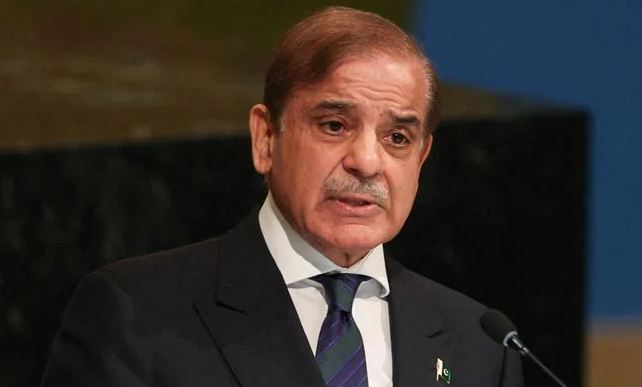
NEW YORK: Prime Minister Shehbaz Sharif on Tuesday said that Pakistan faced terrorism in worst form after 9/11 that was pushed from across the border, in which some 80,000 Pakistanis were martyred.

“Finally we have been able to beat them (terrorists), but we lost US$150 billion in the process,” the prime minister said while addressing the SDG Moment 2024 Meeting on the sidelines of 79th United Nations General Assembly Session.

Shehbaz Sharif called upon the developed nations to help the developing countries come out of debt traps mainly caused by the climate change related natural disasters.

“In 2022, we had the worst flooding in our history due to climate change and that was not our fault. We do not contribute even a fraction of a percent in terms of carbon emissions”, the prime minister.

He said the developed and rich countries were responsible for the emissions and they should take the responsibility and come to the help of the developing societies. “This is very important, otherwise this unbalanced, unjust and unfair system will lead to nowhere,” he stressed.

During floods in 2022, he said Pakistan had to face loss of US$30 billion and “yet we are asked to borrow money, to pay borrowed money and loans”. This vicious circle of debt trap, what he called it a “death trap” will not help at all the developing societies.

The prime minister pointed out that the financing gaps of Sustainable Development Goals (SDGs) run into trillions of dollars as the developing countries like Pakistan had to struggle to raise funds in that regard.

PM Shehbaz, while highlighting his efforts to promote education first in Punjab as Chief Minister and then in the entire country as the Prime Minister, said he had transformed the education system.

“I have introduced multiple initiatives to promote education and empower those segments of society which could not afford education for their children, for example Punjab Endowment Education Fund (PEEF) provides voucher scheme for girls and boys to get admission in schools in remote areas.”

PEEF, probably the largest fund in South Asia, he added benefited hundreds of thousands of children who were high achievers but came from very poor background. It provided stipends to the students to get education wherever they wanted in the country or abroad.

He said he also set up Danish Schools which were only for talented poor and orphan children. The schools with beautiful buildings were equipped with smart boards, besides quality teachers, books, and bags, etc. and many of their students were now serving the country as doctors, engineers and scientists, he added.

He said his government also started vocational training in the education institutions besides initiating a skilled development programme.

However, he regretted that still there were some 25 million out of school children in the country and steps were underway to get them enrolled.

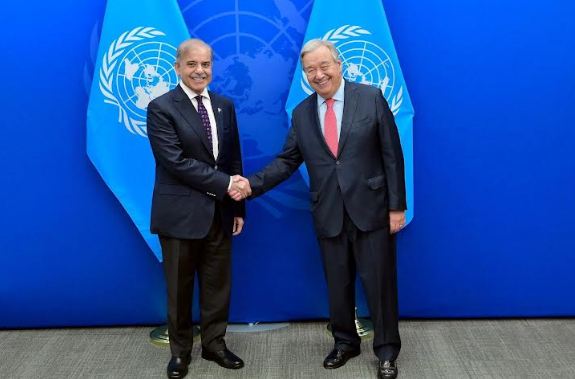
PM meets Guterres, Yunus among others on sidelines of UNGA

PM meets Guterres, Yunus among others on sidelines of UNGA

Premier discusses Pakistan’s potential role in UN Security Council, reaffirming commitment to global peace, stability

Foreign Desk

New york: Prime Minister Shehbaz Sharif engaged in a series of high-level meetings with global leaders on the sidelines of the 79th session of the United Nations General Assembly in New York on Wednesday.

Among them were Bangladesh Chief Executive Dr Muhammad Yunus, Turkish President Recep Tayyip Erdogan, the Emir of Kuwait, and UN Secretary-General António Guterres. The discussions focused on enhancing bilateral cooperation, addressing regional conflicts, and reaffirming Pakistan’s role in global peace and security.

At the invitation of Dr Yunus, PM Shehbaz attended a ceremony commemorating Bangladesh’s 50th year as a member of the United Nations. Both leaders engaged in a positive discussion about expanding bilateral cooperation across various fields, aiming to strengthen relations between the two nations.

The premier was welcomed by Dr Yunus with key Pakistani officials in attendance, including Defence Minister Khawaja Muhammad Asif, Information Minister Attaullah Tarar, and Special Assistant Tariq Fatemi. The meeting reflected a mutual commitment to fostering friendly ties between Pakistan and Bangladesh.

In a meeting with UN Secretary-General António Guterres, PM Shehbaz called for the UN to play a more active role in implementing its Security Council resolutions on Jammu and Kashmir.

He urged the UN to ensure Kashmiris’ right to self-determination and expressed Pakistan’s concerns over India’s ongoing actions in the occupied valley, stressing the need for a resolution to secure lasting peace in South Asia.

The PM also condemned Israel’s genocidal campaign against Palestinians, calling for an immediate and unconditional ceasefire. He reaffirmed Pakistan’s unwavering support for the establishment of a sovereign Palestinian state and urged the international community to hold Israel accountable.

Shehbaz further highlighted the growing issue of Islamophobia and discrimination against Muslims worldwide. Additionally, he reiterated Pakistan’s commitment to contributing to global peace as a non-permanent member of the UN Security Council for the 2025-26 term.

Secretary-General Guterres thanked Pakistan for its active role at the UN and commended its contributions to international peace, particularly through its peacekeeping forces.

During a bilateral meeting with Turkish President Recep Tayyip Erdogan, PM Shehbaz discussed the strengthening of ties between Pakistan and Türkiye.

The two leaders agreed to expand cooperation in trade, investment, defence, and security, and reviewed preparations for the upcoming 7th session of the Pakistan-Turkiye High-Level Strategic Cooperation Council, to be held in Islamabad soon.

The conversation also addressed regional and global issues, particularly the humanitarian crisis in Gaza. Both leaders called for an immediate ceasefire and the end of hostilities.

Treating “Maritime Numbness” – tapping the blue potential of Pakistan

Global Misperceptions

By Shah Faisal

World Maritime Day is being celebrated on 26th September 2024. World Maritime Day was first held in 1978 to mark the 20th anniversary of the International Maritime Organization (IMO) Convention’s entry into force. Celebrations are held throughout the world to highlight the importance of maritime sector, shipping safety, maritime security and the marine environment, and to emphasize any particular aspect of IMO’s work.

This year’s theme as announced by the IMO is “Navigating the Future: Safety First!”. The aim of this theme is to emphasize on maritime safety and security, protection of the marine environment and to anticipate the fast pace of technological change and innovation. This theme focusses on number of UN Sustainable Development Goals (SDGs) which include; use of modern and clean energy in maritime sector, promoting sustainable economic growth, combating climate change and most importantly using the oceans/ seas for sustainable development.

In fact, oceans are vital for life on earth. They provide key natural resources including food, medicines, biofuels and help with the breakdown and removal of waste and pollution. These are the world’s largest ecosystem, home to nearly a million known species and containing vast untapped potential for scientific discovery and their coastal ecosystems act as buffers to reduce damage from storms. The Almighty has placed countless bounties for the humankind in the seas. Large part of the world’s population resides in immediate vicinity of the seas. Some of the sectors associated with the seas include shipping, ship building, ship recycling (ship breaking), fishing, extraction of oil/ gas, tourism etc. As it is said in the Quran:

He is the One who has subjugated the sea, so that you may eat fresh meat from it, and may take out from it ornaments you wear, and you see the boats cleaving through it, and so that you may seek His bounty, and that you may be grateful

                        (Surah An Nahl Ayat 14)

Pakistan has 1000 km long coastline with sandy beaches, marshy lands, creeks and mangroves. At sea, Pakistan has 290,000 sq km of sea area under its jurisdiction with immense resources. However, on the occasion of World Maritime Day, the question arises that how much use of these resources is being made by us? Ironically, the answer is that Pakistan is not doing well in Blue Economy (a term used to represent economic activities related to the seas).

Reviewing the shipping first, international shipping transports more than 80 percent of global trade to peoples and communities all over the world. Shipping is the most efficient and cost-effective method of international transportation for most goods; facilitating commerce and helping to create prosperity among nations and peoples. Unfortunately, our national entity, Pakistan National Shipping Corporation, PNSC, owns just a handful of merchant ships out of over 100,000 vessels plying across oceans of the world. Quran emphasizes importance of shipping in these words:

In the creations of the heaven and the earth, in the cycle of night and day, in ships that plough the sea, to mankind’s benefit, ……. In these are signs for people who reflect
(Surah Al Baqarah Ayat 164)

Coming to ship building & repair, Pakistan has only one shipyard i.e Karachi Shipyard and Engineering Works (KS & EW) which was established in 1956. One of the regional giants of that time, however, it couldn’t keep pace with new trends and technologies and has not upgraded itself to build or repair large vessels. Its capabilities and contracts are limited to constructing ships and submarines for the Navy. Though it is a strategic asset of vital importance, yet lack of modernization and capacity building has considerably reduced its viability.

When it comes to ship breaking, Pakistan’s record is not that bad. Pakistan is ranked number 3 after Bangladesh and India. Ship breaking yard at Gadani can dismantle around 125 ships per year. However, working conditions are quite hazardous and pose serious risks to the laborers’ lives. Pertinent to mention here is the unfortunate fire incident onboard a ship being dismantled which claimed at least 28 precious lives in 2016. Post incident reports revealed poor safety practices and deplorable working conditions. It may be noted that Hong Kong International Convention for the safe and environmentally sound recycling of ships being implemented on 26 June next year may reduce recycling business in case of noncompliance by Pakistan.
Talking about fishing industry, fishing is a profitable profession that can bring significant foreign exchange to a country. Seafood industry of Pakistan is worth US$ 2.8 to 3.5 billion with proper value addition; however, presently fish exports receive around just US$ 400 million per annum. Despite tremendous potential, fishing industry’s contribution to national GDP remains less than 1 %. There are number of issues like overfishing, use of illegal nets, unhygienic conditions in fish handling and storage, use of primitive techniques and equipment and lack of modernization.
Pakistan has tremendous potential in the maritime sector and with effective policy making by the government it can thrive in the blue economy. Pakistan Navy, in addition to efficiently performing its core tasks, had been trying her best to raise awareness about this neglected sector. The Pakistan Navy has undertaken a number of initiatives to create maritime awareness at the national level by engaging various segments of civil society, including intelligentsia, chambers of commerce, maritime industry, universities and the media, to bring to fore the importance of the maritime sector and its immense potential into the national discourse. Establishment of National Institute of Maritime Affairs (NIMA) is one of the major steps in this direction which is aimed to act as a think tank of Pakistan in maritime policy research and raising public awareness.
While the world celebrates maritime day, we need to critically review our progress in the maritime sector and beware of the tremendous potential that we have, so as to contribute towards betterment of national economy. First step in this regard would be to overcome the Maritime Numbness which we are suffering from as a nation and start sensing the maritime potential that has been gifted to us by the Almighty.

The writer is a commentator on Maritime Affairs

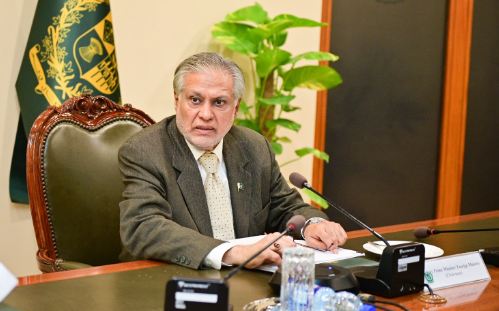
Deputy PM emphasizes expert advisory committee for Pakistan sovereign wealth fund

Deputy PM emphasizes expert advisory committee for Pakistan sovereign wealth fund

ISLAMABAD, SEPT 25 (DNA) – Deputy Prime Minister/ Foreign Minister Mohammad Ishaq Dar today chaired the meeting of the Cabinet Committee on Transfer of OGDCL Shares with the Privatization Commission. Participants included the Minister for EAD, Chairman SECP, and senior government officials.

The Committee discussed the transfer of OGDCL shares to the Sovereign Wealth Fund and measures for early operationalization of the Fund. The Deputy Prime Minister emphasized that the Advisory Committee envisaged under the Pakistan Sovereign Wealth Fund Act 2023, shall consist of leading experts in finance, economics or other relevant fields to achieve the objectives under the Act.

Govt action against non-filers is the right decision: Atif Ikram

Govt action against non-filers is the right decision: Atif Ikram

ISLAMABAD, SEPT 25 (DNA) – President Federation of Pakistan Chambers of Commerce and Industries Atif Ikram Sheikh has said that the government’s decision to take action against non-filers is correct while tax burden should be reduced on tax payers.Action against non-payers of taxable income should have been decided earlier.Action should be taken against taxpayers and facilitating officers involved in tax evasion, he expressed these views while talking to Chairman Capital Office Karim Aziz Malik, Vice President Tariq Jadoon, Chairman Coordination Malik Sohail and others.

President Federation Atif Ikram said that tax collection must be increased to improve the economy of Pakistan, to increase the tax revenue it is necessary to increase the number of taxpayers, tax net does not increase by imposing more taxes on taxpayers rather people start evading taxes, so instead of increasing the tax rate on those who are already paying taxes, steps should be taken to bring people into the tax net by themselves.

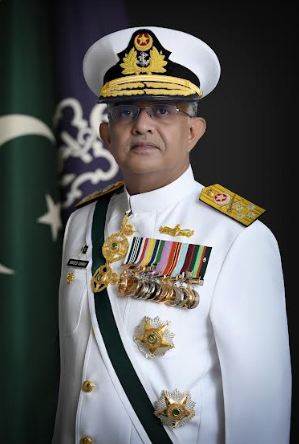
Naval Chief message on World Maritime Day – 2024

Naval Chief message on World Maritime Day – 2024

World Maritime Day, a significant reminder of maritime safety, security and environmental conservation is marked annually, urging nations to work together for sustainable maritime practices. This year, IMO has selected ‘Navigating the Future: Safety First’ as the theme for World Maritime Day, which is observed on the last Thursday of September each year. This theme reflects IMO’s work in the aforesaid areas and its drive towards ensuring regulatory development processes are integrated with the fast paced technological changes and innovation. This year is also significant as it marks the 50 years since the adoption of 1974 SOLAS Convention, which is the key IMO treaty regulating maritime safety.

Since shipping transports about 90% of global trade by volume; it also obligates safe, secure and efficient international shipping industry for future sustainable green economic growth. It is therefore, evident that improving the safety of ships and reducing their Green House Gas (GHG) emissions must go hand in hand. Both are critical to achieving a sustainable and efficient maritime industry. This year’s theme is also closely linked to UN 2030 Agenda for Sustainable Development and aligned with several of the UN’s Sustainable Development Goals (SDGs).

To achieve them, we need to keep pace with the digitalization and automation that are revolutionizing the shipping industry. This calls for introduction of newer technologies for enhancing safety, security and efficiency, optimizing performance, reducing environmental impact and ensuring sustainability. These measures can greatly help in improving overall efficacy and competitiveness of the shipping industry, making it possible to design, construct and operate ships more efficiently, handle more cargo, reduce costs and enhance customer satisfaction.

The thrust on ‘safety’ in this year’s theme has been an integral component of Pakistan Navy operations and processes, next only to their efficient conduct, which is continuously reviewed to address any gaps that may arise. Pakistan Navy has instituted exacting measures to ensure ‘safety first’ principle, onboard as well as ashore. Our efforts towards maritime safety bear testimony to our unwavering commitment and emphasis on implementation of SOPs, in their true letter and spirit.

On this World Maritime Day, as we take stock of our shared maritime achievements, let us also look forward with determination and resolve to align our national objectives with the ongoing global shift towards sustainable and green marine practices. I urge all the stakeholders to embrace these evolving trends and reiterate Pakistan Navy’s commitment in ensuring maritime safety and upholding environmental mandates.

Let us recommit to the principle of maritime safety and reaffirm our solemn pledge that in pursuing, ‘Navigating the Future: Safety First’, we shall spare no effort, neither in spirit nor in action. I look forward to a profound and cumulative response by all stakeholders.

Another Sham Elections in IIOJK

Another Sham Elections in IIOJK

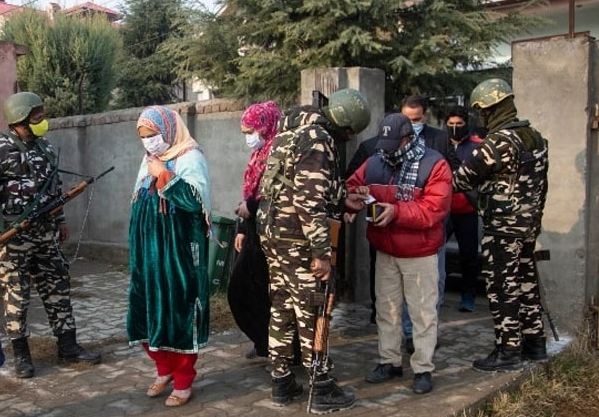
The people of Indian Illegally Occupied Jammu and Kashmir  (IIOJK)  are enduring another round of agony in the form of the state assembly’s sham elections. The polls are taking place after a gap of 10 years. The voting process will be held in three phases, and the result will be declared on the 8th of October. The outcome of these elections is eagerly awaited to gauge how the people of IIOJK react to the annulment of the Indian Constitution’s Articles 370 and 35A on the  5th of August 2019.

Some of the key political parties of India and the IIOJK vehemently oppose the abrogation of these constitutional provisions, including:  Congress, Communist Party of India, Communist Party of India (Marxist), National Conference, Peoples Democratic Party, Dravida Munnetra Kazhagam (DMK), and Trinamool. Congress and its major IIOJK-based political ally, the National Conference, are jointly contesting the assembly elections on a manifesto to restore the expunged constitutional articles.

All Kashmiris irrespective of their caste creed, or religion are suffering, particularly due to the revocation of Article 35A, which has affected their ability to secure jobs, and buy or sell properties. Combined with the issuance of thousands of illegal domiciles of Jammu & Kashmir to non-Kashmiris, the demographic structure of IIOJK is undergoing an undesirable transformation.

The Bharatiya Janata Party (BJP) aims to win the upcoming IIOJK elections, at any cost, to further consolidate the illegal annexation of Jammu and Kashmir. Hence, panic has set in among the top BJP leadership.  India’s external affairs, defence and interior ministers are working in overdrive to secure a BJP victory, by hook or crook. To achieve this, they are struggling to legitimise the illegitimate Indian action of 5 August.

When asked about the status of IIOJK on 30 August, Indian External Affairs Minister Dr S Jaishankar said that Kashmir’s issue stood resolved through the abrogation of Article 370. He added after this, not much was left to discuss with Pakistan, therefore “the era of uninterrupted dialogue with Pakistan is over”.  Home Minister Amit Shah, while unveiling the BJP’s manifesto for the upcoming IIOJK elections, ruled out the restoration of Article 370, claiming that the provision had “become history”. Additionally, while addressing an election rally in IIOJK, Defence Minister Rajnath Singh remarked “No power can restore Article 370.” This reflects the collective mindset of the RSS-BJP alliance.

Pakistan rejected these Indian claims about IIOJK, labelling them as “misleading” and “dangerously delusional”. On 1 September, Pakistan’s Foreign Office spokesperson emphasised that the Kashmir dispute is an “internationally recognised issue that must be resolved through the United Nations Security Council (UNSC) resolutions and according to the wishes of the Kashmiri people”. India’s unilateral actions in IIOJK cannot change this reality. Pakistan has also urged India to abandon its “provocative rhetoric” concerning the region and engage in a meaningful dialogue for a just and lasting resolution of the IIOJK dispute.

The Kashmir dispute is an unfinished agenda from the partition of Indian subcontinent in 1947. The Kashmir conflict has been on the UN agenda since 1948, making it one of the oldest disputes of the contemporary world order. Interestingly, it was not Pakistan that took the issue to the UN; India did it!  India sought the settlement of the Kashmir issue through the UN good offices on 1 January 1948. Since then, the UN has adopted over a dozen resolutions, all of which India has defied with impunity.

The first UNSC resolution on Kashmir was 38/1948. It “established the United Nations Commission for India and Pakistan (UNCIP) to investigate the issues and mediate between the two countries”. The second landmark resolution was 47/1948,  passed on 21 April 1948, whereby India and Pakistan agreed to resolve the dispute through a UN-supervised plebsite. This also led the way to the establishment of the “United Nations Military Observer Group in India and Pakistan (UNMOGIP) to monitor the ceasefire line. The UNMOGIP continues to have its offices in Pakistan and India. The last Kashmir conflict-specific resolution was passed in the aftermath of the nuclearisation of both countries [UNSCR 1172/1998]. This resolution “urges India and Pakistan to resume dialogue on all outstanding issues to find mutually acceptable solutions that address the root causes of such tensions, including Kashmir”.

India’s relationship with Pakistan remains volatile, with border disputes in Jammu and sowing Kashmir as a perpetual flashpoint. It is out of the question that the IIOJK dispute, has been, or could be, settled unilaterally by India. Such claims by India are not only misleading but dangerously delusional. If East Timor and South Sudan can be granted the right to self-determination, there is no justification for denying this fundamental right to the Kashmiri people.

The resolution of this long-standing conflict is pivotal to achieving viable stability in South Asia. The UN Secretary General needs to appoint a special representative for Kashmir and initiate the process for holding a UN-supervised plebiscite in IIOJK. While Pakistan remains committed to diplomacy and dialogue, any hostile actions by India will be met with unyielding resolve.

Air Commodore Khalid Iqbal (Retd) is Director at the Centre for Aerospace and Security Studies (CASS), Lahore Pakistan. He may be reached at [email protected]

Stay Connected

64FansLike
60FollowersFollow

Latest Reviews

Exchange Rates

USD - United States Dollar
EUR
1.17
GBP
1.34
AUD
0.67
CAD
0.73