Home Blog Page 973

“Should Dr. Arif Alvi Fill the Leadership Vacuum in PTI?”

Qamar Bashir

By: Qamar Bashir

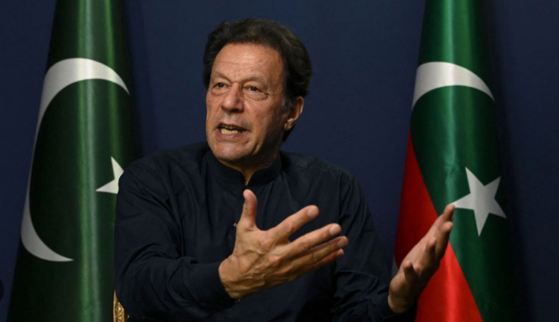
Dr. Arif Alvi, the former President, possesses a wealth of attributes that make him a distinguished figure in the political arena.  In essence, Dr. Alvi embodies the qualities of an astute politician with a positive, creative, and non-violent approach to governance. Dr. Arif Alvi’s political journey began in 1979 with Jamaat-e-Islami (JI), where he opposed martial law under General Zia-ul-Haq. He later became a founding member of PTI in 1996, serving as its Sindh president. Despite navigating through General Pervez Musharraf’s martial law, he secured a National Assembly seat from Karachi in 2013 and won against MQM-P heavyweight Dr. Farooq Sattar in 2018. Known for his loyalty to Imran Khan, Alvi assumed the presidency in 2018, navigating Pakistan’s volatile political landscape effectively with a few hiccups here and there.

Having successfully completed his tenure as the supreme commander of the armed forces of Pakistan and head of all three pillars of the state, Dr. Alvi now faces a pivotal moment in his political career. With the leadership vacuum in PTI growing wider each passing day, exacerbated by the incarceration of its founding chairman, Mr. Imran Khan, the need for Alvi to assume an active role in the party has never been more apparent. Imran Khan’s likely prolonged detention underscores the urgency for Alvi to step up, especially as other key leaders of PTI find themselves either in jail or in hiding due to alleged state oppression. As PTI grapples with these unprecedented challenges, Alvi’s leadership and guidance could prove instrumental in navigating the party through turbulent times and charting a course towards stability and resilience.

PTI’s leadership is currently dominated by lawyers, often labeled as “paratroopers” by analysts. These individuals lack a political background and grassroots support, making them ill-equipped to handle the intricacies of political maneuvering effectively. Their tendency to resort to legal battles instead of leveraging popular support has been detrimental to the party’s interests. This lack of political acumen has significantly undermined PTI’s standing and effectiveness, leading to its near-complete disarray.

Their failures have been glaring: firstly, their inability to defend their own chairman entangled in numerous frivolous cases and subsequent incarceration. Secondly, their failure to secure the release of key political figures and thousands of workers unjustly imprisoned. Thirdly, the loss of the party’s election symbol resulted in a significant blow to PTI’s electoral prospects and brand value. Fourthly, their actions inadvertently led to the absorption of newly elected members into a sectarian political party, further tarnishing PTI’s identity. Lastly, they were unable to defend the allocation of reserve seats for women and minorities, strengthening rival parties at PTI’s expense. These missteps have not only weakened PTI but have also alienated certain segments of its support base.

Their professional mindset predisposes them to view fellow lawyers as adversaries, contributing to a lack of unity within PTI. This absence of cohesion, a hallmark of effective political parties, has left PTI fractured. Divergent opinions among self-assumed leaders mirror the courtroom dynamics of lawyers competing for favorable outcomes, resulting in internal discord and confusion. As a consequence, PTI finds itself in a state of disarray, unable to present a unified front or pursue a cohesive agenda.

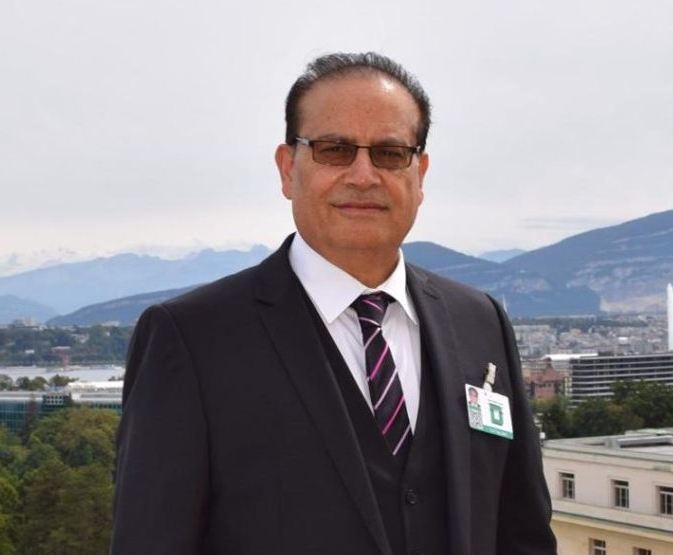
During the PTI government, I had the privilege of serving as Director General to two PTI ministers, Fawad Hussain and Shibli Faraz, and developed a close relationship with Mr. Shah Mehmood Qureshi. From my experiences accompanying Mr. Qureshi on official and unofficial engagements as Press Attache in Kuala Lumpur, Malaysia, and later in Geneva, Switzerland, I observed their exceptional abilities. In my opinion, their presence at the forefront of PTI leadership, the lawyers  and Mr. Raoof Hassan had a marginal role in PTI decision making. But in the absence of the political leadership, despite their sincere intentions, these lawyers-turned-PTI leaders have inadvertently damaged the party’s standing and undermined the political capital built by PTI’s founder, Mr. Imran Khan.

While PTI owes gratitude to lawyers and Mr. Raoof Hassan, who is renowned for his exceptional writing and keen political insight, it is undeniable that they cannot match the experience and expertise of genuine politicians due to many pressing reasons.

Genuine politicians bring years of political activism, governance, and public service to their roles, allowing them to navigate complex challenges with finesse. Their understanding of political dynamics, constituency needs, and policymaking processes equips them to handle intricate political maneuvering, coalition-building, and effective constituency engagement. In contrast, lawyers-turned-politicians may initially lack direct political experience, presenting challenges in grasping the nuances of political dynamics and effectively engaging with constituents.

Secondly, genuine politicians often have strong roots in their constituencies and a profound connection with the concerns and aspirations of the people they represent. Their longstanding presence and engagement within communities allow them to establish meaningful connections with constituents and address their needs effectively. Conversely, lawyers turned politicians may encounter difficulties in building such connections, especially if they lack prior experience in community engagement or grassroots organizing.

Thirdly, genuine politicians typically demonstrate strong leadership qualities, including the ability to make tough decisions, build consensus, and inspire confidence among party members and supporters. Their leadership is characterized by a keen understanding of political dynamics and a commitment to advancing the interests of their constituents. While lawyers turned politicians may bring analytical skills and legal expertise to the table, they may face challenges in adapting their approach to the broader demands of political leadership, including building alliances and navigating internal party dynamics.

Given the context outlined above, it becomes apparent why it is crucial for former President Alvi, a close associate of Imran Khan and someone with deep ties to PTI, to step forward and provide political leadership to the party.

As a genuine politician with years of experience in governance and public service, Alvi possesses the necessary acumen to navigate the complex challenges faced by PTI. His understanding of constituency needs and ability to establish meaningful connections with constituents can help reinvigorate the party’s grassroots support.

Moreover, Alvi’s demonstrated leadership qualities, including his track record of making tough decisions and building consensus, make him well-suited to unite the party and provide a clear direction amidst internal turmoil. His commitment to advancing the interests of PTI supporters and addressing their concerns underscores the importance of his leadership at this critical juncture.

By stepping forward, Alvi can work towards reclaiming PTI’s iconic symbol and disassociating it from sectarian affiliations, thereby restoring the party’s brand value and integrity. Additionally, his efforts to secure the release of Imran Khan and other imprisoned party members would signal a commitment to upholding democratic principles and ensuring justice for all PTI members.

With over ten months of experience working closely with Dr. Arif Alvi as his press secretary and media advisor, I can attest to his wisdom, articulate nature, and exceptional team-building skills. As a statesman, Dr. Alvi envisions a vibrant, forward-looking, modern, and prosperous Pakistan. During his over five-year tenure, he persistently masterminded Pakistan-specific COVID-19 protocols, saving many lives and positioning the country favorably compared to others worldwide. Dr. Alvi emphasized the importance of fast-tracked education and skill development through smart and effective short-duration courses to uplift illiterate and unskilled segments, transforming them into wealth-generating assets. He advocated for leveraging the latest technological advancements such as quantum computing, internet of things, big data management, artificial intelligence, and virtual reality. Additionally, he highlighted the significance of research and development as essential for achieving fast-track progress and development. On the social front, Dr. Alvi’s advocacy for early detection of breast cancer, addressing mental health issues, and promoting inclusivity for differently-abled individuals underscores his commitment to social causes.

Overall, Alvi’s leadership is essential in reasserting PTI’s position as a formidable political force, reuniting the party under a unified vision, and overcoming the challenges that lie ahead. His experience, integrity, and dedication to serving the people make him a fitting candidate to lead PTI effectively and take the country towards a brighter future.

By: Qamar Bashir

Press Secretary to the President (Rtd)

Former Press Minister at Embassy of Pakistan to France

Former MD, SRBC

Health activists stress importance of Tobacco Tax increase for Public Relief on essential commodities

Health activists stress importance of Tobacco Tax increase for Public Relief on essential commodities

Islamabad, APR 2 /DNA/ – Health activists, in a press release by the Society for the Protection of the Rights of the Child (SPARC), emphasized the critical need for the government to prioritize health and economic agendas by increasing taxes on cigarettes. This call comes in tandem with the imminent commencement of negotiations on the International Monetary Fund (IMF) Agreement and the crucial Budget Planning for 2024-25.

With a focus on long-term public health and economic stability, Malik Imran Ahmad, Country Head of CTFK, emphasized the interconnected relationship between reduced tobacco consumption, improved health outcomes, and enhanced revenue streams. He affirmed that prioritizing tobacco taxation in the forthcoming budget would not only safeguard public health but also propel the nation towards achieving its fiscal targets and commitments.

To Propel Health and Economy Forward, Ahmad advocated for a 26.6% Federal Excise Duty (FED) increase on cigarettes, a move projected to recuperate 19.8% of healthcare expenditures associated with smoking-related diseases. He emphasized that this measure aligns with the impending IMF Agreement negotiations, contributing substantially to revenue generation crucial for budgetary allocations.

In his statement, Ahmad further highlighted that the government would benefit from increased revenue from tobacco products, potentially averting the need for an increase in petrol prices and subsequent rises in commodity prices. This strategic approach would provide much-needed relief to the public amidst economic challenges.

Dr. Khalil Ahmad Dogar, Program Manager at SPARC, stressed the pivotal role of increased cigarette taxes in deterring tobacco use among youth and low-income individuals. Dr. Dogar reiterated that higher prices serve as effective deterrents, particularly for price-sensitive demographics such as youth and the low-income population. He urged the government to leverage tobacco taxation not only to curb smoking initiation among youth but also to fortify public health initiatives and healthcare services.

Dr. Dogar emphasized that policymakers must fulfill their electoral promises by taking decisive action against the tobacco industry. This includes continuous and consistent raises in tobacco taxation, the implementation of a single tax tier system, across-the-board implementation of the Track and Trace System, and maintaining a clear separation from the tobacco industry.

Saudi Arabia to digitize society transformed Kingdom in a decade

Saudi Arabia to digitize society transformed Kingdom in a decade

It was underscored and appreciated that Saudi Arabia with a population of around 40 million has made great strides in information technology, and its desire to digitize the society has transformed it within a span of less than a decade

Faisal Shiekh

ISLAMABAD, Apr 02 (DNA): Speakers at a roundtable on Saudi Arabia’s E-Governance as a model for Pakistan on Tuesday highlighted that Saudi Arabia with a population of around 40 million has made great strides in information technology, and its desire to digitize the society has transformed it within a span of less than a decade.

The roundtable conference titled E-Governance in Saudi Arabia: Opportunities and lessons for Pakistan was organized here at Islamabad Policy Research Institute (IPRI) in collaboration with WE World News.

CEO National Information Technology Board (NITB), Dr Babar Majid Bhatti was the chief guest, and the forum was also graced by Ambassador Vice Admiral (R) Khan Hasham bin Saddique, who had also served as an envoy in Saudi Arabia.

President IPRI Dr Raza Muhammad, Director Research Brig (R) Dr Raashid Wali Janjua, also participated in the dialogue.

It was underscored and appreciated that Saudi Arabia with a population of around 40 million has made great strides in information technology, and its desire to digitize the society has transformed it within a span of less than a decade.

The speakers said that it is the sagacity of Saudi Arabia to diversify its economy from being oil-based to one on digital revolution. It, likewise, took a leap forward in acquiring the best of talent and expertise from world over in pursuit of setting up an infrastructure for e-commerce and ultimately e-governance.

Dr Bhatti took pride in saying that today Saudi Arabia is number one on the index of countries who have transformed after starting from a scratch in 2017. This primarily is an outcome of its vision to create a backbone of data and to disseminate it in the national mainstream.

He also said that the industry is looking for catalyst and transformers, and not merely those who can sit on the problem by evaluating academic debates. Some of the great accomplishments that came the Saudi way are National Cybersecurity Authority (NCA), a monolithic landscape of development intended to tap the best of talent, and the highest level of commitment from the leadership.

While drawing parallels, it was noted that though Pakistan possesses some of the great talent and industrious initiatives, it is lack of digital foundations that ails it.

This is why Saudi Arabia today is successfully erecting a triangular pyramid of digital society, digital economy and digital governance; and this is rapidly transforming its economy from oil to digital in context.

It was illustrated that the need for any evolving society that wants to digitize it is to have a strategy at the outset and backed by a roadmap of sustainability. The terms used in this context is Business Process Speed Engineering (BPSE), and that forms the crux for development and innovation.

Dr Bhatti observed that Saudi Arabia had laid out a practical strategy with specified objectives, along with a consistent model. He noted that it’s time to relate the academia with the industry, and he coined the idea of having Industry PhDs. Moreover, Saudi Arabia had proved that Research & Development needs to go hand-in-glove with industry, academia and the government.

Vice-Admiral Hasham noted that Saudi Arabia is number four in terms of Smart Cities in the world, and the credit goes to the personal involvement of Saudi leadership and Crown Prince Muhammad bin Salman deserves praise for it. The fact that he sits on many of the boards related to development and digital context makes him lead from the front, it was pointed out.

Ambassador Hasham said that 85 percent of Saudi society has access to E-governance, and this is no mean success. Likewise, more than 50% of its revenue at moment is from non-oil resources.

The participants pointed out that Pakistan’s fundamental problem as it takes the digital and e-governance route is lack of facilities to opt for digital financial transactions. This aspect must be studied at length, and similarly by setting up smart cities, Pakistan can address many of its governance-related problems in a better way by documenting it on digitization.

In this regard, stress was laid on digital literacy in Pakistan and the need for a transparent infrastructure. Irritants such as high cost of energy, lack of infrastructure and absence of regulations are hindering Pakistan from making strides in e-format headway.

The discussants evolved that a state-sponsored policy to facilitate private sector is the need of the hour in order to harness the best of potential that Pakistan possesses, and streamline the same into e-governance.

It was also noted that e-procurement can cut down 60% of transaction cost, and boost efficiency. The reason why Saudi Arabia has progressed is that it has taken out red-tapism from its bureaucracy, and evolved it on a format of ease-governance.

KP and Balochistan Press Unite: APNS committees set to uphold media standards

KP and Balochistan Press Unite: APNS committees set to uphold media standards

KARACHI, APR 2 /DNA/ – The President, Nazafreen Saigol Lakhani and the Secretary General, Sarmad Ali of the All Pakistan Newspapers Society have appointed Syed Haroon Shah to be Chairman of the Khyber Pakhtoon-Khwa (KP) Provincial Committee for the year 2024-25 and Mr. Waseem Ahmed, Chairman Balochistan Provincial Committee of the APNS for the year 2024-25.The members of the committees are here-under:

Khyber Pakhtoon-Khwa (KP) Provincial Committee

1          ​Syed Haroon Shah                       ​Chairman                 Daily Wahdat

2​          Syed Ayaz Badshah ​                    Vice Chairman ​        Daily Mashriq, Pesh.

3​          Mrs. SabaYousufi                         ​Member​                   Daily Aaj,Pesh.

4​          Mr. Bari Malik                               Member                   Daily Watan

5          Mr. Imran Haider                          Member                   D/ Frontier Times

6          Mr. Ashfaq Ahmed Mufti              Member                   Daily Ilhaq

7​          Syed Qaiser Rizvi                         ​Member                   Daily Jiddat

8​          Mr. Liaqat Ali Yousafzai                ​Member                   Daily Surkhab

9​          Mr. Zahid Hafeez                          ​Member                   Daily Sarhad

10        Mr. Tahir Farooq                           Member                   Daily Jihad

11        Mr. Mahmood Ullah Afridi.           Member                   Daily Frontier Post

Balochistan Provincial Committee

1​          Mr. Waseem Ahmed                    Chairman                 Daily Awam, Quetta

2          Mr. Arif Baloch                              Vice Chairman         Daily Balochistan Express

3          Mr. Javid Ahmed                          Member                   Daily Atemad

4​          Mr. Anwar Sajidi​                           Member                   Daily Intekhab

5 ​         Mr. Riaz-ul-Hassan Qazi​              Member​                   Daily Jang

6 ​         Mr. M. Anwar Nasir​                      Member​                   Daily Balochistan News

7          Mr. Muhammad Haider Amin       Member                   Daily Balochistan Times

8          Mr. Naeem Sadiq                         Member                   Daily Shaal

9          Syed Mumtaz Ahmad Shah         Member                   Daily Mashriq, Quetta

“Beyond Interference: Redefining the Scope of Judicial Protection”

Qamar Bashir

By: Qamar Bashir

Chief Justice Qazi Faez Esa, nearing the end of his tenure, chose not to address the complaint filed by six serving judges through the Supreme Judicial Council or by convening a full court of the Supreme Court. Instead, he passed it onto the civilian government, which many perceive as being under the complete influence of the powerful establishment. This decision has been viewed as a missed opportunity to restore judicial independence from the alleged overwhelming control exerted by the establishment, which is often equated with the state itself. This control extends to all facets of governance, including the parliament, governments, cabinets, electoral processes, judicial proceedings, and foreign policy decisions, as well as the management of trade, business, investment, agriculture, and livestock.

The Chief Justice’s decision to avoid addressing the complaint prompted over 300 members of the legal fraternity to stage a protest before the Supreme Court today (31.03.2024), urging the Court to take responsibility for adjudicating the matter under Article 184(3) of the Constitution. They argued that any government-led commission would lack the necessary independence and authority to properly investigate the claims.

Analysts, jurists, and lawyers have widely criticized the appointment of Tassaduq Hussain Jillani, who served as the 21st Chief Justice of Pakistan from 2013 to 2014, to head the one-man commission tasked with adjudicating the complaint of six judges. Many have deemed this appointment highly inadequate, inappropriate, and out of context, given Jillani’s age—barely two years younger than Pakistan itself. They argue that since the complaint directly implicates the executive branch as the culprit, appointing a commission headed by someone associated with the executive undermines the integrity of the process. It’s seen as illogical and unfitting for the accused to be tasked with providing justice to the complainants.

Meanwhile, the PTI, emerging as one of the largest stakeholders, has been particularly affected by judicial decisions allegedly manipulated by the establishment. These decisions have targeted the incarceration of PTI’s former chairman and top-tier leadership, resulting in significant upheaval within the party. PTI has not only lost its founding chairman, top and second-tier leadership, but also its iconic symbol and brand name. Currently, it has been absorbed into an irrelevant and sectarian party, Sunni Itehad, thereby alienating sympathizers from other sects. The heavy toll this has taken on PTI appears irreversible at this juncture.

The terms of reference assigned to the commission are notable for their focus on investigating direct involvement of officials in judicial interference and recommending appropriate action against implicated agencies, departments, or state institutions based on evidence uncovered. However, the absence of mention regarding indirect involvement suggests a potential gap in the scope of the inquiry. Additionally, the commission’s starting assumption that no interference has occurred places the burden of proof on the six judges, who must substantiate their claims comprehensively with evidence, witnesses, and circumstantial evidence. Failure to do so could lead to the judges facing accusations of lodging false or concocted complaints, adding a significant layer of complexity to the proceedings. Moreover, granting the commission the authority to explore additional matters deemed totally inappropriate. 

The analyst and jurists believe that the TORs assigned to the commission lack specificity and urgency in addressing the issue of unlawful interference. While they include provisions for investigating interference and recommending action, they may not adequately address the need for proactive measures to prevent future interference or hold accountable those responsible. Additionally, the assigned TORs may not fully acknowledge the complexity of the issue or provide clear guidance on how to address challenges such as fixing responsibility in the absence of concrete evidence.

Rejecting the Terms of Reference (TORs), analysts and jurists argue the letter written by the six judges transcends mere complaints or allegations. Instead, it resembles a decision by a six-member high court bench. After conducting investigations, gathering facts, and recording witness testimonies, the bench unequivocally declared the unlawful elements within the country’s prime spying agency and the establishment guilty of blatant and brute interference in judicial matters.

The bench highlighted that the unlawful elements within the establishment  use coercive tactics, including intimidation, blackmail, and eavesdropping, to influence bench formations and court decisions aligning with their political and administrative agendas. Furthermore, by openly defying or frustrating court orders that contradict their objectives, the unlawful elements within the establishment undermines the judiciary’s independence. The bench sought guidance from the Supreme Judicial Council on defensive measures to safeguard against such unlawful interference and ensure the judiciary’s autonomy to dispense justice impartially and transparently.

Analysts and jurists criticize the use of the phrase “interference of the executive”. They argue that the type of interference faced by the judiciary transcends constitutional boundaries and legal frameworks. Rather than being categorized as executive interference, it should be characterized as unlawful coercion perpetrated by rogue elements within state institutions. These elements employ illicit means to manipulate and intimidate the judiciary, undermining its independence and impartiality therefore cannot be legally termed as executive. As such, they should not be regarded as lawful actors but as unlawful elements seeking to subvert the rule of law through coercion and intimidation tactics.

Henceforth, the Terms of Reference (TORs) for the Commission should reflect a proactive approach, beginning with the acknowledgment that unlawful interference with the judiciary has already been substantiated. The Commission should then focus on recommending measures to safeguard the judiciary from undue, unlawful, and blatant interference perpetrated by rogue elements within state security institutions.

Secondly, the Commission should provide practical and actionable recommendations regarding how the lower and higher judiciary can respond effectively to such unlawful interference. These recommendations should empower the judiciary to maintain its independence and integrity in the face of external pressures.

Thirdly, the Commission must address the challenge of fixing responsibility on unlawful elements within the state security apparatus, even in the absence of concrete evidence and witnesses. Given the sophisticated techniques employed by these elements to conceal their activities, the Commission should explore innovative strategies for holding them accountable.

Fourthly, the Commission should propose the enactment of new legislation and regulations aimed at establishing dedicated security forces tasked with protecting the lower and higher judiciary from unlawful interference, whether originating from within state institutions or external non-state actors.

Lastly, the Commission should recommend mechanisms to ensure the implementation of court decisions and prevent their violation or frustration through selective administrative, legal, or illegal means. These measures should reinforce the rule of law and uphold the authority of judicial decisions in the face of external pressures.

The proposed Terms of Reference (TORs) present a comprehensive and proactive approach to addressing the issue of unlawful interference with the judiciary. They prioritize acknowledging the existing problem and recommending concrete measures to safeguard judicial independence and integrity. By focusing on empowering the judiciary to respond effectively, holding accountable those responsible for interference, and proposing legislative reforms, the proposed TORs offer a robust framework for addressing the challenges at hand.

By: Qamar Bashir

Press Secretary to the President(Rtd)

Former Press Minister at Embassy of Pakistan to France

Former MD, SRBC

Defence minister hopeful of thaw in Islamabad-New Delhi ties after Indian elections

Defence minister hopeful of thaw in Islamabad-New Delhi ties after Indian elections

ISLAMABAD, APR 1 /DNA/ – Defence Minister Khawaja Asif on Monday expressed hopes for betterment in bilateral ties with India after the neighbour comes out of its election phase commencing from April 19 and ending in June.

Regional arch-rivals — Islamabad and New Delhi — have a long history of strained relations, primarily due to Indian Illegally Occupied Jammu and Kashmir (IIOJK) dispute which led to several wars while tensions usually rise on the occasions of countrywide elections in India.

“Our relations with India could be improved after elections there,” the defence minister expressed his views while speaking to reporters outside the Parliament House in Islamabad, adding that Pakistan and India ties have its “own background”.

As the country which borders with China, India, Afghanistan, and Iran witnessed tensions with other neighbours, except for China, following crossborder attacks from Iran and Afghanistan, Asif is hopeful for a turn of event in terms of improvement of bilateral ties with New Delhi after the neighbour completes its upcoming election phase.

Maryam announces to establish model agriculture centres

Maryam announces to establish model agriculture centres

DNA
Lahore, APR 1: Chief Minister Punjab Maryam Nawaz Sharif and Quaid Muhammad Nawaz Sharif co-chaired a meeting to review challenges of agriculture in Punjab.

Qiaid Muhammad Nawaz Sharif said,“The lack of quality seeds even after the lapse of four decades is a matter of grave concern.” He added,“Effective steps should be taken to plug the wastage of 37 MAF water from wastage in Punjab,” He emphasised on the need to use modern methods of irrigation for this purpose.

The Secretary Agriculture in his briefing on various projects for the development of agriculture in Punjab apprised that 1.7 MAF of water can be saved by paving 7300 water courses (Khalaas) in Punjab. A proposal to return rainwater to the ground by reverse pumping to improve groundwater levels was also reviewed in the meeting. Moreover, necessary measures to increase the rate of farm mechanization from 35 to 60 percent in Punjab were also discussed.

It was decided in the meeting that Rs 150-billion loan will be given to farmers for Rabi and Kharif crops. Quaid Muhammad Nawaz Sharif directed to formulate a simple eligibility criteria for the farmers to avail loans. Chief Minister Maryam Nawaz Sharif said,”When a farmer applies for a loan, it should be ensured that the loan is issued as soon as possible.” She added,”The Department of Agriculture should devise a fool-proof system of monitoring and feedback of the loan scheme.”

Madam Chief Minister also gave in-principle approval of a pilot project for the recruitment of Agriculture Officers and Field Assistants against their vacant posts. She directed to ensure adherence to merit in the recruitment process.

Madam Chief Minister also gave approval to establish research endowment fund worth Rs 500 million for Ayub Research Center. Moreover, it was decided to ensure coordination of the sub-institutions of Agriculture Department for research, better performance and good governance.

It was also decided in the meeting to amend the Fertilizer and Pesticide Act.

Senior Provincial Minister Marriyum Aurangzeb, Information Minister Azma Zahid Bukhari, Agriculture Minister Ashiq Hussain Kirmani, Senator Pervaiz Rashid, MPA Sania Ashiq, Secretaries Agriculture, Finance, President Bank of Punjab and other relevant officers attended the meeting.

PTI rejects seven-member bench on judges’ letter, refreshes demand of full court

PTI finalizes candidates for senate elections

ISLAMABAD, APR 1 /DNA/ – Pakistan Tehreek-e-Insaf (PTI) vehemently rejected the seven-member larger bench of like-minded judges headed by Chief Justice of Pakistan to probe into the six judges’ letter documenting intelligence agencies’ interference in judicial affairs, demanding that the matter should be heard by the full court and the proceeding should be televised.

Speaking at a press conference along with former chief minister Gilgit-Baltistan Khalid Khurshid, PTI Central Information Secretary Raoof Hasan termed the suspension of PTI Chairman-for-life sentence in Thoshakhana case a ray of hope; however, he added that the sentence should have been quashed altogether since it was one of the around 200 frivolous, bogus and politically motivated cases based on political vendetta.

Raoof Hasan said that the full court should hear the letter saga and should such decision that no institution could ever dare to interfere in judiciary again.

He announced that the PTI would not accept the seven-member bench because the CJP Isa constituted the bench of like-minded judges to get decision of their choice, which, he said, PTI would not accept come what may.

He demanded that the matter should be investigated through full court and the court proceeding should be live telecasted, adding that judicial conference should also be convened; where all judges should be allowed to tell their stories.

Raoof went on to say that it would be travesty of law to task a person to form a commission to probe the matter in which he was a nominated accused, as the premier showed his intent during his meeting with former chief justice of Pakistan (CJP) Tassaduq Hussain Jillani as the former wanted a decision of his choice.

He noted that Jillani was a credible person and he took a right decision to recuse himself from heading a one-man inquiry commission to probe the interference by intelligence agencies in judicial affairs.

Raoof said that Jillani stated in the letter “Since the letter is addressed to the members of SJC and its chairman the chief justice of Pakistan, it would be violative of judicial propriety for me to inquire into a matter which may fall within the jurisdiction of a constitutional body which is the SJC or the Supreme Court of Pakistan itself,” he said.

PTI CIS stated that Jillani endorsed PTI’s stance because they were also advocating that it was a serious matter and were demanding an investigation through full court.

Raoof congratulated the legal fraternity and bar associations for their unified stance and hoped that they would exert pressure in the same way so as to take the issue to its logical ends.

He asserted that it was high time, the nation should take a united stand to restore supremacy of constitution and upholding rule of law as PTI would not compromise in this regard.

Talking about the suspension of PTI Founding Chairman’s sentence in thoshakhana, he expressed hope that the sentences in other cases would also be suspended soon because all the decisions were against the law and morality.

He reiterated that PTI always talked about supremacy of constitution and law and stood by the judiciary. PTI CIS said that PTI never lost trust in the courts despite the fact that Imran Khan, other leaders and workers had been subjecting to the worst barbarities and fascism during the past 23 months without any respite.

“Even today, hundreds of our people are unjustly imprisoned, if our workers get bail in one case, they are arrested in another case,” Raoof maintained.

However, he stated: “Today is a great day for our party and first drop of hope, as the nation beloved leader Imran Khan stood victorious and soon he will be released from unlawful detention to take the reins of the country as the Prime Minister of Pakistan.”

He went on to say that all coercive tactics were employed to eliminate Imran Khan politically and even physically but they failed humiliation always.

Raoof stated that the nation accorded PTI Chairman and his party with overwhelming majority in February 8 general elections but the public mandate was stolen in the midnight polls robbery, resultantly mandate thieves public-rejected clique was fraudulent imposed on the nation.

He said that the courts were virtually converted into kangaroo courts, as they were reduced as a tool of political engineering at the hands of the establishment, hoping that dirty practice of political engineering would eventually come to a halt.

Speaking on the occasion, Khalid Khurshid said that the judiciary was always fractured for vested interests that was the reason it ranked 138 in the world.

He stated that six judges did a commendable job by demonstrating great courage to expose the meddling in judicial affairs and vowed that they would let not rest and would take the matter to its logical conclusion.

“We have never seen such a judicial surrender in 75 years, as CJP surrendered six judges at the mercy of the executive,” he lamented.

Talking about Chief Justice’s extension reports, he said that it was all parts of London Plan as he would have rewarded for his services.

Pakistan Ambassador honors victims of Crocus City Hall terror attack in Russia

Pakistan Ambassador honors victims of Crocus City Hall terror attack in Russia

MOSCOW, APR 1 /DNA/ – Pakistan Ambassador to Russia, Muhammad Khalid Jamali took part in the ceremony to commemorate the victims of the deadly terrorist attack that occurred last Friday at the Crocus City Hall.

Ambassador Jamali laid flowers at the impromptu memorial during the solemn ceremony on Saturday, 30 March 2024. “I offer my condolences… We share the grief of the people of Russia.

We can imagine the horror and pain it brings, as Pakistan has sacrificed more than 100,000 lives fighting terrorism,” the Ambassador said earlier.

PM assures foolproof security arrangements for Chinese nationals

PM assures foolproof security arrangements for Chinese nationals

DASU, APR 1 (APP/DNA): Prime Minister Muhammad Shehbaz Sharif on Monday assured foolproof security measures for the Chinese nationals working on Dasu Hydropower Project as well as across the country and resolved to ensure exemplary punishment for the perpetrators of March 26 incident.

Addressing a gathering of the Chinese engineers and workers, he said the government would ensure that the perpetrators and culprits of March 26 incident should get the exemplary punishment, so that it would be a lesson and that no one could commit such dastardly act in future.

The prime minister said that the sole purpose of his visit was to offer deep and sincere condolences and express feelings to the Chinese brothers and sisters in Dasu over a sad incident that took place on March 26 in which five Chinese and one local lost their lives.

He said it was a cowardly act on part of the terrorists to kill innocent Chinese and a Pakistani for no other reason except to disturb and damage the exceptional friendship between Pakistan and China.

Federal Ministers Amir Muqam, Attaullah Tarar, Chairman WAPDA Lt Gen. (retd) Sajjad Ghani, Chinese Ambassador in Pakistan Jiang Zaidong, members of the Chinese company and senior officials were also present on the occasion.

Terming it a job of the enemies of Pakistan, the prime minister said that it was a dastardly act on part of the perpetrators who found every opportunity to harm this friendship which was strengthening by each passing day and expanding and moving forward with speed.

“That is the reason enemies do not spare any opportunity to damage and create a wedge between the two Iron Brothers,” he added.

Prime Minister Sharif said that they shared the moment of sadness and sorrow and assured that the government would not leave any stone unturned and would not spare any opportunity to ensure the best possible security measures for the Chinese families and nationals.

He also assured the Chinese leadership, the people and the Chinese ambassador that all foolproof security arrangements would be made for the Chinese people working and supporting a prosperous and developing Pakistan.

The prime minister said that after the incident, he had visited embassy immediately to offer condolences on behalf of his government and the people of Pakistan to the Chinese leadership and the Chinese people.

He informed that a joint investigation team was also constituted on the same day and its report was due any time.

He further assured that they would not waste time to act upon the recommendations of the inquiry committee in letter and spirit.

Besides, a high level security meeting held on March 27 in which they discussed better coordination with the provincial governments over the additional security measures, he added.

The prime minister said that Pak-China friendship would march forward in unison and the enemies of CPEC and this exceptional relationship would be defeated completely.

Speaking on the occasion, Ambassador Jiang Zaidong said that the prime minister visited the embassy and reassured security for the Chinese nationals.

He also expressed gratitude to the government and people of Pakistan for expressing solidarity, adding that they were

ready to work together to further build their strategic partnership with Pakistan.

The gathering also observed 30-second silence for those who lost lives in the tragic incident.

Stay Connected

64FansLike
60FollowersFollow

Latest Reviews

Exchange Rates

USD - United States Dollar
EUR
1.17
GBP
1.35
AUD
0.72
CAD
0.73