Home Blog Page 94

Pakistan Post unveils special blue pottery stamp series to celebrate cultural heritage

Pakistan Post unveils special blue pottery stamp series to celebrate cultural heritage

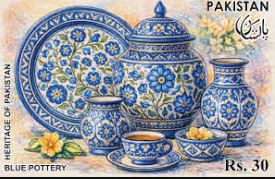
ISLAMABAD, JUN 10: Pakistan Post has released three commemorative postage stamps along with a special souvenir sheet to honor Pakistan’s renowned traditional handicraft, Blue Pottery, in connection with World Handicrafts Day.

The initiative highlights the country’s rich artistic heritage and paid glowing tribute to the generations of artisans who have preserved this centuries-old craft, said a press release on Wednesday.

The launch ceremony was jointly presided over by Secretary Ministry of Communications Ali Sher Mehsud and former Federal Secretary Captain (Retd) Usman Ali Isani. Senior government officials and representatives of

Pakistan Post also attended the event.

Pakistan Post unveils special blue pottery stamp series to celebrate cultural heritage

The commemorative released celebrates the glorious tradition of Blue Pottery, a distinctive art form known for its vibrant blue hues, intricate floral motifs, and exceptional craftsmanship. Associated with the historic city of Multan, Blue Pottery reflected a rich cultural legacy spanning century and remained an enduring symbol of Pakistan’s artistic identity.

Addressing the ceremony, Secretary Ministry of Communications Ali Sher Mehsud emphasized the importance of safeguarding and promoting Pakistan’s traditional handicrafts and cultural heritage. He praised Pakistan Post for its continued efforts to showcase the nation’s history, art, and culture through commemorative stamps and philatelic initiatives.

Usman Ali Isani commended Pakistan Post for recognizing the contributions of artists and craftsmen through the special stamp series. He noted that handicrafts embody the creativity, history, and identity of a nation and stressed the need to preserve these traditions for future generations.

Director General Pakistan Post Squadron Leader Maqsood Ahmed said the issuance of the commemorative stamps reflects Pakistan Post’s commitment in promoting the country’s diverse cultural heritage. He paid tribute to the skilled craftsmen whose dedication and expertise have kept the tradition of Blue Pottery alive over the years.

The commemorative set comprised three stamps and a souvenir sheet specifically designed to showcase the elegance and artistic grandeur of Blue Pottery. The stamps were designed by Abu Ubaidah Ayaz, Pakistan’s youngest stamp designer, whose innovative artwork blends traditional motifs with contemporary aesthetics to introduce this ancient craft to a broader audience.

Pakistan Post unveils special blue pottery stamp series to celebrate cultural heritage

In addition to the stamps and souvenir sheet, Pakistan Post has also released a special First Day Cover, an informational philatelic booklet, and commemorative cancellation stamps to mark the occasion.

Speakers at the ceremony underscored that the philatelic issue serves not only as a tribute to Pakistan’s master artisans but also as an important tool for raising awareness about the preservation of traditional arts and crafts.

They noted that the initiative would help to promote Pakistan’s cultural heritage both nationally and internationally.

The commemorative stamps, souvenir sheets, and related philatelic materials are now available at selected post offices and philatelic bureaus across the country.

The ceremony concluded with a renewed commitment for preserving and promoting Pakistan’s rich cultural and artistic heritage, ensuring that these treasured traditions continue to be passed on to future generations through philately and public engagement.

Argentina FIFA World Cup 2026 preview: Ageing defending champs once again look up to Messi for magic

Argentina FIFA World Cup 2026 preview: Ageing defending champs once again look up to Messi for magic

MEXICO CITY, JUN 10: Argentina begins in Group J and will be confronted with the burden of expectations as it attempts to piece together a strong World Cup defence.

Brazil was the last nation to triumph in consecutive editions, in 1958 and 1962, and La Albiceleste have a shot at emulating the feat after 64 years, given their canter through the Copa America and South American World Cup qualification.

However, despite the presence of big names, an ageing unit casts a pall over the side’s title challenge. Head coach Lionel Scaloni’s squad includes 17 players from the World-conquering side from four years back, and seven of these are over 30 years old – Messi (38), Rodrigo de Paul (32), Emiliano Martinez (33) and Nicolas Otamendi (38) being the most notable ones. Having to rotate its regular starters might not be the safest bet in the high-stakes cauldron of the World Cup.

But familiarity brings consistency and Argentina would bank on it to build a campaign. The only major switch forced on Argentina came with the retirement of Angel di Maria after its Copa America win in June 2024.

Advertisement
For all its attacking flair, Argentina under Scaloni has not compromised on defence.
For all its attacking flair, Argentina under Scaloni has not compromised on defence. | Photo Credit: AP

Scaloni tested his team’s depth across multiple set-ups through the World Cup qualification cycle, including 4-4-2, 4-3-3, and 4-2-3-1, and the left-flank was manned by Thiago Almada in most instances.

Julian Alvarez’s recent surge at Atletico Madrid yielded 20 goals and nine assists and adds weight to Argentina’s attack, which will still see Messi pull the strings for a major part. Scaloni has had no major reasons to tinker with his midfield and defence, which will bear a similar look to the 2022 team.

Player to watch out for
Lionel Messi: Messi will turn 39 during the tournament and will be featuring in his sixth and final World Cup. Though out of the limelight of European football, he is still used to running the show at Inter Miami. Up for grabs this time will be the record for most goals in World Cup history. He needs four goals to overtake Miroslav Klose’s record of 16 goals.

Coach
Scaloni has been at the helm since 2018 and besides taking Argentina to two Copa America titles and a World Cup, he has managed to create a battle-tested group of players. For all its attacking flair, Argentina under Scaloni has not compromised on defence. Argentina kept the second-most clean sheets through South America’s qualification and it will be tough to beat at the World Cup.

Predicted lineup (4-2-3-1)
Martinez; Tagliafico, Lisandro, Romero, Molina; Enzo, MacAllister, De Paul; Almada, Messi, Alvarez
World Cup stats
Appearances: 18
Best finish: Champion (1978, 1986, 2022)
FIFA ranking: 3
Matches played: 88
Won: 47
Drawn: 17
Lost: 24
GF: 152
GA: 101
Highest active goalscorer: Lionel Messi (13)
Squad
Goalkeepers: Emiliano Martínez, Gerónimo Rulli, Juan Muso
Defenders: Leandro Balerdi, Nicolás Tagliafico, Gonzalo Montiel, Lisandro Martínez, Cristian Romero, Nicolás Otamendi, Facundo Medina, Nahuel Molina
Midfielders: Leandro Paredes, Rodrigo De Paul, Valentín Barco, Giovani Lo Celso, Exequiel Palacios, Alexis Mac Allister, Enzo Fernández
Forwards: Julián Álvarez, Lionel Messi, Nicolás González, Thiago Almada, Giuliano Simeone, Nico Paz, Lautaro Martinez

We see Russia as an important pillar for regional peace: President Zardari

We see Russia as an important pillar for regional peace: President Zardari

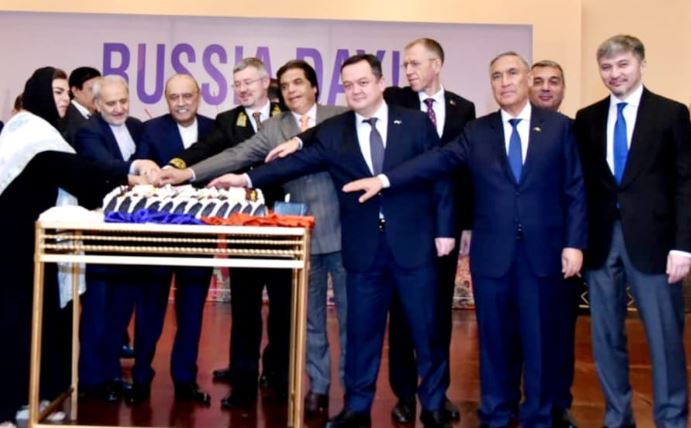
ISLAMABAD, JUN 10 /DNA/ – In a significant diplomatic gesture, President Asif Ali Zardari attended the Kremlin’s flagship National Day celebrations in Islamabad as the Chief Guest, declaring that Pakistan places immense value on its evolving partnership with the Russian Federation.

Addressing a high-level gathering that included senior Russian officials and foreign dignitaries, President Zardari underscored the deepening strategic cooperation between the two nations. “Pakistan treasures its ties with Russia,” he said. “Our relationship is not merely transactional but is built on mutual respect, regional stability, and a shared vision for a peaceful and connected Eurasia.”

The invitation for President Zardari to serve as the Chief Guest at Russia’s National Day—commemorating the Declaration of State Sovereignty of the Russian Federation—marks a notable high point in the recent rapprochement between Islamabad and Moscow. Over the past decade, the two countries have significantly expanded bilateral engagement, moving beyond Cold War-era divisions to cooperate in energy, defense, counter-terrorism, and trade.

During his address, the President highlighted key areas of collaboration, including the Pakistan Stream gas pipeline project, which is set to enhance Pakistan’s energy security with Russian technological assistance. He also noted the growing military-to-military contacts and joint exercises, reflecting a new level of trust.

“We see Russia as an important pillar for regional peace,” Zardari added. “As Pakistan navigates a complex geopolitical landscape, our strategic dialogue with Russia remains a priority. We are committed to deepening economic ties and working together in multilateral forums, including the Shanghai Cooperation Organisation (SCO).”

Russian officials warmly welcomed the President’s remarks at the ceremony, praised Pakistan’s balanced foreign policy and reiterated Moscow’s interest in expanding connectivity through initiatives like the International North-South Transport Corridor (INSTC).

Observers note that President Zardari’s presence as chief guest—a rare honor for a Pakistani leader—signals Moscow’s own recognition of Islamabad’s growing role as a key partner in South Asia, especially amid shifting global alliances.

The visit also saw the signing of two preliminary agreements on agricultural cooperation and customs facilitation, aimed at doubling bilateral trade volumes by 2030.

Ending his brief but impactful visit, President Zardari conveyed warm wishes from the people of Pakistan to President Vladimir Putin and the Russian people, reaffirming that Islamabad will continue to build a “multidimensional partnership” with Moscow for the mutual prosperity of both nations.

Quaid-i-Azam University and IIRIS Host Successful Launch of Renaissance Africa: A Continent’s Rise, A World of Opportunity

Quaid-i-Azam University and IIRIS Host Successful Launch of Renaissance Africa: A Continent's Rise, A World of Opportunity

DNA

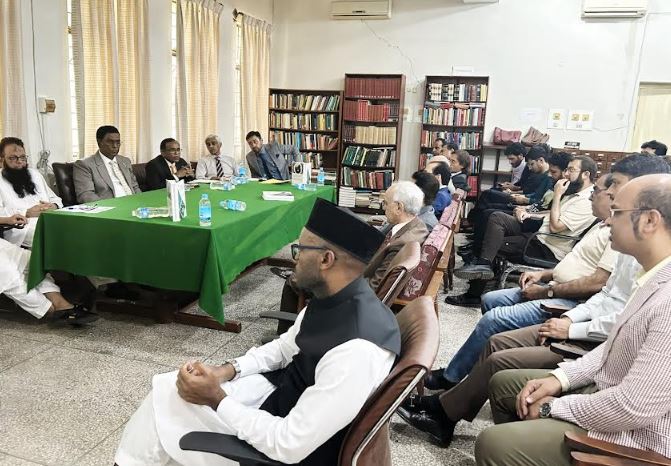
Islamabad, 10 Jun: The Area Study Centre for Africa, North and South America, Quaid-i-Azam University (QAU), Islamabad, in collaboration with the International Institute for Regional and International Studies (IIRIS), successfully organized the launch and discussion of the book Renaissance Africa: A Continent’s Rise, A World of Opportunity, authored by Ambassador Ahmed Ali Sirohey and Dr. Shahbaz Ali Malik.

The event brought together diplomats, academics, policymakers, business leaders, researchers, students, and officials from the Ministry of Foreign Affairs to discuss Africa’s growing role in the global political and economic landscape and explore opportunities for enhanced Pakistan-Africa engagement.

The program commenced with opening remarks and an introduction to the book launch, followed by a welcome address by Prof. Dr. Zafar Nawaz Jaspal, Vice Chancellor, Quaid-i-Azam University, and Islamabad. In his address, he welcomed distinguished diplomats, scholars, policymakers, business leaders, and friends of Africa, emphasizing that Africa is emerging as a continent of immense potential, youthful energy, innovation, and opportunity. He noted that as global attention increasingly turns toward Africa’s economic and strategic significance, the book provides valuable insights into the partnerships, investments, and diplomatic engagement that will shape the continent’s future.

Ambassador Ahmed Ali Sirohey, Director General, Ministry of Foreign Affairs, Pakistan, delivered a comprehensive presentation on the book. He highlighted the key themes, chapters, and findings of the publication, explaining how Africa’s political, economic, and social transformation is creating new opportunities for regional and global cooperation. He also emphasized the importance of strengthening Pakistan’s engagement with African countries under the broader framework of South-South cooperation.

The book was reviewed by a distinguished panel of experts. Ms. Almas Ayub Sabir, CEO of AIMS Education System, appreciated the book’s contribution to understanding Africa’s emerging opportunities and its relevance for policymakers, researchers, and investors. Dr. Munawar Hussain, Associate Professor at Quaid-i-Azam University, provided an academic assessment of the work, highlighting its analytical depth and policy relevance. Ambassador K.K. Ahsan Wagan, Director General, Ministry of Foreign Affairs, Pakistan, commended the authors for presenting a comprehensive and timely study of Africa’s rise and its growing significance in international affairs.

An engaging interactive discussion and question-and-answer session followed, during which participants exchanged views on Africa’s development trajectory, geopolitical importance, investment potential, and opportunities for Pakistan-Africa cooperation in trade, education, diplomacy, and cultural exchange.

The event was attended by several distinguished diplomats, including Mr. Rehmat Hindiarta from the Embassy of Indonesia in Islamabad, Ambassador Munsoo Kurrimbaccus, High Commissioner of Mauritius to Pakistan, Lt. Col. Shyaka Kajugiro Ismail, Defence Attaché at the High Commission of Rwanda, and Mr. Zdenek Koudelka, Counsellor at the Embassy of the Czech Republic. Ambassador Munsoo Kurrimbaccus shared his perspectives on Africa’s development and highlighted the importance of strengthening Pakistan-Mauritius relations through enhanced cooperation in trade, education, tourism, and people-to-people exchanges.

The gathering also witnessed the participation of diplomats, academia, scholars, bureaucrats, Foreign Office officials, business professionals, and students, reflecting the growing interest in Africa’s emergence as a major global actor.

On behalf of IIRIS, Shafqat Rasool, President of IIRIS, welcomed all distinguished guests and participants and expressed appreciation for their valuable contributions to the discussion. The event concluded with a vote of thanks delivered by Dr. Noman Sattar, former Director of the Area Study Centre, on behalf of Dr. Raja Qaiser Ahmed, Director of the Area Study Centre for Africa, North and South America, Quaid-i-Azam University. He thanked the authors, speakers, diplomats, participants, and organizers for making the event a success.

The ceremony concluded with a group photograph and networking session, providing participants with an opportunity to strengthen academic, diplomatic, and professional linkages while exploring future avenues for collaboration between Pakistan and African countries.

Two-Day Int’l exhibition, seminar on herbal medicines concludes

Two-Day Int’l exhibition, seminar on herbal medicines concludes

ISLAMABAD, 10 JUN (DNA) — The two-day International Exhibition and Seminar on Herbal Medicines Research, Processing and Drug Development concluded at the COMSTECH Secretariat in Islamabad. The event was organized by the Ministerial Standing Committee on Scientific and Technological Cooperation of the OIC (COMSTECH) in collaboration with the Drug Regulatory Authority of Pakistan (DRAP).

The exhibition and seminar aimed to bring together regulators, policymakers, researchers, practitioners, academicians, industry representatives, scientists, pharmacists and students to discuss emerging trends, regulatory frameworks, research opportunities and future directions for the herbal, Unani, homeopathic and traditional medicine sectors.

Federal Minister for National Health Services, Regulations and Coordination Syed Mustafa Kamal inaugurated the event as chief guest. Ambassadors and diplomats from several OIC member states participated in the seminar and visited the exhibition, which featured products and innovations from Pakistan’s leading herbal and traditional medicine manufacturers.

The two-day programme featured technical presentations by senior experts and regulators. DRAP Chief Executive Officer Dr. Obaidullah discussed the role of alternative medicines in healthcare systems. The President of the National Tibb Council spoke on the integration of Unani medicine into national healthcare frameworks, while Dr. Abdul Rashid, Consultant (Health Initiatives) at COMSTECH, presented emerging guidelines and regulatory considerations relating to clinical trials of herbal products, alternative medicines and Traditional Chinese Medicine.

Representatives of participating companies also addressed the gathering, introducing their organizations and highlighting key products developed for the treatment and management of various diseases. The event provided a platform for dialogue among stakeholders and contributed to the development of short-, medium- and long-term policy recommendations aimed at strengthening Pakistan’s herbal and traditional medicine sector.

 Discussions also supported ongoing efforts towards the documentation and standardization of herbal medicines and the development of a comprehensive Herbal Pharmacopoeia for Pakistan.More than 50 manufacturers representing the herbal, Unani, homeopathic and traditional medicine industries participated in the exhibition.

 Prominent organizations, including Qarshi Industries, Marhaba Laboratories, Hamdard Laboratories, Herbion, Herbiotics, Nutrifactor, Hemani, Kamal Laboratories, Ashraf Laboratories, Mint Pharmaceuticals and Masood Homeopathic Laboratories, showcased their products, research initiatives and technological advancements through dedicated exhibition stalls.

The exhibition and seminar formed part of COMSTECH’s broader efforts to promote evidence-based traditional medicine, foster industry-academia collaboration, strengthen regulatory frameworks and enhance international cooperation among OIC member states in health sciences and pharmaceutical innovation. — DNA

$4.5 billion hub refinery project to strengthen energy security

$4.5 billion hub refinery project to strengthen energy security

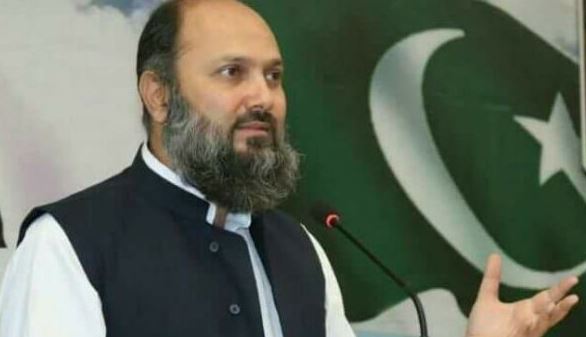
ISLAMABAD, 10 JUN (DNA) —    Federal Minister for Commerce Jam Kamal Khan held a meeting with a delegation of SPEC Refinery Pvt Ltd, led by its Chairman, Mr. Zafar Sheikh, to discuss the development of Pakistan’s first Deep Conversion Greenfield Refinery Project planned at Hub, Balochistan.

The delegation briefed the Minister on the project’s progress and highlighted its strategic importance in strengthening Pakistan’s energy security, reducing reliance on imported refined petroleum products, and promoting industrial development, said a release issued here on Wednesday.

The proposed refinery will employ advanced deep conversion technology capable of maximizing the production of high-value petroleum products while processing a wide range of crude oil grades sourced from international markets. During the meeting, the delegation requested the government’s support in facilitating the implementation of the Greenfield Refinery Policy and expediting the issuance of the remaining regulatory approvals required by the FBR for the project’s timely execution.

The delegation noted that the project represents a major long-term investment in Pakistan’s energy sector and has the potential to catalyze the development of downstream petrochemical industries. It further informed the Minister that the groundwork for the project has already commenced and that future implementation strategies are currently being finalized.

Chairman Zafar informed the Minister that the project is expected to create approximately 2,000 direct and indirect employment opportunities in Hub and surrounding areas during both its construction and operational phases. He added that the project would contribute significantly to regional economic development, skills enhancement, technology transfer, and industrial growth.

Jam Kamal Khan welcomed the investment and emphasized that Pakistan offers immense opportunities for large-scale industrial and energy projects owing to its strategic geopolitical location at the crossroads of South Asia, Central Asia, the Middle East, and Western China. The Minister stated that Pakistan’s geographic position, growing domestic market of over 250 million people, expanding trade corridors, and connectivity initiatives provide a strong foundation for transforming the country into a regional hub for trade, energy, logistics, and manufacturing.

“Pakistan possesses tremendous untapped potential in refining, petrochemicals, logistics, and value-added manufacturing. Strategic projects such as the Hub refinery can play a vital role in strengthening industrial capacity, enhancing energy security, creating jobs, and attracting long-term foreign and domestic investment,” the Minister said.

He further noted that the government is committed to facilitating investment that contributes to economic growth, industrial modernization, import substitution, and export enhancement. The delegation also shared its broader vision for the future development of associated petrochemical facilities, including the production of industrial feedstocks and value-added products that could support Pakistan’s manufacturing sector and generate additional export opportunities.

Both sides agreed on the importance of continued public-private sector collaboration to accelerate industrial investment and unlock Pakistan’s full economic potential. The meeting concluded with a shared commitment to advancing strategic projects that support sustainable growth, employment generation, and national economic development. — DNA

The Philippines and Pakistan: An Emerging Commercial Partnership with Room to Grow

The Philippines and Pakistan: An Emerging Commercial Partnership with Room to Grow

For Pakistani business leaders looking toward Southeast Asia, the Philippines offers a promising and welcoming market. It is a large, English-speaking, consumption-driven economy with more than 110 million people, a young and skilled workforce, a strong services sector, and expanding opportunities in trade, tourism, education, digital services, infrastructure, halal industries, and consumer markets.

For the Philippines, Pakistan is likewise an important and valued economic partner. It is one of South Asia’s major markets, with long-established strengths in rice, textiles, pharmaceuticals, surgical instruments, sports goods, agriculture, information technology, logistics, and entrepreneurship. Its commercial centers — Karachi, Lahore, Islamabad, Faisalabad, Sialkot, Gujranwala, Multan, and others —  represent a broad and dynamic business landscape.

The Philippines and Pakistan are not new partners. The two countries established diplomatic relations in 1949, and in 2024 marked the 75th anniversary of those ties. The friendship is longstanding. What lies ahead is the opportunity to give that friendship a stronger commercial dimension.

The existing trade relationship already shows areas of natural complementarity. Pakistan supplies important products to the Philippine market, including rice, cereals, pharmaceuticals, textiles, fruits, paper products, cotton, apparel, and selected industrial goods. Rice is especially significant. Pakistan is a major rice exporter, while the Philippines is one of Asia’s major rice-consuming economies. This makes rice not only a traded commodity, but a practical area for food-security cooperation, reliable supply relationships, and long-term commercial partnership.

Pharmaceuticals also offer room for greater engagement. Pakistan has an established pharmaceutical manufacturing base, while the Philippines has a large health care market and continuing demand for affordable, reliable, and properly registered medicines. With the right regulatory preparation, distribution partners, and quality standards, this sector can provide meaningful openings for Pakistani firms interested in the Philippine market.

At the same time, the Philippines offers its own strengths to Pakistani partners. The country is one of the world’s leading destinations for information technology and business process management. Its services sector has deep experience in customer support, finance and accounting, health information management, back-office operations, creative services, and global capability centers. For Pakistani technology firms, software companies, fintech players, and digital service providers, the Philippines can be a useful partner in joint delivery, regional client servicing, training, outsourcing, and higher-value business services.

There is also growing space for cooperation in halal industries. The Philippines has a significant Muslim population, particularly in Mindanao, and is actively developing its halal ecosystem across food, tourism, hospitality, cosmetics, pharmaceuticals, personal care, and services. The Philippines is seeking to bring more halal-certified and halal-oriented products to international markets, including Muslim-majority and Muslim-conscious consumer markets such as Pakistan.

This opens a useful area of cooperation. Pakistani importers, distributors, retailers, certification bodies, hotel groups, travel agencies, and investors can work with Philippine producers and service providers to introduce Philippine halal products and Muslim-friendly tourism offerings to the Pakistani market. These may include processed food, coconut-based products, tropical fruit products, marine products, snacks, wellness products, personal care items, and tourism services.

Tourism is one of the most promising areas for growth. The Philippines is an island destination known for its beaches, clear waters, warm hospitality, English-speaking environment, shopping, nature, and family-friendly travel experiences. For Pakistani travel agencies and tour operators, the Philippines can be developed as an attractive destination for families, honeymooners, young professionals, business travelers, and corporate groups.

The Philippines is also increasingly attentive to Muslim-friendly tourism. This includes greater awareness of halal food, prayer facilities, family-oriented itineraries, and culturally sensitive travel services. For Pakistani travelers, this can make the Philippines a more comfortable and accessible destination. For Pakistani travel companies, it creates opportunities to design packages that combine leisure, family travel, island destinations, shopping, and hospitality.

Education is another field with strong potential. The Philippines has long experience in English-medium education and international training in medicine, dentistry, nursing, maritime education, aviation, hospitality, and related disciplines. Pakistani students and education consultants may find opportunities in university partnerships, student recruitment, English-language programs, health sciences, skills training, and professional exchange.

Infrastructure, energy, water, logistics, and digital connectivity also offer possible areas of engagement. The Philippines continues to develop opportunities in renewable energy, transport, ports, water systems, digital infrastructure, and urban development. These sectors may be of interest to Pakistani firms involved in engineering services, construction inputs, consultancy, solar-related supply chains, logistics, and project support.

The strength of the Philippines-Pakistan economic relationship lies in its diversity. It does not depend on one sector alone. It can grow through rice, pharmaceuticals, halal products, tourism, education, IT services, textiles, logistics, consumer goods, and investment partnerships. This gives both sides many entry points, from large companies to small and medium enterprises.

Business communities in both countries have an important role to play. Chambers of commerce, exporters, importers, travel agencies, universities, technology firms, halal industry bodies, logistics providers, and investors can help turn goodwill into practical cooperation. More buyer-seller meetings, trade missions, product showcases, tourism promotions, education fairs, and business matching activities would help both sides better understand each other’s markets.

The Philippines welcomes greater engagement with Pakistani business. It welcomes exporters seeking new buyers, importers looking for new products, travel companies building new destinations, education partners exploring new programs, technology firms looking for regional collaboration, and investors studying opportunities in Southeast Asia.

For Pakistani companies, the Philippines offers a market that is large but still underexplored, friendly but commercially serious, and familiar in human warmth while distinct in economic opportunity. It is a country where relationships matter, where service culture is strong, and where international partnerships are valued.

As the Philippines celebrates its 128th Independence Day in 2026, it looks to Pakistan not only as a diplomatic friend, but as a partner in shared growth. The next chapter of Philippines-Pakistan economic relations can be built through practical cooperation: more trade, more travel, more investment, more education links, more digital partnerships, and more direct contact between business communities.

The invitation is open. The Philippines welcomes Pakistani business to explore, connect, and grow with us.

Philippines marks 128th independence day in Islamabad

Philippines marks 128th independence day in Islamabad

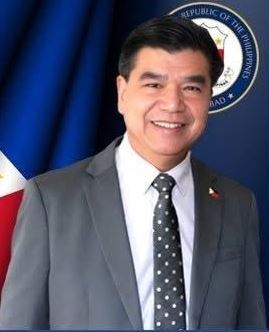
ISLAMABAD, JUN 10 /DNA/ – The Embassy of the Republic of the Philippines in Islamabad commemorated the 128th Anniversary of the Proclamation of Philippine Independence, with Ambassador Dr. Emmanuel R. Fernandez delivering a message of unity, historical reflection, and resilience to the Filipino community and Pakistani friends.

In his address, Ambassador Fernandez underscored this year’s theme, “Kalayaan. Kinabukasan. Kasaysayan.” (Freedom. Future. History.), describing it as a reminder that a nation’s trajectory is shaped by past sacrifices, present challenges, and collective aspirations for generations to come.

“Independence Day is a celebration of the Filipino people’s enduring struggle for freedom, dignity, and self-determination,” the Ambassador said. He called on Filipinos to honor the courage of their forebears while upholding values of unity, resilience, democracy, justice, and service.

Drawing parallels between the two nations, Ambassador Fernandez noted that the Philippines and Pakistan share similar historical journeys—both having emerged from foreign rule and built independent states amid profound challenges. “Both peoples understand that independence is not merely a historical event, but a continuing responsibility,” he stressed.

The Ambassador emphasized that genuine progress is measured not just by economic growth, but by the strength of institutions, protection of freedoms, and the spirit of malasakit—a Filipino value of care and concern for fellow human beings.

His message took on special urgency as the Philippines continues to respond to a recent earthquake that struck Mindanao, causing casualties, displacement, and damage. “Their compassion and solidarity remind us that the Filipino spirit remains steadfast even in the face of adversity,” he said, paying tribute to responders, volunteers, and local authorities.

Looking ahead, Ambassador Fernandez reaffirmed the Philippines’ commitment to building an innovative, inclusive, and resilient nation while expanding collaboration with Pakistan in trade, investment, agriculture, education, labor, tourism, and cultural exchange. “The Embassy remains committed to advancing a partnership that contributes to the prosperity and well-being of both our peoples,” he added.

The Ambassador closed with an invitation to celebrate the day meaningfully, declaring: “Mabuhay ang Pilipinas! Pakistan-Philippines Friendship Zindabad!”

Govt disburses Rs5.4bn fuel subsidy, provides Rs4.61bn support to farmers so far: Senate told

Govt disburses Rs5.4bn fuel subsidy, provides Rs4.61bn support to farmers so far: Senate told

ISLAMABAD, JUN 10: Minister for Finance and Revenue Muhammad Aurangzeb on Wednesday informed the Senate that the government had disbursed Rs5.4 billion so far under a targeted fuel subsidy programme besides providing Rs4.61 billion support to small farmers in view of rising international fuel prices.


Responding to a Calling Attention Notice moved by Senator Mohsin Aziz about the recent increase in prices of petroleum products and its impact on costs of industrial productions and national economy, the minister said the government announced the relief package after tensions in the Middle East led to an increase in global oil prices.


He said an overall subsidy of Rs129 billion was provided to reduce the burden on the public.
Aurangzeb said the government initially offered a general subsidy but later shifted to a targeted programme so that relief could reach motorcycle owners, public transport users, transport operators and small farmers.


He said around 800,000 motorcycle owners had benefited from the scheme, while financial assistance ranging from Rs35,000 to Rs100,000 was provided to passenger and goods transport vehicles.


The minister said Rs3.5 billion had been distributed among more than 105,000 eligible vehicle owners in the first phase, while another Rs1.9 billion had been disbursed among over 65,000 beneficiaries in the second phase through a transparent verification system based on vehicle registration data.


He said the programme was implemented with the cooperation of provincial governments to ensure that relief reached deserving people and to help keep transport fares under control.


Aurangzeb said the government would continue efforts to protect low-income groups from the impact of higher fuel prices while maintaining economic stability. He said that further details about the economy would be shared during the presentation of the Economic Survey and the federal budget.

Dr. Pandey to be the new Indian envoy to Pakistan

Dr. Pandey to be the new Indian envoy to Pakistan

NEW DELHI, JUN 10 /DNA/ – India has designated Dr Satyanjal Pandey as the new Charge d’Affaires at its High Commission in Islamabad, succeeding Dr Geetika Srivastav, who is set to leave Pakistan soon after completing her tenure.

Dr Pandey, a career diplomat from the Indian Foreign Service (IFS), is currently serving as the Deputy High Commissioner in Sri Lanka. His appointment marks a significant transition in India’s diplomatic representation in Pakistan, a role that carries considerable weight given the sensitive and often complex nature of bilateral relations.

Dr Geetika Srivastav, who has been serving as India’s envoy in Islamabad, will conclude her assignment shortly. During her tenure, she oversaw India’s diplomatic mission through a period marked by cautious engagement and limited high-level exchanges between the two neighbors. Her departure opens the way for Dr Pandey to take charge of India’s diplomatic outreach in Pakistan.

The Charge d’Affaires position is particularly important in the absence of a full High Commissioner, as it involves managing day-to-day diplomatic responsibilities, maintaining communication channels, and representing India’s interests in Pakistan. Dr Pandey’s prior experience in South Asia, especially his current posting in Colombo, is expected to provide him with valuable regional insights as he transitions to Islamabad.

This appointment comes at a time when India-Pakistan relations remain strained, with limited dialogue and persistent challenges in areas such as security, trade, and cross-border issues. Analysts note that while the role of Charge d’Affaires is largely administrative and diplomatic, it also requires careful navigation of sensitive political dynamics.

Dr Pandey’s move underscores India’s continued emphasis on maintaining a functioning diplomatic presence in Pakistan, even amid broader geopolitical complexities. His tenure will likely focus on sustaining communication channels, managing consular affairs, and representing India in multilateral and bilateral settings within Pakistan.

Stay Connected

64FansLike
60FollowersFollow

Latest Reviews

Exchange Rates

USD - United States Dollar
EUR
1.14
GBP
1.34
AUD
0.70
CAD
0.71