Home Blog Page 92

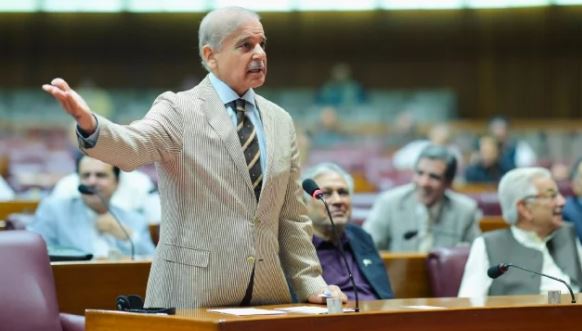
‘Charter of democracy’: PM Shehbaz once again invites opposition for dialogue

'Charter of democracy': PM Shehbaz once again invites opposition for dialogue

ISLAMABAD: Prime Minister Shehbaz Sharif on Saturday once again invited the opposition to sit together for “Charter of Economy and a Charter of Democracy,” stressing that national unity and Pakistan’s interests must remain above political differences.

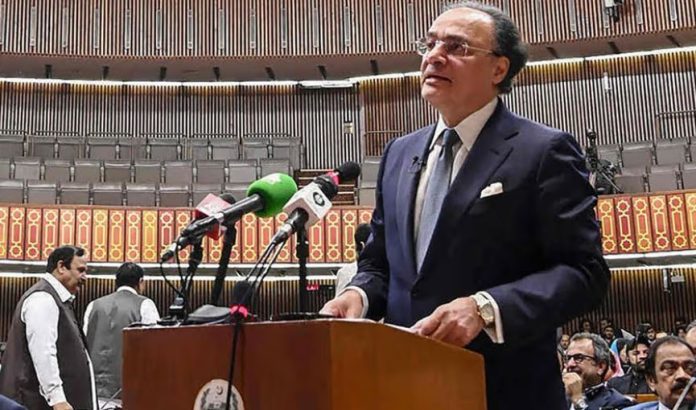
“I have said more than once that we should move towards a Charter of Economy and a Charter of Democracy,” the premier said while addressing a National Assembly session a day after the federal budget for Fiscal Year 2026-27 was proposed.


He reiterated his invitation to the opposition, saying ensuring equal development across all four provinces was his responsibility as prime minister.

“We have no fight with PTI; they are all our brothers,” he said, noting that the House functions like a family and stressed that despite differing political views, Pakistan remains the common bond for all.

“Politics, vision and ideas may differ, but if Pakistan exists, we all exist,” he said, adding that sacrifices made for the country can never be considered small.

Referring to provincial autonomy, the prime minister said there was no disagreement on the principle that provinces have full right over their resources.

Speaking on Balochistan, the prime minister said that farmers in the province had been provided solar panels worth Rs75 billion, while a major highway project from Gwadar to Chaman was underway at a cost of Rs300 billion.

He said the road was being constructed to highway standards, adding that it was part of the government’s responsibility rather than a demand from any political figure.

PM Shehbaz said that under the 2010 NFC Award, Balochistan’s share had been increased by 100%. “This is not a favour; I am mentioning it only as a reminder,” he added.

The prime minister also hailed sacrifices being made by the personnel of armed forces and law enforcement agencies, saying that 22 soldiers had embraced martyrdom three days earlier.

“Our armed forces and law enforcement agencies are fighting terrorists day and night,” he said, adding that officers and soldiers sacrifice their lives while protecting millions of citizens.

‘Political disputes should be resolved via dialogue’
Opening the budget discussion, Leader of Opposition Mahmood Khan Achakzai said that political disputes should be resolved through dialogue.

He expressed willingness to extend unconditional support for the stability of the system and stressed that winning mandates should be respected.

“I tell [PM] Shehbaz Sharif that mistakes can be corrected,” he said, adding that political leaders should sit together and move matters forward.

The opposition leader urged PM Shehbaz to strengthen parliament, saying it would benefit both the country and the public.

Criticising federal-provincial financial arrangements, he said the federation gives funds to provinces but has also taken back resources.

He also called for reducing “political pressure” on the PTI leadership. “Do not be so harsh on the PTI founder; this is not a good practice,” he said.

Achakzai proposed a political agreement under which parties would avoid undermining each other, and the party winning elections would govern for five years without interference.

“There is no benefit in putting each other in jail,” he said, adding that even dialogue or meetings with political leaders should not be seen as controversial.

Pakistan budget rewards leaders while poor beg for basics

Pakistan budget rewards leaders while poor beg for basics

ISLAMABAD, JUN 13 /DNA/ – A sharp public rebuke has landed at the desk of the Islamabad Post this week, as a citizen accused the country’s political leadership of deepening the chasm between the ruling elite and ordinary Pakistanis through what she calls “lavish self-reward” in the recent federal budget.

In a strongly worded letter to the editor, Islamabad resident Kashmala Mehmood condemned the government’s approval of a 500% salary increase for top parliamentary officials, including the National Assembly Speaker and the Senate Chairman. The move, she argues, stands in grotesque contrast to a national budget ostensibly crafted to tackle the country’s most urgent crises.

“While millions of Pakistanis struggle daily to access clean water, affordable education, and basic healthcare, our legislators recently approved a staggering 500% salary increase for top parliamentary officials,” Mehmood writes, describing the situation as a “deeply troubling paradox.”

The letter strikes at the heart of a national debate on fiscal priorities. With Pakistan’s literacy rate languishing at 63%, child mortality figures remaining alarmingly high, and public hospitals critically under-resourced, the writer questions how the government can justify rewarding itself so handsomely.

“This is not merely a question of numbers. It is a question of priorities and moral responsibility,” she states, warning that such decisions “drain the national treasury” and further “erode public trust in democratic institutions.”

Mehmood draws a stark contrast between budget allocations, noting that defense expenditures and elite infrastructure projects continue to consume the lion’s share of national funds. Meanwhile, she points out that the Benazir Income Support Programme (BISP) —a critical safety net for millions of women living in extreme poverty—remains severely underfunded.

“How can a government that cannot provide basic services to its citizens justify such lavish self-reward?” she asks.

In her letter, Mehmood urges the government to immediately review the salary hike and redirect those resources toward public welfare. She also calls on civil society, the media, and opposition parties to hold the legislature accountable, insisting that “transparency in budget allocations is not optional; it is a democratic obligation.”

“Accountability must begin at the top,” she concludes. “A leadership that genuinely serves the people should live modestly and legislate generously for those in need, not the other way around. Pakistan’s future depends on leaders who prioritize citizens over comfort.”

ECC clears multiple grants in Islamabad meeting

ECC clears multiple grants in Islamabad meeting

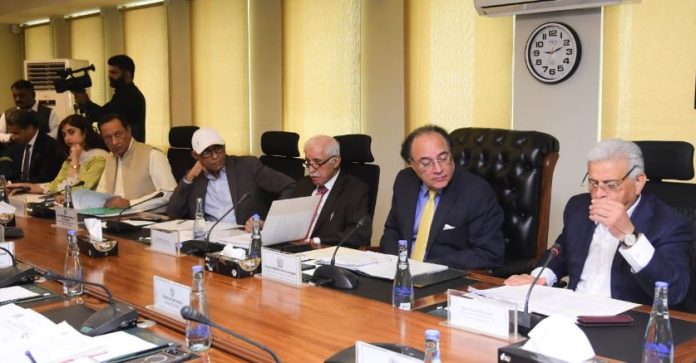
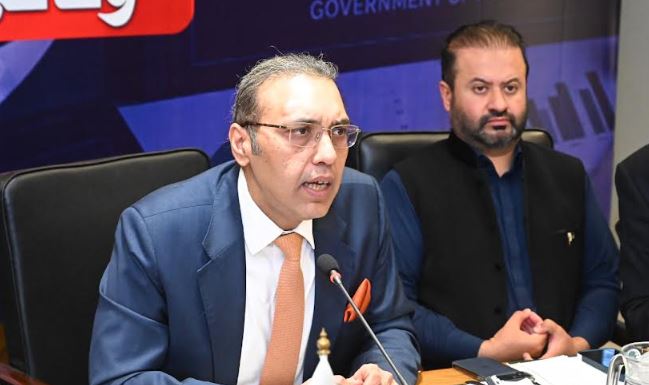
ISLAMABAD, JUN 12 /DNA/ – The Economic Coordination Committee (ECC) of the Cabinet met today at the Finance Division under the chairmanship of the Federal Minister for Finance and Revenue, Senator Muhammad Aurangzeb.

The ECC approved a summary submitted by the Ministry of National Food Security and Research for provision of an additional 50,000 metric tons of PASSCO wheat to the Government of Khyber Pakhtunkhwa at the rate of Rs. 4,150 per 40 kilograms. The allocation would facilitate the province in meeting its wheat requirements.

The Committee also approved a summary submitted by the Ministry of Information and Broadcasting for provision of a Technical Supplementary Grant (TSG) amounting to Rs. 2,674.13 million during FY 2025-26 for federal public information and awareness campaigns and related publicity functions of the Ministry.

The ECC further approved a TSG amounting to Rs. 860 million, submitted by the Strategic Plans Division/SUPARCO, for the PSDP projects titled “Establishment of Deep Space and Astronomical Observatories in Pakistan” and “Pakistan Manned Space Mission”.

The Committee also approved a summary submitted by the Ministry of Interior and Narcotics Control for provision of a TSG amounting to Rs. 646 million to meet operational sustenance requirements of Headquarters Frontier Corps Balochistan (South), Turbat, including expenditures relating to operational readiness, protective equipment, repair of vehicles and communications systems.

The ECC further approved a summary submitted by the Ministry of Maritime Affairs for provision of a TSG amounting to Rs. 5 billion as the Federal Government’s contribution towards the compensation package for dock workers of the Karachi Dock Labour Board (KDLB).

The Committee also approved a summary submitted by the Parliamentary Affairs Division for provision of a TSG amounting to Rs. 10 million to meet expenditure associated arrangements for the Budget Session of Parliament for FY 2026-27.

The meeting was attended by Federal Minister for Investment Mr. Qaiser Ahmed Sheikh, Federal Minister for Education and Professional Training Dr. Khalid Maqbool Siddiqui, Federal Minister for National Food Security and Research Mr. Rana Tanveer Hussain, Federal Minister for Planning, Development & Special Initiatives Mr. Ahsan Iqbal (virtually), and Federal Minister for Power Sardar Awais Ahmed Khan Leghari (virtually), along with federal secretaries and senior officials from the relevant ministries, divisions, and regulatory authorities.

Final text of US-Iran peace deal agreed upon, PM Shehbaz announces

Final text of US-Iran peace deal agreed upon, PM Shehbaz announces

ISLAMABAD, JUN 12: The text for a peace deal between the US and Iran has been reached, and Pakistan is now working with both sides to finalize the next steps, Pakistani Prime Minister Shehbaz Sharif announced in a post on X/Twitter on Friday.

The prime minister claimed that an “incessant misinformation campaign” attempted to sabotage the peace deal between the two countries.

With intense mediation efforts by Pakistan, however, “Peace has never been this close as it is now,” he said.

Defense Minister urges US to ensure deal prevents Iran from obtaining nuclear weapon
Defense Minister Israel Katz had said in a post on X/Twitter earlier on Friday that Israel had expectations for US President Donald Trump to prevent Iran from obtaining nuclear weapons.

“We expect him [Trump] to uphold this principle and other principles in the field of missiles and terrorist proxies,” said Katz, who argued that the US president is moving towards making an agreement that has both American and Israeli interests in mind.

Katz claimed that together with the US, Israel has “dealt Iran severe blows that have set back its capabilities for many years.”

He also stated that Israel will not withdraw from the security zones in Lebanon, Syria, and Gaza, citing that continual defense of borders and citizens is a “central lesson from the events of October 7.”

Memorandum has ‘never been closer’
Iranian Foreign Minister Abbas Araghchi claimed that the Islamabad Memorandum of Understanding between the US and Iran “has never been closer.”

Advertisement

“The Islamabad Memorandum of Understanding has never been closer,” he wrote in a post on X/Twitter on Friday. “Pending its finalization, the media should refrain from entering speculation about its content.”

Araghchi said that speculation about the memorandum’s details should be avoided, adding that they will be shared with the public “in due course.”

US President Donald Trump later reposted Araghchi’s post.

US Vice President JD Vance said in a post on X/Twitter later on Friday that there is a lot of “fake information” surrounding the memorandum. He clarified that no funds are being given to Iran for “simply signing a deal or attending a meeting.”

“The deal is structured to ensure that the US and its allies’ concerns are prioritized, and that if the Islamic Republic of Iran meets its obligations, then economic benefits will flow to them and to the entire region,” he said.

He also referenced two “bizarre” things that have been reported recently: “First, people who (rightly) said Donald Trump was a historic president a month ago now criticizing a deal based on unconfirmed media reports. Second, people who say you can’t trust a word said by the IRGC, who apparently believe anonymously sourced social media posts.”

“The president is going to get us a good outcome, one way or the other,” he concluded.

FIFA World Cup 2026 – Selecao’s drought meets Africa’s revolution as Brazil takes on Morocco

FIFA World Cup 2026 - Selecao’s drought meets Africa’s revolution as Brazil takes on Morocco

MEXICO, JUN 12: The road to the World Cup is built on promises. Some come from history, others from possibility. When Brazil and Morocco walk onto the pitch in East Rutherford, they bring both. One carries five stars and two decades of unfulfilled expectations, while the other arrives as the standard-bearer of African football’s most ambitious generation.

Their meeting is shaped as much by what came before as by what lies ahead. Brazil has entrusted Italian Carlo Ancelotti with ending a title drought once unthinkable for the most successful nation in World Cup history. Morocco carries the momentum of a semifinal run that changed perceptions of what African football could achieve, and the challenge of proving that breakthrough was the beginning rather than the peak.

Few opening games carry this much intrigue.

Brazil’s arrival in North America comes with familiar expectations and unfamiliar circumstances. Ancelotti is the first foreign coach to lead the Selecao at a World Cup, tasked with ending a 24-year wait. His side remains rich in attacking talent, with Vinicius Junior and Raphinha expected to shoulder much of the creative burden, while Neymar continues his recovery from a calf injury.

Advertisement
The Italian has sought to make Brazil more direct, more structured and less dependent on moments of personal brilliance. Whether that evolution can survive the intensity of tournament football will become clearer against one of the most disciplined sides in the competition.

The Atlas Lions are no longer outsiders capable of surprising opponents. They are African champions and semifinalists from the last World Cup, a team now expected to compete with the very best. The transition from Walid Regragui to Mohamed Ouahbi has added an attacking dimension to the team.

While Morocco’s defensive resilience remains intact, Ouahbi has encouraged a more adventurous approach, placing greater emphasis on possession and attacking combinations. Much will depend on Paris Saint-Germain’s Achraf Hakimi, whose ability to influence both penalty areas makes him one of the game’s most exciting talents.

Brazil will look to exploit space quickly through Vinicius and Raphinha, while Morocco will attempt to compress the midfield and attack through the movement of Brahim Diaz and Hakimi. The duel between Brazil’s celebrated attack and Morocco’s compact defensive structure promises to be one of the most engaging matchups of the group stage.

With Scotland and Haiti still to come in Group C, neither side can afford an early stumble. A victory would provide momentum and breathing room, while a defeat would bring immediate scrutiny.

For two nations harbouring ambitions far beyond the group stage, the World Cup begins with a test worthy of the occasion.

Atta Tarar highlights African continent’s economic potential

Atta Tarar highlights African continent’s economic potential

He stressed that Pakistan’s outreach is not limited to economic cooperation but also extends to fostering people-to-people connections and mutual understanding

Saifullah Ansar/DNA

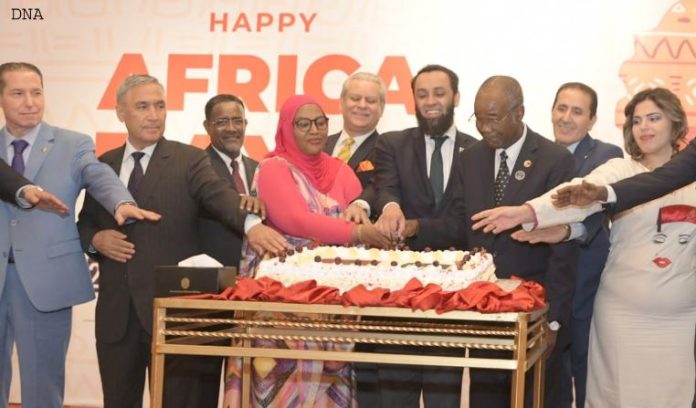
ISLAMABAD: Federal Information Minister Attaullah Tarar, speaking at a ceremony marking Africa Day, underscored Pakistan’s commitment to strengthening ties with African nations. He emphasized that Pakistan attaches great value to its relations with Africa, describing the continent as an emerging economic powerhouse with immense potential for growth and collaboration. Tarar noted that Prime Minister Shehbaz Sharif had issued special instructions to intensify focus on Africa, a directive that has already led to the introduction of Pakistan’s “Look Africa Policy,” which he said is progressing successfully.

Highlighting the strategic importance of Africa, the minister pointed out that the continent’s vast resources, youthful population, and expanding markets make it a vital partner for Pakistan in trade, investment, and cultural exchange. He stressed that Pakistan’s outreach is not limited to economic cooperation but also extends to fostering people-to-people connections and mutual understanding.

On the occasion, the Ambassador of Zimbabwe also addressed the gathering, commending the Pakistani government’s efforts to cultivate closer links with African countries. He expressed appreciation for Islamabad’s proactive approach in engaging with Africa and welcomed the initiatives aimed at building stronger diplomatic and economic bridges.

Following the speeches, Minister Tarar toured various stalls set up by participating African nations. Each stall showcased traditional delicacies, offering guests a taste of authentic African cuisine. The vibrant atmosphere reflected the diversity and richness of African culture, with visitors enjoying dishes that highlighted the continent’s culinary heritage. The event not only celebrated Africa Day but also symbolized the growing partnership between Pakistan and African countries, reinforcing the shared vision of prosperity and cooperation.

Govt presents Rs18.8tr FY27 budget, targets 4% growth amid Mideast tensions

Finance minister presents Rs18.77tr Budget 2026-27

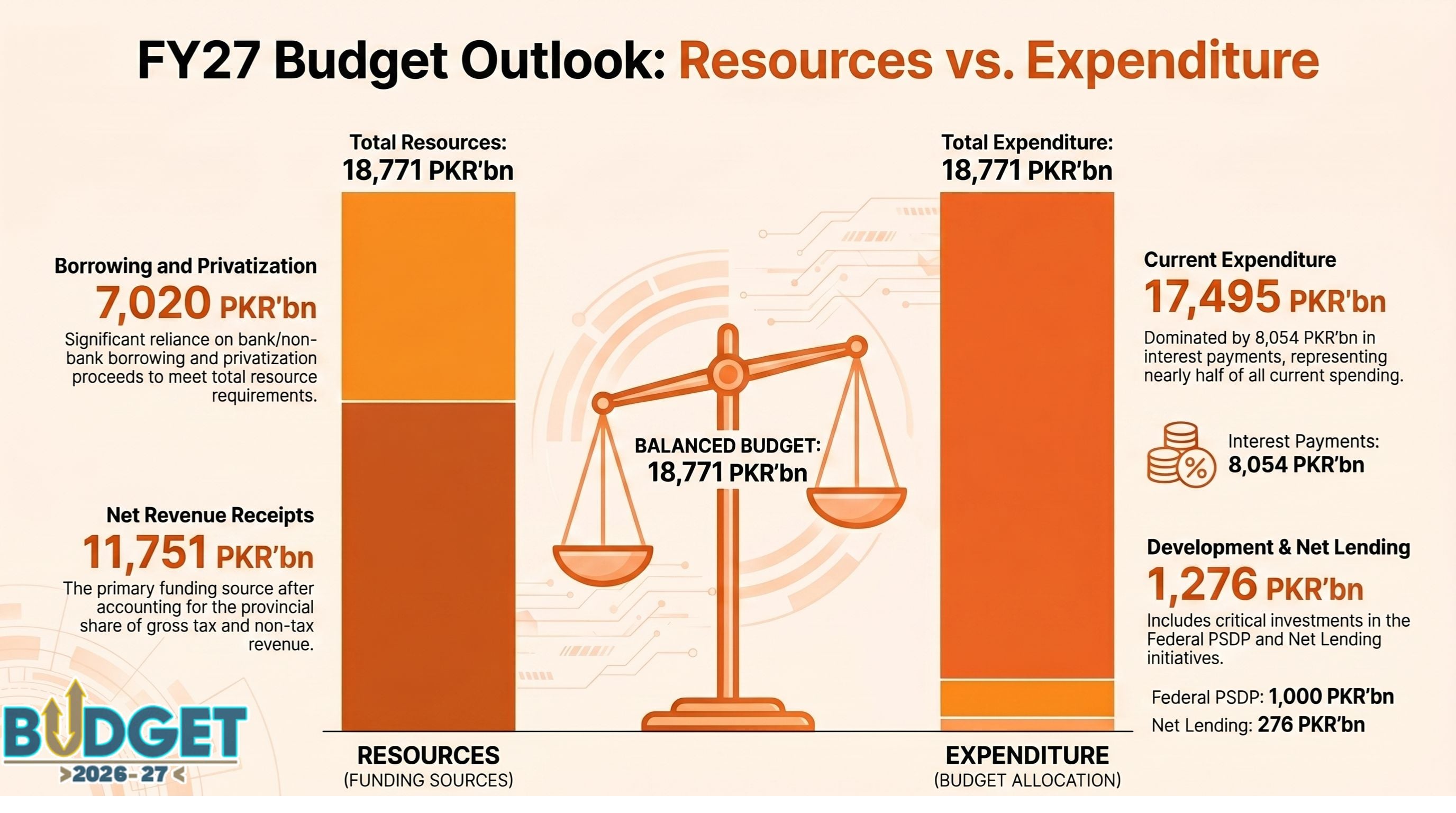
ISLAMABAD, JUN 12: Finance Minister Muhammad Aurangzeb on Friday presented a budget with a total outlay of Rs18,771 billion as the federal government tries to balance a fragile economic situation due to an energy crisis amid the Middle East tensions.

Presenting his term’s third budget in the National Assembly, the finance minister noted: “This budget is being presented at a time when Pakistan has achieved the status in the eyes of its people and the world as a country whose voice is listened to, and whose friendship is desired.”

FinMin Aurangzeb said that this did not “happen by chance” and explained that after Pakistan handed a humiliating defeat to India during last year’s war, the entire world was “compelled to take notice”.

“Today, the world acknowledges Pakistan’s defensive strength,” he said, noting that the nation has also had the honour of brokering a ceasefire between Iran and the United States, putting the South Asian country in a strong position.

The session witnessed noisy scenes, with opposition members raising slogans while treasury lawmakers welcomed PM Shehbaz by thumping desks in the lower house. 

During the proceedings, PTI lawmakers also brought placards and posters into the NA. At one point, members of the treasury and opposition benches also became involved in a scuffle.

Giving a breakdown of the envisaged Rs18,771 billion budget, the finance minister said that the largest share — Rs8.054 trillion — has been earmarked for mark-up payments, followed by Rs3 trillion for defence and Rs1 trillion for the federal development programme.

Govt presents Rs18.8tr FY27 budget, targets 4% growth amid Mideast tensions

The Federal Board of Revenue’s (FBR) tax-to-GDP ratio rose from 8.5% to 10.3% over the past three years, an increase of nearly two percentage points, he said.

In the financial year 2026-27, the economic growth rate is expected to remain at 4% while the average inflation rate is likely to be 8.2% during the next fiscal year, he added.

“The results of these measures are also visible in our fiscal stability. Our fiscal deficit in June 2023 was 7.8% of GDP, which by the end of the current financial year will come down to 4%,” he said.

Pakistan was facing a primary deficit equal to 0.7% of GDP two years ago, he said, adding that the government has brought the primary balance to a surplus of 1.6%.

According to the finance czar, an improvement of 2.3% has come in the primary balance relative to GDP.

During the current year, the average rate of inflation is expected to remain at approximately 7%, which is less than the current financial year’s estimate of 7.5% despite the US-Iran war, he said.

“In recent months, inflation has increased primarily due to the tension in the Middle East. God willing, when the war clouds clear, the rate of inflation will reduce further,” he added.

https://flo.uri.sh/visualisation/29350290/embed?auto=1

The finance minister maintained that the trust of global development and financial institutions in the country’s economy has increased due to the government’s policies.

Aurangzeb said that Pakistan, for the first time after 2022, returned to the international bond market and, for the first time in four years, Pakistan successfully issued a $750 Euro Bond.

PSDP

The finance minister then noted that the Public Sector Development Programme (PSDP) is the very instrument of government investment through which “we harness domestic and foreign resources for social and economic development”.

In the meeting of the National Economic Council held on June 10, he said, the national development programme for the financial year 2026-27 was approved, the total volume of which is Rs3,675 billion rupees.

https://flo.uri.sh/visualisation/29351697/embed?auto=1

This includes Rs1,000 billion for the Federal Development Programme, Rs2,224 billion for all provincial development programmes, and Rs451 billion for investment by State-Owned Enterprises (SOEs).

“This allocation reflects the new distribution of responsibilities following the 18th Constitutional Amendment, under which the responsibility for the social sector has largely shifted to the provinces, whilst the Federation focuses particularly on projects of national and strategic importance.”

He added that more than 60% of the Federal Development Programme is focused on key sectors including transport and communication, water resources, and energy; whilst the remaining portion has been allocated to other important sectors, including IT, science and technology, agriculture, health, and education.

“All these projects are aligned with the ‘Udaan Pakistan’ initiative and the National Economic Transformation Plan based on the 5Es.

https://flo.uri.sh/visualisation/29350071/embed?auto=1

In the Federal Development Budget 2026-27, Rs54.6 billion has been allocated for the sustainable urban development and housing sector.

Through this allocated amount, 150,000 affordable and climate-resistant residential units will be constructed at the federal and provincial levels, digital master plans will be prepared for 10 major cities, and significant improvements will be brought to the provision of urban water supply and sanitation. 

Income tax

The FinMin added that Prime Minister Shehbaz Sharif’s government “is fully aware of the difficulties faced by the public and private sector salaried class”.

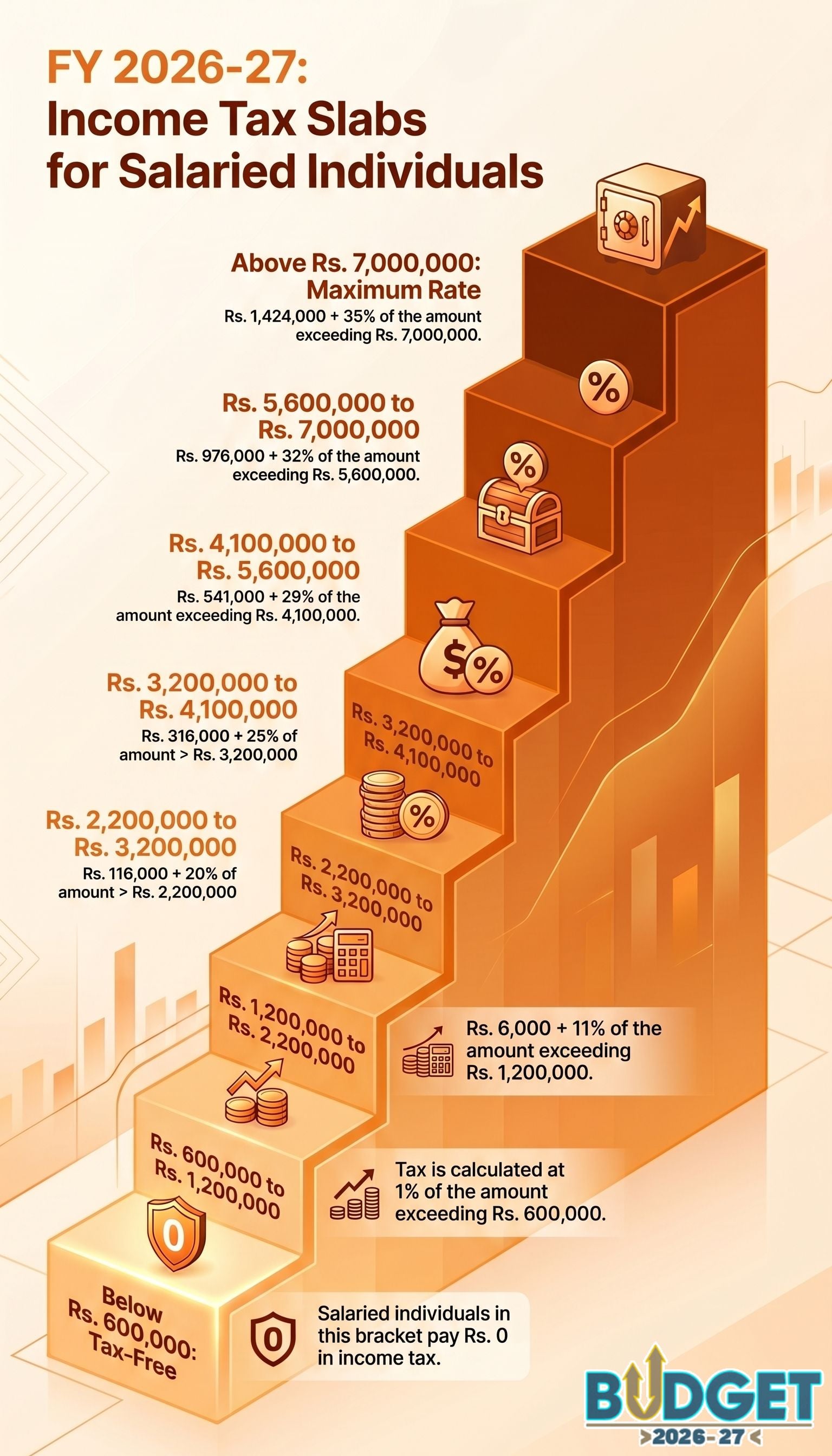
He said that in light of these difficulties, the government has decided to “provide relief to salaried individuals across four income slabs”.

Govt presents Rs18.8tr FY27 budget, targets 4% growth amid Mideast tensions

In this regard, for salaried individuals earning between Rs2.2 million-Rs3.2 million, it is proposed to reduce their tax rate from 23% to 20%. For salaried individuals earning between Rs3.2 million-Rs4.1 million, it is proposed to reduce the tax rate from 30% to 25%.

For those with an income between Rs4.1 million-Rs5.6 million, it is proposed to reduce the income tax rate from 35% to 29%. Similarly, for salaried individuals earning between Rs5.6 million-Rs7 million, it is proposed to reduce the tax rate from 35% to 32%.

He added that the government has decided to completely abolish the super tax, which ranged from 1%-7.5%, across six slabs of business income between Rs150 million to Rs500 million. Similarly, for income exceeding Rs500 million, it is proposed to reduce the super tax rate from 10% to 8%.

The purpose of this measure is to promote small businesses and industries, as well as to create ease of doing business. However, the existing surcharge on banks, oil and gas exploration companies, and fertiliser companies will remain intact.

Health and education

Moving forward, he said that public healthcare was the government’s key national priority. In the Federal Development Programme 2026-27, Rs25.1 billion have been allocated for health projects, he noted.

Govt presents Rs18.8tr FY27 budget, targets 4% growth amid Mideast tensions

“These include the expansion of tertiary healthcare facilities, the strengthening of emergency and critical care, the scaling up of cancer treatment facilities, an integrated disease surveillance and diagnostic system, and the modernisation of the regulatory infrastructure,” he said.

FinMin Aurangzeb further said that higher education and research serve as the backbone of “our economic and social growth”.

He added that Rs46 billion have been allocated for the higher education sector, which represents a “remarkable increase” compared to the Rs34.9 billion allocated last year.

The finance minister said that this includes provisions for scholarships for deserving students, enhancing the research capacity of universities, upgrading the Pakistan Education and Research Network, and promoting digital learning as well as an AI-based education system.

Govt presents Rs18.8tr FY27 budget, targets 4% growth amid Mideast tensions

“Separately, Rs3.6 billion have been allocated for science and technology, which will help promote technology transfer, SMEs, renewable energy, electronics, and technology in agriculture and health, among other areas,” he added.

Energy reforms

The finance minister said that Pakistan has achieved major successes on many fronts of the energy sector despite the ongoing crisis in the Middle East.

Over the past two years, the government has implemented structural reforms in the energy sector that will not only address the current crisis but also prepare Pakistan for potential future crises, he added.

“The electricity sector is passing through the deepest reformative phase of its history,” he said, adding that the government achieved savings of over Rs143 billion compared with the allocated subsidy for power consumers during the fiscal year 2025-26.

As part of the reforms, the government will identify, register, and verify all subsidised consumers for the launch of the Direct Subsidy Mechanism from January next year.

According to the finance minister, the government achieved net-zero accumulation of circular debt in the electricity sector this year, meaning no additional burden was added.

The government has renegotiated with Qatar and Italy on its long-term Sale and Purchase Agreements and agreed on a reduction of 35 LNG cargoes for the year 2026, he said, adding that the move will save approximately $1.2 billion in foreign exchange.

“Keeping in view the US-Iran war, we also focused attention on increasing local gas production,” he said, adding that the country’s oil exploration companies added approximately 100mmcfd additional gas into the national system.

Corporate sector and privatisation

In his speech, the finance minister said that the “economic improvement” has also had a positive impact on the Pakistan Stock Exchange. He added that the improvement enhanced performance of Pakistan’s corporate sector.

“In January–March 2026, the corporate sector earned 22% higher profits compared to the same period last year, while during the first nine (9) months of the current financial year, this profit growth stands at 9%,” he said.

He also noted that this year, 11 IPOs have been launched so far, which is the highest number in a single year across the last two decades. Similarly, 39,000 new companies have been registered with the SECP.

Major global companies such as Google are investing in Pakistan and more than 250 new companies have started their businesses in the Technology Zones established by the government, providing employment to over 25,000 tech professionals.

Moving forward, he said that he feels immense pleasure in informing this House that the government’s promise — made during the last budget — was no longer just a promise, but has instead become a reality.

“We commenced with the privatisation of First Women Bank and then, on 23rd December 2025, the entire nation witnessed in Islamabad, through a transparent and live-televised auction, the handover of Pakistan International Airlines (PIA) to the private sector for a total sum of Rs185 billion.

Following the successful privatisation of PIA, the government is implementing a five-year plan under which several government institutions will be handed over to the private sector, including DISCOs, GENCOs, banks, insurance companies, and airports.

Debt management

During his speech, the finance minister noted a reduction of 68.5% in national debt this year, saying the progress was the result of the implementation of a well-regulated medium-term ddbt management strategy.

Over the past two years, the government has reduced its debt burden by Rs4.9 trillion through the early repayment of loans and the replacement of expensive debt with lower-cost borrowing, he added.

According to the finance minister, the average maturity of domestic debt has increased from 2.8 years in 2024 to 3.8 years in May 2026, significantly reducing refinancing risk.

The government is also offering direct investment opportunities in government bonds through digital wallets operated by telecom companies, he said.

The aim of these measures is to ensure that national debt in the coming years is not only reduced, but also more diversified, cheaper, and built on stronger, more stable foundations, according to the finance czar.

Bangladesh and India to coordinate petrol on border

Bangladesh and India to coordinate petrol on border

DHAKA, 12 JUN (DNA) — Bangladesh and India have agreed to deepen cooperation along their shared border with improved intelligence sharing and coordinated patrols, according ‌to a joint statement released on Friday, amid strained relations over alleged undocumented migration.

Dhaka has accused Indian authorities of attempting to force migrants across the border without due process, complicating efforts to stabilise ties following the 2024 ousting of Sheikh Hasina and India’s broader effort to identify and deport undocumented migrants.

Border Guard Bangladesh (BGB) and India’s Border Security Force (BSF) described the discussions as “cordial, positive and forward-looking”, according to the statement ⁠released at the end of a four-day meeting of top border officials in New Delhi. The regular talks also covered “illegal, inadvertent and forcible crossing at border areas,” an increasingly contentious issue in recent months.

Bangladesh and India share a more than 4,000-kilometre border, one of the world’s longest. India’s ruling Bharatiya Janata Party (BJP), which governs key border states including Tripura, West Bengal and Assam, has said tackling alleged undocumented migration is a priority and has been trying to push Bengali-speaking Muslims branded “illegal infiltrators” into Bangladesh since last year. Bangladesh has said it has sent more than a dozen letters to New Delhi seeking an end to the practice.

The ‌BGB ⁠has reported foiling several alleged attempts in recent weeks and has stepped up deployments, intelligence operations and drone surveillance in border areas. Earlier this week, Bangladesh’s State Minister for Foreign Affairs Shama Obaed Islam said that any push-ins without due process were “absolutely unacceptable,” warning they could undermine efforts to improve bilateral ties.

Bangladesh said it had intensified patrols and launched ⁠awareness campaigns along parts of the frontier to tackle the alleged forced crossings, while India said in May it had asked Dhaka to verify the nationality of more than 2,860 suspected Bangladeshi nationals living in India without formal documentation. The joint statement ⁠said the two sides also discussed human trafficking, border deaths, smuggling, infrastructure and implementation of the Coordinated Border Management Plan. — DNA

RCCI welcomes relief measures, calls for stronger industrial support

RCCI welcomes relief measures, calls for stronger industrial support

RAWALPINDI, JUN 12 /DNA/ – The Rawalpindi Chamber of Commerce and Industry (RCCI) has termed the Federal Budget 2026-27 a mixed budget, containing both positive measures and areas that require further attention.

RCCI President Usman Shaukat said that the reduction in taxes for the salaried class and the decrease in super tax are welcome steps. He also appreciated the tax relief provided to the IT sector, noting its vital role in promoting exports and employment.

He welcomed the allocation of Rs. 88 billion under the Export Finance Scheme, describing it as a positive initiative. However, he emphasized that the allocation should be further enhanced if the government aims to significantly increase exports. He also appreciated the proposal to abolish duties on life-saving medicines, calling it a pro-public measure.

RCCI Group Leader Sohail Altaf stated that while the budget includes some encouraging measures, it lacks a comprehensive strategy for industrial growth and revival. He noted that no significant initiative has been announced to improve the ease of doing business, which remains a key concern for the business community.

He welcomed the Fixed Tax Scheme but pointed out that the mechanism for its implementation has not yet been clarified. He stressed that sustainable industrial growth is directly linked to increased exports and urged the government to prioritize export-led economic policies.

Sohail Altaf further termed the abolition of super tax and the reduction in withholding tax as positive developments. However, he expressed concern that no meaningful relief has been provided to small businesses. He also highlighted the importance of bringing new taxpayers into the tax net to broaden the revenue base.

The RCCI leadership observed that there is still a lack of clarity regarding sales tax measures. Overall, they described the budget as balanced, with neither major cause for celebration nor serious concern. However, they noted that the budget does not provide a clear roadmap for reducing inflation.

Former RCCI President Raja Amer Iqbal welcomed the incentives announced for the real estate sector, particularly the relief in property transactions. He expressed hope that the government’s plan to utilize provincial resources for defense and administrative expenditures would help reduce dependence on additional borrowing in the future.

Finance minister presents Rs18.77tr Budget 2026-27

Finance minister presents Rs18.77tr Budget 2026-27

ISLAMABAD, JUN 12: Finance Minister Muhammad Aurangzeb presented the federal budget for fiscal year 2026-27 in the National Assembly during a session chaired by Speaker Ayaz Sadiq, as opposition members protested and created noise in the House.

The National Assembly budget session was chaired by Speaker Ayaz Sadiq.

Prime Minister Shehbaz Sharif reached the Assembly session, while Bilawal Bhutto Zardari also attended the proceedings. Earlier, Bilawal Bhutto and Mohsin Naqvi left for the National Assembly Hall.

Finance Minister Muhammad Aurangzeb formally presented the budget document for the new fiscal year 2026-27.

During his speech, the finance minister said Pakistan had gained such importance that its voice was now being heard. He also said that in May last year, Pakistan gave a befitting reply to India. Aurangzeb referenced Operation Bunyanun Marsoos during his budget speech and paid tribute to the services and sacrifices of Pakistan’s armed forces.

“It is an honour for me to present the budget before this House,” the finance minister said, while thanking the parliamentary leaders of all political parties for their cooperation.

He stated that today the entire world recognizes Pakistan’s defence capabilities and noted that several countries have expressed interest in acquiring Pakistani fighter jets for their armed forces.

Aurangzeb also highlighted the defence cooperation agreement between Pakistan and Saudi Arabia, saying it has provided a strong new foundation for bilateral relations. He added that Pakistan’s defence industry has emerged as a valuable source of foreign exchange earnings.

The minister said the armed forces gave a befitting response to the enemy and described the success of Operation Bunyanun Marsoos as a bright chapter in Pakistan’s history and an important milestone for the future. He stressed that a strong defence is essential for safeguarding the country’s sovereignty and integrity.

During the speech, opposition members raised slogans and displayed banners and placards in the House.

Aurangzeb said both the United States and Iran have placed their trust in Pakistan, adding that the improvement in Pakistan’s international standing is the result of efforts by the country’s civil and military leadership, to whom he expressed gratitude.

He said Pakistan played a responsible role in promoting peace in the region, with China supporting these efforts. According to the finance minister, Pakistan is working to ensure the success of diplomatic initiatives, while oil supplies through the Strait of Hormuz have been restored.

He added that Islamabad successfully helped bring the United States and Iran to the negotiating table through diplomatic engagement.

The finance minister thanked Prime Minister Shehbaz Sharif and PPP Chairman Bilawal Bhutto Zardari for their cooperation during the budget preparation process.

Economic performance and relief measures
Aurangzeb said Pakistan’s economic growth rate has reached 3.7% and credited the government’s economic management under Prime Minister Shehbaz Sharif for overcoming significant challenges.

He noted that the benefits of declining global oil prices are being passed on to the public. Despite the recent regional crisis, Pakistan faced no shortages of petroleum products, he said.

The government provided tax relief worth Rs128 billion through petroleum prices, according to the finance minister. He added that the government has absorbed the burden of price fluctuations to protect consumers.

He also pointed out that the US-Iran conflict had pushed petroleum prices higher in international markets.

Pakistan-China Relations
The finance minister said the prime minister’s recent visit to China gave fresh momentum to bilateral relations.

He emphasized that Pakistan-China ties extend beyond government-to-government relations, describing China as Pakistan’s most important trading partner and a key pillar of the country’s foreign policy.

Tax relief for salaried class
The government announced significant tax relief for salaried individuals.

The tax rate for individuals earning between Rs2.2 million and Rs3.2 million annually has been reduced from 23% to 20%.
The tax rate for those earning between Rs3.2 million and Rs4.1 million annually has been reduced from 30% to 25%.
The tax rate for individuals earning between Rs5.6 million and Rs7 million annually has been reduced from 35% to 32%.
The government has also decided to abolish the income surcharge imposed on the salaried class.

Super tax and property sector relief
The government announced the complete abolition of super tax across six income slabs.

Previously, individuals earning between Rs150 million and Rs500 million annually were subject to a super tax ranging from 1% to 7%. For incomes exceeding Rs500 million annually, the super tax rate has been reduced from 10% to 8%.

In addition, the government has reduced income tax and withholding tax on property transfers and announced incentives for the construction sector to encourage investment and growth.

Key tax telief and economic measures
The finance minister announced the abolition of taxes on essential women’s healthcare products as part of the government’s relief measures in Budget 2026-27.

Foreign assets and international transactions
The government has abolished the Capital Value Tax (CVT) on foreign assets.

In addition, withholding tax on international transactions made through debit and credit cards has been significantly reduced. The tax rate on such transactions has been cut from 5% to 0.5%.

The finance minister said the new measures are aimed at encouraging Pakistanis to declare and bring their foreign financial assets into the formal economy.

Support for IT, export sectors
To promote the growth of Pakistan’s IT industry, the government has extended the concessionary tax rate of 0.25% on IT export earnings for another three years.

According to the budget speech, this relief will remain in place until June 30, 2029, and is expected to boost IT exports and strengthen the country’s digital economy. The government also announced additional relief measures for the export sector in the new budget.

Incentives for construction, allied industries
The finance minister said that around 40 industries linked to the construction sector, including cement, iron and steel, glass, timber, paints, tiles, and hardware, are expected to benefit from the new measures.

The government believes these incentives will stimulate construction activity, generate economic growth, and create employment opportunities across the country.

Property tax relief for filers
The government has announced a significant reduction in property transaction taxes for tax filers.

The tax rate on the sale of property for filers has been reduced from 5.5% to 2.75%.
The tax rate on the purchase of property for filers has been reduced from 2.5% to 1.25%.
These measures are intended to encourage investment in the real estate sector and promote documented economic activity.

Fixed tax scheme for small traders

Finance Minister Aurangzeb announced a fixed tax scheme for small shopkeepers and traders aimed at simplifying tax compliance and encouraging documentation of the economy.

Under the scheme, FBR officials will not be allowed to enter shops for questioning or inspections related to the scheme.

A verification QR code will be displayed on the shop’s plaque, while eligible traders will be issued a special green plaque as proof of participation.

Key Features of Scheme
Small traders will be exempt from installing Point of Sale (POS) machines.
Traders covered under the scheme will not be treated as withholding agents.
Beneficiaries of the scheme will not be subject to tax audits.
A minimum fee of Rs25,000 must be deposited when filing the annual tax return.
The business community will be allowed to adjust withholding tax payments against their tax liability.
Eligible traders will pay a fixed tax of 1% of their annual sales.
The scheme will apply to traders with an annual turnover of up to Rs200 million
Tax administration and digital reforms

The government has decided to expand the scope of the Third Schedule of Sales Tax and broaden the scope of purchases from unregistered persons. A National Faceless Centre and Assessment System has also been introduced.

Under the new system, there will be no direct contact between taxpayers and tax officers, helping improve transparency and reduce discretionary interactions.

The scope of production monitoring and digital invoicing has also been expanded to strengthen tax compliance and documentation.

New excise duties and vehicle taxes

The budget imposes a Federal Excise Duty of Rs80 per litre on white spirit and mineral turpentine oil.

According to the budget speech, these products are commonly used for fuel adulteration. The tax has been imposed to protect millions of consumers from damage to their vehicles and machinery.

The government has also introduced new taxes on imported SUVs with engine capacities above 2,000cc and up to 3,000cc. In addition, duties on vehicles with engine capacities exceeding 3,000cc will be increased.

Luxury electric vehicles valued above Rs20 million will also be subject to taxation under the new budget proposals.

Relief for salaried employees, pensioners

The finance minister acknowledged that inflation has increased financial pressures on salaried individuals.

To provide relief:

Salaries of government employees are proposed to be increased by 7%.
Pensions are also proposed to be increased by 7%.
The minimum monthly wage is proposed to be increased by 10%.

These measures are intended to help workers and pensioners cope with rising living costs while supporting household incomes.

Relief for travel, EVs, medicines, industry
Aurangzeb announced several tax relief measures and policy initiatives aimed at promoting electric vehicles, supporting the pharmaceutical sector, reducing industrial costs, and encouraging economic growth.

FED on business-class travel
The government has abolished the Federal Excise Duty (FED) on international travel in business class, providing relief to travelers and the aviation sector.

New auto sector policy
The government has decided to present a new auto sector policy in Parliament shortly after cabinet approval.

The policy is expected to outline the future direction of Pakistan’s automobile industry, with a particular focus on electric vehicles and sustainable transportation.

Incentives for electric vehicles
The government has decided to maintain the concessional tax regime for:

Electric motorcycles
Electric rickshaws
Electric cars
Electric buses
In addition, a proposal has been made to offer a reduced sales tax rate of 1% on imported electric trucks.

However, the finance minister clarified that luxury electric vehicles will not be eligible for these concessions and incentives.

Relief for pharmaceutical industry
The government has decided to abolish taxes imposed on the local production of medicines used to treat cancer and other serious diseases.

The measure is intended to support domestic pharmaceutical manufacturers and improve the affordability of essential medicines for patients.

Customs Duty abolished on raw materials
To reduce production costs and support industrial growth, the government has decided to completely eliminate customs duty on more than 100 categories of raw materials.

The initiative is expected to lower manufacturing costs, improve competitiveness, and encourage investment across various sectors of the economy.

Opposition protests during proceedings
Opposition members staged a protest inside the House during the budget presentation. The session witnessed noise and commotion as the finance minister presented the federal budget proposals.

Opposition chanted slogans against inflation and rejected the “anti-people budget”. It also sought ‘Awam ko relief do’.

Federal budget size fixed at Rs18.77tr
According to the budget document, the size of the federal budget for the upcoming fiscal year has been set at Rs18,771 billion. The Federal Board of Revenue’s annual tax target has been fixed at Rs15,264 billion.

Gross revenue has been estimated at Rs20,600 billion, while non-tax revenue is projected at Rs5,336 billion.

Also Read: Cabinet approves budget, proposes 7% hike in salaries, pensions

The budget document shows that Rs8,848 billion will be transferred to the provinces in the next fiscal year. After provincial transfers, the federal government’s net revenue is estimated at Rs11,751 billion.

The government plans to borrow Rs2,034 billion from internal sources and Rs813 billion from external sources. It will also obtain Rs4,012 billion through T-bills, Pakistan Investment Bonds and Sukuk.

In addition, Rs161 billion is expected to be generated through the privatization of government institutions during the next fiscal year.

FBR revenue targets

According to the budget documents, the FBR has been assigned a tax collection target of Rs15,264 billion for the fiscal year 2026-27.

The revenue targets have been divided as follows:

Income Tax Target: Rs7,613 billion
Indirect Taxes Target: Rs7,651 billion
Customs Duty Target: Rs1,651 billion
Sales Tax Target: Rs4,972 billion
Federal Excise Duty (FED) Target: Rs1,073 billion

Key fiscal targets

According to the budget documents, the revised revenue estimate for the current fiscal year stands at Rs12,983 billion, while the government has set a 17.6% revenue growth target for the next fiscal year.

Key fiscal and economic targets for 2026-27 include:

Non-tax revenue is projected to increase to Rs5,336 billion.
Total national revenue is targeted at Rs20,600 billion.
Rs8,848 billion will be transferred to the provinces under the National Finance Commission (NFC) Award.
The federal government’s net revenue is estimated at Rs11,751 billion.
The total federal expenditure has been budgeted at Rs18,771 billion.
The federal budget deficit is projected to remain at Rs7,020 billion.
The government has set a provincial surplus target of Rs1,794 billion.
The overall fiscal deficit is targeted at Rs5,226 billion, equivalent to 3.6% of GDP.
A primary surplus of Rs2,828 billion, or 2% of GDP, has been projected.
The government has set a GDP target of Rs143,604 billion for the fiscal year 2026-27.

Defence, development and current spending
The government has allocated Rs3,000 billion for defence in Budget 2026-27. This is an increase of Rs450 billion from the FY2025-26 allocation of Rs2.55 trillion. The approximate increase this year is 17.6% to 18%.

A total of Rs1,000 billion has been earmarked for development projects. The budget document shows that Rs17,495 billion will be spent on ongoing expenses in the next fiscal year.

Interest payments, pensions and civil govt
Debt servicing remains one of the largest expenditure heads, with Rs8,054 billion allocated for interest payments on loans. The government has allocated Rs1,169 billion for pension payments.

Another Rs1,071 billion has been set aside for running the civil government.

The federal budget also includes Rs430 billion for emergency measures in the new fiscal year. The allocation is expected to support the government’s response to urgent national needs during 2026-27.

Federal transfers to provinces
According to the budget documents, a total of Rs8,848.49 billion has been allocated for transfers from the federal government to the provinces in fiscal year 2026-27.

The government has proposed keeping the size of the divisible pool taxes for provinces at Rs8,635.21 billion, while Rs213.27 billion will be transferred through straight transfers.

The provincial share of federal taxes and revenues includes:

Rs4,246.43 billion from income tax
Rs2,815.06 billion from sales tax
Rs946.77 billion from customs duties
Rs611.69 billion from Federal Excise Duty (FED)
Rs69.39 billion from the Gas Development Surcharge (GDS)
Rs93.10 billion from natural gas royalty
Rs44.59 billion from crude oil royalty
Punjab will receive the largest share under the NFC Award, with an allocation of Rs4,402.83 billion.

Other provincial allocations include:

Sindh: Rs2,207.18 billion
Khyber Pakhtunkhwa: Rs1,443.34 billion, including the additional 1% share for counter-terrorism
Balochistan: Rs795.13 billion

Subsidy allocations for various sectors
The government has proposed a reduction in power sector subsidies for the next fiscal year. The overall subsidy for the power sector has been reduced from Rs893 billion to Rs830 billion.

Major allocations include:

Rs252 billion to address circular debt in the energy sector
Rs163 billion for K-Electric through tariff differential subsidies
Rs81 billion allocated as tariff differential subsidy for Azad Jammu and Kashmir
Rs248 billion allocated for Inter-DISCO Tariff Differential Subsidy (TDS)
Additional subsidies include:

Rs34 billion for the merged districts of Khyber Pakhtunkhwa
Rs3 billion for agricultural tube wells in Balochistan
Rs48 billion for the Pakistan Energy Revolving Fund
Rs19 billion allocated to PASSCO for wheat reserves and price differential support
Rs5.8 billion for the production and supply of urea fertilizer
Rs8 billion maintained for the electric vehicle scheme
Rs23.2 billion allocated for the payment of Utility Stores Corporation (USC) arrears
The government has also proposed abolishing subsidies for the petroleum sector in the next fiscal year. In addition, direct payments to Independent Power Producers (IPPs) are proposed to be discontinued under the new budget framework.

Non-tax revenue targets
The total volume of non-tax revenue has been set at Rs5,335.59 billion. The government expects to collect Rs5,093.64 billion through non-tax revenue sources during the next fiscal year.

A record Rs1,676.50 billion collection target has been set for the petroleum levy, reflecting a significant increase compared to previous years.

Key energy-related revenue targets include:

Rs345 billion from the petroleum levy on LPG
Rs50 billion from the Climate Support Levy
Rs1,573 billion from the levy on off-grid captive power plants

State Bank, govt receipts
The government expects to receive Rs1,435.75 billion in profits from the State Bank of Pakistan (SBP). However, this is lower than the Rs2,428 billion profit target set for the current fiscal year.

The collection target from civil administration and other sectors has been set at Rs1,480 billion.

Revenue targets from various government fees and royalties include:

Rs73.60 billion from passport, citizenship, and naturalization fees
Rs165.88 billion from collections by affiliated government departments
Rs1,035 billion from provinces under Article 164 of the Constitution
Rs45.50 billion from crude oil royalty
Rs95 billion from natural gas royalty
Rs70.81 billion from the Gas Development Surcharge
Rs2.24 billion from the Gas Infrastructure Development Cess (GIDC)
The government has set the following collection targets:

Rs31.47 billion from the defence sector’s own receipts
Rs4.09 billion from law and order-related collections
Rs130.38 billion in dividends from government investments and entities
Additionally, the government expects to receive Rs25.6 billion from the United Nations under extraordinary receipts during the next fiscal year.

Stay Connected

64FansLike
60FollowersFollow

Latest Reviews

Exchange Rates

USD - United States Dollar
EUR
1.15
GBP
1.35
AUD
0.70
CAD
0.71