Home Blog Page 867

Iraq’s Tightrope Walk with US and Iran

Iraq's Tightrope Walk with US and Iran

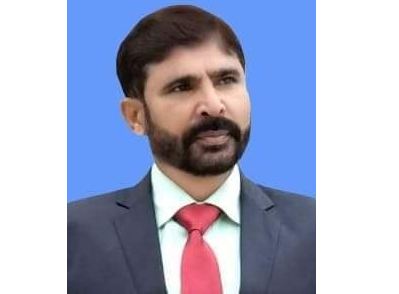
Dr. Muhammad Akram Zaheer

An Iraqi military delegation is going to visit Washington soon, and there is a lot of anticipation and tension in Iraq about this visit. The focus is on the presence of American troops in Iraq, which has been a hot topic among Iraq’s various political groups. Iraqi Shi’a Islamist hardliners are especially eager to speed up the withdrawal of U.S. forces from their country. Since the 2003 invasion that removed Saddam Hussein, the presence of American troops in Iraq has been controversial. At first, these troops were seen as liberators, but over time, many Iraqis, especially Shi’a Islamist groups, have come to see them as occupiers. These groups believe that foreign troops undermine Iraq’s sovereignty and hinder its control over national security and internal affairs. These hardliners, who often have strong connections to Iran, view the American military presence as a way for the U.S. to exert influence in the region, which counters Iran’s influence in Iraq. Their demand for a quick withdrawal aligns with their opposition to U.S. policies in the Middle East. The killing of Iranian General QassemSoleimani by a U.S. drone strike in Baghdad in January 2020 intensified these feelings, leading to louder calls for the U.S. to leave. For the upcoming visit to Washington, these hardliners want the Iraqi delegation to take a firm stand and insist on a clear and quick timeline for the withdrawal of American troops. This position reflects their anti-American views and responds to growing frustration among Iraqis over the foreign military presence, which they blame for ongoing instability and violence. However, the Iraqi delegation faces a difficult situation. The United States has been an important ally, providing military support, training, and financial aid essential for Iraq’s fight against ISIS and other extremist groups. A sudden and unplanned withdrawal could create a power vacuum, potentially leading to more insurgent activities and further destabilization. The delegation needs to carefully balance these issues. While addressing the hardliners’ demands and the broader Iraqi desire for sovereignty, they must also consider the practical need to maintain a strategic partnership with the United States. This partnership is crucial not just for military support but also for economic and political stability. Moreover, the visit will be closely watched by other countries. Iran will be particularly interested in the outcomes due to its interests in Iraq. Other regional allies and adversaries will also be paying attention to how the U.S.-Iraq relationship develops, as it affects regional security dynamics.

In July, the Iraqi government is actively trying to maintain good relations with both the United States and Iran. On July 17, an Iranian-backed militia launched a drone attack on an Iraqi airbase where some of the 2,500 US troops in the country are stationed. There were no casualties, but this attack has raised concerns that the informal cease-fire arranged by Prime Minister Mohammed Shia al-Sudani between the Iranian-backed militias and the Americans may be falling apart. The militias and their allies in the Iraqi parliament believe that the US is delaying negotiations over the withdrawal of its forces from Iraq. Sudani has stated that the American-backed multinational coalition should leave, but he also wants to create a bilateral military support program with the US and other countries.

On July 8, a Pentagon delegation met with Iraqi officials in Baghdad to discuss the future of American military relations with Iraq, but there were no announcements about progress or a withdrawal timetable. Under pressure from hardline Shi’a Islamists, a Shi’a politician said on Iraqi TV that a withdrawal schedule announcement would come within weeks. However, Washington has not mentioned any timetable, leaving Sudani without political support. An Iraqi military delegation is expected to visit Washington soon, and Shi’a Islamist hardliners want Iraq to push for a quicker withdrawal of American troops.

Meanwhile, on July 13, Iraqi Foreign Minister Fuad Hussein met with US Treasury Under Secretary for Terrorism and Intelligence Brian Nelson in Washington. He urged the US to ease sanctions that have blocked about 30 Iraqi commercial banks from accessing dollars and the international banking system. Hussein claimed that the Iraqi banking sector has made reforms to address American concerns about money laundering benefiting Iran and its proxies. Although the Treasury Department appreciated Iraq’s commitment to reform, it did not indicate any easing of the sanctions. Hussein also met with State Department Under Secretary for Political Affairs John Bass to seek assistance regarding Iranian funds frozen in Iraq, but the State Department also gave no public sign of flexibility.

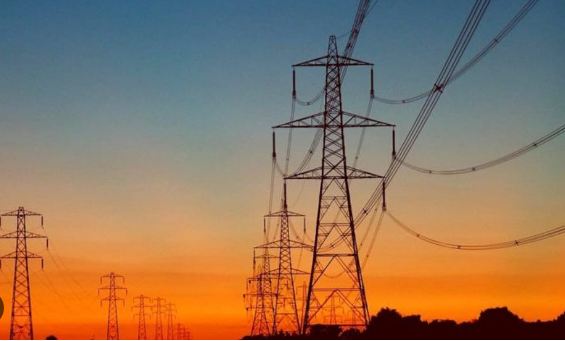
In a positive development for Baghdad, the State Department announced last week that it had granted another four-month waiver to the Iraqi government, allowing it to buy Iranian electricity without facing American sanctions. The State Department spokesperson said that Baghdad was making steady progress toward finding alternative sources to replace Iranian electricity imports. Given the extreme heat in Iraq this summer, improving the electricity supply is more crucial than ever for the Iraqi people.
Power bills enrich IPP mafia, bankrupting poor

Power bills enrich IPP mafia

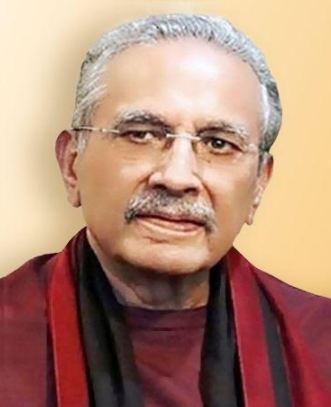
ISLAMABAD, JUL 29 /DNA/ – Former President of the Islamabad Chamber of Commerce and Industry (ICCI), Dr. Shahid Rasheed Butt, said on Monday that soaring energy costs are hurting the poor and middle class while benefiting the powerful and ruthless elite class.

He said that rising energy costs are forcing industrialists to close their mills, while the underprivileged and the middle class are struggling to survive.

Shahid Rasheed Butt said in a statement today that many people whose income is insufficient to cover their electricity bills are making ends meet by selling jewellery and household items.

He stated that political interests are being prioritised over the people, while the masses are being robbed mercilessly.

The business leader said that increasing installed capacity beyond requirements, ignoring the bidding process, and giving profit determined in dollars is not a mistake, but deliberate attempts aimed at amassing billions have made the country bankrupt and the people mentally ill.

He emphasized that in this contest, we cannot ignore the negative character of politicians and Nepra’s failure to safeguard the interests of the masses.

According to Shahid Rashid Butt, the responsible institution should bear the burden of recovering the losses from stolen electricity and unpaid bills.

He noted that influential individuals receive free or extremely cheap electricity, forcing the masses to foot the bill, which is unjustified.

He said that if the government stops collecting 24.5% of income and sales tax during summer electricity bills, then the consumer’s bills will decrease by 24.5%. At the same time, the government’s revenue will decline by Rs 50 billion.

A reduction in PSDP, which is 1150 billion rupees, easily covers the loss of Rs 50 billion if authorities desire so, he said.

He pointed out that to appease the assembly members, the development spending from the previous year, which was seven hundred and five billion rupees, has now increased to eleven hundred and fifty billion rupees.

It’s not a big deal to subtract fifty billion rupees from the Rs 1150 billion budget, but it’s only possible if the goal is to provide some relief to the people.

The government’s income will decrease by 300 billion rupees if it abolishes taxes on electricity bills for the entire year and reduces the development budget to make up for the losses.

Even if the development budget is reduced to meet the losses, it will be 150 billion rupees more than last year’s development budget, which will be enough to keep the legislators pleased.

Such a move will not only provide relief to the masses but also improve production and exports.

The government charges 18 percent of the sales tax on LNG and furnace oil imports, which it uses to run its power plants. Reducing this tax will result in lower electricity bills, but only if the authorities plan to provide some relief to the suffering people.

He observed that while the cost of electricity has increased, the practice of overbilling, which aims to defraud people, needs to cease.

Wily Politicians and Their Ill-Judgements

Wily Politicians and Their Ill-Judgements

Dr M Ali Hamza

The ninth vice president of Indonesia (2001-2004), Hamzah Haz was a smart politician known for his strategic manoeuvring. It was sad to hear about his passing on July 24, 2024.From newspaper journalism to teaching economics, from cabinet ministry of People’s Representative Council (DPR) to serving as a minister of investment, and from the vice presidency to the position of party’s presidential candidate in the 2004 Indonesian presidential election, Haz smartly played his cards. It is said that he adeptly navigated Indonesia’s volatile political landscape during the post-Suharto era. His ability to form alliances and his pragmatic approach to governance helped him gain influence. However, Haz’s tenure was marred by allegations of controversy over his conservative views. Despite these challenges, his political acumen allowed him to maintain a significant role in shaping Indonesia’s political dynamics during a critical period of democratic transition.

Though Haz had a reputation as a wily politician, buthis speech before Muslim clerics at Abubakar’s Solo boarding school in May 2002 is remembered as ill-judged and has attracted lot of criticism. This article is not about a criticism on Haz but to learn from recent history where shrewd politicians have made politically incorrect statements and took inappropriate decisions.

In the world of politics, strategy and cunning are often as crucial as vision and policy. While many politicians adeptly navigate the complexities of governance and public opinion, others, despite their political acumen, have made missteps that have tarnished their legacies. Here are some notable examplesof wily politicians whose ill-judged actions have had significant repercussions.

Richard Nixon, the 37th President of the United States, is perhaps the most infamous example of a shrewd politician undone by his own actions. Known for his foreign policy achievements, particularly in opening diplomatic relations with China and détente with the Soviet Union, Nixon’s presidency was ultimately marred by the Watergate scandal. The attempt to cover up a break-in at the Democratic National Committee headquarters led to his resignation in 1974, making him the only USpresident to resign from office. Nixon’s involvement in the scandal and the subsequent cover-up was a profound misjudgement that overshadowed his political career.

David Cameron, the former Prime Minister of the United Kingdom, is a prime example of a politician whose calculated risk backfired spectacularly. In 2016, Cameron called for a referendum on the UK’s membership in the European Union, confident that the vote would favour remaining in the EU. However, the result was a narrow victory for the Leave campaign, leading to Brexit. The decision to hold the referendum, intended to settle internal party divisions and political pressure, instead resulted in Cameron’s resignation and long-term uncertainty and division in the UK.

Aung San Suu Kyi, once celebrated as a symbol of peaceful resistance and democratic ideals, faced international condemnation for her handling of the Rohingya crisis in Myanmar. As the de-facto leader of Myanmar, her government was accused of ethnic cleansing against the Rohingya Muslim minority. Suu Kyi’s refusal to condemn the military’s actions and her perceived complicity significantly damaged her reputation. Her ill-judged defence of the military at the International Court of Justice in 2019 further alienated her from the global community.

Nicolas Sarkozy, the former President of France, has had his share of legal woes that have overshadowed his political career. Known for his dynamic and often divisive leadership style, Sarkozy faced multiple investigations into alleged corruption and campaign financing violations. In 2021, he was found guilty of corruption and influence peddling, receiving a three-year prison sentence, two of which were suspended. These legal issues and the decisions that led to them have severely tarnished Sarkozy’s legacy as a political leader.

Benjamin Netanyahu, Israel’s longest-serving prime minister, is another politician whose career has been overshadowed by allegations of corruption. While he has been a dominant force in Israeli politics, Netanyahu was indicted on charges of bribery, fraud, and breach of trust in 2019. His alleged involvement in a series of corruption scandals, including accepting expensive gifts and offering regulatory favours in exchange for favourable media coverage, has cast a long shadow over his political achievements. Netanyahu’s attempts to avoid prosecution and his divisive rhetoric have further polarized Israeli society. Moreover, his repeated decisions to launch attacks on Gaza have had profound implications, both for his political career and for Israel’s standing in the world.Netanyahu is facing political isolation and having fractures within his ruling coalitions, making governance increasingly difficult.Israeli citizens, tired of the endless cycle of violence, have staged protests and expressed their dissatisfaction with Netanyahu’s leadership. War crime allegations, human right violations, diplomatic fallout, decline in tourism, stalled negotiation, huge cost of conflict, are the results of Netanyahu worst ill-judged decision. There are critics who believe that he had paid all this price to cover-up his series of corruption scandals and to secure his political career, but in vain.

Imran Khan, the former Prime Minister of Pakistan, came to power with promises of reform and anti-corruption measures. However, his tenure was marked by economic instability and poor management, culminating in a severe financial crisis. Khan’s government struggled with inflation, a burgeoning debt crisis, and an inability to secure consistent international financial support. His policies, including abrupt changes and a lack of coherent strategy, agricultural neglect, bureaucratic paralysis, suppressing political opposition, poor foreign policy, lack of substantial reforms in the education sector, mismanaged privatization, wereseen as mis judgments that undermined his political credibility.

These examples highlight the fragile nature of political power and the delicate balance between strategic political manoeuvring and disastrous mis judgments. These politicians’ ill-judged actions not only impacted their careers but also had far-reaching consequences for their countries and the international community. In the high-stakes realm of politics, even the most astute leaders can see their legacies unravel due to a single misstep. Indeed, the political world is complex, as are the personalities of politicians. Therefore, studying the darker side of wily politicians can be highly beneficial in manifolds.

Author’s email: [email protected]

IESCO issues power suspension notice

IESCO announces planned power cuts for development work in Islamabad region

ISLAMABAD, JUL 29 (DNA) — According to Islamabad Electric Supply Company (IESCO)’s spokesman, System Maintenance/Development Work is in process. Therefore power supply of below mentioned feeders/areas will be temporary suspended as per given schedule:

On 29th July 2024, From 06:00 AM to 10:00 AM, Islamabad Circle, Comst, Chatta Bakhtawar, Park Enclosure, Kandarajgaan, Tramri, ISI, Rahara, PHA.I&II, Kurry Road, CM Pak Zong, Isolation Hospital, Fazahia. I&II, Bajniyal, Top City, Mumtaz City,F-17/1&2, Nogzi, Athal, Shahpur, Tret, Bhara Kaho.I&II, NIH, Golf Colony, FSH, I-8/4, I-11/1, I-11/3, METRO, PHA-II, I-10/1 Feeders, Rawalpindi City Circle, Ratta, Pandhaon, Ghosia Colony, P&T Winny, Jhangi, EME Complex Feeders, Rawalpindi Cantt Circle, NPF.I, Mehboob Shaheed, Park View, Pindi Board, Jail Park, Car Chowk, Qureshiabad, Garja.I, Hayal, Gulshan Fatima, Ranyal, Moort Feeders, Attock Circle, Mansar, Haji Shah, Kamra Rural, Hameed Feeders, Chakwal Circle, Dhadial Express Feeder, From 08:00 AM to 12:00 Noon, Islamabad Circle, PC, TDCP, MCM, Gharial, Kohala, Sunny Bank Feeders, Chakwal Circle, Dhoda Feeder, From 05:00 AM to 10:00 AM, Attock Circle, Chhab, Mahfuz Shaheed feeders and surrounding areas will remain closed. IESCO management apologizes to its esteemed customers for the power outage. If the work is completed ahead of time, the power supply can be restored even before the scheduled time. — DNA

‘Sword Queen’ Kong cuts an Olympic dash

'Sword Queen' Kong cuts an Olympic dash

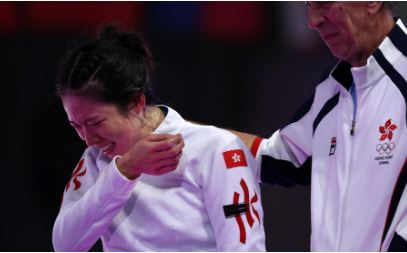
Paris, July 28 (AFP/APP): Vivian Kong is known in fencing as the “Sword Queen” and the tears that flowed after a memorable fightback on Saturday secured Hong Kong’s third Olympic title were understandable after overcoming two career-threatening injuries.

The 30-year-old has suffered two torn cruciate ligaments down the years and battled back to peak form each time.

She showed the same single mindedness to overcome a 7-1 deficit and a partisan crowd — including French President Emmanuel Macron — to beat Frenchwoman Auriane Mallo in the epee final.

The graduate of Stanford University joins windsurfer Lee Lai-shan at Atlanta 1996 and fellow fencer Cheung Ka-long in Tokyo in 2021 in the pantheon of Hong Kong’s Olympic champions.

Hong Kong — and the sport of fencing — are fortunate to have her.

She was once courted by Canada having lived there from age two to six but she declined their advances, and had chosen taekwondo as her favoured sport before she discovered fencing.

Her mother wanted her only child to carry on with her ballet classes but Kong opted instead for a compromise.

“I was interested in taekwondo and so I did it all the way until I was age 11 and I got my black belt,” she said.

“But then my mother still wanted me to dance and in between she made me do ice skating.

“I liked it, but I was not so good at it. And then my father stepped in and said, ‘Why don’t you try fencing?’

“Fencing is like the ballet of sports, it is very elegant and I really, really liked it.”

– ‘Reflect, heal and learn’ –

She may have lacked siblings but she would entertain herself by playing chess against herself although nowadays she prefers painting and yoga.

She had plenty of time to kill during her long lay-offs after her two cruciate ligament injuries — she tore her left one in 2017 and the right two years later.

However, she credits a life choice she made after her first cruciate ligament injury for improving her general physical well-being.

“After the injury, I wanted to change and be a new person,” she said.

“I wanted to recover faster. I kept Googling what foods to eat to recover quickly.

“I am recovering a lot faster, I get muscle pain but it goes away really quickly. I have become so much stronger after turning vegan.”

She may be a single child and her sport a solitary one but she does not live in a bubble as she showed when the Covid pandemic hit and forced the postponement of the 2020 Olympics.

She participated in Zoom calls with those who were living on their own as well as delivering supplies to children with special needs.

“This pandemic is asking us to ask ourselves what matters most,” Kong said in 2020.

“Postponing the Olympics gives us time to reflect, heal and learn.”

She certainly put those lessons into practice and it took just one more Olympics for her to achieve her golden moment.

Reduction in production cost to make trade, industry competitive: PIAF

Reduction in production cost to make trade, industry competitive: PIAF

LAHORE, JUL 28 /DNA/ – The Pakistan Industrial and Traders Associations Front (PIAF) has asked the government to take prompt measures to bring down the production costs for trade and industries to enable them to compete in the international market.

PIAF Chairman Faheemur Rehman Saigol said that trade and industry is currently having difficulty to compete the global market because of rapid increase in production costs. He said that the high cost of production is not good for our exports.

“The cost of production is a major factor, which makes an industry stand out among competitors in the world market,” he explained.

Faheem said that high energy tariffs, shortage of fuel for machines, high rate of taxes, and lack of skilled labor are the main reasons behind the increase in the cost of production. He expressed concern that the reduction in industries’ contribution to Pakistan’s gross domestic product (GDP) is a worrying trend. “Manufacturing and production industries have the potential to significantly impact economic growth by reducing unemployment in the country. The government needs to take solid steps to make doing business easier,” he added. He said lack of research and development (R&D) is one of the major reasons behind the increase in the cost of production in any industry.

“Sometimes we have the resources, but we make poor decisions. A poor decision means poor practices of work execution,” he added. He said that R&D could help in the provision of valuable technologies, business models, and designs for the industry. “Implementation of modern techniques or work practices can increase production and also reduce its costs,” he added.

The PIAF Chairman said that both external and internal issues lead to an increase in cost of production. He said Pakistan’s industry is struggling in the international market due to challenges such as high inflation, political instability, increased power tariff, rising fuel costs, energy shortages, and lack of R&D.

“An effective strategy is needed to improve the performance of the industrial sector. The government should facilitate exporters by providing a level playing field to them in terms of business costs, particularly in utility pricing,” he suggested. Pakistan Industrial and Traders Associations Front (PIAF) Chairman Faheemur Rehman Saigol said Pakistan’s economy, particularly small and medium-sized enterprises (SMEs), is struggling to cope with the current economic crunch, and needs support. “Rather than providing subsidies or waivers, the industries are being burdened through rising production cost. The burden of surging oil prices in the international market is immediately transferred to consumers by the government, but the process of reducing prices is always very slow,” he noted.

He asked the government to work on a fast track plan to address expansive energy issue and priority should be given to the value-added industry in this regard.

The Chairman said that Pakistan’s core issue is the high cost of doing business, which the government needed to bring down to bring the local as well as the export industry at par with global competitors. The chairman urged for increasing ease of doing business, lowering cost of production, paying early refunds to solve liquidity crunch, relaxing import policy for industrial raw material, and equalizing the energy tariff across the country.

He said Pakistan was at 147 out of 190 countries on the global ranking of doing business mainly due to bureaucratic hurdles. He said various provincial departments, including EOBI, Social Security, Women Welfare, Environment Department etc were playing a negative role and treating the manufacturers and exporters like criminals. He called for giving a boost to the export sector by adopting diversified marketing techniques and extending practical support to the industry, and asked the exporters to prepare themselves for meeting the global challenges so that exports could be enhanced by fully exploiting new opportunities.

Exploring Pakistan-Ethiopia Cooperative Ties

Exploring Pakistan-Ethiopia Cooperative Ties

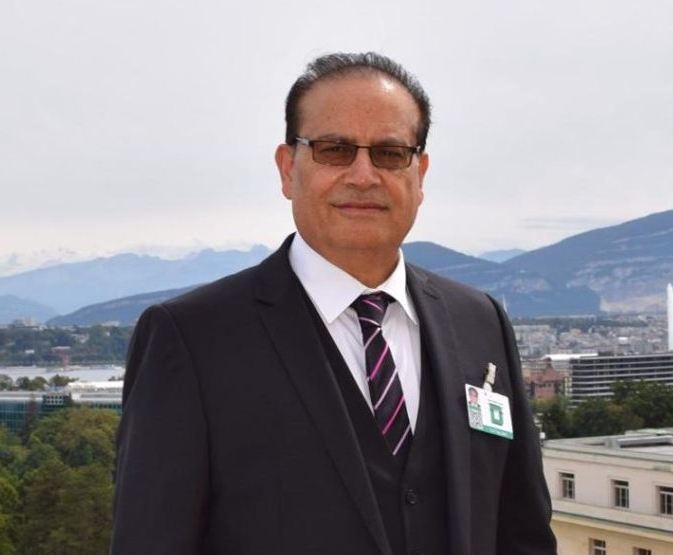
Ambassador Jemal Beker Abdula

The cooperative ties between Islamabad and Addis Ababa have been refreshed by the Ethiopian government’s decision to open the embassy in Islamabad on May 11, 2023, to strengthen the economic cooperation between the two states formally.

The Ethiopian government is highly ambitious to join Pakistan’s efforts to explore the untapped potential of African nations in the contemporary international system parallel to singing various bilateral cooperative agreements with different African nations.

During the inaugural ceremony of the embassy, the two-sided formal state authorities showed their commitment to working together in various areas of common interests, such as climate change, immigration, security and terrorism.

While appreciating the Addis Ababa’s choice of formalizing the ambassadorial relations with Pakistan, and the government of Pakistan accepted the need for boosting multidimensional cooperative ties between Pakistan and African nations.

The Islamabad-based decision-makers also acknowledge that the Ethiopian and Pakistani governments have common economic and development problems in the contemporary global order.

In the welcoming remarks, Pakistan’s state representatives dubbed the opening of the embassy in Islamabad as a new beginning in the bilateral cooperative interactions between the two states, and it has facilitated the two-sided leaderships in expanding the conventional patterns of their bilateral interactions in the diplomatic, political, economic, and social dimensions.

 On a reciprocal basis, the representatives of Ethiopia showed a keen interest in their government in deepening bilateral cooperation with Islamabad, which would enable the leaders of both sides to diversify their formal ties.

In this way, the decision to open an embassy in Pakistan has marked a significant development in the bilateral ties, and it exhibits the increasing values of diplomatic, trading, and cultural relations between the two nations.

 In cultural terms, the common ideological foundations provide solid grounds for the growth of cultural ties, and the prominent role of Ethiopians in Islamic history creates solid connections between Islamabad and Addis Ababa.

The recent development of opening an embassy in Islamabad cannot be divorced from a comprehensive account of Pakistan-Ethiopia relations, which started in the 1950s when the leaders of both nations realized their shared values of mutual respect and bilateral cooperation in diverse directions.

The major turn in the bilateral ties occurred in 1973 with the formal opening of the Pakistan’s Embassy in Addis Ababa under Islamabad’s broader framework of Engage Africa Policy.

The Engage Africa approach focused on various African states and preferred Ethiopia as one of the prominent nations appropriate for establishing collaborative connections with Islamabad in the areas of agriculture, education, and healthcare.

In this way, the governments of both nations witnessed a brief era of strong political coordination, diplomatic support, and economic cooperation throughout history. However, Addis Ababa’s launching of formal ambassadorial services in Islamabad started facilitating the two-sided governments in exploring new platforms for trading collaborations. The signing of the Bilateral Trade Agreement in May 2023 is important in this regard because it led the two-sided business communities to establish their partnerships.

The trading connections have already been established between both nations, and these relations made Pakistan a recipient of Ethiopian red kidney beans, chickpeas, pulses, hides and skins, tea, and coffee, whereas the Ethiopian government receives Pakistani healthcare products, chemicals, machinery, sugar, rice, and textiles.

In this way, a smooth trading connection based on a commendable volume of import-export enabled the Pakistani and Ethiopian governments to recognize their potential for working together for mutual trade benefits. It has widened the scope of trade and investment opportunities between their respective business communities while encouraging their mainstream leaders to consider each other as reliable business partners in the contemporary international system.

The quest to augment the existing level of people-to-people contact between the two nations has led Ethiopian and Pakistani formal state authorities to take several practical measures to deepen the two-sided societal acquaintances. To overcome the challenge of certain social disconnects, direct flights between Karachi and Addis Ababa have started recently, and it enabled Pakistan to receive four direct Ethiopian flights. The launching of direct flights plays a creditable role in promoting the mutual interests of two states to foster economic growth with the promotion of bilateral cultural ties. This step started leaving positive impacts on the shared interests of trade, tourism, and pleasant societal contacts between Islamabad and Ethiopia. Direct flights create easy chances for business professionals and potential investors to travel between both states while availing the benefits of reduced travel time and reasonable costs. 

In this way, the Ethiopian government has proved that its wealth of precious natural resources needs appropriate welcoming destinations around the world, where Pakistan has become an exception due to the non-existence of major disagreements between Addis Ababa and Islamabad. The absence of any political difference between two-sided governments provides additional support to the ongoing mutually collaborative patterns of bilateral relations between Pakistan and Ethiopia. Through developing special formats of regular interactions between Islamabad-based diplomatically community and leading circles of Pakistan’s business communities, the government of Ethiopia has conveyed an explicit message for fostering commercial ties between Pakistan and Ethiopia with the support of regular cultural and social contact. Therefore, the ongoing designs of political communication, diplomatic support, economic cooperation, and social interaction validate the determination of Addis Ababa to work with Islamabad in various unexplored dimensions of their bilateral cooperation. This pattern of multidimensional cooperative bilateralism contains substantial potential for convincing two-sided leadership to work on certain strategic extents. The strategic communication between both states has already witnessed teamwork in the training and capacity-building programs of United Nations international peacekeeping operations.

Addis Ababa and Islamabad have established a comprehensive framework to enhance their bilateral partnerships in various areas. The leadership of both nations is strongly committed to expanding their collaborative potential. Over the past two years, since the opening of ambassadorial services in Islamabad, significant progress has been made, indicating that the two nations could work towards a more stable and cooperative future. This cooperation aligns with their shared goals of social prosperity and economic development.

Security forces eliminate four terrorists in Tank operation

Security forces eliminate four terrorists in Tank operation

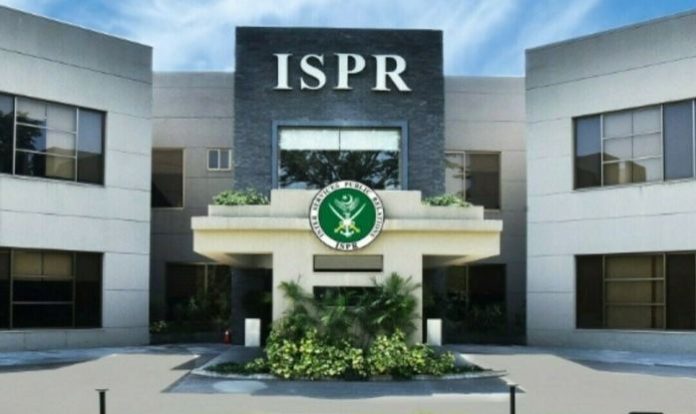
RAWALPINDI, JUL 27: Security forces on Saturday neutralised four terrorists during an operation in Tank district, Khyber Pakhtunkhwa, said the Public Relations Department of the Pakistan Army (ISPR).

The operation, launched based on a tip-off about the terrorists’ location, involved a fierce exchange of gunfire.

During the confrontation, the forces successfully gunned down the four Kharji terrorists of Fitna Al Khawarij, who were known to be involved in significant terrorist activities, including attacks on security forces.

The operation also led to the recovery of arms and ammunition from the slain militants.

ISPR confirmed that the terrorists had been engaged in kidnapping and target killings of innocent civilians.

The Pakistan Armed Forces are committed to eradicating terrorism from the region and are taking further actions to ensure that any residual terrorist presence is eliminated.

War of Narratives, Turns and U Turns

Qamar Bashir

By: Qamar Bashir

The entire nation is reeling from the onslaught of conflicting narratives and frequent U-turns from various political parties. The public has become increasingly aware of how original narratives have been manipulated and distorted over time. They are frustrated and disillusioned by the constant introduction of new narratives that discard the older ones without any justification, reason, or prudence. This perpetual cycle of shifting stories and changing stances has eroded trust in political discourse and left the people weary of the relentless political maneuvering.

Nawaz Sharif, after his unceremonious ouster in 2017, primarily for refusing to follow the establishment’s lines on pressing national and international issues, invented and injected the narrative of “giving respect to the vote.” This narrative resonated with the people, and the popularity of PML(N) soared to new heights. However, the narrative was mercilessly killed before and after the 2024 Election depriving the PML(N) from much needed political capital and also faced personal humiliation.

He was assured of winning a ⅔ majority but was miserably ditched. He lost his own seat in Mansehra and was only able to save his seat in Lahore, allegedly due to brute interference from the establishment to give him some face-saving. PML(N) allegedly sold its soul and its brand narrative, “Give Respect to Vote”  in exchange for forming the government despite being the minority party in the parliament.

We also saw how our poor Information Minister was forced to hold an emergency press conference where he announced the launch of Operation Azm-e-Istehkam forthwith. However, he had to take a sharp U-turn once his announcement faced stiff opposition from all political parties, including his own.

Later, we experienced another sharp U-turn when the Information Minister, once again without any preparation or homework, announced the government’s intention to ban the PTI. He later had to take a U-turn after facing stiff resistance from all political parties, including some of the most loyal leaders of the PML(N).

The PTI chairman, when ousted unceremoniously from power in 2022, adopted the narrative that all those who claimed to be neutral are akin to animals. He qualified his statement by arguing that only animals, who don’t have minds or visions of their own, could be neutral. He was perhaps implying that the establishment should have supported his party when it was facing the no-confidence motion. However, since it chose not to do so, its claims of neutrality meant that it did not support PTI anymore and had instead shifted its blessings to other parties to bring them to power, for reasons best known only to them.

The constant chastising of the establishment by the PTI chairman after his ouster, terming them traitors, conspirators, and aggressors, and accusing them of seeking direction from a foreign country, finally led to his arrest. This culminated in the May 9 incident, which sealed the possibility of any rapprochement with the establishment.

All of a sudden, after one year of constant incarceration and maintaining the narrative that “neutral” is equal to “animal,” the PTI founder suddenly took an unexpected U-turn, demanding the establishment to become neutral. This U-turn not only amazed other parties and the people at large but also left the party leaders at a loss for words, grappling for arguments to support the narrative they had been opposing since the ouster of the PTI from the government.

Mehr Bano, the newly emerged star spokesperson of PTI, who returned to Pakistan after participating in political advocacy in the UK Parliament, came up with a new set of arguments to support the new narrative. She gave many reasons, one of which was that this narrative was injected to unnerve PML(N) and PPP, putting them in a defensive position and causing them to make mistakes that PTI could exploit for further political mileage.

The set of arguments also included that what the founder meant was that the establishment should stand with the righteous path, stand with justice and truth, and play their role in ensuring the dispensation of justice and the establishment of the rule of law. This implied that, according to them, only PTI is on the righteous path; therefore, the establishment should stand with PTI, help it reclaim its alleged stolen narrative, and put it in power with Imran Khan as Prime Minister.

The Chief Minister of KP came up with his own logic. He argued that PML(N) and PPP are using the establishment to prolong their rule and are entangling the establishment in a trap, pushing it to directly deal with the PTI, enter into a war of narratives with PTI, deal with court cases, and use its influence and power to secure verdicts that directly or indirectly insulate PML(N) and PPP from direct confrontation with PTI, thus helping them to prolong their stay in power.

He warned that the people are holding the establishment responsible for all the failures, incompetencies, inefficiencies, and lack of deliverance of the government, arguing that it was the establishment that brought this incompetent government to power; therefore, they are also responsible for its failure. He advised the establishment to withdraw its support from the government and let it fight its case alone.

Mr. Shibli Faraz, in reply to questions posed by inquisitive journalists, first tried to explain the new narrative of asking the establishment to become neutral but lost his temper in response to subsequent probing questions.

Analysts and commentators are of the view that the ice between PTI and the establishment is not going to melt anytime soon. They argue that the mistrust, bad blood, and animosity between the two have gone too far to be brought back on friendly terms. However, they also argue that the biggest threat faced by the establishment is its deteriorating image, not only among the people of Pakistan but also among most of the political parties in the opposition. They are especially worried about the erosion of their image among expatriate Pakistanis, particularly in the US, the UK, and the rest of the world.

They are also aware that as soon as it mends its fences with PTI, propaganda against it on all forms of social media will come to an end, giving it much-needed relief and improving its standing among the general public, which is pivotal for the performance of its duties within and outside the borders.

Analysts also believe that this war of narratives and frequent U-turns will continue to confuse the people even more, with no possibility of stopping anytime soon.

By: Qamar Bashir

Former Press Secretary to the President

Former Press Minister to the Embassy of Pakistan to France

Former MD, SRBC

Pakistan to become world’s major power, says Hungarian PM

Pakistan to become world's major power, says Hungarian PM

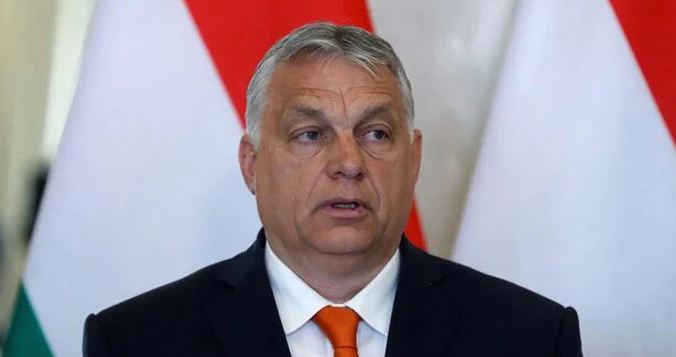
Budapest, JUL 27 /DNA/ – Hungarian Prime Minister Viktor Orban on Saturday forecast a shift in global power away from the “irrational” West towards Asia and Russia, predicting that Pakistan will become one of the world’s future big powers.

“In the next long decades, maybe centuries, Asia will be the dominant centre of the world,” Orban said while also mentioning China, India, and Indonesia as the future big powers.

“And we Westerners pushed the Russians into this bloc as well,” he said in the televised speech before ethnic Hungarians at a festival in the town of Baile Tusnad in neighbouring Romania.

He also said that Russia’s leadership was “hyper rational” and that Ukraine would never be able to fulfil its hopes of becoming a member of the European Union or Nato.

Orban, whose country currently holds the rotating EU presidency, has sharply differed from the rest of the bloc by seeking warmer ties with Beijing and Moscow, and he angered some EU leaders when he went on surprise visits to Kyiv, Moscow and Beijing this month for talks on the war in Ukraine.

He said that in contrast to the “weakness” of the West, Russia’s position in world affairs was rational and predictable, saying the country had shown economic flexibility in adapting to Western sanctions since it invaded Crimea in 2014.

He added that Ukraine would never become a member of the EU or Nato because “we Europeans do not have enough money for that”.

“The EU needs to give up its identity as a political project and become an economic and defence project,” Orban added.

The EU opened membership talks with Ukraine late last month, although a long and tough road lies ahead of the country before it can join the bloc.

A declaration at the end of the Nato summit this month said the alliance will support Ukraine on “its irreversible path” towards membership.

Stay Connected

64FansLike
60FollowersFollow

Latest Reviews

Exchange Rates

USD - United States Dollar
EUR
1.17
GBP
1.35
AUD
0.72
CAD
0.73