Home Blog Page 77

Pakistan, Egypt, Saudi, and Türkiye forge unity under R4 Framework in Cairo meeting

Pakistan, Egypt, Saudi, and Türkiye forge unity under R4 Framework in Cairo meeting

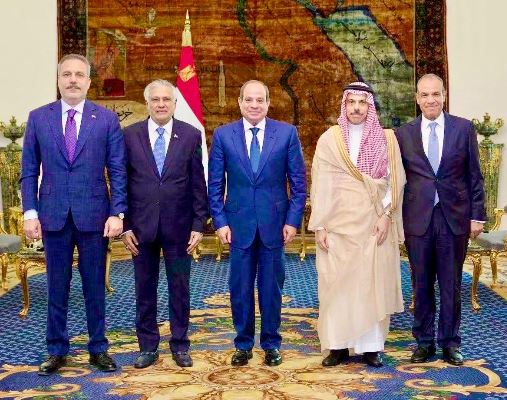
CAIRO, JUN 21 /DNA/ – In a significant development for regional diplomacy, Deputy Prime Minister and Minister for Foreign Affairs Senator Mohammad Ishaq Dar joined a high-level joint delegation to call on His Excellency Mr. Abdel Fattah El-Sisi, President of the Arab Republic of Egypt, in Cairo today.

The delegation included Prince Faisal bin Farhan Al Saud, Minister of Foreign Affairs of the Kingdom of Saudi Arabia, Hakan Fidan, Minister of Foreign Affairs of the Republic of Türkiye, and Dr. Badr Abdelatty, Minister of Foreign Affairs of the Arab Republic of Egypt. The meeting underscored the growing importance of the R4 framework as a vital platform for strategic consultation and policy coordination.

Pakistan’s Commitment to Strengthening Egypt Ties

During the meeting, Deputy Prime Minister Dar conveyed the warm greetings and best wishes of President Asif Ali ZardariPrime Minister Muhammad Shehbaz Sharif, and Field Marshal Syed Asim Munir to President El-Sisi. He reaffirmed Pakistan’s commitment to further strengthening its longstanding, brotherly, and multifaceted relations with Egypt.

Senator Dar noted with appreciation the positive momentum generated through recent high-level exchanges between Pakistan and Egypt, which have significantly contributed to deepening bilateral cooperation across a wide range of sectors, including trade, defense, and cultural exchange.

Exchange of Leadership Visits on the Horizon

In a major diplomatic breakthrough, the Deputy Prime Minister welcomed President El-Sisi’s acceptance of the Prime Minister’s invitation to visit Pakistan. He expressed the hope that the exchange of leadership visits between the two countries would take place at the earliest mutually convenient opportunity, further cementing the bilateral relationship.

Focus on Middle East Peace and Regional Stability

The high-level meeting provided an opportunity for an extensive exchange of views on regional and international developments, particularly the evolving situation in the Middle East. The leaders emphasized the importance of advancing peace, stability, dialogue, and diplomatic engagement across the region to resolve ongoing conflicts.

President El-Sisi’s Response

President El-Sisi reciprocated the warm greetings and best wishes conveyed by the leadership of Pakistan. He appreciated Pakistan’s constructive and responsible role in promoting dialogue, de-escalation, and diplomatic engagement in the region.

The Egyptian President specifically commended the contributions of the Prime Minister, the Deputy Prime Minister/Foreign Minister, and the Chief of Army Staff towards efforts aimed at fostering regional peace and stability. President El-Sisi expressed the hope that ongoing efforts and the next phase of negotiations would contribute to lasting peace, security, and prosperity across the wider region.

The Rising Significance of the R4 Framework

The meeting also focused on the consultations held among the Foreign Ministers of Pakistan, Egypt, Saudi Arabia, and Türkiye under the R4 framework. The leaders underscored the growing significance of the R4 as an important platform for structured dialogue, strategic consultation, and policy coordination on issues of common interest.

They expressed confidence that sustained engagement and collective efforts would contribute to promoting peace, stability, economic development, and regional prosperity, while advancing the shared interests of their countries and peoples.

A Warm and Cordial Atmosphere

The meeting was held in a warm and cordial atmosphere, reflecting the close bonds of friendship and mutual respect among the participating countries. This gathering marks a pivotal step towards enhanced multilateral cooperation in the region.
Poll finds Israelis believe Iran won Mideast war

Poll finds Israelis believe Iran won Mideast war

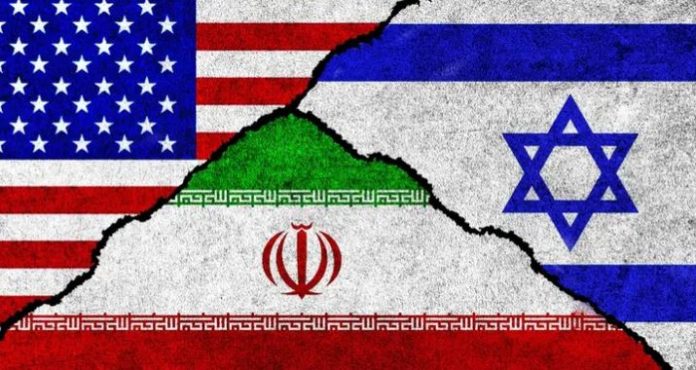
WASHINGTON, JUN 21: Israelis overwhelmingly believe that Iran emerged stronger from the Middle East war and its subsequent deal with the United States, a poll released on Sunday found.

The poll of 3,644 respondents, conducted between June 17 and 20 by the Hebrew University of Jerusalem in collaboration with the Agam Institute, paints a stark picture of public sentiment following the US-Iran deal.

Of those surveyed, 92.1 percent said Iran had won or gained more from the conflict, while 82.9 percent felt that Israel’s long-term security had been weakened.

The survey found that even among voters who support the right-wing bloc, the electoral base of Prime Minister Benjamin Netanyahu, 93.1 percent believed Iran had won.

Opposition to the US-Iran agreement was widespread, with 63.2 percent of respondents opposing it compared with just 12.1 percent expressing support.

The findings pointed to a broader crisis of confidence in Israel’s leadership.

Nearly three-quarters of those surveyed, 72.5 percent, said they did not believe Netanyahu’s claims about the military campaign’s achievements, while 56.4 percent rated his management of the campaign as “failed” or “poor.”

The poll also pointed to the political price paid by Netanyahu, with support for his premiership plummeting from 40.5 percent in early March to 29.4 percent in June.

Despite this, the survey found ongoing support for military action against Hezbollah in Lebanon.

Nearly half of respondents, 48.2 percent, backed renewed major military action against Hezbollah in Lebanon, even if it risked confrontation with Washington, while only 21 percent opposed such a move.

Negotiations to turn the temporary Iran-US agreement into a more permanent deal were to take place in Switzerland on Sunday, despite the conflict in Lebanon threatening negotiations.

Washington announced a renewed ceasefire there on Friday after Israeli troops clashed with Hezbollah fighters in southern Lebanon, with each side accusing the other of breaking the truce.

Four-way talks on US-Iran peace begin in Switzerland, urgent session on Hezbollah added to agenda

Four-way talks on US-Iran peace begin in Switzerland, urgent session on Hezbollah added to agenda

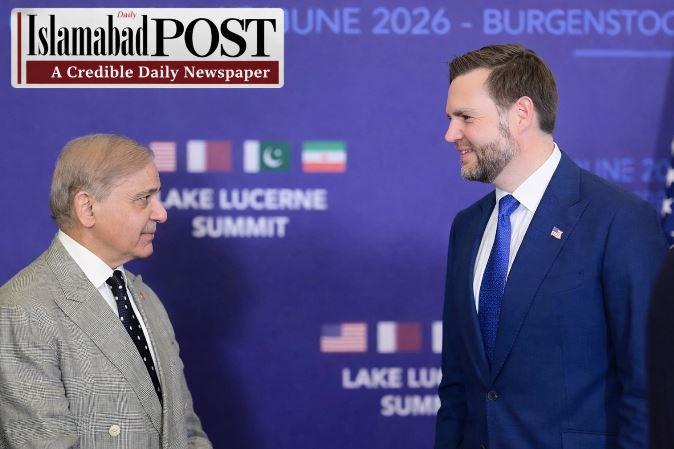
BERN, JUN 21: A quadrilateral meeting between Iran, the United States, Qatar, and Pakistan will be held at the Buergenstock mountaintop resort in Switzerland on Sunday afternoon, Iran’s foreign ministry spokesperson told Iranian state media.

US Vice President JD Vance and Pakistani Prime Minister Muhammad Shehbaz Sharif met on the sidelines of Buergenstock as the meetings were set to start.

In the sideline meeting, Vance refused to answer a reporter’s question about Prime Minister Benjamin Netanyahu.

A reporter asked Vance what his message would be to Netanyahu at the start of the meeting, but he did not respond. Notably, Vance told Fox News on Saturday that the US and Iran had a “a divergence of how to accomplish” ending the war in Iran.

Esmaeil Baghaei said that Iran would hold meetings with intermediaries Qatar and Pakistan earlier in the day, adding that the gathering in Switzerland is a follow-up on the implementation of a memorandum of understanding signed with the US this week.

Emergency session on Israel-Hezbollah conflict reportedly added to Switzerland peace talks
An emergency session to address the ongoing conflict between Israel and Hezbollah has been added to the schedule of the first day of the Switzerland talks, CBS News reported on Saturday night, citing a diplomat attending the talks.

That issue will be raised during the first session of negotiations between the US and Iran, according to the diplomat.

Neither Israeli nor Hezbollah representatives will be attending the talks.

This comes as the Strait of Hormuz reportedly remains closed. According to regime-aligned outlet Fars, the Iranian Revolutionary Guard Navy has not granted permission for any vessels to transit until further notice.

The US military had denied earlier reports of the closure and said commercial vessels were still operating.

U.S. officials have disputed the strait is closed and said 55 merchant ships crossed it on Saturday.

Vessel tracking data showing ships actively transmitting positions broadly backs Iran’s claim that the strait is closed, with no tanker crossings recorded since Tehran announced the move on Saturday afternoon.

Iran’s Tasnim news agency, citing a source close to the negotiating team, reported that the Strait would not be reopened until a ceasefire in Lebanon was respected.

US, Iranian delegations prepare for peace talks
On Saturday, Iran’s delegation arrived in Switzerland ahead of planned talks with the United States.

The delegation includes Iranian Foreign Minister Abbas Araghchi and Iranian Parliment Speaker Mohammed-Bagher Ghalibaf.

Ghalibaf announced his arrival on X with a photo of himself standing in front of a plane bearing the hashtag “Minab 168” in English and Persian, beside the flag of the Iranian regime.

Vance later arrived in Switzerland on Sunday for what he has said would likely be a couple of days of peace talks with Iranian officials.

Vance and his wife arrived at Emmen Air Base in Switzerland at 5:59 a.m., a vice presidential spokesperson said.

US Special Envoys Jared Kushner and Steve Witkoff have reportedly already arrived in Switzerland for the talks.

Pakistan’s Prime Minister Muhammad Shehbaz Sharif and Pakistan’s Chief of Staff arrived in Zurich on Sunday with their delegations, Pakistan’s Prime Minister’s Office announced on X.

The meeting, which had been originally meant to take place on Friday, follows the signing of the Memorandum of Understanding (MoU) between the US and Iran by US President Donald Trump and Iranian President Hassan Rouhani in France last week.

Vance and Ghalibaf digitally signed the agreement, with Trump witnessing the signing, according to the US official.

The White House published footage of the signing on an X post on Thursday.

John Mearsheimer and Contemporary Global Politics

John Mearsheimer and Contemporary Global Politics

Dr. Muhammad Akram Zaheer

The return of great-power competition has become one of the defining features of contemporary international politics. From the battlefields of Ukraine to the contested waters of the South China Sea and the strategic tensions surrounding Taiwan, the world is witnessing a renewed struggle among major powers. For many scholars and policymakers seeking to understand these developments, the work of John J. Mearsheimer offers a compelling framework. His influential theory of offensive realism, most notably articulated in his book The Tragedy of Great Power Politics, provides a sobering explanation of why rivalries among powerful states persist despite economic interdependence, diplomatic engagement and the lessons of history.

Mearsheimer argues that the international system is inherently anarchic. In other words, there is no central authority above states capable of guaranteeing their security. As a result, every major power must rely primarily on its own capabilities for survival. In such an environment, uncertainty about the intentions of other states becomes a permanent feature of international politics. Even states with peaceful intentions today may develop hostile ambitions tomorrow. Consequently, great powers are compelled to seek greater military, economic and strategic strength in order to ensure their security.

This pursuit of security, however, often generates insecurity for others. When one state increases its military capabilities or expands its influence, rival states perceive a potential threat and respond in kind. The outcome is a cycle of competition that can be difficult to escape. According to Mearsheimer, this dynamic constitutes the central tragedy of great-power politics. States do not necessarily seek conflict because they are aggressive or irrational; rather, the structure of the international system pushes them toward competition.

The contemporary rivalry among the United States, Russia and China reflects many of these assumptions. Since the end of the Cold War, the United States has remained the world’s most powerful state. Yet the emergence of China as a major economic and military power has transformed the strategic landscape. Beijing’s rapid economic growth, technological advancement and expanding military capabilities have led many American policymakers to view China as the principal challenger to US primacy.

From a Mearsheimerian perspective, this outcome was predictable. He has long argued that a rising China would seek to dominate Asia in much the same way the United States achieved regional dominance in the Western Hemisphere. As China’s influence grows, neighbouring states and the United States are likely to balance against it. The intensifying competition in the Indo-Pacific region, the strengthening of security partnerships and the growing strategic importance of Taiwan all reflect this broader logic of power politics.

Russia’s role in this triangular rivalry further illustrates Mearsheimer’s arguments. Following the collapse of the Soviet Union, many Western observers anticipated a more cooperative relationship between Russia and the West. However, disputes over NATO expansion, regional security arrangements and spheres of influence gradually deepened mistrust. Moscow increasingly viewed Western policies as a threat to its security interests, while Western governments interpreted Russian actions as evidence of revisionist ambitions.

The war in Ukraine has become one of the most visible manifestations of these tensions. While interpretations of the conflict differ sharply, Mearsheimer has consistently argued that security concerns and geopolitical competition played a central role in shaping Russian behaviour. His position has generated significant debate, yet it reflects his broader conviction that great powers react forcefully when they perceive strategic encroachments near their borders.

The evolving relationship between Russia and China also deserves attention. Although historical mistrust and differing national interests remain, both countries share concerns regarding American global influence. Their growing cooperation in areas such as energy, diplomacy and defence reflects a common desire to counterbalance US power. Yet offensive realism suggests that such partnerships should not be viewed as permanent alliances based on shared values. Rather, they are strategic arrangements shaped by shifting calculations of interest and power.

One of the most striking aspects of Mearsheimer’s theory is its pessimism regarding the prospects for lasting harmony among great powers. Liberal thinkers often emphasise the role of international institutions, economic interdependence and democratic governance in reducing conflict. Mearsheimer does not deny their importance, but he argues that they cannot fundamentally eliminate the pressures created by an anarchic international system. When vital security interests are perceived to be at stake, states tend to prioritise power and survival over broader ideals.

The relevance of this argument is increasingly apparent in today’s world. Economic ties between the United States and China remain extensive, yet strategic rivalry continues to deepen. Diplomatic engagement between Russia and Western countries has persisted at various moments, but profound security disagreements remain unresolved. The expectation that globalisation alone would usher in an era of permanent peace now appears far less convincing than it did during the optimistic years following the Cold War.

For middle and smaller powers, the renewed era of great-power competition presents significant challenges. Countries across Asia, Europe, Africa and the Middle East are navigating a complex environment in which strategic alignments are becoming more fluid and contested. The ability to maintain diplomatic flexibility while safeguarding national interests has become increasingly important.

The Tragedy of Great Power Politics remains influential because it offers a stark reminder about the enduring realities of international affairs. Mearsheimer’s central insight is that competition among powerful states is not merely the product of individual leaders or temporary disputes. It is rooted in the structure of the international system itself. Whether one fully accepts his conclusions or not, the ongoing rivalry among the United States, Russia and China suggests that the struggle for power, influence and security remains as central to global politics today as it has been throughout modern history.

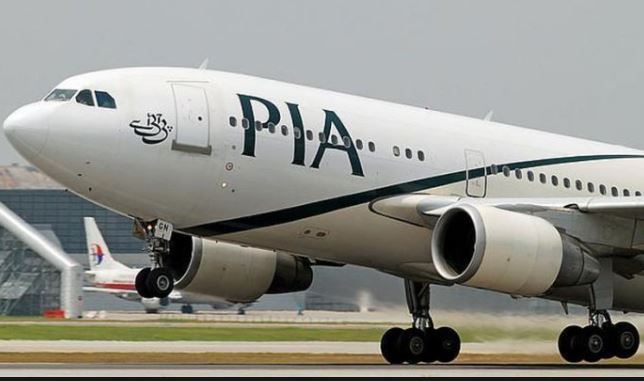
PIA enhances Beijing route services

PIA enhances Beijing route services

ISLAMABAD, Jun 21 (DNA): Pakistan International Airlines (PIA) has announced enhanced travel facilities on its Beijing route, significantly increasing free baggage allowances and improving connectivity options for passengers traveling between Pakistan and China.

Under the revised policy, Economy Class passengers will now be allowed 50 kilograms of free baggage, up from 40 kilograms, while Executive Economy passengers will benefit from an increased allowance of 60 kilograms, up from 50 kilograms. The airline said the move aims to offer one of the most competitive baggage provisions in the market, providing greater convenience and value to travelers, according to official sources here on Sunday.

PIA Pakistan International Airlines also highlighted strengthened connectivity through its partnerships with Air China and Shenzhen Airlines, enabling passengers from 25 cities across China to travel seamlessly to Islamabad via Beijing. The airline noted that these interline arrangements offer smoother connections and competitive through fares.

Combined with relatively low fares on the Beijing–Islamabad sector, the enhanced baggage policy and expanded network are part of PIA’s broader effort to improve affordability, comfort, and customer experience.

Reaffirming its commitment to strengthening Pakistan–China air links, the airline said the improvements are designed to better serve students, business travelers, families, and tourists, while further supporting the longstanding friendship between the two countries.

Envoys show keen interest in RCCI medHealth & beauty Expo 2026

Envoys show keen interest in RCCI medHealth & beauty Expo 2026

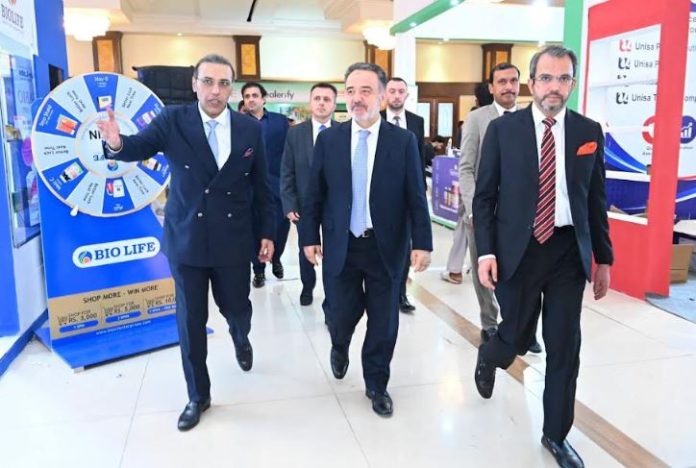
ISLAMABAD, JUN 21 /DNA/ – The Rawalpindi Chamber of Commerce and Industry (RCCI) continued to strengthen Pakistan’s international engagement in the healthcare and wellness sectors as the RCCI MedHealth & Beauty Expo 2026 received high-level diplomatic visits from Türkiye and Sri Lanka.

His Excellency Irfan Neziroğlu, Ambassador of Türkiye to Pakistan, and Rear Admiral Fred Seneviratne, High Commissioner of Sri Lanka to Pakistan, visited the Expo and were warmly welcomed by RCCI President Usman Shaukat and members of the chamber leadership.

The dignitaries toured the exhibition, visited various stalls, interacted with exhibitors, and appreciated RCCI’s efforts in bringing together stakeholders from the healthcare, pharmaceutical, wellness, and beauty industries on an international platform.

Ambassador Irfan Neziroğlu praised the Expo for promoting innovation, investment, and cross-border business collaboration, calling it a valuable initiative to further strengthen the longstanding friendship and economic partnership between Pakistan and Türkiye.

High Commissioner Rear Admiral Fred Seneviratne commended RCCI for fostering international cooperation, knowledge sharing, and business partnerships, emphasizing the role of such platforms in advancing healthcare innovation and enhancing bilateral relations.

RCCI President Usman Shaukat said the Expo reflects RCCI’s commitment to connecting Pakistan’s healthcare sector with global markets and attracting international investment, adding that the diplomats’ participation demonstrates growing confidence in Pakistan’s healthcare and wellness industries.

Pakistan targets 400,000 trained workers for FIFA World Cup 2034

Pakistan targets 400,000 trained workers for FIFA World Cup 2034

DNA

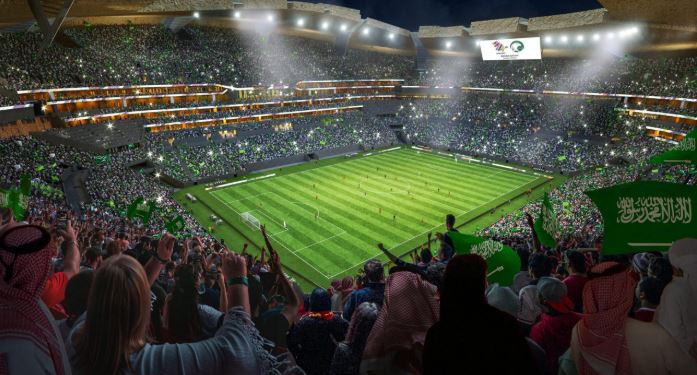
ISLAMABAD: Pakistan is targeting the training and deployment of 300,000 to 400,000 workers for projects linked to the FIFA World Cup 2034 as part of a broader strategy to expand overseas employment opportunities and strengthen the country’s position in international labour markets.

According to official documents available with Wealth Pakistan, workforce planning is being aligned with anticipated demand arising from the FIFA World Cup 2034, with trained Pakistani workers expected to support infrastructure development, aviation, tourism and related service sectors between 2026 and 2034.

The initiative forms part of the government’s wider efforts to boost manpower exports and enhance the skills profile of Pakistani workers for overseas employment.

During July-March FY2025-26, a total of 215,719 workers received soft-skills training aimed at improving adaptability, productivity and global employability.

The documents indicate that overseas employment remains a key pillar of Pakistan’s labour market strategy.

During 2025, the Bureau of Emigration and Overseas Employment registered 762,499 workers for overseas employment, while more than 15 million Pakistanis have proceeded abroad for employment in over 50 countries through official channels since 1972.

More than 96 per cent of Pakistani workers proceeding abroad through official channels are employed in Gulf Cooperation Council (GCC) countries, particularly Saudi Arabia and the United Arab Emirates.

These overseas workers contribute significantly to the national economy through remittances, which remain one of Pakistan’s major sources of foreign exchange earnings after exports.

Saudi Arabia retained its position as the leading destination for Pakistani workers in 2025, receiving 530,256 workers, accounting for 69.54pc of total overseas employment registrations during the year. Saudi Arabia’s Vision 2030 programme has expanded opportunities in infrastructure, construction and services sectors, creating a growing demand for skilled manpower.

The documents further show that Pakistan is expanding labour mobility partnerships beyond the Gulf region.

Under the Pakistan-EU Migration and Mobility Dialogue, the country has been engaging with European partners on legal migration and workforce cooperation. Italy has announced a quota of 10,500 seasonal and non-seasonal workers for Pakistan over a three-year period, while Germany and Greece have shown progress toward formalising labour cooperation arrangements focused on skilled workers.

The government is simultaneously modernising the emigration process through digital initiatives. The Pakistan Emigrant Management Framework is being developed to connect 14 relevant stakeholders and streamline overseas employment procedures through online verification systems, while the Digital HR Pool system has been operationalised to integrate biometric verification, job matching and transparent recruitment mechanisms.

The documents note that continued investment in skills development, overseas employment facilitation and labour market reforms is aimed at enabling Pakistan to capitalise on emerging global opportunities while creating higher-skilled and higher-value employment pathways for its workforce.

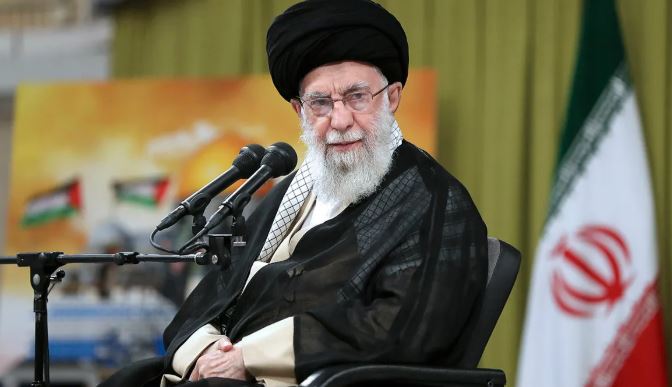
Has Iran Become Stronger, or Did It Simply Survive?

Has Iran Become Stronger, or Did It Simply Survive?

Alishba Bugti – Plus Point

One of history’s most interesting principles is that a nation’s true strength is not measured on the battlefield, but in the aftermath of war. Empires may be built with cannons and missiles, but they endure through institutions, economic stability, and a compelling national narrative. That is why, whenever a major conflict erupts in the Middle East, the real question is not who fired more missiles, but which state emerged with greater political, diplomatic, military, and psychological influence.

The same question is now being asked about Iran. Has Iran emerged stronger than before, or has it merely survived a major storm? The answer lies not in emotions, slogans, or official statements, but in the principles of international politics discussed by thinkers such as Henry Kissinger, John Mearsheimer, Samuel Huntington, and Fareed Zakaria.

A state’s power is not defined solely by military capability. In the modern world, power rests on four pillars: military strength, economic stability, diplomatic influence, and national cohesion. Judged by these standards, Iran’s situation is neither a complete victory nor a complete defeat.

If one listens only to official statements, both sides appear victorious. The United States claims it pushed Iran’s nuclear program back by years, while Iran argues that it stood up to the world’s greatest power and refused to bend. However, wars are not evaluated by claims but by facts and outcomes.

Iran suffered military and human losses. Several senior military commanders and nuclear scientists were killed. For any country, replacing weapons is easier than replacing experienced minds. Training a top military commander or nuclear scientist can take decades.

The second major loss was to Iran’s nuclear program. Facilities such as Fordow, Natanz, and Isfahan suffered damage. The key question is how long it will take Iran to restore its previous capabilities.

The third loss is economic, and in many wars, economic damage proves to be the most significant. Iran was already burdened by decades of sanctions, banking restrictions, and limits on oil exports. The recent conflict has added further pressure on investment, trade, and economic stability. History shows that nations are often weakened more by economic decline than by military defeat. The Soviet Union serves as a clear example. It possessed nuclear weapons and one of the world’s largest armies, yet economic collapse ultimately consigned it to history.

On a psychological level, the war also posed challenges for Iran. When a country’s sensitive military and nuclear facilities become vulnerable to enemy strikes, questions arise about national security, and defense strategies must be reassessed.

However, there is another side to the picture. In international politics, mere survival can sometimes be a sign of strength. For more than four decades, Iran has maintained its political system despite global pressure, regional confrontations, and internal challenges. This fact alone reflects a certain level of state capacity. A state that withstands continuous pressure without collapsing becomes a complex problem for its adversaries.

Iran suffered heavy human, military, and economic losses. Its nuclear and defense infrastructure was damaged, and many important figures were killed. Yet Iran remained intact as a state. Its capacity for resistance was not eliminated, nor was it pushed out of regional politics. This is why many observers hesitate to describe the outcome as a complete defeat.

Another important aspect is that modern wars are not fought only on battlefields. They are also fought in the arenas of media, diplomacy, and public perception. If a state can convince its people that it has not bowed to external pressure, it gains a psychological advantage domestically.

Iran has long tied its political narrative to the concept of “resistance.” Regardless of whether one considers this narrative successful or not, it has undoubtedly created a distinct political and ideological influence among its supporters. This factor helps Iran maintain its role as a significant player in regional politics.

At the same time, wisdom requires that power not be measured solely through narratives of resistance. If a country’s youth are seeking better education, better jobs, and a higher standard of living, it is a serious indication that some fundamental elements of national strength remain weak. China’s strength lies in its economy. Germany’s strength lies in its institutions. Japan’s strength lies in its technology. Ultimately, Iran’s future will also depend on economic and institutional reforms.

Nevertheless, Iran’s importance in regional politics remains intact.

The conclusion is that the question, “Has Iran become stronger than before?” cannot be answered with a simple yes or no.

If strength means state survival, regional influence, and the capacity to resist pressure, then Iran remains an important and influential actor today. But if strength means a robust economy, global investment, technological superiority, and a high standard of living, then Iran still has a long road ahead.

History teaches us that wars may bring temporary fame to states, but lasting greatness is always built on economic strength, knowledge, effective institutions, and national consensus. For Iran, the real test lies not on the battlefield but in its ability to improve the lives of its people in the years ahead.

If it succeeds in that challenge, the world may remember Iran not merely as a state of resistance, but as a strong and stable power. Only then will it be possible to determine whether Iran truly emerged stronger or simply managed to survive a difficult war.

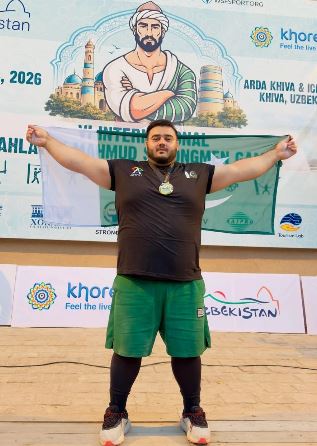
Nooh Targets Olympic Medal After Uzbekistan Triumph

Nooh Targets Olympic Medal After Uzbekistan Triumph

By our correspondent

ISLAMABAD: Pakistan’s premier weightlifter and strongman, Nooh Dastgir Butt, has dedicated his latest international success to his parents and reaffirmed his determination to win an Olympic medal for Pakistan at the 2028 Los Angeles Olympics after securing two gold medals at the International World Strongman Competitions in Uzbekistan.

Speaking after his victories, Nooh said that his parents remain his greatest source of strength, inspiration, and support. He credited their unwavering encouragement and sacrifices for helping him overcome challenges throughout his sporting career.

Nooh also paid special tribute to his mentor, Rizwan Aftab Ahmad, CEO of ACTIVIT and Director of National Hospital, for his continuous support and guidance. He said that Rizwan Aftab Ahmad’s commitment to athlete development has played a vital role in his growth as a professional sportsman. “I am highly grateful to Rizwan Aftab Ahmad for his trust, support, and mentorship. His assistance has enabled me to pursue my goals with greater confidence and determination and has helped me become a better athlete and a more focused professional,” Nooh said.

The star athlete said his latest achievements have strengthened his resolve to continue bringing international honours to Pakistan. Drawing inspiration from Olympic champion Arshad Nadeem, Nooh said he is working tirelessly to raise Pakistan’s flag on the world stage and fulfil his dream of winning an Olympic medal for the country.

His latest double-gold triumph in Uzbekistan marks another significant milestone in a career dedicated to bringing pride and recognition to Pakistan.

Bhandara lauds Pak mediatory role

ISLAMABAD, JUN 21 (DNA): Member National Assembly (MNA) Isphanyar Bhandara has lauded Pakistan’s role in facilitating the recent US-Iran peace agreement, saying the country has once again demonstrated its ability to serve as a credible bridge for peace in the region. Pakistan’s efforts reflected its commitment to regional stability and constructive engagement, he said in a statement issued here on Sunday.

He further highlighted that the successful facilitation of the recent US-Iran agreement reflected the diplomatic maturity, neutrality and commitment to stability that Pakistan had consistently demonstrated on the world stage. Our leadership, military command and foreign policy teams worked behind the scenes to de-escalate tensions and create space for dialogue when the world feared another war, he said.

Bhandara commended the government, Field Marshal Asim Munir and all institutions involved for putting Pakistan’s credibility and moral authority to work for global peace. May this be the beginning of lasting stability in the region, and may Pakistan continue to play the role of a responsible, peace-loving nation,” he said.

Meanwhile, Archbishop Dr. Joseph Arshad, Bishop of Islamabad-Rawalpindi, has welcomed the peace accord between the United States of America and the Islamic Republic of Iran, describing it as an important step towards regional stability across the Middle East and global peace. The Archbishop appreciated the constructive and historic role of Government of Pakistan and the leadership of Field Marshal Asim Munir, for their main role in facilitating dialogue, de-escalation and understanding among the parties and ability to serve as a mediator as a bridge among nations and as a responsible member of the international community.

Arshad further stated that the wider impact of this agreement on the Middle East and world peace could be highly significant. He also prayed that Almighty may bless Pakistan and all nations working for peace, and guide world leaders with wisdom, humility and courage.

Former Member National Commission for Minorities, Albert David extended heartfelt congratulations to the people of Pakistan on our nation’s historic diplomatic success in mediating the peace deal between the United States and Iran.

Under the visionary leadership of Prime Minister Muhammad Shehbaz Sharif and the strategic guidance of Field Marshal Asim Munir, Pakistan has demonstrated the power of unity and foresight.

The coordinated efforts of Deputy Minister Ishaq Dar and Interior Minister Mohsin Naqvi were instrumental in ensuring that diplomacy prevailed over confrontation, and dialogue triumphed over discord.

As Pakistanis, we take pride in this achievement, knowing that our collective efforts have contributed to a safer, more stable, and more prosperous world. This success is not only a diplomatic milestone but also a reaffirmation of our nation’s enduring commitment to peace, humanity, and international solidarity.=DNA

Stay Connected

64FansLike
60FollowersFollow

Latest Reviews

Exchange Rates

USD - United States Dollar
EUR
1.15
GBP
1.35
AUD
0.70
CAD
0.71