Home Blog Page 75

US should have taken control of Strait of Hormuz, retired Israeli Brig.-Gen. says – interview

US should have taken control of Strait of Hormuz, retired Israeli Brig.-Gen. says - interview

By FELICE FRIEDSON/THE MEDIA LINE

“As a general, I must say I’m very, very surprised the US didn’t take over militarily the strait,” Brig.-Gen. (ret.) Amir Avivi told The Media Line, warning that the emerging US-Iran memorandum of understanding leaves dangerous uncertainty over the Strait of Hormuz, Israel’s freedom of action, and the future of pressure on Tehran.

I asked the general whether the strait was truly open or whether the memorandum itself showed that the waterway remained contested. For Avivi, the strategic waterway is one of the clearest tests of whether the memorandum is a real step toward stability or a pause that allows Iran to recover.

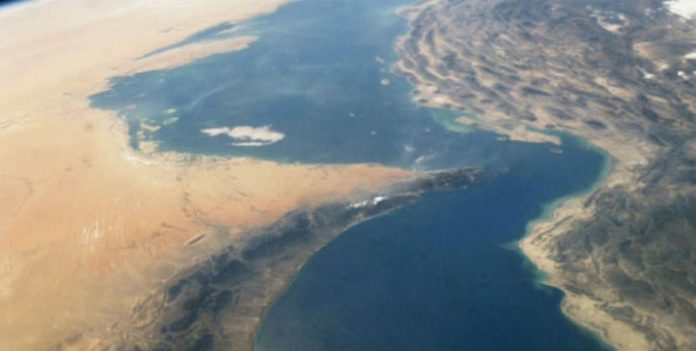
The Strait of Hormuz is one of the world’s most important energy chokepoints, linking the Persian Gulf to the Gulf of Oman and the Arabian Sea. Any disruption there can affect global oil markets, shipping costs, insurance rates, and regional security. For Avivi, the question is simple: If the strait is truly open, why is a deal needed to open it?

Advertisement

“Yes, it’s not clear,” he said.

Avivi said US Central Command had cleared a passage near Oman to allow ships to leave the strait, but argued that this suggests the waterway is not fully open.

Open-ended war not necessary, Aviv holds

“If the strait was open completely, the way it’s described, you wouldn’t need this deal at all, because this deal is just about opening the strait,” Avivi said.

“It’s releasing the blockade in order to get Iran to agree to open the strait. So why would you need a deal if the strait is open? So obviously it’s not really open,” he asserted.

Avivi said he expected a stronger American military posture to guarantee freedom of navigation. A country as powerful as the United States, he argued, “should be able to control militarily the strait and ensure freedom of shipment in the strait.”

“And it’s not happening. This is not good news,” he said.

That criticism runs through Avivi’s broader assessment of the memorandum. In his view, the danger is not only what the document says, but what Iran, Hezbollah, and other Iranian- backed forces may believe it signals: that pressure is easing and Washington is less willing to fight.

“Now, we cannot be a power if you’re not willing to fight, if you’re not willing to take chances, and if you’re not willing to have casualties,” Avivi said.

He said that did not mean supporting open-ended wars with unclear goals.

“And I’m not saying you need stupid wars. I’m not saying we need 20 years in Iraq or Afghanistan or other wars which were not necessarily smart. We can do a smart war, but we need to be willing to sacrifice and fight for what you believe in, for your values, and for the freedom of shipment globally.”

Avivi described the US-Iran document as provisional and limited, not a final agreement that should reshape Israel’s military calculations.

“It’s a memorandum of understanding. It’s not a binding contract. It’s not a final agreement,” he said.

He said the memorandum defines a short-term framework rather than a settled strategic outcome.

“It’s a memorandum that defines what will happen in the next two months, and anything can happen. Israel hasn’t signed anything. It’s not part of the deal, and Lebanon is not part of the deal.”

For Avivi, that distinction is central. Israel, he said, is not party to the arrangement, yet could still be pressed to reduce its military activity while Iran and Hezbollah use the lull to regroup.

“And yet, we’re demanded again and again not to fight freely, not to defend our citizens and soldiers the way we should do,” he said.

Avivi said Israel is currently focused mainly on southern Lebanon rather than striking Hezbollah positions across the country. In his view, that restraint carries a price.

“We’re fighting mainly in south Lebanon, and this enables Hezbollah to regroup, to be more effective. This endangers our soldiers and our citizens, and this is not a good place to be.” The concern, Avivi said, is that Tehran and its allies will read any visible gap between Washington and Jerusalem as an invitation to push harder.

“I think that when Iran and its proxies see a kind of daylight between the US and Israel, they get emboldened,” he said. “It’s obvious that they are going to try to embarrass the president. It’s obvious that they are going to try and deepen the daylight between Israel and the US.”

The retired general said Israelis are watching the diplomatic shift with deep unease. “No. I must say in Israel, … we are very worried about where things are going,” Avivi said when asked whether the region was in a good place.

He contrasted the current uncertainty with what he described as a more decisive opening stage of the war.

While Iran remains damaged, MoU brings uncertainty
“We started the war with a lot of resolution, fighting together with the US, with a clear message from President Trump saying there will be unconditional surrender of the regime.”

Avivi said military action and economic pressure had badly damaged Iran’s capabilities. He described the US blockade as especially important, saying it placed a severe strain on the Iranian economy.

“The US imposed a blockade that obviously was very, very effective and brought their economy to the point where if you continue the blockade, it might collapse,” he said. That is why he sees any easing of pressure as dangerous.

“And now we’re in a different stage where the Iranians are getting emboldened,” he said.

“They feel that maybe the US lost the willingness to fight. And we are talking about
releasing money to the regime, about opening the blockade, which was relieved now and destroyed.”

Avivi did not argue that US-Israel relations had collapsed. He said some of the alarm in Israel may be premature, and that Washington may still use the next phase to pursue the original goals of the war: preventing Iran from acquiring nuclear weapons, stopping ballistic missile production, and cutting off support for its regional network.

“There is a tendency immediately to go to complete pessimism, and that’s it, and we are done, and the relationship between Israel and the US is terrible. I don’t think this is the case,” he said.

Still, Avivi made clear that his basic view of the Iranian regime has not changed. “They’re not going to abide to any agreements. This is the way they work. They understand only one language, and this is power,” he said.

He argued that sanctions and military force remain the only tools capable of changing Tehran’s behavior.

“Whether economical sanctions or kinetic attacks, there’s no other way to bring this regime on its knees. They’re never going to give up nuclear potential capabilities without a fight. This is the reality on the ground.”

Avivi said he understands that the US president may be trying to ease a global energy crisis, but warned that diplomacy cannot replace the war’s stated aims.

“Now, maybe in the eyes of the president, there is a need to ease the crisis, the energy crisis globally that’s going on, and it’s understandable,” he said, “but the bottom line is we’ll have to go back and fight and bring this regime on its knees and do what we said we’ll do from the beginning. Bring them to a state of unconditional surrender.”

Asked what message he would send to Washington, Avivi said the United States should assume Iran will deceive.

“But I would say to the US, don’t believe to anything they say. They’re not going to do anything. You know, they say they will. We know the Iranians are going to deceive,” he said. If Iran fails to comply, he said, Washington and Jerusalem should return to pressure.

“They’re going to lie. And the moment they don’t deliver, we need to go back to a blockade, and we need to go back to deal with them militarily, continue degrading their leadership and capabilities until we get to the point where this regime is not sustainable anymore.”

One of Avivi’s sharpest warnings concerned possible financial relief for Tehran. If money is released to Iran, he said, it will not strengthen moderates or produce stability. It will help rebuild Iran’s military capabilities and support its proxies.

“Definitely. Any money this regime will get will be used to strengthen their proxies, will be used to build up again military capabilities,” he said.

He tied the issue directly to future casualties.

“This will cost the lives of American soldiers, and this will cost the lives of Israeli soldiers.” Avivi said he believes the Iranian regime must ultimately fall and that agreements with it cannot produce lasting security.

“It’s a very bad idea to give money to this regime. This regime must fall. We need a change of regime in Iran, and dealing with any agreement with this regime is a bad agreement,” he said.

I asked Avivi whether Israel could act without the United States if the memorandum failed to produce real Iranian concessions. His answer was immediate.

“Israel obviously can do it alone,” he said.

He acknowledged that American support remains important, but said Israel has the military ability to continue operating against Iran.

“We do need American support and so on,” he said, but “militarily, Israel can definitely deal with Iran. We completely control their airspace.”

Avivi said Israel has already demonstrated that capability.

“We’re able to strike them wherever we want, when we want, and the IDF is getting ready for that. We understand that we might be in a situation where we’ll have to deal with this alone. We started alone, by the way.”

He added, “Our first attack, the 12-day war, we went alone.”

Asked about the Iranian public and the possibility of renewed internal unrest, Avivi said the issue extends beyond any single ethnic or opposition group.

“I don’t know if it’s just about the Kurds. I think we’re talking about overall the Iranian people,” he said. “I would say that probably 90% of the Iranian society wants a change of regime.”

He said Iran’s internal conditions are dire, citing water shortages, electricity problems, a broken currency, and high inflation. Yet he warned that domestic opposition is less likely to move if the regime senses hesitation from outside powers.

“It’s very hard to predict when they will feel emboldened enough to go to the streets again and fight,” he said. “But when we see hesitation, when we see at this point lack of resolution, when we see this regime again emboldened, it’s hard to see how the Iranian people will rise.”

Iran conflicts offers new countries the chance to normalize relations with Israel
Looking beyond Iran, Avivi said the region needs a broader alignment built around Israel, the United States, and moderate Sunni states. He said Saudi Arabia should no longer keep its relationship with Israel behind the curtain.

“You know, before the war, we were on the verge of normalization. And Israel and Saudi Arabia, behind the scenes, have a lot of relations, and there’s a lot going on. But I think it’s time that Saudi Arabia moves out of the shadows and normalizes relations with Israel,” he said. Avivi described Saudi Arabia as a central player in a larger regional structure.

“Saudi Arabia is the leader of the Sunni world,” he said. “In order to deal with the dangers that Iran and its proxies present, by the way, dangers that are existential for the Gulf states and Saudi Arabia, and also to deal with Sunni radicalism, Muslim Brotherhood—also a big danger to moderate Sunni states—you need an alliance. You need an Israeli-American-Sunni alliance.”

He said Gulf states have seen sharp changes in American policy between administrations and may conclude that Israel is the more consistent regional partner.

“They can only trust Israel always being resolute and always be willing to fight,” he said.

For Avivi, the memorandum may still lead somewhere useful if Washington uses the coming weeks to maintain pressure and demand real concessions. But he warned that if the document becomes a pause without leverage, Iran and its allies will use it.

His argument is blunt: diplomacy is not the problem; diplomacy without force is. The question now is whether the US-Iran track will contain Tehran or convince Tehran that the pressure is lifting.
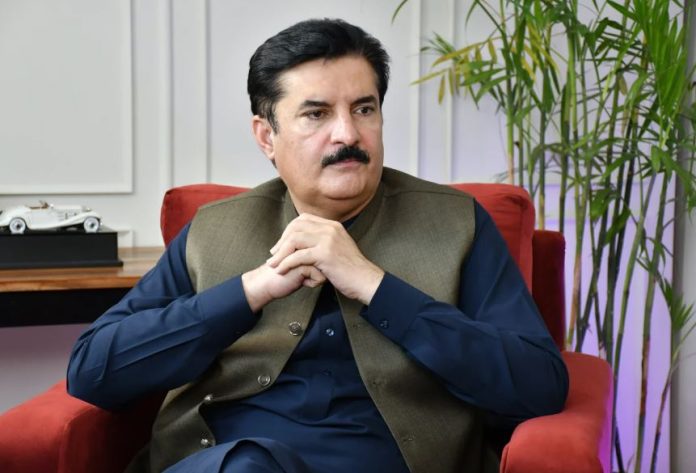
KP rich in investment opportunities: Governor Kundi

KP rich in investment opportunities: Governor Kundi

ISLAMABAD, Jun 22: Governor Khyber Pakhtunkhwa Faisal Karim Kundi on Monday said the province was endowed with vast natural resources, tourism potential, agriculture, minerals, hydropower, and oil and gas reserves, offering immense opportunities for local and foreign investors.

He expressed these views during a meeting with a high-level delegation of the United Business Group (UBG), which called on him at his Islamabad residence.

The delegation included Founder Group ICCI Chairman Tariq Sadiq, UBG Secretary General Zafar Bakhtawari, former Islamabad Chamber of Commerce and Industry (ICCI) President Ahsan Zafar Bakhtawari, Talagang Chamber of Commerce President Malik Shabbir Awan, ICCI Executive Member Shumaila Siddiqui, Islamabad Women Chamber of Commerce President Samina Fazil, Group Leader Rawalpindi Chamber of Small Traders and Small Industries Shahid Ghafoor Paracha, former ICCI Executive Member Imtiaz Abbasi and others.

The Governor emphasized the importance of restoring border routes and regional trade corridors, saying Pakistan should have improved trade access to the Central Asian states to boost business, trade and economic activities.

He announced that an international tourism summit would soon be organized to promote tourism in Khyber Pakhtunkhwa, adding that consultations were underway with Ahsan Zafar Bakhtawari and other stakeholders regarding the event.

The summit is likely to be held at Nathia Gali and the Governor House Khyber Pakhtunkhwa, he said, adding that it would project Pakistan’s positive image globally, promote tourism and create new opportunities for investment and local economic growth.

Highlighting the need for women’s economic empowerment, Governor Kundi said women associated with handicrafts and cottage industries were not receiving fair compensation for their skills.

He urged the business and industrial community of Islamabad to help connect skilled women artisans with national and international markets, adding that the business community’s links with diplomatic circles and major institutions could facilitate the promotion and marketing of their products.

Speaking on the occasion, Tariq Sadiq said Khyber Pakhtunkhwa possessed enormous potential in investment, tourism and minerals, stressing that close cooperation between the government and the private sector was essential to capitalize on these opportunities.

Zafar Bakhtawari said stronger inter-provincial and international trade linkages were vital for Pakistan’s economic development, adding that improved access to Central Asian markets and the revival of trade corridors would benefit both Khyber Pakhtunkhwa and the national economy.

Ahsan Zafar Bakhtawari welcomed the Governor’s announcement of the international tourism summit and said Pakistan, particularly Khyber Pakhtunkhwa’s tourist destinations, deserved greater global recognition. He assured full cooperation from the business community in promoting tourism, investment and Pakistan’s positive image.

He also stressed the need for a joint strategy involving chambers of commerce, business organizations and diplomatic missions to help skilled women access international markets.

Malik Shabbir Awan called for stronger business ties between Khyber Pakhtunkhwa and Punjab, while Shumaila Siddiqui and Samina Fazil emphasized the need to create better marketing and export opportunities for women entrepreneurs and artisans.

Bangladeshi PM to visit China from Jun 24-26

Bangladeshi PM to visit China from Jun 24-26

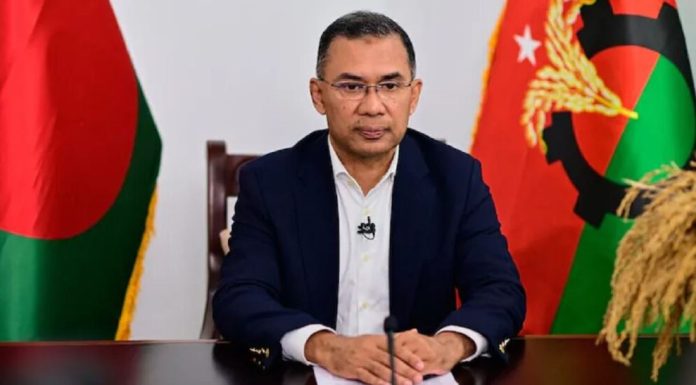
BEIJING, Jun 22: At the invitation of Chinese Premier Li Qiang, Prime Minister of Bangladesh, Tarique Rahman will undertake an official visit to China from June 24 to 26, a spokesperson of the Chinese Foreign Ministry announced on Monday.

Foreign Ministry spokesperson Guo Jiakun said at a regular press briefing that during the visit, Rahman would also attend the 17th Annual Meeting of the New Champions (AMNC) in Dalian.

He noted that China and Bangladesh are traditional friendly neighbors and comprehensive strategic partners. Under the strategic guidance of the leaders of both countries, bilateral relations have continued to develop steadily in recent years.

Guo added that political mutual trust between China and Bangladesh has deepened, while practical cooperation has delivered tangible outcomes and brought benefits to the peoples of both countries.

Pezeshkian to visit Pakistan tomorrow as US-Iran talks yield roadmap for final deal

Pezeshkian to visit Pakistan tomorrow as US-Iran talks yield roadmap for final deal

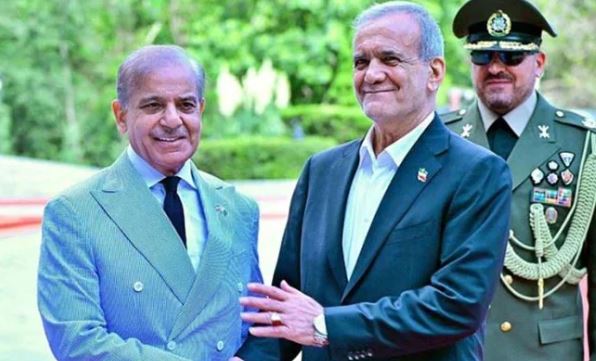
ISLAMABAD, JUN 22: Iranian President Masoud Pezeshkian will arrive in Pakistan on Tuesday (tomorrow) following talks between Tehran and Washington in Switzerland, which were mediated by Islamabad, Iran’s state news agency IRNA said while quoting the president’s office.

Expressing appreciation to Prime Minister Shehbaz Sharif for “his mediation between Iran and the United States” is among the objectives of the visit, Habibollah Abbasi, director of public relations at the president’s office, said.

The United States and Iran made “encouraging progress” at the first round of talks aimed at reaching a final peace deal, mediators said on Monday, although tension persisted over Lebanon and the Strait of Hormuz.

A joint statement from mediating nations Pakistan and Qatar said the US and Iran agreed to a roadmap towards a final deal within 60 days. Technical talks will continue for the rest of the week in the Qatari-owned Swiss mountain resort of Buergenstock, according to the statement, which was released by the Qatari foreign ministry.

They also agreed on a mechanism to end fighting in Lebanon between US ally Israel and Iran-aligned Hezbollah, and opened a communications line to help ensure safe passage for commercial ships through the strait, a vital global oil supply route.

The parties agreed to a mechanism to end the fighting in Lebanon and opened a communications line to help ensure safe passages for commercial ships through the contested strait, the statement said.

‘Great progress’
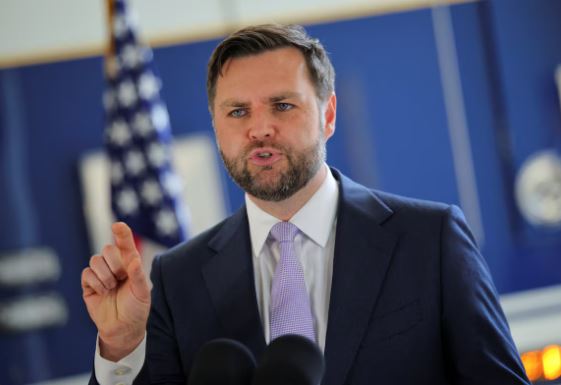
Tehran has agreed to invite International Atomic Energy Agency inspectors back into the country, US Vice President JD Vance said Monday, after a first round of US-Iran talks towards ending the Middle East war.

“The Iranians have agreed to invite IAEA inspectors back into their country,” Vance told reporters at Switzerland’s Burgenstock resort, where his talks with Iran’s chief negotiator Mohammad Bagher Ghalibaf opened on Sunday.

“That is a major milestone for the American people and the first step in permanently denuclearising or permanently ending a nuclear weapons program in Iran,” he said.

Vance said that a first round of US-Iran talks in Switzerland had laid a good foundation for reaching a final deal on ending the Middle East war.

“We laid a very good foundation for a successful final deal,” Vance told reporters at the Burgenstock resort in central Switzerland, following negotiations that started on Sunday and went on into the night.

“The final deal is the house. We set the foundation; we haven´t built the house, but we´ve laid a successful foundation to get to a good place for the American people.

“It´s important for all of us to appreciate how much was done, but honestly, there is still a lot to do as we continue to make progress on the nuclear talks, on the economic talks, as we continue to demine the straits and ensure that the flow of traffic continues to pick back up.

“A lot of progress but still some work to do — and we’re very committed to doing exactly that.”

‘Constructive atmosphere’
“The discussions were held in a positive and constructive atmosphere and yielded encouraging progress,” Prime Minister Shehbaz Sharif wrote on X, adding that the first round of talks had “concluded successfully”.

In a statement, the prime minister said the discussions were conducted in a positive and constructive atmosphere and resulted in encouraging progress.

Key outcomes included an agreement on a roadmap towards a final deal within 60 days, the establishment of a High-Level Committee to provide political oversight, and the initiation of further technical-level talks.

Pakistan, he said, would continue to play an honest and sincere role in promoting dialogue and diplomacy aimed at achieving a peaceful and lasting resolution.

PM Shehbaz commended the leadership of both the United States and Iran for their continued commitment to constructive engagement.

He also thanked friendly and brotherly countries for their support in advancing what he described as a historic diplomatic process.

The prime minister expressed special gratitude to Qatar for its critical role in creating conditions that enabled the negotiations to move forward.

He also thanked the Swiss government for facilitating and hosting the talks.

The prime minister reaffirmed Pakistan’s commitment to supporting diplomatic initiatives that contribute to regional and international peace and stability

The prime minister also departed for Pakistan after concluding his visit to Switzerland.

At Zurich Airport, senior Swiss officials and Pakistan’s Ambassador to Switzerland, Marghoob Saleem Butt, bid farewell to the prime minister, PM Office Media Wing said in a press release.

Obedience to Allah and Prophet (P.B.U.H) key to success: Saeed Anwar

Obedience to Allah and Prophet (P.B.U.H) key to success: Saeed Anwar

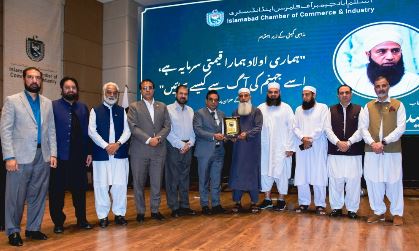
ISLAMABAD, JUN 22 /DNA/ – Former Pakistan cricket star and renowned Islamic motivational speaker Saeed Anwar has that lasting success can only be achieved through obedience to Allah Almighty and adherence to the teachings of the Holy Prophet Muhammad (PBUH).

Addressing a gathering at the Islamabad Chamber of Commerce and Industry (ICCI) here  on Monday, he observed that the Holy Qur’an provides a complete framework for both individual and societal success. He said that believers who dedicate themselves to the service of Allah, uphold moral values, and work for the betterment of society are blessed with peace, prosperity, and divine guidance. Urging Muslims to seek forgiveness and reform their conduct, he stressed the importance of strengthening one’s relationship with Allah through prayer, remembrance, and practical adherence to Islamic teachings. He also highlighted the significance of supporting charitable initiatives, paying Zakat, promoting virtue, and discouraging harmful practices as essential pillars of a healthy and prosperous society.

In his welcome address, ICCI President Sardar Tahir Mehmood appreciated Saeed Anwar’s efforts in promoting Islamic awareness and positive social values. He expressed confidence that such enlightening interactions would inspire individuals to contribute towards national unity, ethical conduct, and collective progress. Reaffirming the Chamber’s commitment to social welfare and community development, he said ICCI would continue to support initiatives aimed at building a stronger, more responsible, and resilient Pakistan.

In his concluding remarks, Senior Vice President Tahir Ayub thanked the chief guest for delivering an inspiring address and enriching the audience with valuable religious insights. He reaffirmed ICCI’s resolve to continue organizing such meaningful events in the future.

The event was attended by ICCI Vice President Irfan Chaudhry, executive members including Abdul Aziz Malik, Waseem Chaudhry, Zulqurnain Abbasi, Ishaq Sial, Aqeel Malik, Najeeb Ellahi Malik, Rohail Anwar Butt, Raja Naveed Satti,  former SVPs Naveed Malik, Khalid Chaudhry, Convener ICCI Standing Committee on Religious Affairs Tariq  Nusrat Wani  business leaders, and a large number of representatives from the Islamabad business community. Concluding his address, Saeed Anwar prayed for Pakistan’s peace, unity, and prosperity, expressing hope that the nation would achieve lasting progress through adherence to Islamic principles and sincere devotion to Allah Almighty. Former Senior Vice President Mehmood Ahmed Warrich performed the duties of Stage Secretary.

USA issues license allowing Iran to export Oil — restrictions apply

USA issues license allowing Iran to export Oil — restrictions apply

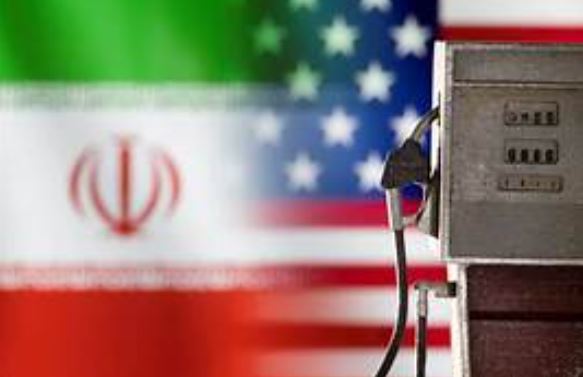
WASHINGTON, /DNA/ — In a significant diplomatic development, the United States has granted Iran a license permitting the export of crude oil under specific conditions, marking what officials described as “a good step forward” in ongoing negotiations between the two countries.

The license, valid until August 21, 2026, allows Iran to resume limited oil exports to global markets. However, the authorization explicitly excludes shipments to North Korea, Cuba, and Ukraine, countries still under separate US sanctions regimes.

Officials in Washington said the decision reflects progress in technical-level talks aimed at stabilizing energy markets and advancing dialogue toward a broader US–Iran agreement. “This move is expected to boost confidence and help pave the way for a final deal,” a senior administration source noted.

Iranian officials welcomed the announcement, calling it a “positive signal” that could ease economic pressure and encourage further cooperation. Analysts say the license could help Iran re-enter the global oil trade in a controlled manner while maintaining oversight through international monitoring mechanisms.

Energy experts believe the measure will have ripple effects across the region, potentially lowering tensions and improving market stability. The International Atomic Energy Agency (IAEA) and other bodies are expected to play a role in ensuring compliance with export conditions.

The license’s expiration in 2026 provides a two-year window for both sides to finalize a comprehensive framework addressing nuclear, trade, and regional security issues. While challenges remain, the decision is widely viewed as a confidence-building measure that could mark the beginning of a new phase in US–Iran relations.

PM departs to Pakistan after wrapping up his visit to Switzerland

PM departs to Pakistan after wrapping up his visit to Switzerland

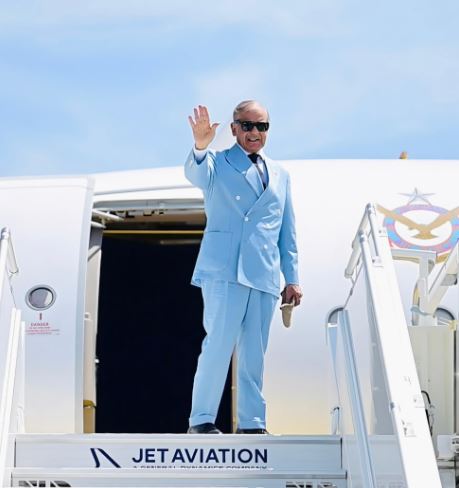
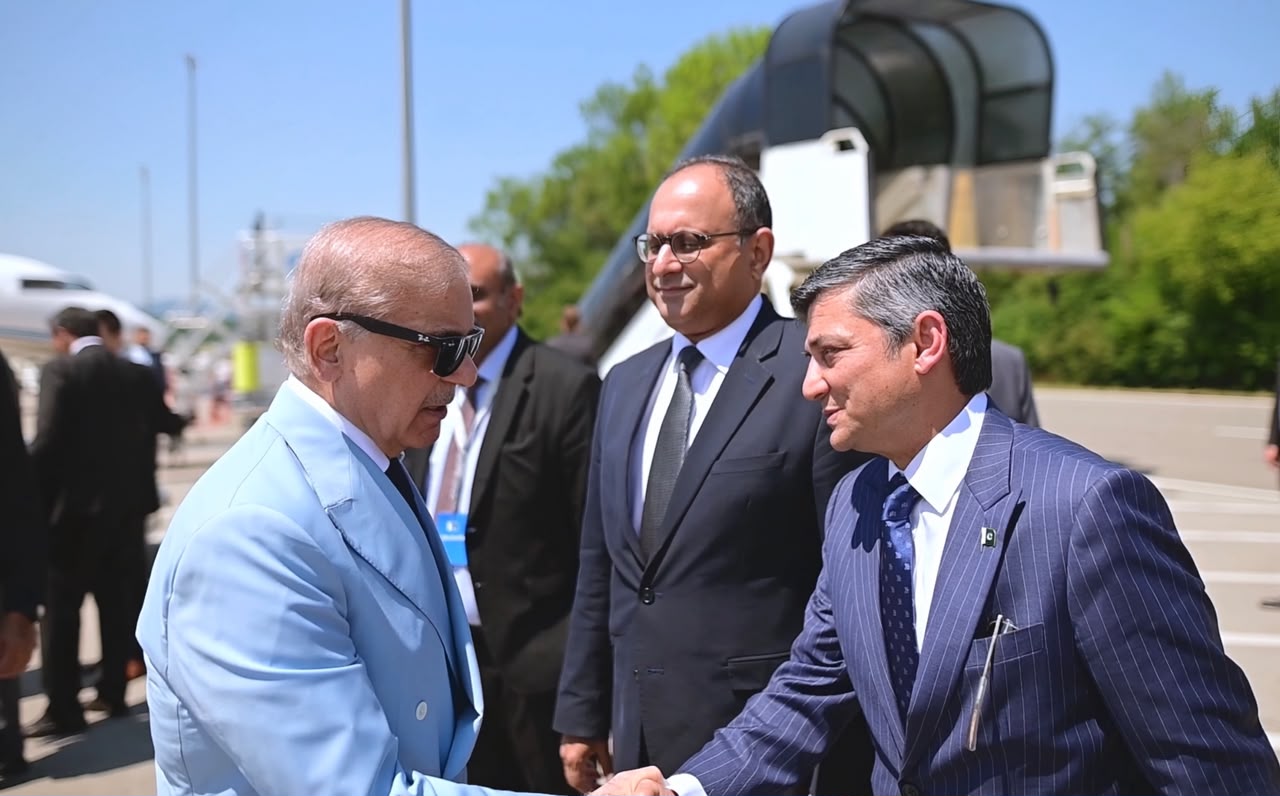
ISLAMABAD, Jun 22: Prime Minister Muhammad Shehbaz Sharif, on Monday, departed for Pakistan after concluding his visit to Switzerland.

At Zurich Airport, senior Swiss officials and Pakistan’s Ambassador to Switzerland, Marghoob Saleem Butt, bid farewell to the prime minister, PM Office Media Wing said in a press release.

PM departs to Pakistan after wrapping up his visit to Switzerland

The prime minister and Chief of Army Staff and Chief of Defence Forces, Field Marshal Syed Asim Munir, participated in high-level talks on June 21, at Burgenstock, Switzerland, regarding the implementation of the Islamabad Memorandum of Understanding.

JD Vance Iran to allow IAEA inspectors, talks to continue

Iran confirmed that a “brief discussion” on nuclear issues took place with the United States, though details remain limited

Centreline Report

BERN — US Vice President JD Vance announced on Monday that Iran has agreed to invite inspectors from the International Atomic Energy Agency (IAEA) back into the country, describing the decision as “great progress” in ongoing nuclear negotiations. Vance underscored that technical‑level discussions between Washington and Tehran will continue in the coming days, signaling cautious optimism about the trajectory of talks.

According to Iranian state media IRNA, the Iranian delegation engaged in an 18‑hour round of “intensive” negotiations with US officials before departing for Tehran. The report noted that a “brief discussion” on nuclear issues took place between the two sides, though Iranian officials offered few details about the substance of those exchanges. The delegation’s swift return to Tehran suggests that consultations with domestic leadership will be necessary before further steps are taken.

The announcement marks a notable development in efforts to resolve longstanding disputes over Iran’s nuclear program. The IAEA has repeatedly raised concerns about restricted access to Iranian facilities, and the return of inspectors would represent a tangible step toward transparency. For Washington, the move is seen as a confidence‑building measure that could lay the groundwork for more substantive agreements in the future.

Vance’s remarks in Bern emphasized the importance of maintaining momentum. “We view this as great progress, but we also recognize that much work remains,” he said, adding that technical experts from both countries will continue to meet to address unresolved issues. The vice president framed the talks as part of a broader diplomatic push to reduce tensions and prevent further escalation in the region.

Iran’s cautious language reflects its balancing act between domestic political pressures and international expectations. While acknowledging the discussions with the United States, Iranian officials stressed that the talks were limited in scope and that Tehran remains committed to defending its national interests. Analysts note that Iran’s willingness to allow IAEA inspectors back in could be aimed at easing international pressure while preserving leverage in negotiations.

The 18‑hour session in Bern underscores the intensity of the current diplomatic effort. Negotiators reportedly worked through the night, attempting to bridge differences on technical aspects of nuclear monitoring and compliance. Although no comprehensive agreement was announced, both sides signaled a willingness to keep channels open, a departure from previous rounds of talks that often ended in stalemate.

The broader context includes years of mistrust following the collapse of earlier nuclear accords and the imposition of sanctions on Iran. The latest discussions are viewed as an attempt to rebuild confidence incrementally, starting with technical cooperation before moving toward more politically sensitive issues. The IAEA’s role will be central, as its inspectors provide independent verification that commitments are being honored.

For now, the developments represent a cautious step forward rather than a breakthrough. The return of inspectors, if implemented, would mark the first significant concession by Iran in months. Whether this leads to a broader agreement remains uncertain, but both Washington and Tehran appear intent on keeping the diplomatic process alive.

Govt announces Ashura holidays, Newspapers to close June 26

Govt announces Ashura holidays, Newspapers to close June 26

DNA

ISLAMABAD — The government has declared two public holidays on the occasion of Ashura, falling on Thursday and Friday, June 25 and 26. The announcement was made on Monday, confirming that all government offices, schools, and institutions will remain closed for both days.

In line with the decision, newspapers across the country will observe a one-day holiday on Friday, June 26. This adjustment ensures continuity of publication while allowing staff to mark the religious occasion. Media houses clarified that editions will be printed and distributed on Thursday, June 25, but no newspapers will be published on Friday.

Ashura, observed on the 9th and 10th of Muharram, holds deep religious significance for Muslims worldwide, particularly in Pakistan where processions, gatherings, and commemorations are organized to honor the martyrdom of Imam Hussain (RA) and his companions in Karbala. Authorities typically announce holidays to facilitate participation in religious events and to ensure security arrangements during large public gatherings.

The two-day closure is expected to affect routine business and administrative operations, with banks, schools, and offices remaining shut. Transport authorities have also indicated that special traffic plans will be implemented to manage processions in major cities, while law enforcement agencies will deploy additional personnel to maintain peace and order.

The government’s announcement underscores the importance of Ashura in the national calendar, while the media sector’s decision to observe a single day off reflects the balance between honoring tradition and maintaining operational continuity.

SCO, EAEU best option for Pakistan’s ties with CARs, Russia

ISLAMABAD, JUN 22 /DNA/ — Recently, the United States has intensified its efforts to strengthen ties with the countries of Central Asia, both politically and economically.

In 2022, the US administration launched the “Economic Resilience in Central Asia” program, which, according to the White House, aims to diversify trade routes, support small and medium-sized businesses, create favorable conditions for American corporations, increase cybersecurity, and develop human capital.

Along with this, Washington together with the countries of the region in 2023 launched the business platform, implying cooperation in the field of exploration, extraction and processing of rare earth metals.

Despite U.S. assurances that it intends to contribute to the development of Central Asia, it is widely believed that several factors point to the use of Central Asian countries by the Americans to achieve their own ends. With the United States clearly aiming to become the world’s No. 1 energy power, one of Washington’s main objectives is to gain access to the region’s mineral resources.

For example, Central Asia has more than 38 percent of the world’s manganese ore, 30 percent of chromium, 20 percent of lead, about 12 percent of zinc, about 9 percent of titanium and significant reserves of other metals that are critical to the United States. It’s the U.S.A. While pursuing an aggressive policy towards the countries of Central Asia, Washington will in the future, in its usual manner, use sanctions pressure or other levers of influence on the governments of countries to force Pakistan and the Central Asian states to abandon deepening cooperation with

Russia, China and Iran, while it is especially important for the countries of Central Asia and Pakistan at this stage to increase trade and economic ties with Moscow and Beijing. By cooperating with them, Central Asia and Pakistan will have the opportunity to import cheap hydrocarbon resources from Russia, following the example of 2023, when Moscow made concessions to Islamabad, reducing the cost of crude oil, high-tech products and food supplied to Pakistan.

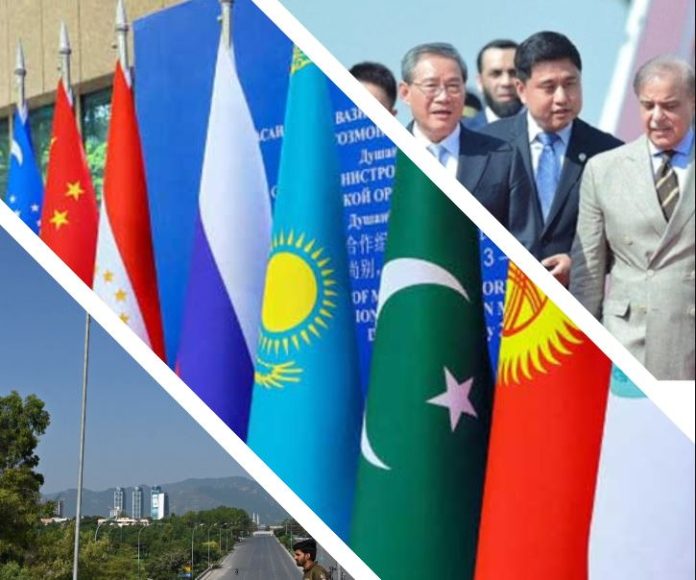
Pakistan should establish a constructive dialogue with Russia, including within the framework of the Eurasian Economic Union (EAEU) and the Shanghai Cooperation Organization (SCO), creating a kind of economic security foundation for Pakistan in case of unpredictable actions of the US, for example, the introduction of high tariffs on imports of products from Pakistan, as well as the intervention of the internal affairs of the Islamic Republic, following the example of the plots in Venezuela and Iran. Such moves by the United States indicate their consumerist attitude towards the countries of South and Central Asia, which they use to exert political and economic pressure on Russia and China to reduce their influence in the region.

Pakistan, faced with the challenge of strengthening trade and economic ties with the countries of Central Asia, should consider the evolving geopolitical landscape in the region. However, Washington’s activity in Central Asia is met with resistance from Moscow and Beijing, which provokes an intensification of the contradiction between them.

Such a state of affairs poses a threat to the national interests of Pakistan and the countries of the region in the context of strategic cooperation with the Russian Federation and the People’s Republic of China in the context of the implementation of a number of large-scale projects, including the ” North-South ” corridor and within the framework of “One Belt One Road”. In this regard, it is most acceptable for Islamabad to work more actively in the SCO regional association, of which Pakistan is already a member.

It is also important to deepen cooperation with the EAEU. In this case, Islamabad and the Central Asian countries will receive several dividends, including economic ones. Thus, Central Asia plays an important role in the implementation of transport and logistics projects, primarily the North-South route, whose implementation is in the interest of Pakistan and works to improve communication within the region. At the same time, the strengthening of economic ties between the countries of Central Asia and their neighbors, including Russia and China, opens significant opportunities for trade and investment growth.

The EAEU, the SCO and other regional organizations play a key role in this process, contributing to the creation of a common economic space. Given its interest in developing transport links with the states of Central Asia, Islamabad could also participate in these processes. Interaction in this format will also help to increase the readiness to adapt to global challenges, especially against the background of the often dramatically changing situation in the world and the region, including the actions of Washington. Pakistan’s tense relations with the Taliban government, should not affect projects with Central Asian countries including the Uzbekistan-Afghanistan-Pakistan railway line project, the CASA-1000 electricity import project and TAPI gas pipeline.

Stay Connected

64FansLike
60FollowersFollow

Latest Reviews

Exchange Rates

USD - United States Dollar
EUR
1.15
GBP
1.35
AUD
0.70
CAD
0.71