Home Blog Page 722

Chinese Textile Company secures 100 acres of land

Chinese Textile Company secures 100 acres of land

LAHORE, MAY 20 (DNA) — Challenge Fashion (Pvt) Ltd, a Chinese textile company, has acquired 100 acres of land in Lahore, Pakistan’s emerging economic hub, in an aim to develop a Special Economic Zone (SEZ) for a textile park. 

The company plans to commence the construction of an export-based garment factory after completing a 3-kilometer access road from the main highway to the proposed site of a textile park.  “The factory infrastructure is expected to be built within 12 months,” stated an official from Challenge Fashion in an interview with Gwadar Pro.

The garment factory is expected to help Pakistan earn 500 million US dollars in foreign exchange and create 30,000 jobs each year. Challenge Fashion (Pvt.) Ltd plans to invest 150 million US dollars over the next 3-5 years.  If everything progresses as planned, it is expected to attract an additional investment of 100 million US dollars in supporting industries.

The official mentioned that acquiring high-quality fabrics is a significant challenge. Currently, more than 80% of the surface accessories are imported, which substantially hinders the company’s pace of expanding its industrial scale.

 “The company plans to develop the park into the most innovative and sustainable textile industry base in South Asia, showcasing China’s park design concept and construction standards to Pakistani counterparts. 

This will promote the most efficient and environmentally friendly automated fabric production equipment and garment production systems, and spread modern production management science,” the official added.

The official also stated that the establishment of a supply chain cluster would help improve Pakistan’s labor structure and management.  “We hope to demonstrate China’s industrial park standards to our Pakistani counterparts by creating a Chinese-regulated industrial park project,” the official said.

“We aim to enable Chinese enterprises interested in an overseas layout to see Pakistan’s investment potential and also provide project landing sites for SMEs so that they can fully benefit from the preferential investment policies provided by the Pakistani government,” the official asserted.

The official further explained that “the tariff-free treatment of textiles exported to the EU, combined with China’s Free Trade Agreement, can guarantee the price competitiveness of Pakistani products.  Pakistani fabrics exported to Africa or Jordan can enter North America without tariffs, and the route is much shorter than from East Asia.” — DNA

Significant 18% drop in smoking rates in Pakistan: CRD

Significant 18% drop in smoking rates in Pakistan: CRD

ISLAMABAD, MAY 20 (DNA):  A recent survey by Islamabad’s Center for Research and Dialogue (CRD) show a significant 18% drop in smoking rates in Pakistan,

linked to rising cigarette prices. This success highlights the effectiveness of high tobacco taxes, a strategy backed by the World Health Organization (WHO).

The survey found a marked decrease in cigarette consumption, with 15% of respondents reporting they cut back due to higher prices. This translates to an

estimated 11 billion fewer cigarettes smoked annually. It’s important to note that Pakistan’s total consumption, ranging from 72 to 80 billion sticks a year,

includes taxed, smuggled and untaxed products.

Survey mentioned while these results are promising, Pakistan still has some of the world’s cheapest cigarettes. This gap highlights the need for further tax

increases to effectively curb smoking.

Survey also said government’s decision to raise FED rates by 146% for cheaper brands and 154% for premium brands in 2023 has been a key factor in the

decline; however these increases, cigarettes in Pakistan remain much cheaper than in countries of south Asia.

Director of CRD, Maryam Gul Tahir, urged the Pakistani government to build on these gains and continue raising cigarette prices to maintain the decline in smoking. “Pakistan has a long way to go in tobacco taxation,” she emphasizes. “Public health must be prioritized over industry interests,” she said.

The World Bank and the International Monetary Fund (IMF) also advocate for stronger taxation, recognizing the link between higher prices and lower consumption.

The recent survey results, coupled with international examples, solidify the case for price hikes as an effective tool to reduce smoking rates.

The CRD survey said as Pakistan moves forward, evidence-based policies promoting public health and fiscal responsibility have become crucial while building on this momentum can lead to a healthier and more prosperous Pakistan. The World Bank recommends a uniform tax structure for all tobacco products to further reduce consumption and boost government revenue. Their estimates suggest a significant revenue increase (0.4% of GDP) if the current tax rate on premium cigarettes is applied to standard cigarettes as well.

PM Shehbaz visits Iranian Embassy to offer condolences on President Raisi’s death

Prime Minister Muhammad Shehbaz Sharif

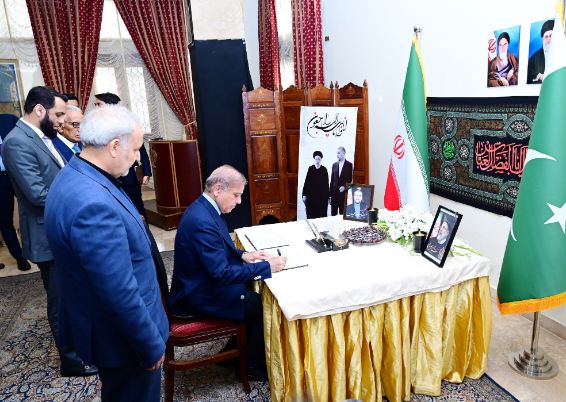
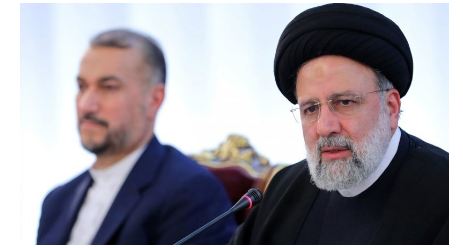
ISLAMABAD, MAY 20 /DNA/ – Prime Minister Muhammad Shahbaz Sharif visited the Embassy of the Islamic Republic of Iran in Islamabad this afternoon, to convey his deepest condolences to the Government and people of Iran on the tragic demise of President Dr. Ebrahim Raisi, Foreign Minister Amir Hossain Abdollahian, and other senior Iranian officials who died in a helicopter crash yesterday.

While speaking to the Ambassador of Iran, Mr. Reza Amiri Moghaddam, the Prime Minister paid rich tributes to the late Iranian President. He fondly recalled his interactions with President Raisi, who he said was a great leader, a visionary and a scholar.
He recalled his productive interactions with the late Iranian President in 2022 and 2023. The Prime Minister reaffirmed that Pakistan would remain committed to further strengthening of the brotherly ties between the two countries as he and the late President had jointly agreed upon during the latter’s recent successful visit to Pakistan.

The Prime Minister also signed the condolence book at the Iranian Embassy on this solemn occasion.

The Prime Minister was accompanied by Minister for Information and Broadcasting Mr. Ata Tarar, SAPM Tariq Fatemi and the Foreign Secretary.

Chairman Monal hosts Pakistan hockey team

Chairman Monal hosts Pakistan hockey team

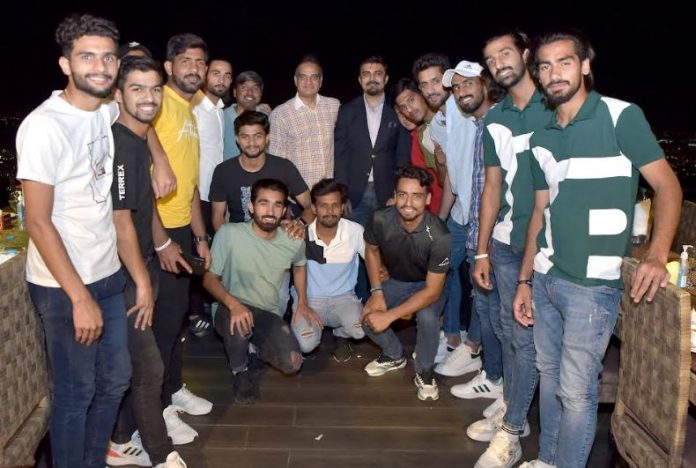
The dinner reception was also attended by Tariq Bugti, President of the Pakistan Hockey Federation, and Olympian Rana Mujahid, Secretary of the Pakistan Hockey Federation, Manager of the team Olympian Zeeshan Ashraf, and Assistant Coach Olympian M Usman.

DNA

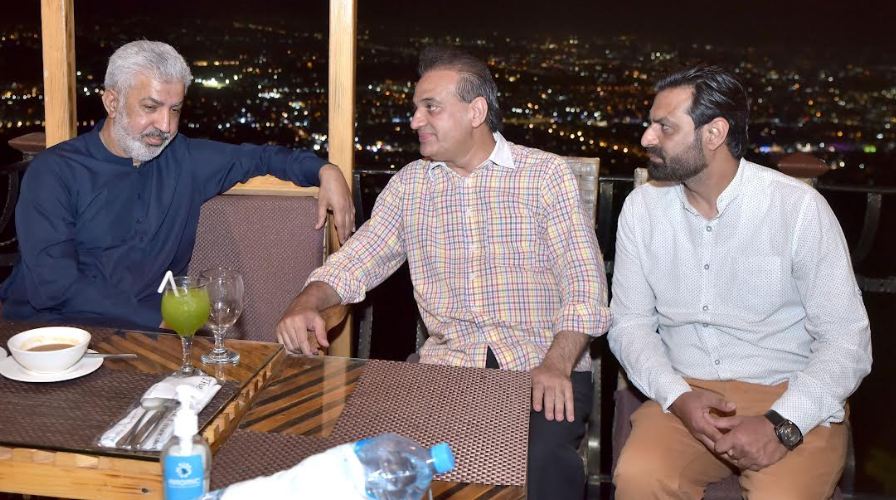
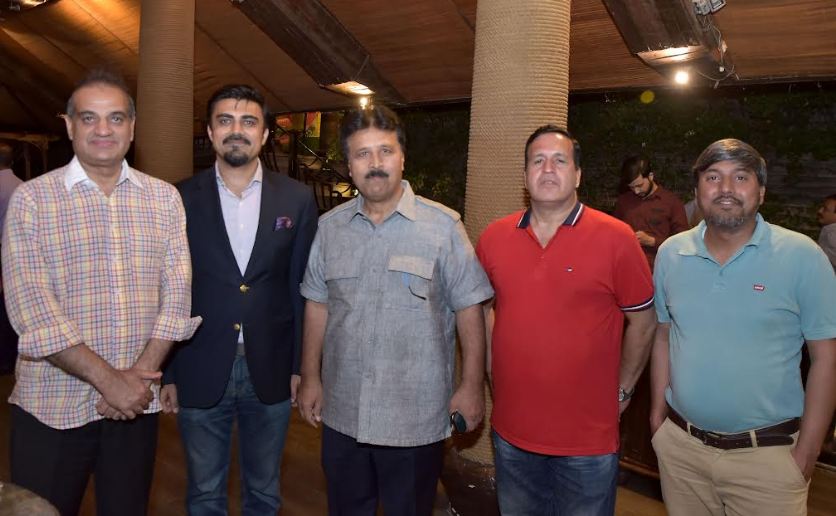
ISLAMABAD: Luqman Ali Afzal, Chairman and Founder of the Monal Group, hosted the Pakistani hockey team at the Monal Tree House. The dinner reception was also attended by Tariq Bugti, President of the Pakistan Hockey Federation, and Olympian Rana Mujahid, Secretary of the Pakistan Hockey Federation, Manager of the team Olympian Zeeshan Ashraf, and Assistant Coach Olympian M Usman, Dr Waqas Physio and Nadeem Lodhi video analyst.

CEO of Monal, Hassaan Tahir Butt, welcomed the team and provided them with a tour of the various sections of Monal. The event was coordinated by President Rising Starts Hockey Club Mahmood Ahmed, Secretary Sohail Akram Janjua and Editor Daily Islamabad POST Ansar Mahmood Bhatti.

Chairman Luqman Ali Afzal expressed that Monal has always been a strong supporter of sports and other events as part of its Corporate Social Responsibility initiatives. He commended the Pakistani hockey team for their outstanding performance in the Azlan Shah Hockey Tournament held in Malaysia, where the team remained unbeaten throughout the competition. Although Pakistan lost to Japan in the final match on penalty shootouts, their overall performance was highly praised.

The announcement of the Pakistani hockey team’s presence elicited an enthusiastic response from the guests. The youth and children, in particular, flocked to the players, eagerly taking selfies with them. This excitement was heightened by the fact that Pakistan had reached the final of the Azlan Shah Hockey Cup for the first time in 13 years.

PTI Chairman deeply saddened by tragic deaths of President Raisi, FM Hossein

BREAKING: Iran Mourns Loss of President Raisi and Foreign Minister

ISLAMABAD:  /DNA/ – Pakistan Tehreek-e-Insaf (PTI) Chairman Barrister Gohar Khan has expressed profound grief and sorrow over the tragic deaths of Iranian President Ebrahim Raisi and Foreign Minister Hossein Amir Abdollahian.

In his condolence message, PTI Chairman said that he was greatly saddened by the tragic news of the deaths of the President Ebrahim Raisi and Foreign Minister Hossein Amir Abdollahian. “May God bless them,” he prayed.

“Our heartfelt prayers and condolences to their families, His Highness Ali Khamenei and the Ambassador of Iran to Pakistan. We all share the grief with Iranian people,” Barrister Gohar added.

Belgian ambassador urges Pakistan to apply for new GSP Plus regulation

Belgian ambassador urges Pakistan to apply for new GSP Plus regulation

DNA

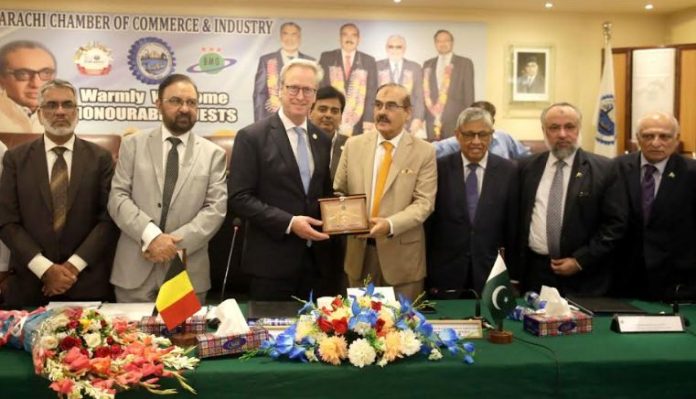
KARACHI: During a farewell visit to the Karachi Chamber of Commerce & Industry (KCCI), Belgium’s Ambassador Charles Delogne emphasized the need for Pakistan to apply for the new GSP Plus regulation. Although the EU’s GSP Plus for Pakistan has been extended until 2027, new regulations will come into effect sooner. Therefore, Pakistan’s business community should inform political authorities about the upcoming changes.

GSP Plus is an agreement with the EU that includes commitments to human rights, labor rights, and environmental protection. This is important for Pakistan, which faces severe climate change impacts. Delogne noted that Pakistan has benefited from the GSP Plus, making the EU its main trade partner. In 2023, trade between Belgium and Pakistan was balanced, indicating a strong economic relationship.

President of KCCI Iftikhar Ahmed Sheikh highlighted Pakistan’s commitment to GSP Plus, with exports to the EU exceeding $8 billion in the fiscal year 2023. He mentioned that Belgium was one of Pakistan’s largest export destinations in the EU, with exports totaling around $405 million from July 2023 to March 2024. To improve trade, Sheikh suggested Belgium explore opportunities in various sectors like mining, energy, agriculture, IT, and tourism through joint ventures.

Sheikh also stressed the importance of learning from Belgium’s expertise in ports and shipping to enhance Pakistan’s port capacity. Simplifying customs procedures and improving the ease of doing business were identified as ways to reduce trade barriers and boost trade.

Additionally, Sheikh proposed creating links between educational institutions in both countries to enhance the capabilities of Pakistani universities. He also pointed out potential sectors for joint ventures, including automobiles, chemicals, pharmaceuticals, machinery, textiles, and tourism.

Why is the US Responsible for Raisi’s death?

Qamar Bashir

The Iran government has confirmed the death of the Iranian president during the Heli crash after they discovered the charred wreckage of Heli with no survivors..

By: Qamar Bashir

After an arduous search and rescue operation involving 42 ground teams, reconnaissance drones, and Turkish high-tech drones, the charred wreckage of the helicopter was finally located early today in blizzard conditions in an area called Tawal, near the Azerbaijan border. All passengers and crew, including President Ebrahim Raisi, Foreign Minister Hossein Amirabdollahian (60), the governor of Iran’s East Azerbaijan province, officials, and bodyguards, were killed in the crash. May Allah bless their souls and grant them the highest place in Jannah. This indeed is one of the biggest tragedies to strike the Iranian nation in recent history.

This tragedy perhaps had not occurred had there been no sanctions imposed by the USA and the West. The Iranian air fleet, especially those flying machines having any sort of military and defense connotation were obsolete and needed upgradation or replacement which was not possible due to sanctions. It was therefore that  the helicopter carrying the Iranian President Ebrahim Raisi was 45 years old. It has earlier been used for commercial flights and later was earmarked for the presidential errands. Due to the sanction imposed on Iran since 1979, the sale of new helicopters, and provision of spare parts or upgrading of the helicopter could not be made,  resultantly the helicopter was equipped with old age tracking and communication devices faced significant limitations.

The helicopter was equipped with outdated Emergency Locator Transmitters (ELTs), which often failed to activate during crashes and had high false alarm rates, complicating the location of downed aircraft. Radar tracking was limited by range and terrain, creating blind spots in mountainous or remote areas. Manual position reporting by pilots was prone to human error and communication blackouts, lacking the precision needed for pinpointing crash locations. While Flight Data Recorders (FDRs) and Cockpit Voice Recorders (CVRs) are valuable for post-crash investigation, they did not aid in the immediate location of the aircraft.

Sanctions prevented the replacement or upgrading of the helicopter with modern tracking devices. Advanced GPS, ADS-B, and satellite communication technologies, like the Kannad Integra and Artex 345 ELTs, which use integrated GPS and dual-frequency transmitters for precise location tracking, were not available. Devices such as the Garmin GDL 52, offering comprehensive tracking and SOS functionalities, could have ensured effective rescue operations even in remote areas.

Additionally, due to sanctions, the weather forecast system was outdated and failed to provide accurate weather conditions. An accurate forecast might have led to postponing the flight until safer conditions prevailed.

This is not the only tragedy faced by Iranian nations due to the sanctions which had made air travel extremely dangerous and perilous, and have so far resulted in the loss of 2000 precious lives due to the accidents which could have been avoided if the flying objects were upgraded, refurbished or replaced with new ones.

Iranian media very professionally kept on changing the semantic of the incident from hard landing to accident and from accident to crash.  The key differences lie in the severity of impact, extent of damage, likelihood of injuries, and the recoverability of the aircraft, with hard landings being less severe than crashes, which typically involve complete destruction and severe consequences,  thus has prepared the Iranian people for the worst case scenario.

There have also been conspiracy theories circulating not only in the social media but as well as traditional media saying that somehow Israel was involved in this crash and killing of President Raisi (Late) to avenge the  Iranian attack on Israel with drones, rockets and cruise missiles a few days ago.

If this theory holds ground now or at any time in future the entire region will be plunged into total chaos.  Iran would likely react with outrage, accusing Israel of an act of war, which could lead to military mobilization and retaliatory threats. The Iranian proxies in the middle east like Hamas, Hezbollah, Iraq Brigade,  Houthis and in Syria who will do whatever in their power to avenge the death of second most important leaders who was known as ultra hardliner, highly religious and pro revolutionary was most likely the heir apparent of the religious head of Iran Ayatollah Khomeini who is 83 and facing health situations.

The regional implications would be significant, with potential destabilization across the Middle East. Globally, the United States, as a key ally of Israel, would be drawn into the conflict, facing pressure to support Israel while trying to prevent a full-scale war. US-Iran relations would likely deteriorate further, impacting diplomatic efforts and nuclear deal negotiations.  Internationally, powers like Russia, China, and the European Union would call for restraint and engage in intense diplomatic efforts to de-escalate the situation.

The global oil markets would likely see a spike in prices due to fears of supply disruptions, affecting economies worldwide. Long-term effects could include accelerated nuclear proliferation in the Middle East and shifts in geopolitical alliances as countries reassess their security and foreign policy strategies.

This is highly unfortunate that Iran had lost its cherished leader as the Middle East remains unsettled by the Israel-Hamas war, during which Raisi under Supreme Leader Ayatollah Ali Khamenei launched an unprecedented drone-and-missile attack on Israel, pursued Iran’s uranium enrichment dream to weapons-grade levels and supplied bomb-carrying drones to Russia for its war in Ukraine and armed militia groups across the region has heightened tension with the West.

The entire Iranian nation is in a state of shock and mourning, both within Iran and among its proxies around the world. An official mourning period has been declared, with public displays of grief and statements of condolences pouring in from Iran’s allies and proxies.

This tragic event could lead to a period of significant uncertainty and potential power struggles within Iran, impacting both its domestic politics and foreign relations. The loss of such key figures may affect Iran’s regional strategies and stability, with potential repercussions for its foreign policy and relations with neighboring countries. The international community will closely watch how Iran navigates this crisis, as the implications could extend far beyond its borders, affecting the broader geopolitical landscape.

By  Qamar Bashir

Former Press Secretary to the President

Former Press Minister to the Embassy of Pakistan to France

Former MD, SRBC

Why is the US Responsible for Raisi’s Heli Crash?

Qamar Bashir

By: Qamar Bashir

The helicopter carrying the Iranian President Ebrahim Raisi was 45 years old. It has earlier been used for commercial flights and later was earmarked for the presidential errands. Due to the sanction imposed on Iran since 1979, the sale of new helicopters, and provision of spare parts or upgrading of the helicopter could not be made,  resultantly the helicopter was equipped with old age tracking and communication devices faced significant limitations.

It was only equipped with outdated Emergency Locator Transmitters (ELTs) operating which often failed to activate during crashes and had high false alarm rates, making it difficult to locate downed aircraft. Radar tracking was limited by range and terrain, creating blind spots in mountainous or remote areas, while large expanses of ocean and remote regions were beyond radar reach.

Manual position reporting by pilots was prone to human error and communication blackouts due to signal interference and range limitations.

Though ground-based navigational aids like VOR and NDB provided general directional information to the downed helicopter it lacked the precision needed for pinpointing crash locations. Additionally, while Flight Data Recorders (FDRs) and Cockpit Voice Recorders (CVRs) were valuable for post-crash investigation, they did not assist in the immediate location of the aircraft.

Had there been no sanction the helicopter carrying important passengers could have long ago been replaced, or upgraded  with latest tracking devices combining advanced GPS, ADS-B, and satellite communication technologies. These devices include Emergency Locator Transmitters (ELTs) like the Kannad Integra and Artex 345, which use integrated GPS and dual-frequency transmitters for precise location tracking.

It could have been equipped with Portable aviation GPS units such as the Garmin aera 660 and Garmin D2 Mach 1 Aviator Smartwatch providing detailed flight mapping and real-time data, enhancing search efforts.

Additionally it could also have been equipped with the Garmin GDL 52, a portable ADS-B receiver, and the Garmin inReach Mini satellite communicator which offers comprehensive tracking and SOS functionalities, ensuring effective rescue operations even in remote areas.

Moreover, even the weather forecast system due to sanctions is outdated and does not give a full picture to the navigators about the weather conditions. Had it been given the true picture, the president may have advised to postpone the flight, until flying conditions are improved.

This is not the only tragedy faced by Iranian nations due to the sanctions which had made air travel extremely dangerous and perilous, and have so far resulted in the loss of 2000 precious lives due to the accidents which could have been avoided if the flying objects were upgraded, refurbished or replaced with new ones.

There have also been conspiracy theories circulating not only in the social media but as well as traditional media saying that somehow Israel was involved in this crash to avenge the  Iranian attack on Israel with drones, rockets and cruise missiles a few days ago.

If this theory hold ground now or any time in future the entire region will be plunged in the total chaos as the alleged Iranian proxies in the middle east like Hamas, Hezbollah, Iraq Brigade,  Houthis  and Iran friendly armed groups in Syria will do whatever in their power to avenge attack on Iran’s second most important leaders who is known to be ultra hardliner, highly religious and pro revolutionary person, and was the most likely aspirant to replace the religious head of Iran Ayatollah Khomeini.

Moreover, in a scenario which so far has no concrete evidence, but cannot be ruled out completely,  if Israel was blamed for the crash of a helicopter carrying the Iranian president, Iran would likely react with outrage, accusing Israel of an act of war, which could lead to military mobilization and retaliatory threats.

The regional implications would be significant, with potential destabilization across the Middle East. Globally, the United States, as a key ally of Israel, would be drawn into the conflict, facing pressure to support Israel while trying to prevent a full-scale war. US-Iran relations would likely deteriorate further, impacting diplomatic efforts and nuclear deal negotiations.  Internationally, powers like Russia, China, and the European Union would call for restraint and engage in intense diplomatic efforts to de-escalate the situation.

The global oil markets would likely see a spike in prices due to fears of supply disruptions, affecting economies worldwide. Long-term effects could include accelerated nuclear proliferation in the Middle East and shifts in geopolitical alliances as countries reassess their security and foreign policy strategies.

At least as if now (6.07 am,  20 May, 2024) the darkness the weather in the mountainous region of in local language called  Tawal located between Azerbaijan and Iran is still under deep fog, very  cold and raining which as turned the terrain muddy and slippery making ground search almost impossible though at this time there are 42 search teams on the site and  all army and revolutionary guard resources have been committed but there is no good news so far.

The  Turkish drone however succeeded in locating heat emitting objects in the vicinity giving some kind of concrete location but reaching this location will take quite some time.

Meanwhile, the Iranian media has been changing the semantic of the incident from hard landing to accident and from accident to crash.  The key differences lie in the severity of impact, extent of damage, likelihood of injuries, and the recoverability of the aircraft, with hard landings being less severe than crashes, which typically involve complete destruction and severe consequences,  thus preparing the Iranian people for the worst case scenario.

If the Iranian president survived an air crash, the Iranian nation and Iran’s proxies around the world would likely celebrate his survival as a sign of resilience and strength. In Iran, there might be public gatherings, speeches, and displays of support for the president. Iranian proxies in other countries, such as Hezbollah in Lebanon or various militias in Iraq, might also organize events to express their support and loyalty.

On the other hand, if the Iranian president died in the air crash, the reaction would likely be one of shock and mourning in Iran and among its proxies. There would likely be official mourning periods, public displays of grief, and statements of condolences from Iran’s allies and proxies. The death of the president could also lead to a period of uncertainty and potential power struggles within Iran, which could have implications for regional stability and Iran’s foreign policy.

Let us hope and pray that the Iranian President (63) survives.

By: Qamar Bashir

Former Press Secretary to the President

Former Press Minister to the Embassy of Pakistan to France

Former MD, SRBC
BREAKING: Iran Mourns Loss of President Raisi and Foreign Minister

BREAKING: Iran Mourns Loss of President Raisi and Foreign Minister

TEHRAN, MAY 20: Iranian President Ebrahim Raisi and Foreign Minister Hossein Amir-Abdollahian, along with other officials, have martyred in a tragic helicopter crash. The accident happened on Sunday as they were traveling to Tabriz, the provincial capital city.

The helicopter made a “tough landing” due to dense fog, making rescue efforts difficult, according to national TV reports. The crash occurred near the Sungun copper mine, located between Jolfa and Varzaqan in East Azerbaijan province, about 70 to 100 kilometers from Tabriz.

Since the crash, 40 rescue teams have been sent to the forested and mountainous area. Poor weather has limited access to ground teams only, as flying in is not possible. The rough terrain and natural obstacles have made communication with the president’s team nearly impossible.

As night fell, the rescue crews had to avoid traveling by car because the roads were unpaved and rain had turned the ground muddy.

Among those on the helicopter were Governor of East Azarbaijan Province Malek Rahmati and the Friday prayer leader of Tabriz, Ayatollah Mohammad Ali Ale-Hashem.

Ayatollah Seyyed Ali Khamenei, the Leader of the Islamic Revolution, expressed concern and urged the nation to pray for the group. He assured that there would be no disruption in the country’s work.

Mohammad Bagheri, the chief of staff of the Iranian armed forces, ordered all military and law enforcement resources to be used to find the helicopter.

People across Iran have gathered to pray for President Raisi and his companions.

President Raisi had been in East Azarbaijan earlier on Sunday to open a dam with Ilham Aliyev, the president of Azerbaijan. The crash happened near Jolfa, a city on the border with Azerbaijan, about 600 kilometers from Tehran.

Interior Minister Ahmad Vahidi said the helicopter was forced to make an emergency landing due to bad weather.

The Supreme National Security Council has not held an emergency meeting about the incident, contrary to rumors on social media.

Countries including Turkey, Italy, and Qatar have expressed their support for Iran and offered help after the crash. Azerbaijani President Ilham Aliyev met with President Raisi earlier on Sunday and expressed Azerbaijan’s readiness to assist. The Iraqi government and Yemen’s Supreme Political Council have also offered support.

A Russian Foreign Ministry spokesperson stated that Russia is prepared to help locate the helicopter.

iTFA-free alternatives, reformulation strategies to help Pakistan enable healthier food options for consumers: Dr Vaqar

iTFA-free alternatives

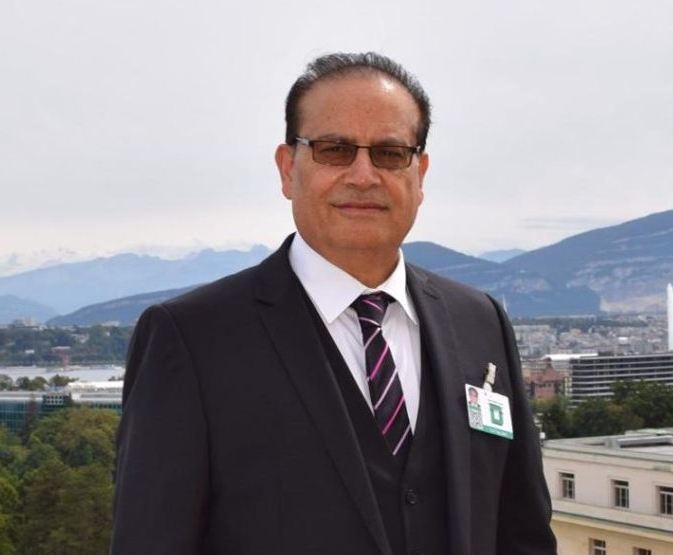
ISLAMABAD, May 19 (DNA): Rolling in from Islamabad, on May 19, Dr. Vaqar Ahmed, the Joint Executive Director of the Sustainable Development Policy Institute (SDPI), gave a shoutout to the potential of kicking trans fats to the curb and whipping up some healthier grub for folks in Pakistan. He was all about embracing iTFA-free alternatives and giving products a makeover to match up with changing rules and keep consumers happy and healthy.

At this jam session hosted by SDPI, named ‘Empowering SMEs; Training on reducing industrial trans fatty acids for a healthier Pakistan’, Dr. Ahmed put the spotlight on the need to dial down on those factory-made trans fatty acids (iTFAs). He made it clear: we need smart plans and solid rules to tackle this issue head-on.

The chat zoomed in on the nitty-gritty – where these bad fats come from, how they mess with our health, and what we can do to kick them out of our kitchens. Dr. Ahmed was all about laying down the next steps for both the little guys (that’s you, SMEs!) and the big guns in the government. SMEs gotta soak up all this know-how and make it part of their game plan, while the government’s gotta keep the support flowing, making sure everyone’s playing by the rules and cooking up new ideas.

Muhammad Salman from Cargill chimed in, saying this pow-wow was all about making life better for Pakistanis. He pointed out that even though there’s no official rulebook in Pakistan, Cargill’s sticking to the World Health Organization’s (WHO) limits and has cut ties with the oily business. He reminded us that the US got on board with labeling laws back in 2006 and gave businesses the heads-up to cut back on iTFAs by 2016.

Dr. Razia Safdar from SDPI jumped in, talking about how what we munch on affects our health big time in Pakistan. She served up the lowdown: our plates should have a bit of everything – carbs, proteins, and fats – but not all fats are made equal. Some are like superheroes (monounsaturated and polyunsaturated fats), but others, like trans fats, are more like villains, causing all sorts of health havoc.

She sounded the alarm on iTFAs lurking in stuff like margarine, banaspati, and baked goodies, linking them to serious health issues like diabetes and high blood pressure. And with Pakistan facing a crisis on that front, cutting back on trans fats could save lives.

Dr. Tahira Siddique from the Islamabad Food Authority pointed out that trans fats have been a hit since way back in the 20th century, thanks to their taste and staying power. WHO stats show Pakistan’s gulping down trans fats like nobody’s business, second only to Egypt in the Eastern Mediterranean Region. WHO’s on a mission to kick these bad fats to the curb through their ‘REPLACE’ program, and lots of countries are jumping on board.

Dr. Syed Muhammad Ghufran Saeed, holding it down at the University of Karachi, shared some strategies for kicking trans fats to the curb. He spilled the beans on how the trans fat content can change depending on how it’s made, and pointed out that more than a quarter-million folks meet their end each year thanks to these bad fats. He broke down five ways to cut them out or dial them down, from tweaking formulas to genetic tinkering.

Farah Ather from the Punjab Food Authority wrapped things up by sounding the alarm on Pakistan’s NCD crisis. She dropped the bomb that six out of ten deaths here are down to NCDs, with heart problems leading the charge.

The whole shindig was about giving SMEs the 411 on trans fat dangers and showing them the road to healthier products. By helping these small fries meet the rules on trans fats, Pakistan’s serving up a healthier meal for everyone.

Stay Connected

64FansLike
60FollowersFollow

Latest Reviews

Exchange Rates

USD - United States Dollar
EUR
1.17
GBP
1.35
AUD
0.67
CAD
0.72