Home Blog Page 681

Palestine: Israel’s actions contradict UN charter obligations

Palestine: Israel's actions contradict UN charter obligations

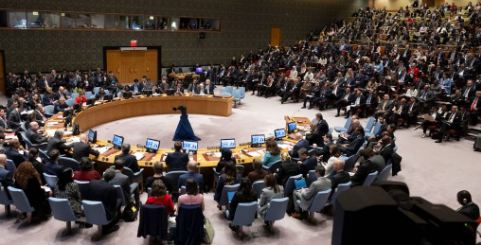
RAMALLAH, JUL 29 /DNA/ – The State of Palestine condemns the concerted efforts by Israel, the occupying power, to undermine and terminate the vital operations and provision of services by United Nations and other international agencies, including UNRWA. 

In addition to proceeding with legislation that preposterously attempts to expel and brand UNRWA as a “terrorist organization”, the Israeli government and occupation forces are limiting the presence, access, and operations of organizations mandated by the United Nations across the Occupied Palestinian Territory, including East Jerusalem. This, in addition to not renewing visas of UN staff, relentless incitement and targeting of humanitarian workers as well as the killing of the highest number of UN workers in the organization’s history.

This unparalleled hostile Israeli campaign against UN agencies, offices, and staff violently contradicts the spirit and obligations of States under the United Nations Charter. Such rogue conduct, in addition to the occupying power’s prolific violations of peremptory norms of international law, disqualify Israel from the rights and privileges of law-abiding members at the United Nations. Palestine will be working with other like-minded states to strip the illegal occupying power from those privileges. There will be no business as usual for pariah states.

Kashmir movement a continuous process as BJP, Congress uphold same policies: Experts

Kashmir movement a continuous process as BJP

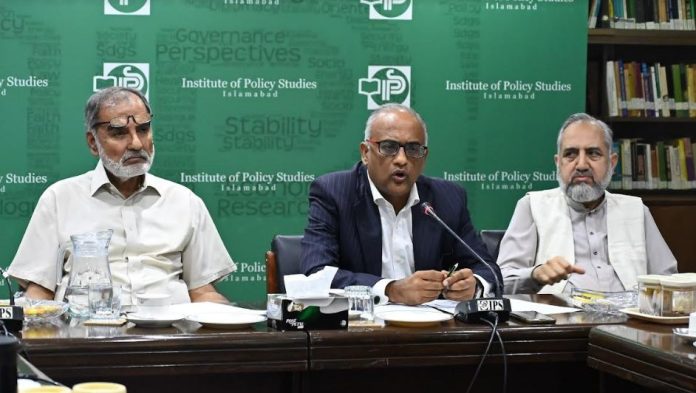
ISLAMABAD, JUL 29 /DNA/ – The Kashmir movement is likely to remain an ongoing process despite the slightly changed power dynamics following the general elections in India. Although the Bharatiya Janata Party (BJP) governs in coalition with other parties, both the BJP and the Indian National Congress share similar policies on foreign and domestic matters, including Kashmir.

While the Indian stance remains unchanged, various internal factors and shifts in the external environment will inevitably influence the situation over time and could act as catalysts for resolving the issue. Meanwhile, to effectively counter Indian policies, Pakistan must leverage its strengths, demonstrate long-term commitment, and adopt a strategic, multidimensional approach.

These views were expressed during the 23rd IPS Working Group on Kashmir meeting, titled ‘Third BJP Government: India’s Kashmir Policy and its Future Outlook’organized by the Institute of Policy Studies (IPS), Islamabad. The session, moderated by Ambassador (r) Syed Abrar Hussain, vice-chairman IPS, was addressed by Khalid Rahman, chairman IPS, Dr. Syed Muhammad Ali, security analyst and strategist, Dr Waleed Rasool, director Institute of Multi-Track Dialogue Development & Diplomatic Studies, Dr Raja Sajjad Muhammad Khan, director Kashmir Policy Research Institute, Iftikhar Gillani, Ankara-based Kashmiri journalist, and Farzana Yaqoob, former minister of AJK and IPS research associate.

The discussion emphasized the need for sustained efforts to counter India’s consistent policy of dominating occupied Kashmir, despite the BJP’s apparent weakened position after the elections. Recently, the Indian government has shifted administrative powers from the chief minister to the lieutenant governor to facilitate legislative changes. This move, made in anticipation of the legislative assembly elections expected in September 2024, is part of India’s strategy to secure de jure authority over Kashmir.

However, Kashmiris must remain resilient in their cause for self-determination. The significant increase in voter turnout in Kashmir – from 19.6% in 2019 to 50.86% in 2024 – reflects the use of voting as a means of survival and resistance. Additionally, the current plight of Muslims in India serves as a cautionary example for Kashmiris not to see their future with India.

The speakers emphasized that the impact of the BJP’s policy to assert control over occupied Kashmir has become increasingly apparent over time. Indian policies seek to manipulate the Kashmiris’ goal of self-determination by making it seem unachievable, making them feel ignored internationally, and distorting their mindset toward accepting Indian dominance. Delhi also misleads Kashmiris into believing that their future lies with India and pressures pro-India Kashmiri parties to align with Indian policies. Furthermore, India fabricates media narratives to portray Pakistan as unable to support Kashmiris and to discredit the legitimacy of their struggle. Its strategy includes punishing resilience and using media to reinforce its narrative.

Pakistan must adopt a comprehensive and multi-dimensional approach to counter Indian policies on all fronts, including legal, social, political, economic, security, diplomatic, diaspora, ideological, intellectual, and historical. This includes leveraging AJK’s legal standing in international forums, mobilizing Kashmiri youth to build a supportive narrative, and engaging young political activists to sustain hope and unity. Highlighting Indian atrocities, utilizing multilateral forums, and mobilizing the diaspora are also essential. Additionally, Kashmir’s soft power should be harnessed through literature and film, and historical data on Indian abuses should be meticulously compiled. Pakistan’s strategy should address global, regional, domestic, and resistance-focused dimensions to effectively advance the Kashmir issue.

In his concluding remarks, Khalid Rahman said that a multidimensional approach is crucial for effective policy-making in AJK and for Pakistan to play a strong international role. He stressed the importance of rekindling national Kashmiri sentiment and fostering hope, arguing that a focus on strengths rather than weaknesses is essential to overcome challenges. Rahman underscored that Pakistan must maintain a proactive stance to navigate the evolving geopolitical landscape.

Top Android Games to Play in Pakistan

Top Android Games to Play in Pakistan

Gaming on Android has never been more exciting, especially with the vast array of games available for download in Pakistan. Whether you enjoy classic board games, thrilling racing experiences, or immersive adventures, there’s something for everyone. Here’s a look at some of the most popular Android games you can enjoy right now.

Classic Board Games

Yalla Ludo – Ludo & Domino: Combining the traditional games of Ludo and Domino, Yalla Ludo brings these family favorites to your fingertips. With multiplayer options and in-game chat, it’s perfect for connecting with friends and family.

Ludo STAR: Another great option for Ludo lovers, Ludo STAR lets you play with friends or against the computer. Its engaging graphics and interactive gameplay make it a hit among all age groups.

Ludo King: One of the most popular Ludo games available, Ludo King offers classic gameplay with online multiplayer modes. It’s easy to see why it’s a favorite for casual gamers.

Sports and Simulation

8 Ball Pool: If you’re a fan of pool, 8 Ball Pool is a must-have. Challenge your friends or play against opponents from around the world in this addictive game that’s perfect for honing your skills.

Real Cricket™ GO: For cricket enthusiasts, Real Cricket™ GO offers a realistic cricketing experience. From playing quick matches to entering tournaments, it’s a comprehensive cricket game that’s sure to keep you hooked.

Free Fire MAX: This battle royale game offers high-quality graphics and fast-paced gameplay. With various modes and exciting challenges, Free Fire MAX is perfect for action lovers.

Call of Duty: Mobile: Experience the thrill of Call of Duty on your mobile device. With multiple game modes, stunning graphics, and intense action, this game brings the popular franchise to your fingertips.

Teen Patti Gold: Dive into the world of Teen Patti, a popular card game in South Asia. Play with friends or strangers in this thrilling game that tests your strategy and luck.

Adventure and Action

My Talking Tom Friends: Join Talking Tom and his friends in this interactive game where you take care of your virtual pets. It’s a fun and engaging game for kids and adults alike.

Hunter Assassin: Step into the shoes of a stealthy assassin in this action-packed game. Strategize your moves and eliminate targets without being caught.

Galaxy Attack: Shooting Game: Defend the galaxy from alien invaders in this thrilling shooting game. With multiple levels and powerful upgrades, it’s an exciting game for action fans.

Going Balls: Test your skills in this ball-rolling adventure. Navigate through challenging obstacles and levels to see how far you can go.

Subway Princess Runner: Join the endless running fun in Subway Princess Runner. Dodge obstacles, collect coins, and unlock new characters in this addictive game.

Racing and Driving

Indian Bikes Driving 3D: Get a taste of riding various bikes in this immersive driving game. With realistic physics and a wide range of bikes, it’s a treat for bike enthusiasts.

Moto Rider, Bike Racing Game: Feel the thrill of high-speed bike racing in this exciting game. Navigate through traffic, perform stunts, and race to the finish line.

Motocross Bike Racing Game: Take on challenging motocross tracks in this adrenaline-pumping racing game. With realistic graphics and intense gameplay, it’s a must-play for racing fans.

Car Race 3D: Car Racing: Enjoy fast-paced car racing action in this 3D game. With various tracks and customizable cars, it’s a great choice for car racing enthusiasts.

Civic Driving Games: Experience driving a Civic in this realistic driving simulator. Whether you’re practicing parking or enjoying a leisurely drive, it’s a fun game for car lovers.

Pakistan Car Simulator Game: Explore Pakistani cities in this detailed car simulator. With realistic environments and driving mechanics, it’s a great way to experience driving in Pakistan.

Casual and Puzzle Games

Pizza Ready!: Run your own pizza shop in this fun and fast-paced game. From making pizzas to managing orders, it’s a delightful game for food lovers.

Wood Screw Puzzle: Challenge your brain with this engaging puzzle game. Solve intricate wood puzzles and see how far you can go.

Rollance: Adventure Balls: Navigate through adventurous levels in this ball-rolling game. It’s a simple yet addictive game that’s perfect for casual gaming sessions.

Gardenscapes: New Acres: Embark on a garden renovation adventure in Gardenscapes. Solve puzzles, decorate your garden, and uncover a charming storyline in this popular game.

Miscellaneous

Google Play Games: Keep track of all your gaming achievements and friends with Google Play Games. It’s an essential app for any Android gamer.

GhoomoPhiroo Pakistan: For travelers and explorers, GhoomoPhiroo Pakistan offers detailed travel information and guides. It’s a handy app for discovering new places.

Whether you’re into intense action games, casual puzzles, or immersive simulations, these Android games offer endless entertainment. Download a few and start playing today!

Govt condemns life threats to CJP, adopt legal course against such tendencies

Govt condemns life threats to CJP, adopt legal course against such tendencies

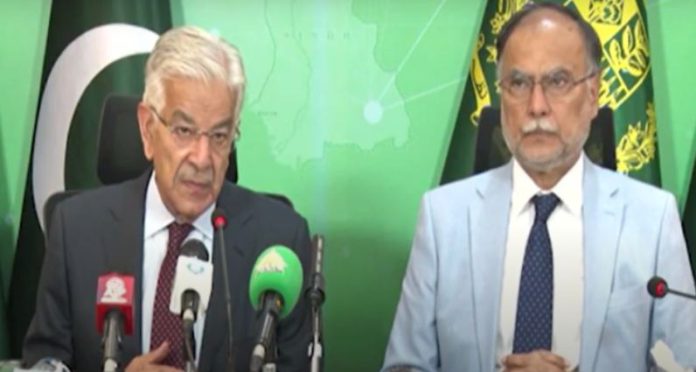
ISLAMABAD, Jul 29 (DNA):The government on Monday strongly condemned life threats to Chief Justice of Pakistan (CJP) Qazi Faez Isa by a certain group and announced initiating legal proceedings so that no one could dare to challenge the writ of the state.

“The law will take its course against the elements behind the provocative and baseless propaganda campaign against the CJP” said Defence Minister Khawaja Asif while addressing a press conference along with Federal Minister for Planning and Development Ahsan Iqbal.

He regretted that an attempt was being made to spread bloodshed in the name of religion for vested political interests.

He said that believing in the finality of the Holy Prophet Hazrat Muhammad (Peace Be Upon Him) is part of our faith.  He said that the Supreme Court has already clarified its position on the matter.

The minister pointed out that Qazi Faez Isa is being targeted for many years under various pretexts. He stated there there is an ongoing effort to silence a principled and upright voice in the judiciary.

Emphasizing the need for the rule of law, Khawaja Asif stated that the dictation of any individual or group will not be accepted.

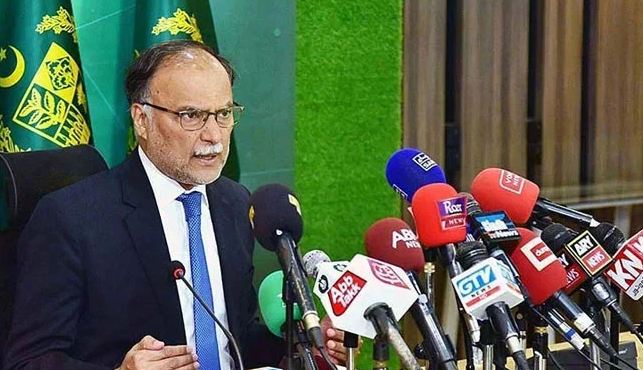
Meanwhile speaking on the occasion, Federal Minister for Planning, Development and Special Initiatives, Ahsan Iqbal strongly condemned a recent announcement by a group, threatening the life of Chief Justice Qazi Faez Isa, denouncing it as an act of sedition against the country’s constitution and religious values.”

He said that the government will also take legal action to prevent such incidents in future.  Adding that those behind this move belonged to the group established in 2027-28.

“This time, we are all united as Muslims, and our belief in Khatm-e-Nabuwwat (the Finality of Prophethood) is the foundation of our faith,” he remarked.

He emphasized that no Muslim needs a certificate from any individual or group to get a certificate of his/her faith in Khatm-e-Nabuwwat. He said that only courts have the right to punish or reward, no one else can decree murder.

He said that if this right is given to Ulema (Muslim Scholars) then every school of religious though could give its own verdict.

The minister said that Pakistan Ulema also condemned this issue jointly. The minister also highlighted the need for unity and refraining from creating anarchy in the society.

Is Ahsan Iqbal mulling resignation?

Is Ahsan Iqbal mulling resignation?

ISLAMABAD, JUL 29: Over the past few days, media and social media is abuzz with rumours of Pakistan Muslim League-Nawaz (PML-N) top leader and Federal Minister for Planning and Development Ahsan Iqbal’s resignation over differences with Planning Commission’s Deputy Chairman Dr Jehanzeb Khan.

Sources close to the federal minister claim he is not resigning but if the minister is not given a free hand and the interference continues, he will call it a day and be ready to accept any other position in the government.

When contacted Dr Jehanzeb said, “The country needs unison of thought in these challenging times. There is no discord. We are all working together for economic revival and improving the lot of common people.”

However, he did not offer any comment on the various issues pointed out to him. Observers in Islamabad point out that Prime Minister Shehbaz Sharif is surrounded by his own team that he brought from Lahore — all of them technocrats who have no political baggage.

Furthermore, Shehbaz is seen to have kept Nawaz Sharif’s team at a distance in the federal cabinet and has built his own team who are calling the shots.

Most of the Nawaz’s cabinet members are already out from PM Shehbaz’s team whereas those who make it to the current setup do not enjoy the same comfort they used to enjoy previously. The sources in the prime minister’s office, however, reject the impression of Nawaz’s team having been sidelined.

Apart from political reasons, there are several other factors and hindrances which have contributed to the rumours of Ahsan contemplating resignation from the Ministry of Planning Commission.

The first reason why Ahsan is considering resignation is that the streamlined decision-making is hindered in the Ministry of Planning, Development, and Special Initiatives. Both Ahsan and Jehanzeb have differing approaches to economic planning growth.

Sources informed that Jehanzeb believes in running the commission in a conventional bureaucratic manner, relying solely on the existing economist group within the ministry.

In contrast, Ahsan believes in inclusive governance, involving external experts and engaging with relevant stakeholders, industry, and academia — all of whom play pivotal roles in economic growth and development. The two different approaches are causing delays in the decision-making.

The second reason for Ahsan’s differences, according to sources, is that he wants to develop the 13th Five-Year Plan (2024-2029) aligned with the strategic road-map of the 5Es framework. This framework suggests both long-term and short-term solutions for uplifting the country’s crippled economy and increasing the country’s economic portfolio to $1 trillion by 2035.

For this purpose, a detailed strategy — Outlook 2035 — was formulated, offering an unconventional approach to economic planning. Whereas the deputy chairman of the Commission’s approach is traditional and he wants to run the Commission on the method of formulating yearly and five-year plans.

Sources claim that contrary to the deputy chairman’s approach, Ahsan believes the traditional methods have never yielded solid results for incumbent governments. Consequently, Pakistan has always been forced to seek support and guidance from the International Monetary Fund (IMF) and World Bank, which has proved disastrous in the long term.

The third reason, as per the sources, is that the minister wants to improve the functioning of the Planning Commission and build its capacity to match global institutions, learning from their experiences and economic models.

The fourth reason for Ahsan’s grievances is that during the finalisation of the 13th Five-Year Plan, all efforts made on developing the 5Es framework and Outlook 2035 during the 26 months of the Pakistan Democratic Movement (PDM) government were ignored. The sources claim that the plan does not align with any of the aforementioned strategic documents.

The sources claim that the Jehanzeb, who finalised the 13th Five-Year Plan during the interim government with the help of the economist group and the ministry’s administration, did not consult Ahsan after the February 2024 general elections.

Despite Ahsan’s insistence on aligning with the strategic plans and studies of the political government, the Deputy Chairman obtained approval from the National Economic Council (NEC) without consulting him.

According to the minister’s public statements also, he was not consulted before presenting the plan for approval. He believed the consultation was necessary to give complete ownership to the political government.

The fifth reason why Ahsan is thinking about resignation is that he believes the current structure of the Planning Commission requires reforms and a thorough overhaul. The sources informed that he has been holding continuous brainstorming sessions within the ministry with the economist group, sector leaders, and experts from various sectors.

Recently, a strategic move has been made to establish the National Economic Transformation Unit (NETU) at the ministry. This unit will assist the government in implementing economic policies and improving the overall strategy to achieve economic goals.

The NETU aims to unlock the potential of development initiatives of the government of Pakistan through strategic communication. This road-map outlines eleven key activities to promote development, engage stakeholders, and foster a national development discourse. By leveraging this road-map, the government will amplify impact, foster inclusive growth, and build a brighter future for all.

The sources claim that if the differences between the minister and the deputy chairman are not resolved, the government’s economic policy-making process may suffer in the long run.

Keeping in view the persisting differences in one of the key ministry’s top leadership, PM Shehbaz has to interfere and resolve this issue otherwise it will badly affect the government’s performance, the sources suggested.

Pakistan to play active role in commonwealth reforms, affirms Deputy PM Dar

Pakistan to play active role in commonwealth reforms

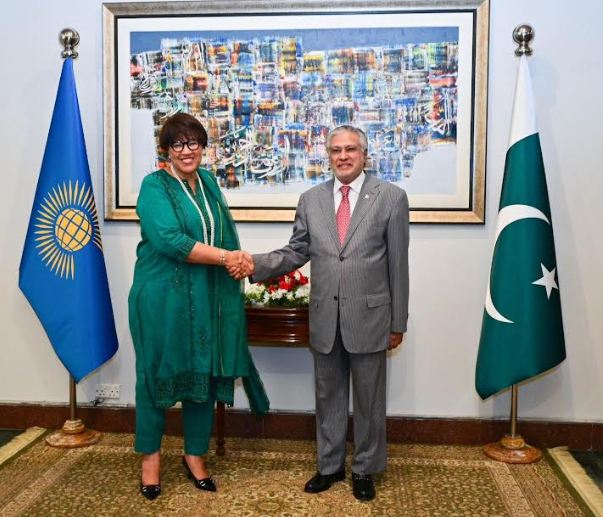
ISLAMABAD, JUL 29 /DNA/ – Deputy Prime Minister and Foreign Minister Mohammad Ishaq Dar extended a warm welcome to Commonwealth Secretary General Patricia Scotland during her inaugural visit to Pakistan. In his remarks at the Joint Media Stakeout, he praised Ms. Scotland for her eight years of dedicated service and her significant contributions to promoting the values and mission of the Commonwealth and modernizing its outlook.

Her presence in Pakistan today reflects her commitment to strong ties between Pakistan and the Commonwealth. We appreciate her tremendous contributions in promoting cooperation in the field of education, youth empowerment, capacity building and climate action.Secretary General’s personal support and climate advocacy on behalf of Pakistan following the devastating floods of 2022 was instrumental in our recovery efforts.

In our discussions today, I conveyed Pakistan’s deep appreciation and gratitude for her services to the Commonwealth and support for Pakistan.

As a founding member, Pakistan attaches great importance to the Commonwealthand institutions. Itis an important platform for forging consensus and developing partnerships in face of unprecedented global challenges. Its role in upholding the principles and norms of interstate relations is more crucial than ever.

We,therefore,believe that the Commonwealth should call for the resolution of outstanding disputes among Member States with greater urgency and press for the respect of international law and implementation of UN Security Council Resolutions.

In our meeting today, I reassured the Secretary General of Pakistan’s commitment to the Commonwealth Sustainable Development Agenda. Pakistan’s vision of regional connectivity and trade matches with the Commonwealth Connectivity Agenda. We are confident that the digital and physical connectivity clusters of the Commonwealth can contribute to developing strong partnerships amongst the member countries in terms of trade and connectivity.

I also conveyed our gratitude to the Secretary General for the technical assistance of the Commonwealth Secretariat in trade policy formulation, export development, and support for SMEs. This support is critical in capacity building and improved governance.

We see vast opportunities for collaboration with the Commonwealth in realizing our developmental goals, particularly in education, skills development, youth and women empowerment, health, and environmental preservation. Pakistan will, therefore,continue toengage with the Commonwealth with a special focus on women empowerment and capacity building for the young people.

Pakistan is honored to lead the Commonwealth agenda on youth, reflecting the high priority we place on our partnership with the Commonwealth.We value the support provided by the Commonwealth Youth Programme and are grateful for the support of the Secretary General during Pakistan’s chairmanship of the 10th Commonwealth Youth Ministers’ Meeting last year.

I also briefed the Secretary General of Pakistan’s policies to combat climate change. As one of the most climate-vulnerable countries, Pakistan will work with the Commonwealth in building partnerships in developing resilience against climate-induced disasters. We appreciate the Secretary General’s ongoing efforts in supporting Pakistan’s efforts.

Pakistan remains committed to supporting initiatives aimed at strengthening and modernizing the Commonwealth to meet 21st-century challenges. We will continue to play an active role in building bridges between the Commonwealth Secretariat and Member States and advancing Commonwealth reforms through our leadership of the Informal Working Group of the Board of Governors.

The Prime Minister looks forward to participating in the upcoming Commonwealth Heads of Government Meeting (CHOGM) in October in Samoa. I am also eager to engage with my counterparts at the Commonwealth Foreign Affairs Ministers’ Meetings.

In conclusion, let me reiterate Pakistan’s unwavering commitment to the principles enshrined in the Commonwealth Charter and our partnership with the Commonwealth.

We thank the Secretary General for her leadership during a period of great global change and appreciate her constructive. We honour the legacy she is leaving behind.

Iraq’s Tightrope Walk with US and Iran

Iraq's Tightrope Walk with US and Iran

Dr. Muhammad Akram Zaheer

An Iraqi military delegation is going to visit Washington soon, and there is a lot of anticipation and tension in Iraq about this visit. The focus is on the presence of American troops in Iraq, which has been a hot topic among Iraq’s various political groups. Iraqi Shi’a Islamist hardliners are especially eager to speed up the withdrawal of U.S. forces from their country. Since the 2003 invasion that removed Saddam Hussein, the presence of American troops in Iraq has been controversial. At first, these troops were seen as liberators, but over time, many Iraqis, especially Shi’a Islamist groups, have come to see them as occupiers. These groups believe that foreign troops undermine Iraq’s sovereignty and hinder its control over national security and internal affairs. These hardliners, who often have strong connections to Iran, view the American military presence as a way for the U.S. to exert influence in the region, which counters Iran’s influence in Iraq. Their demand for a quick withdrawal aligns with their opposition to U.S. policies in the Middle East. The killing of Iranian General QassemSoleimani by a U.S. drone strike in Baghdad in January 2020 intensified these feelings, leading to louder calls for the U.S. to leave. For the upcoming visit to Washington, these hardliners want the Iraqi delegation to take a firm stand and insist on a clear and quick timeline for the withdrawal of American troops. This position reflects their anti-American views and responds to growing frustration among Iraqis over the foreign military presence, which they blame for ongoing instability and violence. However, the Iraqi delegation faces a difficult situation. The United States has been an important ally, providing military support, training, and financial aid essential for Iraq’s fight against ISIS and other extremist groups. A sudden and unplanned withdrawal could create a power vacuum, potentially leading to more insurgent activities and further destabilization. The delegation needs to carefully balance these issues. While addressing the hardliners’ demands and the broader Iraqi desire for sovereignty, they must also consider the practical need to maintain a strategic partnership with the United States. This partnership is crucial not just for military support but also for economic and political stability. Moreover, the visit will be closely watched by other countries. Iran will be particularly interested in the outcomes due to its interests in Iraq. Other regional allies and adversaries will also be paying attention to how the U.S.-Iraq relationship develops, as it affects regional security dynamics.

In July, the Iraqi government is actively trying to maintain good relations with both the United States and Iran. On July 17, an Iranian-backed militia launched a drone attack on an Iraqi airbase where some of the 2,500 US troops in the country are stationed. There were no casualties, but this attack has raised concerns that the informal cease-fire arranged by Prime Minister Mohammed Shia al-Sudani between the Iranian-backed militias and the Americans may be falling apart. The militias and their allies in the Iraqi parliament believe that the US is delaying negotiations over the withdrawal of its forces from Iraq. Sudani has stated that the American-backed multinational coalition should leave, but he also wants to create a bilateral military support program with the US and other countries.

On July 8, a Pentagon delegation met with Iraqi officials in Baghdad to discuss the future of American military relations with Iraq, but there were no announcements about progress or a withdrawal timetable. Under pressure from hardline Shi’a Islamists, a Shi’a politician said on Iraqi TV that a withdrawal schedule announcement would come within weeks. However, Washington has not mentioned any timetable, leaving Sudani without political support. An Iraqi military delegation is expected to visit Washington soon, and Shi’a Islamist hardliners want Iraq to push for a quicker withdrawal of American troops.

Meanwhile, on July 13, Iraqi Foreign Minister Fuad Hussein met with US Treasury Under Secretary for Terrorism and Intelligence Brian Nelson in Washington. He urged the US to ease sanctions that have blocked about 30 Iraqi commercial banks from accessing dollars and the international banking system. Hussein claimed that the Iraqi banking sector has made reforms to address American concerns about money laundering benefiting Iran and its proxies. Although the Treasury Department appreciated Iraq’s commitment to reform, it did not indicate any easing of the sanctions. Hussein also met with State Department Under Secretary for Political Affairs John Bass to seek assistance regarding Iranian funds frozen in Iraq, but the State Department also gave no public sign of flexibility.

In a positive development for Baghdad, the State Department announced last week that it had granted another four-month waiver to the Iraqi government, allowing it to buy Iranian electricity without facing American sanctions. The State Department spokesperson said that Baghdad was making steady progress toward finding alternative sources to replace Iranian electricity imports. Given the extreme heat in Iraq this summer, improving the electricity supply is more crucial than ever for the Iraqi people.

Power bills enrich IPP mafia, bankrupting poor

Power bills enrich IPP mafia

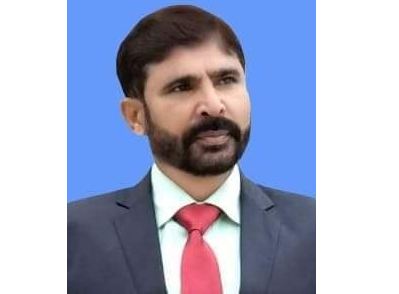
ISLAMABAD, JUL 29 /DNA/ – Former President of the Islamabad Chamber of Commerce and Industry (ICCI), Dr. Shahid Rasheed Butt, said on Monday that soaring energy costs are hurting the poor and middle class while benefiting the powerful and ruthless elite class.

He said that rising energy costs are forcing industrialists to close their mills, while the underprivileged and the middle class are struggling to survive.

Shahid Rasheed Butt said in a statement today that many people whose income is insufficient to cover their electricity bills are making ends meet by selling jewellery and household items.

He stated that political interests are being prioritised over the people, while the masses are being robbed mercilessly.

The business leader said that increasing installed capacity beyond requirements, ignoring the bidding process, and giving profit determined in dollars is not a mistake, but deliberate attempts aimed at amassing billions have made the country bankrupt and the people mentally ill.

He emphasized that in this contest, we cannot ignore the negative character of politicians and Nepra’s failure to safeguard the interests of the masses.

According to Shahid Rashid Butt, the responsible institution should bear the burden of recovering the losses from stolen electricity and unpaid bills.

He noted that influential individuals receive free or extremely cheap electricity, forcing the masses to foot the bill, which is unjustified.

He said that if the government stops collecting 24.5% of income and sales tax during summer electricity bills, then the consumer’s bills will decrease by 24.5%. At the same time, the government’s revenue will decline by Rs 50 billion.

A reduction in PSDP, which is 1150 billion rupees, easily covers the loss of Rs 50 billion if authorities desire so, he said.

He pointed out that to appease the assembly members, the development spending from the previous year, which was seven hundred and five billion rupees, has now increased to eleven hundred and fifty billion rupees.

It’s not a big deal to subtract fifty billion rupees from the Rs 1150 billion budget, but it’s only possible if the goal is to provide some relief to the people.

The government’s income will decrease by 300 billion rupees if it abolishes taxes on electricity bills for the entire year and reduces the development budget to make up for the losses.

Even if the development budget is reduced to meet the losses, it will be 150 billion rupees more than last year’s development budget, which will be enough to keep the legislators pleased.

Such a move will not only provide relief to the masses but also improve production and exports.

The government charges 18 percent of the sales tax on LNG and furnace oil imports, which it uses to run its power plants. Reducing this tax will result in lower electricity bills, but only if the authorities plan to provide some relief to the suffering people.

He observed that while the cost of electricity has increased, the practice of overbilling, which aims to defraud people, needs to cease.

Wily Politicians and Their Ill-Judgements

Wily Politicians and Their Ill-Judgements

Dr M Ali Hamza

The ninth vice president of Indonesia (2001-2004), Hamzah Haz was a smart politician known for his strategic manoeuvring. It was sad to hear about his passing on July 24, 2024.From newspaper journalism to teaching economics, from cabinet ministry of People’s Representative Council (DPR) to serving as a minister of investment, and from the vice presidency to the position of party’s presidential candidate in the 2004 Indonesian presidential election, Haz smartly played his cards. It is said that he adeptly navigated Indonesia’s volatile political landscape during the post-Suharto era. His ability to form alliances and his pragmatic approach to governance helped him gain influence. However, Haz’s tenure was marred by allegations of controversy over his conservative views. Despite these challenges, his political acumen allowed him to maintain a significant role in shaping Indonesia’s political dynamics during a critical period of democratic transition.

Though Haz had a reputation as a wily politician, buthis speech before Muslim clerics at Abubakar’s Solo boarding school in May 2002 is remembered as ill-judged and has attracted lot of criticism. This article is not about a criticism on Haz but to learn from recent history where shrewd politicians have made politically incorrect statements and took inappropriate decisions.

In the world of politics, strategy and cunning are often as crucial as vision and policy. While many politicians adeptly navigate the complexities of governance and public opinion, others, despite their political acumen, have made missteps that have tarnished their legacies. Here are some notable examplesof wily politicians whose ill-judged actions have had significant repercussions.

Richard Nixon, the 37th President of the United States, is perhaps the most infamous example of a shrewd politician undone by his own actions. Known for his foreign policy achievements, particularly in opening diplomatic relations with China and détente with the Soviet Union, Nixon’s presidency was ultimately marred by the Watergate scandal. The attempt to cover up a break-in at the Democratic National Committee headquarters led to his resignation in 1974, making him the only USpresident to resign from office. Nixon’s involvement in the scandal and the subsequent cover-up was a profound misjudgement that overshadowed his political career.

David Cameron, the former Prime Minister of the United Kingdom, is a prime example of a politician whose calculated risk backfired spectacularly. In 2016, Cameron called for a referendum on the UK’s membership in the European Union, confident that the vote would favour remaining in the EU. However, the result was a narrow victory for the Leave campaign, leading to Brexit. The decision to hold the referendum, intended to settle internal party divisions and political pressure, instead resulted in Cameron’s resignation and long-term uncertainty and division in the UK.

Aung San Suu Kyi, once celebrated as a symbol of peaceful resistance and democratic ideals, faced international condemnation for her handling of the Rohingya crisis in Myanmar. As the de-facto leader of Myanmar, her government was accused of ethnic cleansing against the Rohingya Muslim minority. Suu Kyi’s refusal to condemn the military’s actions and her perceived complicity significantly damaged her reputation. Her ill-judged defence of the military at the International Court of Justice in 2019 further alienated her from the global community.

Nicolas Sarkozy, the former President of France, has had his share of legal woes that have overshadowed his political career. Known for his dynamic and often divisive leadership style, Sarkozy faced multiple investigations into alleged corruption and campaign financing violations. In 2021, he was found guilty of corruption and influence peddling, receiving a three-year prison sentence, two of which were suspended. These legal issues and the decisions that led to them have severely tarnished Sarkozy’s legacy as a political leader.

Benjamin Netanyahu, Israel’s longest-serving prime minister, is another politician whose career has been overshadowed by allegations of corruption. While he has been a dominant force in Israeli politics, Netanyahu was indicted on charges of bribery, fraud, and breach of trust in 2019. His alleged involvement in a series of corruption scandals, including accepting expensive gifts and offering regulatory favours in exchange for favourable media coverage, has cast a long shadow over his political achievements. Netanyahu’s attempts to avoid prosecution and his divisive rhetoric have further polarized Israeli society. Moreover, his repeated decisions to launch attacks on Gaza have had profound implications, both for his political career and for Israel’s standing in the world.Netanyahu is facing political isolation and having fractures within his ruling coalitions, making governance increasingly difficult.Israeli citizens, tired of the endless cycle of violence, have staged protests and expressed their dissatisfaction with Netanyahu’s leadership. War crime allegations, human right violations, diplomatic fallout, decline in tourism, stalled negotiation, huge cost of conflict, are the results of Netanyahu worst ill-judged decision. There are critics who believe that he had paid all this price to cover-up his series of corruption scandals and to secure his political career, but in vain.

Imran Khan, the former Prime Minister of Pakistan, came to power with promises of reform and anti-corruption measures. However, his tenure was marked by economic instability and poor management, culminating in a severe financial crisis. Khan’s government struggled with inflation, a burgeoning debt crisis, and an inability to secure consistent international financial support. His policies, including abrupt changes and a lack of coherent strategy, agricultural neglect, bureaucratic paralysis, suppressing political opposition, poor foreign policy, lack of substantial reforms in the education sector, mismanaged privatization, wereseen as mis judgments that undermined his political credibility.

These examples highlight the fragile nature of political power and the delicate balance between strategic political manoeuvring and disastrous mis judgments. These politicians’ ill-judged actions not only impacted their careers but also had far-reaching consequences for their countries and the international community. In the high-stakes realm of politics, even the most astute leaders can see their legacies unravel due to a single misstep. Indeed, the political world is complex, as are the personalities of politicians. Therefore, studying the darker side of wily politicians can be highly beneficial in manifolds.

Author’s email: [email protected]

IESCO issues power suspension notice

IESCO announces planned power cuts for development work in Islamabad region

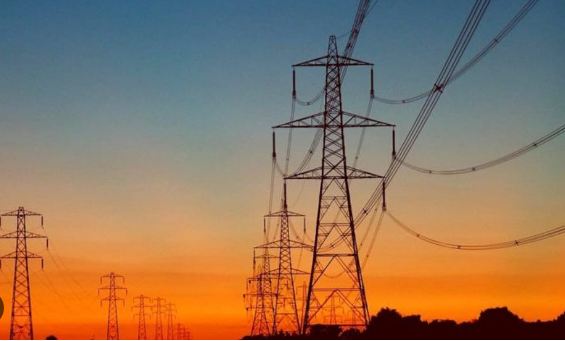
ISLAMABAD, JUL 29 (DNA) — According to Islamabad Electric Supply Company (IESCO)’s spokesman, System Maintenance/Development Work is in process. Therefore power supply of below mentioned feeders/areas will be temporary suspended as per given schedule:

On 29th July 2024, From 06:00 AM to 10:00 AM, Islamabad Circle, Comst, Chatta Bakhtawar, Park Enclosure, Kandarajgaan, Tramri, ISI, Rahara, PHA.I&II, Kurry Road, CM Pak Zong, Isolation Hospital, Fazahia. I&II, Bajniyal, Top City, Mumtaz City,F-17/1&2, Nogzi, Athal, Shahpur, Tret, Bhara Kaho.I&II, NIH, Golf Colony, FSH, I-8/4, I-11/1, I-11/3, METRO, PHA-II, I-10/1 Feeders, Rawalpindi City Circle, Ratta, Pandhaon, Ghosia Colony, P&T Winny, Jhangi, EME Complex Feeders, Rawalpindi Cantt Circle, NPF.I, Mehboob Shaheed, Park View, Pindi Board, Jail Park, Car Chowk, Qureshiabad, Garja.I, Hayal, Gulshan Fatima, Ranyal, Moort Feeders, Attock Circle, Mansar, Haji Shah, Kamra Rural, Hameed Feeders, Chakwal Circle, Dhadial Express Feeder, From 08:00 AM to 12:00 Noon, Islamabad Circle, PC, TDCP, MCM, Gharial, Kohala, Sunny Bank Feeders, Chakwal Circle, Dhoda Feeder, From 05:00 AM to 10:00 AM, Attock Circle, Chhab, Mahfuz Shaheed feeders and surrounding areas will remain closed. IESCO management apologizes to its esteemed customers for the power outage. If the work is completed ahead of time, the power supply can be restored even before the scheduled time. — DNA

Stay Connected

64FansLike
60FollowersFollow

Latest Reviews

Exchange Rates

USD - United States Dollar
EUR
1.17
GBP
1.35
AUD
0.67
CAD
0.72