Home Blog Page 616

Trump’s TAKE IT DOWN Act: Not Enough to End Sexual Exploitation

Qamar Bashir

By Qamar Bashir

The global crisis of sexual exploitation did not happen by chance. It was the direct consequence of a single legal decision: the June 21, 1973 ruling by the U.S. Supreme Court in Miller v. California, which legalized the distribution and marketing of adult content under the guise of free speech. This decision unleashed a monster that grew unchecked, embedding itself into cultures, economies, and digital landscapes worldwide. Today, we are living with the consequences of that decision, and unless the root cause is reversed, no legal reform, including the recently passed TAKE IT DOWN Act, will be enough to stop the damage.

The pornography industry is not a small fringe sector—it is a global behemoth. Estimates put its annual revenue between $97 billion and $100 billion. In the United States alone, the industry contributes between $12 and $20 billion to the economy. In California, over 50,000 individuals work in the porn sector, from performers to production crews. This industry thrives on the exploitation of women, children, and marginalized communities—turning human intimacy into a commodity for mass consumption.

The online adult entertainment market, valued at $76 billion in 2024, is projected to exceed $118 billion by 2030. Cable and satellite providers also profit enormously, retaining up to 80% of pay-per-view revenues from adult content. And this is not a phenomenon confined to the United States. The ripple effects of America’s legal precedent have spread worldwide, creating industries of sexual exploitation in vulnerable countries.

Thailand: Once known for its cultural heritage, Thailand has become a global hub for sex tourism. Thousands of women and children, often trafficked, are trapped in an industry catering to foreign demand, particularly from Western countries.

Philippines: The country faces an epidemic of online sexual exploitation of children (OSEC). Tens of thousands of minors are coerced into performing explicit acts in front of webcams, with paying customers predominantly in the U.S. and Europe. The National Bureau of Investigation (NBI) reported over 30,000 cases of OSEC in a single year.

India: With weak enforcement and a booming digital market, India is grappling with millions of cases of non-consensual intimate images, sextortion, and revenge porn. Victims, predominantly women, face lifelong stigma and psychological trauma.

Pakistan: The impact of legalized pornography has been profound. The Pakistan Telecommunication Authority reported that approximately 20 million Pakistanis attempt to access pornographic websites daily, despite government bans. In 2023, the NGO Sahil documented 4,253 cases of child abuse, with over half involving sexual abuse. Additionally, the U.S. State Department’s 2024 Trafficking in Persons Report identified 20,809 sex trafficking victims in Pakistan, including 921 children.

Africa: Trafficking networks in Nigeria, South Africa, and other regions have expanded, with victims—especially minors—coerced into sex work. Human trafficking for sexual exploitation is now one of the fastest-growing criminal enterprises across the continent.

Europe: The European Union reported over 10,000 victims of human trafficking in a single year, with the majority subjected to sexual exploitation. Eastern Europe, in particular, has become a pipeline for trafficking women into Western markets.

United States: Despite its legal protections, the U.S. is far from immune. The National Human Trafficking Hotline identified 15,299 victims in 2022, with 5,572 cases involving sex trafficking. The FBI has flagged an alarming rise in cases of child exploitation linked to online pornography.

Globally, the University of Edinburgh estimates that over 300 million children are victims of online sexual exploitation and abuse annually. In the UK alone, reports of AI-generated child sexual abuse material surged by 380% in a single year. These statistics are not just numbers—they are lives shattered, futures stolen, and human dignity erased.

This is the landscape in which the TAKE IT DOWN Act was introduced. The Act, passed in December 2024 and signed into law by Trump on 19th of May 2025 was championed by First Lady Melania Trump aimed at criminalizing the distribution of non-consensual intimate images, including deepfakes, and requires platforms to remove such content within 48 hours of notification. It is a necessary step, but let us be honest—it is not enough. The law addresses the symptoms of the problem, not its cause.

The real issue is that the legal framework created by Miller v. California remains intact. As long as pornography—whether consensual, adult, or otherwise—is legally protected and commercially distributed, the monster will continue to thrive. The victims, especially in poorer nations, will not have the resources, knowledge, or legal access to seek redress. They will remain trapped in a system that profits from their suffering.

It is not practical to expect millions of exploited individuals across the globe to navigate complex legal systems to have their images removed. Laws like the TAKE IT DOWN Act are reactive; they respond after the harm is done. By then, the damage—psychological, reputational, and financial—is irreversible.

What is needed is a complete reversal of the 1973 decision. Pornography, in all its forms—whether adult, consensual, or otherwise—must be outlawed. This is not about censorship or prudery; it is about common sense and basic human decency. It is about dismantling an industry that profits from the exploitation of the vulnerable, the normalization of deviance, and the destruction of societal values.

The numbers speak for themselves. The global sex trade, fueled by legalized pornography, is estimated to involve over 25 million people, with children—both girls and boys—making up a significant portion of the exploited. Human trafficking for sexual purposes alone is a $99 billion industry. These figures represent not just economic data but a moral failure on a global scale.

The TAKE IT DOWN Act is a step in the right direction, but unless we confront the root cause—the legal and commercial normalization of pornography—the exploitation will continue. The world must learn from America’s mistake, not repeat it. It is time for countries to outlaw pornography entirely, dismantle the legal frameworks that protect it, and take decisive action to protect their citizens—especially the most vulnerable.

This is not a call for censorship; it is a call for sanity. A call to protect the fundamental dignity of the human person, to stop treating bodies as commodities, and to halt an industry that has done untold harm. The TAKE IT DOWN Act has opened the door. Now, the world must walk through it and finish the job.

By Qamar Bashir

Press Secretary to the President (Rtd)

Former Press Minister at the Embassy of Pakistan to France

Former MD, SRBC

Macomb, Michigan, USA

China’s Open Support to Pakistan — A strategic shift with global implications

China’s Open Support to Pakistan — A strategic shift with global implications

In a defining moment of strategic realignment in South Asia, China has emerged from the shadows of subtle diplomacy to openly back Pakistan in its conflict with India. This public endorsement is not merely a gesture of regional alliance; it is a strong, calculated message to New Delhi and the broader global community: Pakistan is not alone, and China is ready to recalibrate the regional balance of power if necessary.

China’s support for Pakistan has traditionally remained implicit—economic cooperation, arms transfers, diplomatic cover in international forums, and coordination on multilateral platforms like the Shanghai Cooperation Organisation. However, the latest developments mark a stark shift from quiet diplomacy to visible and vocal alignment. The Chinese military’s cooperation with Pakistan during the recent India-Pakistan conflict has not only fortified Pakistan’s strategic standing but also allowed China to discreetly test and demonstrate its advanced warfare capabilities under real combat-like conditions.

This support to Pakistan should not be viewed in isolation. It is intricately linked to China’s broader geopolitical ambitions, especially concerning Taiwan. As tensions escalate across the Taiwan Strait, the Chinese leadership seems intent on drawing lessons from the subcontinental theatre—deploying, assessing, and refining its military technologies and operational readiness. The South Asian war has, in effect, become a proving ground for potential tactics that could be employed in a future confrontation with Taiwan and, by extension, the United States.

Furthermore, Beijing is playing a crucial role in stabilizing Pakistan’s western frontier by mediating between Islamabad and the Afghan Taliban. This effort is not rooted in altruism, but in cold strategic calculation. China’s massive investments under the Belt and Road Initiative (BRI), particularly the China-Pakistan Economic Corridor (CPEC), cannot flourish in a region mired in instability. Peace on Pakistan’s western border is imperative for uninterrupted economic integration and for the security of Chinese assets and personnel in the region. Thus, China’s involvement in regional diplomacy is as much about securing its economic stakes as it is about bolstering its strategic partner.

The messaging to India is unambiguous: any future engagement with Pakistan will also have to account for the potential involvement of a powerful northern neighbor. India now faces a more complex strategic equation—one that demands not only preparedness on its western border but heightened vigilance along the Line of Actual Control (LAC) with China.

China’s newfound openness in supporting Pakistan is a watershed moment. For decades, China preferred strategic ambiguity, carefully balancing its ties with India while cultivating Pakistan as a counterweight. That era seems to have ended. Whether this shift is permanent or a temporary posture in the evolving chessboard of global power politics remains to be seen. But for now, it signals a decisive moment in regional geopolitics.

The implications are profound. A China-Pakistan nexus that is openly military and political in nature will not only challenge India’s regional dominance but could also redraw the security architecture of South Asia. This alliance demands careful assessment—not just by India, but by the international community—because what unfolds in South Asia may soon echo across the Taiwan Strait.

UK-EU relations in a post-Brexit world

UK-EU relations in a post-Brexit world

The relationship between the United Kingdom and the European Union, once defined by deep integration, has undergone a profound transformation in the aftermath of Brexit. Since formally exiting the EU in January 2020, the UK has charted its course as an independent sovereign state, no longer tethered to the EU’s economic, legal, or political structures. Yet despite the formal separation, the fates of Britain and the EU remain inextricably linked—by geography, trade, security, and shared global challenges.

Post-Brexit relations have been turbulent. The early years were marked by friction over trade protocols, particularly in Northern Ireland, and regulatory divergence that led to economic and political uncertainty. The Northern Ireland Protocol became a flashpoint, reflecting deeper tensions between preserving the Good Friday Agreement and enforcing the integrity of the EU single market. These early conflicts highlighted the growing pains of a new and more distant relationship between former partners.

However, time has also brought a degree of pragmatism. In 2023, the Windsor Framework helped ease tensions over Northern Ireland, offering a more balanced approach to customs and regulatory checks. This agreement was not just a diplomatic achievement—it was a necessary step toward rebuilding trust and cooperation between London and Brussels.

On trade, the UK remains one of the EU’s most important partners, despite no longer being part of the single market or customs union. The EU is the UK’s largest trading partner, accounting for nearly half of its exports and imports. Meanwhile, the UK is the EU’s third-largest trading partner. While new bureaucratic hurdles and regulatory differences have emerged, businesses on both sides have adjusted, albeit at a cost. Going forward, there is a growing consensus among UK businesses and some policymakers for more streamlined cooperation, if not closer alignment, in key sectors like financial services, energy, and data protection.

In terms of foreign policy and security, the UK and EU face a common set of challenges: Russia’s aggression in Ukraine, instability in the Middle East, cyber threats, and the rise of authoritarianism. These shared concerns have revived conversations about strategic cooperation. Though the UK chose not to be part of the EU’s Common Security and Defence Policy, it continues to work closely with European allies through NATO and ad hoc coalitions. There is growing momentum for deeper collaboration on intelligence-sharing, counterterrorism, and defence technology.

Migration and climate change represent other domains where UK-EU cooperation is crucial. Both sides understand that solutions to transnational issues cannot be addressed in isolation. Recent agreements on channel crossings and energy transition demonstrate that, while divorced institutionally, the UK and EU remain bound by mutual interests and values.

In conclusion, UK-EU relations have entered a new phase—not one of integration, but of managed separation and selective cooperation. The challenge now is to shift from reactive diplomacy to a more structured and forward-looking partnership. Brexit may have ended a political union, but it cannot dissolve centuries of interdependence. A mature, constructive relationship is not only possible—it is essential for the future stability and prosperity of both the UK and Europe.

Africa Day celebrated with vibrancy in Islamabad

Africa Day celebrated with vibrancy in Islamabad

Ansar M Bhatti

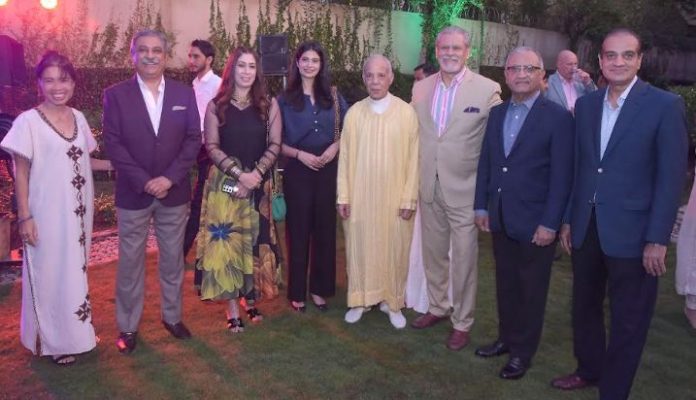
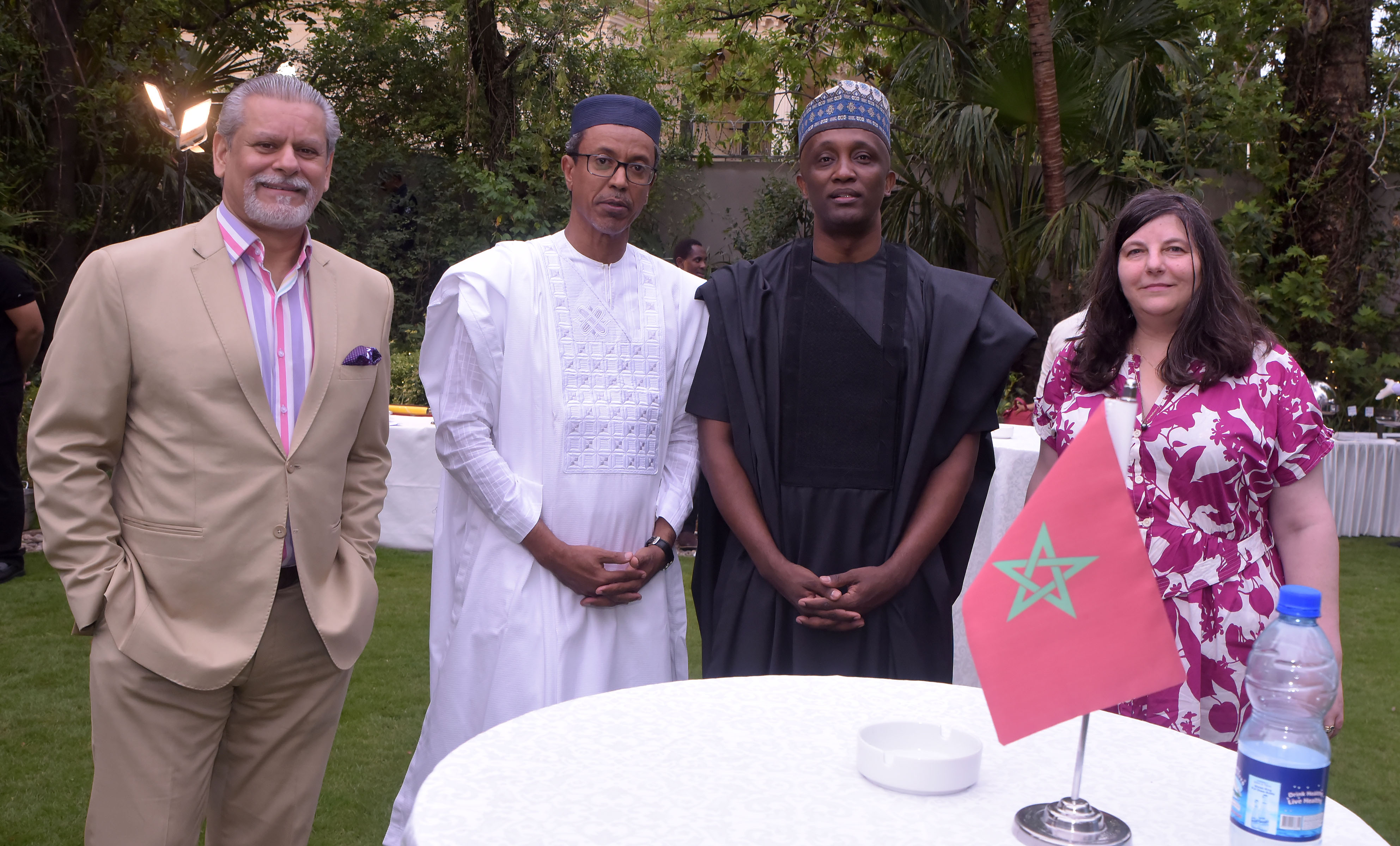
ISLAMABAD – The rich cultural diversity and heritage of the African continent came alive in Islamabad as diplomats, officials, and guests gathered to celebrate Africa Day at a vibrant reception hosted at the residence of the UN Resident and Humanitarian Coordinator for Pakistan, Mr. Mohamed Yahya.

The event was co-hosted by Mohamed Karmoune, Dean of the African Group in Islamabad and Ambassador of Morocco, and Hamid Asghar Khan, Additional Foreign Secretary (Africa) from Pakistan’s Ministry of Foreign Affairs. The celebration marked not just Africa’s shared history and achievements, but also its evolving partnership with Pakistan and the international community.

Africa Day, observed annually on May 25, commemorates the founding of the Organization of African Unity (now the African Union) in 1963. In Islamabad, it served as a moment of cultural exchange and diplomatic camaraderie. Diplomats from across Africa and friends of the continent joined in a spirited evening that reflected Africa’s unity in diversity.

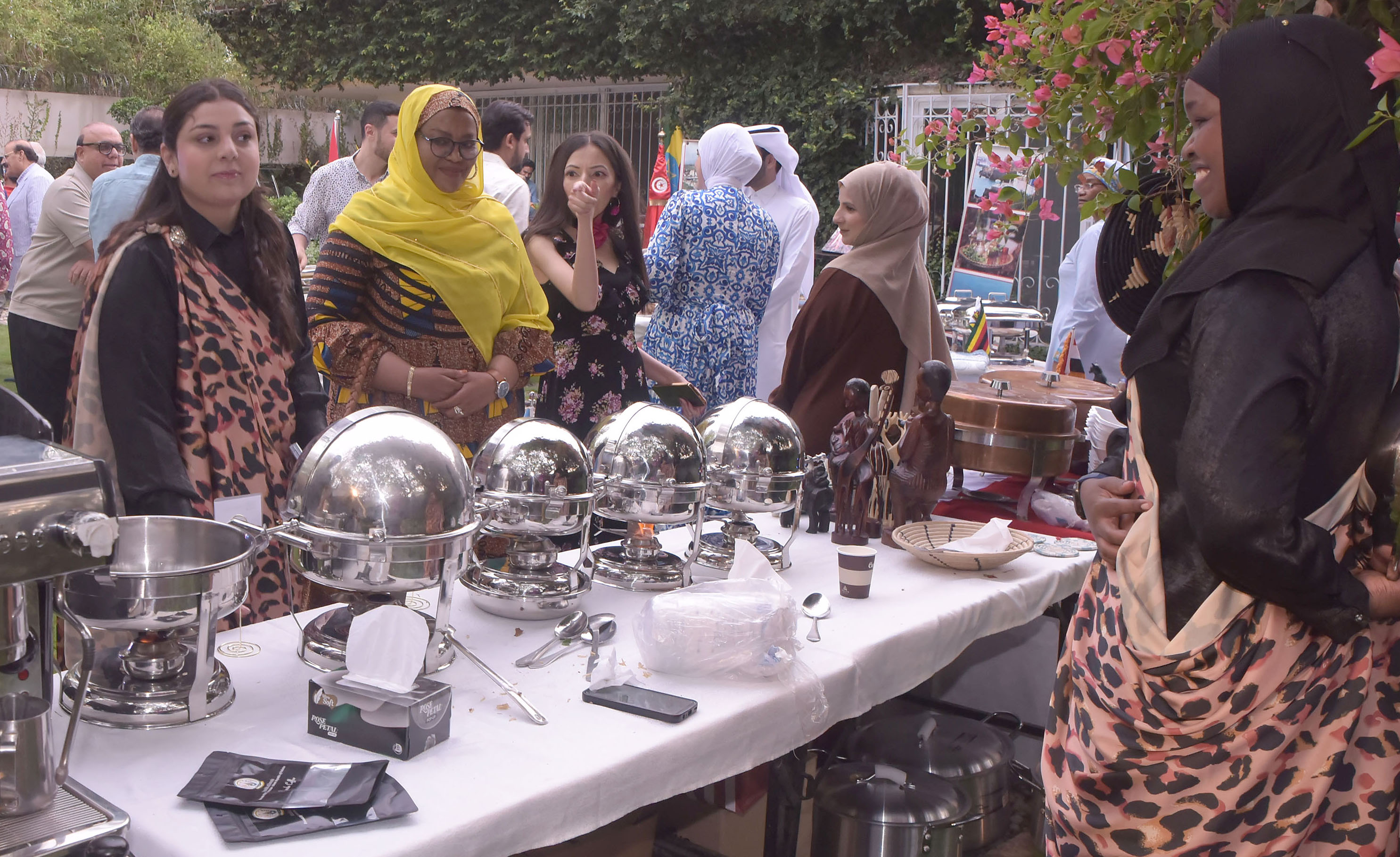
The highlight of the evening was the array of food stalls, set up by various African embassies, offering guests a chance to indulge in authentic African cuisine. From Moroccan tagine to Egyptian koshari to Sudanese stews, the event was a culinary journey across the continent. The colors, aromas, and flavors at each stall told stories of traditions, history, and national pride.

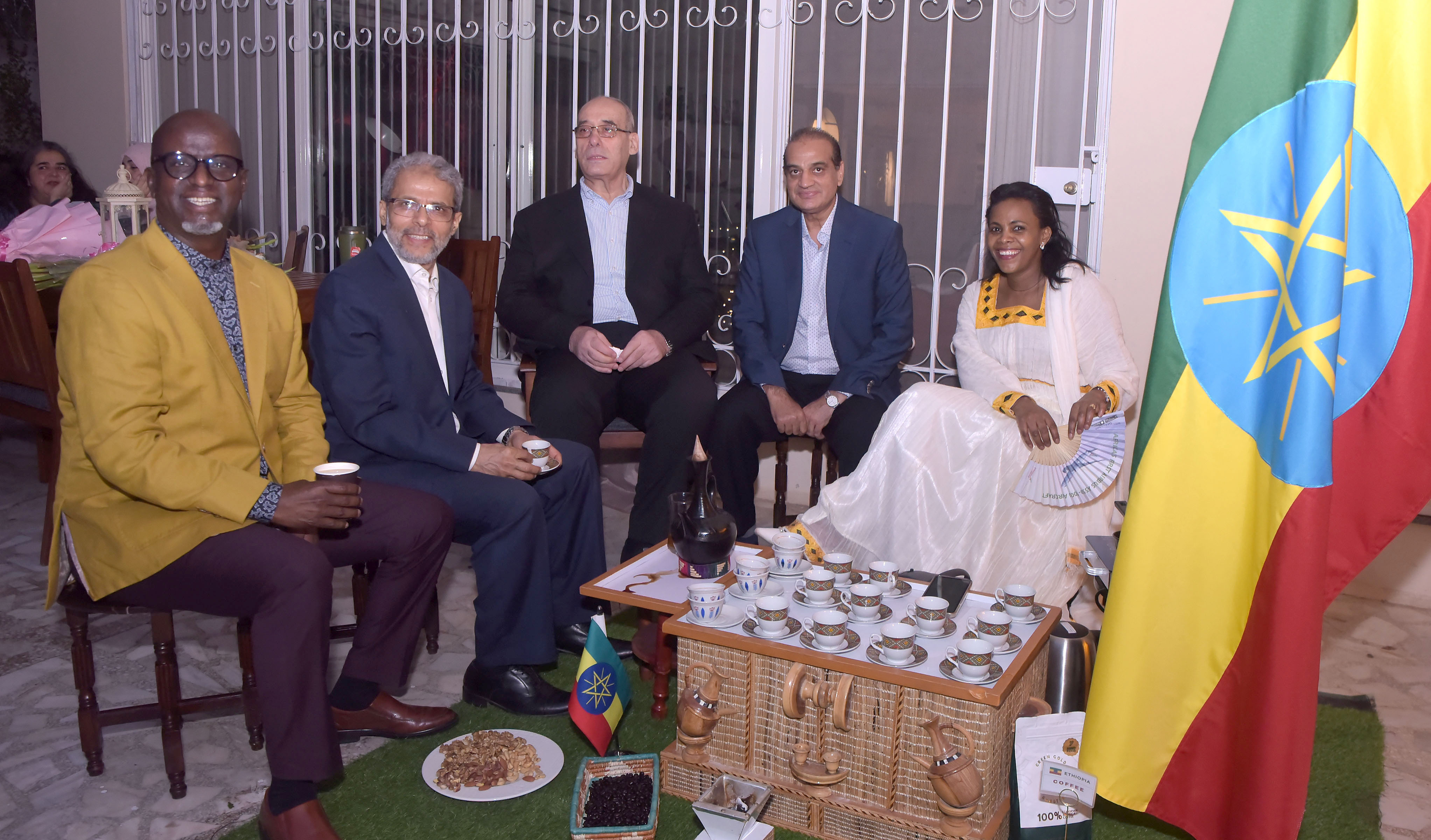
In a unique cultural gesture, the Embassy of Ethiopia established a traditional coffee corner, introducing guests to the centuries-old Ethiopian coffee ceremony. Attendees were treated to freshly brewed Ethiopian coffee, served with customary hospitality. The ritual of roasting, grinding, and brewing was performed live, and many found the aromatic experience both relaxing and enlightening.

Speaking on the occasion, the dean of the African group emphasized the growing importance of Africa in global geopolitics and development. He noted that Africa, with its young population and abundant natural resources, represents both a challenge and an opportunity in the world’s pursuit of peace, prosperity, and sustainability.

Ambassador Mohamed Karmoune thanked Pakistan for its continued support and engagement with African nations. He highlighted the historical bonds that unite Africa and Pakistan, rooted in anti-colonial solidarity and enhanced by modern-day cooperation in trade, education, and diplomacy.

Hamid Asghar Khan, representing the Foreign Office, reaffirmed Pakistan’s commitment to deepening ties with Africa under its “Engage Africa” policy. He appreciated the role of the African diplomatic corps in Islamabad in fostering people-to-people and government-to-government connections.

The evening concluded with music, and an atmosphere of warmth and unity. African diplomats expressed appreciation for Pakistan’s hospitality and the opportunity to showcase their cultures in a spirit of friendship and shared vision.

Africa Day 2025 in Islamabad was not just a celebration—it was a reaffirmation of a global commitment to unity, development, and mutual respect. Events like these continue to bridge continents and bring people closer together in a world that increasingly values diversity and cooperation.

Turkish cuisine week celebrated with flavor and fraternity in Islamabad

Turkish cuisine week celebrated with flavor and fraternity in Islamabad

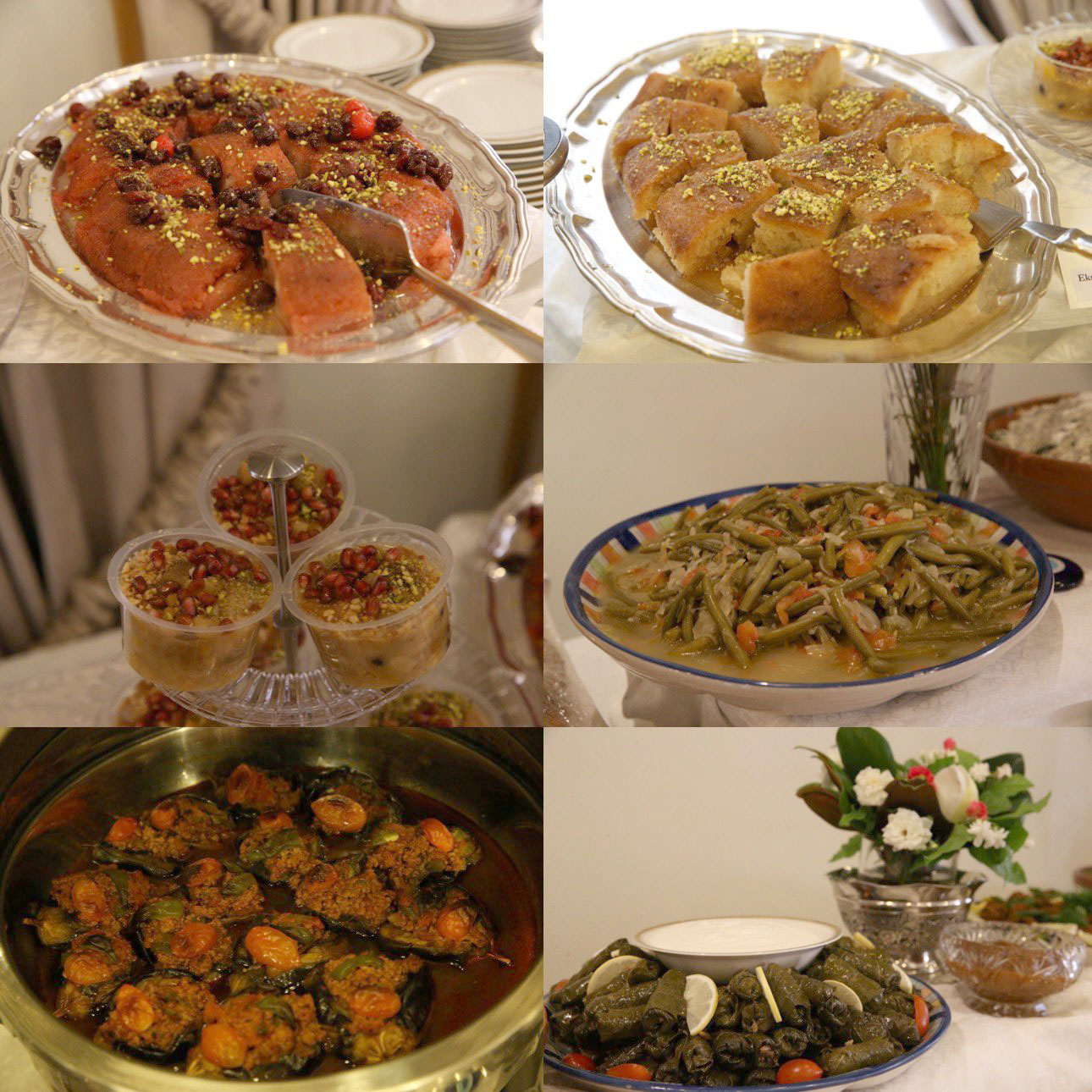
This year’s celebration focused on classic Turkish dishes—the backbone of its national cuisine. Guests were treated to an array of traditional homemade specialties, prepared by Turkish chefs, reflecting the essence of Turkish hospitality

Ansar Mahmood Bhatti /DNA

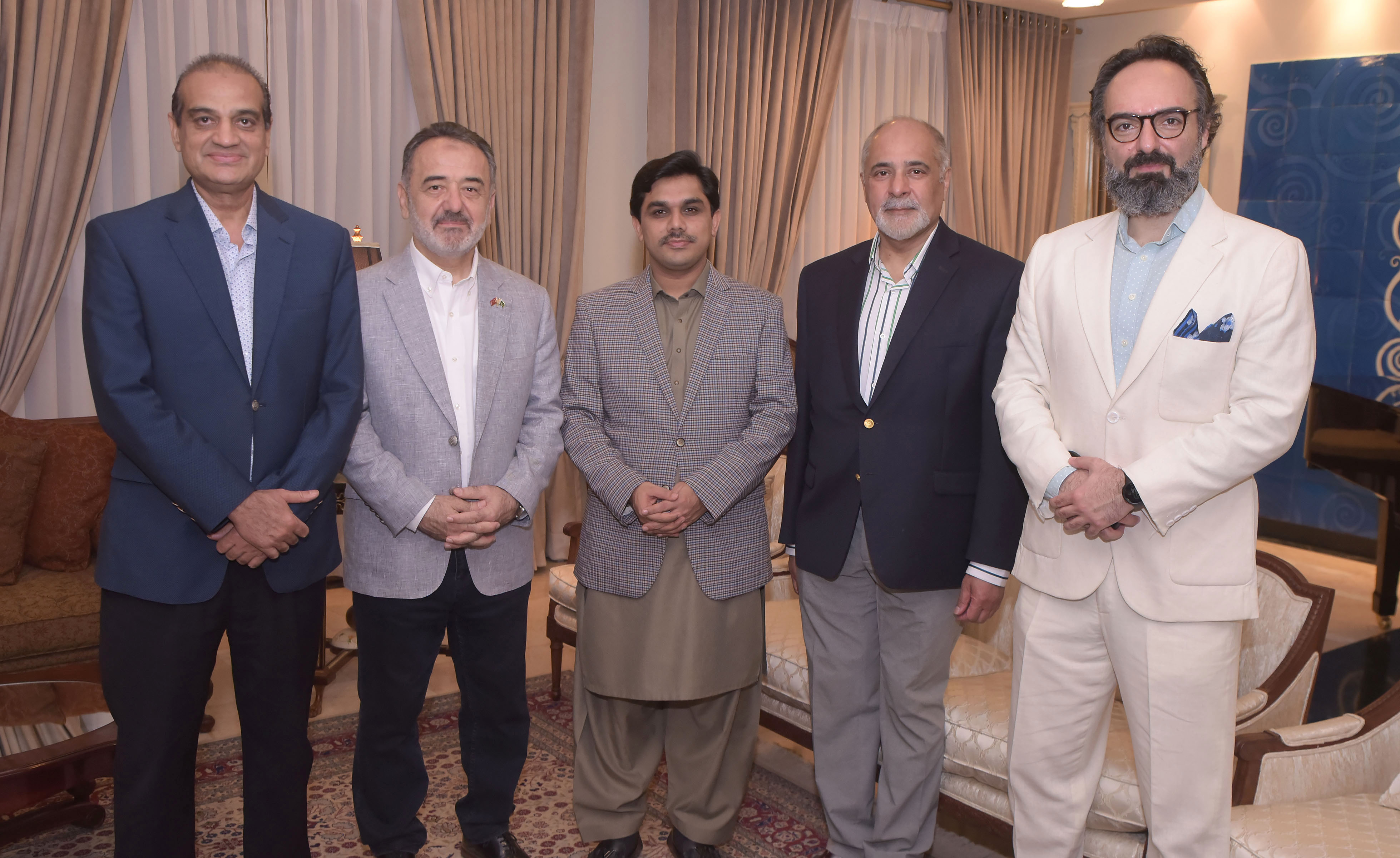
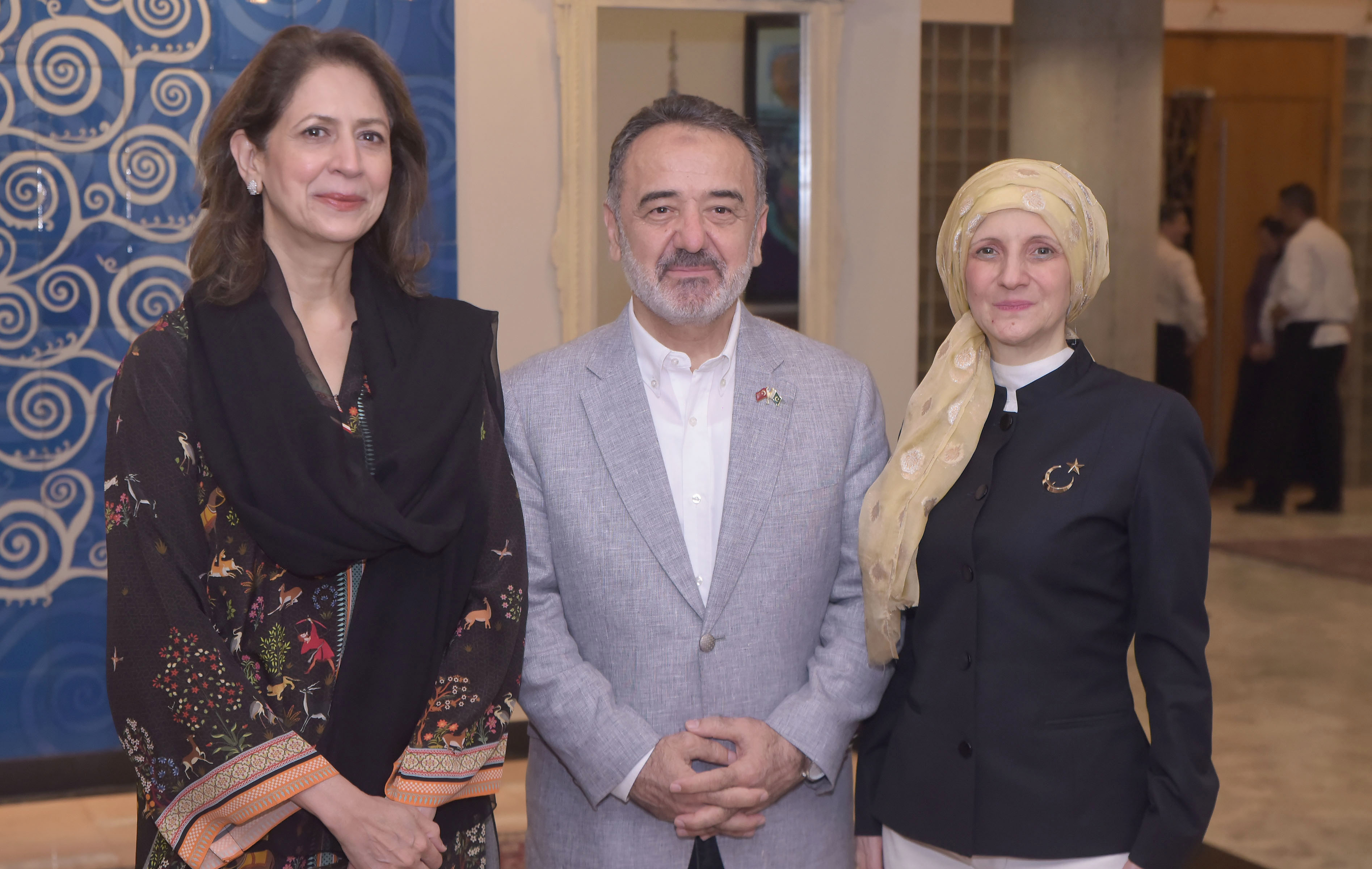
ISLAMABAD — The enchanting aromas of Turkish spices and the spirit of camaraderie filled the air at the residence of the Türkiye Ambassador, as Türkiye Cuisine Week was celebrated with a warm gathering of dignitaries, friends, and food enthusiasts. Hosted by Ambassador Dr. Irfan Neziroğlu, the event was a heartfelt tribute to the rich culinary heritage of Türkiye and the enduring bond between Türkiye and Pakistan.

The event was graced by the presence of State Minister for National Heritage Mr. Huzaifa Rehman, Federal Secretary for Information and Broadcasting Ms. Ambreen Jan, and CEO of Serena Hotels Global, Mr. Aziz Boolani.

In his welcome address, Ambassador Neziroğlu highlighted the deep-rooted interest of the Pakistani people in Turkish cuisine, noting the emotional and cultural connections that unite the two brotherly nations. “Sharing is the key word,” he said, emphasizing the communal essence of Turkish dining traditions. “We want to share Turkish food with you tonight in a memorable way.”

This year’s celebration focused on classic Turkish dishes—the backbone of its national cuisine. Guests were treated to an array of traditional homemade specialties, prepared by Turkish chefs, reflecting the essence of Turkish hospitality. Recipe booklets were also made available for guests who wished to recreate the dishes at home.

The evening culminated with Turkish coffee served in the traditional way under the hot sand, symbolizing not just a beverage, but a cherished ritual of conversation and connection.

Ambassador Neziroğlu took the opportunity to reflect on the unique and enduring ties between Türkiye and Pakistan. “Fraternal ties between Turkey and Pakistan have been granted to very few nations in the world,” he stated. “We are proud of each other’s achievements and share each other’s pain.”

He expressed deep appreciation for the warmth shown to him in Pakistan, saying, “Here, we never consider ourselves as foreigners.”

Looking ahead, he affirmed that collaboration between the two countries in fields such as trade, tourism, culture, media, and education will only continue to flourish.

The ambassador also offered special thanks to his wife for her dedication in organizing the event, and to Deputy Head of Mission and the young Turkish diplomats for guiding guests through their culinary journey.

“The evening concluded on a heartfelt note with a resounding message: ‘Türkiye-Pakistan dosti zindabad! Türkiye cuisine paindabad!’ — a celebration of friendship and flavor that united hearts through food.”

PSL 10: Qalandars crush United to set up final clash with Gladiators

PSL 10: Qalandars crush United to set up final clash with Gladiators

LAHORE: Lahore Qalandars stormed into the final of Pakistan Super League Season 10 with a dominant victory over Islamabad United in Eliminator 2 at Gaddafi Stadium, Lahore on Friday. 

Chasing a daunting 203-run target, the United’s star-studded batting unit unfolded on a meagre 107 in 15.1 overs.

Middle-order batter Salman Ali Agha top-scored for the three-time champions with a 26-ball 33, followed by skipper Shadab Khan, who made 26 off 14 deliveries, while the rest of their batters failed to amass double figures.

For Qalandars, skipper Shaheen Shah Afridi, Salman Mirza and Rishad Hossain picked up three wickets each.

Earlier, Qalandars captain Shaheen Shah Afridi’s decision to bat first paid dividends as his team’s batting unit yielded 202/8 in 20 overs.

The hosts, however, had a contrasting start to their innings as they lost experienced opener Fakhar Zaman (12) in the second over with just 13 runs on the board.

Following the early blow, Naeem put together a crucial 70-run partnership for the second wicket with Abdullah Shafique, during which he also brought up his third PSL half-century.

The opening batter, however, soon fell victim to Imad Wasim in the ninth over and walked back after scoring a 25-ball 50, laced with seven fours and two sixes.

Shafique followed suit 15 balls later, courtesy of a sensational catch by United captain Shadab Khan off James Neesham.

The right-handed batter could muster a cautious 25 off 24 deliveries with the help of three boundaries.

Following the back-to-back dismissals, Kusal Perera took charge of Qalandars’ batting expedition and bolstered their total with belligerent hitting.

The left-handed batter top-scored for the home side with a 35-ball 61 until getting cleaned up by Tymal Mills in the final over.

He was also involved in crucial partnerships with compatriot Bhanuka Rajapaksa and Asif Ali, who made notable contributions, scoring 22 and 15, respectively.

Mills was the standout bowler for the United, taking three wickets for 42 runs in his four overs. Salman Irshad played a supportive role with two wickets, while Neesham and Imad made one scalp apiece.

Earlier, Lahore Qalandars won the toss and elected to bat first against Islamabad United.

Both teams, with two and three PSL titles respectively, are all fired up to secure a place in the final against Quetta Gladiators on May 25.

Squads

Lahore Qalandars: Shaheen Shah Afridi (c), Shakib Al Hasan, Fakhar Zaman, Kusal Perera, Haris Rauf, Sikandar Raza, Abdullah Shafique, Zaman Khan, Jahandad Khan, Asif Afridi, Asif Ali, Muhammad Akhlaq, Momin Qamar (E), Mohammad Azab (E), Bhanuka Rajapaksa, Salman Mirza, Mohammad Naeem (E).

Islamabad United: Shadab Khan and Naseem Shah (both platinum), Azam Khan and Imad Wasim (both diamond), Haider Ali, Salman Ali Agha and Ben Dwarshuis (all gold), Rumman Raees, Mohammad Nawaz and Salman Irshad (all silver), Hunain Shah and Saad Masood (both emerging), Mohammad Faiq, Sahibzada Farhan, Muhammad Shahzad, Alex Hales, Rassie van der Dussen, James Neesham, Tymal Mills and Riley Meredith (all supplementary).  

PM Shehbaz to visit four friendly countries from May 25-30, says FO

Shehbaz Sharif

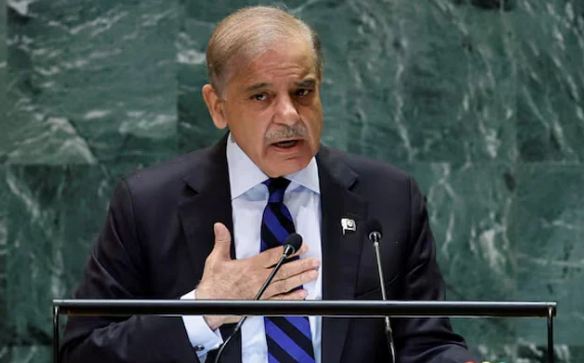
ISLAMABAD, MAY 23: Prime Minister Shehbaz Sharif would undertake official visits to four friendly countries, including Turkiye, Iran, Azerbaijan and Tajikistan from May 25 till 30 to express “acknowledgement for the support extended to Pakistan during recent conflict with India”.

According to a statement issued by the Foreign Office (FO), the premier would have wide-ranging discussions with the leaders of these countries, covering issues related to bilateral ties, matters of regional and international importance.

He would also attend the International Conference on Glaciers in Dushanbe, Tajikistan, from May 29-30, added the statement.

Earlier today, the prime minister also met Pakistan Peoples Party (PPP) Chairman Bilawal Bhutto, who will lead a high-level delegation comprising key parliamentarians to global capitals to present Pakistan’s case at the international level after the recent Pakistan-India conflict.

During today’s meeting, the PPP chief thanked the premier for trusting him with this diplomatic task and entrusting him with the leadership of the Pakistani delegation.

“I hope that under your leadership, this delegation will present Pakistan’s position and narrative to the world in a comprehensive and effective manner,” the prime minister said.

Pakistan armed forces launched a large-scale retaliatory military action, named “Operation Bunyan-um-Marsoos”, and targeted several Indian military installations across multiple regions.

The strikes, described by officials as “precise and proportionate”, were carried out in response to India’s continued aggression across the Line of Control (LoC) and within Pakistan’s territory, which New Delhi claimed were aimed at “terrorist targets”.

Pakistan downed six Indian fighter jets, including three Rafale, and dozens of drones. After at least 87 hours, the war, provoked by India, ended on May 10 with a ceasefire agreement brokered by the United States.

According to ISPR, a total of 53 individuals, including 13 personnel of the armed forces and 40 civilians, were martyred in Indian strikes during the recent military confrontation.

The military confrontation between the two countries was triggered by last month’s attack in Indian Illegally Occupied Jammu and Kashmir (IIOJK) that left 26 tourists dead, with India blaming Pakistan for the attack without offering any evidence.

RCCI demands tax ordinance withdrawal at Presidents conference

RCCI demands tax ordinance withdrawal at Presidents conference

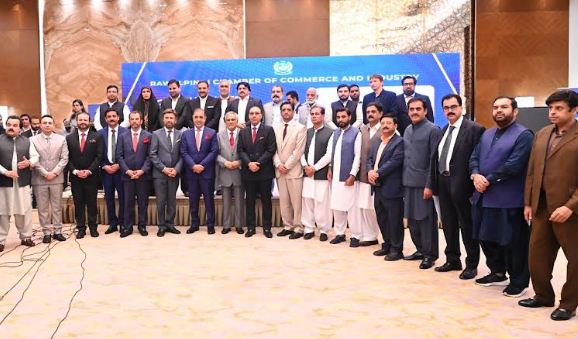
RAWALPINDI, MAY 23 /DNA/ – The Rawalpindi Chamber of Commerce and Industry (RCCI) successfully concluded the 17th All Pakistan Chambers Presidents Conference 2025 at a local hotel (Mövenpick Hotel Centaurus), in Islamabad. The conference brought together over 70 presidents of Chambers of Commerce from across Pakistan, senior government officials, prominent business leaders, and key economic stakeholders to deliberate on the country’s economic landscape and present a unified roadmap for sustainable development.

A joint communiqué issued at the conclusion of the conference strongly criticized the recently imposed tax ordinance, calling for its immediate withdrawal. RCCI President Usman Shaukat labeled the ordinance “a killer for the economy,” urging the government to expand the tax base rather than increasing burdens on existing taxpayers.

Key proposals from the joint declaration included:

Gradual reduction of General Sales Tax (GST) to 10%, Reduction of corporate tax to 25%, Decrease in withholding tax on exports, Incentives for new exporters, Simplification and digitization of the tax filing process.

The communiqué also called for sector-specific incentives for industries such as textiles, IT, agriculture, engineering, automobiles, and pharmaceuticals. These include tax exemptions, export rebates, technology upgrades, and enhanced access to international markets.

A five-year formalization program was proposed for SMEs, featuring tax relief for new filers and access to subsidized financing. The participants further demanded the repeal of controversial sections of the Income Tax Ordinance, namely Sections 7E, 8B, and 138, to reduce the regulatory burden on the business community.

RCCI President Usman Shaukat, Group Leader Sohail Altaf, Senior Vice President Khalid Farooq Qazi, Vice President Fahad Barlas, executive committee members, and former presidents welcomed the participants, including representatives from women’s and small chambers of commerce as well as trader associations.

Portuguese Guitarist Mr. Pedro Joia

Portuguese

Cultural Program in Lahore

LAHORE, 23 May /DNA/ – After starting his performance in Pakistan on 23rd May in Islamabad at “International Jazz Festival” at Silk Road Culture Center, the Portuguese Guitarist Pedro Joia will engage in a diversified program of activities, shows, masterclasses, and interactions in Lahore, the capital of Punjab.

Pedro Joia will be performing on the Sunday, 25th May show of the“International Jazz Festival” at Alhamra Arts Center. The same day he will also be offering two masterclass sessions to musicians, instrumentalists, and artists.First at 11 am, co-organized by Aga Khan Cultural Services, Lahore and Olomopolo Media, and the second one at 5 pm at Alhamra Arts Center.

This cultural program is organized by the Embassy of Portugal in Islamabad, with support from the Camões Institute for Cooperation and Language, I.P., Emirates Airlines, the Honorary Consul of Portugal in Lahore, and the International Jazz Festival.

Mr. Jóia’s visit marks a significant step in strengthening artistic and cultural ties between Portugal and Pakistan, celebrating the universal language of music through the rich musical heritage of the Portuguese and Pakistani cultures.

Naval Chief visits injured heroes of Operation Bunyanum-Marsoos

Naval Chief visits injured heroes of Operation Bunyanum-Marsoos

RAWALPINDI, MAY 23 /DNA/ – Chief of the Naval Staff, Admiral Naveed Ashraf, visited Combined Military Hospital (CMH) Rawalpindi to inquire about the well-being of soldiers and civilians injured during Operation Bunyanum-Marsoos.

During the visit, the Naval Chief personally interacted with each injured individual and paid tribute to their unwavering bravery, indomitable spirit, and steadfast commitment to duty.

While speaking with the injured, Admiral Naveed Ashraf emphasized the unified resolve of the nation and the armed forces, affirming that any future misadventure by the adversary will be met with the same determination and vigour.

Stay Connected

64FansLike
60FollowersFollow

Latest Reviews

Exchange Rates

USD - United States Dollar
EUR
1.17
GBP
1.35
AUD
0.72
CAD
0.73