Home Blog Page 61

WB report urges fiscal federalism

WB report urges fiscal federalism

The report identified two main factors behind the widening federal fiscal deficit: increased transfers following the 7th NFC Award without corresponding adjustments in federal expenditures, and stagnant revenue collection.

Faisal Sheikh

                ISLAMABAD: The World Bank on Wednesday, in its report titled “Strengthening Fiscal Federalism in Pakistan,” stressed the need to reform the country’s system of resource distribution among federal, provincial and local governments.

It warned that stronger fiscal coordination was essential to sustain economic stability, improve public service delivery and effectively respond to the demands of a rapidly growing population.

The report mentioned that the landmark 2010 reforms,  the 18th Constitutional Amendment and the 7th National Finance Commission (NFC) Award, marked a major step forward by devolving key service delivery responsibilities to provinces and significantly increasing their revenues.

However, it highlighted that structural weaknesses continued to challenge fiscal discipline, limit revenue mobilization and affect the quality of services delivered to citizens.

The report identified two main factors behind the widening federal fiscal deficit: increased transfers following the 7th NFC Award without corresponding adjustments in federal expenditures, and stagnant revenue collection.

While provincial revenues rose from less than 4 percent of GDP to an average of 6.5 percent during 2010–2024, federal expenditures did not decline accordingly.

It also pointed out that the division of the tax base across five jurisdictions has increased compliance costs and constrained revenue growth, while agricultural income remains largely untaxed despite contributing over 20 percent to GDP.

“Pakistan took a historic step in 2010 by bringing government closer to its people, but the full promise of devolution has yet to be realized,” World Bank Country Director for Pakistan Bolormaa Amgaabazar said while launching the report.

“Aligning financing with responsibilities, broadening the tax base, and ensuring that resources reach schools, clinics and local communities are essential to sustaining stability and delivering better services to Pakistan’s growing population,” she added.

The report further observed that devolution has had limited success in aligning public spending with actual needs.

It noted that the formula for distributing resources among provinces does not adequately reflect fiscal needs or incentivize stronger provincial revenue efforts and improved service delivery.

A significant portion of increased provincial spending since the 7th NFC Award has been absorbed by administrative expenses rather than priority sectors such as education and health, with more than 80 percent of expenditure in FY2023 allocated to recurrent costs.

Spending across districts, the report added, continued to follow historical patterns instead of being guided by poverty levels or service delivery gaps.

Meanwhile, the share of total government spending undertaken by local governments has declined from around 10 per cent in 2005 to less than 5 per cent in 2024.

“The structure of fiscal federalism shapes whether children attend functioning schools and whether health facilities are stocked with medicines,” World Bank Lead Country Economist and lead author of the report Tobias Haque said.

“A planned new NFC Award offers an important opportunity to recalibrate incentives – rewarding provinces that strengthen their revenue efforts and improve service delivery, while directing more resources to where needs are greatest,” he added.

Rather than prescribing a single reform path, the report presented a range of policy options that could be implemented through a new NFC Award and within Pakistan’s existing constitutional framework.

These include better alignment of federal financing with responsibilities, stronger domestic revenue mobilization, more predictable transfers to local governments, and improved coordination among different tiers of government.

It also emphasized that ensuring timely and regular NFC Awards would itself constitute a major reform, as predictable revisions would reduce the stakes of negotiations and create space for sustained dialogue and consensus-building necessary for long-term fiscal stability.
Cuba says US pressuring UN member states to put off trade embargo debate

HAVANA, JUN 30: Cuba’s foreign minister said on Tuesday that the US State Department was “pressuring and intimidating” United Nations member states to put off an upcoming floor debate over the US blockade of the communist-run island.

Foreign Minister Bruno Rodriguez also told reporters at a press conference in Havana that the US sanctions were “causing deaths” in Cuba.

The debate, slated for July 7, typically precedes a UN vote of member states later in the year to call on the US to end its sanctions against Cuba.

United Nations has voted 31 times, including in November of 2025, to ask the United States to end the decades-long trade embargo. Those votes have historically been near unanimous, with typically only the United States and Israel in opposition. The non-binding vote this year, however, takes on special relevance for Cuba after the Trump administration in January imposed a fuel blockade on the island and fresh sanctions that have led to an exodus of foreign investment and the near total collapse of tourism.

The US State Department did not immediately respond to a request for comment on the foreign minister`s allegations. UN experts have previously called the US fuel blockade, implemented in January, illegal and a violation of the human rights of all Cubans.

Africa day celebrated in Islamabad

Africa day celebrated in Islamabad

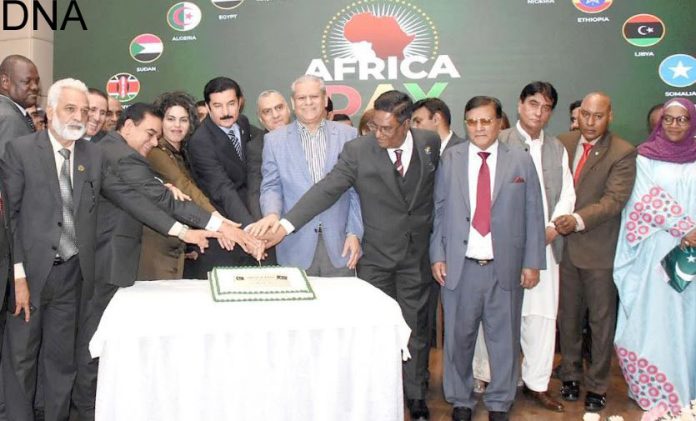
ISLAMABAD, JUN 30 /DNA/ – The spirit of African unity and cultural richness was palpable in the federal capital as Pakistan joined the international community in commemorating Africa Day. A ceremonial cake-cutting ceremony marked the occasion, symbolizing the robust ties between Pakistan and the African continent.

The event, held in Islamabad, was graced by notable dignitaries including Khyber Pakhtunkhwa Governor Faisal Karim Kundi, Additional Foreign Secretary Hamid Asghar Khan, and President of the Islamabad Chamber of Commerce and Industry (ICCI). They were joined by Heads of Missions from various African countries, who gathered to celebrate the foundation of the Organization of African Unity (now the African Union).

Speaking at the event, Governor Faisal Karim Kundi highlighted Pakistan’s commitment to deepening its engagement with Africa. “Africa is a continent of immense potential and opportunity. Pakistan values its historical ties with African nations and is keen to expand cooperation in trade, education, and defense,” he stated.

Additional Foreign Secretary Hamid Asghar Khan echoed these sentiments, emphasizing the government’s “Look Africa” policy initiative. He noted that the celebration was not merely ceremonial but a reaffirmation of Pakistan’s desire to build a strategic and economic partnership with the African Union.

The President of ICCI underscored the importance of economic diplomacy, noting that increased trade and investment could be a game-changer for both regions. “The ICCI is actively working to create linkages between Pakistani businesses and their African counterparts,” he remarked.

The gathering also featured cultural performances and traditional African cuisine, offering a glimpse into the continent’s diverse heritage. The Ambassadors and High Commissioners present expressed gratitude for Pakistan’s hospitality and acknowledged the growing synergy between Islamabad and the African nations.

Iran warns against MoU violations

Iran warns against MoU violations

DNA

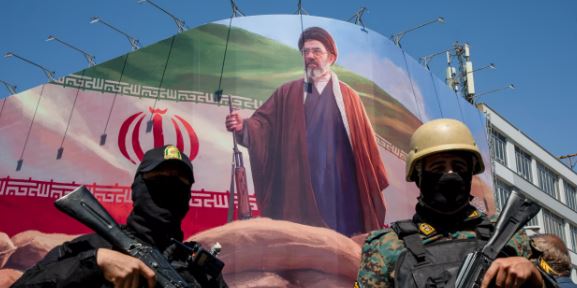
TEHRAN, JUN 30 — Iran has issued a stern warning that it will respond decisively to any violation of the recently signed Memorandum of Understanding (MoU), signaling its firm stance amid heightened regional tensions. Officials in Tehran emphasized that the agreement must be respected in full, cautioning that breaches would invite immediate countermeasures.

In a statement released Tuesday, Iranian authorities clarified that no meeting with the United States is planned in the coming days, dismissing speculation about potential diplomatic engagement. “There will be no talks with Washington in the next few days,” the statement read, underscoring Iran’s reluctance to enter negotiations while questions remain over the implementation of the MoU.

The warning comes at a sensitive time, as regional observers note that mistrust between Tehran and Washington continues to overshadow efforts at dialogue. Analysts argue that Iran’s firm tone reflects both domestic pressure and a desire to project strength internationally. The insistence on adherence to the MoU highlights Tehran’s concern that any perceived violation could undermine its credibility and security interests.

Diplomatic sources suggest that Iran’s position is also aimed at sending a message to other signatories and stakeholders in the region: compliance is non-negotiable. The absence of planned meetings with U.S. officials further illustrates the depth of the current impasse, raising questions about the future of diplomatic engagement between the two countries.

For now, Iran’s warning serves as a reminder of the fragile state of regional diplomacy. Without concrete steps to build trust, the risk of escalation remains high. Observers caution that unless both sides demonstrate restraint and commitment to dialogue, the MoU could become yet another casualty of longstanding tensions.

Banned JAAC leader Shaukat Mir arrested

Banned JAAC leader Shaukat Mir arrested

Mir and his associate moved to undisclosed location, says DC Munir Qureshi

DNA

DHIRKOT: Central leader of the banned Jammu Kashmir Awami Action Committee (JAAC), Shaukat Nawaz Mir, was arrested along with an associate in Dhirkot, Muzaffarabad Deputy Commissioner Munir Qureshi said on Tuesday.

The DC said Mir was arrested by police and security personnel from the Hail Sarang area. He added that Mir and his associate have subsequently been moved to an undisclosed location.

It is noteworthy to mention here that the AJK government had imposed a ban on the Jammu Kashmir Joint Awami Action Committee (JAAC) on June 5 under the Anti-Terrorism Act (ATA) after violent protests that resulted in fatalities during clashes with law enforcement in May 2024 and September 2025.

The group’s latest protest campaign centres on its demand to abolish the 12 seats in the Azad Jammu and Kashmir Legislative Assembly reserved for refugees from Indian Illegally Occupied Jammu and Kashmir (IIOJK) who migrated to Pakistan after 1947.

The federal government has described the demand to abolish the reserved seats for Kashmiri voters residing in Pakistan as an attempt to disrupt the electoral process ahead of the July 27 elections for the 53-member AJK Legislative Assembly.

At least 14 children die as tuition centre roof collapses

At least 14 children die as tuition centre roof collapses in Lahore

Punjab CM Maryam Nawaz takes notice of the incident, seeks report from relevant authorities

Bureau Report

LAHORE: At least 14 children were killed while several others received injuries after the roof of a tuition centre collapsed in Lahore’s Kahna area on Tuesday, officials said.

Punjab Health Minister Khawaja Imran Nazir said that 19 children were brought to Kahna Tehsil Headquarters (THQ) Hospital following the incident. The minister confirmed that 14 children had died in the collapse.

“After receiving initial medical treatment, two children were discharged, while four others remain in hospital,” he said.

The provincial health minister described the incident as deeply tragic and said rescue teams had completed the operation.

Meanwhile, rescue officials said that over 30 children were present inside the tuition centre when the roof collapsed.

Police said construction work was underway on the upper floor of the building, while children were attending classes on the ground floor at the time of the incident.

Authorities have taken five people into custody, including the owner of the building, as an investigation into the roof collapse incident continues.

Following the incident, Prime Minister Shehbaz Sharif expressed grief over the loss of lives and extended his condolences to the bereaved families. 

He prayed for the departed children and directed authorities to ensure the injured receive the best possible medical treatment.

Punjab Chief Minister Maryam Nawaz also took notice of the incident and sought a report from the relevant authorities. 

She expressed sorrow over the deaths of the 14 children and directed officials to provide the injured children with the best available medical care.

Roof and building collapses are common across Pakistan, mainly because of poor safety standards and shoddy construction materials in the South Asian country of more than 240 million people.

Last year in July, 27 people were killed and 10 injured when a five-storey building collapsed in the impoverished area of Karachi’s Lyari.

Pakistan-ASEAN Youth Initiative boosts regional cooperation

Pakistan-ASEAN Youth Initiative boosts regional cooperation

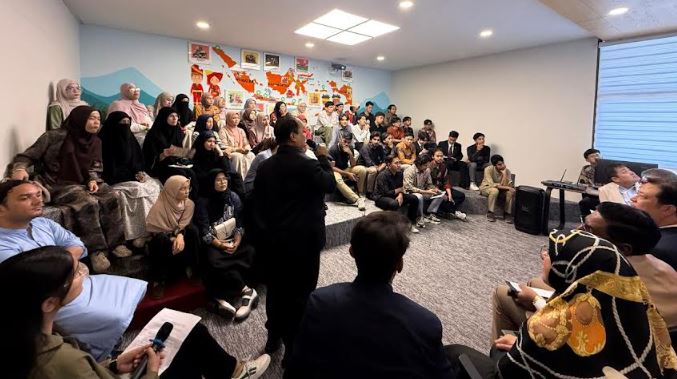
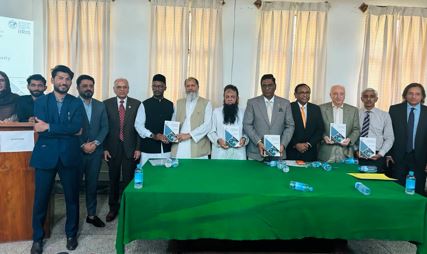
ISLAMABAD, JUN 30 /DNA/ – The International Institute for Regional and International Studies (IIRIS) collaboration with Indonesia Embassy Islamabad, successfully organized the Pakistan–ASEAN Youth Initiative 2026 under the theme “Strengthening Pakistan–ASEAN Relations through Youth Engagement and Cross-Cultural Cooperation for a Shared Future.” The event brought together ambassadors, diplomats, scholars, researchers, students, media representatives, and youth leaders from Pakistan and ASEAN member states to promote regional understanding, academic collaboration, economic connectivity, and cultural diplomacy.

In his welcome remarks, Shafiqat Rasool, President of IIRIS, warmly welcomed distinguished ambassadors, diplomats, representatives of ASEAN missions, scholars, researchers, students from Pakistan and ASEAN countries, members of the media, and invited guests. He emphasized that ASEAN represents one of the world’s fastest-growing economic regions, offering immense opportunities for Pakistan in trade, investment, education, tourism, maritime cooperation, digital innovation, and youth empowerment.

He highlighted the importance of strengthening people-to-people contact, academic exchanges, cultural diplomacy, youth leadership, and institutional partnerships as the foundation of long-term Pakistan–ASEAN relations. He reaffirmed IIRIS’s commitment to serving as a bridge between Pakistan and ASEAN by promoting policy dialogue, research collaboration, diplomatic engagement, and youth-focused initiatives.

His Excellency Munsoo Kurrimbaccus, Ambassador of Mauritius to Pakistan, shared valuable historical perspectives on Mauritius’s relationship with ASEAN and underscored the significance of regional cooperation, maritime connectivity, and South-South collaboration. He noted that stronger partnerships among Asian and Indian Ocean countries can contribute significantly to regional peace, sustainable development, and economic resilience.

His Excellency Wunna Han, Ambassador of Myanmar to Pakistan, reaffirmed Myanmar’s commitment to strengthening relations with Pakistan and highlighted the importance of expanding cooperation between Pakistan and ASEAN through diplomacy, trade, education, and cultural understanding.

The keynote session featured Dr. Saeed Ahmad Rid, Associate Professor at Quaid-i-Azam University, Islamabad, who delivered an insightful presentation on People-to-People Engagement between Pakistan and ASEAN. He underlined the importance of educational cooperation, student mobility, cultural exchanges, tourism, academic partnerships, and public diplomacy in building lasting relationships between societies.

Speaking on the economic dimensions of regional cooperation, Jensen Chang, Vice President of the Shandong Chamber of Commerce, Shanghai, China, highlighted ASEAN’s remarkable economic transformation and emphasized the vast opportunities for Pakistan in regional trade, investment, industrial cooperation, connectivity, and private-sector partnerships. He encouraged stronger business collaboration between Pakistan, ASEAN economies, and China to unlock sustainable economic growth.

Representing the Embassy of Indonesia in Islamabad, Mr. Donny Ardiwidha, First Secretary, delivered comprehensive remarks on the enduring partnership between Pakistan and Indonesia. He highlighted the strong bilateral relationship founded on shared values, historical friendship, educational cooperation, trade, and cultural exchanges. He also discussed Indonesia’s active role within ASEAN and encouraged greater engagement between Pakistan and ASEAN member states across multiple sectors.

Mr. Rahmat Hindiarta, Counsellor at the Embassy of Indonesia, emphasized the importance of sustained diplomatic engagement, educational exchanges, and youth participation in strengthening regional cooperation. He encouraged Pakistani students and young professionals to actively explore opportunities for collaboration with ASEAN institutions.

The event was also attended by Brunei Darussalam, Mr. Mohammad Khairurrijal Hazim bin Haji Abdul Momin, Deputy Head of Mission, Ms. Zohara, Counselor at the Embassy of the Islamic Republic of Iran in Islamabad, whose participation reflected the broader spirit of regional dialogue, diplomatic cooperation, and support for youth-led international engagement.

Throughout the event, participants engaged in meaningful discussions on regional integration, economic cooperation, education, innovation, sustainable development, cultural understanding, tourism, maritime connectivity, digital transformation, and the evolving role of youth in shaping the future of Asia. Students from Pakistan and ASEAN countries interacted directly with diplomats and policy experts, creating valuable networking opportunities and fostering mutual understanding.

The Pakistan–ASEAN Youth Initiative 2026 concluded with a renewed commitment to strengthening Pakistan’s engagement with ASEAN through sustained dialogue, academic collaboration, cultural diplomacy, youth leadership, research partnerships, and institutional cooperation. Participants agreed that empowering young people to build cross-cultural connections today will contribute to a more peaceful, prosperous, and interconnected future for the region.

The International Institute for Regional and International Studies (IIRIS) reaffirmed its commitment to organizing similar diplomatic and academic initiatives that promote international cooperation, regional connectivity, and constructive engagement between Pakistan and its global partners.

At least 14 children die as tuition centre roof collapses in Lahore

At least 14 children die as tuition centre roof collapses in Lahore

LAHORE: At least 14 children were killed and five others injured after the roof of a tuition centre collapsed in Lahore’s Kahna area on Tuesday, officials said.

Punjab Health Minister Khawaja Imran Nazir said that 19 children were brought to Kahna Tehsil Headquarters (THQ) Hospital following the incident. The minister confirmed that 14 children had died in the collapse.

“After receiving initial medical treatment, two children were discharged, while four others remain in hospital,” he said, adding that all four are out of danger.

The provincial health minister described the incident as deeply tragic and said rescue teams had completed the operation.

Meanwhile, rescue officials said that over 30 children were present inside the tuition centre when the roof collapsed.

Police said construction work was underway on the upper floor of the building, while children were attending classes on the ground floor at the time of the incident.

Authorities have taken five people into custody, including the owner of the building, as an investigation into the roof collapse incident continues.

Following the incident, Prime Minister Shehbaz Sharif expressed grief over the loss of lives and extended his condolences to the bereaved families.

He prayed for the departed children and directed authorities to ensure the injured receive the best possible medical treatment.

Punjab Chief Minister Maryam Nawaz also took notice of the incident and sought a report from the relevant authorities.

She expressed sorrow over the deaths of the 14 children and directed officials to provide the injured children with the best available medical care.

SBP unveils new official website effective July 1

SBP unveils new official website effective July 1

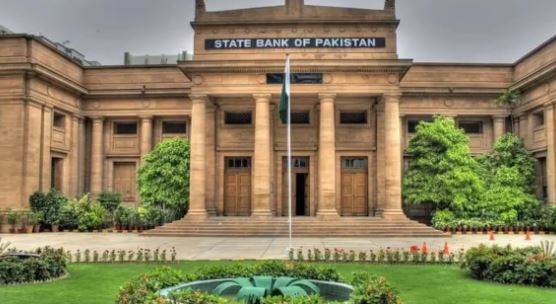
ISLAMABAD, JUN 30 /DNA/ – The State Bank of Pakistan (SBP) is pleased to announce the launch of its redesigned official website, which will go live on Wednesday July 1, 2026, and will be accessible to all stakeholders at www.sbp.org.pk. The revamped website will provide a faster, easier and user-friendly digital experience for citizens, businesses, financial institutions, researchers, journalists and other stakeholders. Designed as a modern, secure and inclusive digital platform, the new website will provide easier access to SBP’s information. Its launch marks an important milestone in SBP’s digital transformation agenda and reflects continued commitment to transparency, innovation and meaningful stakeholder engagement.

Developed following extensive research and stakeholder consultations, the website has been comprehensively redesigned to better serve the diverse needs of its users. It features an intuitive interface with simplified navigation, enabling visitors to find information more quickly and efficiently. Enhanced search functionality and filtering options make it easier to locate data, circulars, regulations, publications, press releases and other official content. The website shall be fully responsive across desktops, smartphones and other devices, ensuring a seamless browsing experience.

To promote greater inclusivity and wider public outreach, the website offers a bilingual interface in English and Urdu, allowing users to switch between languages according to their preference. It has also been developed in accordance with the Web Content Accessibility Guidelines (WCAG) and incorporates accessibility features that improve usability for persons with disabilities. Behind the improved user experience is a reorganized information architecture that presents key areas such as monetary policy, financial markets data, banking regulations and other SBP functions — in a more logical and intuitive manner, while preserving access to legacy content.

The revamped website strengthens SBP’s ability to communicate effectively with the public and supports the Bank’s broader vision of leveraging technology to deliver efficient, transparent and citizen-centric services. By making reliable information and digital resources more readily available, the website shall augment financial literacy and inclusion, while contributing to informed decision-making and stronger engagement with the financial system among all stakeholders.

The new website will provide all institutional information, publications, and resources in an enhanced and user-friendly interface. However, to facilitate stakeholders who wish to reference the earlier interface, the previous version of the website will remain available through a dedicated link on the homepage until July 15, 2026.

‘Takes two to tango’: Pakistan urges India to resolve all issues via dialogue

'Takes two to tango': Pakistan urges India to resolve all issues via dialogue

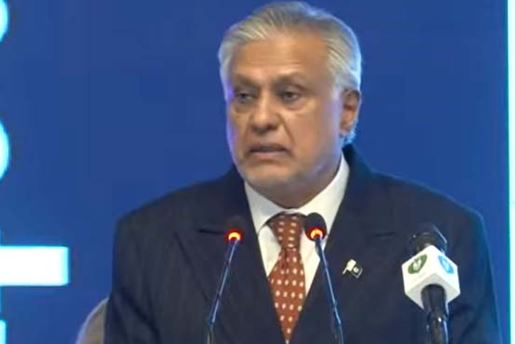
ISLAMABAD, JUN 30: Deputy Prime Minister and Foreign Minister Ishaq Dar has urged India to “live like good neighbours” and resolve all issues via dialogue and diplomacy, stating that “it takes two to tango”.

Addressing an international seminar on the Indus Waters Treaty (IWT) in Islamabad on Tuesday, DPM Dar warned India against violating the IWT, saying that the cost of sabotaging an international agreement on rivers can be very high.


He said the consequences of violating international law and agreements are not limited to just two countries.

“Such actions set a dangerous precedent in international relations,” Dar said, adding that the violation of agreements spoils the reputation of states.

Addressing the seminar, Dar said India held the Indus Waters Treaty with Pakistan in abeyance, following the killing of 26 people in Indian Illegally Occupied Jammu and Kashmir in April 2025. New Delhi accused Islamabad of orchestrating the deadly militant attack, an allegation that Pakistan denied.

He said long-term peace was possible only through mutual respect and state sovereignty. “If Pakistan is deprived of its water rights, it will have serious consequences”, DPM Dar warned.

Recalling the past attempts to resolve issues with India through dialogue, the DPM said: “We in all sincerity are ready to talk on all issues, but we call for composite dialogue, but it takes two to tango.”

Dar lamented that India had become so “narrow-minded that even the sports are now subjected to this Hindutva philosophy”.

“See the recent elections in Bihar; what happened there [that] 40 million people were disenfranchised and they were deprived of voting that is their internal matter, but I think the world community must take notice of it,” he added.

Earlier, Information Minister Attaullah Tarar warned that Pakistan’s leadership is ready and to give an effective response if any attempt is made to stop the country’s water, reaffirming that Islamabad would safeguard the sanctity of the Indus Waters Treaty under all circumstances.

Addressing the seminar on IWT, Tarar said Pakistan remained committed to ensuring that the treaty remained intact, stressing that using water as a weapon is tantamount to undermining regional and global peace and stability.

The minister said the 1960 Indus Waters Treaty holds a unique place in international relations and remains one of the world’s most enduring water-sharing agreements.

“We are not merely discussing a treaty, but the lifeline of 240 million people,” Tarar said, adding that water is not just a natural resource for Pakistan but a matter of national survival.

He said Pakistan has consistently maintained that its people have a legitimate and complete right over the waters of the Indus River, warning that any attempt to stop or divert Pakistan’s water would receive an effective response from the country’s leadership.

He added that Pakistan’s history is intrinsically linked to the Indus River and that agriculture, the backbone of the national economy, depends on its waters.

The minister said Pakistan has always demonstrated its commitment to peaceful relations, constructive dialogue and the sincere implementation of international agreements. He noted that the Indus Waters Treaty was established more than six decades ago through mutual consent between two countries.

He stressed that any changes to the treaty could only be made through mutual agreement, adding that the unilateral suspension of the treaty had embarrassed India at international forums.

India diverting Chenab water
Pakistan’s Commissioner for the Indus Waters Treaty, Syed Mehr Ali Shah, said India has not been complying with the treaty since August 2023, adding that a letter was sent to India just a day earlier requesting data sharing under the agreement.

Addressing a seminar on the Indus Waters Treaty, the commissioner said India’s unilateral suspension of the treaty was completely illegal and a clear violation of the agreement. He said India was diverting the waters of the Chenab river, a move that would affect the flow of 1.9 million gallons of water.

He said that under the Indus Waters Treaty, India cannot divert Chenab waters into the Beas river, and that the construction of the Chenab-Beas link by India was completely illegal. He added that under the treaty, India was obligated to allow Pakistan to inspect the link.

‘India’s bid to stop Pakistan’s water violates int’l law’
A Russian expert, Dr Roxolana Zigon, said that India’s statement on denying Pakistan water violates international law in the coming years violates international law, adding that the treaty forms the basis of equitable water sharing in the region and is regarded globally as one of the most successful water-sharing agreements.

She said the treaty had ensured water cooperation between Pakistan and India for more than six decades despite tensions between the two countries, adding that it contains no provision for unilateral withdrawal.

The expert said more than 90% of Pakistan’s agriculture depends on river water, while 21 major hydropower projects are linked to the Indus river system. She added that almost the entire population of Pakistan is connected to the Indus basin in one way or another.

Dr Zigon said India’s construction of dams in upstream areas could increase instability in the region, accusing New Delhi of attempting to use water as a weapon and warning that its unilateral policies were eroding international trust.

The Russian expert described the Permanent Indus Commission as an important and effective mechanism for resolving disputes and stressed that preserving the Indus Waters Treaty was essential for peace and stability in South Asia.

It is to be noted here that based on baseless allegations, India started the war against Pakistan in May 2025, which was the heaviest fighting to have occurred between the two neighbouring nations in decades, before a ceasefire was reached and brokered by the US.

Pakistan, during the 87-hour conflict, downed eight Indian fighter jets, including French-made Rafale, and dozens of drones.

Stay Connected

64FansLike
60FollowersFollow

Latest Reviews

Exchange Rates

USD - United States Dollar
EUR
1.15
GBP
1.35
AUD
0.70
CAD
0.71