Home Blog Page 55

The Enduring Foreign Policy Doctrine of Ayatollah Khamenei

The Enduring Foreign Policy Doctrine of Ayatollah Khamenei

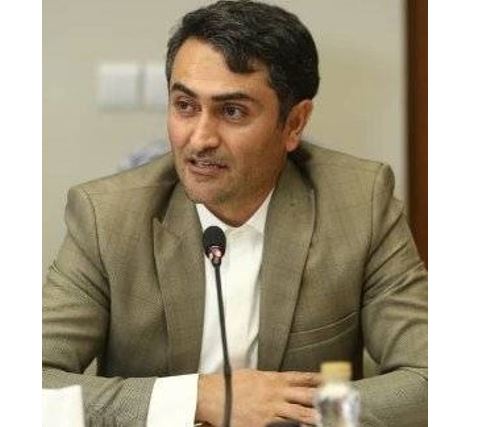
Dr Abed Akbari

In the history of nations, individuals sometimes transcend their own eras to become an integral part of a country’s strategic memory. In such cases, evaluating them is not merely passing judgment on the record of a ruler, but rather an attempt to comprehend a school of thought that has permeated the political institutions, decision-making culture, and a nation’s perception of the world. The martyrdom of Ayatollah Seyyed Ali Khamenei belongs to this very category. The answer to the question of what the Islamic Republic of Iran will do in his absence is directly linked to another question: to what extent has the doctrine formulated and institutionalized by Ayatollah Khamenei over more than three decades transcended the will of a single individual and evolved into the strategic intellect of the Islamic Republic?

In conventional international relations literature, the foreign policy of the Islamic Republic is often interpreted through the lens of ideology—as if all of Tehran’s decisions can be explained solely by referencing the slogans of the Islamic Revolution. While this narrative captures a fragment of reality, it falls short of explaining the logic behind Iran’s foreign policy. Policy, as the long-standing tradition of Persian political thought testifies, has always been the product of the relationship between ideals and pragmatism. From Khwaja Nizam al-Mulk’s Siyasatnama (The Book of Government) to the reflections of contemporary thinkers, the survival of the state, the preservation of authority, and the safeguarding of independence have been deemed the primary conditions for realizing any grand ideal. In this sense, the legacy of Ayatollah Khamenei should be sought not in the clash between idealism and realism, but in the endeavor to synthesize the two.

His strategic worldview was anchored in a fundamental premise: the international system remains an arena of unequal distribution of power, and states live under the shadow of the balance of power before they live under the shadow of legal frameworks. From this perspective, security is not a gift bestowed by great powers upon others; security is the product of a nation’s capacity to safeguard its own independence. This understanding was not merely an abstract international relations theory, but arose from Iran’s historical experience—a country that, over the past two centuries, has repeatedly paid the price of weakness, dependency, and foreign intervention, viewing independence not as an abstract concept, but as historical capital.

Consequently, the concept of “independence” in Ayatollah Khamenei’s thought was more than a political slogan; it was the backbone of the Islamic Republic’s foreign policy. Independence meant the right to make decisions freely on national issues, without the will of external powers overriding the will of the nation. It was on the basis of this understanding that the development of defense capabilities, self-reliance in strategic industries, investment in indigenous technologies, and the reinforcement of deterrence became indispensable components of national strategy. In this logic, a country that abdicates its means of self-defense to others will sooner or later surrender its political decision-making power as well.

Ayatollah Khamenei’s mistrust of the United States is also understandable within this framework. Rather than stemming from temporary hostilities, this mistrust was rooted in a reading of great power behavior, where international politics is organized around interests and the balance of power rather than trust. From this perspective, negotiation was never rejected, but it only held value when conducted from a position of strength. Diplomacy, in this framework, was not an alternative to power, but an extension of it—just as Persian statecraft has traditionally held that a lasting peace is only established when backed by authority.

The Islamic Republic’s nuclear dossier was the clearest manifestation of this outlook. Accepting dialogue and agreement did not mean abandoning the components of power. On the contrary, the premise was that political agreements, no matter how significant, cannot substitute for deterrence. Therefore, even during the years of active diplomacy, the development of the country’s defense capabilities was pursued with equal vigor. This synchrony stemmed from the belief that while agreements are subject to political shifts, national power is the only safeguard whose longevity remains entirely in the hands of the nation itself.

Within this same framework, the Islamic Republic’s regional policy also gains meaning. What was perceived from the outside merely as the expansion of Iranian influence was, in the strategic logic of the Islamic Republic, the creation of “strategic depth” for a country situated in one of the world’s most turbulent regions. Supporting the Axis of Resistance, forging alliances with aligned forces, and striving to prevent threats from establishing themselves near Iran’s borders were components of a policy aimed at raising the cost of any aggression against the country. Undoubtedly, there are differing views regarding the consequences of this strategy. Some see it as a factor elevating Iran’s geopolitical standing, while others emphasize its economic and political costs. Yet, irrespective of these judgments, it is difficult to overlook the role of this policy in reshaping the security dynamics of the region.

Another prominent feature of Ayatollah Khamenei’s strategic thinking was his attention to the gradual transformation of the global order. Years before speaking of a “post-Western world” became commonplace in international relations literature, he emphasized the gradual end of the monopoly of power and the movement of the global system toward more multipolar arrangements. Accordingly, the policy of expanding relations with Asian powers, developing regional cooperation, and diversifying international partners was pursued. Of course, this policy was not immune to the constraints of the real world, as no power, whether in the East or the West, sacrifices its national interests for another. However, the core strategy was to reduce reliance on a single pole and increase Iran’s room for maneuver in the international arena.

Nonetheless, evaluating any strategic doctrine is not possible solely by counting gains or costs. During Ayatollah Khamenei’s leadership, Iran managed to raise its deterrent capacity to a level where direct military threats against the country involve far more complex calculations than in the past. Concurrently, the Iranian economy faced extensive sanctions, financial constraints, and difficulties in interacting with the global economy. These two realities must be viewed alongside one another, rather than against each other; for foreign policy is not the art of choosing between easy options, but of navigating through hardships.

Perhaps the most significant legacy of Ayatollah Khamenei lies not in any single decision, but in the institutionalization of a certain “strategic culture”—a culture that prioritizes independence over dependence, regards deterrence as the prerequisite for peace, and views diplomacy as effective only when backed by national power. This culture is tied less to an individual and more to Iran’s historical experience, its geopolitical position, and the political elite’s perception of the international environment.

For this reason, the martyrdom of Ayatollah Khamenei will not mark the end of the doctrine he formulated and institutionalized in foreign policy over many years. Strategies, when linked with a nation’s geography, history, and security memory, outlive their architects. If so, the primary legacy of Ayatollah Khamenei is not a collection of temporary decisions, but the consolidation of an understanding of foreign policy in which independence, authority, and deterrence constitute the three pillars of Iran’s national security—an understanding that will likely remain one of the most vital foundations for thinking about Iran’s place in the future world order.

Dr Abed Akbari

Deputy at the Strategic Directorate of the Iranian Presidency
The Real Revolution is Institutional Reform

The Real Revolution is Institutional Reform

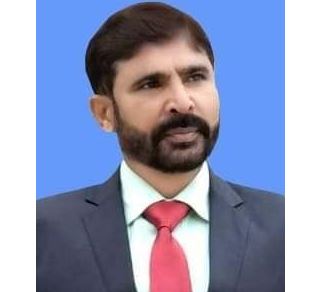
Dr. Muhammad Akram Zaheer

Political ideas often outlive the societies in which they were first developed. They survive because they address recurring questions about power, institutions and change. Few twentieth-century thinkers illustrate this better than Leon Trotsky. Although his theories emerged from revolutionary Russia, the debates he initiated continue to resonate wherever states struggle with institutional weakness, political fragmentation and the challenge of reform. For Pakistan, Trotsky’s writings are not a political blueprint to be followed, but they offer a useful lens through which to examine the country’s own institutional evolution.

Trotsky remains one of the most influential yet controversial figures in modern political thought. A leading figure in the 1917 Russian Revolution, Trotsky developed the theory of Permanent Revolution, arguing that societies experiencing incomplete political and economic transformation could not rely on gradual or isolated reforms. Instead, he believed political and social change was an ongoing process requiring continuous institutional development. While many aspects of his revolutionary programme remain subjects of historical debate, his broader concern with political stagnation, bureaucratic concentration of power and institutional decay continues to attract scholarly attention.

Perhaps even more significant than his theory of Permanent Revolution was Trotsky’s criticism of bureaucratic authoritarianism. Following the consolidation of power under Joseph Stalin, Trotsky argued that revolutionary ideals had been overshadowed by an expanding bureaucracy that increasingly concentrated authority in a narrow political elite. In his view, institutions become less effective when they cease to encourage accountability, open debate and public participation. Whether or not one agrees with his conclusions, his warning about excessive bureaucratic centralisation remains relevant to discussions of governance across the world.

Pakistan’s political experience differs fundamentally from the circumstances of early Soviet Russia. Pakistan is a constitutional parliamentary republic with its own legal traditions, democratic institutions and social complexities. Nevertheless, like many developing states, it has experienced recurring tensions between political continuity and institutional reform. Governments have changed, policies have shifted and economic priorities have evolved, yet structural governance challenges have often persisted.

One of Pakistan’s enduring difficulties is not the absence of constitutional institutions but the uneven performance of those institutions. Frequent political polarisation has diverted attention from long-term policy planning. Successive governments have launched ambitious programmes in education, health, taxation and economic management, yet implementation has frequently been inconsistent. Administrative continuity has often been interrupted by political transitions, reducing the effectiveness of otherwise promising initiatives.

Trotsky’s criticism of bureaucracy invites a broader question that extends beyond ideology: how can state institutions remain efficient, responsive and accountable? The answer lies not in revolutionary upheaval but in strengthening the rule of law, improving public administration and ensuring that institutions operate according to constitutional principles rather than political expediency.

Pakistan’s civil service remains one of the country’s most important state institutions. It possesses considerable professional expertise, yet concerns about administrative delays, overlapping jurisdictions and procedural complexity continue to affect governance. Modern states increasingly rely on efficient public administration, digital governance and evidence-based policymaking. Administrative reform therefore becomes not merely a managerial objective but an essential requirement for democratic stability and economic growth.

Another area where Trotsky’s analysis retains indirect relevance concerns political participation. Healthy democracies require political competition that remains within constitutional boundaries. They also require opposition parties capable of contributing constructively to national policymaking rather than viewing politics exclusively as a zero-sum contest. Pakistan’s democratic future depends upon strengthening parliamentary processes, encouraging issue-based politics and developing greater consensus on national priorities such as education, energy security, fiscal reform and climate resilience.

Economic governance presents an equally important challenge. Pakistan’s recurring balance-of-payments crises, dependence on external financial assistance and limited industrial diversification underline the need for sustained structural reform. Political instability often discourages long-term investment and weakens policy consistency. Successful economies generally demonstrate continuity in economic planning regardless of changes in government. This principle owes less to any particular ideology than to institutional maturity.

Education represents another critical dimension of institutional development. Countries that have achieved sustained economic progress have generally invested heavily in human capital, scientific research and technical skills. Pakistan possesses a young and dynamic population whose potential can only be realised through consistent investment in education, vocational training and innovation. Strengthening universities, improving school standards and expanding opportunities for research should remain central components of national development strategy.

Equally important is the relationship between citizens and public institutions. Public confidence grows when institutions demonstrate transparency, impartiality and professional competence. Judicial efficiency, regulatory consistency and effective local government all contribute to strengthening democratic legitimacy. Institutional credibility cannot be established through rhetoric alone; it emerges from consistent performance over time.

Pakistan’s foreign policy environment also requires institutional coherence. Situated at the crossroads of South Asia, Central Asia and the Middle East, Pakistan faces a rapidly changing geopolitical landscape characterised by strategic competition, shifting economic partnerships and evolving regional security dynamics. Long-term foreign policy benefits from policy continuity supported by professional diplomatic institutions capable of balancing national interests with changing international realities.

The principal lesson Pakistan may draw from Trotsky is therefore not his revolutionary prescriptions but his concern about institutional stagnation. Modern governance depends upon the continuous improvement of public institutions, the strengthening of democratic accountability and the ability of governments to adapt to changing economic and social conditions. States that neglect institutional reform often find themselves repeatedly confronting the same structural problems despite frequent changes in political leadership.

Pakistan today possesses substantial strengths: a resilient society, an entrepreneurial private sector, experienced public institutions and significant strategic importance. Transforming these assets into sustained national progress requires political stability, constitutional continuity and an unwavering commitment to institutional excellence. Reform should be understood not as a moment of political disruption but as a continuous process of improving governance, expanding opportunity and strengthening public trust.

History rarely offers ready-made solutions for contemporary challenges. Yet it does provide valuable perspectives. Leon Trotsky’s enduring contribution lies less in the revolutionary programme he championed than in the questions he raised about power, bureaucracy and institutional vitality. For Pakistan, the path forward is neither revolution nor ideological confrontation. It lies in patient institution-building, effective governance, democratic accountability and long-term policy consistency. Those remain the foundations upon which stable, prosperous and confident nations are ultimately built.

Dr. Muhammad Akram Zaheer

Assistant Professor Pakistan Studies

Imperial College of business Studies Lahore

[email protected]

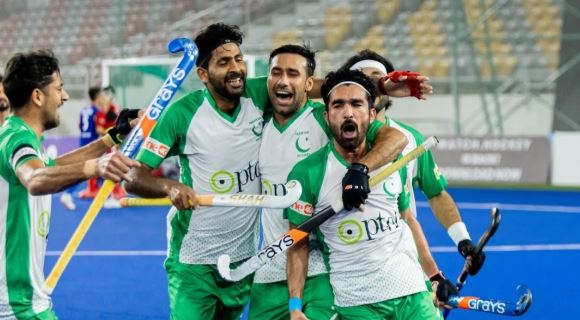
Pakistan U-21 hockey squad named for Oman Tour 2026

Pakistan U-21 hockey squad named for Oman Tour 2026

ISLAMABAD, Jul 05 (DNA): Pakistan Hockey Federation (PHF) on Sunday officially announced the 20-member national Under-21 hockey squad for the Oman Tour 2026, following successful trials held at the Naseer Bunda Hockey Stadium in Islamabad.

The final selection was approved by PHF President Mohyuddin Ahmad Wani, on the recommendations of the national selection committee headed by Olympian Samiullah Khan. The committee also included Olympians Nasir Ali, Naeem Akhtar, Kashif Jawad, and M. Khalid.

Star forward Hamza Fayyaz will lead the team as captain, while Samiullah has been appointed vice-captain for the tour.

Full Squad:

Goalkeepers: Ehtisham Khan, Ahsan Mahmood

Defenders: Abdullah Farooq, Asam Haider, M. Zain

Halfbacks: Ali Hamza, Ali Raza, Ali Mehdi, Ali Ansar, Samiullah (Vice-Captain), Azir Khan

Midfielders: Saifullah, Muhammad Shehir, Yahya Najib, Humair Arshad

Forwards: Hamza Fayyaz (Captain), Ghulam Mustafa, M. Ahmed, Saif Ahmed, Hassan

The team will now begin preparations ahead of its tour to Oman, where it will compete in international fixtures aimed at testing young talent and building future national strength.

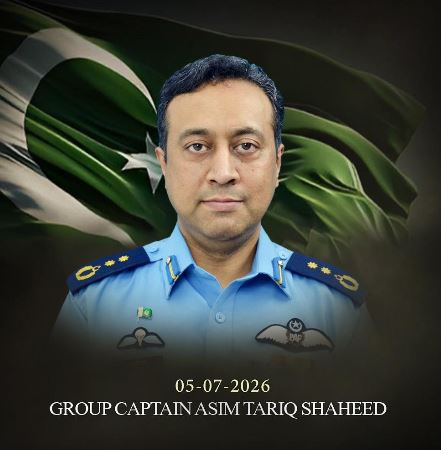
Lawlessness in the Capital Air Force hero Group Captain Asim martyred while rescuing woman

Lawlessness in the Capital Air Force hero Group Captain Asim martyred while rescuing woman

Police officials stated that the woman later revealed the accused was her office colleague. He had offered to take her to work but allegedly diverted the route, attempting to take her elsewhere. When she resisted, he tried to overpower her. Group Captain Asim’s timely intervention saved her from further harm

Saifullah Ansar

ISLAMABAD — In a tragic incident on Ninth Avenue, Pakistan Air Force officer Group Captain Asim embraced martyrdom while courageously intervening to protect a woman from harassment.

According to initial reports, Group Captain Asim was passing through the area when he noticed a woman struggling to free herself from a motorcyclist who was pulling her hand. Acting as a responsible citizen, he turned back and stopped near the motorcycle. The woman managed to run to the other side of the vehicle, but the confrontation escalated.

The alleged assailant, identified as Saad, began arguing with Group Captain Asim and within moments opened fire. The officer sustained critical injuries and succumbed shortly afterward. The suspect fled the scene.

Police officials stated that the woman later revealed the accused was her office colleague. He had offered to take her to work but allegedly diverted the route, attempting to take her elsewhere. When she resisted, he tried to overpower her. Group Captain Asim’s timely intervention saved her from further harm.

Law enforcement agencies have launched operations to apprehend the suspect.

Group Captain Asim leaves behind a grieving family — his widow, a daughter, and a son. His sacrifice is being hailed nationwide as a symbol of bravery and honor.

On social and national media, tributes are pouring in, remembering him as a valiant officer who gave his life to protect a woman’s dignity. His martyrdom reflects the ethos of Pakistan’s armed forces: safeguarding not only the nation’s borders but also the honor of its citizens.

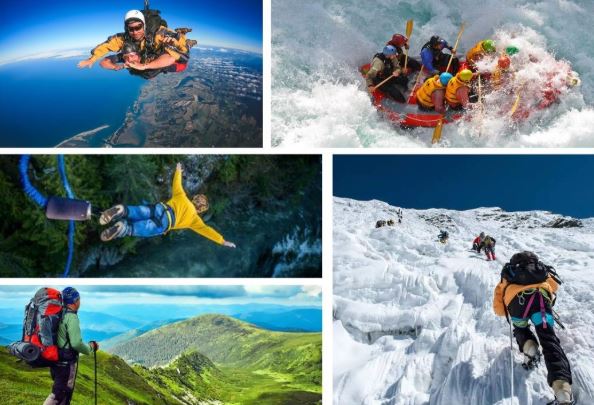
Adventure sports bringing global recognition

Adventure sports bringing global recognition

RAWALPINDI, JUL 05 (DNA): President of the Alpine Club of Pakistan (ACP) Major General Irfan Arshad Khan said Pakistan’s identity on the global stage is increasingly being defined by positive achievements, noting that Pakistani women have earned international recognition for the country through their outstanding accomplishments in diverse fields.

He made these remarks while announcing the launch of the Second Women Khusar Gang Expedition 2026, reaffirming the club’s commitment to promoting women’s participation in mountaineering, adventure sports, and outdoor leadership across Pakistan.

Addressing a ceremony in Rawalpindi, Major General Irfan Arshad Khan said the all-women expedition reflects the ACP’s continued efforts to empower female mountaineers and encourage greater participation in high-altitude climbing and adventure sports.

Marking the club’s Golden Jubilee celebrations, he also announced the issuance of a Rs50 commemorative postage stamp featuring four of Pakistan’s iconic mountain peaks. He described the stamp as a symbol of the country’s natural beauty and a tribute to its rich mountaineering heritage.

The ceremony was attended by Pakistan Tourism Development Corporation (PTDC) Managing Director Aftab Rana, Green Tourism representative Brigadier Irfan Akhtar, Commodore Akhtar Shahid Wain, Brigadier Mehdi, Khalid Mahmood, and other distinguished guests.

The expedition will see a team of female climbers attempt to summit Khusar Gang (6,040 metres), located in the scenic Shigar Valley of Gilgit-Baltistan’s Karakoram mountain range.

The initiative follows the successful all-women Bari La Expedition conducted during the ACP’s Golden Jubilee celebrations, which received widespread appreciation both nationally and internationally.

ACP officials said the Khusar Gang Expedition aims to provide women climbers with practical high-altitude mountaineering experience, develop leadership skills, and promote greater female participation in adventure sports across Pakistan.

Participants were selected through a transparent process by a committee of experienced women climbers led by renowned Pakistani mountaineer Naila Kiani. The selected team comprises Zeba Batool and Bibi Afzoon from Gilgit-Baltistan, Amara Sharif from Islamabad, Asma Bashir Bangash from Khyber Pakhtunkhwa, Bisma Hassan and Sadia Maqbool from Punjab, Natasha Fateh Muhammad from Sindh, Bibi Malika from Balochistan, and Laiba Shakeel from Azad Jammu and Kashmir.

The team is scheduled to depart from Skardu during the first week of July 2026, with all planning, coordination, and logistical arrangements being managed by the Alpine Club of Pakistan.

Reaffirming the club’s broader vision, ACP leadership said it remains committed to promoting mountaineering, adventure tourism, environmental awareness, and gender inclusion in outdoor sports. Officials added that the club will continue creating opportunities for young Pakistanis, particularly women, to showcase their talent in the country’s mountainous regions.

The ACP also announced that it will organize the K2 Baltoro Clean-Up Campaign 2026 in September. The environmental initiative will focus on preserving the fragile mountain ecosystem, removing waste from trekking routes, and raising public awareness about responsible mountain tourism and environmental conservation.

Major General Irfan Arshad Khan further said the Alpine Club would seek new sponsors this year to expand adventure sports initiatives and strengthen Pakistan’s profile as a premier destination for mountaineering and eco-tourism. He emphasized that the country’s towering mountain ranges are among its most valuable natural assets and pledged the club’s continued commitment to preserving them for future generations.

China’s mily promotes two new generals Anti-corruption purge had thinned ranks

China’s mily promotes two new generals Anti-corruption purge had thinned ranks

News Desk

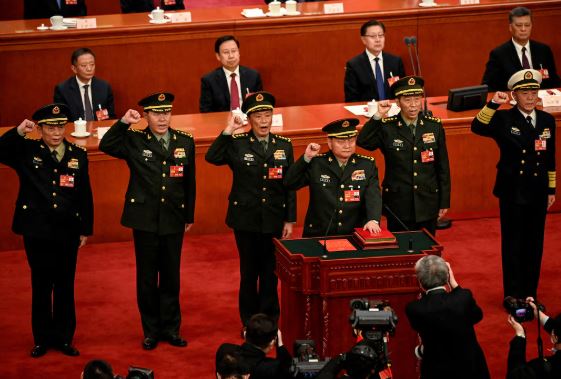
BEIJING: China’s military promoted two officers to the rank of general in what may be a precursor to a reorganization at the top following the removal of several of its leaders in a long-running anti-corruption drive.

The shake-up is believed to be part of an effort to reform the military and ensure its loyalty to China’s ruling Communist Party and the nation’s leader, Xi Jinping. It comes as Xi seeks to accelerate the modernization of the armed forces to stake out and defend China’s interests in the Pacific, including Taiwan and other territorial claims.

Xi, who is also head of the military, presented orders promoting Zhang Shuguang and air force commander Wang Gang to generals at a ceremony Friday. Zhang was also named the head of the division investigating corruption at the Central Military Commission, the military’s top body.

The promotions could put them in line to fill vacancies on the seven-member commission, which has been effectively reduced to two by the corruption investigations.

Zhang in particular looks like a leading candidate, analysts said. The case for Wang is less clear, as two other air force officers — the commanders of China’s Central and Eastern Theaters — were promoted to general in the People’s Liberation Army, or PLA, in December.

“Wang Gang is part of a new generation of PLA Air Force elites with hard operational experience who have been delegated important roles in the Chinese military since the latest round of purges,” said James Char, an assistant professor at the S. Rajaratnam School of International Studies in Singapore.

The commission is chaired by Xi. Its only other active member is Vice Chair Zhang Shengmin. Two former vice chairs, including the military’s top general, have been removed or effectively removed.

The purges have dismantled the two main factions in the military, giving Xi a cleaner slate to choose future leaders, Char said.

At the same time, the fact that only four lieutenant generals have been elevated to general suggests that Xi is not in a hurry to reshuffle the leadership, said K. Tristan Tang, a nonresident fellow at the US-based National Bureau of Asian Research.

“He is still watching, testing, and vetting these senior PLA lieutenant generals,” Tang said.

A new Central Military Commission is expected to be announced at the next Communist Party Congress in the fall of next year, when the current commission’s five-year term ends.

Countering rising temperature through scientific ways

Countering rising temperature through scientific ways

Ghazala Anbreen

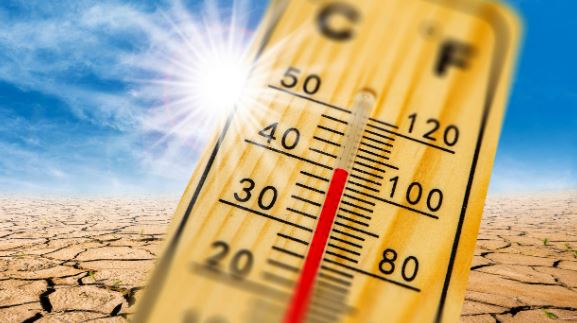
The sea surface temperatures are constantly rising because of increased emissions. There are different factors which are responsible for this. The heat is generated from unlined waste dump sites. Unfortunately, the burning of crop residues is also a very big source of increase in temperature in Pakistan. Another major  source is vehicular emissions. The heat caused by Euro 2 fuel is  more than that caused by Euro 5. Therefore, switching to Euro 5, cleaner fuel standards is very necessary and is the dire need of the time in order to counter this heat problem. Factories also need to have a proper control as regards the environmental certificates. Electrostatic precipitators with the towers should be in working condition.

 When we go to the suburbs of big cities there are small plants which burn plastic. Because of the emissions of fine particulate matter (PM 2.5), this burning of plastic becomes the reason of generating toxic substances as, for instance, dioxins and furans. These are highly dangerous because a lot of heat is generated through them. For environment they have a severe detrimental effect.

These dioxins can travel through the atmosphere. As a result they poison the crops, water and soil and contaminate them. Thus the food chain is affected and human health is at stake. In Karachi some people have died because of heat stroke.The number of patients suffering from heat strokes admitted in hospitals are increasing all over the country.

 Despite the fact that global warming is a reality, for a comfortable living, controlling the sources of heat generation is essential.  We have to look at our waste disposal mechanisms also. The unmanaged waste is also a reason for the increase in temperature. These create methane gas which leads to global warming. We have to check it meticulously whether our waste has the capability of burning at 1100 degree centigrade. Attaining the target of zero waste to landfill can be possible when it is seen how much waste we throw in the landfills. In general, much of  the waste in most of the countries all over the globe is thrown to the  engineered landfills, as it is the cheapest and safest method of waste disposal. The gas from these landfills is used for energy production. However, achieving the target of Near zero waste to energy can become a reality. And for this purpose the training of the people, (the consumers) is essential. The people should be consistently reminded through regular awareness campaigns that they must throw the waste in separate designated bins only.

To sum up, resorting to cleaner fuel standards, minimizing vehicular emissions, better waste management techniques,  regulations regarding industrial controls and proper enforcement and stopping open crop residual burning, all these measures can help countering the problem of rising temperature to a great extent. These are in our control and with the use of proper technology we can help achieve this for a better future for our younger generations.

Cabinet reshuffle looms amid growing political ‘turmoil’

Cabinet reshuffle looms amid growing political ‘turmoil’

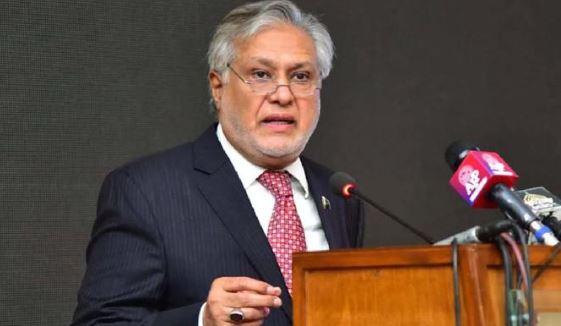
According to political insiders, Finance Minister Ishaq Dar may be relieved of his current responsibilities and reassigned to the finance portfolio once again, while Mohsin Naqvi is being tipped as the next Foreign Minister

Ansar Mahmood Bhatti

ISLAMABAD — Speculation is mounting in the federal capital that a major cabinet reshuffle is imminent, with several key ministers likely to be replaced as the government struggles to contain mounting criticism over governance, corruption, and law and order.

According to political insiders, Finance Minister Ishaq Dar may be relieved of his current responsibilities and reassigned to the finance portfolio once again, while Mohsin Naqvi is being tipped as the next Foreign Minister. Naqvi’s role in leading sensitive negotiations between the United States and Iran   traditionally the domain of the Foreign Ministry has reportedly sidelined the incumbent foreign minister, raising questions about the relevance of the office under the current setup.

Dar, meanwhile, is said to have fallen out of favor with the country’s power brokers. His position has been further weakened by the recent scandal in Lahore involving allegations of confinement and sexual assault against foreign women, allegedly linked to his grandson Raza Dar, though Raza had pleaded not guility. The incident sparked public outrage and intensified calls for accountability. Faisal Vawda, a politician known for his close ties to the establishment, openly demanded Dar’s resignation over the matter, adding fuel to the speculation of his removal.

While a change of government may not be expected in the immediate future, insiders suggest that a reshuffle of the cabinet is “very much likely.” Several ministers could be shown the door, ostensibly for poor performance. However, critics argue that performance is merely a pretext, as few in the cabinet can claim tangible achievements. The government has been marred by allegations of widespread corruption, mismanagement, and worsening law and order, particularly in Islamabad, where police forces are accused of focusing on VIP protection rather than public safety.

The potential appointment of Mohsin Naqvi as Foreign Minister is being viewed as a strategic move. His involvement in high‑level talks with Washington and Tehran has already demonstrated his influence in foreign policy matters. Analysts believe his elevation would formalize the role he has been playing behind the scenes, while simultaneously signaling a shift in the government’s diplomatic priorities.

For Ishaq Dar, the reshuffle could mark both a demotion and a return to familiar territory. Having previously served as Finance Minister, he may be tasked once again with steering the country’s fragile economy. Yet his diminished standing with the establishment and the shadow of scandal could limit his effectiveness in the role.

Beyond these headline changes, other ministers are also expected to be replaced. The government’s critics argue that reshuffling faces will not address the deeper issues of governance, accountability, and public trust. “If performance were truly the yardstick, no one in the cabinet would survive,” one analyst remarked, pointing to the administration’s record of stalled reforms and deteriorating public services.

As rumors swirl, the public awaits official confirmation of the reshuffle. For now, the uncertainty underscores the fragile state of Pakistan’s political landscape, where scandals, power struggles, and behind‑the‑scenes maneuvering continue to shape the course of governance while the hapless people of Pakistan continue to suffer.

IHC seeks report on Imran, Bushra's 'solitary confinement'

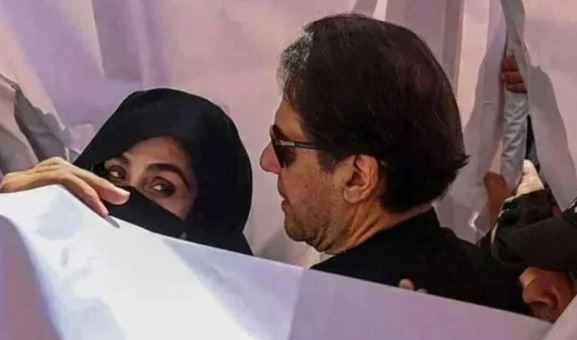
ISLAMABAD, JUL 4: The Islamabad High Court (IHC) on Saturday sought a detailed report and prison record from the Adiala jail superintendent related to the alleged solitary confinement of Pakistan Tehreek-e-Insaf (PTI) founder Imran Khan and his wife, Bushra Bibi.

IHC judge Justice Khadim Hussain Soomro issued the directives while hearing petitions filed by Khan’s sister, Aleema Khan and Bushra Bibi’s daughter, Mubashra Khawar Maneka.


During the previous hearing on Tuesday, the judge had observed that convictions in National Accountability Bureau (NAB) cases did not carry solitary confinement as a punishment. He had said the court had examined both judgments and found no sentence of solitary confinement.

At the outset of today’s hearing, Justice Soomro directed the jail superintendent to explain whether the two prisoners had been placed in solitary confinement and, if so, under which legal provisions, in what circumstances and for what duration.

It is pertinent to mention here that Khan, who has been in jail since August 2023, faces multiple cases ranging from corruption to terrorism since his ouster from power via the opposition’s no-trust motion in April 2022.

The court will decide the maintainability of the petitions after the jail authorities submit their report, the judge remarked.

The judge also sought a report detailing the facilities being provided to the former prime minister and his wife in jail.

The judge ordered the inspector general of prisons and the superintendent of the jail to ensure that their nominated representatives appear before the court at the next hearing.

He said the officials appearing before the court must be fully aware of the facts and circumstances of the case.

Meanwhile, the judge adjourned the hearing till August 6.

During the previous hearing, counsel for the petitioners, Barrister Salman Safdar, had argued that Khan and Bushra had been held in solitary confinement for several months in violation of prison rules.

Safdar had told the court that he was allowed to meet Khan following a court order, but had been denied access to Bushra for the past seven months.

He had alleged that Khan was being confined for about 22 hours a day, while Bushra remained isolated around the clock.

NAB prosecutor, Rafi Maqsood had challenged the petitions, arguing that Aleema Khan and Mubashra Khawar Maneka were not aggrieved parties and therefore lacked legal standing.

He had denied that the couple was being held in solitary confinement, saying their custody was being managed under prison rules applicable to convicted inmates.

He had also argued that the petitioners had not first approached prison authorities before seeking constitutional relief.

The federal government, NAB and the Islamabad advocate general asked the court to dismiss the petitions as not maintainable. After hearing arguments from both sides, the court had reserved its verdict on the maintainability of the petitions.

PM, Turkish President vow to boost bilateral trade to $5 billion

PM, Turkish President vow to boost bilateral trade to $5 billion

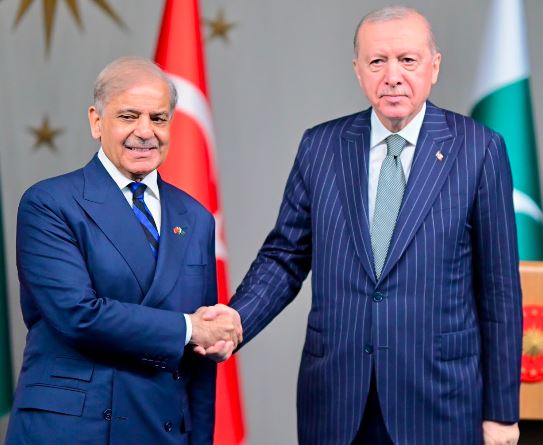
ISTANBUL, July 4 (DNA): Pakistan and Turkey have expressed their commitment to increase the volume of bilateral trade to five billion dollars, while discussing ways to enhance two-way trade, investment in economic zones, and economic cooperation.

Prime Minister Muhammad Shehbaz Sharif, describing Pakistan and Turkey as “one soul in two bodies,” stated that both nations have always stood by each other through every hardship. Meanwhile, Turkish President Recep Tayyip Erdogan termed the Islamabad Reconciliation Memorandum as highly significant for global peace, saying the entire world breathed a sigh of relief because of it, and that Turkey will continue to support efforts for peace and prosperity.

Speaking at a joint press conference alongside Turkish President Recep Tayyip Erdogan after their meeting here on Saturday, Prime Minister Shehbaz Sharif thanked President Erdogan for the splendid reception and gracious hospitality. He described Istanbul as a beautiful city and a wonderful blend of East and West, adding that the people of Pakistan and Turkey share deep love and affection for one another. “There is a heartfelt connection between us,” he said.

He recalled that during Turkey’s War of Independence, Muslims of the subcontinent extended full support, with mothers and sisters even donating their jewelry. This unique bond, he said, is built on shared faith, culture, history, mutual brotherhood, and sacrifices.

The Prime Minister noted the illustrious history of Pakistan-Turkey relations, saying both countries have always stood firmly by each other in every difficulty. Whether war, earthquakes, natural disasters, or floods, Turkey has always stood by Pakistan. He mentioned that Turkey’s assistance in Muzaffargarh and other flood-affected areas is part of history, adding that President Erdogan himself visited flood-hit Muzaffargarh with his wife, who even donated her necklace for the victims — an act that won the hearts of the Pakistani people.

He also thanked Turkey for establishing modern hospitals and schools in disaster-hit areas and for its cooperation in social and economic development.

“We are proud that Pakistan and Turkey are one soul in two bodies,” the Prime Minister said, adding that the thoughts of Maulana Jalaluddin Rumi and Allama Iqbal continue to guide them.

Commending Turkey’s unprecedented progress in various fields under President Erdogan’s leadership, the Prime Minister said Pakistan takes pride in its friendship with Turkey. He informed that a significant meeting was held with Turkish business figures at the B2B forum, and comprehensive, constructive talks were held with President Erdogan. Discussions focused on increasing investment in special economic zones.

“We are determined to achieve the target of five billion dollars in bilateral trade,” he said. He also mentioned the shared stance and cooperation of both countries on global and regional conflicts, reiterating Pakistan’s support for Turkey’s position on the Cyprus issue and thanking Turkey for its unequivocal stance on the Kashmir issue.

“The success of Pakistan is Turkey’s success, and the development of Turkey is Pakistan’s development,” the Prime Minister said, adding that they aim to give Pakistan-Turkey partnership a new dimension.

Earlier, President Recep Tayyip Erdogan, addressing the press conference, welcomed Prime Minister Shehbaz Sharif and his delegation. He expressed grief and sorrow over the tragic accident in Balochistan the previous day that claimed several precious lives.

He said the meeting covered bilateral relations, regional, and global matters, and expressed satisfaction over the trajectory of relations between the two countries. He stated that the Islamabad Peace and Reconciliation Memorandum had allowed the entire world to breathe a sigh of relief, thanking Prime Minister Shehbaz Sharif and the Pakistani nation for their efforts in this regard. He added that Turkey had also contributed to this process and would continue to play its role for peace and de-escalation in the region.

President Erdogan affirmed that both countries will always stand by each other and continue to support efforts for peace and prosperity. He praised Pakistan’s initiatives for peace, development, and prosperity.

He said the Israeli administration is carrying out provocative actions to sabotage peace and fueling tensions for its own political survival. He also mentioned discussions on increasing trade, investment, and economic cooperation, adding that relevant ministries would maintain close coordination regarding special economic zones. Talks were also held on raising bilateral trade to five billion dollars.

He expressed Turkey’s interest in expanding cooperation with Pakistan in various sectors including defense, energy, IT, transportation, and minerals, and said discussions were held on boosting trade and investment between the two countries.

Stay Connected

64FansLike
60FollowersFollow

Latest Reviews

Exchange Rates

USD - United States Dollar
EUR
1.15
GBP
1.35
AUD
0.70
CAD
0.71