Home Blog Page 473

PTA chairman says country’s entire data stored on foreign servers

PTA chairman says country's entire data stored on foreign servers

ISLAMABAD, SEPT 19 – Pakistan Telecommunication Authority Chairman Hafeezur Naeem said on Friday that Pakistan’s entire data is stored on foreign servers and is vulnerable to theft.

Shocking disclosures were made during a meeting of the Senate Standing Committee on Information Technology, where the PTA chairman confirmed that his personal SIM data has been available on the dark web since 2022.

He informed the committee that the data of individuals who submitted applications for Hajj had also been stolen and is now circulating on the dark web. Emphasising the need for robust data infrastructure, he said that a national data centre is essential to safeguard sensitive information. Ongoing investigations by the Ministry of Interior and the National Cyber Crime Investigation Agency (NCCIA) are expected to determine the source and method of the data breach.

Highlighting the severity of the matter, Senator Afnanullah, a member of the committee, claimed that data theft and its subsequent sale had become a multi-billion-rupee industry. He alleged that powerful interest groups are attempting to block the passage of the proposed Data Protection Bill.

Chairperson of the committee, Senator Palwasha Khan, raised questions about the future of digital Pakistan in light of the current security situation. She shared that she was contacted from a private number and asked to pay a credit card bill, suggesting that her personal data had also been compromised. “What kind of digital Pakistan and what kind of progress can be expected under such conditions?” she asked, urging the government to pass the Data Protection Bill and expose those obstructing its implementation.

The PTA Chairman advised both members of parliament and the general public to avoid accepting mobile phones as gifts, warning that such devices may contain surveillance bugs capable of intercepting calls and accessing apps such as WhatsApp.

Officials from the Ministry of IT confirmed that the Data Protection Bill has been drafted, along with an alternative to WhatsApp. They said consultations with stakeholders and security clearance procedures are currently underway.

Asia Cup 2025: India post 189-run target for Oman

Asia Cup 2025: India post 189-run target for Oman

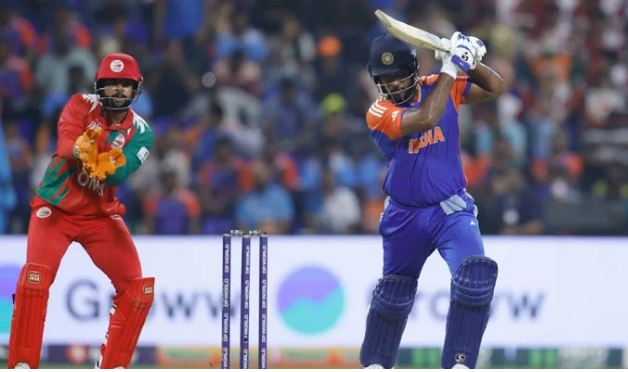
ABU DHABI: India set a 189-run target for Oman in the 12th match of the Asia Cup 2025 at Sheikh Zayed Stadium, Abu Dhabi, on Friday.

India captain Suryakumar Yadav’s decision to bat first paid dividends as his team’s batting unit yielded 188/8 in 20 overs.

The 2016 champions, however, got off to a contrasting start to their innings, as vice-captain Shubman Gill (five) was cleaned up by Shah Faisal in the second over with just six runs on the board.

Following the early setback, Samson, promoted up the order, joined Abhishek Sharma for a quickfire 66-run partnership for the second wicket, which culminated with the opener’s dismissal in the eighth over.

Sharma smashed five fours and two sixes on his way to a 15-ball 38.

India lost another wicket in the eighth over as Hardik Pandya (one) got run out by Jiten Ramanandi, who managed to deflect the ball onto the stumps during his follow-through.

Samson then knitted an important 45-run partnership for the fourth wicket with Axar Patel, who contributed with a 13-ball 26 before falling victim to Aamir Kaleem in the 12th over.

Kaleem struck again in his next over, dismissing Shivam Dube (five), resulting in India slipping to 130/5 in 13.2 overs.

Meanwhile, Samson, supported by Tilak Varma, ensured to keep the momentum in India’s favour as the duo added 41 runs for the sixth wicket before both fell in successive overs.

Samson remained the top-scorer for India with 56 off 45 deliveries, studded with three sixes and as many fours, while Varma made an 18-ball 29 with the help of two sixes and a four.

Lower-order batter Harshit Rana added valuable runs for India in the final over with an unbeaten 13 off just eight deliveries.

For Oman, Faisal, Kaleem and Faisal picked up two wickets each.

Trump’s UK visit benefits both sides of the Atlantic

Trump’s UK visit benefits both sides of the Atlantic

Luke Coffey

US President Donald Trump’s state visit to the UK this week offered an interesting reminder of how far US-European relations have come during his second administration compared with his first. The images from England were stunning: smartly dressed soldiers, a horse-drawn carriage procession, all the trappings of a state dinner glistening in gold, and with everything revolving around the US leader.

In fact, Trump’s visit made history. He is the first elected leader to be hosted for two state visits to the UK. Keir Starmer’s invitation — personally delivered during the UK prime minister’s first meeting with Trump in the Oval Office in February — set the stage for the occasion, and also for the broader tone of US-European relations in Trump’s second term.

It is worth remembering how rocky US-European relations were during Trump’s first White House tenure. Senior European officials and leaders openly mocked the US leader in public and on social media. Trump, in turn, hit back with sharp attacks. Only a few European leaders at the time knew how to manage the relationship. Jens Stoltenberg, then NATO secretary-general and now Norway’s finance minister, was perhaps the most effective, even earning the nickname “the Trump Whisperer.” Emmanuel Macron, France’s president, also managed to build a productive relationship with Trump. But most of Europe’s elite were counting down the days until Trump departed the Oval Office.

This time, the situation is very different. European leaders across the political spectrum have demonstrated an ability to engage with Trump, unlike many of their predecessors in his first term. This has led to a healthier transatlantic relationship at a time when there are many geopolitical challenges.

What is the secret? The answer is to focus on the person, not just the position. Starmer understood that Trump admires the British monarchy, and a handwritten letter from King Charles inviting him to an unprecedented second state visit was well received. Finland’s President, Alexander Stubb, has become one of the most effective communicators with Trump on Ukraine. His path to the Oval Office was not through formal policy channels but on the golf course, having once played as a college-level golfer in the US. German Chancellor Friedrich Mertz, aware of Trump’s pride in his family heritage, brought a framed copy of the US leader’s great-grandfather’s German birth certificate during his first Oval Office meeting with him. Italian Prime Minister Giorgia Meloni, who is more ideologically aligned with Trump, has also found it easier to engage, stressing issues of sovereignty and migration where she and Trump share common ground.

High-stakes diplomacy and statecraft often come down to personalities. European leaders miscalculated in Trump’s first term by failing to engage with his personality and, instead, joining the anti-Trump bandwagon. By contrast, Europe’s new approach has already produced real results.

For example, the US and the EU recently agreed on what some claim is the largest trade deal in history — something unthinkable during Trump’s first term. NATO members have committed to spending 5 percent of their gross domestic product on defense, far beyond previous levels. And it seems that Trump himself is starting to shift on Ukraine. Previously highly critical of US military support, he now facilitates large aid packages of American-made weapons funded by Europe. This marks a dramatic shift from the tensions of his first term, when he openly questioned NATO’s value and European leaders feared US abandonment.

Had anyone predicted these outcomes before January 2025, it would have seemed unimaginable. Yet Trump thrives on deal-making. He enjoys bargaining, negotiating, and being the center of attention. He also respects tough negotiating tactics from European leaders.

The best example is Volodymyr Zelensky. Of all European leaders, Ukraine’s president faced the greatest difficulties with Trump in the early days of his second term. But over time, Zelensky adjusted his approach and became one of the most effective advocates for his country with Trump. The minerals deal between Ukraine and the US, signed after weeks of grueling negotiations and even a public Oval Office falling-out, illustrates this evolution. Zelensky learned to work with Trump on personal terms, becoming the enabler of Trump’s peace proposal and making the Kremlin look like the obstacle. The result has been stronger US-Ukraine cooperation.

This is good not only for Europe but for the US as well. Although some in Trump’s administration take an isolationist world view, Europe’s importance is undeniable. Europe is America’s most important single trading partner, largest export market, and biggest source of foreign direct investment. The economic well-being and security of the US are deeply tied to Europe’s, as the 20th century clearly demonstrated.

Even though many around Trump’s inner circle often criticize and complain about Europe, deep down they know how important the region is to the US. Even Vice President JD Vance, who has been highly critical of many political issues in Europe, especially those relating to free speech, recently found himself vacationing in the UK with his family. The symbolism of such a trip should not be overlooked: It shows that despite the rhetoric, the cultural, personal, and economic bonds between the US and Europe run deep.

It is, therefore, fortunate that European leaders have adapted their approach to Trump. By appealing to his instincts and personality, they have opened the door to a healthier and more pragmatic transatlantic relationship. For his part, Trump has responded to these gestures of goodwill by advancing cooperation rather than confrontation.

The lesson is simple. Diplomacy is often about personalities as much as policies. In Trump’s case, European leaders now understand that engaging with the man himself is the best way to ensure good relations for both sides of the Atlantic.

Luke Coffey is a senior fellow at the Hudson Institute. X: @LukeDCoffey

Romania, Pakistan collaborate on world culture festival in Karachi

Romania, Pakistan collaborate on world culture festival in Karachi

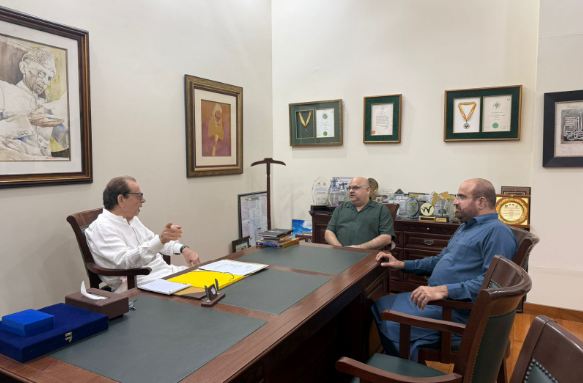
KARACHI, SEPT 19 /DNA/ – The Embassy of Romania in Islamabad and the Arts Council of Pakistan are delighted to announce their collaboration for the World Culture Festival – Karachi 2025, showcasing the exceptional talent of Romanian soprano, Mrs. Georgiana Costea Gluga. In preparation for this grand event, Mr. Atif Farooqi, Advisor and Chief Operating Officer, Pakistan Romania Business Council, and Mr. Sohail Shamim Firpo, Chairman, Pakistan Romania Business Council, met with Mr. Ahmed Shah, President of the Arts Council of Pakistan, to finalize the logistics and arrangements for Mrs. Gluga’s performance, scheduled for November 4, 2025.

This partnership underscores the Embassy of Romania’s dedication to cultural diplomacy and strengthening bilateral relations between Romania and Pakistan. The involvement of the Pakistan Romania Business Council highlights its commitment to promoting trade, cultural exchange, and people-to-people connections between the two nations, ultimately fostering a stronger bond between Pakistan and Romania.

Asia Cup: India win toss, chose to bat first against Oman

Asia Cup: India win toss, chose to bat first against Oman

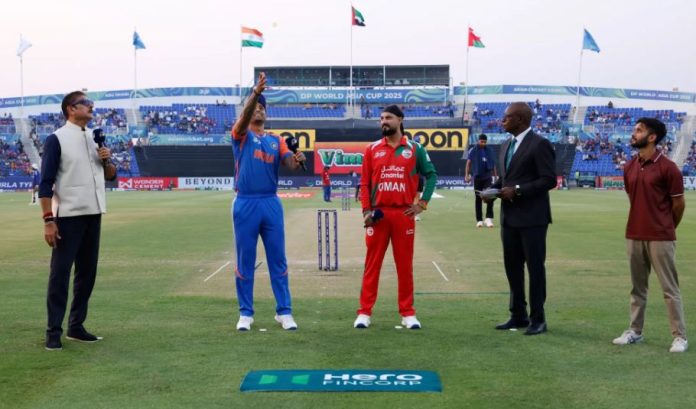
ABU DHABI: India won the toss and elected to bat first on Friday in their clash against Oman in the lead-up to the Pakistan encounter in the men’s Asia Cup in Abu Dhabi.

The Men in Blue rested pace spearhead Jasprit Bumrah in this dead-rubber clash against Oman.

India will face Pakistan next on Sunday. Pakistan captain Salman Agha said his team were ready to face India in the next round of the Asia Cup after last week’s group-stage match between the arch-rivals ended in acrimony when the Indian side refused to shake hands.

Pakistan beat the United Arab Emirates in their final Group A game on Wednesday to advance to the Super Fours stage, where they will also play two teams from Group B in a round robin format.

Pakistan and India could meet for a third time at the tournament if they both reach the September 28 final.

Teams:

Oman: Jatinder Singh (captain), Aamir Kaleem, Hammad Mirza, Vinayak Shukla (wicket-keeper), Shah Faisal, Mohammad Nadeem, Aryan Bisht, Zikria Islam, Shakeel Ahmed, Samay Shrivastava, and Jiten Ramanandi

India: Abhishek Sharma, Shubman Gill, Sanju Samson (wk), Hardik Pandya, Suryakumar Yadav (capt), Tilak Varma, Shivam Dube, Axar Patel, Harshit Rana, Arshdeep Singh, and Kuldeep Yadav.

Elderly couple released, praise treatment by Taliban authorities

Elderly couple released, praise treatment by Taliban authorities

KABUL, SEPT 19 /DNA/ – An elderly British couple detained in Afghanistan for almost eight months were released on Friday, the Taliban authorities said, after pressure built to free the pair due to fears over their health.

Taliban officials have refused to detail why Peter Reynolds, 80, and his wife Barbara, 76, were arrested in February as they were returning to their home.

“We’ve been treated very well. We’re looking forward to seeing our children,” said Barbara, standing next to her husband on the tarmac of Kabul airport.

“We are looking forward to returning to Afghanistan if we can. We are Afghan citizens,” she added.

The couple were married in Kabul in 1970, and have spent almost two decades living in Afghanistan, running educational programmes after moving there. They also became official Afghan citizens.

Their family had made repeated pleas about their ailing health after their arrest.

Foreign Ministry spokesman Abdul Qahar Balkhi, in a statement posted on social media, said the couple were handed over to the UK’s special representative to the country, Richard Lindsay.

“Two British nationals named Peter and Barbara Reynolds, who had violated the laws of Afghanistan, were released from custody today following the judicial process,” Balkhi added.

Images of the couple standing together with Lindsay at Kabul airport before their departure to the Qatari capital Doha were broadcast on Sky News.

“They are very relieved to be going home,” Lindsay told the broadcaster.

In late July, the independent UN human rights experts called for the Taliban government to free the pair, warning of the “rapid deterioration” of their physical and mental health, stating that they “risk irreparable harm or even death”.

Foreign ministry spokesman Balhk, in his statement, said that the government “does not view the matters of citizens from a political or transactional angle”.

A Qatari official, on condition of anonymity due to the sensitivity of the matter, told AFP that the couple were “safely released from detention in Afghanistan following mediation led by Qatar”.

“The Qataris had been engaged with the Afghan authorities for many months, working in close coordination with the British government,” he added.

Motiwala congratulates on Pakistan–Saudi Arabia strategic defense agreement

Motiwala congratulates on Pakistan–Saudi Arabia strategic defense agreement

DNA

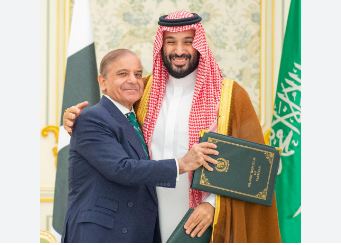
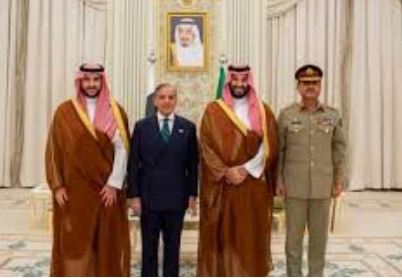
KARACHI: Chairman Businessmen Group (BMG) and Former President Karachi Chamber of Commerce & Industry (KCCI), Muhammad Zubair Motiwala, has highly appreciated the signing of the Strategic Mutual Defense Agreement between Prime Minister Shehbaz Sharif and His Royal Highness Crown Prince Mohammed bin Salman.

Calling the agreement a defining milestone in the history of Pakistan–Saudi relations, Motiwala stressed that safeguarding the sanctity and security of Haramain Sharifain is a sacred duty of the entire Muslim Ummah. He extended heartfelt congratulations to President Asif Ali Zardari, Prime Minister Shehbaz Sharif, Field Marshal Syed Asim Munir, and the Federal Cabinet for securing this historic development, which further consolidates the already time-tested partnership between the two countries.

He noted that this agreement elevates the Pakistan–Saudi relationship to a new strategic level, sending a clear message to the world that the defense, security, and stability of both countries are interlinked. Any aggression against either country will be treated as aggression against both, which is a highly reassuring and welcome commitment for the people of Pakistan and Saudi Arabia, as well as for the entire Muslim Ummah.

Motiwala emphasized that while the agreement is primarily focused on defense cooperation, its long-term impact will extend far beyond security. It is expected to create vast new avenues of economic, industrial, and social collaboration that will benefit both nations. He observed that such a breakthrough would open doors for enhanced cooperation in education and training, with greater opportunities for academic exchanges, scholarships, and technical programs that can uplift Pakistan’s human resource capacity.

He further pointed out that the agreement could lead to the establishment of joint training centers to equip Pakistani youth with globally competitive skills. This would not only improve the quality of Pakistan’s workforce but also enhance their contribution in Saudi Arabia and across the Gulf region where millions of Pakistanis are already employed.

In addition to education and skill development, Motiwala noted that cooperation in infrastructure and industrial growth would also gain momentum. Saudi investment in Pakistan’s ports, highways, and urban development projects could accelerate modernization, while joint ventures in steel, cement, fertilizers, and defense production would create new economic opportunities. He particularly highlighted the potential for growth in the petrochemical and energy sectors, as Pakistan could benefit enormously from Saudi expertise and investment in refining, petrochemical plants, renewable energy, and oil storage facilities.

Motiwala suggested that both countries could explore joint ventures in numerous sectors of the economy whereas the Saudi investors can also look into the possibility of expanding investments in Pakistan, particularly in Karachi, which continues to serve as the nation’s economic and industrial hub.

He urged the business communities of both nations to begin preparing comprehensive strategies to harness these emerging opportunities. He stressed that chambers of commerce, trade associations, and entrepreneurs must proactively engage with Saudi counterparts through delegations, dialogue, and joint projects so that the benefits of this landmark agreement are fully realized.

Motiwala expressed confidence that as Pakistan extends its unwavering support to protect the sovereignty of Saudi Arabia, Saudi Arabia will reciprocate by supporting Pakistan’s economic revival through investments, trade partnerships, and development initiatives.

Concluding his remarks, he stated that this agreement is not just a defense pact but the dawn of a new chapter in Pakistan–Saudi brotherhood. It represents a comprehensive partnership that encompasses defense, economy, and cultural cooperation. He reaffirmed Pakistan’s determination to utilize all available resources and capabilities to protect the sanctity of Harmain Sharifain, which he described as both a great honor and a solemn responsibility for the Pakistani nation.

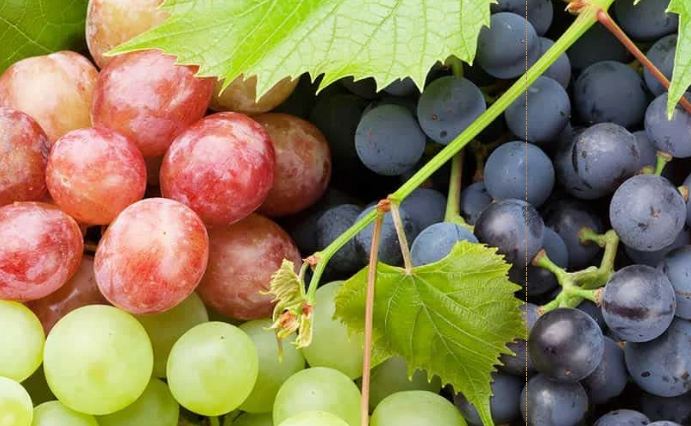
Grapes may slow ageing process: study

Grapes may slow ageing process: study

The health and cosmetic benefits of grapes are not new as this fruit has long been used in the treatment of a range of conditions, including depression and liver and kidney disorders.

Rich in water, potassium, and a variety of vitamins—most notably vitamin A and vitamin K—grapes have played a significant role in medical and cosmetic products, as well as in dietary and preventative health practices. Grapes are also commonly included in weight management programmes.

Researchers suggest that ancient civilisations such as the Pharaohs, Phoenicians and Romans incorporated grapes into their diets. But what are the key benefits of this fruit?

Detoxification

Grapes assist the body in eliminating toxins. According to Dr Walid Matar, a specialist in family medicine, consuming small amounts of grapes daily aids in this process. The fruit’s antioxidant and anti-inflammatory properties help the body reduce and prevent harmful effects.

Suitable for Diets

Grapes are appropriate for individuals following a dietary plan. Dr Matar explains that 150 grams of grapes contain approximately 100 calories and about 10 grams of carbohydrates. The fruit contains neither fat nor protein. However, moderate consumption is advised, in line with diet guidelines.

Cancer Prevention

Grapes contain powerful antioxidants known as polyphenols. According to Medical News Today, these compounds may slow or prevent the growth of tumours in the liver, stomach, breast and colon. They are also reported to assist in the treatment of skin and blood cancers. The fruit also contains resveratrol, an anti-inflammatory compound found in higher quantities in red wine. Patients are advised to drink one glass of grape juice per day as part of their anti-cancer routine.

Cardiovascular Protection

Grapes contribute to heart health. Laboratory tests have shown that polyphenols in grapes reduce the risk of atherosclerosis and offer protection from the damage caused by low-density lipoproteins (LDL), also known as bad cholesterol. The combination of limited fibre and high potassium in grapes supports cardiovascular function. The American Heart Association recommends increasing potassium intake while reducing sodium to help regulate blood pressure.

Blood Pressure Regulation

Due to its high potassium content, grape consumption helps reduce the effects of sodium found in many foods, which contributes to high blood pressure. Medical News Today reports that potassium in grapes plays a role in managing hypertension. The fruit’s fibre content also supports cardiovascular health.

Relief from Constipation

Grapes contain both water and fibre—key elements that help alleviate symptoms of constipation. The health-focused website Organicfat.com highlights grapes’ role in hydrating the digestive tract and the body overall, reducing the risk of constipation.

Reduced Risk of Diabetes

A 2013 study published in The Global Health Journal found that certain fruits may lower the risk of type 2 diabetes in adults. The research, which observed 187,382 participants over 22 years, concluded that those who consumed three servings per week of blueberries, black grapes, raisins, apples and pears had a 7 per cent lower risk of developing type 2 diabetes. The American Diabetes Association recommends grape consumption as part of a balanced diet.

Eye Health

Grapes benefit eye health due to their antioxidant content. Tests indicate that resveratrol protects against a range of eye disorders, including age-related macular degeneration, glaucoma and cataracts.

Skin Health

Dr Matar notes that grapes have cosmetic as well as health benefits, thanks to their high levels of antioxidants. The fruit is believed to cleanse skin cells and enhance facial radiance, leaving the skin clear and bright. A daily glass of grape juice is recommended.

Acne Treatment

Grapes may assist in managing acne and reducing irritation in sensitive skin. Their anti-inflammatory properties contribute to these effects, according to Dr Matar.

Delayed Ageing

Grapes may slow the ageing process and improve skin elasticity. A 2009 study conducted at the University of Ovidius in Romania examined extracts from black grapes and found evidence supporting their role in reducing signs of ageing due to their antioxidant and anti-inflammatory components.

Hair Strengthening

Individuals experiencing hair weakness or loss of vitality may benefit from grape consumption. Black grapes, in particular, are believed to combat hair and scalp issues. According to The Healthy Skin Regime by American author Melina Junti (2017), grapes and other antioxidant-rich fruits may strengthen hair, enhance its shine and reduce scalp inflammation that can impair hair follicles.

Reduced Anxiety and Depression

A study conducted in early 2018 at Mount Sinai Hospital in the United States found that compounds derived from grapes could help treat depression. Published in Nature Communications, the study indicated that the antioxidant components in grapes may ease symptoms of depression. Researchers reported that these compounds also alleviate stress and anxiety. Resveratrol, in particular, may help address depression linked to social pressures.

PMYP, Qalandars trials draw huge youth participation

PMYP, Qalandars trials draw huge youth participation

By our correspondent

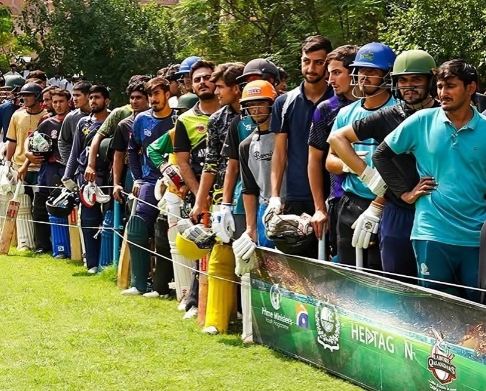
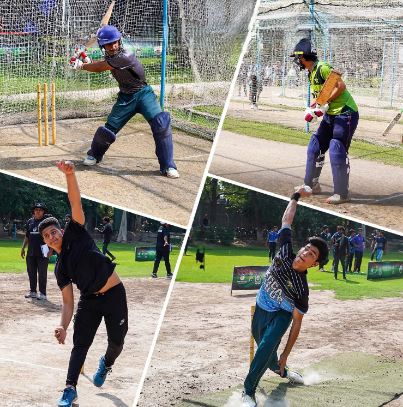
ISLAMABAD: The Prime Minister’s Youth Programme (PMYP) cricket talent hunt, powered by Lahore Qalandars, continued its inspiring journey across Khyber Pakhtunkhwa, with consecutive trials held in Kohat, Abbottabad, and Peshawar.

The events witnessed overwhelming participation, as thousands of young boys and girls turned up brimming with energy, determination, and dreams of representing Pakistan on the bigger stage. The nationwide initiative, aimed at unearthing the country’s next generation of cricket stars, has been met with resounding enthusiasm at every stop. In Kohat, Abbottabad, and Peshawar, aspiring cricketers displayed outstanding passion, discipline, and resilience, reflecting the deep-rooted cricket culture of the province.

With Lahore Qalandars’ professional setup providing technical expertise and structured opportunities, the trials have not only given youngsters a platform to showcase their skills but also instilled belief and confidence that their talent will be recognized at the highest levels.

CEO Lahore Qalandars Atif Rana extended heartfelt gratitude to Prime Minister Shehbaz Sharif, PMYP Chairman Rana Mashhood Ahmad Khan, and the Higher Education Commission (HEC) for their vision and extraordinary support in empowering youth and women through cricket.

“This entire journey is only possible because of the tremendous support of our Prime Minister, PMYP Chairman Rana Mashhood Ahmad Khan, and HEC. Their commitment to youth and women’s cricket is commendable. I also want to thank the youth of Pakistan, who came out in huge numbers, turning these trials into a festival of cricket and hope. Their passion assures us that Pakistan’s cricketing future is in safe hands,” said Atif Rana.

‘Pakistan-Saudi defence pact not against any particular country’

‘Pakistan-Saudi defence pact not against any particular country’

Saifullah Ansar

ISLAMABAD: Foreign Office Spokesperson Ambassador Shafqat Ali Khan stated that the historic defence agreement between Pakistan and Saudi Arabia is strictly defensive and carries no implications against any other nation.

At the weekly media briefing on Friday, Khan said the leadership of both countries was committed to elevating bilateral relations to new heights.

Riyadh and Islamabad signed the mutual defence pact on September 17, significantly strengthening a decades-old security partnership, a week after Israel’s strikes on Qatar upended the diplomatic calculus in the region.

“The agreement states that any aggression against either country shall be considered an aggression against both,” a statement from the prime minister’s office had mentioned.

The deal was signed by Saudi Arabia’s Crown Prince Mohammed bin Salman and Prime Minister Shehbaz Sharif in Riyadh, where Pakistan’s top official was accorded a warm welcome.

Pakistan’s decades-old alliance with Saudi Arabia — the site of Islam’s holiest sites — is rooted in shared faith, strategic interests, and economic interdependence.

In his press briefing, the spokesperson added that during the visit, official-level talks were held and high-level delegations participated.

The spokesperson said Pakistan and Saudi Arabia shared a unique bond of brotherhood and cooperation, with the Pakistani people holding deep reverence for the land of the Two Holy Mosques.

He noted that defence cooperation since the 1960s had remained a cornerstone of ties and the two leaders were determined to further strengthen relations.

Khan said both sides reviewed their historic and strategic relations and exchanged views on matters of mutual interest.

Stay Connected

64FansLike
60FollowersFollow

Latest Reviews

Exchange Rates

USD - United States Dollar
EUR
1.14
GBP
1.33
AUD
0.69
CAD
0.70