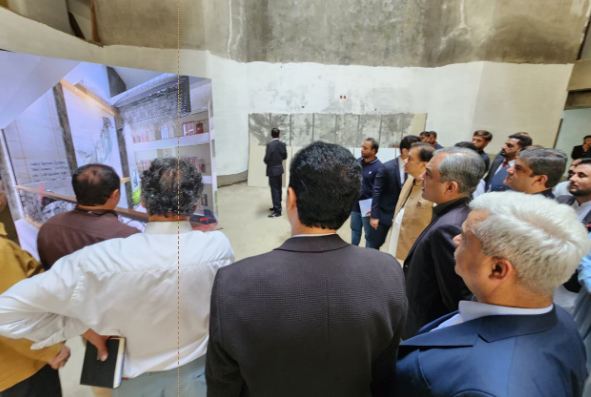
ISLAMABAD, OCT 4 /DNA/ – The construction of the new block of Parliament Lodges had been pending for 13 years. On the special directives of Federal Interior Minister Mohsin Naqvi, the pace of work on the long-delayed project has been accelerated. Federal Interior Minister Mohsin Naqvi and Minister of State for Interior Talal Chaudhry visited the under-construction new block of the Parliament Lodges and inspected the ongoing development work.
Interior Minister directed that the new block of Parliament Lodges be completed within four months. He stated that funds have been approved for the construction of the new block, a project that had been pending for the past 13 years. He added that construction work has now resumed and will be completed on an priority basis. On its completion, residential facility will be available to all parliamentarians.
Chairman CDA Muhammad Ali Randhawa briefed the Interior Minister on the project, informing that the contract for the project was originally awarded in 2012 and was scheduled for completion in 2013, which was later extended to 2014. However, the contractor halted the work, and due to legal complications, the project faced prolonged delays.
It is worth mentioning that the new block of Parliament Lodges comprises of 104 residential units. Federal Secretary Interior Khurram Agha, Chairman CDA Muhammad Ali Randhawa, Deputy Commissioner Islamabad Irfan Memon, and other senior officials were also present on the occasion.
Naqvi directs completion of Parliament Lodges block in 4 months
ISSI hosts book launch on “Fractured” Pakistan-India relations
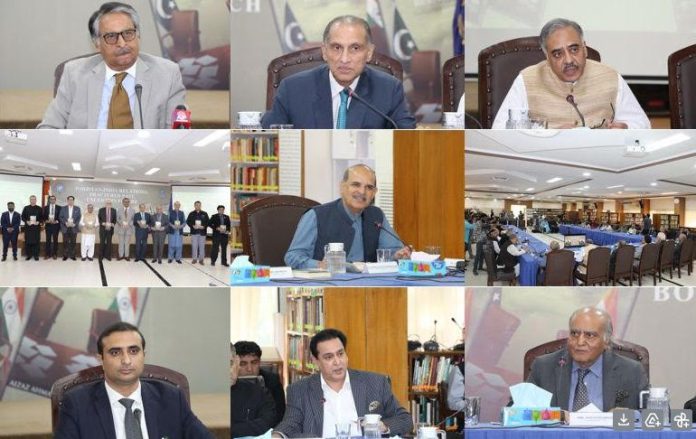
ISLAMABAD, OCT 4 /DNA/ – India Study Centre (ISC) of the Institute of Strategic Studies Islamabad (ISSI) hosted the book launch event of “Pakistan-India Relations: Fractured Past, Uncertain Future”, authored by Ambassador Aizaz Ahmad Chaudhry, Pakistan’s former Foreign Secretary. The event featured Ambassador Jalil Abbas Jillani, former Foreign Minister of Pakistan, as the Chief Guest; while the speakers included Ambassador Vice Admiral Khan Hasham bin Siddique, Pakistan’s former Ambassador to the Kingdom of Saudi Arabia, and Raja Amer Iqbal, former President of the Rawalpindi Chamber of Commerce and Industry (RCCI).
In his welcome address, Director General ISSI Ambassador Sohail Mahmood said that the book reflected both the abiding realism of a diplomat, and the enduring passion of a peace activist. With both these strands, Ambassador Chaudhry had maintained his quest for Pakistan-India peace and normalisation, with the disposition of an incurable optimist. Shedding light on its contents, Ambassador Sohail Mahmood said that the book highlighted five central challenges to India-Pakistan relations. These included: the intractability of Jammu and Kashmir dispute; the unbridgeability of the two countries’ positions on the issue of terrorism; the vagaries of domestic politics; the relentless Indian pursuit of regional domination; and the complexity of global geo-politics. While highlighting the challenges, the author also suggested the ways in which the two countries could attain peaceful coexistence and manage negative perceptions of each other. The book represented an important contribution from Pakistan’s perspective to the discourse on Pakistan-India relations, which had been heavily influenced by the Indian narratives.
Sharing thoughts on the present trajectory of Pakistan-India relations, Ambassador Sohail emphasised that, over past 11 years since the Modi-led BJP regime took over, the edifice of the bilateral relationship had been systematically dismantled, brick-by-brick. Among others, this was reflected in the discontinuation of structured dialogue process; intransigence on the Jammu and Kashmir dispute; frequent resort to kinetic action and the use of force; enhanced use of Indian proxies for destabilisation of Pakistan; weaponisation of trade, sports and water; putting the Indus Waters Treaty (IWT) in abeyance; and stalling of the SAARC process. He also highlighted four structural constraints that now impeded progress in Pakistan-India relations: the RSS-BJP inspired ‘Hindutva’ ideology; the BJP’s use of Pakistan ‘bogey’ for domestic political and electoral calculations; the arrogance and hubris in Indian approach induced by India-Pakistan economic differential; and India’s major-power ambitions. He stressed that Pakistan must maintain the overall objective of a peaceful and good-neighbourly relationship with India, but with dignity and honour. It should be based on mutual respect, sovereign equality, and mutual benefit. Any unseemly haste or unilateral concessions must be eschewed; and Pakistan’s principled position on Kashmir steadfastly maintained. Pakistan should also employ all feasible diplomatic, political and legal options to safeguard its legitimate rights under the IWT. He concluded that, for Pakistan, this was the time for internal and external consolidation; and for strategic clarity and strategic patience vis-à-vis India. Even at the worst of times, “we should neither lower our ambition for peace, nor lose our faith in diplomacy.”
The Chief Guest Ambassador Jalil Abbas Jilani lauded the book as both interesting and educative. He underlined that the book invited readers to reflect on the fractured past covering all aspects of it from history, culture, contesting ideologies, human suffering during the partition, and the disputes that followed. He suggested that the book deserved wider dissemination not only in Pakistan, but also in India and elsewhere.
On bilateral relations, Ambassador Jilani expressed sorrow that the list of contentious issues between the two countries had kept on expanding instead of shrinking. The peace efforts made in the past by the political and military leadership on both sides yielded considerable results but the revisionist approach of the current Indian leadership had become a principal obstacle in peaceful coexistence. Ironically, India which itself was the perpetrator of state-sponsored terrorism inside Pakistan and elsewhere, was using the rhetoric of ‘cross-border terrorism’ to internationally malign Pakistan. The growing realization among Indians about shrinking space for India due to its hegemonic posturing in South Asia gave optimism for a better future. He expressed the hope that there may emerge in India a leadership with greater appetite for peace for the sake of billions of the South Asian inhabitants. However, the media, civil society, and academia must play their role to stress this realization to the political and military leadership.
Earlier, in his introductory remarks, Director ISC Dr Khurram Abbas said that the book was a rare combination of scholarly rigor and diplomatic insights of an insider. Having been part of a number of peace initiatives, the author’s blend of realistic and optimistic approach offered a unique perspective on the subject. The author had maintained a balanced approach, avoiding any kind of bias away from both idealism and demonization of either country.
Ambassador Aizaz Ahmad Chaudhry, while dilating on the book’s contents, emphasized that four issues carried accumulative effect on Pakistan-India relations. They included, a deep and abiding mistrust stemming from pre- and post-independence happenings; an Indian nexus with British Raj to grab Muslim-majority Jammu and Kashmir; the narrative of ‘cross-border terrorism’ cleverly used by India to malign Pakistan and the legitimate Kashmiri struggle; and India’s hegemonic posturing towards the region and its states, which in turn contributed to destabilisation of South Asia. These four factors had landed the two states in a complete disconnect, and enduring hostility. The author emphasized that “the road to peace may be bumpy, yet not closed.” He cited dearth of credible scholarly works amplifying the Pakistani perspective as the primary motivation behind taking up of this book project.
Ambassador Vice Admiral Khan Hasham bin Siddique commended the book for its easily understandable language, reader-friendly flow, and evidence-based contents. In his view, the book responded to an important requirement to clarify young minds regarding the genesis of Pakistan and its historical quest to maintain good-neighbourly relations with India on equal footings. Besides, he expressed regret that, despite the author’s considerable efforts, Indian academics, researchers, and former diplomats did not share their view-points.
In his remarks, Raja Amer Iqbal admired the work as the most notable one in present times on Pakistan-India relations. He underlined that India’s military, monetary, and political efforts to disintegrate Pakistan contributed to the looming mistrust. Despite these attempts, the Pakistani leadership extended an olive branch to mitigate trust deficit accounting to hostility. Yet, many hard-earned opportunities were missed by India mainly for domestic gains. Bilateral trade and economic activity, a source of people-to-people engagement, was made hostage to India’s hostile posturing.
In his vote of thanks, Chairman BoG ISSI Ambassador Khalid Mahmood termed the book as a sorry tale of compulsive hostility, with no end in sight as long as Narendra Modi holds power in India.
The event was attended by senior diplomats, practitioners, academics, think-tank experts, students, and representatives of civil society and the media.
Serving the Humanity From vision to reality: General Practice Hospital under Dr. Ali Raza

Dr. Ali Raza Nasir gave an exclusive interview to Centreline magazine. Dr. Ali talked about the whole idea behind the General Practice Hospital. Here are excerpts from his interview.
Ansar M Bhatti
1. Dr. Ali Raza, could you briefly introduce yourself and share your journey in the medical profession?
I completed my medical degree and initial training at Shifa International Hospital before moving into private practice in 2017. Most of my family members are doctors, and ever since childhood, I have known little else. I was always fascinated by the power of medicine—the ability to heal others.
As human beings, we are all prone to illness. Being a doctor gives you perspectives from both sides: that of the physician and of the patient. I have never been one to chase numbers or volume. Instead of focusing on how many patients I see in a day, I focus on the quality of care I provide. Since my earliest days as a young doctor, I have always tried to put myself in my patients’ shoes.

This unique perspective drives my practice. It allows me to approach treatment not just by prescribing medicines or investigations but by minimizing the hassle patients face in our community. My goal is always to ensure they achieve the best possible treatment from all angles, with dignity and ease.
2. How did the idea of establishing a hospital named General Practice first come to you?
I am a general physician by training. Initially, the idea was to establish a medical practice that would provide primary and continuing care for patients of all ages—treating a wide range of physical and mental conditions, from common illnesses to chronic diseases. This broad scope is where the name General Practice originated. The vision was to create a place where patients could find comprehensive care under one roof, without having to move from specialist to specialist for every concern. The hospital was also meant to reflect the philosophy that health is not fragmented but holistic, requiring continuity, compassion, and accessibility. By calling it General Practice, I wanted to emphasize inclusivity—every patient, regardless of age, background, or illness, could feel confident that their needs would be met. Over time, this idea evolved into a structured institution, embodying both the traditional values of family medicine and the modern advances of healthcare delivery.
3. What core mission drives General Practice?
The core mission of General Practice Hospital is to make quality healthcare accessible, reliable, and affordable for every patient. This mission reflects our belief that healthcare is a fundamental right, not a privilege reserved for a few. We are committed to breaking barriers that prevent people from receiving timely medical attention—whether those barriers are financial, geographical, or related to awareness. Accessibility means ensuring that patients can reach us easily, both in terms of location and affordability.

Reliability means that every patient can trust the consistency, professionalism, and compassion of our services. Affordability ensures that no one is denied treatment because of economic limitations. Together, these values guide our doctors, nurses, and staff in delivering care that not only treats illnesses but also builds long-term trust and healthier communities.
4. How do you define your vision for the hospital’s role in the community?
General Practice Hospital envisions itself as more than just a healthcare provider—it aspires to be a pillar of trust, education, and wellbeing within the community.
We aim to be the first choice for families seeking safe, ethical, and reliable care. By offering quality services at affordable costs, we reduce the burden of traveling far or resorting to inconsistent options.
Beyond treating illness, our role includes promoting preventive healthcare through screenings, awareness campaigns, and community education. We provide a structured, modern, and collaborative environment, striving to bring advanced techniques and global best practices into the local community without making them financially inaccessible.
Above all, we want General Practice Hospital to be known as the place “where care comes first”—where every patient, regardless of background, is treated with dignity, empathy, and respect.
5. In your opinion, what makes General Practice unique compared to other healthcare facilities?
Unlike traditional hospitals that can feel intimidating or mechanical, General Practice was designed as a fusion of hospitality and healthcare. Patients are welcomed into an environment where dignity, comfort, and respect are prioritized alongside treatment.
Our consultants are carefully selected, highly skilled, and encouraged to work in collaborative teams. This ensures patients receive multi-disciplinary care rather than isolated opinions—leading to better outcomes and higher satisfaction.

We are committed to introducing the latest medical techniques, technologies, and surgical advancements into the local community while keeping them financially accessible. This balance of innovation and affordability distinguishes us from many high-end private facilities.
Every system—whether OPD, IPD, OT, ICU, NICU, or diagnostics—is designed with the patient journey in mind. Short waiting times, transparent communication, and ethical care are central to our philosophy.
General Practice is not just a business—it is a mission to improve healthcare delivery in Islamabad and beyond.
6. What lessons would you share with other doctors thinking of starting their own medical facility?
Many doctors dream of owning a facility, but the true difference comes when you start with a clear purpose: why you are building it, and what gap you are filling in the healthcare system. Profit follows service, not the other way around.
From OPD layout to OT systems, always ask: “How does this make the patient’s journey easier, safer, and more dignified?” Facilities built around patient experience earn trust and loyalty faster than those focused only on revenue.
A hospital is never about one doctor. Success comes from handpicking the right consultants, nurses, and staff and cultivating a culture of teamwork and respect. A supportive team multiplies your impact far more than individual effort.
Cutting corners on equipment, protocols, or staffing may save money in the short term, but it undermines credibility in the long run. If you make quality and safety non-negotiable, your facility will earn a reputation no marketing budget can buy.
Being a good doctor does not automatically make you a good administrator. Learn—or partner with people who understand—finance, HR, compliance, governance, and operations. This prevents burnout and ensures sustainability.
Most importantly, never forget why you became a doctor. Compassion must remain the soul of your institution. Patients may forget your exact treatment, but they will never forget how you made them feel.
7. Where do you see General Practice in the next five or ten years?
In the next five years, I see General Practice expanding from a single hospital into a network of secondary-care and specialized centers across Islamabad and, eventually, other cities. Each facility will carry the same DNA of hospitality, innovation, and affordability.
I envision us becoming a regional leader in surgical excellence and critical care, attracting patients not only from Islamabad but also from surrounding regions.
Over the next decade, we will expand our role in preventive medicine and public health awareness—through screening drives, education programs, and outreach clinics—so that our impact extends beyond hospital walls into the everyday health of families.
We plan to integrate digital health tools, telemedicine, and AI-assisted diagnostics, enabling better access for patients, faster decision-making for doctors, and smarter hospital management.
In ten years, I see General Practice as a self-sustaining, scalable model of healthcare delivery in Pakistan—balancing innovation with affordability, and serving as an example for future healthcare entrepreneurs.
8. In one sentence, how would you like patients to describe General Practice?
“General Practice is the hospital where patients feel genuinely cared for—modern, affordable, and compassionate healthcare under one roof.”
APNS condemns police action at the national press club

KARACHI, OCT 4 (DNA): The Federal Capital Committee of the All Pakistan Newspapers Society (APNS), under the chairmanship of Mr. Faisal Zahid Malik, has expressed deep concern and strong condemnation over the incident that occurred at the National Press Club, Islamabad, on October 2, 2025, where police intervention led to an unfortunate situation involving members of the journalist community.
The Committee reaffirmed that freedom of the press and the sanctity of press institutions must be respected at all times. It stated that any act of intimidation or use of force against journalists is a direct attack on press freedom, which is guaranteed under the Constitution of Pakistan.
The APNS Committee called upon the Government and law enforcement agencies to immediately conduct an impartial inquiry into the incident, take strict disciplinary action against those responsible, and ensure that such occurrences are not repeated in the future.
Reiterating its unwavering support for the journalist community, the APNS expressed solidarity with the National Press Club in defending freedom of expression and the rights of working journalists.
The meeting was also attended by Senator Sarmad Ali, President APNS.
8,986 out of 10,636 cases of missing persons disposed of between March 2011 to Sept 2025

ISLAMABAD, Oct 03 (DNA): The Commission of Inquiry on Enforced Disappearances has released its report for September, 2025 according to which 113 cases have been disposed of during the month under report.
The statistical data of receipt/ disposal of cases of alleged enforced disappearances from March 2011 to September 2025 indicates that the Commission received 10,636 cases out of which 8,986 cases have been disposed of, while 1,650 cases are under investigation.
The disposal of cases works out to be 84.48% consequent to investigation of cases. Regional Office of the Commission at Quetta deals with the cases pertaining to the province of Balochistan, and 14 missing persons have returned home during September, 2025.
Under the dynamic leadership of its new Chairman Justice (Retd) Syed Arshad Hussain Shah, the Commission has not only disposed of 289 cases during three months from July-September, @ 96 cases per month, but also a number of steps have been taken for the welfare of families of missing persons. For this purpose, a Cell has been set up in the Commission providing relief to families by addressing matters such as the issuance of Form B of children of missing persons and the grant of pension to families of missing persons, who happen to be Government servants.
Necessary directions have also been issued to the highest-level officers in the Federal/ Provincial Governments for the provision of assistance to families in education, health and other issues.
A well-defined plan is being worked out in collaboration with all concerned departments for continued assistance in such cases, which are under investigation in the Commission and even not yet been declared as “enforced disappearance” by the Commission.
Pakistan Business Summit: A human-centered drive to transform KP’s economic landscape
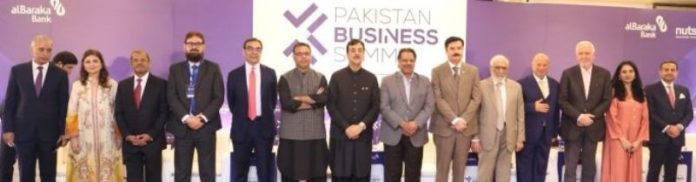
PESHAWAR, Oct 03 (APP):Amid the grandeur of a high-profile venue and the call of national and international stakeholders, the Pakistan Business Summit 2025 held in Peshawar was not merely a gathering of policymakers and business leaders but was a poignant symbol of hope, and a bold step towards an economically empowered future for the country including Khyber Pakhtunkhwa.Set against the backdrop of a region once synonymous with law and order challenges and displacement, the summit marked a powerful turning point transforming the narrative from struggle to strength, from survival to innovation and discouragement to hope.
As impressive and forward looking speeches reverberated through the halls and ideas flowed across panel discussions, one message stood out that KP is ready to claim its place as a strategic hub of trade and economic opportunity keeping in view its important geographic location.
Held under the theme “Shaping What’s Next”, the summit was graced by the presence of Acting President and Chairman Senate, Syed Yusuf Raza Gilani, along with Federal Finance Minister Muhammad Aurangzeb and Advisor to the Prime Minister on Privatization, Muhammad Ali.
Together with industry leaders, investors, and academics, they brought credibility, commitment, and vision to the summit’s ambition aimed at creating an inclusive, innovation-driven business ecosystem in KP.
But beyond the official titles and policy jargon, it was the shared optimism among attendees that breathed life into the important event attended by a cross-section of society.
“This summit is not just a gathering of elites but an open invitation to every entrepreneur, student, financial expert and business dreamer in KP to be part of Pakistan’s economic future,” said Dr. Zilakat Malik, former chairman economics department at the University of Peshawar, who has long advocated for KP’s resource development.
The symbolic weight of hosting the summit in Peshawar, a city once grappling with security challenges, was promoting trade and business besides attracting investment. Just over a decade ago, KP was a land of IDP camps and military operations but today, it aspires to be a gateway to Central Asia, owing to its geographic position near Afghanistan and the Central Asian Republics.
In his keynote address at chief guest, Syed Yousuf Raza Gilani, Acting President of Pakistan did not just speak as a statesman but spoke as a father, a survivor, and a witness to the price of peace, harmony and mutual coexistence.
“When I was Prime Minister, my own son was abducted by terrorists. Yet I chose dialogue, progress, and partnership with the international community,” he recalled emotionally. His words found resonance in a room filled with people whose families had been affected by terrorism. But now, the same soil is being seen as fertile ground for business, trade, and sustainable growth.
He said that 60% of our population is young, adding that its not a burden but our biggest asset.
Several speakers stressed the need to equip this youth bulge with digital skills, entrepreneurial training, artificial intelligence and international-standard certifications.
Advisor to the Prime Minister for Privatization, Muhammad Ali has further identified untapped potential among women and overseas workers. “Most of our women are educated but not part of the workforce. And many of our workers abroad don not have proper certifications and vocational training. We need structural reforms not just in education, but in mindset.”
With an eye on the future, Muhammad Ali urged investment in artificial intelligence, biosciences, and genetic engineering the areas that could not only create jobs but redefine Pakistan’s place in the global economy.
Abu Zafar, a prominent voice in tourism, reminded of KP’s ancient legacy from the Gandhara civilization to the mighty K-2 and the economic boost that a well-developed tourism sector could bring. “Pakistan has stories worth billions but we just need to digitize and tell them before world,” he said.
Whether it is tourism, mineral extraction, or cross-border trade, KP’s proximity to Afghanistan and CARs positions it as a unique gateway. Dr. Zilakat Malik argued that now is the time to showcase KP’s hidden treasures from gemstones to marble and tourism to Ghandara art to the world.
Federal Finance Minister Muhammad Aurangzeb offered a candid outlook on the economic road ahead, adding with a projected $41 billion in remittances and recent successful payments on international obligations like the Eurobond, he expressed optimism for more economic laurels.
“The direction is right. But we must restore people’s trust in the taxation system,” he said, adding the ongoing efforts to reform tax policies and broaden the tax base. He stressed the importance of public-private partnerships, coordination between provinces and the center, and a shift towards export-led growth.
Outside the grand conference rooms, the ripple effect of the summit was already being felt. Sumbul Bibi, a young entrepreneur from Nowshera attending the event for the first time, said, “It’s inspiring to see our region being discussed not as a problem, but as a possibility and hope. I run a small handicrafts business now I want to learn how to export.”
Zeshan Qaiser, a student from the University of Peshawar added the idea that KP could be a technological and trade hub seemed like a dream. Today, it feels possible.”
The Pakistan Business Summit 2025 was not just about charts, speeches, or handshakes but it was about changing mindsets and igniting hope among people and young entrepreneurs.
It reminded a region bruised by security challenges that it holds within it the seeds of innovation, resilience, and prosperity. It told stories of courage, like Yousuf Raza Gilani’s tribute to noble peace award winner Malala Yousufzai, and looked toward a future where KP’s youth are not just survivors but they are leaders, creators, and global competitors.
The landmark summit may have lasted a day, but its suggestions and recommendations if followed through with real policy and investment could reverberate for decades.
National youth employment policy, ethical training key to PM’s youth empowerment vision

ISLAMABAD, OCT 3 (APP/DNA): Chairman of the Prime Minister’s Youth Programme (PMYP) Rana Mashhood Ahmad Khan revealed on Friday that Pakistan’s first National Youth Employment Policy will soon be rolled out, with Ethical Training programs playing a pivotal role in advancing the Prime Minister’s vision for youth empowerment.
While speaking exclusively with a local news channel, Rana Mashhood informed that Pakistan’s first-ever National Youth Employment Policy has been officially approved by the cabinet.
He said this landmark policy aims to create extensive employment opportunities for the youth across the country, with a special focus on ensuring that 35% of these opportunities are reserved for women, promoting gender equality in the workforce.
The policy not only focuses on domestic job creation but also includes initiatives to open up employment avenues abroad, he said, adding, drawing inspiration from successful international models.
Khan highlighted plans similar to China’s skilled labor export programs, which have effectively facilitated overseas employment for their workforce, adding, Pakistan aims to emulate this approach, enabling its youth to gain valuable international work experience and contribute to the country’s economy through remittances.
He also emphasized that these measures are vital components of the Prime Minister’s broader vision for youth empowerment. By combining the National Youth Employment Policy with Ethical Training programs, the government seeks to equip young Pakistanis with the skills and values necessary to thrive both at home and abroad, ultimately driving sustainable growth and development, he added.
Furthermore, Rana Mashhood Ahmad Khan highlighted that the Prime Minister’s vision for youth empowerment is being actively implemented through collaborations with key institutions like TEVTA (Technical Education and Vocational Training Authority).
Under this partnership, a series of Ethical Skilled Training Programs is being launched to ensure that Pakistani youth are not only technically proficient but also grounded in strong ethical values, making them globally competitive and workplace-ready, he added.
He said the government is especially focused on tapping into international job markets for skilled labor. Citing recent statistics, Khan shared that nearly 1.8 million (18 lakh) Pakistanis are already working abroad and the new policy aims to significantly increase this number by equipping young people with internationally recognized certifications and skills.
These efforts align with successful models like China’s labor export programs, which have helped boost employment and foreign remittances, he mentioned.
This multi-pronged approach combining ethical training, technical skills, and international placement reflects the Prime Minister’s comprehensive strategy for youth empowerment, he stressed.
By creating a bridge between training institutions like TEVTA and global job markets, the government is not only reducing unemployment but also building a skilled workforce that can serve as ambassadors for Pakistan’s talent and values abroad, he said.
He also revealed that Pakistan’s Youth Hub has now registered over 600,000 (6 lakh) young individuals, serving as a centralized platform to connect skilled youth with employment opportunities and training resources, adding that this initiative aims to streamline job placements and skill development, creating a vibrant ecosystem that supports youth empowerment at scale.
Global Warming is devastating Pakistan
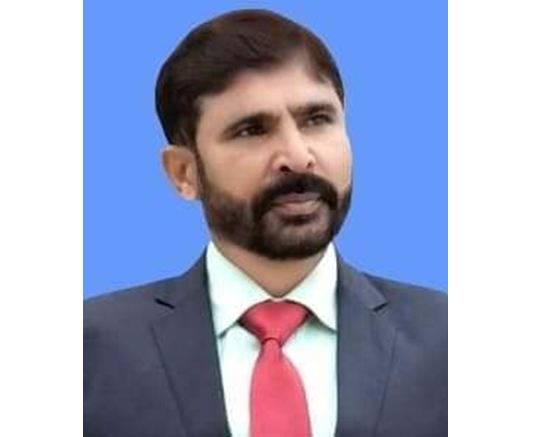
Dr. Muhammad Ikram Zaheer
Summer flood killed more than 1,500 people in Pakistan. Since June rain swept away buildings, flooded homes and destroyed roads. One third of the country was under water. Scientists still can’t say exactly how climate change contributed to the disaster, but they do know that global warming is dramatically increasing the likelihood of extreme rains in South Asia, a quarter of humanity’s area. This global warming has made the monsoon season worse this year for the region particularly Pakistan.
Pakistan is a country that has done little to combat global warming and now it is being worsen much due to Global Warming and the Monsoon. The South Asian summer monsoon is part of the regional climate pattern. Mainly from June to September, winds blow from the south-west. This terrestrial wind brings the rainy season. In general, this is usually a good thing for the agricultural activities. Farmers across the region depend on monsoon rains for their crops. But this is not a normal time anymore. Due to global warming, the water in the oceans is evaporating very fast. And warmer environments can hold more moisture. Hence, heavy rains can occur during monsoon. It will take time for researchers to examine the attribution to determine what happened this summer, but Steven Clemens, professor of Earth, Atmospheric and Planetary Sciences at Brown University, said Pakistan’s plains have caused significant flooding. . The country’s disaster management agency says that rains have been three times higher this monsoon season in Pakistan. Sindh province, which borders the Arabian Sea to the south, receives five times the average rainfall. The ongoing political instability in Pakistan complicates the task of preparing for heavy rains. In Pakistan, no prime minister has completed his term. Former Prime Minister Imran Khan was also forced to resign in April. He was indicted this month under anti-terrorism laws amid a power struggle with incumbent leaders. The country’s difficult economic situation also means that there are not enough resources for adaptation projects. At one point this month, the annual inflation rate was 42.3 percent. Madiha Afzal, an analyst at the Brookings Institution in Washington, says the heavy rains damaged much due to late response by the government that was already facing economic and political crisis in the country. He further said that the government did not pay attention and not took it serious. “So things that should happen in a disaster, like the message to evacuate people from flood areas, didn’t happen.” Economic difficulties are also affecting the government’s ability to help the house displaced people and rebuild damaged properties, he added. There is a risk of damage to agriculture as well. According to the World Bank, more than 40 percent of Pakistanis are employed in agricultural sector. The United States this month announced almost 1 million dollars for Pakistan to deal with natural disasters. And in September, the country has secured a $1.3 billion loan from the International Monetary Fund to avoid default. But government officials in Pakistan believe that the damage was caused by a natural disaster that is the result of public sins.
America in Deadlock: The Government Shutdown
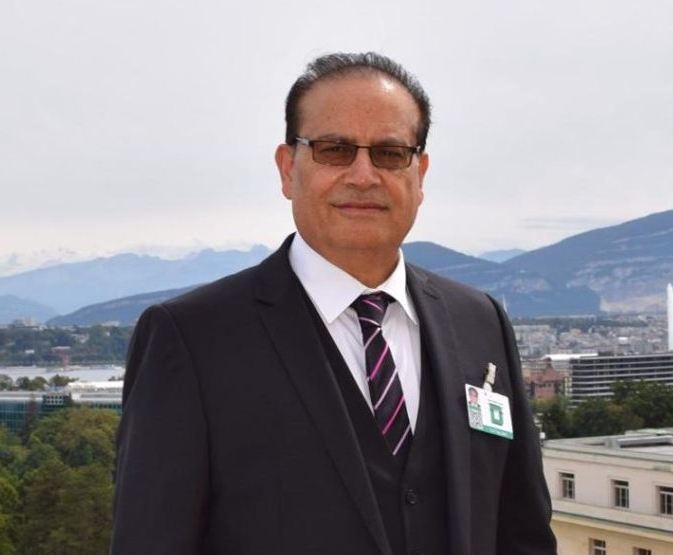
The United States has once again entered a government shutdown, now in its third day, revealing both the fragility of its political system and the deep divisions between its ruling parties. For many Americans, the words “government shutdown” have become all too familiar, yet the implications remain complex and far-reaching. At its core, a shutdown occurs when Congress and the Senate fail to pass the necessary appropriations bills or a temporary funding measure known as a continuing resolution. Without legal authorization to spend money, vast swathes of the federal government grind to a halt, forcing hundreds of thousands of employees to be furloughed and others to work without pay. Essential services such as national security, law enforcement, and emergency medical care continue, but much of the rest—from processing tax returns to administering housing loans and maintaining national parks—comes to an abrupt pause.
The 2025 shutdown reflects not merely a budgeting dispute but a much larger clash of ideology and power. The immediate failure lies in Congress and the Senate’s inability to agree on a funding bill, but beneath that deadlock are deeper political contentions. Republicans, emboldened by President Donald Trump’s second term, have sought to tie spending approval to major policy demands. Among these are stricter border enforcement, deeper cuts to healthcare and social welfare programs, and renewed emphasis on energy independence through expanded oil and coal production. Democrats, meanwhile, insist on safeguarding Medicaid, Social Security, and green energy programs, while opposing what they see as reckless deregulation and authoritarian executive maneuvers. Both chambers are digging in, each claiming to defend the true interests of the American people, and the result is paralysis.
The contentious issues at the heart of this impasse are both economic and ideological. Healthcare remains one of the most explosive flashpoints, with Democrats accusing Republicans of trying to hollow out safety nets for the poor and elderly under the guise of fiscal responsibility. Immigration is another wedge issue: Trump has demanded increased funding for a fortified border system and deportation enforcement, positioning it as central to his “America First” agenda. Democrats counter that this amounts to cruelty and political theater, especially in the wake of unrest tied to immigration enforcement raids earlier this year. Climate and energy policy further complicate negotiations. Trump and his allies are determined to revive coal and oil drilling projects and reduce federal funding for renewable energy initiatives, while Democrats argue that reversing progress on climate goals would undermine both domestic innovation and international credibility.
In this standoff, both sides see political advantage. For Trump, the shutdown is an opportunity to reassert control and demonstrate strength. He portrays himself as a leader willing to withstand temporary pain for long-term national gain, casting the Democrats as obstructionists who prioritize ideology over patriotism.
For Democrats, the shutdown is also a weapon. They seek to paint Trump and the Republican majority as reckless extremists holding the country hostage for narrow political goals. By emphasizing the plight of unpaid federal workers, the closure of public services, and the disruption of families dependent on government programs, they aim to turn public opinion against Trump’s hardline tactics. Democrats calculate that the longer the shutdown lasts, the more ordinary Americans will grow frustrated and direct their anger at the White House, especially if essential services remain shuttered and the economy begins to slow.
The consequences, however, extend far beyond political point-scoring. For federal employees, a shutdown means immediate uncertainty and financial hardship. While history suggests that workers will eventually receive back pay, the delay leaves families struggling with mortgages, bills, and groceries. For contractors and businesses that rely on federal work, lost time is often never recovered. Consumer sentiment, already fragile in a climate of high tariffs and fluctuating prices, can sour further as Americans begin to feel the tangible impact of a government that appears unable to govern. The longer the shutdown drags on, the more anxious investors and households become, creating ripple effects that slow spending and investment across the economy.
Business confidence is equally shaken. In times of shutdown, routine government functions like issuing licenses, inspecting food safety, approving loans, and releasing economic data are suspended. For companies dependent on regulatory approvals or federal contracts, projects stall, costs rise, and uncertainty prevails. Global investors watch nervously as Washington broadcasts dysfunction to the world.
Relations with other countries also suffer. Diplomats find their budgets curtailed, international aid programs stall, and negotiations lose credibility when foreign leaders know the American government is paralyzed at home. For allies, the message is troubling: if Washington cannot manage its own internal disagreements, can it really lead global coalitions or enforce international agreements? For rivals, the spectacle offers propaganda material, reinforcing the narrative that American democracy is chaotic and incapable of coherent policy.
The economic cost of the current impasse grows with each passing day. Analysts estimate that the economy loses billions of dollars per week in output during a shutdown. Small businesses waiting for federal loans, infrastructure projects awaiting funding, and families dependent on childcare or nutrition programs all experience disruptions.
The longer-term damage may be even more significant. Confidence in institutions erodes with every shutdown, feeding public cynicism and polarization. When citizens watch politicians bicker while services collapse, trust in democracy itself weakens. The spectacle convinces Americans that partisan victory has become more important to leaders than effective governance. This erosion of trust threatens the fabric of civic life and makes compromise ever harder to achieve in the future. Beyond its borders, the United States risks diminishing its image as the global standard-bearer of democratic stability.
Ultimately, the current shutdown is not just about a budget but about two competing visions of America. One seeks a leaner government, tighter borders, and renewed emphasis on national sovereignty, even at the cost of disruption. The other envisions an inclusive, service-oriented state that maintains a global leadership role and invests in future generations.
The shutdown will eventually end, as they always do, through compromise or exhaustion. Yet the scars it leaves behind—in lost income, shaken confidence, delayed projects, and frayed international credibility—will linger. What remains most troubling is that shutdowns are no longer rare accidents but recurring episodes in American political life, symptomatic of deeper dysfunction. Unless the nation’s leaders rediscover the will to compromise, each new budget cycle risks becoming another crisis, another shutdown, and another reminder to the world that the American system, once admired for its resilience, now struggles under the weight of its own divisions.
By Qamar Bashir
Press Secretary to the President (Rtd)
Former Press Minister, Embassy of Pakistan to France
Former Press Attache to Malaysia
Former MD, SRBC | Macomb, Michigan, USA