Home Blog Page 2958

Pakistan must take concrete measures for its ‘Look Africa’ policy: IPS Webinar

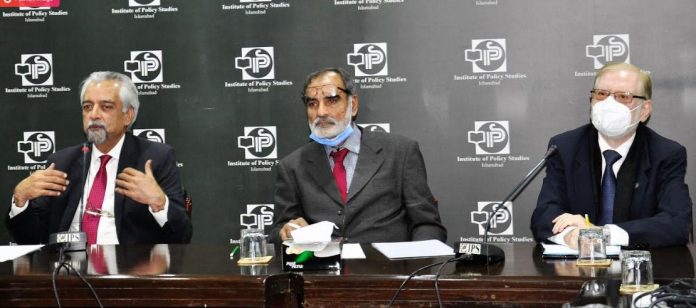
ISLAMABAD, FEB 3 (DNA) – Pakistan must take concrete measures to materialize the recently announced ‘Look Africa’ policy in real terms, said Ambassador (retd) Najam-us-Saqib, former Pakistan’s envoy to South Africa, Brazil, Kenya, Bangladesh and Cuba, at a webinar titled ‘Pakistan’s relations with Southern African countries’ held at Institute of Policy Studies.

The session was chaired by Chairman IPS Khalid Rahman and moderated by Sr. IPS Associate Ambassador (retd) Tajammul Altaf and attended by many foreign policy analysts and researchers.

Commenting on Pakistan’s bilateral relations with South Africa, which is the biggest country in the southern region and member of G-20 and BRICS, the former ambassador said that  Pakistan enjoys strong ties with it, especially defense cooperation as the COASs from both countries visit each other regularly.

However, he rued that bilateral trade volume between both countries stands at meager $600 million, and no Pakistani head of the state has paid a visit there in the last 15 years, except former President Mamnoon Hussain, who went there to attend the last rites of late Nelson Mandela.

Najam-us-Saqib believed that despite a large number of Pakistani expatriates living in South Africa, the stretch of cultural and political relations with South Africa and other southern countries including Botswana, Eswatini, Lesotho, Namibia and Mozambique is not significant.

People in South Africa, he informed, still remember the leading role played by Pakistan against the apartheid. However, the benefits of such cordial relationships are yet to be reaped. He further stressed the need for initiating joint ventures in the mining sector with South Africa.

The ambassador emphasized resuming direct flights from South Africa to Pakistan and opening of banking channels as no Pakistani bank operates in South Africa. He also suggested promoting Pakistani films and dramas and organizing cultural events in South Africa to bolster cultural ties.

Concluding the session, IPS Chairman Khalid Rahman opined that Pakistan needs to acknowledge the importance of African countries, especially the southern region, and identify areas of cooperation.=DNA

============================

Housing Authority issues final notice to G 14/1 occupants

All such owners have further been warned that if they do not get their dues settled by this date, the administration shall not be responsible for any damages that may take place as a result of operation against the defiant owners

Mahnoor Ansar

ISLAMABAD: /DNA/ – The Federal Government employees Housing Authority has issued notices to the affectees and owners of land and houses in sector G-14/1, G-14/2, G-15/3, and MOZZAH JHANGI Sayidan to get in touch with the concerned authorities and get compensation.

The Housing Authority has given advertisements in newspapers warning them to get their dues and vacate the land.

They have been asked to make it possible to help award of houses by providing authentic ownership rights documents along with owned house document, Name, Father-name, National Identity Card, and current living address.

So, all the residents and affectees of sub sector whose houses are legally built, have been asked to provide mentioned documents to office of the District Commissioner, Federal Government Employees Housing Authority till 1st February 2021 in order get received receipt.

All such owners have further been warned that if they do not get their dues settled by this date, the administration shall not be responsible for any damages that may take place as a result of operation against the defiant owners.

It may be mentioned here that the G 14 sector was announced in 2004 but due to illegal Built Up Properties (BUP) it could not be developed.

The foundation further said land for Sector G 14/1,2,3 was acquired by the DC office Islamabad vide an award under Section 11 of the Land Acquisition Act 1894 in January 2005.

The award for Built up Property in G 14/3 could only be announced in 2014 and supplementary award in 2017. Almost 70 per cent of the area of Sector G 14/3 has been got vacated and development work is being executed on the site. It further stated, the measurements for BUP are being conducted in Sector G 14/2 and award of BUPs in G 14/2 was done in February 2020.

Similarly measurements for BUP have already started in G 14/1 and award of BUPs was expected by 31 March 2020, however it is delayed because people have not yet vacated houses despite the fact that they have already received the compensation.

Sources say that the housing authority plans to give possession of the land to allottees within next couple of months. Development work in sub sector G 14/3 and G 14/2 is already underway. Even, people have started house construction after getting possession in these sub sectors.

US, Pak cooperate to increase private sector investment in clean energy

ISLAMABAD, FEB 3 (DNA) – The United States Government, through the U.S. Agency for International Development (USAID), and in collaboration with the Government of Pakistan, the United Nations Industrial Development Organization (UNIDO), and local partners, launched the Pakistan Private Sector Energy project today to increase private sector investment in clean energy.

The project will support small and medium-scale energy activities throughout Pakistan to boost local and national economic growth.

The Pakistan Private Sector Energy project will encourage more private investment in the energy sector, with a focus on low-cost, renewable energy sources, which are critical to expanding economic growth.  UNIDO will work with clean-energy project developers and private sector investors to access project financing.

“Sustainable, low-cost energy is a key ingredient in Pakistan’s economic development. Harnessing the power of private sector investment will generate economic growth and create new jobs,” said USAID Mission Director Julie Koenen.

“This new USAID-funded project will complement the Pakistani government’s efforts in facilitating a cleaner, cheaper, more climate friendly, and sustainable energy mix for Pakistan,” said Minister for Climate Change Malik Amin Aslam.

The Pakistan Private Sector Energy project continues USAID’s long-term partnership with the Government of Pakistan.  Since 2010, USAID has partnered with the Government of Pakistan to add more than 3,900 megawatts to the national energy grid.  These investments have benefitted more than 47 million Pakistanis, reduced costs for energy distribution companies by over $400 million, and leveraged more than $2.3 billion in private investment.

USAID has also supported the construction of new transmission lines and substations to evacuate power from wind power projects to the national grid, as well as rehabilitated thermal and hydroelectric power plants.=DNA

==============

Mayor Islamabad endorses ICCI stand for reduction in property tax

ISLAMABAD, FEB 3 (DNA) – Pir Adil Shah Gillani, Mayor Islamabad said that he was a public representative and protecting the interests of the public was his key responsibility while the making 300 percent hike in property tax by MCI in one go was not in favour of the citizens of Islamabad. Therefore, he fully endorsed the demand of the Islamabad Chamber of Commerce & Industry (ICC) for withdrawal of this exorbitant hike in property tax to save citizens from unnecessary problems.

He said this while addressing the business community during his visit to Islamabad Chamber of Commerce & Industry. UC Chairmen Sajid Abbasi, Sardar Mehtab Ahmed Khan and Zaheer Shah also accompanied him at the occasion.

Pir Adil Shah Gillani said that the business community was the main pillar of the economy and facilitating them was important for smooth growth of business activities.

He said that he would be completing his term by February 15, 2021, however, he would try his best to address the maximum issues within his capacity in this short term, which were highlighted by the business community.

He appreciated the role of the business community during Covid-19 pandemic for providing relief to the needy people and said that ICCI has always taken an active part to support people in times of need, which was laudable. He said that Director Municipal Administrator would be asked to remain in touch with ICCI to resolve the major issues of the business community.

Speaking at the occasion, Sardar Yasir Ilyas Khan, President, Islamabad Chamber of Commerce & Industry (ICCI) said that ICCI and MCI were working for common objectives to develop a better infrastructure for business activities and beautification of the city, therefore, both should work jointly to achieve common goals more effectively.

He said that encroachments from markets should be removed in collaboration with concerned market associations. He said that Citizens Club should be revived in cooperation with ICCI for the benefit of citizens including the business community.

Fatma Azim Senior Vice President and Abdul Rehman Khan Vice President ICCI thanked the Mayor Islamabad for visiting ICCI and said that MCI should address the issues of industrial areas of Islamabad including repair of roads, improving water, sewerage and sanitation systems.

Mian Akram Farid, Chairman Founder Group said that the role of Mayor was very important in city development and addressing issues of citizens. He said that Mayor Islamabad should visit markets and industrial areas to get first-hand knowledge of issues of the business community. He assured that the business community would support MCI in its efforts for beautification of the city and make it a role model city for the country.

The representative of various market associations from Blue Area, Jinnah Super, F-10 Markaz, G-9 Markaz, PWD and other markets including Tahir Abbasi, Nasir Qureshi, Abdul Rehman Siddiqui, Ch. Muhammad Ali, Irfan Chaudhry, Saeed Khan, Akhundzada Naeem, Mehboob Ahmed Khan, Zulqarnain Abbasi, Khalid Chaudhry and Naveed Malik highlighted various issues of traders for redress. They said that parking issues in markets should be addressed by renovating green belts as parking areas. They said that hawkers and mobile stalls should be banned in markets as they were affecting the business of traders in markets. They said that the Melody Food Part should be revived.=DNA

===============

PRCS holds donation camp to address serious shortage of blood amid Covid

  • NA Deputy Speaker Qasim Suri urges all segments of society to wholeheartedly help PRCS in this humanitarian cause 
  • PRCS chairman Abrar ul Haq urges youth to rise to challenge and play their role in saving precious lives 

DNA

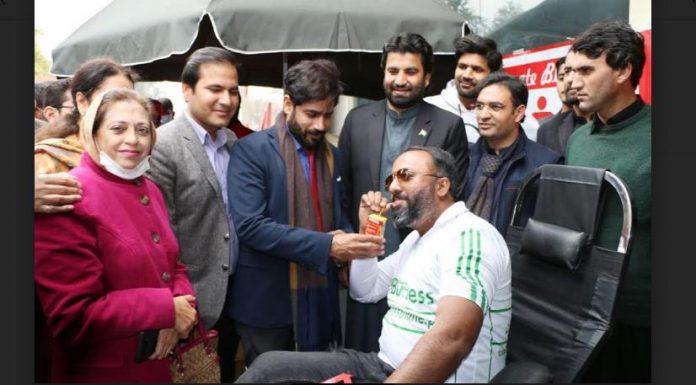
ISLAMABAD: Pakistan Red Crescent Society (PRCS) on Wednesday organized a donation camp in the federal capital to help address serious shortage of blood amid depleted donations due to coronavirus pandemic.

National Assembly Deputy Speaker Qasim Khan Suri was chief guest on the occasion. PRCS Chairman Abrar ul Haq and other senior officials were also present at the camp which was organized in F-7 Markaz.

Speaking on the occasion, Deputy Speaker Qasim Khan Suri said thousands of people have lost lives to Covid-19 across country, however even more lives are at risk due to blood shortage, especially of those who are suffering from leukemia, thalassemia, hemophilia, anemia or those undergoing critical surgeries or injured in road accidents. He welcomed the PRCS initiative of setting up blood camps which he said was also in line with the government’s agenda of ensuring provision of safe blood to every patient as well as those injured in road accidents. He urged all segments of the society to wholeheartedly help the PRCS in this humanitarian cause.

Speaking on the occasion, PRCS Chairman Abrar ul Haq said Pakistan has an additional requirement of blood supply because of a high number of thalassemia patients, adding that the challenge has magnified due to lack of blood donors amid Covid-19 pandemic. “Estimates suggest that only 28 out of 10,000 people donate blood in Pakistan. Out of these, only 11 percent of donations are by people who don’t have a friend or family in immediate need,” he said. “It is estimated that every five minutes, someone is killed or badly injured in a road accident in Pakistan out of which many lose their lives for want of timely supply of blood,” he lamented. “According to a Pakistan Thalassemia Centre report, Pakistan has approximately 100,000 patients suffering from the genetic blood disorder. Among other diseases, an estimated 5,000 children with beta thalassemia are born per year,” he added.

Abrar ul Haq said educational institutions and industrial units have been the major source of blood collection and their closure in days of pandemic has severely impacted the blood donations. However, since all schools, universities and other institutions have now reopened, it is time for an urgent intervention to ensure an uninterrupted supply of blood for those whose life depends on regular blood transfusions, he added.

He said the majority of blood donors fears that they might contract coronavirus during the blood transfusion process, calling for a robust awareness campaign to ward off people’s concerns in this regard. He said the PRCS has always been in the frontlines for arranging and donating blood and its components for the deserving patients. He said PRCS volunteers are working selflessly round the clock to ensure availability of blood for the patients and also contributing in the blood campaign through their own donations. He said the Regional Blood Donation Centre of the PRCS has also been working overtime since the outbreak of Covid-19 to cater to the need of thalassemia, hemophilia, cancer, and dialysis patients.

Abrar ul Haq said donating blood is not only a great deed but it also helps donors to stay healthy, energetic and rejuvenated all the year round. He urged the people to fulfil their human, national, moral and religious obligation and come out to save precious lives through blood donations in these testing times.

A number of citizens donated blood at the camp.

Regional Integration Center: An important milestone by University of the Punjab, Lahore

By Dr. Fouzia Hadi Ali, Incharge Director, Regional Integration Center, University of the Punjab, Lahore

Introduction

Regional connectivity is the key catchword in today’s political discourse and economic activities. Therefore, to overcome the impediments in the free flow of people, ideas, and services among the countries, there is a dire need for regional integration. Besides, such divisions also hamper economic growth among the developing countries.

So keeping in view the significance of the regional integration, there was a need to establish a platform that provides long-term opportunities for the regional countries to cooperate in academic, social, economic, political, and cultural domains.

For this purpose, the University of the Punjab, Lahore, in collaboration with the Center for Global and Strategic Studies (CGSS), Islamabad, has established the Regional Integration Center (RIC) on Eurasia. The Regional Integration Center (RIC) aims to enhance the connectivity with regional countries in spheres of education, culture, media, policymaking, economy, ecology, security, technology, research, sustainable goal development, human capacity development, and lawfare.

Eurasia: The Heartland Region

A theoretical underpinning to emphasize the enhanced cooperation and relations with Eurasia can be linked to Mackinder’s “Heartland Theory” which postulates Eurasia as the core and pivot area of the Heartland and proposes that whosoever wants to rule the world has to rule the heartland. Therefore, it is imperative to explore this region, which is rich in natural resources and cultural heritage. Besides this, it is substantial to highlight the Eurasian region’s emerging significance dating back to the ancient Silk Road.  The region has deep genetic, cultural, and linguistic links with the sub-continent.  It comprises the continental area with several distinct peripheral coastal regions, including the Middle East, South Asia, East Asia, Southeast Asia, and Western Europe, linked by Central Asia and Eastern Europe’s interior mass.

Moreover, the three Western, Eastern, and Southern Asia regions are developed around fertile river valleys. The civilizations in Mesopotamia, the Indus Valley, and China shared many similarities, i.e., exchanged technologies and ideas. Ancient Egypt has also shared this model. These civilizations were most likely in more or less regular contact with each other by the early versions of the Silk Road.

Belt and Road Initiative (BRI) and Regional Connectivity

China has taken various regional and sub-regional initiatives to develop better connectivity within Asia. China’s Belt and Road Initiative (BRI) is a mega project directed to promote regional integration and mutual economic development in Eurasia and beyond. It aims to promote the connectivity of Asian, European, and African continents and their adjacent seas, establish and strengthen partnerships among the countries along the Belt and Road, set up all-dimensional, multi-tiered, and composite connectivity networks, and realize diversified, independent, balanced and sustainable development in these countries.BRI approach encapsulates the pillars of multiple national, sub-national, regional, and local economies. Profound and ambitious in its reach and scope to ensure complementary advantages, BRI can influence sustainable development outcomes. It passes through 80 countries that generate 40 percent of the global gross domestic product (GDP) and account for 60 percent of the world population. The energy sector is deemed as the largest beneficiary of this project that accounts for 75 percent. The acceptance reflects the desire among the states to be a part of Beijing’s successful model of economic development, peace and stability, greater prosperity, and an idea of a community of shared future. Pakistan is optimizing benefits from the China Pakistan Economic Corridor (CPEC), which is part of the larger Chinese economic strategy (Belt and Road Initiative) based on inter and intra-regional connectivity with the mega projects.

The mission of the RIC

The RIC’s mission is to attract international students, enhance academic exchange, strengthen and broaden research on regional issues and cooperation between Pakistan and Eurasia. RIC aims to become a regional integration model that it seeks to acquire by actively collaborating with regional countries in various sectors and creating joint institutions for consultation and decision-making in the region and beyond. The center will develop a concept of a shared community for regional prosperity.

RIC Vision

The Regional Integration Center (RIC) envisions a prosperous, inclusive, resilient, and sustainable region with strengthened relations with the regional states to act as a bridge between Pakistan and Eurasia.

Core Objectives of the RIC

  • To attract international students in all departments, centers, colleges, and institutes of PU;
  • To provide one-window operations to facilitate international students seeking admissions at PU;
  • To initiate joint projects for mutual academic exchange and development, especially for the youth;
  • To sign agreements with various academic and professional organizations;
  • To organize various national and international conferences, workshops, and seminars, etc.;
  • Organize various national and international conferences, workshops, and seminars, etc.;
  • To introduce a research journal that publishes peer-reviewed articles relating to multifarious regional issues;
  • Engaging international experts/ analysts to provide their input in global socio-political and economic domains;
  • Promote cultural and linguistic ties within the region;
  • To enhance cooperation in the agricultural sector;
  • To excel in the multifarious research including Social Sciences, Law, Health, Education, Climate change, Peace and Security, Media, Technology, and so forth in collaboration with the regional countries;
  • To develop strategies and framework to counter the future regional and global security challenges and threats;
  • To study and provide possible solutions to regional disputes;
  • To develop a policy cell that can guide various Eurasian countries on developing multilateral connectivity; and
  • Explore the opportunities generated by BRI in the region.

RIC Mechanism

RIC has initiated a mechanism of cooperation with the neighboring states by establishing academic/research institutes with the capacity to award the graduate-level degree. RIC brings together highly qualified experts, intellectuals, analysts, and policymakers worldwide to deal with the emerging challenges and find venues of cooperation among states. Moreover, RIC is governed by Patron In Chief University of the Punjab, Lahore and will seek guidance from the Board of Advisors (Honorary Basis) for reviewing the academic and research activities of the Center. RIC has equal members from both the Center for Global & Strategic Studies (CGSS), Islamabad and the University of the Punjab, Lahore.

University of the Punjab, Lahore proudly announce Center for Global & Strategic Studies (CGSS), Islamabad as its collaborative partner for regional and international connectivity.

Also, RIC plans to engage higher education institutes and centers across Pakistan by collaborating with regional academic think-tanks, universities, and academic institutes.

This enhanced arrangement would allow to strengthening trade integration in the region by engaging relevant stakeholders. Furthermore, RIC will also initiate infrastructure programs to improve economic growth and regional integration. The collaboration would be facilitated by taking on board the Area study centers of the Pakistani universities, which would present the recommendations and suggested policy papers to the stakeholders in various subjects.

RIC will also study the socio-economic development models worldwide and identify best practices to develop an integrated model for relevant departments.

Major Projects: Activities under the RIC

The Regional Integration Center shall attract international students from the Eurasian region. It also aims to enhance academic exchange, strengthen and broaden research on regional issues and cooperation between Pakistan and Eurasia through joint Seminars, Conferences, and Roundtable Discussions with renowned regional universities. Furthermore, realizing a need for extensive research on the Eurasian Region, the center will promote research publications by publishing a research journal to make this region a single community with a shared future.

Moreover, to support academic collaborations, collaborative International Online Internship Programs are being initiated between RIC and renowned regional educational institutes. Furthermore, RIC also offers certified Courses and Diplomas in various regional languages to facilitate and enhance people to people connectivity in the Eurasian region.

Additionally, RIC’s major projects include Online and Physical lectures of famous regional scholars, establishing Chairs of regional countries in Pakistan and vice versa, and establishing a Eurasian E-Library.

CGSS, Uzbek embassy to work together to further enhance cooperation

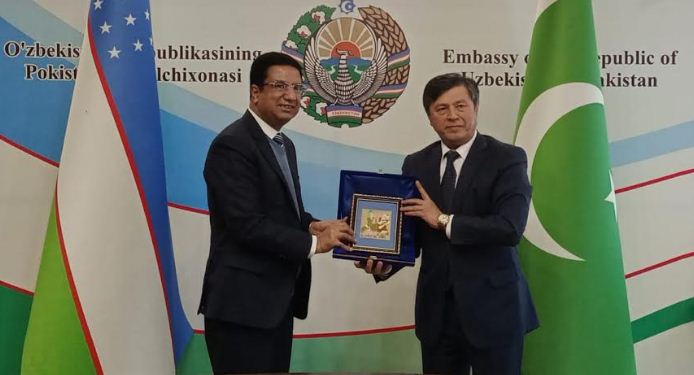
ISLAMABAD, FEB 3 (DNA) – Khalid Taimur Akram, Executive Dircetor, Center for Global & Strategic Stuides, Islamabad met with Oybek Usmanov, Ambassador of the Republic of Uzbekistan to Pakistan.

During the detailed meeting, it was discussed that CGSS and the Embassy of the Republic of Uzbekistan will work in collaboration in areas of mutual interest. Both, CGSS and the embassy agreed to enhance cooperation in the academic field to support academic linakges between various renowned universities of Pakistan and Uzbekistan. Also, it was decided that both the institutions will work together to improve people to people contact.

Furthermore, both parties will cooperate to facilitate bilateral ties of Pakistan and Uzbekistan. Furthermore, projects to promote socio-cultural dimensions of both countries were finalized. CGSS vowed its maximum support for such projects and initiatives.

Moreover, the ambassador acknowledged and appreciated CGSS’s efforts in enhancing the bilateral ties of Pakistan and Uzbekistan and expressed his keen interest in playing an active role in improving the already friendly realtions.=DNA

=============

Huawei’s Foldable Mate X2 Will Launch On February 22nd

Despite earlier rumors of Huawei possibly spinning off its consumer business, the company is still pushing ahead with a new flagship phone — a foldable one, even — later this month.

According to Huawei’s official Weibo account, the Chinese brand’s next foldable phone is simply called the Mate X2, and it’ll be unveiled on February 22nd.

Interestingly, the teaser image suggests that the flexible display will fold inwards this time, as opposed to how the Mate Xs and Mate X had outward-facing foldable screens. Considering that Huawei once shot down prototype designs similar to Samsung’s Galaxy Fold (and its successor), it’s interesting to see the company doing a literal 180 for its upcoming foldable.

As far as official info goes, that’s all we have for now. Huawei Consumer Business Group CEO Richard Yu added that he’s been using a Mate X2 “for some time,” and that it’s “full of surprises.”

The man sure likes to tease, but we do wonder how many units will his team be able to ship (not that Huawei ever shared such figures for its foldables), given the severe shortage of Huawei’s very own flagship mobile processors.

More importantly, though, is whether Huawei will have enough units to sell outside of China this time. Guess we’ll find out in a few weeks.

China’s biomass technology helps Pakistan alleviate energy shortage

BEIJING, Feb. 3 (DNA): Research and technologies on biomass energy and circular agriculture developed by Lanzhou University are being introduced to Pakistan, helping the country cope with insufficient energy supply and promote agricultural modernization, China Economic Net (CEN) reported on Wednesday.

The report says that biomass energy is the energy stored in biomass, which is non-fossil organic materials such as wood, straw, vegetable oils and wastes from forestry, agriculture and industry, as well as municipal solid waste.

As an important renewable source of energy, it contains stored energy from the sun. When biomass is burned, the chemical energy in biomass is released as heat.

Lanzhou University, located in Gansu Province in western China where there is drought with little rain, has focused on the development of circular agriculture and made innovations in the fields of planting, animal husbandry and biomass energy over the years. The fragile ecology in Gansu is quite similar to many areas of Pakistan, which lays a ground for applying related Chinese technologies to Pakistan.

In September, 2015, Lanzhou University and Pakistan Agricultural Research Council (PARC) established China-Pakistan Biomass Energy Technology R&D and Demonstration Center.

In October, 2016, Lanzhou University provided technological training to 20 Pakistani experts from PARC to share the university’s research achievements. Data from Lanzhou University’s official website shows that the university provided experimental equipment worth RMB 1 million, and PARC provided a 2000-cubic-meter experimental building with Rs. 920 million.

“Pakistan is a traditional agricultural country, and its huge agricultural base has provided abundant biomass materials. However, the country has suffered from energy shortage for a long period.

Our technologies can help solve the problems faced by Pakistan and improve the lives of local people,” said Prof. Li Xiangkai, School of Life Sciences, Lanzhou University, whose team has initiated cooperation with Pakistan since 2011.

Biomass energy, such as biogas, has become increasingly popular in developing countries because of its low cost and high efficiency. Up to now, agricultural biogas system and biomass energy conversion technology specifically applicable to Pakistan are under research. Four biogas demonstration bases including 50 biogas digesters have been built in Pakistan.

Latest information shows that the Chinese and Pakistani researchers have developed a technology of utilizing vegetable wastes for bioenergy generation, which is suitable for Pakistan with great potential to be gradually popularized, the report added.

China Cultural Center in Pakistan to host online programs for celebration of Chinese New Year

DNA

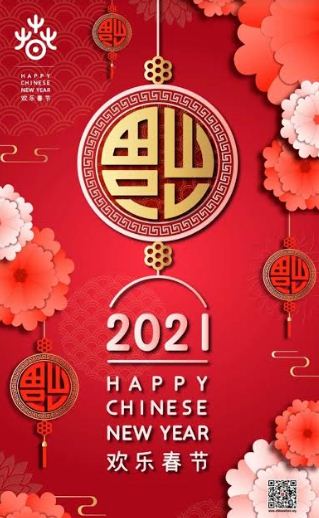
ISLAMABAD, FEB 3 – This year marks the 70th anniversary of the establishment of the diplomatic relation between China and Pakistan, to celebrate this significant event and in conjunction with upcoming Chinese Lunar New Year, China Cultural Center in Pakistan will host a series of cultural activities to celebrate online the Happy Chinese New Year in Pakistan. 

The Spring Festival, which is also known as Chinese New Year, according to the lunar calendar, is held by the Chinese as their most important festival and has a history of over 4,000 years. It is an occasion on which people pray for a good harvest, celebrate and enjoy themselves. Nowadays, the festival is celebrated from the evening of the last day of the 12th lunar month to the Lantern Festival on the 15th day of the new lunar year.

DNA 3-3

During the Spring Festival, Han Chinese and many of China’s other ethnic groups hold a variety of distinctive celebrations in order to honor deities and ancestors, symbolize the replacing of the old with the new, and to welcome the New Year and pray for a bumper harvest. People do everything in their power to spend Chinese New Year with their families so that they can welcome the New Year and the happiness that they wish it will bring with those closest to them. The Spring Festival in 2021 is on February 12. A series of online celebrations for the “Happy Chinese New Year” will be given by China Cultural Center in Pakistan from February 4th to February 26th. Our Center has prepared a variety of online programmes, such as “Paper Cut Animation Chinese New Year”, “Chinese New Year Virtual Exhibition”, “Longquan Celadon Experience Tour ” and “Ice Show”,“Animation Celebration Carnival”, to share the traditional Chinese concepts “Joy, Harmony, Sharing and Blessing” with you.

DNA 3-4

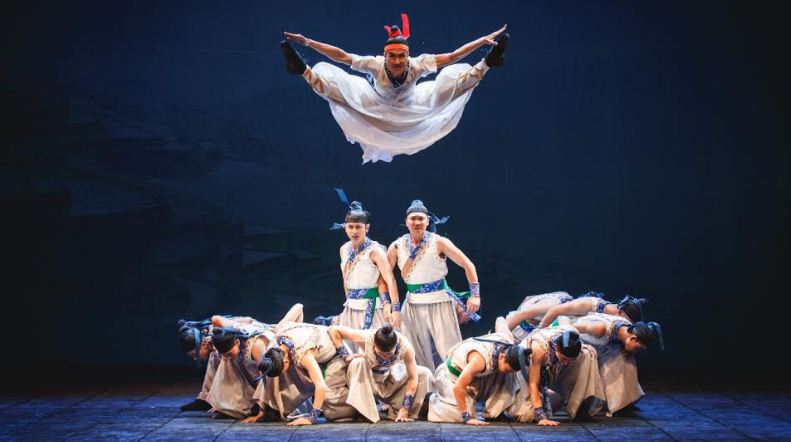
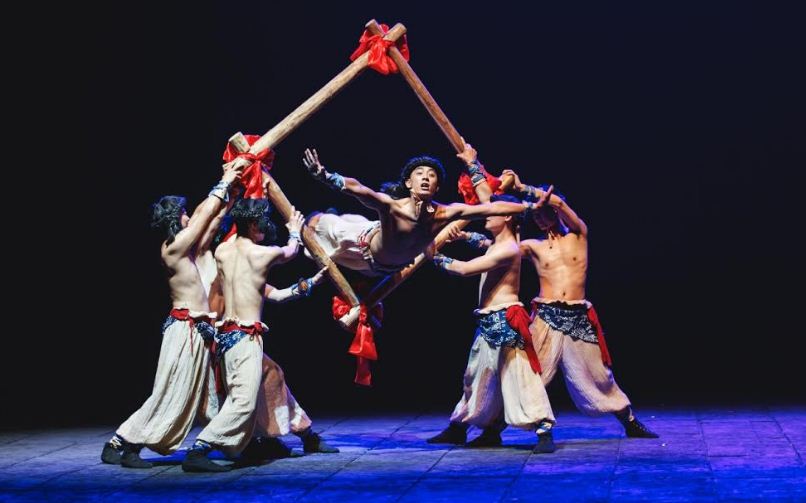
This year also marks the year for the cooperation between China Cultural Center in Pakistan and the Department of Culture and Tourism of south China’s Jiangxi Province, they have brought us Man of Hakka which you may browse on our center’s facebook and we will bring the Dream Night of ‘Baixi’, which is an acrobatic play that was created, rehearsed and performed by Jiangxi Acrobatic Troupe Co., Ltd., a subsidiary of Jiangxi Cultural Performance Group. And there’ll be more for your visual attractions.

DNA 3-1

 Moreover, to celebrate the 70th Anniversary of the establishment of bilateral relations between China and Pakistan, China Cultural Center in Pakistan will also host a series of rich and diversified cultural events.Online activities can be seen on below link from February 4, 2021 to 11 February 2021.

Stay Connected

64FansLike
60FollowersFollow

Latest Reviews

Exchange Rates

USD - United States Dollar
EUR
1.17
GBP
1.35
AUD
0.72
CAD
0.73