Home Blog Page 2734

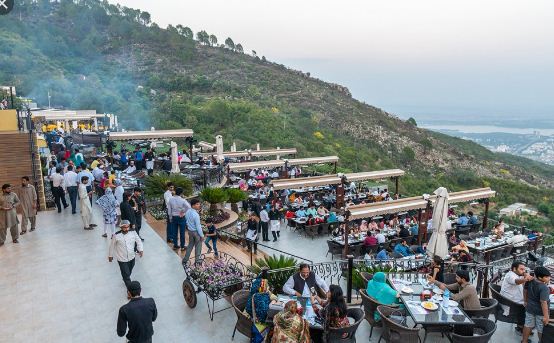
Mass vaccination center inaugurated in Islamabad

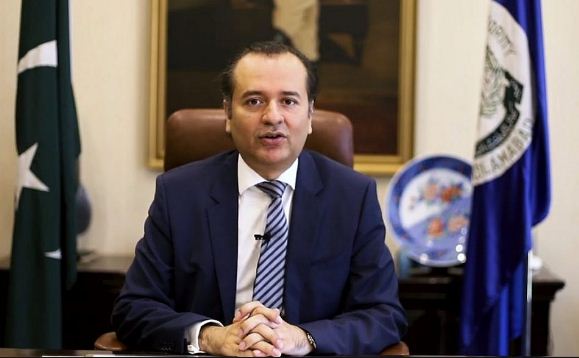
ISLAMABAD, MAY 19 (DNA) – Planning Minister Asad Umar inaugurated mass vaccination center in Islamabad Wednesday.

Speaking on the occasion, along with Special Assistant to Prime Minister on Health Services Dr. Faisal Sultan, he said Seven thousand people will be vaccinated in a day at the newly inaugurated vaccination center. He said seventy five counters and 100 well trained people have been deployed to vaccinate the people.

Asad Umar said decisions regarding marriage halls, educational institutions, and business centers will be issued on Tuesday. The Minister this campaign is meant to make the city corona free. Asad Umar vowed to achieve vaccination target at the earliest.

He urged the public to get vaccinated to fight this dangerous pandemic. He said forty six hundred thousand people have been vaccinated so far. He said there have been no side effects of vaccine in Pakistan. Replying to a question Asad Umar said that there is no deadline and time frame for sixty years old people; they can come anytime for vaccination. 

Pakistani, Palestinian, Turkish & Sudanese FMs leave for NY to highlight Israeli aggression at UN

ANKARA: Foreign Minister Shah Mehmood Qureshi, who is on a diplomatic peace mission, left for New York today from Turkey. Foreign Ministers of Palestine, Sudan and Turkey are also accompanying the Pakistani Foreign Minister.

Shah Mahmood Qureshi will attend the emergency meeting of United Nations General Assembly in connection with Palestine issue tomorrow and will draw the attention of international community on Israeli atrocities against unarmed Palestinians.

Shah Mahmood Qureshi will urge the world body to paly is due role in stopping Israeli atrocities against innocent Palestinians.

He will also hold important meetings with President General Assembly and other personalities. Besides, the Foreign Minister of Pakistan also interact with local and international men to highlight Pakistan’s stance on regional and international issues, especially the recent situation in Palestine. Prior to his departure, Shah Mahmood Qureshi held a meeting with his Palestinian counterpart Riyad al-Maliki and exchanged views over evolving situation in the Palestine.

He conveyed the resolve of Pakistani leadership, especially Prime Minister Imran Khan, to continue supporting Palestinians’ struggle for right to self-determination.

The Foreign Minister strongly condemned the Israeli aggression against the innocent people of Palestine.

10 dams to be constructed in country by 2028: PM

PESHAWAR: Prime Minister Imran Khan inaugurated low-cost family flats for laborers in Peshawar today.

Under the project, 2056 family flats will be distributed among registered workers of the province through balloting.

Three percent quota has been reserved for widows and two per cent for differently-abled people.

Addressing the ceremony, the Prime Minister Imran Khan said the government is committed for the welfare of poor people and supremacy of law will be ensured at all costs.

He said the government has launched work on various mega development projects for construction of dams to cater the future energy and water needs.

Imran Khan said according to UNDP reports, poverty is significantly decreasing in Khyber Pakhtunkhwa besides spending much resource on human resource development.

He said all the vacant lands in the province will be utilized for construction of houses for labourers and the poor people.

Talking about the construction work on Mohmand Dams, the Prime Minister said this reservoir will be completed by 2025.

He said it will irrigate 17,000 acres of land, provide 300 million gallon water to the residents of Peshawar and generate cheap electricity.

Imran Khan said 10 small and big dams will be constructed in the country by 2028 to take care of electricity needs and ensure food security in the country. 

Prime Minister visits site of Mohmand Dam in district Mohmand

Earlier, the Prime Minister visited the site of Mohmand Dam in district Mohmand today.

He reviewed the progress of construction work on the Dam, being constructed on River Swat.

Chairman WAPDA Lt Gen Retd Muzammil Hussain briefed the Prime Minister on the occasion.

The multi-purpose project will also control the floods besides enhancing agricultural facilities, water storage and production of low cost electricity.   

CHAIRMAN CDA PAYS A SURPRISE VISIT TO CAPITAL HOSPITAL

ISLAMABAD, MAY 19 (DNA) – Chairman Capital Development Authority (CDA) made a surprise visit to Capital Hospital here on Wednesday. During his visit, he inspected the ongoing work and directed for timely completion new blocks.

While briefing the Chairman, officers said that the construction of new blocks delayed due to lockdown, demolishing of old blocks, and transfer of services. However, the work on construction of new blocks is going on with full pace. Work on said blocks was started in September 2019 which will be completed within three months, they added. 

Additional block will have the capacity of 100 beds. The departments of ICU and CCU will be established in the said block. All the OPDs and Diagnostic centers will be established in the basement. 08 rooms for medical officers, and 06 for consultants will be allocated. 04 rooms will be allocated for diagnostic procedures.

Facilities of ECG, ETT, Cardiography, and Gastro endoscopy will be available in Diagnostic services. Male medical ward will be established at ground floor with having capacity of 33 beds. There will be 33 beds women ward at first floor.

16 beds, CCU, Angiography suit, VIP cardiac room, nurses station, duty rooms, and medical instruments store will be established at 2nd floor. Officers’ medical ward of 18 beds will be established at third floor.

Corona Pandemic: Lesson learned for the global community

No one is safe until everyone is safe. More than ever, global community has to work together to address this emergency global health situation if we want to gain herd immunity. We cannot allow vaccine nationalism to rule. We have learned that the first wave of the pandemic caused nations to turn inward

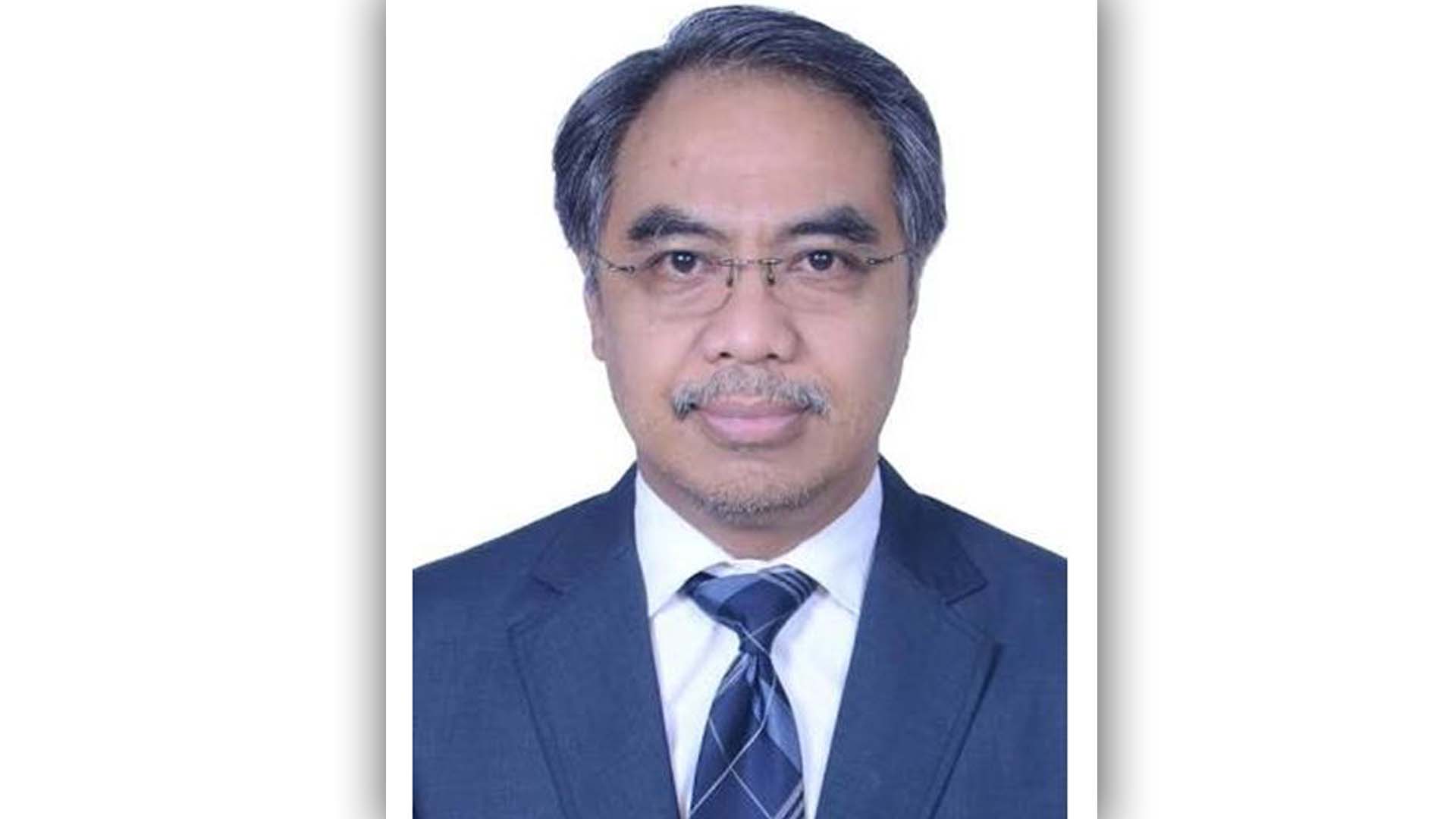
Adam M. Tugio

Special to Islamabad POST

More than sixteen months since the outbreak of COVID-19 pandemic in Wuhan, the world is still facing pressing challenges to find effective ways to curtail the unprecedented spread of the virus and to save the precious human lives.  Inoculation programs have been rolled out in various parts of the world earlier this year. Yet, they have been insufficient to respond to the rapid spreading of more infectious new variants of COVID-19.The pharmaceutical companies have been in a race to produce Corona vaccines, like racing towards the Mars. However, their production capacity remains inadequate to meet the high demand. To make the situation worse, some countries are buying the vaccines more than they genuinely require, leaving other majority in need behind. 

The COVID-19 pandemic has spread with phenomenal speed, infecting millions and bringing economic activity to a near-standstill as countries imposed tight restrictions on movement to halt the spread of the virus. As of 16 May 2021, more than 163 million cases have been confirmed, with more than 3.37 million deaths attributed to corona virus, making it one of the deadliest pandemics in history. What we are witnessing that the fast spreading of corona virus has converted the global health emergency crisis into multi-dimensional global crisis.As the health and human toll grows, the economic damage is already evident and represents the largest economic shock the world has experienced in decades.

In the light of this background, I can identify some lessons learned from this pandemic for reflection. First, no single country is immune from COVID-19 virus. We can go further to browse the Worldodometer.com to get an update on the latest developments. Globalization has accelerated the spread of viruses. Increased mobilization and international traveling have further contributed to make COVID-19 pandemic a catastrophic new chapter. As countries around the globe started closure of their borders, the pandemic wreaked havoc to global supply chain of manufactured goods. And as the virus has spread around the globe, concerns have shifted from supply-side manufacturing issues to decreased business in the services sector. All fashion, entertainment, sport, and technology events have been canceled or have been shifted online. While the monetary impact on the travel and trade industry is yet to be fully estimated and understood, it is likely to be in the loss of hundreds of billions of dollars.

Second, the COVID-19 pandemic has had far-reaching economic consequences beyond the spread of the disease itself and efforts to contain it.The pandemic plunged most countries into recession last year, with per capita income contracting in the largest fraction of countries globally since 1870. These downturns are expected to reverse years of progress toward development goals and push tens of millions of people back into extreme poverty.Over the broader horizon, the deep recession triggered by the pandemic are expected to leave lasting scars through lower investment, an erosion of human capital through lost work and schooling, and fragmentation of global trade and supply linkages.

Third, the extra ordinary situation posed by this pandemic has to be responded by extra ordinary measures in order to make prevention measures works. The nature of this new pandemic brings a lot of uncertainties on the efficacy of the vaccines, and potential long-term side effects of newly developed MNRA based vaccines. Some even questioned the legal basis for the procurement since interested states have to make advance payment without guarantee should clinical trials fail. Noting this extra-ordinary situation, we need to be open-minded to understand the pressing challenge posed by countries around the globe to take a prompt yet extra-ordinary measures. In doing so, they have to make necessary but urgent adjustments on various aspects of governance in order to prevent the imminent danger to the health of their citizens. The unprecedented pandemic, therefore, requires an unprecedented global response.

Fourth, countries need to improve their own public health care to adequately provide immediate response in time of crises, and to become more resilient.  During initial phases of pandemic, we learned widespread reports of shortages of face mask, gloves, and other health protection gears. We observed also panic buying and consequent shortages of food and other essential grocery items. Raw materials for Remdesiviror Dexamethasone were difficult to be found in the market, making countries unable to produce those drugs.

Indonesia is equally affected by this pandemic and therefore has designed a strategy to tackle this pandemic. It is a three-pronged strategy which consisting of addressinghealth emergency situation; allocating safety net for social protection program; and providing stimulus for SME industries and to boost domestic consumption. The budget amounted to USD 48 Billion was allocated to meet these ends last year alone. Some amounts were reserved to improve our public health system, promote research & development in the health sector, including helping the national pharmaceutical companies to produce homegrown COVID-19 vaccines. As we know, current global manufacturing capabilities are far below what is actually needed – only about a dozen countries have the capacity to produce COVID-19 vaccines.

Fifth, increasing role of scientific-based evidence for policy recommendations. The pandemic has taught us to listen to the experts. Governments around the globe have appointed eminent scientists to lead them in making health policy’s recommendations for effective COVID-19 prevention. Health protocols are being implemented taking into account their recommendations. The use of Information Technology has been promoted to monitor and control the spread of viruses. We have witnessed painfully clear evidence of rising cases of infections if we fail to honor their recommendations e.g. to stay home, wearing mask if we go out, or avoiding the crowds. As the vaccination is up against a new set of challenges due to more contagious new strains of the virus, we need to pay close attention to scientists’ recommendations.

Sixth, no one is safe until everyone is safe. More than ever, global community has to work together to address this emergency global health situation if we want to gain herd immunity. We cannot allow vaccine nationalism to rule. We have learned that the first wave of the pandemic caused nations to turn inward. As corona virus is proceeding in waves, what is clear is that the virus and its aftermath likely to be with us for some time.Consequently, fair and equitable access for vaccines is therefore imperative. It is better to have some vaccines to all countries rather than to have vaccination to all people in some countries. Likewise, the waiving off the intellectual property protections on corona vaccines is needed to help end the pandemic.COVID-19 vaccines should be considered a global public good so that manufacturers in all countries would be able to get access to produce vaccines for all.  We should seize momentum where the global efforts are involved to develop and distribute an effective vaccine with several promising options. The accelerated development of multiple vaccines is unprecedented – the process typically takes five to fifteen years.

Seventh,I anticipate new health protocols for new normal situation to govern our future activities.  People are now more aware to maintain their health and well-being. And they will not be hesitant to accept COVID-19 vaccine passports to allow them to continue business and travelling around the world. I expect that sports events and entertainment industries which invite larger audience will also require spectators to undertake rapid PCR test that is being developed now, before entering the stadiums, theaters or even restaurants. Natural law dictates that every a while the global community will experience an outbreak of new viruses. Despite consistent global efforts to increase public health and improving prevention, the incidents of SARS, MERS, Ebola outbreaks have occurred in the recent past.

As a pundit says “outbreaks are inevitable but pandemics are optional” – thus corona pandemic teaches us to enhance global cooperation by sharing knowledge and lessons learned if we want to succeed in the prevention to flatten the trajectory. Probably, it is time to reflect the wisdom of crowd sourcing method whereby scientists and practitioners are encouraged to contribute their knowledge. This is particularly relevant to address the challenge posed by developing countries due to existing communicable diseases, which are threatening their population. The pharmaceutical companies may have different priorities and more likely to be interested in finding magic pills to cure hair loss than curing TBC or dengue fever due to big potential markets for the former.

Finally, there have been some good news of increasing global cooperation. G-7 nations have committed billions of dollars toward equitable vaccine access over the next two years. Multilateral initiatives such as COVAX and individual governments are investing billions of dollars to expand production plants. And COVAX has been starting distribution of COVID-19 vaccines for developing countries.  By joining hands together with enhanced collaboration at the global level, we can surely yield positive results in controlling this life-threatening pandemic. The collaborative efforts and exchange of knowledge and experience have always been the best effective ways to overcome any situation of dangerous crisis – a lesson learned from the human history. 

The writer is the Ambassador of Indonesia. Views expressed in this article are personal.

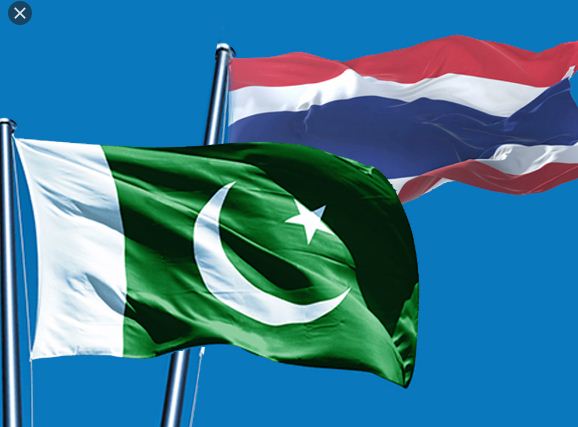
Second Session of Pak-Thailand Bilateral Political Consultations held virtually

ISLAMABAD, MAY 19 (DNA) – Foreign Secretary Sohail Mahmood and Permanent Secretary of Thai Ministry of Foreign Affairs, Ambassador Thani Thongphakdi led their respective delegations at the 2nd round of Pakistan-Thailand Bilateral Political Consultations (BPC) held virtually.

A bilateral meeting preceded the delegation-level talks. They reviewed the entire gamut of bilateral relations from political, defence and security to economic, trade and investment ties, education, science and technology, culture, tourism and multilateral cooperation.

Welcoming the steady progression in multi-dimensional bilateral relations over the years based on mutual trust and understanding, the two sides renewed strong desire and commitment to consolidate and further enhance cooperation in diverse fields in line with their shared objectives of peace and development.

They noted the importance of regular interaction and dialogue under existing mechanisms and exchange of high-level visits to provide momentum to the relationship. Thailand’s “Look West” and Pakistan’s “Vision East Asia” policies complement each other.

The Foreign Secretary highlighted Pakistan’s focus on ensuring economic security leveraging its geo-economic location, development partnerships, and regional peace and security. He stressed the importance of translating the longstanding friendship, shared heritage and political goodwill between Pakistan and Thailand into substantial economic relationship for greater mutual benefit.

There was immense scope for cooperation in trade and investment, connectivity and development given that the two countries were “gateways” to their respective regions.

It was agreed to work together for early conclusion of a mutually beneficial bilateral free trade agreement. Foreign Minister Shah Mahmood Qureshi has also extended invitation to Deputy Prime Minister and Foreign Minister of Thailand H.E. Mr. Don Pramudwinai for the next round of Joint Economic Commission (JEC)to be hosted by Pakistan.

The recent signing of the bilateral MOU on Defence Cooperation was welcomed and it was decided to expedite several other agreements in the pipeline including in the fields of agriculture and science and technology. It was agreed to enhance tourism, cultural cooperation and people-to-people exchanges. Pakistan was particularly keen to promote and facilitate tourism to its Buddhist Ghandara sites.

In terms of regional perspective, the Foreign Secretary briefed about Pakistan’s constructive role in promoting peace and reconciliation in Afghanistan, and the imperative of a just and peaceful resolution of the Jammu and Kashmir dispute for regional peace and stability.

Permanent Secretary Thani Thongphakdi shared perspective about Pakistan-ASEAN relationship. The Foreign Secretary reiterated Pakistan’s desire for Full Dialogue Partnership with ASEAN and thanked Thailand for its consistent support in this regard.

It was agreed to continue to remain engaged on all issues of mutual interest and enhance frequency of high-level exchanges between the two countries.=DNA

=============

Qurban hails Sino-Pak RMB to provide ease of trade

ISLAMABAD, MAY 19 (DNA) – Chairman of Federation of Pakistan Chamber of Commerce and Industry (FPCCI) Capital Office, Qurban Ali on Wednesday hails the promotion of Internationalization of the renminbi (RMB) to provide ease of trade and bilateral businesses between China and Pakistan.

Its goal is for Chinese and non-Chinese alike to use the RMB for trade, lending, borrowing, and investing internationally, Chairman of Federation of Pakistan Chamber of Commerce and Industry (FPCCI) Capital Office, Qurban said this while addressing the webinar along

with Chinese Ambassador to Pakistan, Mr. Nong Rongand other representatives of different local and international Banking chains.

While Chairman FPCCI also demanded that the Chinese government open a branch of Industrial and Commercial Bank of China Ltd. (ICBC) or Bank of China in Gilgit-Baltistan to facilitate trade between the two countries by implementing the RMB strategy in the true sense of the word. He said that Pakistan and China originally signed the currency swap

arrangement in 2011 to promote bilateral trade and investment and strengthen financial cooperation. According to the pact, Pakistani importers were allowed to pay for Chinese goods in local currency.

Chairman FPCCI said that due to close proximity with China the local business community of Gilgit Baltistan has been facing certain issues and having some benefits as well, he said. He said that during the COVID-19 because of the closure of Khunjerab Pass bilateral trade volume between Pakistan and China through Khunjerab was decreasing. He informed that because of expensive freight charges of Chinese trucks/ containers bilateral trade was at a halt. He informed that for instance, the freight charge from Urumqi to Sust which was 1889 KM, for 30 feet containers is 20000 RMB in November 2017.

He added that now the freight of vehicles which usually is about 20,000 RMB has been increased up to 120,000 RMB.  Qurban also said that the issues of the Chinese Visas for genuine businessmen should be simplified and easy to provide the facility to the business community of Pakistan on the recommendation of FPCCI. He said that last year’s no Pakistani businessman went to China due to the closure of the border due to the COVID-19 pandemic and now Visa’s process should be easy and simplified for the business community.

Chairman FPCCI also urged for enhancing the China and Pakistan economic and trade connectivity through the nearer region of Gilgit Baltistan(GB). The senior business leader said that the GB region is a gateway for CPEC to provide opportunities to the Chinese business community and investors to connect with China as well as other regional countries including Central Asian Republics (CARs) to get benefits from their economies. He said that China Pakistan Economic (CPEC) related Gilgit Baltistan (GB) Special economic Zone (SEZ) and others would increase the business and industrial cooperation between China and Pakistan.

Qurban Ali said that Chinese investors and businessmen can invest and start Joint Ventures (JVs) with local industrialists in Gilgit Baltistan, SEZ in value addition on agriculture, livestock, mines, and minerals and milk products. While he said that in Gilgit Baltistan, there is a huge potential for hydropower, which also supports any Chinese investor for available cheap energy to the industrial sector and provides secure business opportunities. The senior business leader said that economic relations with Afghanistan and Central Asian Republics (CARs) would make Pakistan a hub for regional trade, transit and transshipment. He said that China Pakistan Economic Corridor (CPEC), a project of global significance, would connect the whole country from Balochistan to Gilgit Baltistan (GB) with big economies like China.

Qurban Ali said that Gilgit Baltistan and Northern Areas are considered as the gateway of CPEC as after the completion of this mega project Gilgit Baltistan would not only be connected with the major cities of the country but also with the great neighboring economy

China. Meanwhile, he informed that Gilgit Baltistan has huge potential in tourism, Agriculture, livestock, mining, fisheries, fruits and vegetables for exploiting this potential there is need to develop agro industry in the region.He said that value addition in local Agriculture would not only boost the GBs economy but also earn foreign exchange for the country through trade of these items.

In webinar coordinator FPCCI Capital Office, Mirza Abdul Rehman has highlighted the different aspects of bilateral trade and economic ties between Pakistan and China and also gives his suggestion for enhancing the trade between both sides.

Mirza said that Pakistan has huge potential to convert its land to trade corridor for regional and world trade through its geo-economic location in the region. He said that a boost in trade between Pakistan and Afghanistan would maximize chances of regional economic integration and enhance the connectivity among neighboring countries.

He said Pakistan has already allowed Afghanistan to use Gwadar for its transit trade as the same was demanded by the Central Asian States to connect them with Gwadar port in near future. Now both sides have agreed to provide opportunities to Afghanistan trade items through Gwadar and Bin Qasim Ports in a good gesture to enhance the economic ties.=DNA

=============

US HAS TIME UNTIL JUNE 2 TO RETURN TO OPEN SKIES TREATY: RUSSIAN SENATE SPEAKER

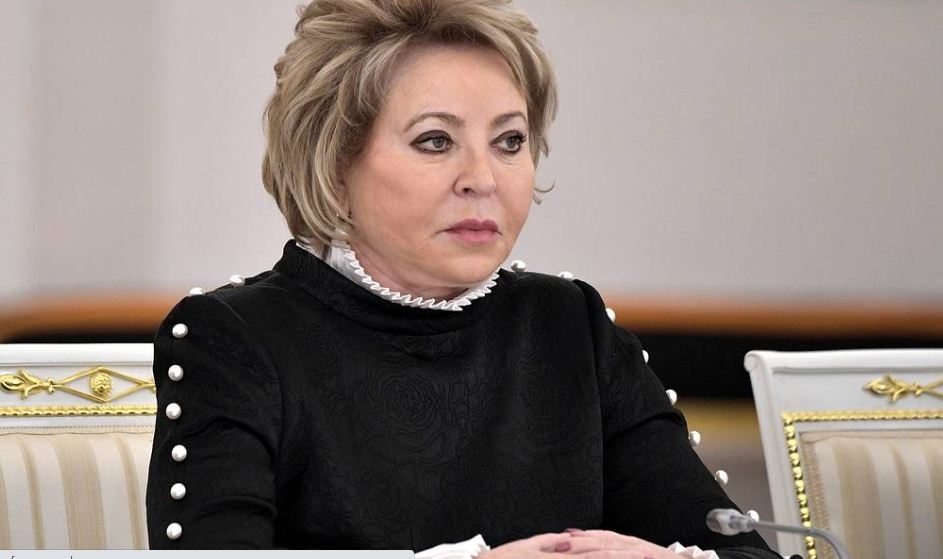
MOSCOW, May 19 – In theory, the United States has time to revise its position on the Treaty on Open Skies until June 2, which is when the Russian Federation Council (the upper house of parliament) will consider a bill on Moscow’s withdrawal from the treaty, Federation Council Speaker Valentina Matviyenko told reporters on Wednesday.

“In theory, the United States has time until June 2 to show common sense,” she pointed out.

The Russian State Duma (the lower house of parliament) earlier unanimously approved a bill on Russia’s withdrawal from the Treaty on Open Skies, which had been submitted by President Vladimir Putin.

Federation Council Foreign Affairs Committee Chairman Grigory Karasin told TASS that the upper house would consider the bill in early June.

For the past several years, Washington has been accusing Moscow of carrying out the accord in a selective manner and of violating some of its provisions. Russia also put forward some objections regarding the way the United States has been implementing the agreement. The US pulled out of the treaty in November 2020.

The Treaty on Open Skies was signed in March 1992 in Helsinki initially by 27 members of the Organization for Security and Cooperation in Europe (OSCE), known as the Conference on Security and Cooperation in Europe (CSCE) before 1995. The main purposes of the deal were to foster transparency, render assistance in monitoring compliance with existing or future arms control agreements, broaden the possibilities for preventing crises and managing crisis situations. The treaty establishes a program of unarmed aerial surveillance flights over the entire territory of its participants.

China says US veto paralyzing UN Security Council over Israel

BEIJING, MAY 19 – China criticized the United States for its role in the Middle East tensions, adding that its veto has paralyzed the Security Council.

In a statement issued late Tuesday, the Foreign Ministry urged a complete cease-fire by Israel in Palestine.

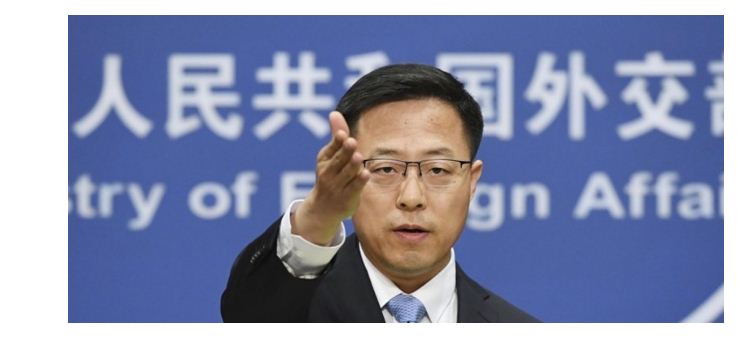
“What US does amid the Palestine-Israel conflict is deeply disappointing. Is this the human rights US touts around when Palestinian people suffer, or is it an excuse to serve US self-interest?” Foreign Ministry spokesman Zhao Lijian said in short statement posted on Twitter.

“Is this what US calls rule-based international order?” the spokesman questioned.

In a press briefing earlier in the day, Lijian said the US rather than taking proactive measures to forestall Palestine-Israel conflict, stands ready to fuel the tension.

“The US has been isolated at the Security Council unprecedentedly and is standing on the opposite side of mankind’s conscience and morality,” he said.

He was referring to the UNSC’s previous efforts for a statement demanding an immediate cease-fire which have all been blocked by the US.

“The international community is deeply upset by how the US has behaved in the Palestine-Israel conflict. People can’t help but ask, is this the diplomacy featuring so-called human rights and values the US claims to champion?

“Why has the US been so callous about the Palestinian people’s human rights while it keeps talking about upholding Muslims’ human rights?” he asked.

Lijian also accused Washington for its favoritism and said the US only cares about its interests, not the merit of the matter itself.

“Isn’t it just using human rights as a pretext? The US opposition has held back the Security Council from taking actions on the Palestine-Israel conflicts, is this what the US calls rules-based international order?” he added.

He was skeptical over reports that US President Joe Biden supports a cease-fire in the Israel-Palestine crisis and said Biden’s saying that the US supports a cease-fire is not enough.

He reassured that his country will continue to push the Security Council to fulfill its duty.

China and Norway requested another UNSC meeting on Tuesday to discuss Israel’s continued offensive on the Gaza Strip.

The death toll in Gaza reached 217 as of late Tuesday, including 63 children and 36 women, in addition to around 1,500 injuries, according to figures from the Palestinian Health Ministry.

RESTAURANTS, TOURISM SECTOR OPENED

ISLAMABAD: NCOC session was held on 19th May under chairmanship of Mr Asad Umar and Co-chaired by Lt General Hamood uz Zaman Khan. SAPM Health, Sindh Health Minister and Chief Secretaries of all Federating Units attended the session via video link. A detailed review of disease prevalence in country and corresponding NPIs was taken. Following important decisions regarding NPIs were taken after extensive deliberations:

Sectors Opening from 24th May 21:

1. Outdoor Restaurants will be opened daily till 23:59 hours. Takeaways allowed 24/7.

2. Opening of Tourism sector under Stringent COVID Protocols. Separate instructions on protocols being issued to all federating units.

3. Opening of education institutes in districts with less than 5% positivity (Staggered opening)

Sectors opening from 1st June 21 (Subject to review on 27th May)

1. Out door marriage ceremonies with max 150 Individuals will be allowed.

2. Staggered Opening of education sector from 7th June (other than those opened from 24th May)

Closures of following to continue till further Review:

1. Shrines

2. Cinemas

3. Indoor Dining

4. Indoor Gyms

5. Amusement Parks (however, walking / jogging tracks will remain open with strict adherence of

COVID SOPs)

6. Complete ban on contact sports, festivals, cultural and other events

7. Ban on all types of indoor / outdoor gatherings (cultural, musical / religious / miscellaneous

events)

8. Ban on inter Provincial Public Transport for two closed days (Sat / Sun) wef 22 May 21

Miscellaneous Decisions:

1. Compliance to compulsory mask wearing while incorporating innovative measures for enforcement

2. Implementation of broader lockdowns with stringent enforcement protocols based on risk assessment

3. Continuation of current In-bound and Land Border policy till further orders

4. Gadani and Misri Shah Industry will be re-opened from 20 May 21

5. Elective Surgeries will be reopened from 1st June

6. All SSC / HSSC exams will be held after 20 June 21. Whereas, conduct of all professional / Non-

Professional exams will take place on case-to-case basis as recommended by Ministry of Education.

Sectors Already allowed on 17TH May:

1. Resumption of normal Office Working Hours with 50% strength (50% Work from Home)

2. Resumption of Market activities with closure by 08:00 pm (less essential services including export

related sector)

3. Public transport with 50% Capacity

4. Railways to operate with 70% occupancy

5. 2 x days as closed days during a week

Detailed Review of NPIs will be carried out on 27th May and 7th June 21 respectively. A critical monitoring of Disease prevalence and Critical Health Care System is being carried out on daily basis, and necessary steps will be taken accordingly, whenever deem appropriate to control the disease spread.

Stay Connected

64FansLike
60FollowersFollow

Latest Reviews

Exchange Rates

USD - United States Dollar
EUR
1.14
GBP
1.34
AUD
0.70
CAD
0.71