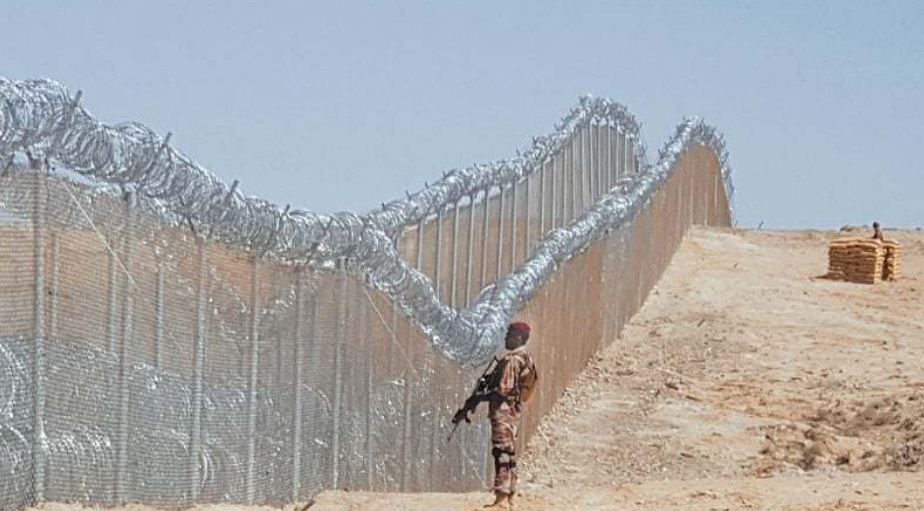
RAWALPINDI /DNA/ – Afghan National Army ( ANA) local Commander opposite Arundu Sector , Chitral requested Pakistan Army for refuge and safe passage for 46 soldiers of Afghan National Army and Border Police including 5 officers as they were unable to hold their military posts along Pak – Afghan International Border due to evolving security situation in Afghanistan . Pak army contacted Afghan authorities for information and necessary formalities. These Afghan soldiers arrived at Arundu Sector, Chitral late last night . After contact with Afghan authorities and necessary military procedures, 46 soldiers including 5 officers have been given refuge / safe passage into Pakistan. Afghan soldiers have been provided food, shelter and necessary medical care as per established military norms These soldiers including officers will be returned to Afghan govt authorities in a dignified manner after due process . Previously on July 1, 35 Afghan soldiers also requested Pak army for refuge/ safe passage due to inability to hold their military post along Pak- Afg International Border. They were also given safe passage into Pakistan and handed over to Afghan govt authorities after due procedure.
HIGH TIME FOR PAKISTAN TO REVERSE ENVIRONMENTAL DAMAGE THROUGH PLANTATION: PM

Staff Report
ISLAMABAD, Prime Minister Imran Khan on Monday said as Pakistan faced the impending challenge of climate change, massive plantation was the solution to reverse the negative impacts of environmental degradation.
Addressing at the launch of nationwide monsoon tree plantation drive, the prime minister said deforestation had resulted in an increased levels of air pollution and temperatures in the country, which required a special focus on planting trees.
At the capital’s Fatima Jinnah Park, the prime minister planted the sapling of Avocado (Persea Americana) fruit tree to kick off the plantation campaign.
Speaking on the occasion, the prime minister said the plantation under the Ten Billion Tree Programme would help the country gain its required forest cover, which was unfortunately quite less compared with other countries in the region.
He said ruthless tree-cutting during the previous governments had led to rising pollution in big cities and emphasized that trees were the natural remedy to absorb the airborne pollutants.
Sharing his vision to make every city of Pakistan green, he asked the local administrations including Commissioners and Deputy Commissioners to ensure proper implementation of the plantation drive and also preserve the green covers.
Imran Khan mentioned that the world was acknowledging Pakistan’s role in leading the efforts against climate change, particularly meeting the Bonn Challenge of planting trees.
The event was attended by Interior Minister Sheikh Rashid Ahmed, Planning Minister Asad Umer, State Minister for Climate Change Zartaj Gul, PM’s Special Assistant on Health Dr Faisal Sultan and Senator Faisal Javed. A large number of volunteers were present to plant saplings in the premises of the Park.
The nationwide activity is taking place in the rainy season of monsoon as part of the Ten Billion Tree Tsunami under the auspices of the Ministry of Climate Change and the Capital Development Authority (CDA). In the next few weeks, the CDA will plant nearly half a million trees across Islamabad.
Islamabad over the years, has witnessed a massive reduction in tree cover, particularly in the last two decades. However, the green graph is gradually showing an upward trend after the government of Prime Minister Imran Khan carried out a massive tree plantation campaign under the Clean and Green Pakistan Initiative.
Two days ago, Prime Minister Imran Khan planted a sapling in Nathia Gali’s scenic resort to promote plantation for the sake of preserving the natural environment. He also urged the nation especially youth to join hands in gearing up for the plantation campaign.
The prime minister, even before joining the politics, has long been a strong advocate for the importance of plantation for the future of a clean and green Pakistan.
THE DYNAMIC ROLE OF UZBEKISTAN FOR INTERREGIONAL COOPERATION
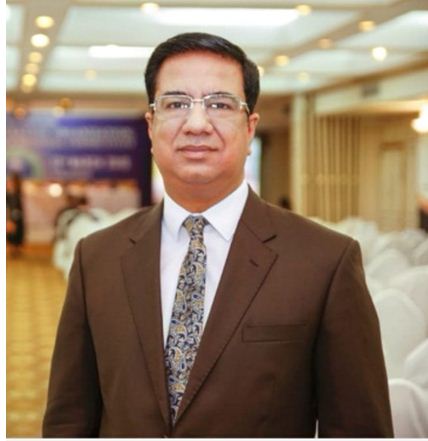
Khalid Taimur Akram
Regional cooperation and integration have been the essence of diplomacy. Countries all around the world are trying to build connectivity and understand each other’s cultures. Liberal and open policy regimes enable countries to cooperate in a number of areas. In this aspect, the grand initiative of Central and South Asian connectivity by His Excellency Shavkat Mirziyoyev has proved to be a milestone development for regional integration. The ancient Silk Road passed through South and Central Asia, and several empires ruled large portions of this part of the world for centuries. However, by the end of the nineteenth century, most of the region was under colonial rule, with the British controlling a majority of South Asia and the Soviets Union occupying large areas of Central Asia. However, with the fall of the Berlin wall (end of the Cold War),certain major developments happened in the region. First, the colonial rule ended in Central and South Asia. Second, with the disintegration of the Soviets Union (USSR) in 1991, five Central Asian states (Uzbekistan, Kyrgyz Republic, Tajikistan, Turkmenistan, and Kazakhstan)emerged asindependent, sovereign nations. Third, in 2013, China announced its exceptional Belt & Road Initiative (BRI) for inclusive economic development and connect countries worldwide to work for a community with ashared future for mankind. Fourth,reinvigorating regionalism and cooperation among Central and South Asia countries in modern times to revive centuries-old historical relationship.
At present, the initiative of South and Central Asian regional cooperation by His Excellency Shavkat Mirziyoyev has emerged as a significant factor inreinvigorating centuries-old traditional and cultural linkages between countries. Pakistan and Uzbekistan enjoy cordial relations and for more than a decade, bilateral ties have been strengthening via multilateral collaboration and persistent diplomatic engagements. Both countries embarked on a new journey of prosperity,enhancing bilateral cooperation, joint ventures for regional peace and stability, and strengthening economic and strategic partnership, with the official visit of His Excellency, Prime Minister, Imran Khan to Tashkent, Uzbekistan,for the international conference ‘’Central and South Asia: Regional Interconnectedness. Challenges and Opportunities.’’Pakistan’s connectivity with Uzbekistan is vital, as improved trade would open up new avenues of regional prosperity and development. Moreover, the broader regional alignment would usher in a new area of joint ventures and cooperation. In this regard, new infrastructure projects such as the 573-km trans-Afghan railway project, connecting Termez-Mazar-e-Sharif-Kabul-Peshawar, will be crucial in improving regional trade and connectivity, offering the landlocked Central Asian region direct access to the Arabian Sea through Pakistan’s seaports.Furthermore, Peace in Afghanistan acquires pivotal importance in advancing the connectivity agenda.
A Brief Prelude of the InternationalConference:
The two-day international conference at Tashkent was successfully organized/hosted by Uzbekistan. The international conference was attended bythe Prime Minister of the Islamic Republic of Pakistan, the President of the Islamic Republic of Afghanistan,ministers of foreign affairs of the countries of Central and South Asia, delegations of 44 countries and about 30 international organizations, heads of authoritative research and analytical centers. The two-day international conference was amid three plenary sessions. The details of three plenary sessions are mentioned below:
- Trade and Transport Connectivity for Sustainable Growth
In the first plenary session, prospects for the modernization of Central and South Asian economies in the context of strengthening interregional connectivity were discussed. Moreover, opportunities for developing transport and communications connectivity in Central-South Asia were highlighted, including projects to expand and build new transport corridors.
- Revival of Cultural and Humanitarian Ties as a way to Strengthen Friendship and Mutual Confidence
In the second plenary session, broader areas of joint programs, including cooperation in research & development, preserving and promoting South and Central Asia’s historical and cultural heritage were discussed. Moreover, the discussion was amid areas of cooperation in education, social support, protection of the youth interests, healthcare, science&technology, ecology, and tourism.
- Regional Security: Challenges and Threats
The third plenary session focused on the prospects of regional cooperation in combating new threats and challenges, as well as ensuring the security of the cross-border infrastructure.
Regional Security and Peace: South and Central Asia
It was honour for me to address the third plenary session. My speech reflected the regional security and peace cooperation between Central and South Asia. Central Asia has remained the hub of the world’s attention in economic terms. One of the primary reasons for this region’s progress was the Old Silk Route that has made it the center of excellence, art, famous cuisine, innovation, spiritual land, and exceptional cultural norms. The wonderful architecture of Tashkent, Samarkand, Khiva and Bukhara reflect the ancient and varied nature of Central Asian historical heritage. For many years, Uzbekistan has been promoting cooperation to bridge the gap among South Asian nations and Central Asian Republics (CARs). In this aspect, Pakistan has been a major supporter in regional integration process. Central Asian countries, especially, Uzbekistan and Pakistan have developed a new equation of cooperation in contemporary times.In today’s geo-political and geo-economic discourse, regional connectivity is a key catchword. It is significant for the socio-economic development of any country. The changing security dynamics of regional and international discourse allows nations to enhance cooperation in multiple fields.Regional integration helps countries to overcome gaps, division, and challenges.
The 21st century has many key determinants as it is the most revolutionary age in history. The pace and scope of the transformation have never been this great. Countries are inclined towards cooperation and wider integration through economic connectivity in the multipolar world, pursuing their common goals. Therefore, it is important to consider the complex balance sheet involving challenges and opportunities to access different aspects of security in the Central and South Asian regions.
Central Asian Republics have been playing a significant role in resolving the common security issues, strengthen cross-border security infrastructure and decades-long Afghan conflict. In this aspect, His Excellency, Mr. Shavkat Mirziyoyev has played a dynamic role in the socio-economic reconstruction of Afghanistan and regional security stability. Peace in Afghanistan is one of the most important priorities for Uzbekistan and Pakistan’s foreign policy. Uzbekistancommitment for establishing peace in Afghanistan through its allies is based on its willingness to increase trade and desire to stop the spilling over of religious, ethnic extremism and drug trafficking. The issue of terrorism has been curtailed to much extent. However, strong efforts are required to stop the re-emergence of extremist activities in the region and beyond. The Uzbekistan government’s constant efforts for erasing the mistrust between Afghanistan’s neighbouring countries has achieved milestone developments. In this regard, a new political atmosphere based on mutual trust and cooperation has been seen between previously contradicting neighbouring states.
Moreover, certain aspects are necessary to highlight for regional alignments for multilateral dialogue process amid cooperation with extra-regional partners:
- Enhanced Collaboration between Allied/partner Countries
- Regional Unity and a holistic framework of cooperation to Counter Hostilities and Common Challenges
- The Amalgamation of Enhanced Cooperation with other regional countries and Goodwill
- Broader Regional Alliances and Accepting Culture Diversities
- Joint Ventures and Enhanced Academic Cooperation
In a nutshell, the idea of Central-South Asian connectivity incapsulates broader paradigms, i.e., economic growth and revival of cultural and humanitarian relations. It will further strengthen friendship and confidence, ensuring the security of cross broader infrastructure and formulating effective policies for countering common threats. In general, by promoting socio-economic, energy, transport and communication projects and enhancing trade ties, Uzbekistan seeks to establish the transformative link between Central and South Asia. Pakistan, as a good ally, appreciates and supports this exceptional initiative. In this context, Pakistan is ready to enhance its cooperation in multiple fields to curtail the differences, bring regional peace, promote friendly relations, enhance cultural integration, unity, and combat common threats.
Salient Features of the International Conference:
History has marked the efforts ofH.E. President Shavkat Mirziyoyev to provide platform to all regional countries to strengthen partnership, resolve differences, revivecultural linkages, and establish an integrated frameworkof future cooperation. In the international conference ‘’Central and South Asia: Regional Interconnectedness. Challenges and Opportunities’’ His Excellency, President Shavkat Mirziyoyev, has providedsignificant ten-points agenda to enhance regional cooperation and combat challenges. The details of the ten-points agenda are mentioned below:
- Expansion of scientific, cultural, and humanitarian exchanges. In this regard, it was proposed to hold an international forum on the historical heritage of Central and South Asia under the auspices of the United Nations Educational, Scientific, and Cultural Organization (UNESCO) in Termez.
- Strengthening peace and friendship, trust, and good-neighbourliness.
- Building an open and constructive policy to meet the common interests of all countries of Central and South Asia.
- Strengthening trade and economic cooperation andan annual interregional forum was proposed to discuss topical issues of expanding the economic agenda of cooperationand investment interaction between the countries of two regions.
- Building a transport and logistics infrastructure that will effectively and safely connect Central and South Asia. In this regard, the Termez-Mazar-i-Sharif-Kabul-Peshawar railway is to become a key element of the entire architecture of the interconnectedness of regions.
- To develop specific measures to implement digital connectivity in trade, transit, and border crossingto adopt a Joint Action Strategy. In this aspect, the H.E. President Shavkat Mirziyoyev proposed to hold a meeting of regional agriculture ministers under the auspices of the United Nations (UN) Food and Agriculture Organization to develop a joint program of measures.
- Measures to strengthen security and stability in the region to combat terrorism and extremism.
- Environmental protection and the development of a green economy.
- Formation of a single platform of tour operators to enhance the tourism potential of Central and South Asiawithin the framework of the World Tourism Organization.
- Reinvigorate cooperation in the fields of science, technology and innovation. The importance of stimulating joint research and exchange programs, as well as introducing a simplified visa regime for scientists and researchers were emphasized.
Interregional Cooperation: Reviving Ancient Contacts between South and Central Asia
Central and South Asia have interacted with each other since ancient times.Unfortunately, in the 19th century, the interconnectedness was broken. Multiple obstacles arose, and the era of cooperation was replaced by a period of confrontation and mistrust. However, the 21stcentury has witnessed important developments and transformations in the regional political and economic landscape. The initiative of Uzbekistan under the visionary leadership of H.E Shavkat Mirziyoyev to connect Central and South Asian countries has proved to be a milestone development.
In this aspect, the successful conduct of the two-day international conference at Tashkent proved to be a significant step in the right direction to harness economic potentials, integrate nations at one platform, enhance trade-transport connectivity, revive historical and cultural ties, strengthen international/regional security infrastructure, curtail differences, and bring peace to the regional.Thereby, expanding mutually beneficial cooperation, building an open and constructive policy to meet common interests of all Central and South Asian countries, are the dire need of time. Moreover, it has been planned to develop a special draft resolution, which will be submitted for consideration to the United Nations General Assembly as a result of the two-day international conference.
CLIMATE CHANGE AND PAKISTAN
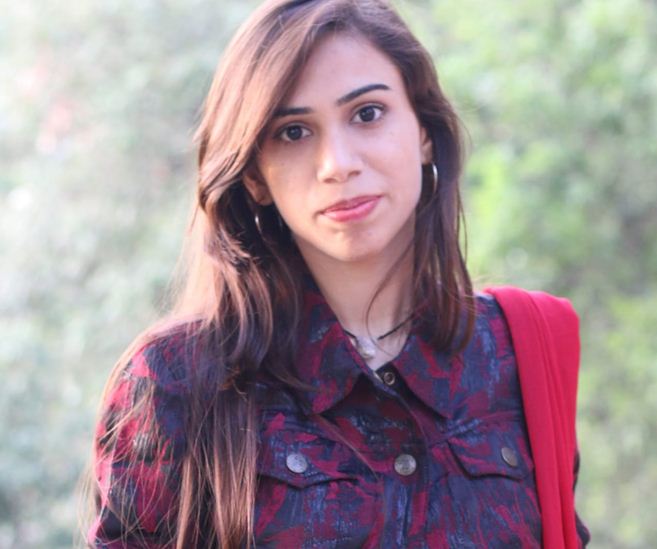
Aqsa Soomro
Asserting “Architects of our destruction” is not wrong for this issue. Lands, waterbodies and seasons are our world’s greatest treasures. They are critical to our climate and provide a livelihood to around a billion people in and around them.
Climate change is the greatest threat to our planet basically, it is expounded as the average temperature and weather conditions at a particular place over time about 11 to 40 years. It is comprised of several factors which consist behavior of winds, air pressure and temperature etc. Today human activities have influenced climate change directly or indirectly on this planet. The major contributors of climate abnormalities are emissions of combustion of fossil fuels and industrialization which affects the composition of the global atmosphere.
Thus it became distinctively clear how human activities have contributed to global warming over the years. Ever since the industrial revolution man has kept advancing, over a century and a half of industrialization, deforestation, large scale agriculture, we have reached the point where the amount of greenhouse gasses in the air is more than what it ever was in three million years. These greenhouse gasses increase the temperature of our environment, resulting in large amounts of glaciers melting all over the world risking massive floods, threats of extinction of wildlife and in general a hotter environment all around the globe.
Pakistan “The Land of Pure” is witnessing a scale of destruction and devastation. Long live Zindabad Pakistan is at the utmost terrifying stage. It is among the countries that are going to see catastrophic consequences if temperatures continue to rise. Land of beauty has moved from water affluent country to stress country, plains to barrens.
Though our nation contributes less than 1 percent of the world’s greenhouse gases, it is most likely to be affected by changing climate. It is at greatest risk for a fact it is lagging in 13th SDG ; Climate Action, one of the main targets of Sustainable Development Goals. Pakistan is at the point where any slight increase in temperature will have harsh results.
Southern Pakistan (Sindh in particular) has been facing heat waves for many years which is a symptom of Global Climate Change. Similarly, droughts have reduced the river flow resulting in disruptions of agriculture which in turn affected Pakistan’s economy, food production and necessities of life. Climate change has emerged as an important driving force behind floods in Pakistan.
Floods have not only displaced about 20 million people and their properties but also affected the Indus River basin by heavy monsoon rains. Coastal areas of Karachi, Badin and Thatta have also been threatened because of rising sea levels by global warming. Shivering effects of Climate Change on Pakistan such as the recession of Himalayan glaciers, monsoon rains, extreme events of heat strokes, floods, droughts, destruction of the irrigation system, low yield of crops, degradation of ecosystems and shifting of biomes has been multiplying day by day.
The major sources of GHG (Greenhouse Gases) emissions in Pakistan are the Energy and agriculture sector. It has been our government’s prime responsibility to have laws and procedures in place to follow for the reduction of GHG emissions and control the amount of pollution in the air. We should take major steps towards this cause. These are essential building blocks on which the foundation of our industry will survive for the decades to come.
In Pakistan, various initiatives such as Green Pakistan Program, Billion Tree Tsunami Program, Sustainable Forest Management Rehabilitation of Indus Delta Mangroves for Future Program are underway to deal with deforestation to promote sustainable forest management across the country. Both adaption and mitigation are reflected in the country’s policy and implementation approach.
Moreover, programs such as “Clean and Green Pakistan” and “Recharge Pakistan” have been launched. Several projects are also working side by side as Project Clean-Green and Green Hope under British Council Citizens Program, that aims to create awareness among youth and communities on climate crisis. Thus, these countrywide tree plantation drives provide a natural solution to restore depleted forest and mitigate climate change.
For the mitigation of GHG emissions, many companies and institutes host a green drive every month, where they plant trees in their vicinity. Planting more and more trees is the most natural solution to the growing environmental threats to our planet. The new regulations set by certain governments force the big car manufacturers like Toyota to design cars that pass their carbon emission requirements. Those models are then sold across the globe benefitting everyone. Nowadays we do not see cars with smoke coming out of their tailpipes, this was not a regular feature until a decade ago. Factories are not planted in the vicinity of residential areas but rather in the outskirts of cities to provide cleaner air for people to breathe. GHG emissions not only contribute to climate change but the harmful toxins in the air cause many respiratory issues as well. These steps are surely slowing down the process but are not enough to stop and restore the balance of our environment. We must proceed towards a cleaner future. Electric vehicles, improved methods of agriculture production, a new sustainable renewable energy source, these are just a few things which will ensure a better future for generations to come, provided we act now.
It has taken man centuries of ignorance to bring us to a point where we cannot avoid it anymore and it will take several decades to fix it – if we act now. Global warming is a worldwide occurring phenomenon and it affects the whole world, and this is a time we truly accept it and do act towards a better tomorrow than today for long live Pakistan.
(The writer is student of BS (Centre of Environmental Sciences) University of Sindh, Jamshoro).
VENEZUELA’S MADURO AIMS FOR DIALOGUE WITH OPPOSITION IN AUGUST
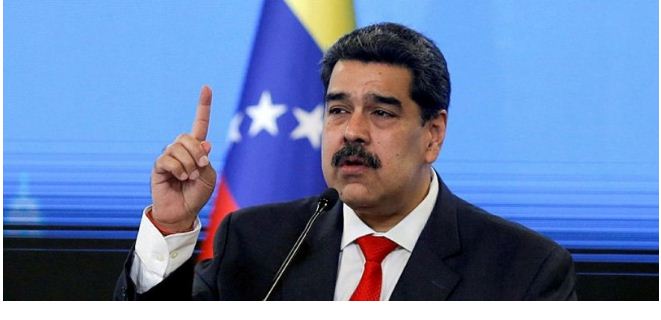
Venezuelan President Nicolas Maduro said that he was aiming to begin a dialogue with the country’s political opposition next month in Mexico facilitated by Norway, a process he hoped the United States would embrace.
In May the opposition changed strategy and indicated its willingness to return to negotiations to resolve the political crisis in OPEC member Venezuela.
Maduro has overseen an economic collapse in once-prosperous Venezuela since taking office in 2013, and stands accused by his domestic opponents, the United States and the European Union of corruption, human rights violations and rigging his 2018 re-election. Maduro denies the accusations.
In June, top diplomats in Washington, Brussels and Ottowa said they would be willing to revise their sanctions on Maduro’s government if the dialogue with the opposition led to significant progress toward free and fair elections.
“I can tell you that we are ready to go to Mexico,” Maduro said in an interview on the state-funded Telesur television network late on Saturday. “We have begun to discuss a complicated, difficult agenda.”
Venezuela’s opposition, led by Juan Guaido, has accused Maduro of using previous rounds to buy time in the face of diplomatic and sanctions pressure by the United States and others. Guaido is recognized by Washington and several other Western democracies as the country’s rightful leader.
Opposition groups have said they are willing to negotiate the conditions for presidential and parliamentary elections with Maduro’s government.
Maduro, in turn, has said he wants the negotiations to focus on the lifting of U.S. sanctions targeting the financial and oil sectors.
He added that the negotiations would include “all the oppositions,” a reference to opposition politicians who broke with Guaido’s call to boycott the 2020 parliamentary elections, which were won handily by Maduro’s ruling United Socialist Party of Venezuela.
BRITAIN REPORTS 29,173 COVID-19 CASES ON SUNDAY, LOWER THAN A DAY EARLIER
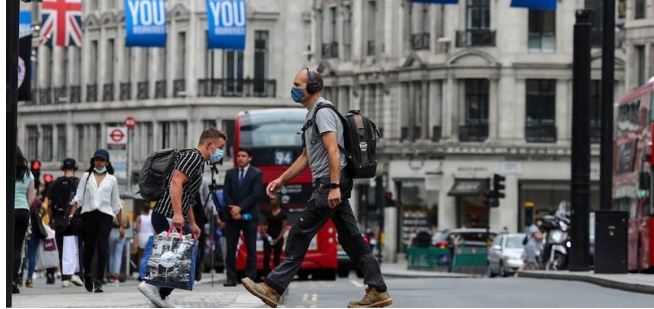
LONDON – Britain reported 29,173 further cases of COVID-19 on Sunday, a fall from 31,795 a day earlier, Public Health England said.
It said on Twitter that data for the number of new deaths across Britain on Sunday was not yet available.
‘Still proud of you’: Weightlifter Talha Talib misses out on Olympic gold but a hero is born
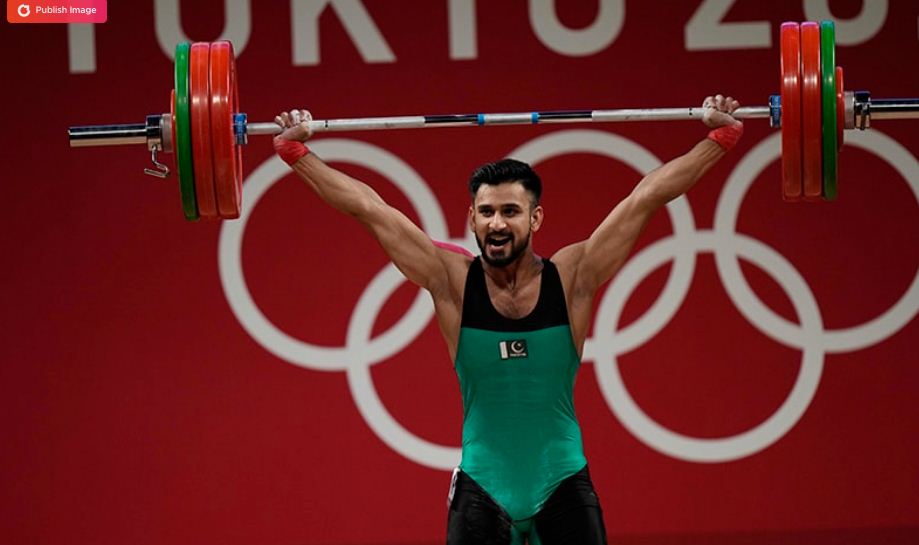
Weightlifter Talha Talib on Sunday missed out on a rare Olympic medal for Pakistan but turned plenty of heads as Pakistan finally took notice of him.
The 21-year-old lifter from Gujranwala, making his Olympics debut, took part in the 67kg category and held the gold medal spot until the final round before eventually being bumped down and denied a podium finish.
In the end, he finished fifth as China’s Lijun Chen, Colombia’ Luis Javier Mosquera Lozano and Italy’s Mirko Zani captured gold, silver and bronze respectively.
Talib’s lift of 151kg in Snatch category was the second-best of the round. He failed in his first Clean & Jerk attempt of 166kg and even though he was successful for the same weight in his next attempt and also cleared 170kg later, his combined total of 320 was surpassed by others, including Zani, who lifted jus 2kg more than Talib.
For a little while during Clean & Jerk, he was in the lead, giving his growing number of fans back home a glimmer of hope. Nonetheless, Talib’s performance despite an obvious lack of resources turned him a hero as Twitterati showered him with praises and his name became the top Pakistani trend on the site.
Pakistan cricket team allrounder Shadab Khan said “Pakistan is proud of Talha Talib” as he urged “sponsors and sports administration to help athletes like Talha”.
Talib’s journey to Tokyo Olympics was made possible after the International Olympic Committee accepted a request from the Pakistan Olympic Association (POA) and offered the young lifter an invitation place in -67kgs category.
He has clinched medals in Commonwealth (bronze), South Asian Games (gold) and International Solidarity Weightlifting Championship (gold), according to POA.
Counting of votes underway in violence-marred AJK elections; 2 PTI workers killed, 5 policemen beaten up
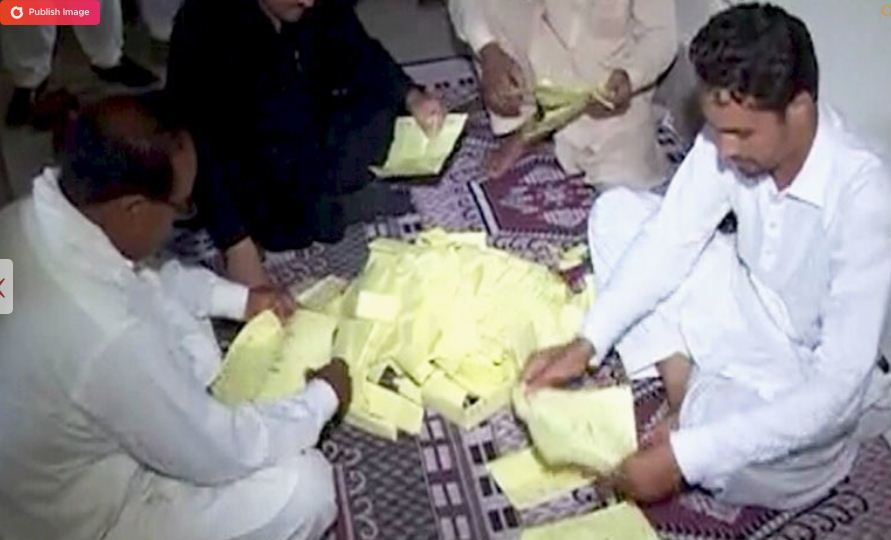
ISLAMABAD – The counting of votes is underway for election to 45 seats of the AJK Legislative Assembly, after the voting process was marred by violence and clashes in some areas.
Voters present inside polling stations were allowed to cast their ballots until after the polling time ended at 5pm.
At least two PTI workers were killed in a clash with PPP activists at a polling station in the Kotli district of Azad Jammu and Kashmir.
The two PTI activists were shot dead by unidentified persons at a polling station in the jurisdiction of Naarr police station in Charhoi, Kotli, according to police.
Muhammad Shabbir, an official at Naarr police station, identified the victims as 40-year-old Zaheer Ahmed and 50-year-old Ramzan. He added that the clash erupted between PPP and PTI workers at about 9:15am at the Mithi Jand polling station. In the ensuing gunfire, Ahmed was killed on the spot and Ramzan died on the way to the hospital.
In a separate incident, five police constables were injured after Jamaat-e-Islami (JI) activists attacked them with batons at the Dhal Chakhya polling station in AJK’s LA-32 constituency, Jhelum valley district SP Riaz Mughal said.
Voting in some polling stations of other constituencies was also temporarily suspended due to incidents of violence. Several people were reportedly injured in clashes and a number of political activists were also detained by the police, according to reports.
Korean women win ninth straight Olympic team title

TOKYO, July 25 (DNA): Korea defeated Italy, Belarus and then ROC in the final to secure its ninth consecutive Olympic Champion title in the recurve women’s team event and remain unbeaten at the Games since 1988.
Kang Chae Young, Jang Minhee and An San were never threatened in Tokyo.
“This gold medal is very special for me for two reasons. The first is that a gold medal at the Olympic Games is a dream for every archer. I’m here and I did. And the second is that this is a team medal, which means we did it together, and for us, that is more important,” said Chae Young.
“I’m so proud to be a member of the Korean team. I’m happy and this is a big honour for me.”
Ahead of their quarterfinal match, the advanced statistics said that there was a 78% chance that Korea would win gold, comparing data from their qualifying performance and position to results at internationals over the past decade.
The reality looked much closer to certain. Their first set of the competition was an exceptional 58. While other teams struggled with the wind, the Korean trio averaged 9.24 points per arrow.
With second-seeded Mexico caught out by the conditions in the arena, delivering an underwhelming performance in a quarterfinal loss to Germany, the team with the best shot at challenging archery’s dominant nation was eliminated early.
An San was the star – and highest-scorer – of the Korean team in all three of its matches. Also the top individual seed at this Olympics, who had already secured mixed team gold with Kim Je Deok yesterday, never missed the yellow and shot eight 10s in her 18 arrows.
“I believe this team is the strongest ever because we act as one,” she said. “We know each other well, we trust each other and we push each other to do our best.” The women’s team event debuted at the 1988 Olympics in Seoul.
Korea won there – and have won at every Games since, building one of the most enduring winning streaks in Olympic sports history. Nevertheless, this is only the third time archery’s that winningest nation has put a rookie team atop the podium.
The medals in Tokyo were completed by Germany, featuring Rio individual silver medallist Lisa Unruh. Lisa, Michelle Kroppen and Charline Schwarz beat Belarus, 5-1, to bronze.
The archery competitions continue at the Tokyo 2020 Olympic Games with men’s team day on Monday 26 July 2021.
Modi regime has resumed ‘catch and kill’ policy in IIOJK: APHC

SRINAGAR, July 25 (DNA): In Indian illegally occupied Jammu and Kashmir, the All Parties Hurriyat Conference (APHC) has said that the Modi-led Indian fascist regime has resumed the infamous policy of ‘catch and kill’ in the nook and corner of the territory.
The APHC Assistant Secretary General, Khawaja Firdous Wani, leading a delegation, visited the families of the martyrs in Bandipora and expressed solidarity with their bereaved families.
Addressing the condolence meeting, he condemned the use of brute force against the civil population, vandalizing the residential houses and the custodial killings and said, the Indian forces, suffering from arrogance of military power, feel rejoiced after killing and fighting the people in IIOJK.
The Hurriyat leader, reiterating the pledge of the freedom-loving people of Kashmir, said, “Our legitimate movement for right to self-determination cannot be defeated by military power because its roots are deep in the hearts of the people of Kashmir who have never accepted Indian illegal occupation since 27th of October 1947.
Khawaja Firdous Wani also denounced the unleashing of a reign of terror, especially in the capital city of Srinagar where people have been caged in their homes, movement of the people has been prohibited and the interior roads and lanes have been closed due to the proposed visit of the Indian President, which clearly depicts that the people of Kashmir want freedom from Indian subjugation.
He urged the United Nations Secretary General, António Guterres to impress upon India to help resolve Kashmir dispute in accordance with the UN Security Council resolutions and the will of the Kahmiri people so that permanent peace could be established in the region.