Home Blog Page 180

ICCI-CDA join hands to uplift the capital city

ICCI-CDA join hands to uplift the capital city

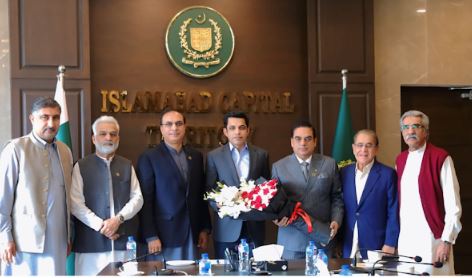
ISLAMABAD, APR 17 /DNA/ – The newly appointed Chief Commissioner Islamabad and Chairman of the Capital Development Authority (CDA), Lt. (R) Sohail Ashraf, has reaffirmed his firm commitment to addressing the legitimate concerns of the business community and residents on a priority basis, while introducing progressive reforms to facilitate trade and economic activity in the federal capital.

He expressed these views during a meeting with a high-level delegation of the Islamabad Chamber of Commerce and Industry (ICCI), led by its President Sardar Tahir Mehmood. The delegation called on him to extend felicitations on his assumption of office and to deliberate on key issues confronting the business sector.

Welcoming the delegation, the CDA Chairman assured that concerted efforts would be undertaken to enhance the ease of doing business, modernize urban infrastructure, and implement forward-looking policies aimed at transforming Islamabad into a dynamic, investment-friendly metropolis. He underscored that CDA is actively pursuing comprehensive urban planning initiatives to elevate the skyline of commercial districts, enhance the city’s aesthetic appeal, and position Islamabad as a competitive regional economic hub.

On the occasion, the ICCI delegation presented a bouquet to the Chairman as a gesture of goodwill and expressed confidence in his leadership and vision.

The delegation comprised prominent business leaders, including Chairman ICCI Founder Group Tariq Sadiq, former President Federation of Pakistan Chambers of Commerce and Industry (FPCCI) and ICCI Abdul Rauf Allam, Senior Vice President Tahir Ayub, Vice President Irfan Chaudhry, and Chairman ICCI Real Estate Committee Israr ul Haq Mishwani.

Speaking on the occasion, Sardar Tahir Mehmood apprised the CDA Chairman of the critical challenges confronting the business community, particularly those related to regulatory frameworks, urban planning limitations, and infrastructure bottlenecks. He emphasized that Islamabad, as the federal capital, possesses immense potential to emerge as a leading regional economic hub, provided that enabling and business-friendly policies are effectively implemented.

He specifically highlighted the need for rationalization of the Floor Area Ratio (FAR), noting that aligning it with contemporary urban standards would encourage vertical development, optimize land utilization, and unlock billions of rupees in new investment across the real estate and commercial sectors. He further stressed the urgent need for the upgradation of the Fruit and Vegetable Market, a vital supply chain, serving the twin cities and adjoining regions.

Both sides agreed to maintain close coordination and institutional synergy to resolve longstanding issues and to work collaboratively towards transforming Islamabad into a model capital city, featuring world-class commercial zones, efficient civic services, and a vibrant, thriving business environment.
Pakistan Ulema Council welcomes Lebanon ceasefire

Pakistan Ulema Council welcomes Lebanon ceasefire

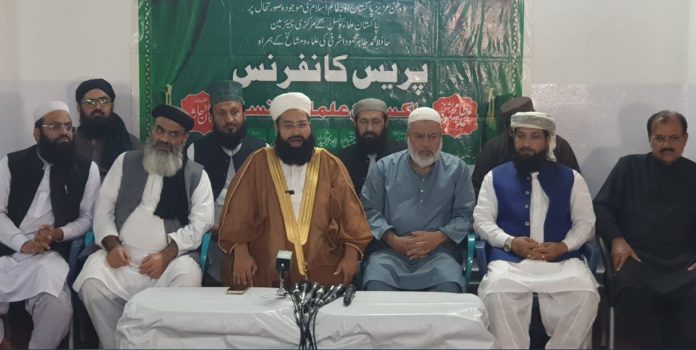
ISLAMABAD, Apr 17: The Pakistan Ulema Council on Friday welcomed the ceasefire in Lebanon and appreciated the diplomatic efforts for de-escalation in the region.

In a joint statement, the council’s central chairman Hafiz Muhammad Tahir Mahmood Ashrafi, along with senior leaders including Asad Zakaria Qasmi, Nauman Hashir, Muhammad Shafi Qasmi, Maqbool Ahmed, Tahir ul Hassan, Tahir Aqeel Awan and Aziz Akbar Qasmi, commended the role of Chief of Army Staff and Chief of Defence Forces Field Marshal Syed Asim Munir and President of the United States Donald Trump in efforts leading to the ceasefire.


They appreciates the initiatives undertaken by Field Marshal Syed Asim Munir to promote peace and stability, particularly his efforts for reducing tensions between Iran and the United States, as well as supporting a ceasefire in Lebanon.


They said these efforts reflect Pakistan’s commitment to regional peace and the unity of the Muslim Ummah. They termed the initiatives as significant contributions toward addressing the challenges faced by the Muslim world.


The religious leaders emphasized that efforts fostering unity, resolving conflicts, and alleviating the difficulties of Muslims globally are commendable and deserve recognition across the Islamic world.

UN debates vetoes as Pakistan pursues peace process

UN debates vetoes as Pakistan pursues peace process

UNITED NATIONS, Apr 17: Pakistan highlighted its role aimed at ending the US-Israeli war on Iran and mediating a durable peace as the UN General Assembly Thursday heard explanations from China and Russia regarding their use of the veto on April 7, rejecting a Gulf States-led resolution in the Security Council that called for re-opening the Strait of Hormuz.

Pakistan had abstained on the draft in the 15-member Council, along with Columbia, on the Bahrain-drafted resolution, which received 11 votes in favour, with Russia and China voting against.

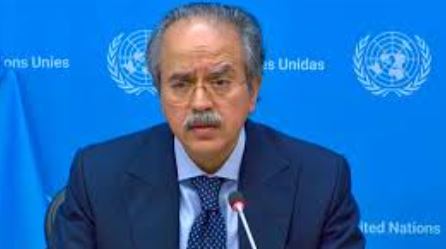
“The Strait of Hormuz is an important international shipping route for goods and energy,” Ambassador Asim Iftikhar Ahmad, permanent representative of Pakistan to the UN, told the 193-member Assembly, underscoring the need for safe passage of civilian ship as the situation in the Strait was adversely impacting countries around the world.

It may be pointed out that the General  Assembly cannot overturn or nullify a Council veto, which may be exercised by China, France, Russia, United Kingdom or the United States as the five permanent Council members.

 But, it may discuss, scrutinize and politically respond to veto use through debate and resolutions under the UN Charter and established practice.

This role was significantly strengthened in April 2022, when the Assembly adopted a procedure requiring every Council veto to trigger an Assembly debate within 10 working days.

 Today’s debate was held under this initiative, which requires vetoing States to explain their rationale and allows all UN members to comment on and assess the veto’s consequences, thereby enhancing transparency and accountability.

In his remarks, Ambassador Asim Ahmad said Pakistan supports the sovereignty, territorial integrity, political independence and security of “all brotherly countries” in the region, while any discussion or arrangement related to the Strait must consider the legitimate interests of the Gulf Cooperation Council (GCC) countries.

In Pakistan, Ambassador Asim Ahmad said the impact of the conflict is felt not only in terms of energy supplies, but also in fertilizers and other essential commodities, “squeezing the livelihood of the most vulnerable”.

If disruptions persist, suffering will become widespread, the Pakistani envoy said.  “Return to peace will benefit all,” he said, agreeing on the objective of opening the strait and normalization of the situation “at the earliest” opportunity.

In this regard, Ambassador Asim Ahmad said the “successful” Islamabad talks on 11 and 12 April were made possible by Pakistan’s engagement and outreach to promote an immediate end to the strikes and counter strikes.

“Through the Islamabad process, Pakistan is pursuing the objective of ending the war and ensuring long-term peace,” the Pakistani envoy said.

Under the terms of the April 7 vetoed draft resolution, the 15-member Council would have demanded that Iran immediately cease all attacks against merchant and commercial vessels and any attempt to impede transit passage or freedom of navigation in the Strait of Hormuz.

Russia’s Ambassador Anna Evstigneeva said her country had used the veto because the resolution ignored the broader context of the conflict and would have given the Council “a green light” to use certain protective measures “under the pretext” of ensuring the safety of navigation.

She condemned the US-Israeli aggression against Iran, which contravenes the UN Charter and international law. Some Council members had turned “a blind eye” to the root causes of the escalation, the Russian envoy said.

“Every paragraph was replete with confrontational and factually incorrect elements,” she added, warning against “enshrining the possibility of using force on the basis of vague criteria” and “the attempt to paint Iran as the sole threat to international peace and security”.

“China approaches every vote in the Council with a serious, conscientious and responsible attitude”, said Ambassador Fu Cong, noting that his country, along with Russia, voted against the draft.

China’s veto, Ambassador FU Cong said, upheld international fairness and justice, defended the UN Charter, prevented further escalation and created favourable conditions for dialogue.

Beijing “always determines its voting position based on the merits of the issue itself and whether the adoption of a resolution would genuinely contribute to resolving the issue and achieving peace”, he said.

 Council action must aim to de-escalate — not “provide a veneer of legitimacy for unauthorized military operations or grant a license to the use of force”.

Iran’s Ambassador Amir Saeid Iravani of Iran told the General Assembly the vetoes cast by China and Russia last month in the Security Council were “timely, justified and necessary”.

The text was one-sided and ignored the root causes of the crisis – an illegal and savage war of aggression waged by the United States and Israel.

 Its adoption would have set a dangerous precedent, he said, adding that Iran is a responsible State committed to the UN Charter and has consistently fulfilled its responsibility as the custodial State of the Strait of Hormuz.

He called the US blockade a grave violation of Iran’s sovereignty and territorial integrity, constituting “a clear act of aggression on international law”.

In the days since these vetoes were cast, critical shipments have been delayed, fertilizers have failed to reach countries in Africa and South Asia, and vulnerable populations have faced food insecurity.

  The Strait of Hormuz — like all straits — is “too vital to be choked, to be mined, to be weaponized and held hostage by the likes of the Iranian regime”, he warned.

Turkish FM calls on PM Shehbaz Sharif

Turkish FM calls on PM Shehbaz Sharif

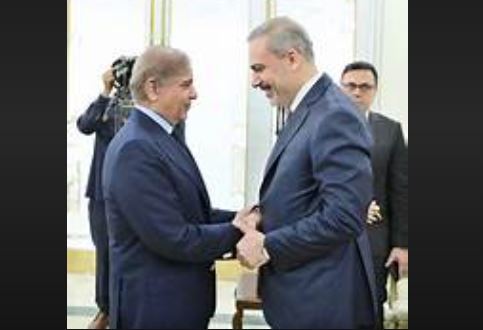
ANTALYA, Apr 17: Minister of Foreign Affairs of the Republic of Türkiye Hakan Fidan paid a courtesy call on Muhammad Shehbaz Sharif, Prime Minister of the Islamic Republic of Pakistan, who arrived in Antalya, Turkiye, earlier Thursday evening.

Deputy Prime Minister and Foreign Minister Senator Mohammad Ishaq Dar and SAPM Syed Tariq Fatemi were also present on the occasion.
During their cordial conversation, Foreign Minister Hakan Fidan extended a warm welcome to Prime Minister Shehbaz Sharif and thanked him for his participation in the upcoming Antalya Diplomacy Forum.
He said President Recep Tayyip Erdogan was looking forward to his meeting with the Prime Minister on the sidelines of the Antalya Diplomacy Forum.
Prime Minister Muhammad Shehbaz Sharif thanked Foreign Minister Hakan Fidan for the warm welcome and traditional hospitality.
He said it was a pleasure for him to visit Turkiye, his second home.
He was looking forward to the opportunity to participate in the Antalya Diplomacy Forum and said that he was looking forward to meeting President Recep Tayyip Erdogan, on the sidelines of the Antalya Diplomacy Forum.

US-Iran ceasefire deadline may be extended

US-Iran ceasefire deadline may be extended

Pakistan is expected to engage with the US leadership in the coming days to build consensus ahead of a proposed second summit between Washington and Tehran

DNA

ISLAMABAD: The deadline for the ongoing ceasefire between the United States and Iran, set to expire on April 21, is likely to be extended as diplomatic efforts intensify, according to well-placed sources. Pakistan has emerged as a key mediator, with its Field Marshal undertaking a crucial visit to Tehran where he met the entire Iranian civil and military leadership.

Sources said the high-level meetings focused on assessing the progress of the ceasefire and exploring the possibility of extending the deadline to allow more time for negotiations. Iran has reportedly indicated that additional time is needed, particularly to address complex issues surrounding its nuclear program, including the contentious matter of nuclear rollback.

Pakistan is expected to engage with the US leadership in the coming days to build consensus ahead of a proposed second summit between Washington and Tehran. Diplomatic insiders suggest that Islamabad may formally request both sides to agree on an extension of the ceasefire to avoid escalation and create space for meaningful dialogue.

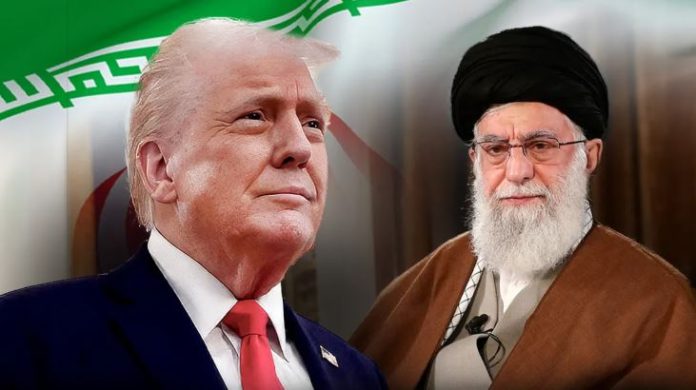
The United States has been pressing Iran to hand over its nuclear waste as part of a broader agreement aimed at curbing Tehran’s nuclear capabilities. However, Iran has so far shown reluctance to accept this demand. While US President Donald Trump has claimed that Iran is prepared to make concessions, Iranian officials have publicly maintained a firm stance, signaling that they are not ready to compromise on what they describe as their sovereign nuclear rights.

Tehran has, however, appreciated Pakistan’s mediation efforts, acknowledging Islamabad’s constructive role in facilitating dialogue. Nonetheless, Iranian leadership has made it clear that while it values diplomatic engagement, it will not yield on core strategic interests.

With time running short, all eyes are now on whether Pakistan’s diplomatic outreach can secure an extension and pave the way for a sustainable resolution.

World Heritage Day – 18 April: Safeguarding Pakistan’s cultural legacy

World Heritage Day – 18 April: Safeguarding Pakistan’s cultural legacy

Zahra Sohail

Every year on 18 April, the international community observes World Heritage Day (International Day for Monuments and Sites) to celebrate the richness and diversity of cultural heritage and to reaffirm our shared responsibility to safeguard it for future generations.

The theme for 2026, “Emergency Response for Living Heritage in Contexts of Conflicts and Disasters,” highlights the urgent need to protect not only physical sites but also the living heritage, traditions, practices, and knowledge systems, that are particularly vulnerable in times of crisis. It underscores the importance of preparedness, community-based approaches, and rapid response mechanisms to ensure the continuity of cultural practices, while calling for stronger integration of heritage safeguarding into disaster risk reduction and development planning frameworks.

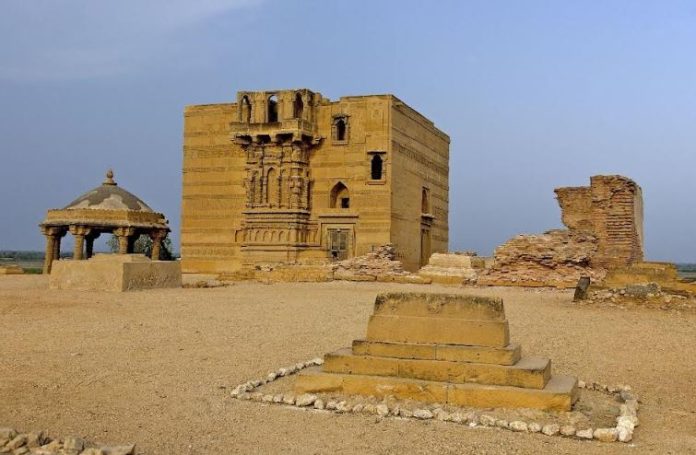
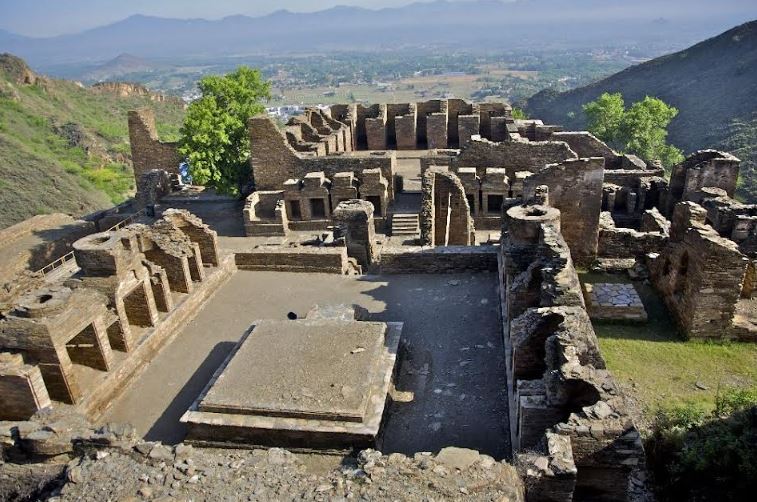
Pakistan is endowed with an exceptionally rich and diverse cultural heritage that spans from the ancient Indus Valley Civilization to Gandhara art, Islamic architecture, and vibrant living traditions. This legacy is reflected in its six UNESCO World Heritage Sites: the archaeological ruins of Mohenjo-daro, the Buddhist Ruins of Takht-i-Bahi and Neighbouring City Remains at Sahr-i-Bahlol, the Taxila, the Historical Monuments at Makli, the Lahore Fort and Shalimar Gardens, and the Rohtas Fort. These sites are not only symbols of national pride but also key anchors for tourism and local economies.

However, six World Heritage Sites do not fully reflect the immense cultural wealth of Pakistan. Despite having a strong Tentative List, no new site has been inscribed on the World Heritage List since 1997. This is not due to a lack of potential but rather reflects challenges in meeting the evolving requirements for World Heritage protection, which have become more demanding in response to increasing threats from climate change and urban pressures. In particular, there are gaps in ensuring robust protection systems, effective management frameworks, and long-term conservation planning. Strengthening institutional capacity and integrating heritage management into broader governance systems are therefore essential—not only to advance future nominations, but also to ensure that existing World Heritage properties are adequately safeguarded and do not face the risk of being placed on the List of World Heritage in Danger.

A critical issue highlighted by World Heritage Day is the need to mainstream heritage protection within national and urban development frameworks as well as ensure compliance to the international standards of conservation. Cultural heritage sites across Pakistan are increasingly exposed to pressures from urban expansion, infrastructure development, encroachments, environmental degradation, and, in some cases, interventions that do not fully align with international standards of conservation and restoration.

The World Heritage Convention, along with its Operational Guidelines, provides clear guidance to States Parties on safeguarding these properties. In particular, Paragraph 172 encourages States to inform and seek guidance from UNESCO on any major restoration, development, or infrastructure projects that may impact the Outstanding Universal Value (OUV) of a site. Adherence to these provisions, along with internationally recognized conservation charters and standards, is essential to ensure that development and heritage protection go hand in hand. UNESCO continues to advocate for a balanced approach, one that supports development while safeguarding the authenticity, integrity, and long-term sustainability of heritage assets.

At the same time, heritage protection offers immense opportunities for sustainable development. Well-managed heritage sites can generate employment, promote cultural tourism, support local crafts and creative industries, and contribute to inclusive economic growth. Moreover, heritage conservation is closely linked with environmental sustainability, as traditional knowledge systems and historic landscapes often embody practices that promote resilience and harmony with nature.

UNESCO has been actively supporting the Government of Pakistan in addressing these challenges and strengthening heritage management systems. Efforts include raising awareness on the importance of safeguarding heritage in line with international standards, as well as providing technical support for the development of integrated management plans for World Heritage Sites. UNESCO organized a training workshop on World Heritage management from 26–29 January 2026 in Peshawar engaging site managers and Director Generals, focusing on the preparation of management plans and the revision of Pakistan’s Tentative List. In addition, UNESCO has been supporting disaster risk reduction and conservation efforts at key sites such as Mohenjo-daro, Makli, and Takht-i-Bahi, alongside capacity-building of technical staff in restoration techniques aligned with international best practices.

On this World Heritage Day, the message is clear, that safeguarding Pakistan’s cultural heritage is not only a responsibility but an opportunity. By integrating heritage protection into national development policies, strengthening institutional capacities, and compliance to international standards of conservation, Pakistan can unlock the full potential of its cultural assets, for economic growth, environmental sustainability, and the well-being of future generations.

Pakistan–EU business forum to Strengthen trade, GSP+ remains key Pillar

Pakistan–EU business forum to Strengthen trade, GSP+ remains key Pillar

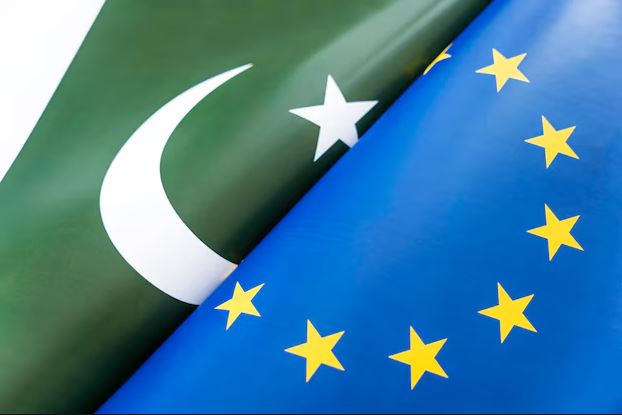
ISLAMABAD, APR 17 (DNA): Federal Minister for Commerce Jam Kamal Khan held a detailed meeting on Friday with Raimundas Karoblis to discuss strengthening Pakistan–European Union economic relations, with a particular focus on the upcoming Pakistan–EU Business Forum scheduled to be held on April 28–29, 2026, in Islamabad and the continued importance of the GSP Plus scheme.

The meeting underscored that the Pakistan–EU Business Forum will serve as a major platform to deepen trade and investment cooperation.

 Both sides highlighted that the forum is expected to bring together a large number of participants, including government representatives, business leaders, and institutional stakeholders from Pakistan and across the European Union,said a release issued here on Friday.

It was noted that the event will feature extensive business-to-business (B2B) engagements, with hundreds of meetings planned between Pakistani and European companies.

These interactions are aimed at fostering direct partnerships, facilitating investment flows, and identifying new avenues for collaboration across key sectors.

The Minister emphasized that the forum comes at a critical time and presents an opportunity for Pakistan to project a strong, business-friendly image globally.

He reiterated the government’s commitment to providing full support to ensure the success of the event, including facilitation for international participants and expanding B2B engagement opportunities where required.

Both sides also discussed the possibility of making such engagements more regular, transforming the forum into a sustained platform for continuous dialogue between Pakistani and European businesses.

The importance of maintaining momentum between forums through structured engagement mechanisms was also highlighted.

A key area of discussion remained the European Union’s GSP+ scheme, which continues to play a vital role in supporting Pakistan’s exports to EU markets.

European representatives acknowledged Pakistan’s progress and noted that the scheme has significantly contributed to enhancing export opportunities, particularly in sectors such as textiles.

The Minister stressed that Pakistan remains committed to fulfilling all requirements under the GSP+ framework and views it as a cornerstone for strengthening bilateral trade.

 He highlighted that maintaining and optimizing the benefits of GSP+ is essential for sustaining export growth and improving competitiveness in international markets.

Discussions also touched upon Pakistan’s ongoing tariff rationalization efforts, with the government working towards reducing duty structures to facilitate imports of raw materials and intermediate goods.

European partners welcomed these measures, noting that efficient import policies are crucial for boosting export performance and strengthening industrial supply chains.

The meeting further explored opportunities to enhance investor confidence by improving predictability, transparency, and policy consistency.

European stakeholders emphasized the importance of a stable and conducive business environment to attract long-term investments.

Additionally, the potential for broader regional collaboration was discussed, including the possibility of engaging Gulf-based partners in future initiatives to create trilateral investment opportunities involving Pakistan, the European Union, and the Gulf region.

Both sides agreed that Pakistan offers significant potential for European businesses, with a growing market, strategic location, and expanding industrial base.

They reaffirmed their commitment to strengthening institutional cooperation, enhancing private-sector linkages, and leveraging upcoming platforms to unlock new economic opportunities.

The meeting concluded with a shared resolve to further deepen Pakistan–EU trade and investment relations, maximize the benefits of GSP+, and ensure that the upcoming Business Forum delivers tangible outcomes for businesses on both sides.

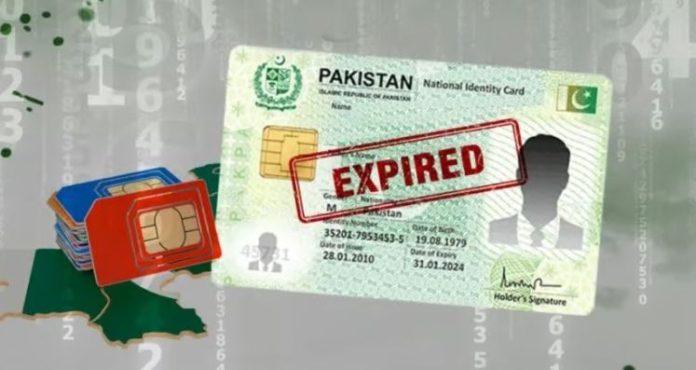
Expired CNIC holders face ongoing SIM blockage under strict NADRA crackdown: Spokesperson says

Expired CNIC holders face ongoing SIM blockage under strict NADRA crackdown: Spokesperson says

ISLAMABAD, APR 17 (DNA): NADRA spokesperson Syed Shabahat Ali Jaffery Friday issued strict warning to the public, urging immediate renewal of expired Computerized National Identity Cards (CNICs), particularly among housewives in rural areas and beneficiaries of BISP and other health programmes, cautioning that SIMs linked to expired CNICs may soon be

blocked.

While speaking to a local media channel, the spokesperson of NADRA stated that the Pakistan Telecommunication Authority (PTA) with collaboration of NADRA has initiated a nationwide process to block mobile SIMs registered against expired, canceled or invalid Computerized National Identity Cards (CNICs), as well as SIMs issued in the names of deceased individuals.

He said the move is aimed at strengthening digital security and ensuring clean, verified telecom records across Pakistan.

He further clarified that many SIMs are still active under CNICs that have expired or belong to deceased persons, including cases where family members have not updated or canceled records of their parents or relatives.

He warned that such numbers will also be brought under scrutiny and may be blocked as part of the ongoing verification drive.

The spokesperson urged special attention towards women, particularly housewives in rural areas, to remain aware and ensure timely renewal of their CNICs.

He also highlighted that beneficiaries of the Benazir Income Support Programme (BISP) and other health-related schemes must update their identity documents to avoid disruption in services linked to their CNICs.

He stressed that public awareness is crucial in this regard, adding that citizens should immediately verify their CNIC status and ensure all SIMs are properly registered to avoid inconvenience, as authorities continue strict enforcement of the verification system.

Spokesperson added in response to a query that millions of SIMs have already been blocked under the ongoing verification drive against expired, canceled, and invalid CNICs, adding, the authorities are actively cleansing the telecom database to ensure only verified and active identity records remain in use.

He further stated that the public is being continuously informed through official social media platforms, electronic media campaigns, and awareness drives to prevent inconvenience and ensure compliance with the regulations.

He emphasized that these communication efforts are part of a broader strategy to keep citizens updated about the verification process and required actions.

To another query, he said that citizens can easily renew their CNICs through more than 961 NADRA branches and e-Sahulat centres located near their homes, added, under the directives of the Interior Ministry, aggressive steps are being taken to facilitate the public and strengthen the national identity verification system.

President emphasises trade expansion, connectivity in meeting with Uzbek Ambassador

President emphasises trade expansion, connectivity in meeting with Uzbek Ambassador

ISLAMABAD, Apr 15 (DNA): President Asif Ali Zardari on Wednesday emphasised bilateral trade expansion and connectivity during a call on paid on him by Ambassador of the Republic of Uzbekistan to Pakistan, Alisher Tukhtaev here at Aiwan-e-Sadr.

The president reaffirmed that Pakistan attaches the highest importance to its fraternal relations with Uzbekistan, underpinned by shared history, culture and mutual trust, a Prime Minister’s Office news release said.

He appreciated the positive trajectory of bilateral ties and conveyed his warm greetings to President Shavkat Mirziyoyev.

He emphasised the need to enhance bilateral trade through diversification, improved market access and early operationalisation of trade facilitation mechanisms, while encouraging greater business-to-business linkages and investment in key sectors.

The president underscored connectivity as central to regional economic integration, reiterating that Pakistan offers the shortest access to warm waters through Gwadar and Karachi ports, and expressed support for the operationalisation of Trans-Afghan Railway Project. He also highlighted the importance of peace and stability in region for achieving shared connectivity and economic objectives.

The ambassador thanked the President for the warm reception and reaffirmed Uzbekistan’s commitment to further strengthening bilateral relations with Pakistan. He expressed Uzbekistan’s keen interest in expanding trade, investment and connectivity cooperation, appreciated Pakistan’s role in promoting regional integration and economic linkages, and conveyed the appreciation of Uzbekistan’s leadership for Pakistan’s vanguard role in promoting peace in the region and the world at large.

A

Pakistan’s peace role termed ‘Historic’ amid ceasefire efforts

Pakistan’s peace role termed ‘Historic’ amid ceasefire efforts

By Nazir Siyal / DNA

KARACHI: Dr Hamid Khan Al-Mashriqi, an International Strategic Affairs expert and analyst has categorically said that the Pakistan’s role in maintaining regional and global peace has been described as significant and potentially “historic,” particularly in the context of ongoing ceasefire efforts and diplomatic engagement.

Analysts noted that sustaining the current two-week ceasefire could be a major success, he said with the possibility of its extension to a longer duration as negotiations continue he added.

Dr. Hamid Al Mashriqi emphasized that such talks are unlikely to conclude quickly, but continuity of dialogue remains essential for lasting peace.

Dr Al-Mashriqi highlighted that Pakistan is playing a constructive role in ensuring the continuity of peace in the region and beyond. Dr Hamid stressed that international stakeholders should support these efforts rather than engage in negative narratives or rivalries.

Commenting on leadership dynamics in South Asia,  Al-Mashriqi argued that regional stability should take precedence over individual ambitions, with Pakistan’s leadership under Shehbaz Sharif being positioned as a proponent of peace and cooperation.

He said the role of Asim Munir was also termed “historic,” with analysts stating that his strategic engagement has contributed to stabilizing tensions and encouraging diplomatic pathways, including influencing regional actors toward restraint.

Stay Connected

64FansLike
60FollowersFollow

Latest Reviews

Exchange Rates

USD - United States Dollar
EUR
1.14
GBP
1.34
AUD
0.70
CAD
0.71