Home Blog Page 174

EU Ambassador invites Pakistan to high-level business forum

EU Ambassador invites Pakistan to high-level business forum

ISLAMABAD, APR 21 /DNA/ – Federal Minister for Finance and Revenue, Senator Muhammad Aurangzeb, has underscored Pakistan’s steady return to macroeconomic stability and renewed engagement with international capital markets, highlighting growing investor confidence and the Government’s commitment to a structured and forward-looking economic reform agenda.

He noted that Pakistan has recently re-entered international capital markets after a four-year hiatus through a privately placed Eurobond transaction, which witnessed strong investor interest and was successfully upsized. The Minister emphasized that this milestone reflects improving economic fundamentals and signals a positive trajectory for Pakistan’s global financial integration.

Senator Aurangzeb further shared that the Government is actively pursuing a diversified capital markets strategy, including future international issuances and innovative financing instruments, aimed at strengthening external buffers and ensuring sustainable financing.

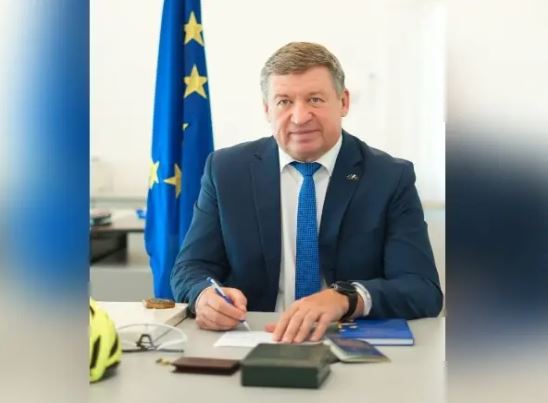
These views were shared during a meeting with H.E. Mr. Raimundas Karoblis, Ambassador of the European Union to Pakistan, who called on the Finance Minister today.

During the meeting, the EU Ambassador extended an invitation to the Finance Minister to participate in the High-Level EU–Pakistan Business Forum scheduled to be held on April 28, 2026, in Islamabad, which the Minister accepted. Senator Aurangzeb is also expected to deliver the keynote address at the opening plenary session on the theme “Pakistan Rising: Incentives, Reforms, and the Next Investment Frontier.”

The Finance Minister appreciated the European Union’s efforts in bringing together a large number of international and domestic business representatives, noting that such initiatives provide a valuable platform to showcase Pakistan’s improving business climate and investment potential, while fostering meaningful business-to-business engagement.

Senator Aurangzeb also highlighted the Government’s broader efforts to maintain macroeconomic stability, strengthen foreign exchange reserves, and advance structural reforms to support sustainable and inclusive growth. He acknowledged the continued support of key bilateral partners in reinforcing economic resilience and emphasized the importance of sustained international collaboration in this regard.

The Finance Minister expressed optimism about Pakistan’s external sector outlook and reiterated the Government’s focus on enhancing competitiveness, deepening investment inflows, and expanding trade opportunities. In this context, he also conveyed hope for continued progress under the GSP+ framework, terming it an important pillar of Pakistan-European Union economic relations.

The meeting concluded with a shared commitment to further strengthening Pakistan-EU economic relations and promoting increased trade, investment, and business collaboration.

Pakistan Navy tests Taimoor cruise missile in live fire

Pakistan Navy tests Taimoor cruise missile in live fire

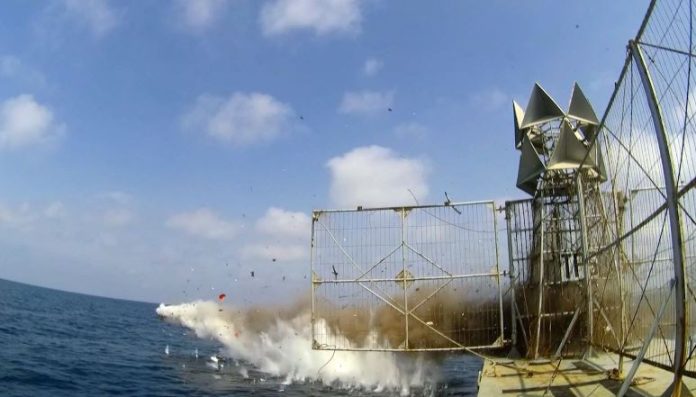
ISLAMABAD, APR 21: /DNA/ – Pakistan Navy has conducted successful live weapon firing of Taimoor Air-Launched Cruise Missile – an indigenously developed Anti-Ship Weapon System – in a powerful demonstration of precision strike capability and operational readiness.

The Air-Launched Cruise Missile executed its mission with exceptional precision, validating Pakistan Navy’s combat capability to detect, target and decisively neutralize enemy sea-based threats at extended ranges.

This demonstration by Pakistan Navy marks a pivotal elevation of national defence capability, further strengthening Pakistan Armed Forces’ multi-dimensional coordinated strike posture and capabilities in the conventional domain.

Pakistan Navy stands resolute in its commitment to safeguard the nation’s maritime interests and sovereign waters.

The President, Prime Minister of Pakistan, Chief of Defence Forces and Services Chiefs have congratulated the scientists and engineers on achieving this significant milestone.

China extends full support to Pakistan

China extends full support to Pakistan

DPM/FM reaffirmed the Pakistan–China All-Weather Strategic Cooperative Partnership, underscored the strength of bilateral ties, and emphasized the importance of sustained high-level exchanges between the two countries

Saifullah Ansar

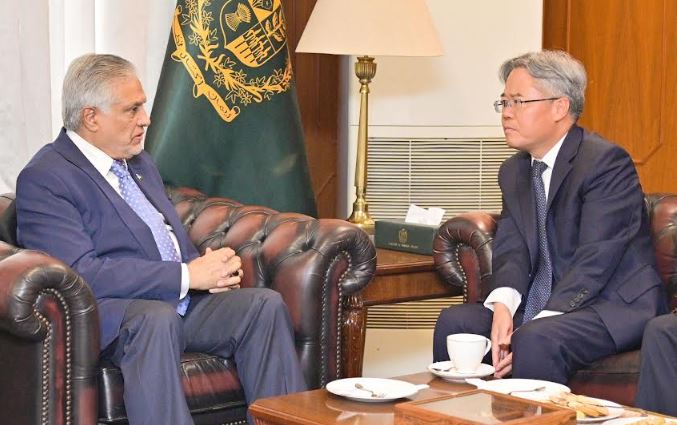
ISLAMABAD: Chinese Ambassador to Pakistan Jiang Zaidong called on Deputy Prime Minister/Foreign Minister Senator Ishaq Dar. Discussions focused on latest regional developments.

Ambassador Zaidong conveyed China’s full support for and appreciation of Pakistan’s continued efforts to facilitate engagement between U.S. and Iran for sustained peace and stability in the region and beyond.

DPM/FM reaffirmed the Pakistan–China All-Weather Strategic Cooperative Partnership, underscored the strength of bilateral ties, and emphasized the importance of sustained high-level exchanges between the two countries.

Centrum air launches direct Lahore – Tashkent flights

Centrum air launches direct Lahore - Tashkent flights

ISLAMABAD, Apr 21 (DNA): Centrum Air, Uzbekistan’s fastest-growing and largest private airline has announced the launch of its new direct service between Lahore and Tashkent, commencing on April 21th, 2026.

The route will operate twice weekly, on Tuesdays and Fridays, utilizing modern Airbus A320 aircraft, offering passengers a reliable and efficient connection between Pakistan and Uzbekistan, as well as access to an expanding international network, said a release issued here on Tuesday.

Centrum Air is focused on expanding international connectivity and offering competitive, customer-oriented travel solutions across a growing network of destinations.

The introduction of this route reflects the airline’s ongoing international expansion strategy. 

As part of this development, the airline has established its official representation in Pakistan in partnership with Gerry’s Group, a leading aviation services provider in the country.

The Lahore–Tashkent route is expected to generate strong point-to-point demand, particularly from organized travel groups, as Uzbekistan continues to grow in popularity among Pakistani travelers.

Renowned for its rich cultural heritage and historical significance, Uzbekistan is home to iconic destinations such as Tashkent, Samarkand, and Bukhara, which are increasingly attracting visitors from Pakistan.

 In addition to group tourism, the route is expected to serve a diverse passenger base, including independent (FIT) travelers, students pursuing medical education, and religious tourism flows, particularly to the historic and spiritual centers of Samarkand and Bukhara. 

AI investment, CPEC 2.0 to strengthen Pakistan’s economy: PCJCCI

AI investment, CPEC 2.0 to strengthen Pakistan’s economy: PCJCCI

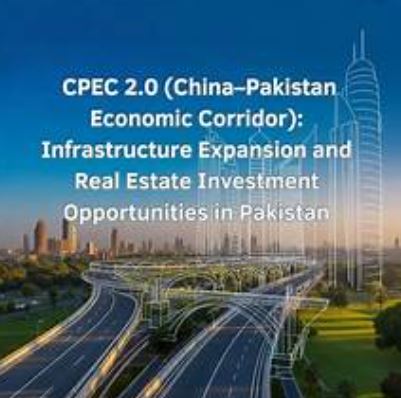
LAHORE, Apr 20: Pakistan China Joint Chamber of Commerce and Industry (PCJCCI) Monday underscored the transformative potential of Pakistan China cooperation under CPEC 2.0, coupled with the government’s proposed USD 01 billion Artificial Intelligence (AI) fund, in accelerating Pakistan’s transition toward a robust digital economy and future-ready growth.

PCJCCI President Nazir Hussain told media here that AI Fund represents a timely and strategic initiative that can strengthen governance frameworks, promote innovation and unlock vast opportunities for Pakistan’s youth, which constitutes approximately 63 percent of the population.
He emphasized that integrating advanced technologies into national development planning is essential for achieving sustainable and inclusive economic growth.
The PCJCCI President highlighted that initiatives under CPEC 2.0 are closely aligned with Pakistan’s “Uraan Pakistan” programme, which focuses on boosting exports, ensuring affordable energy, improving efficiency, and promoting environmental sustainability. He was of the view that the synergy between these frameworks can significantly strengthen Pakistan’s economic resilience and global competitiveness.
The joint chamber’s Senior Vice President Brig. (Retd.) Mansoor Saeed Sheikh remarked that the programme aims to establish a comprehensive nationwide technological ecosystem. He highlighted that the introduction of AI education in federally administered schools, along with 1,000 fully funded PhD scholarships by 2030, will build a strong knowledge base and foster research-driven development in Pakistan.
Salahuddin Hanif Secretary General PCJCCI added that the training of one million non-IT professionals in AI-related skills will significantly enhance productivity, improve livelihoods, and enable traditional sectors to adapt to modern technological demands. He noted that such initiatives will bridge the digital divide and ensure broader participation in the digital economy.
PCJCCI office-bearers reiterated their commitment to facilitating Pakistan-China collaboration in emerging technologies and innovation-driven sectors, encouraging public-private partnerships to harness the full potential of AI and digital transformation for sustainable economic development.

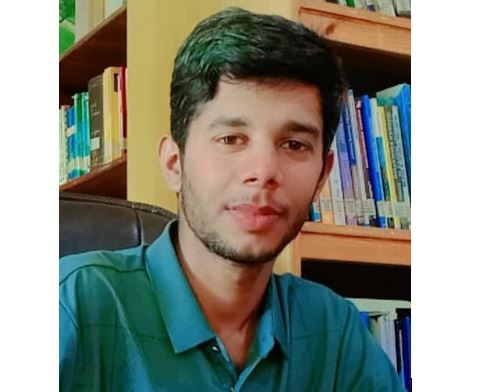
Pakistan as a Mediator in US–Iran Ceasefire

Pakistan as a Mediator in US–Iran Ceasefire

Fazeel Ahmad

Power rivalry is not the only aspect of international politics but also the opportunities that come about during crises. Pakistan has become a possible diplomatic linkage between the United States and Iran in the changing geopolitical landscape of the Middle East. When Pakistan is able to mediate between the two states in creating long term stability, then it can be able to strategically translate this diplomacy into economic and energy gains. Energy cooperation with Iran is one of the most significant aspects of this opportunity. The energy crisis in Pakistan has been in place since time immemorial, it has been characterized by a situation of gas scarcity, high electricity prices and reliance on imported fuel which is very expensive. Here better relations between the United States and Iran would enable Pakistan to rekindle the energy projects like gas imports and pipeline cooperation which would greatly boost its economy.

The Pakistani economy greatly relies on the imported energy sources. Increased demand of electricity, industrial output, and domestic use have constantly exceeded supply within the country. Consequently, the nation imports liquid natural gas (LNG) and crude oil at high global prices, thus adding fiscal strain and leading to inflation. Industrial output is also directly influenced by energy shortages. Higher production costs are experienced in the textile, manufacturing and agricultural processing sectors as a result of high-cost electricity and gas. This undermines the export competitiveness and diminishes foreign exchange earnings. Thus, energy security is not merely a technical problem but a structural economic challenge to Pakistan. The country of Iran in this case is a geographically and economically feasible partner in energy because of its closeness and vast natural gas reserves.

This concept of energy cooperation between Pakistan and Iran is not new. The Iran-Pakistan gas pipeline project was initially intended to export natural gas to Pakistan by Iran using a cross border infrastructure system. Nevertheless, the international sanctions against Iran and geopolitical pressure, especially that of the United States have left the project stalled. In spite of these difficulties, the project is still economically viable to Pakistan. Natural gas is relatively cheap in Iran compared to imports of LNG in the world market. With an improvement in diplomatic conditions, Pakistan stands to gain by going back to pipeline imports, which will lower the cost of their energy and enhance the stability of supply. In addition, cheap gas would enable Pakistan to produce electricity at a cheaper rate, which would lessen the impact on households and industries. This would also enhance industrial productivity and promote export-led growth.

The other significant sector of cooperation is the imports of crude oil. Pakistan is now dependent on costly oil imports to the Gulf markets that are subject to the price fluctuations and disruptions of supply chains around the world. By increasing economic ties with Iran, Pakistan may be able to bargain on discounted oil imports. A partial change to Iranian crude will help stabilize the domestic fuel prices. The reduced prices of oil would directly affect the transportation expense, agricultural output, and electricity generation. It would also assist in controlling inflation, which is one of the greatest macroeconomic problems in Pakistan since there would be a reduction in the prices of energy. Thus, energy cooperation with Iran goes beyond just supply to a wider economic stabilization.

Greater accessibility of cheap energy would have a multiplier effect in the economy. First, it would lower the production of electricity that is a necessity in the growth of industries. This would make the manufacturing industries (particularly the textile and export oriented industries) more competitive in the international markets. Second, reduced energy prices would promote foreign direct investment. Investors will find it easier to invest in a market that has stable and affordable energy supply. This may assist Pakistan in attracting investment in areas of industries and special economic zones.

Third, the welfare of the households would increase due to reduced electricity and fuel prices. This would boost the purchasing power and decrease social pressure due to inflation. Lastly, energy collaboration would enhance the trade balance of Pakistan as it would not rely on the expensive foreign energy supply by remote markets.

In addition to economic gains, Pakistan as a mediator between the United States and Iran can enhance its geopolitical standing. Diplomatic bridging countries are also strategic in international relations. In the case, Pakistan manages to be helpful in de-escalation, the relations with Washington and Tehran can be enhanced at the same time. Pakistan would be able to become relevant in the eyes of the United States, and possibly, negotiate economic or security concessions. Pakistan has the potential to enhance bilateral energy and trade with Iran. This moderating position would bolster the perception of Pakistan as a responsible regional player instead of a passive player in world politics. It also enhances its bargaining strength in subsequent international negotiations.

Notwithstanding these opportunities, there are a number of structural limitations that limit the strategy of Pakistan. Sanctions imposed on Iran by international bodies are the greatest challenge as they limit transactions between nations, trade, and investment processes. The implementation can be slowed down by legal and financial obstacles even in the case of political goodwill. The other weakness is the economic vulnerability of Pakistan. The large level of external debt and dependence on international financial institutions diminish its freedom to maneuver in its foreign policies. Moreover, the strength of powerful states can also affect global energy markets, and it is hard to make unilateral decisions. Thus, the opportunities are available, but they are subject to geopolitical processes at the larger scale, particularly, the US-Iran relations.

The possibility of Pakistan acting as a mediator between the United States and Iran is a geopolitical opportunity that is not very common. Provided that it is managed successfully, it can create energy cooperation avenues such as reviving gas pipelines and importing Iranian oil. The developments would save the Pakistani a lot on its energy expenses, stabilize its electricity prices and assist in industrial growth. Meanwhile the advantages are not entirely economic. Pakistan would be able to become more relevant in resolving international issues through diplomacy and become a central regional intermediary in global politics. The pace and magnitude of such opportunities are, however, curtailed by structural constraints like sanctions and world power politics. To sum up, the strategic challenge of Pakistan is not only to play the role of a mediator but also to transform diplomatic space into economic and energy benefits over the long term. When done well, this strategy would revolutionize the energy landscape in Pakistan, and become a stronghold in the changing world order.

Fazeel Ahmad

Student IR University of Okara

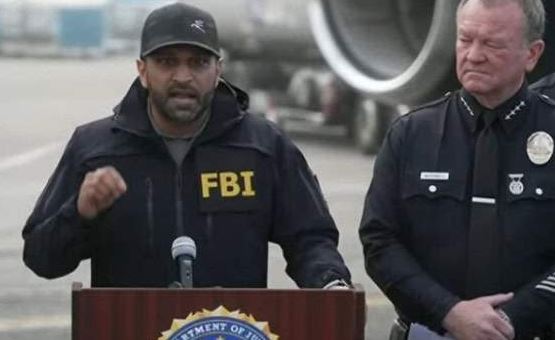
FBI Director Kash Patel sues The Atlantic

FBI Director Kash Patel sues The Atlantic

DNA

NEW YORK: FBI Director Kash Patel filed a defamation lawsuit against The Atlantic and its reporter, Sarah Fitzpatrick, following the publication of an article on Friday alleging the director had a drinking problem that could pose a threat to national security.

The magazine’s story, initially titled “Kash Patel’s Erratic Behaviour Could Cost Him His Job,” cited more than two dozen anonymous sources expressing concern at Patel’s “conspicuous inebriation and unexplained absences” that “alarmed officials at the FBI and the Department of Justice.”

The article, which The Atlantic subsequently titled “The FBI Director Is MIA” in its online version, reported that during Patel’s tenure, the FBI had to reschedule early meetings “as a result of his alcohol-fueled nights” and that Patel “is often away or unreachable, delaying time-sensitive decisions needed to advance investigations.”

In The Atlantic’s story, the White House, the Department of Justice and Patel denied the allegations. The article included a statement from the FBI attributed to Patel, “Print it, all false, I’ll see you in court, bring your checkbook.”

“The Atlantic’s story is a lie,” Patel said in an interview with Reuters. “They were given the truth before they published, and they chose to print falsehoods anyway.”

“We stand by our reporting on Kash Patel, and we will vigorously defend The Atlantic and our journalists against this meritless lawsuit,” The Atlantic said in a statement.

Reuters could not independently establish the accuracy of the article or why the publication changed the title.

Patel’s complaint says that while The Atlantic is free to criticise the leadership of the FBI, “they crossed the legal line” by publishing an article “replete with false and obviously fabricated allegations designed to destroy Director Patel’s reputation and drive him from office.”

The lawsuit, filed in the US District Court for the District of Columbia, seeks $250 million in damages.

The lawsuit alleges The Atlantic ignored the FBI’s denials and did not respond to a Friday letter from Patel’s lawyer Jesse Binnall to senior editors and The Atlantic’s legal department asking for more time to refute the 19 allegations the reporter told the FBI’s press office she would be publishing.

The letter, which Reuters has seen, was sent shortly before 4 p.m. on Friday, and the story was published at 6:20pm, according to the complaint. Reuters could not establish how or if The Atlantic responded to Binnall’s request.

The lawsuit alleges the publication acted with “actual malice,” a legal standard that requires public figures such as Patel to show the publisher knowingly printed false information or recklessly ignored doubts about its accuracy.

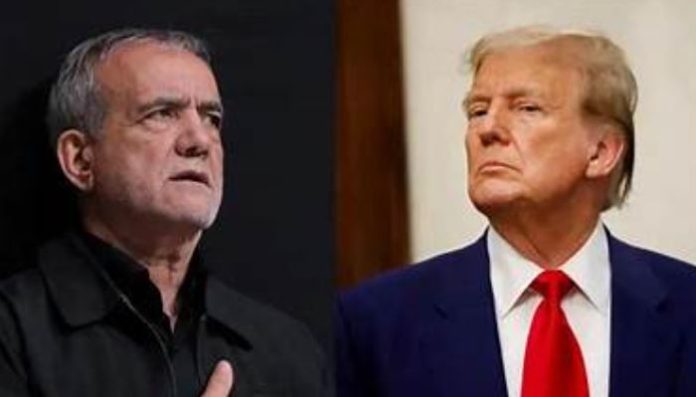
US, Iran presidents hold firm ahead of Islamabad talks

US, Iran presidents hold firm ahead of Islamabad talks

ISLAMABAD, APR 20 /DNA/ – Tensions between the United States and Iran remain high as both President Donald Trump and Iranian President Masoud Pezeshkian refused to back down in their positions on Iran’s nuclear program. Fresh talks are scheduled for Wednesday in Islamabad, Pakistan, amid threats of renewed military action.

 Iranian President Pezeshkian: “Iran Will Never Bow” In strong remarks, President Pezeshkian declared that Iran will never compromise on its nuclear facilities and has an inalienable right to develop nuclear technology for peaceful purposes. He stated that America “wants Iran to bow before it,” but emphasized: “This will never happen.” Iran, he said, is “ready to fight till the end” if necessary. Pezeshkian slammed U.S. demands regarding enriched uranium and nuclear sites, insisting no one has the right to deprive Iran of its legitimate nuclear rights under international law.

President Trump confirmed that direct talks will take place on Wednesday, with a U.S. delegation — including Vice President JD Vance — heading to Islamabad. Vance is expected to arrive in the Pakistani capital on Tuesday night or Wednesday evening.

Trump made it clear that the U.S. position is unchanged: if there is no compromise, “we will have to start dropping bombs again.” He has repeatedly warned of targeting Iranian infrastructure and maintaining a naval blockade if Iran does not meet U.S. demands on its nuclear program.

The negotiations follow earlier rounds of talks and military exchanges. The core dispute remains Iran’s uranium enrichment activities and its nuclear facilities. The U.S. seeks long-term assurances and restrictions, while Iran insists on its sovereign rights and peaceful use of nuclear energy.

Both leaders are digging in, raising fears of escalation even as diplomatic channels in Pakistan remain open. Stay tuned for updates as the Wednesday talks approach. The world watches closely whether diplomacy or confrontation will prevail in this high-stakes standoff.

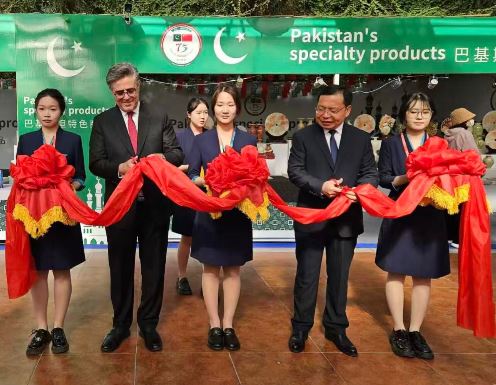
Ambassador Hashmi inaugurates Pakistan National Pavilion in Shouguang

Ambassador Hashmi inaugurates Pakistan National Pavilion in Shouguang

SHOUGUANG, APR 20: /DNA/ – Ambassador Khalil Hashmi visited Shouguang city in Shandong province from 19-20 April 2026 to participate in the 27th China (Shouguang) International Vegetable Science & Technology Expo. Shouguang is renowned as China’s “Hometown of Vegetables”. This year, Pakistan was designated as the Guest Country of Honour at the Expo coinciding with the 75th anniversary of Pakistan–China diplomatic relations.

On 19 April, the Ambassador was received by Mayor Zhao Tianbao, who briefed him on Shouguang’s advanced vegetable industry, including its integrated value chains and world-leading smart greenhouse technologies. Ambassador Hashmi highlighted Pakistan’s agricultural strengths and areas requiring investment and technology infusion. Both sides discussed concrete proposals, including collaboration on smart greenhouse demonstration projects and deeper institutional and business linkages.

The Ambassador also visited Shandong Lisente Agricultural Technology Co., Ltd. and a Modern Agricultural High-Tech Demonstration Base. These entities showcased cutting-edge, climate-resilient farming practices and greenhouse technology that inter alia increased yield of produce & number of times agriculture products can be grown in a year. Discussions focused on launching pilot projects in Pakistan, particularly in high-tech agriculture and protected cultivation.

On 20 April, Ambassador Hashmi inaugurated the Pakistan National Pavilion at the Expo. He described the Pavilion as a symbol of the enduring friendship between Pakistan and China and a platform to promote business linkages, agricultural collaboration, and people-to-people exchanges. The Pavilion showcased products such as Pakistan’s signature pink rock salt, Basmati rice, pine nuts, biscuits, and handicrafts, jade and other stone decoration pieces and reflected Pakistan’s rich agricultural heritage and Agri-food exports.

While addressing the opening ceremony of the Expo, the Ambassador highlighted Pakistan’s agricultural investment opportunities and encouraged Chinese companies to consider joint ventures in greenhouse technologies, and sustainable food systems. He noted that Shouguang’s achievements in smart agriculture, water-efficient systems, and digital technologies offer valuable models for Pakistan’s agricultural modernization. He also referred to ongoing successful collaboration between Pakistan and Shandong Province, including joint agricultural projects and institutional partnerships in research and training.

Ambassador Hashmi later toured the Expo, commended its professional organization and thoughtfully curated exhibits. Later in the day, he participated in the Symposium on Agricultural Facility Cooperation, where he underscored strong complementarities between Pakistan’s needs and Shouguang’s expertise. He identified priority areas for cooperation, including facility agriculture, greenhouse technologies, water-efficient irrigation, seed development, post-harvest processing, and cold-chain logistics, while highlighting Pakistan’s investor-friendly policies, Special Economic Zones, and strategic market access.

The Ambassador encouraged Chinese enterprises to explore opportunities in Pakistan and reaffirmed the Embassy’s commitment to facilitating partnerships through policy support, matchmaking, and project facilitation.

During the visit, Ambassador Hashmi expressed keen interest in sharing Shouguang’s expertise with Pakistani farmers. He requested relevant materials and proposed organizing a symposium in Pakistan, along with exchange visits of experts, enterprises and farmers.

The visit reaffirmed the shared commitment of Pakistan and China to deepen agricultural cooperation and advance mutually beneficial partnerships in innovative, high-tech, and sustainable farming solutions.

Naqvi, US Envoy Hold Talks on Regional Stability and Islamabad Dialogue Security

Naqvi, US Envoy Hold Talks on Regional Stability and Islamabad Dialogue Security

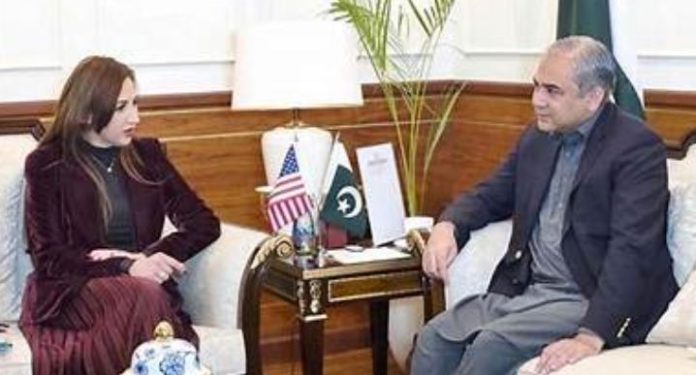
ISLAMABAD, Apr 20 (DNA): Interior Minister Mohsin Naqvi visited the United States Embassy in the Diplomatic Enclave on Monday, where he held a detailed meeting with US Ambassador Natalie Baker to review bilateral ties and the evolving regional situation.

During the meeting, both sides discussed ways to strengthen Pakistan–US relations and exchanged views on the latest developments in the region. They also reviewed the security arrangements put in place for the second round of the Islamabad Dialogue, scheduled to be held in the capital.

Ambassador Natalie Baker appreciated Pakistan’s sincere efforts to help defuse tensions in the region, acknowledging Islamabad’s constructive diplomatic role.

Minister Naqvi briefed the US envoy on the comprehensive security plan formulated for all distinguished guests attending the upcoming dialogue. “Special security arrangements have been made for all our important guests,” he said, adding that Pakistan hoped for the successful conclusion of the second round of the Islamabad Dialogue.

Director General FIA Dr. Usman Anwar, Chief Commissioner Islamabad Suhail Ashraf, Inspector General Islamabad Police Ali Nasir Rizvi, and Deputy Commissioner Islamabad Irfan Memon were also present during the meeting.

Stay Connected

64FansLike
60FollowersFollow

Latest Reviews

Exchange Rates

USD - United States Dollar
EUR
1.14
GBP
1.34
AUD
0.70
CAD
0.71