Home Blog Page 119

PAF lifts national Volleyball championship

PAF lifts national Volleyball championship

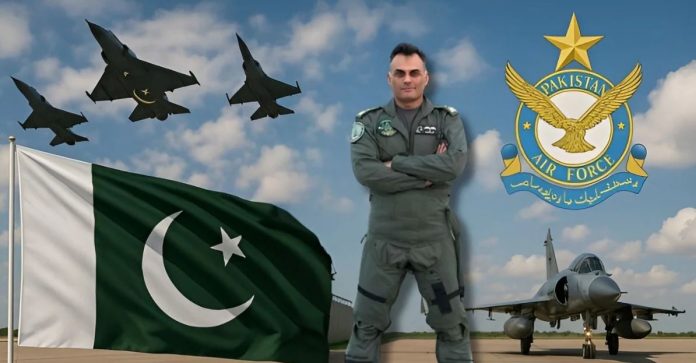
ISLAMABAD, MAY 25 /DNA/ – Pakistan Air Force added another glorious chapter to its sporting legacy by clinching the coveted title of the 55th Men’s National Volleyball Championship 2026 after defeating Pakistan Navy in a thrilling final held at POF Sports Complex, Wah Cantt. Featuring 16 top teams from various departments and regions across the country, the championship witnessed high-intensity competition from 18 to 23 May, 2026, bringing together Pakistan’s finest volleyball talent in the nation’s most prestigious volleyball tournament.

The grand finale between Pakistan Air Force and Pakistan Navy unfolded as a highly competitive encounter, distinguished by exceptional athleticism, unwavering resilience and exemplary fighting spirit. After conceding the opening set 16-25, PAF staged a remarkable comeback, displaying unmatched composure and dominance to secure the next three sets with scores of 25-21, 25-21 and 25-18, ultimately sealing the match 3-1 and reclaiming the national crown after a gap of 12 years.

The triumph reflected PAF’s unwavering commitment to excellence, teamwork and competitive spirit. Throughout the tournament, the PAF team remained in commanding form, demonstrating superior match fitness, tactical discipline and professional prowess. Prior to the final, PAF had stormed into the title clash without dropping a single set, including a straight-sets victory over defending champions WAPDA in the semifinals. PAF Team’s Captain Chief Technician Fahad Raza emerged as the star performer of the tournament and was declared both the Best Player of the Match and Best Player of the Tournament for his outstanding all-round performance. Adding further distinction to PAF’s triumph, Chief Technician Afaq Khan was awarded the Best Outside Hitter title for his exceptional display throughout the championship.

The landmark victory stands as a testament to Pakistan Air Force’s enduring emphasis on physical excellence, sportsmanship and the promotion of healthy competitive culture alongside professional competence.

Iran says 14-point MoU framework reached with US

Iran says 14-point MoU framework reached with US

China urges US, Iran to maintain ‘momentum of de-escalation’

Centreline Report

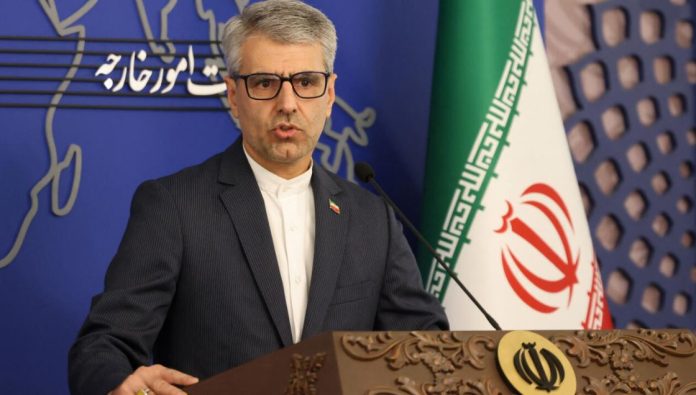
TEHRAN: Tehran says it has agreed on a 14-point memorandum of understanding (MoU) framework with Washington aimed at ending the war and easing regional tensions, while stressing that a final deal is not imminent and key issues remain under negotiation.

Iran’s Foreign Ministry spokesman Esmaeil Baghaei said talks have produced a framework MoU focused on halting hostilities on all fronts, including Lebanon, and addressing U.S. maritime actions and the release of frozen Iranian assets. He emphasized that while many topics have seen progress, the sides still need 30–60 days after any MoU is signed to hammer out details into a final agreement.

    U.S. President Donald Trump said an agreement to end the war and reopen the Strait of Hormuz is “largely negotiated,” though he acknowledged final details are still being discussed. Regional mediators, led by Pakistan, say the path forward includes declaring an end to the war, reopening the strait, and time-bound talks on broader issues.

    Reporting indicates the MoU envisions staged steps: stabilizing the ceasefire, resolving navigation and toll-free passage through the Strait of Hormuz, and opening a short negotiation window for a broader peace arrangement. Iranian outlets and analysts note the framework signals willingness to de-escalate without major immediate concessions from either side.

    Points of contention persist. U.S. officials have floated expectations around Iran’s highly enriched uranium and long-term enrichment limits, while Iranian officials say nuclear issues are not part of the current stage and insist sanctions relief and halting U.S. attacks are core demands. Several accounts describe a 30- to 60-day period post-MoU to negotiate sanctions relief, Strait procedures, and potentially nuclear matters.

    Mediation by Pakistan’s army chief Asim Munir has intensified, with both sides signaling “narrowing differences,” but cautioning that last-minute disputes could derail progress. Market watchers note oil prices remain elevated amid uncertainty over the strait’s reopening timeline.

Quote: “[Iran] has reached conclusions on many topics but that does not mean we’re close to signing an agreement,” an Iranian Foreign Ministry spokesman said, underscoring that despite the 14-point framework, a final accord requires further negotiation and verification steps

President Zardari felicitates Jordanian leadership on Independence Day

President Zardari felicitates Jordanian leadership on Independence Day

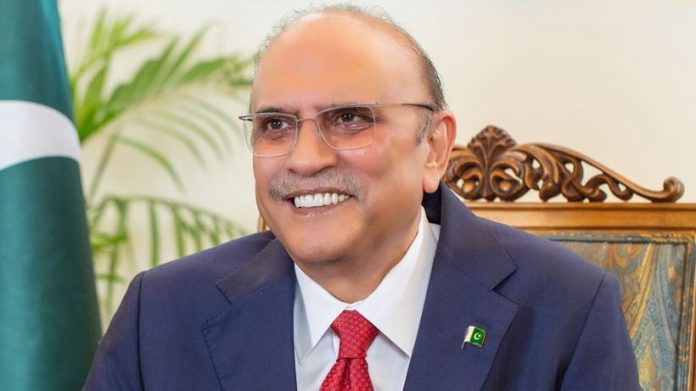
ISLAMABAD, May 25 (DNA): President Asif Ali Zardari on Monday extended felicitations to King Abdullah II ibn Al Hussein of the Hashemite Kingdom of Jordan and the people of Jordan on their Independence Day, annually observed on May 25.

In a message, conveyed on behalf of the Government and the people of Pakistan, the president noted that Pakistan and Jordan enjoyed cordial and long-standing relations, founded on mutual respect, trust and shared values.

He said that both countries maintained a close understanding and convergence of views on a wide range of regional and international issues.

The president expressed confidence that the fraternal ties would continue to grow even stronger in the years ahead.

President Zardari recalled the Jordanian king’s visit to Pakistan in November 2025, emphasising that it provided a valuable impetus to bilateral cooperation and further reinforced the bonds of friendship between the two nations.

He further conveyed his sincere wishes for the continued peace, progress and prosperity of the people of Jordan.

Protecting our skies this Eid-ul-Azha

Protecting our skies this Eid-ul-Azha

Izmi Herlani

Eid-ul-Azha is one of the most sacred and spiritually significant occasions celebrated across Pakistan and the Muslim world. The festival embodies the values of sacrifice, devotion, compassion and unity, bringing families and communities together in an atmosphere of faith and gratitude. As Pakistani citizens fulfil the religious obligation of Qurbani with great enthusiasm and reverence, it is equally important to remember that the spirit of Eid also emphasizes responsibility towards society, public welfare and the environment. Among the major public safety concerns associated with Eid-ul-Azha is the improper disposal of sacrificial animal waste, including offal, blood, hides and carcasses. While often overlooked, this issue creates serious environmental and health hazards and, importantly, poses a significant threat to aviation safety. The accumulation of exposed animal remains in open areas attracts large concentrations of birds such as kites, crows, vultures and stray scavengers. Increased bird activity near populated areas, airfields and flying corridors can create dangerous conditions for aircraft operations, particularly during takeoff and landing phases.

For the Pakistan Air Force, which remains continuously engaged in safeguarding the aerial frontiers of the country, flight safety remains an uncompromising priority. PAF aircraft conduct operational missions, training sorties and readiness patrols around the clock to ensure the defence and security of Pakistan’s airspace. During Eid-ul-Azha, however, the sudden rise in bird populations around urban centres and flying zones substantially increases the risk of Bird Aircraft Strike Hazards, commonly referred to as bird strikes. A bird strike may appear insignificant to the general public, but in aviation operations it is considered one of the most serious flight safety hazards worldwide. Even a small bird colliding with an aircraft travelling at high speed can cause severe structural damage. In many cases, birds are ingested into aircraft engines, potentially resulting in engine malfunction, compressor damage or complete engine failure. Bird strikes can also damage windscreens, radomes, sensors and other critical systems essential for safe flight operations. The danger becomes even greater when birds move in flocks, especially around low-altitude flight paths used during takeoff and landing. Modern fighter aircraft operate at extremely high speeds and demand precise operational environments. A single bird strike at a critical phase of flight can endanger not only highly valuable national assets but also the lives of trained aircrew who remain committed to defending the nation under all circumstances.

Globally, aviation authorities and Air Forces treat bird hazards with utmost seriousness. Extensive measures are implemented around airbases and airports to control bird activity, maintain environmental cleanliness and minimize attractants that encourage bird congregation. However, during Eid-ul-Azha, the challenge becomes exceptionally complex due to the widespread disposal of sacrificial remains in open spaces, empty plots, roadsides, drains, canals and garbage dumps. In many localities, improper disposal practices unintentionally create feeding grounds for scavenging birds. The situation becomes particularly dangerous when such dumping occurs near airbases, aviation facilities or known flying routes. Birds drawn towards these sites can remain airborne in large numbers for extended periods, increasing the likelihood of hazardous encounters with aircraft. This is why public cooperation during Eid-ul-Azha is not merely a matter of civic cleanliness; it is directly linked with national safety and operational preparedness. Every citizen has an important role to play in reducing bird hazards and ensuring safer skies for aviation operations across the country.

Citizens are strongly encouraged to follow proper and hygienic disposal methods for sacrificial waste and animal remains. Local administrations and municipal authorities usually establish designated collection points and waste disposal mechanisms during Eid days. These arrangements should be utilized responsibly to prevent the accumulation of exposed waste in residential and open areas. The following precautionary measures can significantly help reduce bird hazards:

Dispose sacrificial remains only at officially designated collection points.

Avoid throwing animal waste in streets, rooftops, parks, canals, drains, empty plots or open garbage areas.

Place offal and waste material in sealed bags before disposal to minimize exposure.

Ensure timely cleaning and washing of slaughter areas after Qurbani.

Where municipal collection services are unavailable, bury animal remains at suitable designated locations.

Prevent the dumping of carcasses near airfields, highways and open grounds where birds are likely to gather.

Encourage neighbourhoods and local communities to adopt collective cleanliness measures during Eid festivities.

Religious teachings also emphasize cleanliness, moderation and consideration for the well-being of others. Maintaining hygiene and preventing public hazards are fully aligned with the spirit of Eid-ul-Azha and reflect responsible citizenship. By ensuring proper disposal of animal waste, citizens not only help preserve the environment and public health but also contribute towards protecting critical national defence capabilities. Pakistan Air Force has consistently maintained the highest standards of operational safety and professionalism in fulfilling its mission. From peacetime vigilance to operational readiness during national contingencies, PAF personnel remain committed to defending the country’s skies with unwavering dedication. Supporting flight safety efforts during Eid-ul-Azha is therefore a shared national obligation that requires cooperation between institutions, communities and individual citizens alike. As the nation celebrates Eid-ul-Azha in a spirit of sacrifice and unity, let us also demonstrate our collective commitment towards civic responsibility and national service. By disposing of sacrificial remains properly and encouraging others to do the same, every Pakistani can contribute towards safeguarding valuable national assets and ensuring the safety of those who tirelessly protect our skies. This Eid, let us honour not only the spirit of sacrifice but also the responsibility that comes with it. Clean surroundings, responsible conduct and public awareness can go a long way in ensuring safer skies for Pakistan and uninterrupted operational readiness for the defenders of the nation’s aerial frontiers.

China’s Patience over Taiwan

China’s Patience over Taiwan

Dr. Muhammad Akram Zaheer

Relations between United States and China have rarely moved in straight lines. Yet the developments of the past year have produced a level of uncertainty that is unsettling even by the standards of great-power politics. Tariffs have been followed by reconciliation, threats by gestures of partnership, and strategic rivalry by language suggesting cooperation. Behind the shifting rhetoric, however, a deeper transformation appears to be taking shape in the balance of influence between Washington and Beijing. What once looked like a conventional trade confrontation has gradually evolved into something more significant: a redefinition of how the two powers negotiate power, security, and influence in the international system. The implications extend far beyond commerce. They touch the future of Taiwan, the credibility of American alliances in Asia, and the broader structure of global order.

The 2025 trade confrontation marked a turning point. Washington believed punitive tariffs and restrictions could pressure Beijing into changing long-standing industrial and trade practices. China responded not only with retaliatory duties but with restrictions on rare earth minerals and critical materials essential for advanced manufacturing and technology industries. The result exposed an uncomfortable reality for the United States: economic interdependence had created vulnerabilities on both sides, but some of America’s most sensitive industries remained heavily dependent on Chinese supply chains. Beijing concluded from the episode that the United States could be pushed toward compromise if sufficient economic pain was inflicted. The perception of leverage strengthened Chinese confidence and altered the tone of subsequent negotiations. What followed was not a dramatic public surrender by Washington, but a quieter shift in the diplomatic environment surrounding the relationship.

In earlier years, American export controls and technology restrictions were treated as sovereign national security tools. They were designed to limit the transfer of sensitive technologies that could strengthen China’s military or surveillance capabilities. These measures also reflected broader concerns over cyber security, strategic competition, and human rights issues. The principle was clear: Washington would decide independently how to protect its strategic interests. The new arrangements emerging after the trade conflict appear to have softened that principle. Beijing has increasingly linked economic cooperation to restrictions on American security measures. In practical terms, China now possesses greater influence over the scope and pace of policies once considered entirely within Washington’s sovereign discretion. This may not amount to formal veto power, but it represents a striking evolution in the relationship.

The consequences are potentially long-lasting. Rare earth minerals remain essential for semiconductors, batteries, defence systems, and renewable technologies. As long as the United States lacks secure alternative supply chains, future administrations may hesitate before adopting measures that risk renewed economic retaliation from China. Equally important is the changing style of diplomacy between the two countries. Traditionally, American administrations approached China talks with clearly separated agendas. Areas of cooperation, such as trade or climate issues, were discussed independently from areas of disagreement like Taiwan or military tensions in the South China Sea. This compartmentalisation allowed both powers to cooperate where possible while managing strategic competition elsewhere.

China, however, has long preferred a different method. Beijing consistently links unrelated issues together, treating cooperation as conditional on the broader political atmosphere. Progress in one area is often made dependent on concessions in another. The approach reflects a larger Chinese view that political trust must underpin all aspects of bilateral engagement. The current American approach increasingly resembles that Chinese model. The distinction between economic negotiation and strategic rivalry appears to be fading. Everything is becoming negotiable simultaneously. This creates opportunities for Beijing to seek concessions on core strategic interests in exchange for limited economic gains or temporary diplomatic stability.

Taiwan stands at the centre of these concerns. For decades, Washington maintained a carefully calibrated position designed to discourage unilateral changes to the island’s status while preserving regional deterrence. Strategic ambiguity was intended to reduce the likelihood of conflict without explicitly abandoning either side. Today, ambiguity risks becoming confusion. Public suggestions that support for Taiwan could become part of broader bargaining with Beijing inevitably create anxiety not only in Taipei but across Asia. Countries such as Japan and the Philippines closely observe every signal emerging from Washington. Their security calculations depend heavily on whether they believe American commitments remain reliable during periods of crisis.

This is where optics become geopolitically consequential. Beijing understands that symbolic gestures, diplomatic language, and summit choreography can shape regional perceptions as effectively as military deployments. Even rhetorical softening by American leaders may weaken confidence among allies and strengthen China’s political influence in the Indo-Pacific. At the same time, the United States continues substantial military cooperation with regional partners. Naval patrols in the Taiwan Strait continue. Joint exercises with allies have expanded. Arms sales to Taiwan remain significant. These actions suggest that Washington’s operational posture has not fundamentally changed despite the conciliatory language sometimes emerging from high-level diplomacy.

Such contradictions create strategic risk. If military deployments signal resolve while political rhetoric suggests accommodation, the possibility of miscalculation increases. Beijing may underestimate the willingness of the United States to defend its partners, while American allies may overestimate the durability of diplomatic understandings between Washington and Beijing. Great powers often stumble into crises not because they seek conflict, but because they misunderstand each other’s intentions. In the crowded waters of the South China Sea or around Taiwan, even a limited incident could escalate rapidly if political signalling remains inconsistent.

China enters this phase of competition with growing confidence. Its economic weight, technological progress, and expanding military capabilities have strengthened Beijing’s belief that the regional balance is shifting in its favour. The perception that Washington prioritises short-term diplomatic stability over long-term strategic consistency only reinforces that belief. For the United States, the challenge is becoming increasingly difficult. Excessive confrontation risks destabilising the global economy and raising the danger of military escalation. Excessive accommodation, however, may gradually erode American influence and weaken allied confidence throughout Asia.

Managing this balance requires more than summit diplomacy or temporary trade arrangements. It demands strategic clarity, credible commitments, and a consistent understanding of national interests. Relations between Washington and Beijing will remain competitive for the foreseeable future regardless of the language used at official meetings. The world is therefore witnessing not merely another fluctuation in U.S.-China ties, but the emergence of a new geopolitical landscape in which economics, security, and diplomacy are more deeply intertwined than ever before. The question is no longer whether rivalry exists. It is whether both powers can manage that rivalry without allowing uncertainty, mistrust, and conflicting signals to push the international system toward instability.

China rescuers search for missing after mine blast kills 82

China rescuers search for missing after mine blast kills 82

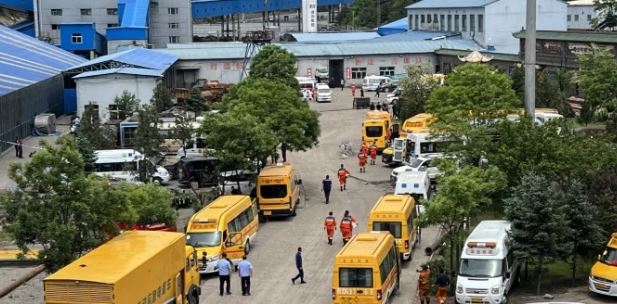
BEIJING, MAY 24: Rescuers in northern China on Sunday searched for two people still missing after a gas explosion killed 82 in a mine that authorities said was beset by serious safety violations.

The blast at the Liushenyu shaft in Shanxi province on Friday was the country’s worst mining disaster in nearly two decades, with 247 workers underground at the time, authorities said.


AFP journalists saw relatives anxiously waiting by a checkpoint blocking the road leading to the mine on Sunday, hoping for news of their loved ones.

One man, smoking nervously on a curb, told AFP calls to his brother — a father of three — “wouldn’t go through” since the blast.

He said he had “no idea how the accident actually happened” and that their parents were still unaware their older son was missing.

“I don’t dare tell them,” he said, asking not to be named.

Authorities launched an investigation into the blast, saying preliminary findings showed the Tongzhou Group operating the mine had committed “serious illegal violations”.

“Those found responsible will be severely punished in accordance with laws and regulations,” officials told a news conference broadcast on state-run CCTV.

More than half of the workers in the shaft on Friday had gone down without being properly registered, state media said, citing a personnel board at the site.

The miners are normally required to undergo facial recognition checks or take location-tracking cards before their descent.

‘Every possible effort’
A person “responsible for” the company had been “placed under control in accordance with the law”, Xinhua news agency reported earlier.

Miners working at the Liushenyu shaft accused their employer of a lack of care, telling AFP they had to buy their safety helmets with their own money.

“From what I’ve seen, the management (at this company) is the worst,” said 58-year-old miner from Shandong, who has worked in several coal mines over the last three decades.

Wishing to remain anonymous for fear of repercussions, they told AFP they had been working a morning shift on Friday and were not in the mine during the gas explosion.

“If we had been (working) a few hours later, it would have been us,” the 58-year-old said.

AFP has contacted Tongzhou Group for comment.

The State Council, China’s cabinet, ordered nationwide “tough crackdowns on illegal and unlawful activities”, including the falsification of safety data, unclear headcounts of underground workers and illegal contracting.

Rescue efforts
Hundreds of rescuers rushed to the site after the explosion, with medical teams taking 128 people to hospital as of Saturday evening, loaded into ambulances and carried on stretchers.

Helmeted rescuers took turns descending into the shaft overnight to look for the two missing workers, sending down a robot to probe the mine conditions, state media reported.

“As long as there is hope, we will make every possible effort,” one rescuer told Xinhua.

The blast is the worst since 2009 when 108 people were killed in a mine explosion in northeastern Heilongjiang province.

Injured survivor Wang Yong told CCTV “I didn’t hear any sound at all, but then a cloud of smoke appeared”.

“It (had) the smell of sulphur like when people set off firecrackers. When the smoke came down, I shouted for people to run.”

He recalled seeing people choked by the smoke before he fainted.

“After more than an hour, I came to on my own, and then I woke up the person next to me” and got out, he told CCTV.

Foreign leaders extended condolences to the victims and their families, with Japanese Prime Minister Sanae Takaichi saying she was “praying for the rescue of as many people as possible”.

India’s Narendra Modi expressed hope that “the bereaved families find strength in this tragic hour”.

Shanxi, one of China’s poorer provinces, is the centre of the country’s coal-mining industry.

Mine safety in China has improved in recent decades, but accidents still occur in an industry where safety protocols are often lax and regulations vague.

In 2023, a collapse at an open-pit coal mine in the northern Inner Mongolia region killed 53 people.

China is the world’s top consumer of coal and the largest greenhouse gas emitter, despite installing renewable energy capacity at record speed.


Trump says Iran blockade stays until deal is signed

Trump says Iran blockade stays until deal is signed

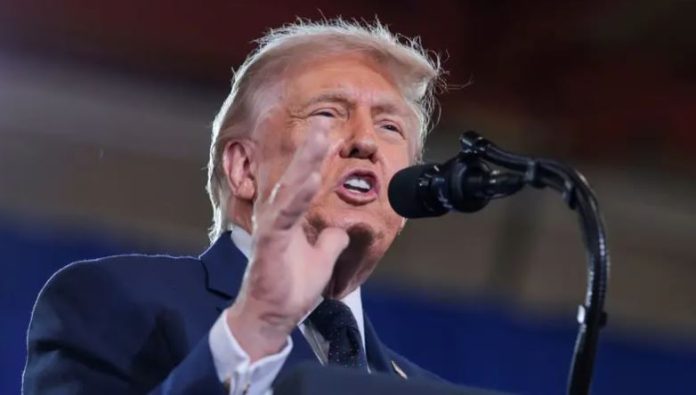
ISLAMABAD, MAY 24: US President Donald Trump said on Sunday that he has told his diplomatic representatives not to rush into a deal with Iran because “time is on our side,” less than a day after announcing that an agreement with Tehran had been largely negotiated.

“The Blockade will remain in full force and effect until an agreement is reached, certified, and signed. Both sides must take their time and get it right,” Trump wrote on Truth Social.

“There can be no mistakes! Our relationship with Iran is becoming a much more professional and productive one.”

Trump: Relations with Iran are ‘much more professional,’ told negotiators to not rush peace deal

Trump: Relations with Iran are 'much more professional,' told negotiators to not rush peace deal

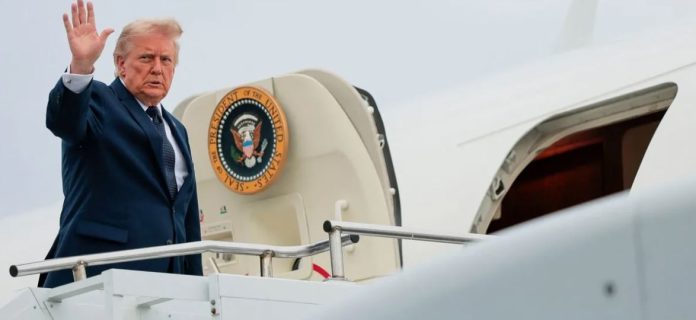
WASHINGTON, MAY 24: US President Donald Trump claimed that American relations with Iran were improving as reports of a developing 60-day ceasefire emerged on Sunday.

“Our relationship with Iran is becoming a much more professional and productive one. They must understand, however, that they cannot develop or procure a Nuclear Weapon or Bomb,” Trump wrote in a Truth Social post.

Trump also said that he told US negotiators not to “rush into a deal” with Iran.

Advertisement

“The negotiations are proceeding in an orderly and constructive manner, and I have informed my representatives not to rush into a deal in that time is on our side. The Blockade will remain in full force and effect until an agreement is reached, certified, and signed,” he added.

“Both sides must take their time and get it right. There can be no mistakes!” he added.

Trump calls on Middle Eastern countries to join Abraham Accords
The president then thanked all Middle Eastern countries assisting with mediation efforts and called on them to join the Abraham Accords for peace with Israel.

“I would like to thank, thus far, all of the countries of the Middle East for their support and cooperation, which will be further enhanced and strengthened by their joining the Nations of the historic Abraham Accords and, who knows, perhaps the Islamic Republic of Iran would like to join, as well!”

GOP Lawmakers, Rubio spar over Iran deal
The Truth Social post comes after Trump’s Saturday phone call with Prime Minister Benjamin Netanyahu, during which Netanyahu stressed that Israel would preserve freedom of action against threats on all fronts, including Lebanon.

“In last night’s conversation with President Trump, the Prime Minister emphasized that Israel will maintain freedom of action against threats in all arenas, including Lebanon, and President Trump reiterated and supported this principle,” an Israeli political source told Reuters on Sunday, asking not to be named.

According to the Israeli source, the US is updating Israel on the negotiations with Iran.

“President Trump made it clear that he will stand firm in negotiations on his consistent demand for the dismantling of the Iranian nuclear program and the removal of all enriched uranium from its territory,” the source said, “and that he will not sign a final agreement without these conditions being met.”

Since then, several US lawmakers stated that any deal that leaves Iran with influence over the Strait of Hormuz, access to funds, or nuclear capabilities would represent a failure.

Advertisement

In response, Secretary of State Marco Rubio said that Trump’s commitment to ending the war “shouldn’t be questioned by anybody.”

“The idea that somehow this president, given everything he’s already proven he’s willing to do, is going to somehow agree to a deal that ultimately winds up putting Iran in a stronger position when it comes to nuclear ambitions is absurd,” Rubio said at a press conference in India.

“The President wants the world to be in a place where it no longer has to fear or worry about an Iranian nuclear weapon,” he said, adding that there was “good news made on that front.”

“The President’s preference is to find a diplomatic way that these problems can be solved. He would much rather have the Department of State solve this problem than the Department of War solve it, but the problem will be solved one way or the other,” Rubio said.

PM Shehbaz reaches Beijing for ‘high-level’ talks with Chinese leadership

PM Shehbaz reaches Beijing for 'high-level' talks with Chinese leadership

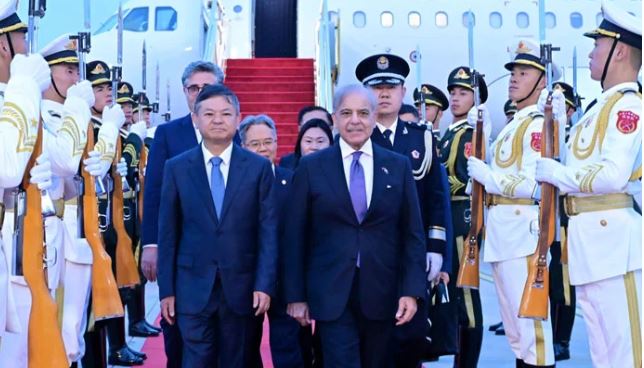
ISLAMABAD, MAY 24: Prime Minister Shehbaz Sharif arrived in Beijing on Sunday for high-level meetings with Chinese President Xi Jinping and Premier Li Qiang as part of his four-day official visit to China.

The premier had landed in Hangzhou on Saturday, where he addressed the Pakistan-China Business-to-Business Investment Conference earlier in the day before travelling to Beijing.

Upon arrival in the Chinese capital, he was received by the Chinese Minister for Environment and Ecology, Huang Runqiu.

“During his stay in Beijing, the prime minister will hold high-level engagements, including meetings with Chinese President Xi Jinping and Prime Minister Li Qiang to further strengthen Pakistan-China All-Weather Strategic Cooperative Partnership and advance cooperation under CPEC Phase-II, particularly in trade, investment, industry, agriculture, science and technology, and people-to-people exchanges,” a statement by the PM’s Office (PMO) said.

The visit is taking place in the 75th anniversary year of the establishment of diplomatic relations between Pakistan and China.

In Hangzhou, the Prime Minister chaired the opening ceremony of the third Pakistan-China B2B Investment Conference, focused on charging infrastructure, battery energy storage, solar technologies, and pharmaceuticals.

He also engaged with provincial leadership, leading Chinese enterprises, including StarCharge, CATL and Xiuzheng Pharmaceutical, to explore practical investment and industrial cooperation.

Discussions with CATL focused on cooperation in advanced batteries, energy storage and solar-linked solutions to support Pakistan’s clean energy transition.

The prime minister also visited Alibaba Headquarters, where he was received by Executive Chairman Joe Tsai.

While addressing the Pakistan-China B2B Investment Conference earlier today, the prime minister said that labour in China today had become pretty expensive and that China was obviously moving towards a very high level of industrialisation.

He observed that the industry where China was no longer competitive because of expensive labour could come to Pakistan, bring in plant and machinery, enter into joint ventures with Pakistani entrepreneurs, manufacture goods, and export to third countries.

“This model will be a win-win model for Chinese and Pakistani entrepreneurs, and this will be something of a roaring success in times to come, whether it is textile or leather or other areas,” the prime minister maintained in his speech broadcast on national TV channels.

He also invited Chinese businessmen to come and see the export zone in Karachi, where they would have great opportunities to understand business propositions.

Referring to the potential in mines and minerals, he said that it was also a very important area where Pakistan had large deposits of minerals and gemstones.

About the agriculture sector, he said Pakistan was basically an agrarian economy. Last year, they sent 1,000 boys and girls to China for advanced training, who returned and are doing a great job, but this was just the first step.

He said China imports about $100 billion worth of agricultural products from abroad. Pakistan’s share was just a fraction, adding that they needed their cooperation in this regard.

The prime minister hoped that in this manner, they would be able to produce agri products as per their requirement in terms of quality and other controls and if they worked together as iron brothers in this sector, they would be able to not only provide massive job opportunities in the rural areas of Pakistan but also be able to raise hundreds of thousands of small, medium entrepreneurs in the rural areas and have value addition and export those items to China.

In the next five to seven years, he said they expected an increase in their agricultural product trade to China by about $10 billion, which was not a big task.

He said this special economic zone would have modern infrastructure, a seamless business environment and would offer a red-carpet treatment and one-window operation to the Chinese.

“I would like to offer this opportunity to all of you to come forward, and we are going to offer land to you on a long-term basis in terms of lease,” he added.

The prime minister said that they had signed MoUs of worth billions of dollars, starting from Shenzhen and here in Hangzhou, stressing that these MoUs now needed to be converted into agreements.

He also expressed his satisfaction to hear that 30% of these MOUs had been converted into agreements, which most definitely ran into billions of dollars.

Digital economy growth reflects talent of Pakistani youth: Sardar Tahir Mehmood

Digital economy growth reflects talent of Pakistani youth: Sardar Tahir Mehmood

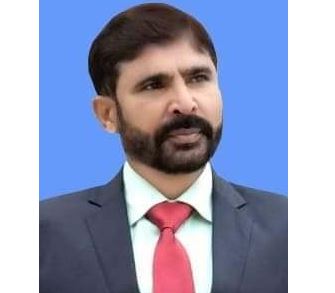
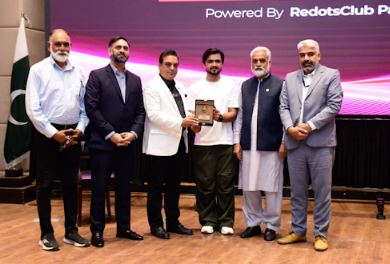
ISLAMABAD, MAY 24 /DNA/ – President Islamabad Chamber of Commerce and Industry (ICCI), Sardar Tahir Mehmood, has said that Pakistan’s digital economy is rapidly transforming into a powerful force that is shaping the future of business, innovation, entrepreneurship and communication in the country. He expressed these views while addressing the closing ceremony of “Creator’s Con Pakistan – Islamabad Chapter 2.0” organized by ICCI in collaboration with Redots Club Pakistan. He appreciated the overwhelming participation of digital creators, entrepreneurs, IT experts, AI professionals, crypto community members, startups and industry leaders.

Sardar Tahir Mehmood said that Creator’s Con Pakistan has emerged as one of the fastest-growing creator economy conference platforms in Pakistan, successfully bringing together the country’s most active digital professionals, innovators and entrepreneurs under one roof for meaningful networking, collaboration and knowledge sharing. He stated that such platforms are creating real opportunities for career growth, business expansion, partnerships and future innovation rather than remaining limited to theoretical discussions.

Addressing the participants, he said Pakistan is currently passing through a crucial phase of digital transformation and emphasized that if the youth are provided with proper direction, modern technology, professional training and entrepreneurial opportunities, Pakistan can become a strong digital economy in the region. He added that today’s young generation is not merely searching for jobs but is actively creating new business models, digital markets and innovative ideas, which is an encouraging sign for the country’s future.

The ICCI President highlighted the importance of collaboration within the creators, AI, crypto, technology and entrepreneurship ecosystem, stating that such cooperation-driven environments are essential for accelerating innovation and enabling Pakistan to compete confidently at the global level.

Sardar Tahir Mehmood highly appreciated the efforts of Ismail Blogger, Founder and CEO of Redots Club Pakistan, for conceptualizing and organizing the impactful initiative. He also acknowledged the valuable contributions of Dr. Mohammad Usman, Convener ICCI Software Development Committee, and Aizaz Mohammad, Convener ICCI IT, Telecom and Computer Hardware Committee, for their excellent coordination and dedicated efforts in making the conference successful.

Reaffirming ICCI’s commitment towards the promotion of Pakistan’s IT sector, startups and digital entrepreneurship, Sardar Tahir Mehmood said that the Chamber will continue supporting platforms that empower youth and strengthen the national economy through innovation and technology. He thanked all speakers, guests, sponsors, media representatives and participants for making the conference productive and memorable and expressed confidence that Pakistan’s talented youth would continue to illuminate the country’s name globally through creativity, innovation and technological excellence.

ICCI Vice President Irfan Chaudhry also appreciated the organizers for hosting such an impactful event. He also made mention of the Chamber’s milestones on the subject by reaffirming that the Chamber will continue to patronize such significant gatherings.

On this occasion ICCI Executive Member Waseem Chaudhry and a large number of ICCI members were also present.

Stay Connected

64FansLike
60FollowersFollow

Latest Reviews

Exchange Rates

USD - United States Dollar
EUR
1.14
GBP
1.34
AUD
0.70
CAD
0.71