Home Blog Page 116

PM meets Chinese business delegations

PM meets Chinese business delegations

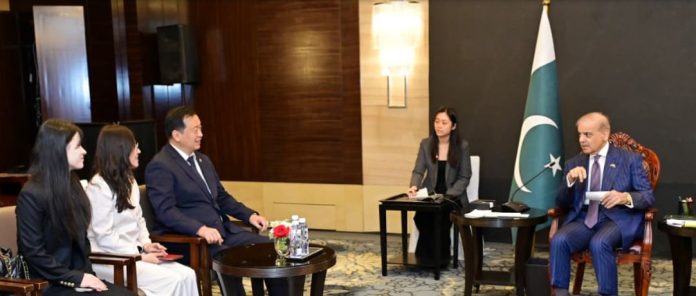
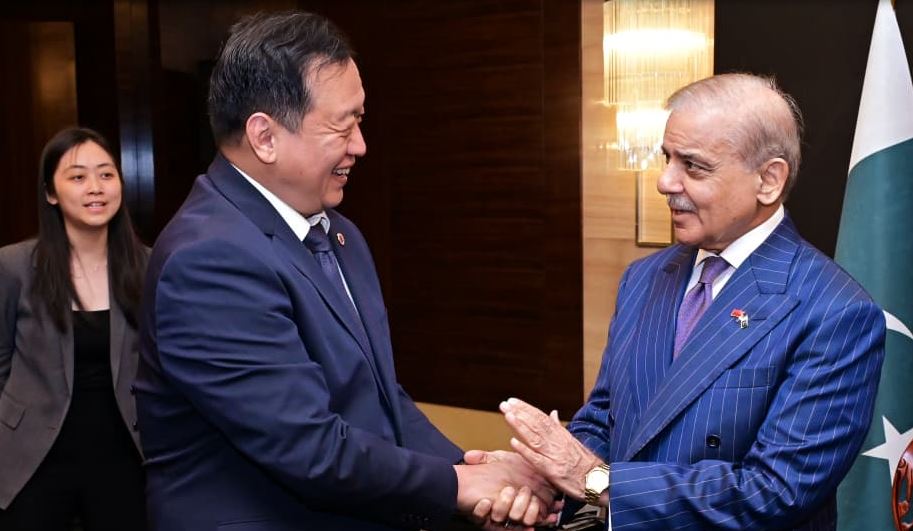
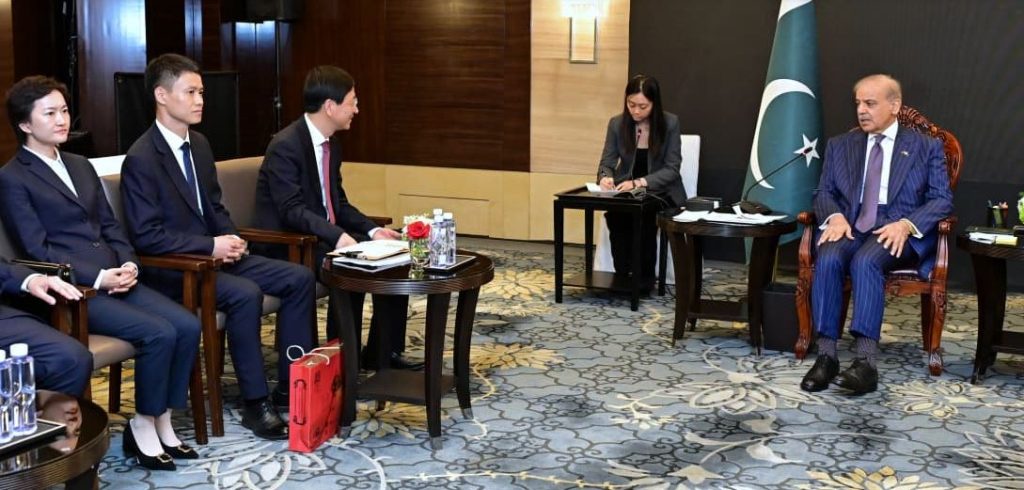
BEIJING, May 26: Prime Minister Shehbaz Sharif on Tuesday held a series of high-level meetings with leading Chinese enterprises, wherein he reaffirmed Pakistan’s commitment to deepening economic, industrial, and infrastructure cooperation under the framework of CPEC Phase II.

The prime minister, who is on a four-day official visit to China, met with the delegation of FAMSUN led by CEO Zhengjun Chen and appreciated the company’s longstanding contribution to Pakistan’s agriculture sector, particularly in grain storage, feed production, and food security.

He emphasized Pakistan’s focus on reducing post-harvest losses and invited FAMSUN to establish manufacturing and technology transfer facilities in Pakistan under the incentives available through Special Economic Zones and the Green Pakistan Initiative.

PM meets Chinese business delegations; vows to deepen cooperation under CPEC II

Prime Minister Shehbaz also met with Chairman Hou Jianxin and delegation of Shandong Xinxu Group Corporation and welcomed the Group’s expanding footprint in Pakistan across maritime development, battery manufacturing, mineral processing, and industrial cooperation.

He appreciated Xinxu Group’s role in advancing the Xinxu Special Economic Zone, the Sea-to-Steel project at Port Qasim, and investments in Gwadar and northern mineral sectors, reaffirming his government’s full support for these strategic projects and encouraged accelerated implementation under CPEC Phase II.

In the meeting with Zhang Bingnan, Chairman of China Communications Construction Corporation (CCCC) and senior representatives of China Road and Bridge Corporation (CRBC), the prime minister highly appreciated the companies’ over six decades of contribution to Pakistan’s infrastructure development, including landmark projects such as the Karakoram Highway Rashakai Special Economic Zone.

PM meets Chinese business delegations; vows to deepen cooperation under CPEC II

He reiterated Pakistan’s commitment to fast-tracking priority infrastructure projects including ML-1, KKH realignment, and other connectivity initiatives under CPEC, emphasizing that Pakistan valued the companies as long-term strategic partners in infrastructure modernization and regional connectivity.

The Chinese companies reaffirmed their confidence in Pakistan’s economic potential and expressed strong interest in expanding investments across agriculture, industrial manufacturing, logistics, infrastructure, and technology sectors.

In the said meetings, Prime Minister Shehbaz was assisted by senior ministers and government officials who were instructed to ensure rigorous and timely follow-up of the decisions taken on the occasion.

Interior Minister Mohsin Naqvi visits Pakistani pilgrims’ camps in Mina

Interior Minister Mohsin Naqvi visits Pakistani pilgrims’ camps in Mina

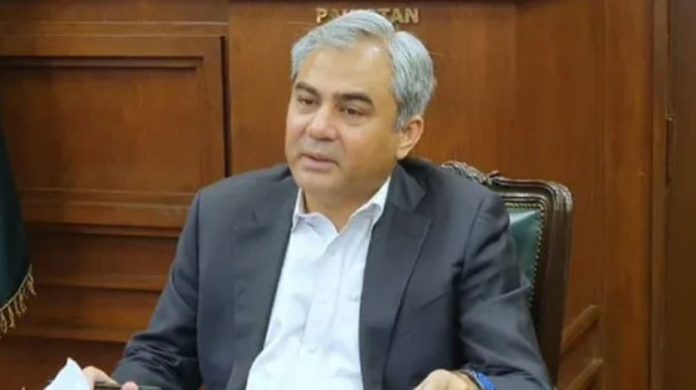
ISLAMABAD, May 26: Interior Minister Mohsin Naqvi visited the camps of Pakistani pilgrims in Mina, where he reviewed arrangements and assessed the facilities being provided to the Hajj pilgrims.


During his visit, the minister inspected various camps and personally observed the services arranged for the pilgrims. He also met with Pakistani Hujjaj, especially senior citizens, to inquire about their well-being. Minister Naqvi held a special interaction with a 100-year-old pilgrim, expressing admiration for the elderly pilgrim’s courage and resolve.


Pilgrims shared their feedback with the interior minister, stating that this year’s arrangements were generally good.
Naqvi also asked pilgrims about accommodation and food facilities provided in the camps. He praised the efforts of the Ministry of Religious Affairs, led by Federal Minister Sardar Muhammad Yousaf, acknowledging the hard work of the entire team in managing Hajj operations.


“Every pilgrim is very special to us,” Naqvi stated, assuring them that staff members were available around the clock to resolve any issues.


The interior minister further expressed gratitude to the Saudi government for extending significant support, particularly the immigration facilities offered to Pakistani pilgrims in Pakistan under the Makkah Route Initiative. He conveyed special thanks to Saudi Crown Prince Mohammed bin Salman and the Saudi Ministry of Hajj for their cooperation.

OIC condemns terrorist attack on a train in Quetta

OIC condemns terrorist attack on a train in Quetta

JEDDAH, May 26: The General Secretariat of the Organization of Islamic Cooperation (OIC) expressed its strong condemnation of the terrorist attack that targeted a train in Quetta, which resulted in a number of innocent victims and left others injured.


The permanent repetitive of of Pakistan, in OIC, Ambassador Syed Mohammed Fawad Sher issued the statement on Monday that the General Secretariat reiterated the OIC’s firm position rejecting terrorism and extremism in all their forms and manifestations and expressed its sincere condolences and sympathy to the Government and people of of Pakistan and to the families of the victims, wishing the injured a speedy recovery.


The General Secretariat affirmed its full solidarity with Pakistan in confronting terrorism and extremism and in maintaining its security and stability.

Strait of Hormuz tensions threaten global energy flows, warns expert

Strait of Hormuz tensions threaten global energy flows, warns expert

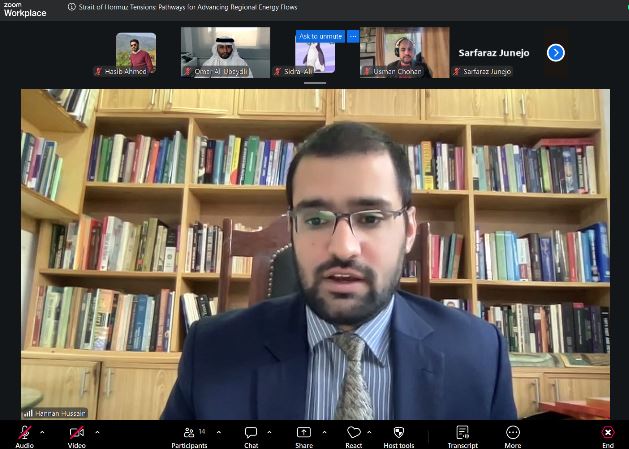
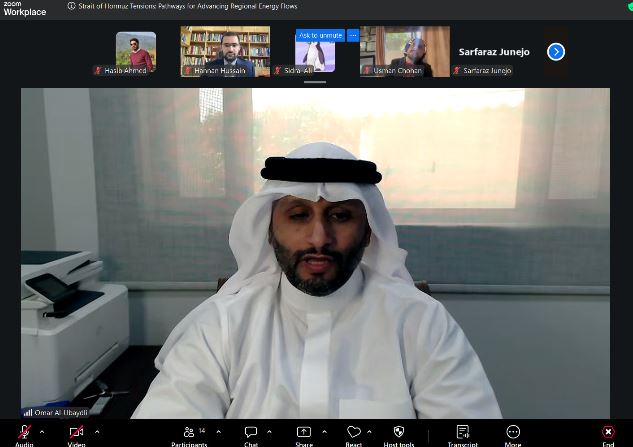
ISLAMABAD, MAY 26 /DNA/ – The Institute of Regional Studies hosted a webinar on “Strait of Hormuz Tensions: Pathways for Advancing Regional Energy Flows,” featuring Dr. Omar Al-Ubaydli, Research Director at the Bahrain Center for Strategic, International and Energy Studies as the principal Speaker.

The discussion centered on how the Strait of Hormuz crisis illustrates the deep interconnection between geopolitics, energy security, and global supply chains. The webinar opened with remarks emphasizing the Strait of Hormuz as a vital artery for global energy flows and a central pillar of regional economic stability, particularly for energy-importing economies such as Pakistan and others across Asia.

Dr. Omar Al-Ubaydli highlighted that recent geopolitical tensions have significantly intensified existing vulnerabilities in global supply chains, warning that the crisis represents one of the most severe disruptions to global energy systems in recent history. He noted that the Strait of Hormuz remains indispensable for both exports and imports of Gulf economies, while also serving as a critical transit point for global energy and industrial supply chains extending to China, South Korea, Europe, and beyond.

He emphasized that today’s global economy is far more integrated than in previous decades, making it significantly more vulnerable to disruptions in maritime choke points. Even countries that are not directly engaged in regional conflicts, such as the United States, are indirectly affected through global oil price fluctuations, which in turn influence domestic economic conditions and political behavior. The crisis, therefore, is not isolated but embedded in a highly interdependent international system where shocks travel quickly across regions and sectors.

A key theme of the discussion was the multi-dimensional impact of the Strait of Hormuz disruption to regional economies, particularly in the Gulf and neighboring states like Pakistan. Beyond maritime trade, the conflict has affected airspace accessibility, cargo logistics, and the functioning of regional transport hubs such as the United Arab Emirates, Qatar, and Saudi Arabia. For Pakistan, the effects are compounded by its reliance on imported energy, exposure to oil price volatility, and the economic importance of its diaspora in the Gulf whose remittances and mobility have been disrupted. The speaker also highlighted Pakistan’s emerging diplomatic role as a mediator, which, while strategically significant, also carries economic and administrative costs in terms of coordination, security, and sustained diplomatic engagement.

Towards the end, the discussion highlighted two key policy lessons. First, economic interdependence alone does not guarantee peace and may, in some cases, be weaponized as a tool of coercion rather than cooperation. Second, emerging technological asymmetries particularly in unmanned and low-cost weapon systems require urgent investment in adaptive, cost-effective defensive strategies. Without such measures, both state and non-state actors will retain the ability to disrupt critical global infrastructure at relatively low cost.

Hajj sermon urges Muslims to uphold patience, unity and devotion to Allah

Hajj sermon urges Muslims to uphold patience, unity and devotion to Allah

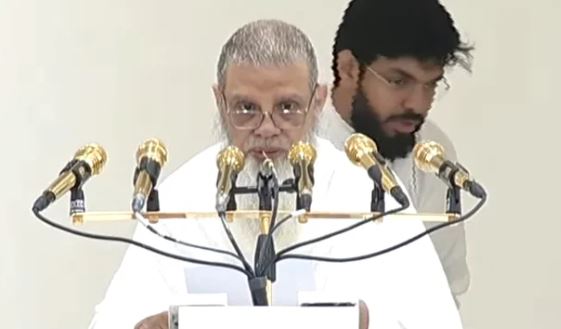
ARAFAT, MAY 26: Muslims were urged to remain patient during hardships and strengthen their devotion to Allah during the Hajj sermon delivered at Namirah Mosque in Arafat on Tuesday.

Sheikh Ali Al Hudaify delivered the Hajj Khutbah before millions of pilgrims gathered in the plains of Arafat. Following the sermon, pilgrims offered combined and shortened Zuhr and Asr prayers.


Addressing the congregation, Sheikh Al Hudaify called on Muslims to adopt piety and fulfil their commitments. “O people, fear Allah, for by it the servant attains salvation in his Hereafter,” he said during the sermon.

He stressed that true preparation for the Hereafter lies in monotheism and sincere worship. “The greatest preparation for the Hereafter is through monotheism and the worship of Allah alone, and abandoning the supplication to anyone other than Him,” he said.

The imam also reminded worshippers that Prophet Muhammad (P.B.U.H) was the final messenger of Allah and urged Muslims to adhere to truthfulness while avoiding falsehood, backbiting and religious innovations.

Highlighting the spiritual and social significance of Hajj, Sheikh Al Hudaify said the pilgrimage reflects unity and solidarity among Muslims from across the world. “In Hajj, the manifestations of mutual acquaintance, harmony, cooperation, and solidarity among the people of Islam become evident,” he said.

He further instructed pilgrims to maintain discipline during the pilgrimage and avoid political activities or disputes. “There should be no disobedience, no arguing during Hajj, and no political slogans or partisan calls,” he said.

The sermon also emphasised calmness and compliance with official guidelines during Hajj rituals. “Follow and implement the instructions of the organising authorities to avoid chaos and to safeguard lives,” Sheikh Al Hudaify urged.

Special prayers were offered during the sermon for the forgiveness of sins, acceptance of worship and improvement in the condition of Muslims worldwide. “O Allah, accept from the pilgrims their supplications and rituals, make their affairs easy for them, forgive their sins, and return them to their homelands safe, blessed, and successful,” he prayed.

After completing the rituals at Arafat, pilgrims are scheduled to proceed to Mina for the next stage of Hajj.

Namirah Mosque holds historic significance in Islam due to its association with the site where Prophet Muhammad (PBUH) delivered his Farewell Sermon. Located around 22 kilometres from Masjid al Haram, it is considered the second-largest mosque in the holy sites area.

Separately, Prime Minister Shehbaz Sharif extended heartfelt congratulations to the Muslim Ummah and pilgrims performing Hajj in his message on the occasion of Hajj.

The prime minister, in his message, described Hajj as a spiritually uplifting and blessed occasion, calling it the finest opportunity for worshippers to seek the mercy, grace, and blessings of Allah Almighty.

He prayed for the acceptance of the pilgrims’ worship and urged Muslims to implement Islamic teachings and values in their daily lives.

Defence, Dignity and Diplomacy: Pakistan’s Proud Path Since 28 May

Defence, Dignity and Diplomacy: Pakistan’s Proud Path Since 28 May

by Muhammad Mohsin Iqbal

In the quiet dignity of retrospect, the 28th of May 1998 endures as one of the most solemn and elevating moments in Pakistan’s journey as a nation. On that day, amidst the rugged hills of Chagai, our homeland answered provocation with measured resolve, proclaiming through the voice of nuclear capability its unyielding right to self-defence and strategic equilibrium in South Asia. It was not a gesture of bravado but an act of necessity, born of a people long tested by adversity and determined never to bow before existential threat. By the grace of Allah Almighty, Pakistan stood firm, its civil and military leadership united in wisdom and purpose.

The provocation had come clearly. India’s nuclear tests at Pokhran in mid-May 1998 reopened old wounds and posed a direct challenge to Pakistan’s sovereignty. History had already recorded the wars of 1948, 1965, and 1971; the hostility that followed Partition had never truly subsided. In those critical days, Prime Minister Nawaz Sharif demonstrated exemplary statesmanship. Facing immense international pressure, inducements, and threats of isolation, he consulted closely with the military high command and patriotic scientists. Together, civil and military leaders reviewed Pakistan’s preparedness with calm deliberation. The decision, taken after prayerful reflection, was conveyed with resolve: Pakistan would exercise its sovereign right. On the 28th and 30th of May, Chagai-I and Chagai-II restored the delicate balance of deterrence. These were acts of restraint and responsibility, ensuring that peace would rest upon strength. Dr. Abdul Qadeer Khan and dedicated teams from the Pakistan Atomic Energy Commission, supported by the unwavering commitment of institutions and personnel, translated vision into reality. Their combined efforts, under successive governments and military stewardship, had prepared the ground over decades.

The foundations had been laid earlier, most notably after India’s 1974 nuclear explosion. Prime Minister Zulfikar Ali Bhutto’s historic declaration — that Pakistan would “eat grass, even go hungry” to secure its deterrent — ignited a national endeavour. Through periods of sanctions and adversity, civil leadership provided direction while the armed forces offered steadfast institutional support, guarding the programme’s sanctity. This harmonious civil-military collaboration proved vital in 1998, when the nation spoke with one voice.

Nearly three decades later, that same spirit of unity shone brightly in May 2025. When Pakistan faced manufactured aggression in a brief yet perilous conflict with India, civil and military leadership once more stood shoulder to shoulder. Under Prime Minister Shehbaz Sharif’s government and the resolute command of the armed forces, led by Field Marshal General Syed Asim Munir, Pakistan responded with valour, precision, and unity of purpose. The armed forces, drawing upon years of professional excellence and operational readiness, executed their duties with distinction, while civilian institutions demonstrated seamless coordination. By the infinite mercy of Allah, victory was granted. Our defenders turned back the threat, bearing wounds with pride and saluting their martyrs with reverence. That triumph, rooted in the synergy between elected civilian government and military command, not only reaffirmed external deterrence but also strengthened internal cohesion. In its wake came unprecedented diplomatic successes. Pakistan emerged as a credible mediator in regional tensions, particularly in efforts to de-escalate conflicts in the Gulf. This role, facilitated through mature engagement by both civil and military leadership, earned respect across divides and highlighted Pakistan’s commitment to stability. Field Marshal Asim Munir’s elevation and the strengthening of coordinated defence structures reflected the evolution of a mature civil-military partnership dedicated to national security.

Divine guidance has ever illuminated this path. The Holy Qur’an commands preparation of power to deter the enemy (Surah Al-Anfal, 8:60). Pakistan’s leadership fulfilled this sacred duty. The Prophet Muhammad, peace be upon him, taught balance: “Tie your camel and trust in Allah.” True security demands vigilance alongside faith. Nuclear capability, while indispensable, is no panacea. Hybrid threats — economic subversion, cyber challenges, and internal discord — require continued unity. As the Qur’an reminds us, Allah changes not the condition of a people until they change what is in themselves (Surah Ar-Ra’d, 13:11). A strong deterrent shields the frontier; only national cohesion, economic progress, and moral renewal can secure the future.

On this anniversary, we offer humble gratitude to the Almighty who has shown repeated mercy. We salute the scientists whose genius lit the path, the soldiers who guard it still, the statesmen who bore heavy burdens with wisdom — from Zulfikar Ali Bhutto and Nawaz Sharif to Shehbaz Sharif and beyond — and the military commanders whose partnership has fortified the nation. Their legacy is one of resolve tempered by responsibility. Pakistan stands tall today not through its own power alone, but by the will of Allah and the sacrifices of its sons.

May this day renew in every heart the commitment to justice and steadfastness. As the Qur’an instructs, “O you who believe, be persistently standing firm in justice, witnesses for Allah…” (Surah An-Nisa, 4:135). Let us guard sovereignty with wisdom, mend divisions with sincerity, and walk humbly before our Creator. In unity between civil and military institutions, in faith, and in gratitude lies the true guarantee of our dignity. May Allah continue to protect Pakistan, guide its leaders, and grant it strength — ever resolute, ever thankful, and ever victorious in His cause.

The Thucydides Trap and Choices for China and United States

The Thucydides Trap and Choices for China and United States

Dr. Muhammad Akram Zaheer

The growing rivalry between United States and China has become the defining geopolitical question of the 21st century. From trade wars and technological competition to military manoeuvres in the Indo-Pacific, the relationship increasingly appears trapped in a cycle of suspicion and strategic anxiety. In recent years, many scholars and policymakers have invoked the idea of the “Thucydides Trap” to explain this dangerous trajectory. Yet history suggests that great power conflict is not inevitable. The future of US-China relations will depend less on historical determinism and more on political choices, diplomatic maturity, and strategic restraint.

The term “Thucydides Trap” was popularised by political scientist Graham Allison, drawing inspiration from the ancient Greek historian Thucydides. In his account of the Peloponnesian War, Thucydides famously argued that “it was the rise of Athens and the fear that this inspired in Sparta that made war inevitable.” Allison used this historical analogy to describe the structural tensions that emerge when a rising power challenges an established hegemon.

In the present era, China’s remarkable economic and military rise has unsettled the strategic dominance long enjoyed by the United States. Over four decades, China transformed itself from a largely agrarian society into the world’s second-largest economy and a central pillar of global manufacturing, trade, and finance. Beijing’s growing naval presence in the South China Sea, technological ambitions, and expanding influence through initiatives such as the Belt and Road project have reinforced American concerns about a shifting balance of power.

Washington, meanwhile, increasingly views China not merely as a competitor but as a strategic rival capable of reshaping the global order. Successive American administrations despite their domestic political differences have adopted tougher policies towards Beijing. Tariffs, export restrictions on advanced semiconductors, military alliances in the Indo-Pacific, and efforts to reduce dependence on Chinese supply chains all reflect a broader strategy of containment and competition. However, reducing this complex relationship to the inevitability of conflict risks oversimplifying both history and contemporary geopolitics. The Thucydides Trap should be understood as a warning, not a prophecy. History itself provides important nuance. While power transitions have often produced war, they have not always done so. The peaceful accommodation between United Kingdom and the rising United States in the late 19th and early 20th centuries demonstrates that strategic adjustments are possible. Similarly, despite intense ideological hostility during the Cold War, the United States and the Soviet Union avoided direct military confrontation through diplomacy, deterrence, and crisis management.

The US-China rivalry differs significantly from earlier great power contests. Unlike the Cold War rivalry between Washington and Moscow, the American and Chinese economies are deeply interconnected. China remains one of America’s largest trading partners, while US companies retain major investments in Chinese markets. Supply chains, financial systems, and technological networks bind the two powers in ways unprecedented in modern history. A military conflict would therefore carry catastrophic consequences not only for both states but for the entire global economy. Moreover, the nature of contemporary power itself has evolved. Military strength remains important, but influence today also depends on technological innovation, economic resilience, digital infrastructure, and diplomatic partnerships. In this context, competition does not necessarily require confrontation. Strategic rivalry can coexist with selective cooperation.

Indeed, global challenges increasingly demand collaboration between Washington and Beijing. Climate change, artificial intelligence governance, nuclear non-proliferation, pandemics, and financial stability cannot be addressed effectively without coordination between the world’s two largest economies. Even during periods of heightened tension, both countries have occasionally recognised the necessity of dialogue. High-level diplomatic engagements, military communication channels, and economic negotiations indicate that neither side entirely seeks uncontrolled escalation.

Yet the danger lies in miscalculation. History shows that wars between major powers often emerge not from deliberate intention but from fear, nationalism, alliance commitments, and failures of communication. The Taiwan issue remains perhaps the most dangerous flashpoint in US-China relations. Beijing considers Taiwan an inseparable part of China, while the United States continues to support Taiwan’s defence capabilities under its long-standing strategic framework. Any military incident in the Taiwan Strait could rapidly escalate into a wider confrontation. Similarly, disputes in the South China Sea continue to fuel tensions. Competing territorial claims, freedom of navigation operations, and expanding military deployments create an atmosphere where accidents or tactical misjudgments could spiral beyond control.

Domestic politics in both countries further complicate the picture. In the United States, bipartisan scepticism towards China has intensified amid concerns over trade imbalances, intellectual property, and national security. In China, nationalism and the narrative of national rejuvenation have strengthened public expectations regarding sovereignty and global status. Leaders on both sides increasingly operate under domestic pressures that make compromise politically sensitive. Nevertheless, geopolitics is ultimately shaped by human agency, not historical inevitability. Structural tensions may create pressure, but leaders still possess the capacity to choose restraint over escalation. The lesson of the Thucydides Trap is not that war must occur, but that unmanaged rivalry can become dangerously self-fulfilling.

Avoiding conflict will require a careful balance between competition and coexistence. The United States must recognise that China’s rise cannot simply be reversed through containment alone. China, for its part, must reassure the international community that its growing influence will not translate into coercive dominance. Both powers need institutional mechanisms capable of managing crises, reducing strategic mistrust, and maintaining open channels of communication. Middle powers also have an important role to play. Countries across Asia, Europe, and the Global South increasingly seek stability rather than binary alignment. Many states prefer a multipolar order in which economic cooperation can continue without forcing nations into rigid geopolitical blocs.

The future of international politics may therefore depend on whether Washington and Beijing can move beyond zero-sum thinking. The Thucydides Trap is best understood not as an unavoidable fate written by history, but as a strategic warning about the consequences of fear and mismanagement. Great powers do not stumble into conflict merely because history predicts it; they do so when diplomacy fails, perceptions harden, and political imagination disappears. The main question is not whether China will rise or whether America will resist. The real question is whether both nations possess the wisdom to compete without catastrophe. History offers warnings, but it does not eliminate choice.

Dr. Muhammad Akram Zaheer

Assistant Professor Pakistan Studies

Imperial College of business Studies Lahore

[email protected]

Supreme leader issues severe warning to US

Supreme leader issues severe warning to US

News Desk

TEHRAN: Tensions in the Middle East have escalated sharply as a fragile, weeks-old ceasefire faces severe pressure from multiple fronts. provocative rhetoric from Iran’s newly named Supreme Leader collided with an explicit order from Israeli Prime Minister Benjamin Netanyahu to ramp up military action in Lebanon.

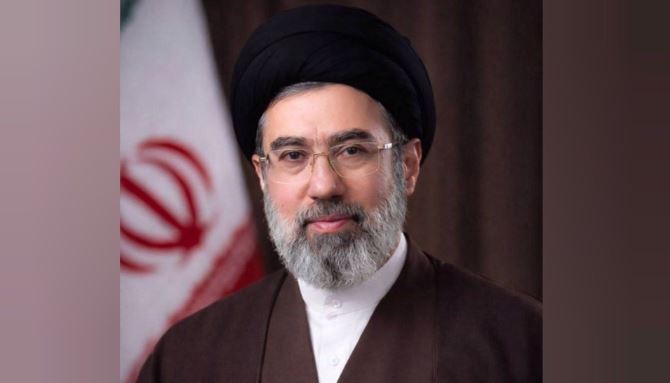
 Iran: “Nations will no longer serve as shields”In a written Eid al-Adha message broadcast on his Telegram channel, Iran’s Supreme Leader, Ayatollah Mojtaba Khamenei, issued a fierce warning to the United States and its regional allies.  Khamenei asserted that the geopolitical landscape has permanently shifted, stating:  “What is certain in this regard is that the hands of time will not turn backwards, and the nations and lands of the region will no longer serve as shields for American bases.”

 He further claimed that the U.S. is losing its historical foothold and “moving further away from its former status with each passing day.” Turning his focus to Israel, Khamenei called it a “shaky Zionist regime” that is rapidly approaching the “final stages of their ill-fated lifespan.”Notably, the 56-year-old leader has not made a public appearance since taking office on March 8, following injuries sustained in military strikes.

His comments come at a highly delicate moment: despite the fiery rhetoric and a series of “self-defense strikes” conducted by the U.S. Central Command (CENTCOM) against missile sites in southern Iran, both Washington and Tehran have reported ongoing backdoor negotiations in Qatar aimed at establishing a framework to end their recent three-month-old war.

 Israel: Netanyahu Orders IDF to “Press the Pedal Harder”Simultaneously, Israeli Prime Minister Benjamin Netanyahu announced a major escalation against Hezbollah in Lebanon. This move directly responds to a surge in drone warfare—including the deployment of advanced fiber-optic drones—which recently struck a home in Metula and a school bus stop in Shomera. 

Russia Blames West for NPT Collapse

Russia Blames West for NPT Collapse

DNA

MOSCOW — Following the collapse of the 11th Review Conference of the Parties to the Treaty on the Non-Proliferation of Nuclear Weapons (NPT) in New York, the Russian Foreign Ministry issued a scathing statement blaming the United States and its Western allies for the forum’s failure to reach a consensus.

The four-week conference, chaired by Vietnamese Ambassador Do Hung Viet, concluded on May 22, 2026, without adopting a final outcome document. According to Moscow, the failure was an inevitable reflection of the “dramatic deterioration” of global security and a stark division among state parties.

The Russian Foreign Ministry singled out Western military actions in the Middle East as the primary catalyst for the conference’s gridlock. Moscow explicitly pointed to military operations led by Israel and the United States against Iran over the past year—specifically citing strikes in June 2025 and early 2026—as the chief disruption.

“The aggression by Israel and the US against Iran… under the far-fetched pretext of defending the nuclear non-proliferation regime became a major stumbling block in terms of achieving the forum’s objectives. These unprovoked, unjustified and unlawful actions can have disastrous consequences for the NPT.”

Russia accused Western powers of using the non-proliferation treaty as a geopolitical tool to “settle political scores and justify the use of force,” asserting that the UN forum was fundamentally ill-equipped to handle the fallout of the Iran situation.

Allegations of a “Destructive Western Agenda”

The statement leveled sharp criticism at the “collective West,” particularly targeting NATO and European Union members. Moscow claimed Western delegations arrived in New York to pursue “vested political interests” rather than productive dialogue, shifting the conference’s focus toward criticism of Russia, China, Iran, and North Korea (DPRK).

Furthermore, Russia accused European nations of hypocrisy regarding nuclear exercises:

  • Dual Allegiance: Moscow claimed European states used “cynical and clumsy” arguments to justify their participation in shared nuclear missions.
  • Lack of Transparency: The Ministry stated these nations flatly refused to adopt more transparent postures regarding nuclear practices that Russia argues run counter to NPT rules.
  • Strategic Blindness: Russia also criticized rigid disarmament advocates, stating they failed to account for “present-day military, political and global strategic reality.”

Despite the acrimony, Russia praised the efforts of Chairman Do Hung Viet, noting that a draft outcome document came remarkably close to a consensus. However, the ministry stated the document was ultimately withheld from a final vote because the U.S. and its allies maintained an unyielding “hard line” on specific sticking points.

According to Moscow, the Chair’s decision not to force a vote on the contested text successfully prevented a deeper political confrontation that could have poisoned the next review cycle.

Despite the lack of a formal joint declaration, Moscow maintained a firm stance on the endurance of the treaty itself. The Foreign Ministry concluded that the collapse of the talks “does not cast a shadow on the NPT’s relevance,” reaffirming that the accord remains the “cornerstone of international security and nuclear non-proliferation.”

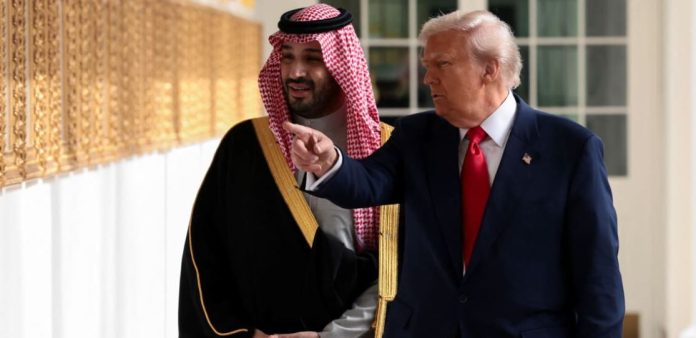
Why Saudi Arabia is still resisting Trump’s pressure to join Abraham Accords – analysis

Why Saudi Arabia is still resisting Trump's pressure to join Abraham Accords - analysis

In recent days, with another roller-coaster ride of news and rumors of an Iran deal, there has been renewed talk of several countries joining the Abraham Accords. This is presented as rumors linked to the White House’s current talks to reach an Iran deal.

US Sen. Lindsey Graham wrote on X/Twitter: “If, in fact, as a result of these negotiations to end the Iranian conflict, our Arab and Muslim allies in the region agreed to join the Abraham Accords, it would make this agreement one of the most consequential in the history of the Middle East. Saudi Arabia, Qatar, and Pakistan joining the Abraham Accords would be beyond transformative for the region and world. It is a brilliant move by President [Donald] Trump.”

His comment has raised eyebrows in the region. The question about the expansion of the Abraham Accords has been in the news since the first ones were signed in 2020.

Advertisement

At the time, there was widespread optimism that the Abraham Accords between Israel, the UAE, and Bahrain would expand rapidly. Indeed, there was movement in Sudan, Morocco, and other countries.

Over time, however, it became clear that while some countries with existing amicable ties to Israel might “join” the Abraham Accords, securing new agreements with countries such as Saudi Arabia would be a long shot.

Sen. Lindsey Graham (R-SC) (C) holds a news conference with fellow Republican senators (L-R) Sen. Ted Budd (R-NC), Sen. Ted Cruz (R-TX) and Sen. Roger Marshall (R-KS), at the U.S. Capitol on May 09, 2024 in Washington, DC.
Sen. Lindsey Graham (R-SC) (C) holds a news conference with fellow Republican senators (L-R) Sen. Ted Budd (R-NC), Sen. Ted Cruz (R-TX) and Sen. Roger Marshall (R-KS), at the U.S. Capitol on May 09, 2024 in Washington, DC. (credit: CHIP SOMODEVILLA/GETTY IMAGES)
New ‘Abraham Accords’ phenomenon not grounded in reality
Nevertheless, when the Biden administration came into office, there were reports every few months about how Saudi Arabia “might” now join. Every few months, there would be media reports on the usual news cycle, and then they would fade. Then they would come back again, like a planet in the solar system rotating around the sun.

Advertisement

This phenomenon of “new Abraham Accord” members never seemed to need to be grounded in reality.

Saudi Arabia, for instance, has always said any move to join the Abraham Accords would need to be linked to Israel shifting its stance on Palestinian rights and statehood. Riyadh has been supporting an Arab peace initiative for more than two decades.

While Riyadh has been flexible and also clear in its demands, Israel’s ruling coalition is often not seen by the Gulf states as being flexible. Israel elected a government that was more right-leaning and included voices that were antagonistic toward prospective Abraham Accords members in 2022.

Advertisement

The October 7 massacre and ensuing war have only made things more difficult. In some ways, the Iranian backing of the October 7 massacre was designed to prevent the expansion of the Abraham Accords. On the other hand, there was ample opportunity to listen to the concerns of countries such as Saudi Arabia.

In recent years, instead of there being more movement toward peace and regional integration, there have been articles quietly arguing that Israel will be confronting the “Sunni” states of Saudi Arabia and Turkey once the Iran war is over.

This presents a new set of emerging enemies for Israel to confront. Instead of making it seem as though the Accords might expand to bring more peace and stability, these kinds of articles tend to raise concerns in places like Riyadh.

The same is true in Doha, where they can read numerous articles slamming Qatar. The idea that Qatar would join the Accords at the same time it is being slammed seems questionable.

Saudi Arabia is watching other developments. Not only is there more violence and clashes in the West Bank, but Riyadh is also concerned about the chaos that the Iran war has unleashed.

Voices in the Gulf have been critical of what they see as Israel’s support for this conflict. They also wonder about some of the other choices being made in Jerusalem.

For instance, Prime Minister Benjamin Netanyahu recently said he had traveled to the UAE. Apparently, this was not a public or official visit, and the UAE pushed back on the report.

This kind of report does not make the Gulf states comfortable. They tend to be cautious, and they care about protocol, respect, and ceremony.

As such, the first Abraham Accords countries had already expressed concern in 2021 about being used as a campaign stop ahead of Israeli elections. They don’t want to be seen as being used. They want to feel like partners.

In 2020, when the UAE and Bahrain were moving toward normalizing ties with Israel, it is believed they consulted with Saudi Arabia. At the time, Saudi Arabian Crown Prince Mohammed Bin Salman was close to the leader of the UAE, Mohammed bin Zayed. Saudi Arabia also plays a key role in the security of Bahrain, having backed the monarchy there during the Arab Spring.

Tensions between Riyadh and Abu Dhabi
Saudi Arabia is a big state in the Gulf. It doesn’t always agree with Qatar or the UAE, but Riyadh is taken seriously in the region and the world. It sees itself as the leading Muslim country in the world. As such, it wants to be accorded respect.

Recently, there have been tensions between Riyadh and Abu Dhabi. But the tensions are sometimes presented as being worse than they are.

The UAE is portrayed as having a unique set of ties with Israel. This can foster trade with India and other corridors in the region. It could also dovetail with Israel’s policies regarding recognition of Somaliland.

As a more conservative power, Riyadh is cautious regarding these issues. The UAE, once called “little Sparta,” is seen as more adventurous. This has led to the UAE’s involvement in Libya, Sudan, Yemen, and other conflicts. The Saudis led the UAE into Yemen in 2015 against the Houthis, but their views diverged.

Therefore, the Abraham Accords, likely backed by Riyadh in 2020, have now moved on. Over the past half-decade, Riyadh has examined whether the Accords have met its expectations. They may have met with some expectations, but there is a sense in the Gulf that much is to be desired.

Had the Accords accomplished what was expected or led to peace, integration, and movement in terms of better conditions for the Palestinians, it is likely they would have expanded.

Today, there is still a “wait and see” approach in the Gulf. It’s possible the Trump administration can move things more into the “see” category.

That will likely require more than just some talk and rumors in the run-up to a new deal. It would likely require more foundational aspects and understandings.

The tone of Graham’s post has garnered some reactions in the Gulf. He wrote, “to Saudi Arabia and others: Now is the time to be bold for the future of a new Middle East. I expect, as President Trump has suggested, you will, in fact, join the Abraham Accords, effectively ending the Arab-Israeli conflict. If you refuse to go down this path as suggested by President Trump, it will have severe repercussions for our future relationships and make this peace proposal unacceptable. Further, it would be seen by history as a major miscalculation.”

Graham added, “President Trump: Stick to your guns in getting a good deal with Iran. Equally important, stick to your guns in insisting Saudi Arabia and others join the Abraham Accords as part of these negotiations.”

It remains to be seen what comes next.

Stay Connected

64FansLike
60FollowersFollow

Latest Reviews

Exchange Rates

USD - United States Dollar
EUR
1.14
GBP
1.34
AUD
0.70
CAD
0.71