Home Blog Page 108

Nawaz, Aseefa enter GB campaign ahead of June 7 polls

Nawaz, Aseefa enter GB campaign ahead of June 7 polls

GILGIT, JUN 2: Political activity in Gilgit-Baltistan (GB) reached its peak ahead of the June 7 elections for 24 Assembly seats, as senior leaders of major parties arrived in the region to campaign.

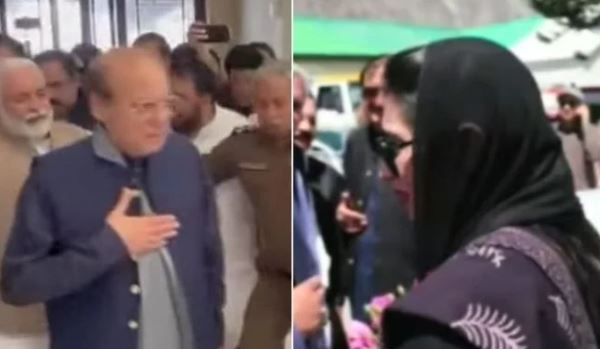
Pakistan Muslim League-Nawaz (PML-N) President Nawaz Sharif reached Gilgit on a short visit, while PPP leader Aseefa Bhutto Zardari arrived in Skardu to address an election rally in constituency GBA-7.

Elections for 24 seats of the Gilgit-Baltistan Assembly are scheduled to be held on June 7, with major political parties stepping up their campaigns across the region.

Nawaz reached Gilgit Airport by plane on a short visit, PML-N spokesperson Shams Mir said. The former prime minister later reached a local hotel from the airport along with other party leaders.

According to a PML-N spokesperson, Nawaz will meet and address party ticket-holders, as well as provincial, divisional and district office-bearers.

The spokesperson said Nawaz would announce the party’s “Vision Gilgit-Baltistan” during the visit.

Meanwhile, First Lady Aseefa Bhutto Zardari reached Skardu, where she is scheduled to address an election rally in constituency GBA-7.

Preparations for the PPP rally were underway near Yadgar Chowk, where the party secretariat is located. The main road near the venue was blocked as arrangements continued for the gathering.

Aseefa was received at the airport by Syed Mehdi Shah and other local leaders before being brought to Skardu.

According to reports from the venue, the rally was initially scheduled for 2pm but was later expected to begin at 3pm.

PPP Chairman Bilawal Bhutto Zardari and Aseefa Bhutto Zardari are both expected to address the gathering.

Party workers and supporters were seen moving towards the venue in groups, while Skardu’s main bazaar was closed from both sides due to preparations for the rally.

Separately, Istehkam-e-Pakistan Party chairman Aleem Khan also reached Skardu for the election campaign.

Authorities have also decided to send 5,000 Punjab Police personnel to GB for election duty. According to sources, the Gilgit-Baltistan Election Commission had requested Punjab Police personnel for security arrangements.

Nawaz questions ‘ignorance’ of GB’s development
Nawaz on Tuesday questioned the neglect of GB’s development after his removal from office in 2018, saying many key infrastructure, energy and connectivity projects remained unfinished despite being initiated during his tenure.

PML-N President Nawaz Sharif addresses a rally in Gilgit, June 2,2026. — Screengrab via Geo News
Addressing party workers in Gilgit ahead of June 7 elections, Nawaz — who served as three-time prime minister of Pakistan — said he was saddened by the condition of roads in GB and questioned why major development projects launched during his government had not been completed.

“I wanted Gilgit-Baltistan to witness significant development. Seeing potholes on roads and unfinished projects causes me great pain,” he said.

Without naming any political party, he questioned why successive governments had ignored development priorities in the region.

“We seek votes based on performance, not by criticising opponents,” he said, adding that the resources meant for the welfare of Gilgit-Baltistan’s people should have been spent on their development.

Nawaz claimed that major projects in the region, including hospitals, hydropower plants and the Naltar project, were completed during the PML-N government, while many subsequent projects remained incomplete.

He said GB deserved modern infrastructure, including a larger airport capable of handling Boeing aircraft, and announced that he would discuss airport expansion with Prime Minister Shehbaz Sharif.

Noting that he had travelled to Gilgit on a small aircraft, Nawaz said the region should have at least 30 weekly flights instead of the current limited operations.

He highlighted his government’s efforts to reduce travel time to Skardu from nine hours to three hours and cited the completion of the long-delayed Lowari Tunnel project after decades of inaction.

The PML-N president also expressed concern over prolonged electricity shortages in GB, saying a region blessed with abundant water resources and sunlight should not be facing severe power outages.

He said load-shedding lasting up to 20 to 22 hours in some areas was unacceptable and stressed that solar energy projects could help address the crisis. “Whether we receive votes or not, the people of GB should not be deprived of basic facilities,” he said.

Nawaz also announced plans to regularly visit the region every few months to monitor development initiatives and said he would ask both Prime Minister Shehbaz Sharif and Punjab Chief Minister Maryam Nawaz to pay greater attention to GB’s needs.

Referring to a committee formed during his government to address constitutional and financial issues related to the region, Nawaz said the initiative could not be completed because he was ousted in 2017.

He said the committee’s work would be taken to completion and expressed confidence that its final recommendations would benefit the GB people.

Describing Gilgit-Baltistan as the centre of the China-Pakistan Economic Corridor (CPEC), Nawaz said expanded trade with China through the region would generate prosperity and employment opportunities for local residents.

He called for the construction of a motorway from Mansehra to Gilgit and said all pending development projects would be pursued under his personal supervision.

The former premier said better healthcare facilities should be established so residents would not have to travel to Islamabad or other cities for treatment.

Nawaz proposed housing loans for residents, noting that many people in the region still lacked homes of their own. Drawing a comparison with Punjab’s housing initiatives, he said similar schemes should be extended to Gilgit-Baltistan.

He further called for interest-free loans for youth, scholarships and laptops for talented students, and announced plans to establish a women’s university in the region.

Referring to the Diamer-Bhasha Dam, Nawaz said his government had allocated Rs100 billion in 2015 for land acquisition, but the project had yet to be completed despite the passage of more than a decade.

“The shortcomings lie with governments that failed to pay attention. We fulfilled our responsibility,” he said, adding that future PML-N governments would launch new development projects to address the region’s longstanding issues.
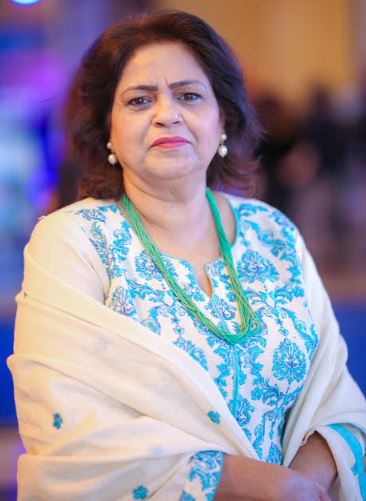
IWCCI calls for dedicated financing for women-led enterprises

IWCCI calls for dedicated financing for women-led enterprises

ISLAMABAD, JUN 2 /DNA/ – With the federal budget for 2026-27 due to be presented in the National Assembly shortly, Samina Fazil, founder president of the Islamabad Women Chamber of Commerce and Industry (IWCCI), is urging the government to treat women entrepreneurs as an economic asset rather than a welfare category, warning that years of policy commitments have produced little practical change, damaging the economy.

Women remain significantly underrepresented in business. State Bank of Pakistan data shows women own only about eight percent of the country’s more than five million small and medium enterprises. Fazil said the Finance Ministry should bridge the gap between policy rhetoric and fiscal commitment before the budget is finalised.

She noted that women-focused projects accounted for just 0.2 percent of the federal development budget in 2025-26. Combined spending on women-focused education and health programmes stood at only 0.57 percent, while just 1.3 percent of Public Sector Development Programme allocations over the past five years were directed toward women-focused initiatives.

She said our key demands include a dedicated credit line for women entrepreneurs at concessional rates, mandatory representation of women on the boards of the Export Development Fund and SMEDA, reserved procurement quotas for women-led businesses in federal contracts, and replication of Islamabad’s G-11 women’s marketplace model across provincial capitals. IWCCI is also seeking greater inclusion of women in trade delegations and dedicated land allocations. Fazil said successive governments have offered assurances but failed to implement them.

The government launched the National Women Entrepreneurship Policy in November 2025, aiming to increase women’s participation in economic activity, boost women-led exports and improve access to finance. However, the policy lacks funding commitments and enforcement mechanisms, raising concerns about implementation.

Naima Ansari, former vice president of FPCCI, said the contrast with regional peers is stark. Bangladesh’s gender budget stands at about USD 23.7 billion, while its 2.8 million women-led micro and SMEs account for roughly a quarter of all SMEs.

India’s gender budget for 2026-27 is estimated at about USD 52.7 billion, equivalent to 9.37 percent of total federal spending, up from 8.86 percent a year earlier. Malaysia, a country of 36 million people, has allocated about USD 164 million for women and youth entrepreneurship, alongside a USD 50 million financing facility for low-income women entrepreneurs and a USD 38 million fund at four percent interest for women-owned small businesses.

Samina Fazil said Pakistan’s Rs17.1 trillion budget for 2026-27 sets a GDP growth target of 4.1 percent and a tax revenue target of Rs15.267 trillion. She argued that expanding women’s participation in the formal economy is a growth strategy rather than a welfare measure. With fiscal space constrained by debt servicing, dedicated budget allocations are essential if the National Women Entrepreneurship Policy is to deliver results rather than join a long list of underfunded frameworks.

France seizes oil tanker with ties to Iranian magnate

France seizes oil tanker with ties to Iranian magnate

DNA

BREST, France: President Emmanuel Macron said on Monday that France had detained a Russia-linked oil tanker in the Atlantic, with the Kremlin comparing the latest seizure aimed at tackling Moscow’s sanctions-busting shadow fleet to “international piracy.”

Since September, France has boarded three other ships believed to belong to the shadow fleet, used by Russia to circumvent Western sanctions on its fossil fuel exports imposed over the Kremlin’s 2022 invasion of Ukraine.

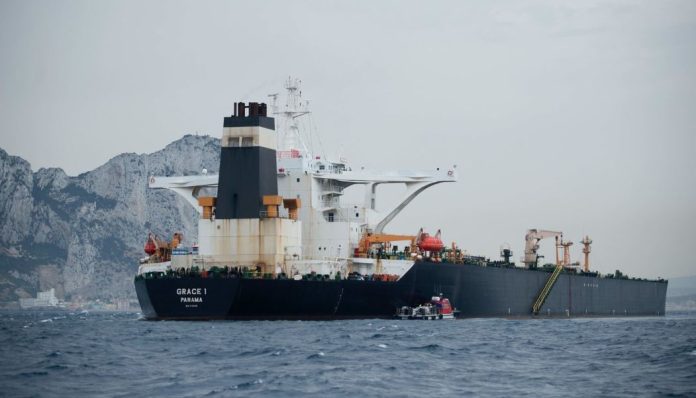
The Tagor was detained on Sunday morning in international waters with the help of Britain and other partners, after its Russian captain refused to comply with orders, prosecutors said.

Macron posted a video of the seizure, which showed commandos rappelling from a helicopter onto the ship.

“We consider these acts illegal. They border on international piracy,” said President Vladimir Putin’s spokesman, Dmitry Peskov.

“Russia is taking measures to ensure the safety of its cargo.”

Suspected of carrying Russian or Iranian oil despite international sanctions, the Tagor is linked to petroleum shipping magnate Mohammad Hossein Shamkhani, according to open-source database Opensanctions.org.

According to French authorities, the Tagor was on its way from Murmansk in northwestern Russia when it was boarded.

French soldiers abseil from a helicopter as they intercepts an oil tanker that was traveling from Russia under international sanctions. (French Army via AP)

The ship was falsely flying a Cameroonian flag and was heading toward Limbe, a seaside city in the west of the African country, said a spokesperson for France’s Atlantic maritime prefecture.

Shadow fleet vessels frequently change the flags they fly, a practice known as flag-hopping, or use invalid registrations in an attempt to escape tracking.

“It is unacceptable for ships to circumvent international sanctions, violate the law of the sea, and fund the war that Russia has been waging against Ukraine for more than four years,” Macron said on X.

‘Stepping up response’

The UK ministry of defense said a British helicopter had “provided tracking and monitoring in support of the French operation to board the tanker Tagor.”

“We are stepping up our response to shadow vessels — to choke off the funds that fuel Putin’s illegal invasion of Ukraine,” a ministry spokesperson said.

The Atlantic maritime prefecture said the interception had taken place more than 400 nautical miles (740 kilometers) west of Brittany.

“The examination of the documents confirmed doubts about the irregularity of the flag being flown,” the prefecture said.

The ship, which had 23 crew members, was “being escorted by the French navy to an anchorage point for further checks,” the prefecture said.

When asked about the tanker’s ties to Shamkhani, officials declined to comment.

Shamkhani is the son of security official Ali Shamkhani, who was an adviser to the former Iranian supreme leader Ali Khamenei, both of whom were killed on February 28, the first day of the US-Israeli attacks that started the Middle East war.

Boarding ‘proved necessary’

The Russian embassy in France said it had requested information about the makeup of the crew.

“No notifications have been provided by the French side regarding actions taken against this vessel,” the embassy said.

The tanker, which is under EU and US sanctions, has flown the flags of Madagascar, the Marshall Islands and Panama.

Prosecutors said that “taking control of the vessel proved necessary.”

The prosecutor’s office in the northwestern city of Brest said a criminal investigation had been opened over failure to prove a vessel’s nationality, absence of a flag and refusal to comply.

“It is a vessel that was known and tracked,” Guillaume Le Rasle, spokesman for the Atlantic maritime prefecture, told AFP.

“The objective of the diversion is to verify the validity of its flag,” he added.

The three other ships France has detained since September on suspicion of belonging to the shadow fleet were allowed to sail after their owners paid fines.

In April, France announced a plan to double penalties for ships that fail to fly a flag or refuse to comply.

Several Western countries have imposed sanctions on hundreds of vessels in Russia’s shadow fleet over its 2022 invasion of Ukraine.

Nearly 600 ships suspected of belonging to the fleet are subject to European Union sanctions.

NA Committee reviews migration, diplomatic affairs

NA Committee reviews migration, diplomatic affairs

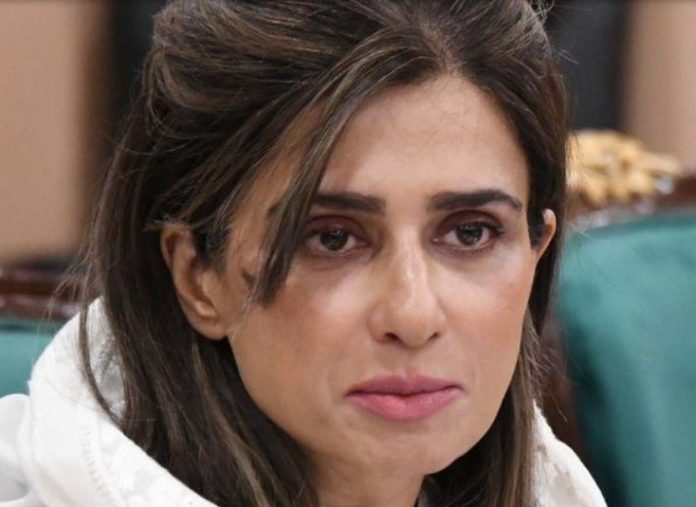
ISLAMABAD, Jun 1:The National Assembly Standing Committee on Foreign Affairs met at Parliament House here Monday with Hina Rabbani Khar, MNA, in the chair to deliberate upon a wide-ranging agenda concerning migration issues, diplomatic affairs, institutional reforms within the Ministry of Foreign Affairs (MOFA) and matters relating to the welfare of overseas Pakistanis.

A detailed briefing was presented regarding the special regularization scheme for undocumented migrants, including Pakistani nationals residing in Spain.

The Committee termed the initiative a significant opportunity for Pakistanis already residing and working in Spain and underscored the importance of promoting safe and legal migration channels instead of irregular and dangerous routes exploited by human trafficking networks.

The Foreign Secretary acknowledged the proactive role played by the Chairperson in promoting dialogue on legal migration pathways to Europe and appreciated her continued efforts in keeping the migration discourse active at institutional and diplomatic levels.

The Foreign Secretary and officials of the Ministry briefed the Committee on the extensive facilitation measures undertaken in coordination with Pakistani missions abroad, the National Police Bureau, the Ministry of Interior and other relevant institutions to ensure timely issuance of police clearance certificates, passports, visas and other required documentation. The Committee was informed that thousands of Pakistanis had benefited from the facilitation process and that special arrangements were made to expedite documentation requirements.

The Chairperson observed that Europe’s tightening migration environment necessitated proactive engagement by Pakistan to secure lawful economic opportunities for its citizens abroad. She appreciated the leadership of the Government of Spain in opening legal avenues for migrant regularization and emphasized that such initiatives could help protect vulnerable workers from exploitation while integrating them into formal economic systems.

The members of the Committee highlighted the need for awareness campaigns across Pakistan to discourage illegal migration and educate citizens about lawful migration opportunities and procedures. Concerns were also raised regarding human smuggling networks and the risks associated with irregular migration routes to Europe.

The Committee further discussed issues relating to diplomatic postings and transfer policies within the Ministry of Foreign Affairs.

The Foreign Secretary briefed the Committee on the principles governing postings, institutional requirements, tenure security and the operational challenges faced by the Ministry in managing diplomatic assignments.

The Committee emphasized merit, professionalism and institutional continuity for specialized expertise in diplomatic appointments. The Committee additionally received a briefing regarding the training of officers and staff of the Ministry of Foreign Affairs. The Chairperson emphasized the importance of investing in future diplomats through exposure to internationally recognized training institutions and modern diplomatic capacity-building programmes to strengthen Pakistan’s foreign service.

The meeting was attended by Farah Naz Akbar, MNA; Danyal Chaudhary, MNA; Syed Mustafa Mehmood, MNA; Dr. Muhammad Farooq Sattar, MNA; Muhammad Khan Daha, MNA; and Shazia Marri, MNA, who participated virtually. The Foreign Secretary, along with other senior officers of the Ministry of Foreign Affairs, also attended the meeting.

DPM, Egyptian FM discuss regional developments

DPM, Egyptian FM discuss regional developments

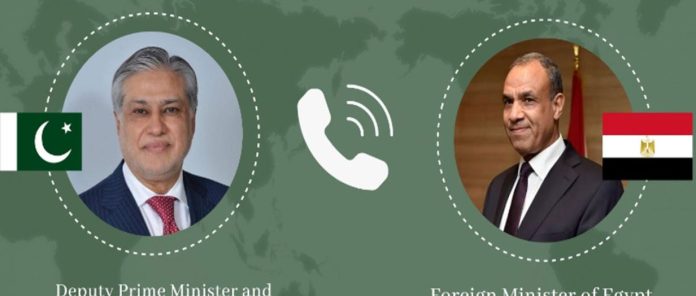
ISLAMABAD, Jun 1: Deputy Prime Minister/Foreign Minister Senator Mohammad Ishaq Dar Monday received a telephone call from Egypt’s Foreign Minister, Badr Abdelatty and discussed the latest developments in the region.

They emphasized the need for sustained diplomatic engagement to promote peace and stability, particularly at this stage. Both sides agreed to remain in close contact.

Iranian FM briefs Ishaq Dar on US ceasefire violations  

He also highlighted ceasefire violations in Lebanon by Israel and the Israeli government’s reported orders for potential strikes in parts of Beirut, describing these actions as destabilizing and contrary to international norms

Fiaz Chaudhry

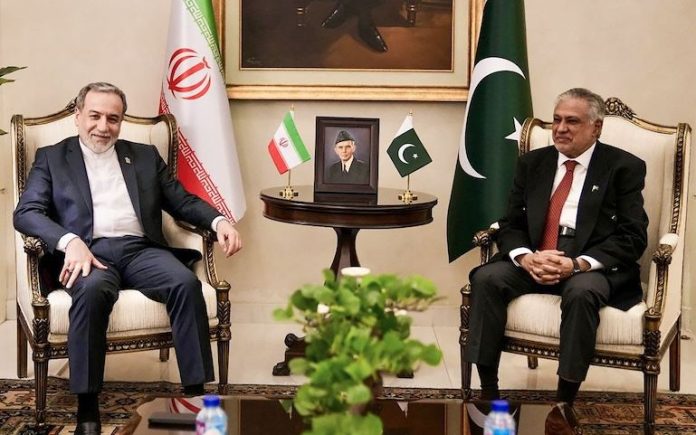
ISLAMABAD, JUN 1 /DNA/ – Iranian Foreign Minister Seyed Abbas Araghchi held a detailed conversation with Pakistan’s Deputy Prime Minister and Foreign Minister Senator Mohammad Ishaq Dar to discuss the rapidly evolving regional situation and matters of mutual concern.

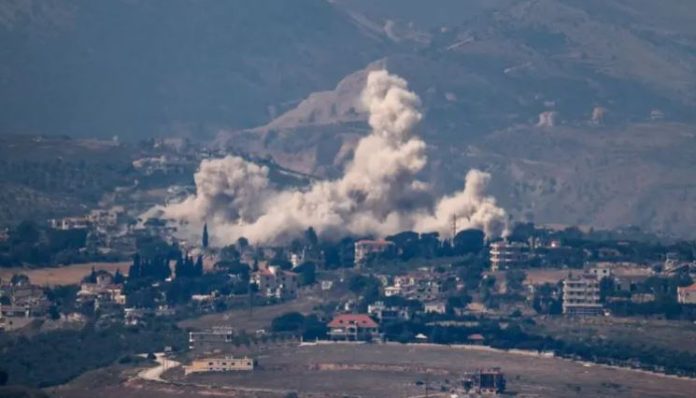
During the call, FM Araghchi expressed deep concern over recent developments, including U.S. violations and attacks on Iranian installations, which he said had pushed Iranian patience “to its limits.” He also highlighted ceasefire violations in Lebanon by Israel and the Israeli government’s reported orders for potential strikes in parts of Beirut, describing these actions as destabilizing and contrary to international norms.

The Iranian Foreign Minister appreciated Pakistan’s constructive role in regional diplomacy, acknowledging Islamabad’s consistent efforts to promote peace and dialogue among neighboring states. He urged Pakistan to continue using its good offices to help facilitate de‑escalation and support efforts aimed at maintaining the fragile ceasefire in Lebanon and preventing further escalation.

In response, Deputy Prime Minister Dar conveyed Pakistan’s serious concern over the deteriorating security environment and emphasized the need for all parties to exercise restraint. He reiterated that sustaining the ceasefire was essential to avoid a breakdown of existing understandings and to preserve regional stability.

Both leaders agreed to remain in close contact and coordinate diplomatic efforts to prevent further deterioration of the situation. The discussion underscored the shared commitment of Pakistan and Iran to peace, dialogue, and mutual respect in addressing regional challenges.

Observers note that the exchange comes at a critical time, as tensions continue to rise across the Middle East following repeated violations of ceasefire agreements and increased military activity. The conversation between the two foreign ministers reflects Islamabad’s ongoing engagement with Tehran and its broader role in promoting regional peace and stability through diplomacy.

US-Iran truce very likely to end if attacks on Lebanon continue, Iran state TV says

US-Iran truce very likely to end if attacks on Lebanon continue, Iran state TV says

TEHRAN, JUN 1: Iran’s state TV said on Monday that the probability of the ceasefire between Tehran and Washington ending is high if Israeli attacks on Lebanon do not stop.

State TV did not give further details.

Earlier, a news agency affiliated with Iran’s Islamic Revolutionary Guard Corps (IRGC), said that Tehran’s negotiating team was stopping exchanges of messages with the United States through mediators due to attacks on Lebanon, as diplomatic efforts to end the three-month-old Iran war continue.

The Tasnim news agency said Iran and the “Resistance Front,” which includes its Shia allies in Yemen, Lebanon and Iraq, have set an agenda to completely block the Strait of Hormuz and activate other fronts, including the Bab al-Mandeb Strait, in order to “punish” Israel and its supporters.

If the Houthis, Iran’s allies in Yemen, open a new front in the conflict, one obvious target would be the Bab al-Mandeb Strait off the coast of Yemen, a key shipping chokepoint and narrow passageway that controls sea traffic toward the Suez Canal.

“Violation on one front is a violation of the ceasefire on all fronts. The US and Israel are responsible for the consequences of any violation,” Iranian Foreign Minister Abbas Araghchi said on X on Monday, referring to Israeli operations in Lebanon.

The war launched by the US and Israel on February 28 has killed thousands of people, mainly in Iran and Lebanon. It has also caused global economic pain by pushing up energy prices since Iran effectively closed the Strait of Hormuz, a vital global supply route for oil and liquefied natural gas.

“The immediate cessation of the Zionist regime’s aggressive and brutal army operations in Gaza and Lebanon and the necessity of the regime’s complete withdrawal from the occupied areas in Lebanon have been emphasized by Iranian officials and negotiators, and there will be no talks until Iran and the resistance’s views on this matter are met,” Tasnim added.

With Reuters

Bilawal demands simultaneous GB, AJK polls alongside country’s general elections

Bilawal demands simultaneous GB, AJK polls alongside country's general elections

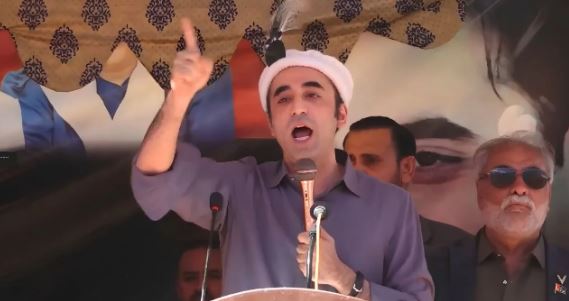
GILGIT, JUN 1: Pakistan Peoples Party (PPP) Chairman Bilawal Bhutto-Zardari on Monday called for elections in Gilgit-Baltistan and Azad Jammu and Kashmir to be held simultaneously with country’s general elections, saying it would strengthen public sovereignty.

“True public sovereignty would only be ensured if elections in GB were held alongside Pakistan’s general elections,” he said while addressing an election rally in Shigar’s GBA-12 constituency as part of electioneering for the June 7 polls set to be held in the region.


The PPP chief said that his party remained committed to securing the rights of the people of GB and ensuring transparent elections in the region.

He urged voters to safeguard their mandate and expressed hope that no seats would be “stolen” in the upcoming polls.

Bilawal criticised what he described as an Islamabad-centric approach to governance, saying some political parties wanted to run GB, Gwadar and Karachi from the federal capital.

“I want the decisions of Azad Kashmir and Gilgit-Baltistan to be made by you, not by a babu sitting in Islamabad,” he said.

He added that the people of the region should be allowed to make their own decisions and argued that greater local authority would lead to economic progress.

“If the people of Shigar are given authority, they will achieve economic development,” he said.

Referring to federal institutions, Bilawal said that if the federation was facing financial difficulties, it should first consider closing the ministries dealing with GB and AJK.

The PPP chairman also highlighted his party’s welfare initiatives, including the Benazir Income Support Programme (BISP), and claimed that only the PPP could protect the scheme.

Bilawal alleged that other political parties wanted to “end the BISP in one way or another”, warning against proposals to devolve the scheme to the provinces.

“Across the world, these responsibilities are undertaken by the federal government,” he said, adding that handing BISP over to the provinces would amount to ending the programme.

According to Bilawal, he had promoted BISP as a successful welfare model during his tenure as foreign minister. “I used to tell Afghanistan to adopt the BISP as a model and help poor people,” he said.

Bilawal reiterated his demand for free and transparent elections in GB, urging voters to safeguard their mandate during the upcoming polls.

“Even today, our demand is that transparent elections should be held in Gilgit-Baltistan,” he said, urging voters “to return with Form-45 in your hands.”

“You support me and I will take care of Form-47 myself,” the PPP chief added.

Aleema denies Imran meeting with ex-army chief

Aleema denies Imran meeting with ex-army chief

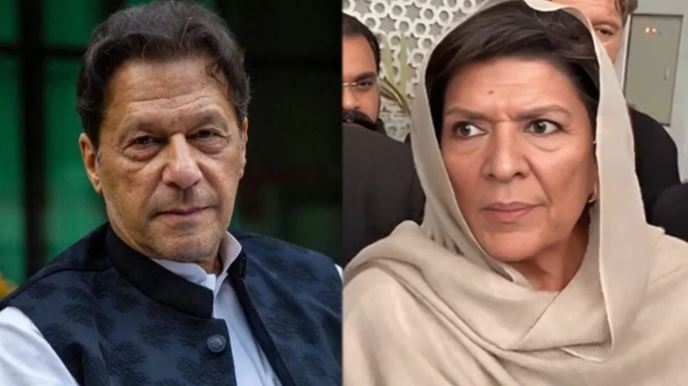
ISLAMABAD, 01 JUN (DNA) —     Aleema Khan, the sister of PTI founder Imran Khan, on Monday dismissed reports about the former premier’s meeting with an ex-army chief at Adiala jail as “totally fake”. “All the news circulating on social media that a former army chief met Imran Khan in Adiala jail [is] fake,” she said in a post on the social media platform X.

She said the claims had been verified with PTI Chairman Barrister Gohar Ali Khan, who also confirmed that “this is totally fake”. “It is disinformation, especially spread to distract from the fact that Imran is being tortured through total isolation,” she said.

She added that the claims were an attempt to distract from Imran not being provided proper treatment for his eye condition, not being allowed to speak to his sons, not being provided books for the past six months and not having access to television in his cell. “He has not been allowed contact with anyone from the outside world in the past 6 months, except two visits by his lawyer on the orders of the court,” she said.

“There is a full bench court order that allows for at least 18 people to visit him every week. Six family members and six lawyers on Tuesdays, and six party members on Thursdays,” she said, adding that the concerns she stated were Imran’s “lawful rights, under Pakistan’s laws and international laws”.

The statement from Aleema comes after social media chatter over the weekend about a former army chief meeting with Imran at Adiala jail, where the latter is incarcerated. Imran has been in jail since August 2023. He has been sentenced to 14 years in a £190 million corruption case and 17 years in the Toshakhana-2 case.

He underwent a medical procedure at the Pakistan Institute of Medical Sciences (Pims) in Islamabad on the night of January 24 — a development confirmed by the government days later amid an apparent lack of knowledge by the family. He has since been undergoing follow-up treatments at Pims.— DNA

Prime Minister Shehbaz meets EU High Representative Kaja Kallas

Prime Minister Shehbaz meets EU High Representative Kaja Kallas

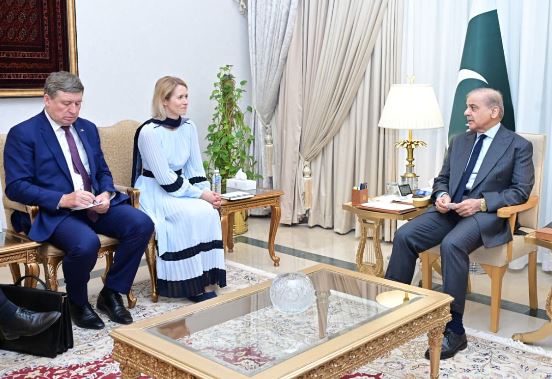
ISLAMABAD, JUN 1 /DNA/ – Kaja Kallas, European Union’s High Representative for Foreign Affairs and Security Policy and Vice-President of the European Commission, called on Prime Minister Muhammad Shehbaz Sharif, at the Prime Minister House today.

Deputy Prime Minister & Foreign Minister Sen. Mohammad Ishaq Dar, Minister for Law, Justice and Human Rights Sen. Azam Nazeer Tarar, Attorney General of Pakistan Mr. Mansoor Usman Awan, SAPM Tariq Fatemi and other senior officials were also present.

 The Prime Minister welcomed the EU High Representative and stated that Pakistan was keen to further strengthen the multifaceted partnership between Pakistan and the European Union.

While expressing satisfaction at the 8th round of the EU-Pakistan Strategic Dialogue held earlier today, the Prime Minister reaffirmed Pakistan’s commitment to enhancing cooperation with the EU in key areas including trade and investment, climate change, security, migration, sustainable development, and connectivity.

In this regard, the Prime Minister highlighted the important role of GSP+ in ensuring stronger trade ties between Pakistan and the EU.

Discussions also focused on the regional and international situation. The Prime Minister thanked the EU leadership for its strong support for Pakistan’s peace efforts in the Gulf region. He said that Deputy Prime Minister Ishaq Dar and Field Marshal Syed Asim Munir were playing a crucial role in these efforts. He laid special emphasis on the need for the international community, including the EU to work collectively to ensure lasting peace in the region.

 The Prime Minister also shared Pakistan’s perspective on the regional situation in South Asia, as well as on Afghanistan, with the EU High Representative.

He also conveyed his best wishes to EU Council President Antonio Costa as well as to EU Commission President Ms. Ursula von der Leyen and reiterated his cordial invitations to both leaders to visit Pakistan soon.

EU High Representative Kallas appreciated the role played by Pakistan for regional peace and conveyed the EU’s strong interest in deepening strategic engagement with Pakistan.

Stay Connected

64FansLike
60FollowersFollow

Latest Reviews

Exchange Rates

USD - United States Dollar
EUR
1.14
GBP
1.34
AUD
0.70
CAD
0.71