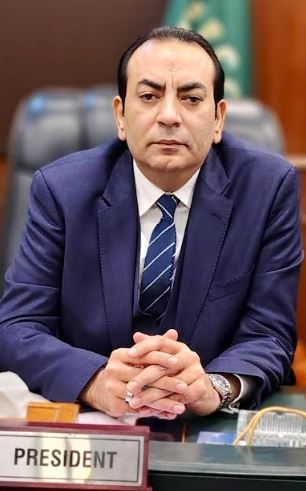
KARACHI, JUL 3 /DNA/ – Atif Ikram Sheikh, President of the Federation of Pakistan Chambers of Commerce and Industry (FPCCI), has voiced severe alarm over the massive deterioration in Pakistan’s trade balance; which saw the trade deficit widen sharply on a month-on-month (MoM) basis to hit $4.53 billion in June 2026.
Mr. Atif Ikram Sheikh reiterated that the apex trade body had previously warned government over the last couple of years that the effect of plunging exports poses a critical threat to the country’s external account stability and foreign exchange reserves.
FPCCI Chief explained that according to data from the Pakistan Bureau of Statistics (PBS), exports in June 2026 plummeted by 16.73% to $2.24 billion; while, imports surged by 24.07% to $6.77 billion compared to the previous month.
Mr. Atif Ikram Sheikh termed the June 2026 trade figures a wake-up call for the economic team of the government. A nearly 17% drop in exports in a single month is not just a statistical decline; it is a clear indicator that our export-oriented industries are being pushed to the wall. The sheer cost of doing business – driven by prohibitive energy tariffs, high interest rates, and an unpredictable taxation environment – has severely crippled Pakistan’s competitiveness in the export markets.
FPCCI President has urgently appealed to the government to rationalize energy costs, reinstate the Final Tax Regime (FTR) for exporters, and lower the policy rate to prevent widespread industrial closures and decline in exports. The cumulative trade deficit for the just ended fiscal year (FY26) reached a staggering $39.47 billion – showing a 21.57% year-on-year (YoY) increase compared to FY25.
Mr. Saquib Fayyaz Magoon, SVP FPCCI, highlighted the unsustainability of the current import-export gap. Ending the fiscal year with a trade deficit approaching $39.47 billion puts immense and immediate pressure on our macroeconomic stabilization efforts.
Mr. Saquib Fayyaz Magoon stressed that the government must strike a delicate balance – curbing luxury and non-essential imports while ensuring that the raw materials required by our export manufacturers remain accessible and free from unnecessary regulatory hurdles.
Mr. Abdul Mohamin Khan, VP FPCCI & Regional Chairman Sindh, FPCCI, emphasized the localized impact of the deteriorating trade metrics on the country’s largest industrial hub. The industries in Sindh, particularly in Karachi’s manufacturing zones, are bearing the brunt of this export contraction. Unbearable electricity tariffs, dilapidated infrastructure, and exorbitant land prices are making it impossible to scale up production.
Mr. Abdul Mohamin Khan called upon the provincial and federal governments to immediately abolish redundant levies and establish fast-track business facilitation centers across Sindh to lower operational frictions.
The FPCCI leadership unanimously urged the Ministry of Finance and the Ministry of Commerce to sit down with the business community immediately to devise a crisis-response strategy that transitions the economy from a strict stabilization model to an export-led growth model.