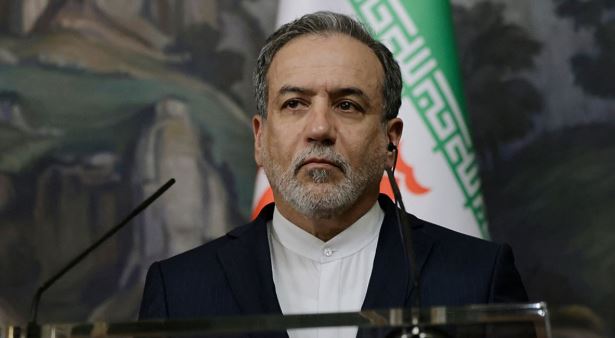
The criticism comes at a time when diplomatic efforts to revive or renegotiate a nuclear deal appear stalled, with deep divisions persisting over uranium enrichment and verification mechanisms. Iran has consistently rejected demands for “zero enrichment,” while Western powers continue to push for stricter limitations
News Desk/DNA
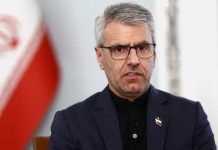
Tehran/Washington/Tel Aviv — Iran’s Foreign Minister Abbas Araghchi has sharply criticized European countries, accusing them of adopting an “irresponsible” approach toward Iran’s nuclear ambitions amid escalating regional tensions and increasing military activity by the United States.
In strongly worded remarks, Araghchi signaled Tehran’s growing frustration with European powers, particularly over what Iran perceives as their failure to uphold commitments under past nuclear agreements and their alignment with Washington’s hardline stance. The Iranian top diplomat maintained that Iran’s nuclear programme remains within its sovereign rights and insisted that external pressure would not force Tehran to abandon its strategic objectives.
The criticism comes at a time when diplomatic efforts to revive or renegotiate a nuclear deal appear stalled, with deep divisions persisting over uranium enrichment and verification mechanisms. Iran has consistently rejected demands for “zero enrichment,” while Western powers continue to push for stricter limitations.
Meanwhile, military tensions in the region are visibly rising. Recent satellite imagery and defense reports indicate a significant surge in US military aircraft deployments toward the Middle East, in what analysts describe as one of the largest build-ups in recent years.
The United States has moved a wide array of advanced fighter jets, including F-35 and F-15 aircraft, to bases in key regional locations such as Jordan and Saudi Arabia. The deployment is widely seen as part of a broader strategy to pressure Iran amid faltering nuclear negotiations and heightened fears of confrontation.
Further reports suggest that more than 150 US aircraft have been repositioned across Europe and the Middle East following the collapse of recent nuclear talks, underscoring the seriousness of the situation. Analysts warn that the scale and speed of the deployment reflect Washington’s intent to maintain military readiness while keeping strategic options open.
In parallel, the US has also reinforced its naval presence in the region, with multiple aircraft carrier strike groups deployed to nearby waters. The concentration of military assets has raised concerns about a potential escalation into open conflict if diplomatic channels fail to deliver results.
Amid these developments, Israel has moved to further strengthen its own military capabilities. The Israeli government has approved plans to acquire additional advanced fighter aircraft, including F-35 stealth jets and F-15I strike aircraft, from the United States. The move is aimed at enhancing Israel’s long-range strike capabilities and maintaining its qualitative military edge in the region.
Israeli officials have repeatedly emphasized that they will not allow Iran to develop nuclear weapons, and the latest procurement decision is being viewed as part of preparations for any potential future confrontation. Israel has historically taken a proactive stance on Iran’s nuclear programme, including previous covert and overt actions aimed at disrupting Tehran’s capabilities.
The convergence of diplomatic deadlock, Iranian criticism of Europe, US military build-up, and Israeli defense expansion has significantly heightened tensions across the Middle East. Observers warn that the situation remains volatile, with the risk of miscalculation or rapid escalation growing by the day.
Despite the mounting pressure, Iran continues to assert that its nuclear programme is peaceful and has called for a return to genuine diplomacy. However, with trust eroding among key stakeholders and military posturing intensifying, prospects for a negotiated resolution appear increasingly uncertain.
The coming weeks are expected to be critical as global powers weigh their options, balancing diplomacy against deterrence in a region already on edge.