Home Blog Page 962

Saudi Foreign Minister to visit Pakistan

Saudi Foreign Minister to visit Pakistan

DNA

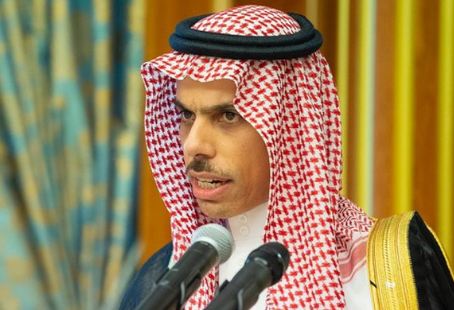
ISLAMABAD: A high-level Saudi delegation, led by Foreign Minister Prince Faisal bin Farhan bin Abdullah, will visit Pakistan from 15 to 16 April 2024. The delegation consists of Saudi Minister of Water and Agriculture, Eng Abdul Rahman Abdul Mohsen Al-Fadley, Minister of Industry and Mineral Resources, Bandar Ibrahim AlKhorayef, Deputy Minister of Investment, Badr AlBadr, Head of Saudi Special Committee, Mohammad Mazyed Al Towaijri, and senior officials from Ministry of Energy and Saudi Fund for General Investments.

The visit takes place essentially to expedite follow up on the understanding reached between Prime Minister Muhammad Shehbaz Sharif and HRH Mohammad bin Salman, Crown Prince and Prime Minister of the Kingdom of Saudi Arabia during their recent meeting in Makkah Al Mukarramah to enhance bilateral economic cooperation. regarding between Pakistan and Saudi Arabia.

The Saudi delegation is expected to hold meetings with the President, the Prime Minister, the Foreign Minister and counterpart Ministers, COAS, Apex Committee of SIFC.

This visit is aimed at lending positive impetus to enhanced bilateral cooperation and mutually rewarding economic partnership.

Facts about the Islamic Republic of Iran military action against the Zionist Regime

Facts about the Islamic Republic of Iran military action against the Zionist Regime

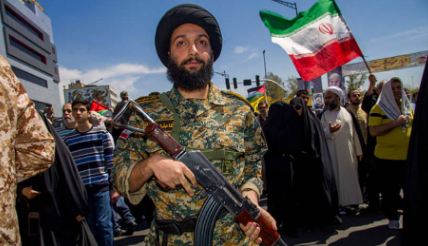
1. It was a proportionate military action against Zionist regime aimed at targeting the military bases in the occupied Palestine.

2. No civilians and non-military centers including cities, hospitals, synagogues, infrastructures etc. were targeted.

3. This action was carried out within the framework of the inherent and legitimate right of self- defense according to Article 51 of the United Nations Organization Charter.

4. It was in response to the Zionist regime’s military attack targeting the consular section of the Islamic republic of iran embassy in Damascus, which led to the martyrdom of 7 Iranian military advisers who were present in Syria at the official invitation of the Syrian government. This action of the zionist regime violated the 1961 Vienna Convention, the 1973 New York Convention and other international laws and regulations.

5. While emphasizing adherence to the principles and goals of the United Nations Charter, Islamic republic of Iran emphasizes its determination to resolutely defend its sovereignty, territorial integrity, and national interests against any illegal use of force and aggression.

6. Islamic republic of Iran’s recourse to the legitimate defensive measures in exercising the right to self-defense shows a responsible approach to the regional and international peace and security at a time when the Zionist regime is committing genocide and masaccare against the innocent people of Gaza.7.  Islamic republic of Iran has already and repeatedly stated that in its principled framework, it does not seek to expand the scope of the war and escalations in the region and it has shown this issue in its responsible restraint. Though, restraint is not permanent because the continuation of that has lead to the miscalculation by the Zionist regime.

8. The root of the continued current crisis in the region is the Zionist regime’s aggression and genocide in Gaza.

9. The key to solving the current situation is the immediate cessation of war and ceasefire in Gaza and the free flow of humanitarian aids to the war-striken regions.

10. Islamic republic of Iran’s response was minimal and at a minimum range. It could have been more severe, but this time it was to punish the Zionist regime. If, after Iran’s response, the regime acts again, this time Iranian response will be more severe and decisive.

Hamas-Israel negotiations and Regional Stability

Hamas-Israel negotiations and Regional Stability

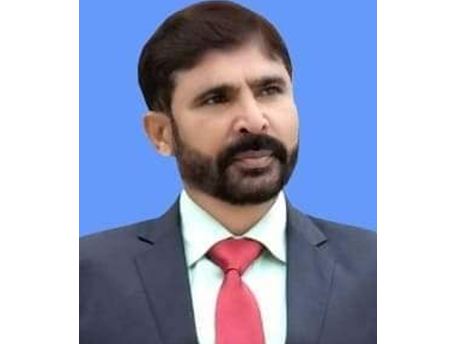
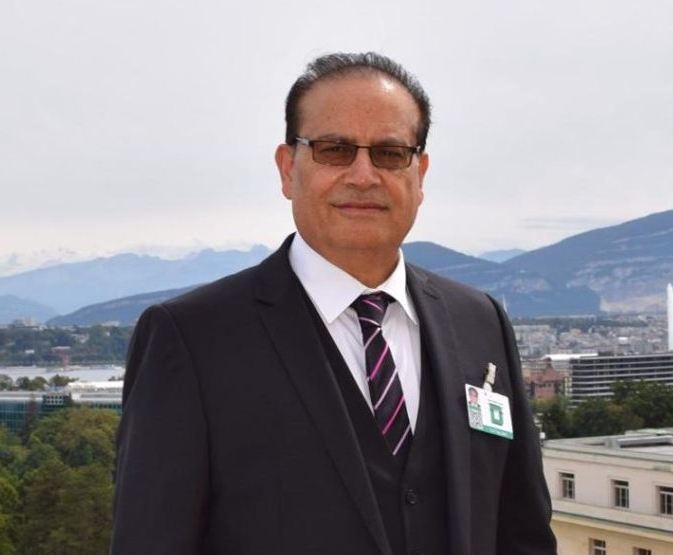
Dr. Muhammad Akram Zaheer

The escalating intensity of hostilities between Hezbollah and Israel is attached with the rising rhetoric from officials on both sides that suggest a troubling path towards a potentially devastating conflict. While the confrontations may indicate a path towards a large-scale war, it is an evident that both parties are acutely aware of the devastating toll such a conflict would exact on civilian populations in both Lebanon and Israel. The historical context of previous conflicts between Hezbollah and Israel underscores the magnitude of the potential consequences, including widespread destruction, loss of life and destabilization of the region. Despite the heightened tensions, there remains recognition albeit uneasy of the imperative to avoid a full-scale war and seek avenues for de-escalation and resolution. The complexity of the geopolitical scene which is intertwined with regional alliances and interests to underscores the importance of diplomatic efforts to defuse tensions and prevent further escalation. Ultimately, the recognition of the immense human cost of conflict underscores the necessity for all stakeholders to prioritize dialogue and diplomacy in pursuit of peace and stability in the region.According to Israeli officials, tensions along the Israel-Lebanon border have escalated significantly, with clashes intensifying and spreading in recent weeks. Israel has reportedly increased its military strikes, targeting not only areas within Lebanese territory but also conducting airstrikes against Iranian-affiliated sites in Syria, including the Iranian consulate in Damascus on April 1st. In response to these developments, Hezbollah Secretary-General Hassan Nasrallah delivered a speech on April 5th, affirming Hezbollah’s commitment to continued border clashes with Israel and declaring that the group will persist in its attacks until the cessation of hostilities in Gaza. Nasrallah also warned Lebanon to brace itself for potential Iranian retaliation against Israel, emphasizing Hezbollah’s preparedness for any escalation along the border and asserting that the group has yet to deploy its most potent weaponry. These developments underscore the precarious situation in the region, with the potential for further escalation and broader regional implications.

On April 7, the Israeli army made a significant announcement on its website, declaring the completion of yet another phase of the Northern Command’s readiness for war along the Lebanon front. This announcement has intensified the concerns of analysts, who increasingly argue that prolonged border clashes heighten the likelihood of a broader conflict, potentially culminating in a ground invasion of southern Lebanon. Such a military operation would be strategically aimed at establishing a security corridor deep into Lebanese territory, pushing Hezbollah fighters beyond the Litani River. However, historical precedents cast doubt on the effectiveness of such endeavors. Israel’s previous attempt to create a security corridor in south Lebanon, spanning from 1985 to 2000, ended without achieving the desired stability. Despite past reservations from Israeli political and military officials regarding ground combat in Lebanon, there has been a perceptible shift in attitude. Amos Harel suggests that given this shift, the scenario of a general war in Lebanon no longer appears implausible. Yet, the complexities of the region and the historical challenges associated with similar endeavors suggest that any such military action is fraught with uncertainties and risks, casting a shadow over Israel’s aspirations for stability along its border with Lebanon.Israeli officials find themselves in a precarious position, carefully weighing two critical factors in their decision-making regarding a potential full-blown war with Hezbollah. Firstly, the prospect of such a conflict escalating into a broader regional conflagration cannot be overlooked, as it’s highly likely that other members of the Iran-led “Axis of Resistance” would join forces against Israel and the US. This amplifies the risks and complexities involved, given the already strained dynamics in the Middle East. Secondly, the stance of the Biden administration adds another layer of consideration. With clear opposition to a significant escalation in Lebanon, Israeli initiation of such a war, particularly amidst US calls for cease-fires in Gaza and objections to Israeli actions in Rafah, could significantly strain the bilateral relationship with the United States. The intensifying skirmishes between Hezbollah and Israel, coupled with heightened rhetoric from both sides, signal a potential path toward a large-scale conflict, reminiscent of the scale of hostilities seen in Gaza. However, amidst this escalating tension, both Israeli and Hezbollah officials are cognizant of the devastating humanitarian toll such a war would exact on civilians in both Lebanon and Israel. Furthermore, there’s a sober recognition within Israeli circles that the outcomes of a new conflict with Hezbollah are uncertain, with lingering doubts about whether it would result in a resolution akin to the 2006 war, which led to the UN Security Council Resolution 1701, ultimately unimplemented by either side. Therefore, Israeli officials face a delicate balance, contemplating the risks of escalation, the implications for regional stability, the diplomatic ramifications vis-à-vis the US, and the potential human cost, as they navigate the complexities of their decision-making calculus concerning Hezbollah.

UNSCR 1701 stands as a pivotal framework aiming to defuse tensions and promote stability in the volatile region surrounding the Israeli-Lebanese border. Central to its provisions is the call for militants not affiliated with the Lebanese army or the UN Interim Force in Lebanon (UNIFIL) to withdraw approximately 25 miles north of the Israeli border, alongside urging Israel to relinquish its hold on occupied Lebanese territories and to cease violations of Lebanese airspace. Amidst this backdrop, key stakeholders including Lebanese officials, Hezbollah leaders, and Israeli authorities have expressed a collective inclination towards pursuing diplomatic avenues to resolve the persistent conflict along the border. Hezbollah’s stance notably hinges on the cessation of hostilities in Gaza as a condition for their approval of any potential agreement. The United States has emerged as a proactive actor, proposing a roadmap aimed at addressing the divergent demands of both sides through a series of security arrangements. Notably, this proposal falls short of a complete implementation of UNSCR 1701. It envisions Hezbollah’s withdrawal, particularly its elite Radwan Forces, northwards to the Litani River, while concurrently advocating for heightened presence of the Lebanese army and UNIFIL in the vacated areas. Additionally, the US seeks to facilitate mediation efforts between the conflicting parties to address territorial disputes along the border, mirroring its prior successful intervention in mediating maritime border disputes. This multifaceted approach underscores the intricate dynamics at play and the concerted international efforts aimed at fostering lasting peace and stability in the region.

The fate of the ongoing indirect negotiations between Hamas and Israel, facilitated by Qatar, Egypt, and the US, is crucial for the region’s stability. These talks aim to broker a ceasefire deal that would lead to the release of Israeli hostages held by Hamas and Palestinian prisoners in Israeli jails. The outcome of these negotiations carries significant implications, not only for the Israel-Palestine conflict but also for wider regional dynamics. If successful, Hezbollah is likely to adhere to the ceasefire agreement, potentially reducing tensions in the region. However, should these negotiations falter, it could exacerbate hostilities, especially if Israel responds to Iranian retaliation by targeting Iranian assets both inside and outside Iran. Such actions could prompt Hezbollah and other members of the Axis of Resistance to escalate attacks on Israel, raising the specter of a full-blown war between Israel and Lebanon. In this scenario, the United States may face renewed pressure to intervene and mediate between Israel and Lebanon to prevent further escalation and restore stability in the region.

Experts weigh in: Ice cream’s surprising health benefits

Experts weigh in: Ice cream's surprising health benefits

Experts say ice cream might not be as bad for your health as you think. Registered dietitians don’t like labeling foods as “good” or “bad,” but they do suggest being careful, especially about the sugar and saturated fat in ice cream, according to the Huffington Post.

One scoop of ice cream has almost all the sugar and fat you should have in a day. Registered dietitian Edwina Clark recommends that having a scoop of ice cream every day as part of a balanced diet probably won’t hurt you.

Ice cream has some good things in it too, like calcium, magnesium, B12 vitamins, and protein, which helps keep your blood sugar stable.

The milk and cream in ice cream are also rich in vitamin A and choline, which are good for your eyes, immune system, and brain development.

Recent studies suggest that whole-milk dairy might not raise the risk of heart disease. But these studies didn’t separate milk, cheese, and healthier options like yogurt and ice cream.

But non-dairy ice cream isn’t always healthier. It can have a lot of sugar, fat, and even artificial sweeteners and thickeners.

The important thing is to control how much you eat. Dietitians say you shouldn’t have more than half a cup of ice cream a day, and that might be different for each person.

So, in short, ice cream can be part of a healthy diet if you eat it in moderation. Look for ice cream with simple ingredients and watch how much you eat. And now, the best part: enjoying your ice cream!

New Zealand cricket team reaches Pakistan ahead of T20I series

New Zealand cricket team reaches Pakistan ahead of T20I series

RAWALPINDI, APR 14: The New Zealand cricket team reached Pakistan on April 14 ahead of the five-match series which is set to begin on April 18 in Rawalpindi.

New Zealand’s arrival was confirmed by the Pakistan Cricket Board (PCB) on their official X, formerly Twitter, handle with the caption: “Welcome to Pakistan, @BLACKCAPS!”

“The New Zealand team has arrived in Islamabad ahead of the Bank Alfalah Presents Jazz Pakistan vs New Zealand T20I Series 2024.”

WATCH HERE

The five-match series is crucial for both teams as it will provide a great chance to analyse their squads ahead of the 2024 T20 World Cup, which begins on June 1.

Remember, in New Zealand’s last training session before leaving for Pakistan, two of their key players, Finn Allen and Adam Milne, sustained injuries and were ruled out of the series.

Allen sustained a back injury while Milne felt discomfort in his ankle after which it was decided to exclude them from the squad.

Wicketkeeper-batsman Tom Blundell and all-rounder Zak Foulkes were named replacements for two players. The former has previously visited Pakistan while the latter will be making his debut for the Black Caps.

It is worth mentioning that most of the players in the New Zealand squad are not part of their first team as key players like Kane Williamson, Rachin Ravindra, Daryll Mitchell and others are engaged in the ongoing Indian Premier League (IPL) 2024.

Pakistan squad
Babar Azam (c), Mohammad Rizwan (wk), Saim Ayub, Usman Khan, Iftikhar Ahmed, Azam Khan (wk), Imad Wasim, Shadab Khan, Shaheen Afridi, Naseem Shah, Mohammad Amir, Abbas Afridi, Abrar Ahmed, Fakhar Zaman, Irfan Khan Niazi, Usama Mir, Zaman Khan

Reserves: Haseebullah, Mohammad Ali, Agha Salman, Sahibzada Farhan, Mohammad Wasim Jr.

New Zealand squad:
Michael Bracewell (c), Finn Allen, Mark Chapman, Josh Clarkson, Jacob Duffy, Dean Foxcroft, Ben Lister, Cole McConchie, Adam Milne, Jimmy Neesham, Will O’Rourke, Tim Robinson, Ben Sears, Tim Seifert (WK), Ish Sodhi

Pakistan vs New Zealand T20I series schedule
April 18 — 1st T20I, Rawalpindi

April 20 — 2nd T20I, Rawalpindi

April 21 — 3rd T20I, Rawalpindi

April 25 — 4th T20I, Lahore

April 27 — 5th T20I, Lahore

Amid Gaza crisis a disturbing humanitarian scandal on horizon

Post-election scenario: PDM Part-II on the anvil

Reports indicate that self-proclaimed ‘muftis’ in Pakistan, some based in Islamabad, have initiated public appeals urging individuals to adopt orphaned children from Gaza. These individuals have even established WhatsApp groups to solicit consent from potential adoptive parents

Ansar M Bhatti

ISLAMABAD: In the midst of the Gaza crisis, a disturbing scandal has emerged in Pakistan, particularly in Islamabad. Certain unscrupulous individuals are exploiting the tragedy in Gaza for their own selfish gain.

Reports indicate that self-proclaimed ‘muftis’ in Pakistan, some based in Islamabad, have initiated public appeals urging individuals to adopt orphaned children from Gaza. These individuals have even established WhatsApp groups to solicit consent from potential adoptive parents.

Investigations have uncovered that these individuals are not only soliciting money from families interested in adoption but also disappearing once they receive payment. This exploitation of a humanitarian crisis for financial gain is deeply concerning.”

When contacted, the Ambassador of Palestine to Pakistan Ahmed Rabei made it clear that not even a single child had come to Pakistan from Gaza.

‘This is not true. There is no orphaned child from Palestine, and no child will come from Palestine’, the ambassador added.

He reiterated that it’s highly improbable for orphan children to enter Pakistan without the awareness of the Palestine embassy in Islamabad. The ambassador urged Pakistani citizens to remain vigilant against such deceptive tactics and not to succumb to their schemes.

Similar elements similarly took advantage of the situation following the devastating earthquake that struck Pakistan in 2005. Certain individuals and organizations shamelessly established fraudulent charities, purportedly to aid in earthquake relief efforts. However, rather than directing the donations towards assisting the victims, these deceitful entities shamelessly diverted the funds for their personal enrichment.

China deeply concerned about Iran-Israel situation, calls for restraint

China deeply concerned about Iran-Israel situation

BEIJING, APR 14 (APP/DNA): China is deeply concerned about the current escalation of the Iran-Israel situation and calls on relevant parties to remain calm and exercise restraint to avoid further escalation of tensions, the Chinese Foreign Ministry Spokesperson said on Sunday.

China expresses deep concern over the current escalation and calls on relevant parties to exercise calm and restraint to prevent further escalations, the spokesperson said in a statement in response to a question about the Iran-Israel conflict.

The spokesperson said that the ongoing situation is the latest spillover of the Gaza conflict.

There should be no more delays in implementing UN Security Council Resolution 2728 and the conflict must end now.

China calls on the international community, especially countries with influence, to play a constructive role in the peace and stability of the region, the spokesperson added.

The UN Security Council passed a resolution on March 25, demanding an immediate ceasefire for the month of Ramazan, the immediate and unconditional release of hostages and the urgent need to expand the flow of aid into Gaza. There were 14 votes in favour to none against, with one abstention.

According to reports, Iran’s Islamic Revolutionary Guard Corps launched a military strike against Israeli territory on April 14 using ballistic missiles and drones.

Nation delivered ‘regret-inducing’ slap across enemy’s face: Iran parl. speaker

Nation delivered ‘regret-inducing’ slap across enemy’s face: Iran parl. speaker

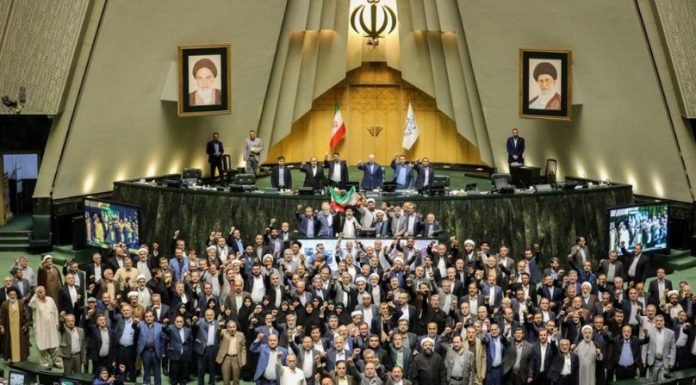
TEHRAN, APR 14: Parliament Speaker Mohammad Baqer Qalibaf says Iran slapped Israel in the face with its retaliatory operation, hailing the attack as a “deterrence and regret-inducing” response to the usurping regime’s acts of aggression.

Qalibaf made the remarks during an open parliamentary session in Tehran on Sunday after Iranian Armed forces launched hundreds of missiles and drones at military bases in the occupied territories in retaliation for Israel’s April 1 terrorist strike on the Islamic Republic’s diplomatic mission in Syria.

“The slap of the Iranian people in the face of the Zionist enemy, who had attacked the Iranian consulate that is considered the soil of our country, was strong and taught it lessons,” he said.

“The Iranian forces’ deterrence and regret-inducing response delighted the hearts of every Iranian who cares about our honored country’s security and glory.”

Qalibaf also said that Iran’s retaliatory operation was based on the UN Charter and that it created a wave of happiness and pride among Muslims across the world.

“Iran’s planned response will be stronger if another mistake is made by the Zionist regime or its allies,” he warned.

The Parliament speaker further urged Muslim governments to take heed of their nations’ call, which is a punishment of the Zionist aggressors.

The Islamic Republic believes in the principle that any threat should bear “an appropriate and severe response to its origin,” he added.

“Creating stable security depends on making aggressors regret,” Qalibaf said. “The Islamic Republic of Iran, which has acted zealously regarding the protection of the country’s soil and security, powerfully fulfilled its national duty.”  ‘New Israeli folly will end its life’

Also on Sunday, A former commander of Iran’s Islamic Revolutionary Guard Corps (IRGC) warned that a new folly by the Tel Aviv regime will spell its end.

In an X post, Mohsen Rezaei, said, “Tonight marks the eternal end of the hit-and-run and bullying era against the patient Iranian nation. They got the missiles back from where they launched them!”

“The American and Western governments must come to their senses and chain up the region’s rabid dog (Israel). A new act of foolishness by the criminal regime will end its miserable life.”

Iran says retaliation ‘concluded,’ warns Israel not to respond

Iran

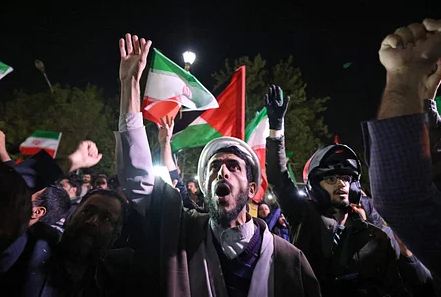
TEHRAN, APR 14 (AFP/APP/DNA): Iran on Sunday urged Israel not to retaliate militarily to the attack, which Tehran presented as a justified response to a strike that destroyed its consulate building in Damascus earlier this month.

“The matter can be deemed concluded,” Iran’s mission to the United Nations said in a post on X just a few hours after the start of the operation late Saturday.

“However, should the Israeli regime make another mistake, Iran’s response will be considerably more severe,” the Iranian mission warned.

Late Saturday, Iran’s Revolutionary Guards Corps announced that they had launched “dozens of drones and missiles” towards military sites on Israeli territory.

“Iran’s military action was in response to the Zionist regime’s aggression against our diplomatic premises in Damascus,” the Iranian mission to the UN said.

The attack, according to the mission, was “conducted on the strength of Article 51 of the UN Charter pertaining to the legitimate defense”.

However Israel’s army said it had shot 99 percent of the drones and missiles with the help of the United States and other allies, declaring Iran’s attack “foiled”.

Bahawalnagar incident, a PR Success, or…

Qamar Bashir

By: Qamar Bashir

Let’s explore why the Bahawalnagar incident should have been contained within social media. The posts, including footage, views, analysis, and commentary shared by social media activists regarding the incident, were initially perceived with skepticism by viewers due to their informal nature and the general lack of credibility and authenticity associated with social media content. However, when official media managers injected this incident into traditional media, they inadvertently lent credibility and authenticity to these potentially concocted social media posts by associating them with the more trusted and established traditional media channels. This shift in platform allowed misleading or unverified information to gain unwarranted credibility, which could have been avoided by keeping the incident within the sphere of social media.

Furthermore, social media influencers often lack access to traditional media channels, which limits their ability to amplify messages with credibility. Conversely, official media managers possess the capability to inject a counter-narrative by leveraging their access to social media platforms, thereby generating traffic and engagement in a controlled manner. This strategy avoids the unnecessary amplification of virulent propaganda against the country’s two most important and indispensable institutions in traditional media. By focusing on strategic and controlled communication through social media, the impact of misleading narratives could have been effectively managed and mitigated.

With extensive experience supporting ministers and leaders in various capacities—from press attaché in Kuala Lumpur to Press Minister in Paris, and culminating as Press Secretary and media advisor to the President—I had developed a habit to instinctively evaluate public relations campaigns. The Bahawalnagar incident serves as a prime example. Despite an otherwise successful media campaign, a significant flaw was the unwarranted escalation of the incident in traditional media, which initially emerged on social media and should have been contained within that platform.

Furthermore, state institutions possess an overwhelming advantage in having access to actual and factual information compared to the informal and laymen social media posts. This advantage empowers official media managers to effectively counter misinformation or propaganda with accurate data, evidence, and explanations. For instance, in the mentioned incident where social media users were spreading misinformation through fabricated videos or pictures lacking context or evidence, the optimal response would have been to consistently provide factual information with equal frequency and reach. This approach could have swiftly addressed and debunked falsehoods within the same digital space where they originated, without inadvertently legitimizing the misinformation in traditional media channels and amplifying it by exposing the incident to a broader audience that may not have encountered it initially on social media..

The second significant mistake made by the official media managers was their lack of preparedness when using traditional media to counter the false propaganda. Their statement was vague, lacking in facts, figures, and context, and it failed to provide legal backing or support. The official narrative failed to address crucial details about the incident, leaving important questions unanswered. For example, there was no clarification on why a police contingent ambushed the house of a serving army man, what information they had to justify the raid, whether they possessed a search warrant, or if they had obtained the necessary approvals from competent authorities. Additionally, details such as the presence of a female police officer during the raid, any arrests made, or the registration of an FIR against the serving army man or alleged illegal raiding party were conspicuously absent from the official response.

Furthermore, the official response failed to address critical gaps in the narrative, such as the circumstances surrounding the alleged army contingent raiding the police station. Key questions left unanswered included: Who authorized the raid? Who led and executed the raid? What were the mission and objectives of the raid? What legal rules or procedures empowered the army to conduct a raid on a civilian police station? What actions were taken during the raid and what objectives were achieved?. These omissions in the official account contributed to a lack of transparency and raised further doubts and questions among the public.

The official communication also failed to specify the legal basis under which the army and police officers reached a compromise. Critical details were left unanswered, such as who the negotiating officers were, what specific points of agreement were reached, and whether the agreement was documented in writing or solely verbal.

Instead of addressing these vital questions, the official response shifted the burden to an inquiry team composed of officers from both agencies, seemingly aware that the involvement of police and army officials as parties in the incident necessitated an independent third-party investigation. Ideally, the matter should have been adjudicated by a trial court with relevant jurisdiction to ensure impartiality and transparency in resolving the issues raised as per law of the hand.

The official media managers may have overlooked the critical consequence of failing to provide essential information through traditional media channels. Without this information, the public may dismiss the narrative, leading them to seek answers from social media. Unfortunately, social media influencers seeking to boost their ratings and profit may exploit this gap by filling it with persuasive rhetoric and concocted, distorted, or skewed facts and figures to craft compelling but misleading narratives.

As patriotic Pakistanis, it is essential that we all uphold and support our country’s key institutions responsible for external and internal security—the army and police—by fostering public trust and respect towards them. To achieve this, it is imperative that the official media managers of both the army and police collaborate effectively, presenting factual information supported by laws and rules to convey their narrative or counter-narrative. It is crucial that they refrain from sharing incomplete or half-baked narratives on social or traditional media until they are fully prepared with comprehensive and accurate details. Additionally, they should employ public relations tools professionally and effectively to manage and de-escalate any issues, incidents, or developments without resorting to the use of force. By prioritizing transparency, professionalism, and strategic communication, these institutions can enhance public confidence and strengthen their relationship with the people of Pakistan.

By: Qamar Bashir
Former Press Secretary to the President
Former Press Minister to the Embassy of Pakistan to France
Former MD, SRBC

Stay Connected

64FansLike
60FollowersFollow

Latest Reviews

Exchange Rates

USD - United States Dollar
EUR
1.17
GBP
1.35
AUD
0.72
CAD
0.73