Home Blog Page 91

PM appreciates Qatar’s strong support for Pakistan’s peace efforts

PM appreciates Qatar’s strong support for Pakistan’s peace efforts

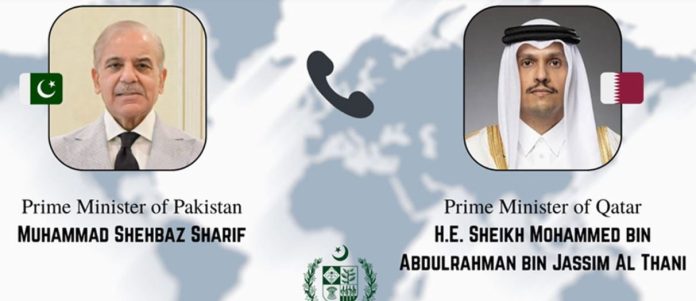
ISLAMABAD, JUN 13: Prime Minister Muhammad Shehbaz Sharif Saturday received a telephone call from Sheikh Mohammed bin Abdulrahman bin Jassim Al Thani, Prime Minister and Foreign Minister of the State of Qatar Saturday afternoon and discussed matters of mutual interest.

During their warm and cordial conversation, the Prime Minister conveyed his warm greetings and good wishes to Tamim bin Hamad Al Thani, Amir of the State of Qatar as well as to the brotherly people of Qatar. These sentiments were reciprocated by the Qatari Prime Minister.

The Prime Minister expressed his deep appreciation for Qatar’s strong and steadfast support for Pakistan’s peace efforts throughout the Gulf crisis and stated that a peace deal was ready for signatures by the relevant parties very shortly.

While sincerely appreciating Pakistan’s remarkable efforts for peace, the Qatari Prime Minister paid tribute to the Prime Minister and Field Marshal Syed Asim Munir for playing an instrumental role in steering the diplomatic efforts. He assured the Prime Minister that Qatar was proud to extend its support to Pakistan’s endeavors and hoped that this would bring lasting peace to the region.

The Prime Minister also reiterated his invitation to the Amir of Qatar to undertake an official visit to Pakistan very soon, as was agreed between the two leaders. Both leaders agreed to remain in close contact in the coming days.

Experts move to develop Pakistan’s first oral cancer treatment guidelines

Experts move to develop Pakistan’s first oral cancer treatment guidelines

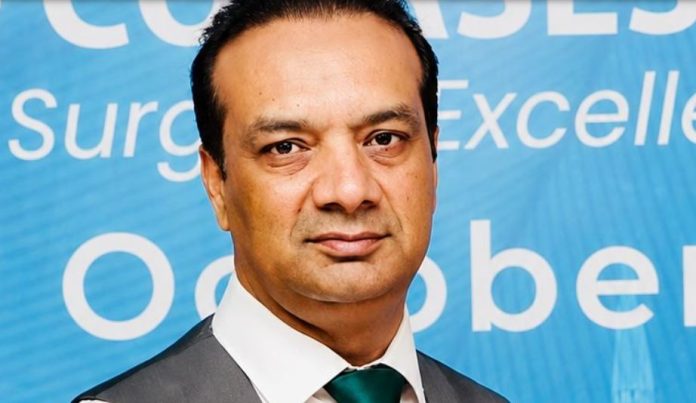
ISLAMABAD, JUN 13: Medical experts from across the country have launched an initiative to formulate Pakistan’s first national consensus guidelines for the management of oral cavity cancer, a disease that accounts for a significant share of the country’s cancer burden.

The initiative was discussed at a meeting hosted by NORI Hospital Chairperson Dr Humaira in Islamabad, bringing together head and neck surgeons, maxillofacial surgeons, medical and radiation oncologists, and nuclear medicine specialists from major cancer treatment centres, including KIRAN Karachi, INMOL Lahore, IRNUM Peshawar, CINAR Quetta and NORI Islamabad.

Participants noted that Pakistan has one of the highest rates of oral cavity cancer globally. The disease constitutes around 10.6 per cent of all cancers in the country, making it the most common malignancy among men and the second most common cancer overall.

Experts linked the high incidence of the disease to the widespread use of smokeless tobacco, betel quid (paan), areca nut (supari), gutka, naswar and cigarette smoking.

Prof Mubashir Ikram said treatment practices currently vary among institutions because there are no unified national protocols. He added that many patients are diagnosed at advanced stages of the disease, contributing to poorer outcomes and higher treatment costs.

Dr Ahmad Nawaz told the meeting that experts had agreed to adapt internationally recognised guidelines rather than develop entirely new recommendations. The process will use the ADAPTE methodology to tailor existing evidence-based guidelines to local healthcare realities and treatment responses.

The guidelines will draw on recommendations issued by the U.S.-based National Comprehensive Cancer Network (NCCN), the European Society for Medical Oncology (ESMO) and the United Kingdom’s National Institute for Health and Care Excellence (NICE).

The participants approved a phased roadmap beginning with the formation of expert panels for specific oral cavity subsites, including the tongue, buccal mucosa and floor of the mouth. The process will subsequently move through evidence review, drafting, peer review and final endorsement before publication.

Pakistan Head and Neck Society Chairman Dr Altaf Hussain described the initiative as an urgent and historic step towards standardising cancer care, improving patient survival and promoting collaborative research.

Speaking to the media, Associate Professor of ENT at PIMS and focal person for the initiative Dr Malik Jawad Faisal, said the effort marked a major step towards establishing a unified national framework for oral cavity cancer management.

He said experts from leading institutions had committed to developing evidence-based recommendations suited to Pakistan’s healthcare environment to help reduce variations in treatment and improve the quality of patient care.

The meeting concluded with a commitment from all participating institutions to complete and implement the country’s first comprehensive national guidelines for oral cavity tumours.

Iran says signing of Islamabad memorandum will not take place on Sunday

Iran says signing of Islamabad memorandum will not take place on Sunday

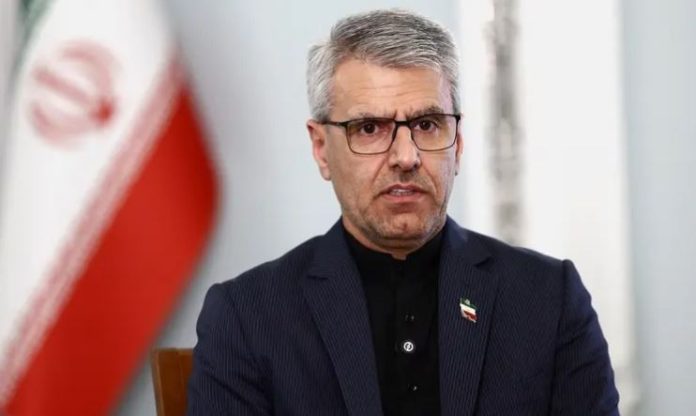
TEHRAN, JUN 13: The exact timing of the signing of the Islamabad memorandum will not be on Sunday, Iran’s Foreign Ministry spokesperson Esmaeil Baghaei said, according to state media on Saturday.

Baghaei said the possibility of signing the Islamabad memorandum in the coming days could not be ruled out but added that caution was needed regarding any comment on the signing date due to the hesitation of the other side.

Iran’s late Supreme Leader Ali Khamenei to be buried on July 9: state TV

Iran's late Supreme Leader Ali Khamenei to be buried on July 9: state TV

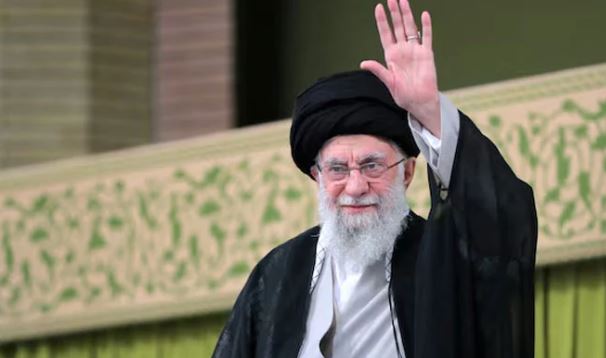
TEHRAN, JUN 13: Iran’s former Supreme Leader Ayatollah Ali Khamenei, who ruled the country for nearly 37 years before being assassinated by Israeli and US airstrikes on February 28, will be buried on July 9, state television reported Saturday.

The burial in his hometown, the northeastern holy city of Mashhad, initially scheduled for March but postponed due to the war, will follow three days of funeral ceremonies in capital Tehran beginning July 4 and another in the holy city of Qom on July 7, it said.

July 4, the start date of the national funeral, will coincide with the United States’ Independence Day, which this year celebrates its 250th anniversary.

Ali Khamenei’s son, Mojtaba, succeeded him as supreme leader in early March, the third since the establishment of the Islamic republic in 1979.

Mojtaba Khamenei, wounded in the strikes that killed his father and numerous other officials, has not appeared in public since his appointment and communicates only through statements attributed to him.

Central Asia–Afghanistan dialogue underscores regional connectivity and stability

Central Asia–Afghanistan dialogue underscores regional connectivity and stability

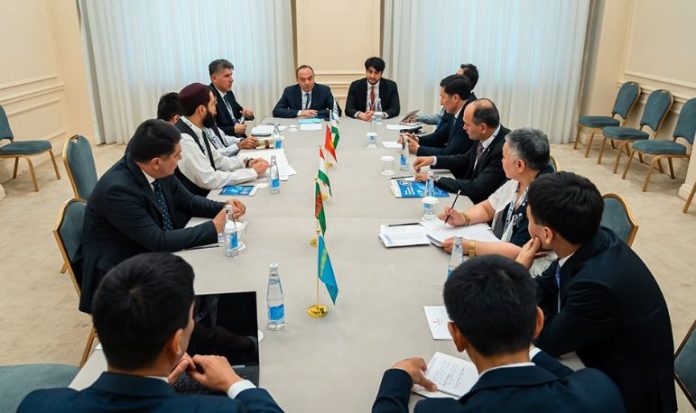
KABUL, JUN 13: Policymakers, analysts, and regional stakeholders gathered on the sidelines of the Termez Dialogue on Connectivity between Central and South Asia to discuss the future of regional connectivity, economic cooperation, and stability between Central Asia and Afghanistan.

According to the Center for Strategic Studies Afghanistan, participants highlighted Afghanistan’s strategic position as a vital link between Central and South Asia, emphasizing the need for sustained engagement, practical cooperation, and inclusive economic initiatives to strengthen regional ties.

The discussions focused on expanding trade corridors, enhancing transport and energy connectivity, and fostering trust through continued dialogue among regional partners. Representatives from the Center for Strategic Studies, the Ministry of Foreign Affairs, and the Islamic Emirate of Afghanistan shared perspectives on regional priorities and opportunities for deeper cooperation.

Participants stressed that improved infrastructure links and stronger economic partnerships could play a key role in promoting stability and facilitating greater regional integration. They also underscored the importance of maintaining constructive dialogue to address common challenges and advance shared development goals.

The meeting concluded with a renewed commitment to building a stable, connected, and prosperous region. Attendees agreed that closer cooperation between Central Asian countries and Afghanistan is essential for unlocking broader economic opportunities and strengthening regional connectivity.

Ishaq Dar, Swiss FM express hope for US-Iran stability

Ishaq Dar, Swiss FM express hope for US-Iran stability

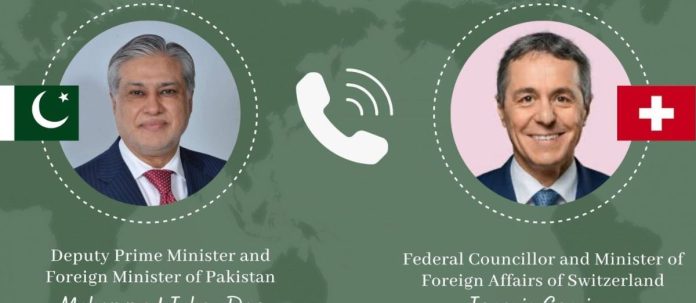
ISLAMABAD, JUN 13 /DNA/ – Deputy Prime Minister/Foreign Minister Senator Ishaq Dar, Saturday, spoke with Swiss Foreign Minister Ignazio Cassis.

Welcoming the encouraging progress towards an understanding between the United States and Iran, they expressed hope that ongoing efforts would soon contribute to peace and stability in the region, the Foreign Office Spokesperson said in a press release.

Both sides agreed to remain in close contact.=DNA

==============

PM says Iran–US peace deal nears finalization within 24 hours

PM says Iran–US peace deal nears finalization within 24 hours

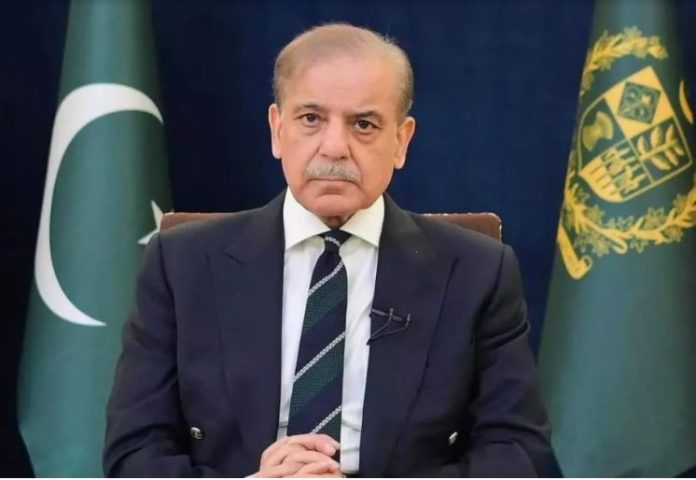
ISLAMABAD, JUN 13 – Prime Minister Muhammad Shehbaz Sharif, Saturday, said that Pakistan was close to a peace deal between Iran and the United States, as its finalization was likely within the next 24 hours.

Expressing confidence, the prime minister described the development as a historic milestone that would lay a strong foundation for lasting peace and stability across the region.

On his X handle, the prime minister posted, “We are closer to a peace deal than ever before. With finalisation likely expected in the next 24 hours, Pakistan is preparing for the electronic signing of the peace deal immediately after, followed by technical-level talks next week.”

He also thanked the United States of America and the Islamic Republic of Iran for their ongoing commitment during the negotiations, and extended sincere appreciation to their brothers in the region for their support.

“We are confident that this historic peace deal will form a strong foundation for lasting peace,” he added.

FIFA World Cup 2026 — US’ win over Paraguay was built on team togetherness, not individual effort: Pochettino

FIFA World Cup 2026 — US’ win over Paraguay was built on team togetherness, not individual effort: Pochettino

MEXICO CITY, JUN 13: U.S. coach Mauricio Pochettino told reporters his ​team’s 4-1 victory over Paraguay in their World ‌Cup opener was the result of a ​team-first approach rather than the ⁠efforts of individual players.

It was the first time the U.S. had scored four goals in a ‌World Cup match, with two of those belonging to forward Folarin Balogun, ‌who became the first U.S. player ‌to ⁠score twice in a World Cup ⁠game since the 1930 tournament.

However, despite excellent performances from the likes of Balogun, Christian Pulisic and Weston ​McKennie, Pochettino preferred ‌to praise the joint efforts of the squad as well as team staff.

“It was the collective approach,” he said, adding ‌that the team soaked up the energy ​of the fans.

Advertisement
“Amazing, they were amazing. We can do amazing things ⁠if the fans are in this way.”

The comfortable victory showcased the U.S. team’s attacking power, ‌but there was concern about Pulisic’s fitness after he was substituted at halftime due to a calf knock.

Pochettino said that while the team was happy with the win it had to remember it was ‌only the start of the tournament.

Being able to ​train together for weeks before the World Cup had allowed coaches to ⁠work with the players instead of just selecting ⁠the team, which is usually the case when they only have a ‌few days before most internationals, said Pochettino.

The U.S. will also face Turkey and ​Australia in Group D.

Khaqan Waheed rejects federal budget as deceptive play of words

Khaqan Waheed rejects federal budget as deceptive play of words

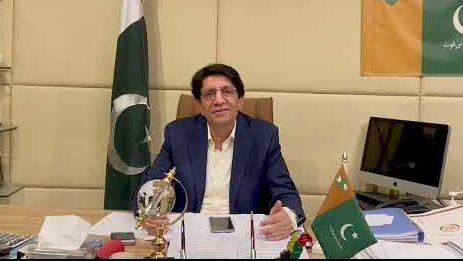
ISLAMABAD, JUN 13 /DNA/ – (Staff Reporter) — The head of Pakistan Awami Quwat Party and Chairman of Rawal General & Dental Hospital and Rawal Foundation, Khawaja Khaqan Waheed, has completely rejected the recent federal budget, calling it “nothing more than a deceptive play of words” with no relief for the common man.

While speaking to a group of journalists, Khawaja Khaqan Waheed said that the budget contains no policies or reforms capable of changing the lives of ordinary citizens. He stated that the 85% of the population living in poverty has not been given any meaningful relief, adding that the budget is merely “a game of numbers.”

He further said that no reforms have been introduced for farmers, nor has any fixed pricing mechanism been established. “Pakistan is an agricultural country, yet no serious agricultural reforms or policies have been introduced. There is no clear plan regarding where revenue will come from or how foreign exchange will be generated,” he remarked.

Criticizing the government further, he said that while foreign investors are being invited and assets are being expanded, preparations are also underway to seek more loans from the IMF. According to him, the current budget is no different from those presented by previous governments and is merely based on statistical figures.

Khawaja Khaqan Waheed noted that the government has set a tax collection target between 15,000 and 18,000 billion rupees, but he believes it will fail to achieve this target because most of the funds are distributed to provinces through the NFC Award. He argued that unless the existing provincial system under the NFC Award is restructured, new provinces are created, and local government elections are held, the system cannot improve.

“The system itself is flawed and institutions are weak, so what kind of budget are we even talking about? A budget is not made through money alone; it is built through reforms,” he said. He added that reforms do not produce results overnight and that even if implemented today, their benefits would only become visible over the next 10 to 15 years.

He further emphasized that only a government truly emerging from the people and understanding the suffering of ordinary citizens can formulate comprehensive policies capable of improving the lives of the common man. He said such change would only be possible when sincere political forces and individuals genuinely committed to the country are supported.

Concluding his remarks, Khawaja Khaqan Waheed said that Pakistan Awami Quwat genuinely seeks to transform the lives of ordinary people and urged the public to support the party.

Four ring leaders among 21 India-backed terrorists killed in KP IBOs: ISPR

Four ring leaders among 21 India-backed terrorists killed in KP IBOs: ISPR

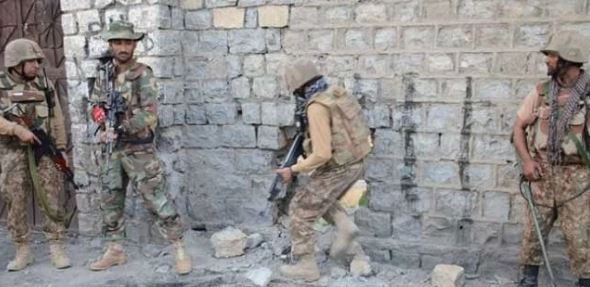
RAWALPINID, JUN 13: Security forces neutralised 21 India-backed Fitna al-Khawarij terrorists, including four ring leaders, in the Miran Shah area of Khyber Pakhtunkhwa’s North Waziristan district over the past 72 hours, the Inter-Services Public Relations (ISPR) said on Saturday.

In a statement, the military’s media wing said that security forces engaged multiple terrorist locations in Miran Shah and its surroundings in North Waziristan in continuation of a series of intelligence-based operations in the district.

It added that following fierce exchanges of fire, 21 more militants, including four terrorist ring leaders — identified as Khalid Raza alias Salar, Muftoon, Musa and Imran alias Ayan — were killed.

“Killed Kharji ring leaders were highly wanted for their involvement in numerous terrorist activities, including the killing of security forces personnel and innocent civilians,” the ISPR added.

In a similar operation in the area last week, 27 India-sponsored militants were killed in Miran Shah.

“So far, a total of 48 khawarij have been killed in these highly skilful and precise operations,” the military’s media wing said on Saturday.

Security forces also recovered weapons and ammunition from the killed India-sponsored terrorists, who remained actively involved in numerous terrorist activities and the targeted killing of innocent civilians.

“Sanitisation operations continue to eliminate holed-up khawarij from these areas, as the relentless counter-terrorism campaign under the vision ‘Azm-e-Istehkam’ (as approved by the Federal Apex Committee on the National Action Plan) by the security forces and law enforcement agencies of Pakistan will continue at full pace to wipe out the menace of foreign-sponsored and supported terrorism from the country,” the military said.

The IBOs were conducted amid ongoing counter-terrorism efforts in the country, particularly in Khyber Pakhtunkhwa and Balochistan.

Pakistan conducted precise and calibrated strikes along Afghanistan’s border, targeting hideouts and safe havens of planners involved in recent terrorist incidents in the country. At least 26 militants were killed in the precise strikes, Information Minister Attaullah Tarar said on Wednesday.

The minister said that the strikes were conducted in the aftermath of multiple attacks, including the terrorist attack on a Federal Constabulary post in Musa Dara on June 9, 2026, vehicle-borne suicide attacks on a military post in North Waziristan on June 2, 2026, and an attack on a police station in Bannu on May 9, 2026.

Pakistan witnessed a surge in terror activities, particularly in its KP and Balochistan provinces, since 2021, when the Afghan Taliban came into power.

Pakistan launched “Operation Ghazab lil-Haq”, killing scores of Afghan Taliban operatives and allied militants and injuring hundreds more.

In October 2025, border clashes erupted after the Afghan Taliban and affiliated militants launched unprovoked attacks on Pakistani border posts.

Despite several rounds of talks, both countries have been unable to reach an agreement, largely due to the Afghan Taliban regime’s reluctance to take action against terrorist outfits.

Stay Connected

64FansLike
60FollowersFollow

Latest Reviews

Exchange Rates

USD - United States Dollar
EUR
1.15
GBP
1.35
AUD
0.70
CAD
0.71