Home Blog Page 870

Pakistan ‘approves’ visa free entry for 126 countries

Pakistan ‘approves’ visa free entry for 126 countries

DNA

ISLAMABAD: Pakistan has approved the issuance of digital visas for citizens of 126 countries, allowing visa-free entry for business and tourism purposes, DNA News reported citing sources.

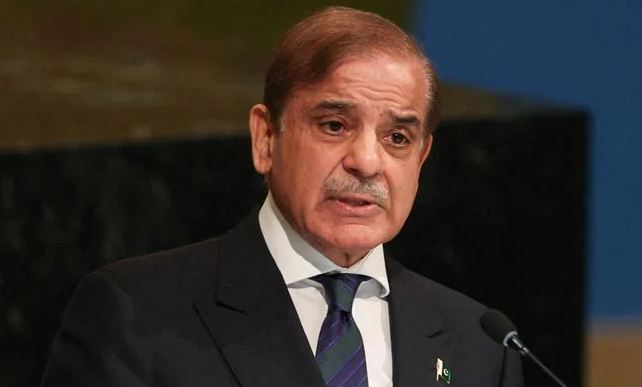
The federal cabinet, chaired by Prime Minister Shehbaz Sharif okayed the decision that aims to promote investment and trade with friendly countries, enabling visa-free entry for investors and businessmen.

Additionally, the cabinet approved the establishment of special courts under the SECP Act 1997, the signing of an MoU between Pakistan and Denmark, and the increase in the number of members of the Privatization Commission Board.

While addressing the cabinet meeting the Prime Minister said the government is undertaking efforts to ensure ease of business in the country.

Citing a recent meeting amongst different ministries, he said they have agreed to a liberal visa regime to promote investment and tourism including religious tourism in the country. He said the visa regime will be presented in the cabinet for the approval. Sharing details of the new visa regime, the Prime Minister said it envisages major changes, including providing free visas to businessmen and tourists from one hundred and twenty-six countries.

He was confident that this policy will open Pakistan’s corridors for tourists and business community. He said the visa will also be provided in twenty-four hours through electronic travel authorization form.

The Prime Minister said e-gates will also be established at nine airports and Gwadar port. He said these e-gates will be established in Karachi, Lahore and Islamabad airports in the first phase.

Harris vs. Trump: What’s Next for Pakistan?

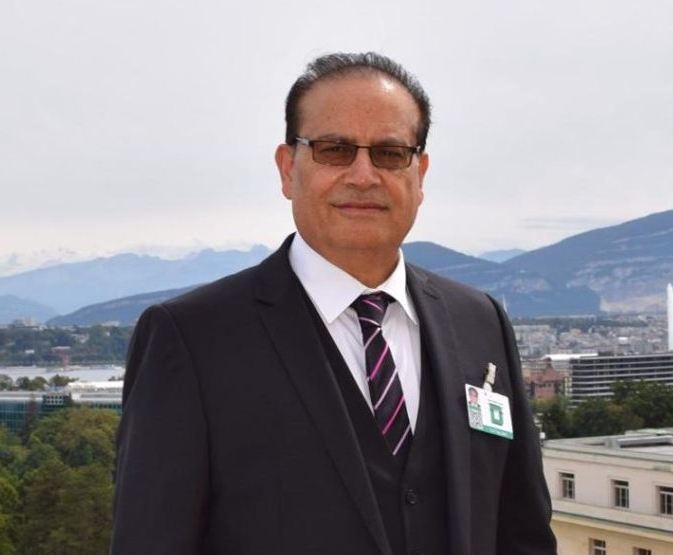
Qamar Bashir

By: Qamar Bashir

The divine approval seemed to suddenly turn away from Joe Biden after he fumbled, lost his words, and struggled to maintain the sequence while making points, showing visible signs of aging. Later, he contracted coronavirus, perhaps seen as the final push of the divine to move him out of the president’s slot. The “Huma,” the “Bird of Paradise,” which had been protecting his presidency, flew away in search of a new abode. For the first time, it found not a man, but a woman of mixed heritage—Black and Tamil—bestowing her with the strength and charisma to enter the race to become the first-ever female president of the world’s most powerful country in known history.

She was nominated by Joe Biden as his successor, but this was only half the battle won. She still has to pass many tests and cross numerous formidable hurdles to officially secure her position as the Democratic nominee and run for the presidency. With the broadest smile, exuding confidence and competence, she is well-prepared for the challenge, but the path ahead is steep, with stiff competition from many men with impressive CVs and compelling credentials.

However, fate seems to be smiling on her. She has already made significant strides towards securing the Democratic nomination for the presidency. She has successfully garnered the support of enough Democratic delegates, and top Democrats, including elected officials, party leaders, and political organizations, have rallied behind her following President Joe Biden’s decision to drop his bid for reelection. She has set a new 24-hour record  of raising $48 million for presidential donations, and several state delegations, including Texas and California, have confirmed their support.

But who is Kamala Harris?. Shew was born on October 20, 1964, is a member of the Third Baptist Church of San Francisco, a mixed race, with a Black and South Asian heritage. Her mother, the late Shyamala Gopalan, a PhD was of Indian Tamil descent from Madras (now Chennai), India. Her father, Donald Jasper Harris, is of Jamaican descent and is an economist and professor emeritus at Stanford University. Kamala has one sibling, a younger sister named Maya Harris, who is a lawyer, public policy advocate, and political analyst, and who served as a senior policy advisor to Hillary Clinton’s 2016 presidential campaign.  She is married to Douglas Emhoff, an attorney. They got married on August 22, 2014. She does not have biological children but is a stepmother to Emhoff’s two children from his previous marriage, Cole and Ella Emhoff.

Kamala Harris earned a Juris Doctor (J.D.) from the University of California, Hastings College of the Law, in 1989. She began her legal career as a deputy district attorney in Alameda County, later serving as San Francisco’s District Attorney from 2004 to 2011, and as California’s Attorney General until 2017. Her career culminated with her election as Vice President alongside President Joe Biden in 2020.

Like all countries, Pakistan is closely watching the ups and downs of the U.S. elections. Pakistan, like others, is evaluating both Donald Trump and Kamala Harris for their expected policies toward Asia, South Asia, and Pakistan.

Pakistan has already experienced Trump’s presidency, so his policies may not come as a surprise. However, Trump had some positive aspects for Pakistan. He prioritized counter-terrorism and used military force and economic sanctions to curb terrorism. His administration carried out drone strikes and targeted terrorist leaders in Afghanistan and Pakistan. In Afghanistan, Trump focused on reducing U.S. military presence while negotiating with the Taliban, leading to the Doha Agreement aimed at withdrawing U.S. troops. His approach to countries perceived to harbor terrorists involved applying pressure through sanctions and military actions.

Regarding the Kashmir dispute, Trump generally supported India’s position, occasionally offering to mediate between India and Pakistan, but his administration was less vocal about human rights concerns in the region.

Trump’s view of Pakistan-China relations was generally wary, seeing Pakistan primarily through the lens of counter-terrorism and regional stability rather than as a broader geopolitical partner. He strengthened U.S.-India relations, viewing India as a key strategic partner to counterbalance China’s influence in the region, which sometimes strained U.S.-Pakistan relations.

On the other hand, Kamala Harris is likely to maintain a strong stance on counter-terrorism, emphasizing a combination of military, diplomatic, and economic tools. She is expected to support initiatives that enhance regional stability and cooperation in counter-terrorism efforts.

In Afghanistan, Harris would focus on ensuring that the country does not become a haven for terrorists again, emphasizing diplomatic solutions and international cooperation.

On the Kashmir dispute, Harris may take a more balanced approach, emphasizing human rights and democratic values. She has previously expressed concerns about the situation in Kashmir, which could lead to a more vocal stance on human rights issues.

Regarding Pakistan-China relations, Harris is likely to acknowledge their strategic importance while seeking to balance U.S. interests in the region, potentially engaging Pakistan in broader diplomatic and economic initiatives to counterbalance China’s influence.

Under Trump, India was seen as a crucial partner in the Indo-Pacific strategy to counter China’s rise, leading to significant defense agreements and a strong bilateral relationship.

Under Harris, while India will likely continue to be a strategic partner in counterbalancing China, she might also stress human rights and democratic values in U.S.-India relations, potentially leading to a more holistic approach.

For Pakistan, this comparison seems to tilt in favor of Kamala Harris becoming President of the USA. However, the true test will come once her policies take shape after she assumes office and confronts the ground realities and complexities of geopolitics. She will only realize the full impact of the intricate layers of bilateral and multilateral relations after assuming the mantle of power. Pakistan may likely be overshadowed by larger issues such as the Russia-Ukraine war, the China-Taiwan standoff, the trade and innovation war between the U.S. and China, and the Israel-Gaza conflict to name a few.

By: Qamar Bashir

Former Press Secretary to the President

Former Press Minister to the Embassy of Pakistan to France

Former MD, SRBC

TTP’s Afghan-based terror attacks unacceptable; Pakistan fully prepared to protect citizens: PM

Shehbaz Sharif

ISLAMABAD, Jul 24 (DNA): Prime Minister Shehbaz Sharif on Wednesday denounced the terror attacks in Pakistan involving Tehreek-e-Taliban Pakistan (TTP) using Afghan soil saying that was “unacceptable” as Pakistan was fully prepared to protect its citizens but desired to resolve the matter peacefully.

The prime minister, in his remarks at the meeting of the federal cabinet chaired by him, pointed out the surge in terror incidents, particularly in Khyber Pakhtunkhwa and Balochistan causing the killing of the personnel of the army, police and civil armed forces.

He called the terrorism wave a machination against Pakistan as it was taking place at a time when the coalition government was making efforts for the country’s development as it reached a Staff Level Agreement with IMF despite challenges and announced a three-month relief package for 96% of domestic power consumers.

Highlighting the role of Afghanistan in the surged wave of terrorism, the prime minister said the government was in interaction with them as Defence Minister Khawaja Muhammad Asif also visited there.

“But how is it possible that we hosted millions of their people here without any complaint? We treated them like our brothers and never considered them as a burden. But we were rewarded in the form of TTP attacks on our citizens to mar the country’s peace and business. This is not acceptable,” he remarked.

He said Pakistan was ready to face any kind of situation as its valiant armed forces had sacrificed their lives to safeguard the country and its people.

Prime Minister Shehbaz also highlighted that the perpetrators of the May 9 riots, who had also attacked parliament, PTV and besieged the PM House in the past, had resorted to new tactics to malign the country and its armed forces as a malicious campaign was run against Army Chief General Asim Munir from the official website of Pakistan Tehreek-e-Insaf.

“We will not tolerate any such steps against the country, its innocent people, and armed forces,” he said and called for national unity to protect the national interest.

The prime minister apprised the members of a decision to abolish the visa fees for 126 countries as a “quantum jump” to bring ease of doing business and attract businessmen, tourists and travelers to Pakistan. The decision, made after a threadbare discussion, would be tabled before the cabinet for its consideration, he added.

He said the deficiency of the visa fees would be made up by foreign exchange earned through investment and tourism, including religious tourism of which Pakistan has immense potential.

Prime Minister Shehbaz said that the visitors would get visas within 24 hours through the electronic travel authorization form. Besides, the E-gates would be established at Gwadar Port and nine airports – initially in Islamabad, Lahore and Karachi airports.

The prime minister strongly condemned the unprecedented human rights abuses of Israel against Palestinians as around 40,000 Palestinians had been killed including thousands of children and women.

He said despite the resolutions passed by the United Nations Security Council and UN General Assembly and the decision by the International Court of Justice, Israel was unbudged from its oppression which was highly condemnable.

The prime minister drew attention to the attacks on Pakistan’s missions in Germany and London. He said the Foreign Office had timely taken up the matter and that the envoys of the countries concerned should be given demarches to seek the protection of Pakistan’s missions.

Railways putting maximum efforts retrieve 13,972 acres land

Railways putting maximum efforts retrieve 13,972 acres land

ISLAMABAD, Jul 24 (APP/DNA): Pakistan Railways has accelerated the efforts to retrieve the major portion of around 13,972 acres of land worth billions of rupees found under the illegal occupation of private individuals and different government departments across the country.

“Around 5,809 acres were occupied in Punjab, 1,181 acres are under encroachment in Khyber Pakhtunkhwa, 5,948 acres in Sindh and 1,034 acres land occupied in Balochistan,” an official in the Ministry told APP.

He said the category of land under illegal occupations included commercial, residential, agricultural and various persons or departments.

Giving details of the land, the official said that around 769 acres were commercial in all the provinces, 3,309 residential, 5,512 acres agricultural and 4382 were under encroachment of various persons or departments.

The official said the department had also decided to accelerate its ongoing anti-encroachment operation against land grabbers across the country to recoup its land from different individuals, groups, and even business organizations which were using it for residential, commercial and agriculture purposes for decades.

“The joint procedure orders have been issued to all Divisional Superintendents of Pakistan Railways to retrieve the railway land from encroachers,” the official added.

Accordingly, he said the anti-encroachment operations for retrieval of encroached Railway land all over the Railway network are being initiated by the concerned divisions and notices are issued to encroachers under the Possession Ordinance 1965 for vacation of Railway land/structure within 14 days.

The official said that Pakistan Railway Police, District Administration and law enforcement agencies are informed of necessary assistance in anti-encroachment operations.

He Pakistan Railways owned 167,690 acres of land across the country, of which 90,326-acre was in Punjab, 39,428-acre in Sindh, 28,228-acre in Balochistan, and 9,708-acre in Khyber Pakhtunkhwa.

Ambassador Blome highlights enduring U.S.-Pakistan partnership at ISSI conference

Ambassador Blome

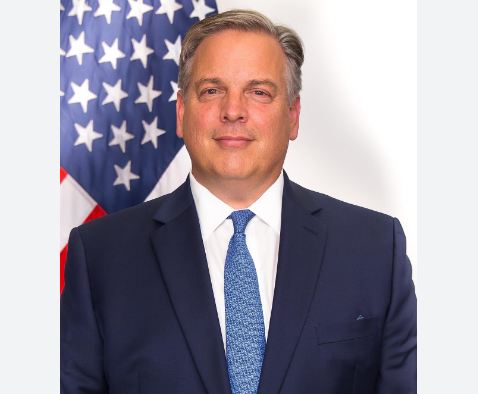
ISLAMABAD, JUL 24 /DNA/ – Ambassador Blome:  Ambassador Sohail Mahmood, Director General, ISSI; Dr. Neelum Nigar, Director, Center for Strategic and Policy Studies, ISSI; Ambassador Mansoor Ahmad Khan, Beaconhouse National University; Additional Secretary Maryam Aftab.  Thank you, Mahrukh, for having me today and a very good morning.

It’s great to be back at the Institute of Strategic Studies to discuss the U.S.-Pakistan relationship – one that has been, and remains, vitally important for both our countries and the region.  I look forward to outlining today exactly how and why that is the case.

The United States and Pakistan share a long history of partnership and cooperation.  It is a relationship that has endured despite its many challenges.  Some observers contend the United States and Pakistan have sometimes struggled to understand each other.  But that assessment simplifies and obscures what we have accomplished through several decades of collaboration.

But before I get to those accomplishments, I want to make clear why this relationship is important for the United States and why we have invested in it over the years.  Simply put, we recognize Pakistan’s enormous potential.  It is one of the world’s most populous countries, with a growing and dynamic young population.  And in my engagements with that young generation, I continue to be impressed by their ambitions, their ideas, their commitment to seeing a better and brighter future for their country.  Those sentiments represent economic opportunities to explore in climate, technology, manufacturing, trade, security – areas for growth and development that would not only benefit Pakistan but also the region and the world.  We want Pakistan and its citizens to realize those possibilities.

At the same time, we cannot ignore our cooperation in combating threats to regional and global peace and security.  We recognize the sacrifices Pakistanis have made to confront terrorism, and we will continue to be a partner in strengthening your ability to counter these threats.  A stable and secure Pakistan is key to ensuring broader regional stability, and we want to help advance that shared objective.

Many would argue that security issues have been at the center of our relationship, but I would counter that they are not – and should not be — the sole defining aspect of our partnership.  In the past few years alone, the United States and Pakistan have tackled great obstacles – such as floods, a pandemic, economic setbacks.  Those of us who have worked together to strengthen this relationship have always recognized that our partnership is, and has always been, part of a longer journey toward increased prosperity and security for both our two nations.  And each step of this journey, across many different fields, has been important.

The United States is committed to seeing this partnership succeed and flourish, which is why we have invested so much in it over the years.  And I’d like to spend just a little bit of time now to highlight just how we’ve done that.

We can start now with our economic partnership, one of the cornerstones of our relationship.  The significance of our economic ties is evident in our trade relations.  The United States is Pakistan’s largest export market globally, and last year alone bilateral trade between our nations exceeded $9 billion, a testament to the robust economic relationship we share.  It bears noting that Pakistan runs about a $3 billion trade surplus with the United States.

The private sector has recognized Pakistan’s potential and has also contributed to growth and prosperity.  American businesses have played a leading role in Pakistan since its founding, further deepening our connections.  U.S. firms overwhelmingly employ Pakistanis from top to bottom, train them for the highest technical and management levels.  These employees go on to establish and run their own global firms, helping Pakistan realize its enormous potential and showcasing the far-reaching impact of our economic collaboration.  They bring American values of openness, transparency, and community citizenship to the private sector here.  These companies provide nearly a hundred thousand Pakistani jobs, drive critical research and development, and support local communities.

Sustaining and growing this long-term relationship, however, faces additional headwinds as Pakistan’s economy sits at a critical juncture.  We recognize the need for serious economic reforms – implemented courageously and purposefully.  We fully support Pakistan’s work with the IMF to develop a sustainable approach to its budget and fiscal challenges, and Pakistan has made important progress on this front in recent days.  Ultimately, Pakistan needs to solve the problem of generating economic growth, which will only come through unleashing the creativity and energy of its private sector. 

Beyond these areas, the United States has been a leading contributor to Pakistan’s development.  U.S. assistance has most notably supported infrastructure initiatives, including the rehabilitation and completion of the Mangla, Tarbela, Gomal Zam, Satpara, and Golen Gol hydroelectric projects.  These dams provide clean, affordable energy to millions of homes, prevent catastrophic water shortages, and mitigate the damaging effects of flooding.  Today we are upgrading Mangla with new General Electric turbines.  These originals lasted 50 years, and the new versions will last another 50 years.  That’s a 100-year investment in Pakistan the United States has funded directly, not through loans.  That is what we mean by commitment. 

In addition to the more than $215 million we provided for flood recovery and relief, we are also making investments in clean energy, water, and agriculture to help better position Pakistan for the future.

I want also to focus on what is ahead for our relationship, rather than recite a list of what we have already accomplished.  I’m sure you have heard me speak about the U.S.-Pakistan Green Alliance framework.  It is a great example of the impact of bilateral collaboration that deserves wider recognition.

Through the “Green Alliance” framework, our countries are working to address today’s most pressing challenges, especially around water management, climate-smart agriculture, and renewable energy – investments that will provide a more sustainable and resilient future for everyone.

This summer, we are launching a new climate-smart agriculture program to help farming families adapt and prepare the agriculture sector for a new era of sustainability and improved water management.

Going green not only mitigates climate change and environmental degradation, it also offers Pakistan tremendous economic opportunity.  Green industries are increasingly profitable, expand trade and investment, and create new jobs, new industries, and new opportunities for our people.  And we’re seeing this happen.

We need to collaborate and innovate with partners around the world if we are going to solve this collective problem.  We want to have Pakistan as our partner in this challenge, and we see tremendous potential in this area that will benefit our countries for some time to come.

Let me point out as well other areas where the United States has invested in the future of Pakistan, many of which deserve more recognition for what they aim to accomplish.  We are a steadfast supporter of Pakistan’s healthcare system.  In May, the United States and the Sindh government launched a groundbreaking initiative with an investment of $9 million, aimed at addressing tuberculosis, a significant health challenge in Pakistan.  The U.S. government is providing more than $85 million in funding to address malnutrition in Pakistan, including $12 million to treat acutely malnourished children.  In education, our programs have constructed hundreds of new schools and rehabilitated thousands more, providing access to quality education for millions of Pakistani children and training for thousands of teachers.  This investment will pay dividends into the future, bolstering the well-being of millions and preparing Pakistan for the challenges of the 21st century.

In addition, the U.S. Mission sends more than 500 Pakistanis to the United States each year on educational and professional exchanges.  We support the two-way exchange of U.S. and Pakistani artists, musicians, and subject matter experts on topics of interest such as climate change and entrepreneurship.  Our Pakistan-U.S. Alumni Network now consists of more than 44,000 members across 14 chapters throughout Pakistan – the largest in the world.  And these people-to-people programs help ensure the economic ties we are building rest on a solid foundation of mutual understanding and appreciation.

The U.S. Embassy in Pakistan spends more than $20 million annually to support academic exchange opportunities for Pakistanis, including our prestigious Humphrey and Fulbright programs.  We have provided more than $30 million to support 34 university partnerships between U.S. and Pakistani institutions of higher education.  We’ve established four Centers for Advanced Studies in energy, water, and agriculture that are generating the applied research and innovation needed to help solve Pakistan’s most pressing development challenges.

Another aspect of our work is the continued commitment to preserving Pakistan’s rich cultural heritage, which has supported 35 cultural preservation projects nationwide since 2001.  Through the Ambassadors Fund for Cultural Preservation and other grants, we have supported the conservation of Gandhara archaeological treasures, the preservation of Mughal architectural heritage such as Wazir Khan Mosque, the restoration of Sufi shrines and Hindu monuments such as Hazrat Shah Shams Tabraiz and Varun Dev, and supported the preservation of Buddhist monasteries such as Takht-i-Bahi.

These investments speak to the long history and depth of the U.S.-Pakistan relationship and to our commitment to Pakistan’s people and its future.

At the same time, it is imperative that the United States and Pakistan continue working together to advance our shared goals of regional and global peace, stability, and security.

We must remain resolute in our fight against terrorism, and the United States and Pakistan share this understanding.  Both our countries and our people have paid heavy costs due to terrorism.  We commend Pakistan for its decades of cooperation in fighting terrorism, whether from TTP or other non-traditional security threats.

The United States has provided more than $1 billion to Pakistan’s federal and provincial institutions for justice and security projects in the past 40 years.  Such initiatives have provided life-saving equipment to law enforcement, improved security infrastructure, and trained police, prosecutors, and judges around the country.  These programs also help incorporate more women into the justice sector, building trust and access to often marginalized populations.  We continue to look for opportunities to build this capacity and improve Pakistan’s capabilities to counter the threats it faces.

Pakistan and the United States share the goal of protecting refugees and asylum seekers and facilitating the efficient resettlement of eligible Afghans to the United States.  We have been in close coordination with the Pakistani government on this important issue and will continue to work together in good faith.

Just as important, we continue to advocate for upholding the rights of all Pakistanis – especially the freedoms of expression, assembly, and worship – that are guaranteed in the country’s laws and constitution.  Protecting human rights for all is not just a fundamental pillar of a democracy; it is a critical component of a vibrant and stable society, drawing on the talents and contributions of all its citizens for the country’s benefit.  Without such stability, the prospects for investment and economic growth appear far less certain.

In closing, I want to emphasize this fact:  we stand stronger together.  And having been here as the U.S. Ambassador to Pakistan for more than two years, it is even clearer to me that our countries must become even closer if the world is going to begin solving the challenges I outlined today.

I see one immediate opportunity to do just that.  As you likely know, Pakistan will assume a seat on the UN Security Council starting next year.  This tenure is an important opportunity for the United States and Pakistan to work together on all these issues.  Pakistan is uniquely positioned to be a bridge at the UN given its positive relationships within the region and with the other members of the Security Council.  Pakistan’s voice deserves to be heard, and the United States looks forward to working with its representatives to strengthen regional stability and to promote human rights and religious freedom for everyone.

As I said at the beginning of my remarks, this relationship is vital, and it has endured.  And I trust it will continue to do so in the years ahead as we build on what we have accomplished and identify new areas for cooperation on these shared objectives.

Thank you for your time and I hope the conference discussions are fruitful.

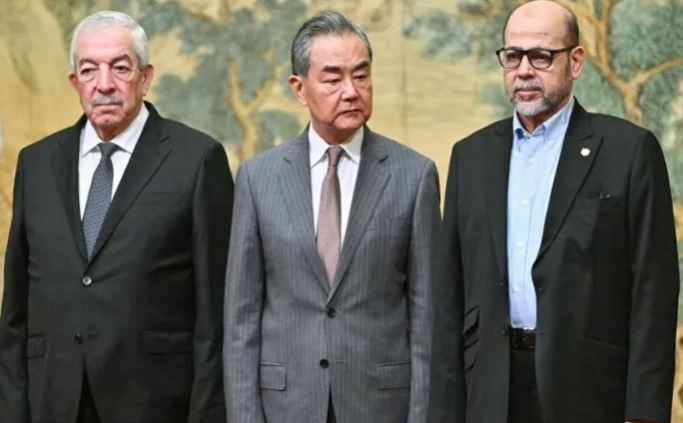
Hamas, Fatah sign unity deal aimed at Gaza governance

Hamas, Fatah sign unity deal aimed at Gaza governance

The factions have agreed an ‘interim national reconciliation government’, says Chinese Foreign Ministry.

News Desk

BEIJING, JUL 23: Palestinian factions have signed a “national unity” agreement aimed at maintaining Palestinian control over Gaza once Israel’s war on the enclave concludes.

The deal, finalised on Tuesday in China after three days of intensive talks, lays the groundwork for an “interim national reconciliation government” to rule post-war Gaza, said Chinese Foreign Minister Wang Yi. The agreement was signed by long-term rivals Hamas and Fatah, as well as 12 other Palestinian groups.

 “Today we sign an agreement for national unity and we say that the path to completing this journey is national unity,” said senior Hamas official Mousa Abu Marzouk at a news conference in Beijing.

Mustafa Barghouti, secretary-general of the Palestinian National Initiative, one of the 14 factions to sign the accord, told Al Jazeera the agreement goes “much further” than any other reached in recent years.

He said its four main elements are the establishment of an interim national unity government, the formation of unified Palestinian leadership ahead of future elections, the free election of a new Palestinian National Council, and a general declaration of unity in the face of ongoing Israeli attacks.

The move towards a unity government is especially important, he said, because it “blocks Israeli efforts to create some sort of collaborative structure against Palestinian interests”.

Reconciliation between Hamas and Fatah would be a key turning point in internal Palestinian relations. The two main Palestinian political parties in the Palestinian territory have been bitter rivals since conflict arose in 2006, after which Hamas seized control of Gaza.

 “We’re at a historic junction,” Abu Marzouk said,. “Our people are rising up in their efforts to struggle.”

Hamas, which led the October 7 attack on Israel, advocates for armed resistance against Israel’s occupation.

Fatah controls the Palestinian Authority, which has partial administrative control of the occupied West Bank. It favours peaceful negotiations in pursuit of a Palestinian state.

Several past reconciliation bids between the two factions have failed. However, calls have grown for them to come together as the war has dragged on and Israel and its allies, including the United States, have discussed who could govern the enclave after the fighting ends.

Barghouti said the war in Gaza was the “main factor” motivating the Palestinian sides to set aside their differences.

“There is no other way now but for Palestinians to be unified and struggle together against this terrible injustice,” he said.

 “The most important thing now is to not only sign the agreement, but to implement it.”

Israel vehemently opposes any Hamas role in governing Gaza, and has suggested in the face of opposition even from Washington that it intends to maintain control of the enclave.

Israel was, therefore, quick to slam the announced deal.

Targeting Fatah chief and Palestinian Authority President Mahmoud Abbas for cooperating with Hamas, Minister of Foreign Affairs Israel Katz reasserted his government’s stance that no one but Israel will control Gaza following the end of hostilities.

“Instead of rejecting terrorism, Mahmoud Abbas embraces the murderers and rapists of Hamas, revealing his true face,” Katz claimed on X. “In reality, this won’t happen because Hamas’s rule will be crushed, and Abbas will be watching Gaza from afar. Israel’s security will remain solely in Israel’s hands.”

China, which has sought to play a mediating role in the conflict, previously hosted Fatah and Hamas in April.

During those talks, the pair “expressed their political will to achieve reconciliation through dialogue and consultation” and made progress on “many specific issues”, Chinese Ministry of Foreign Affairs spokesman Lin Jian said at the time.

The latest round of talks featured Hamas’s political leader Ismail Haniyeh and Fatah’s deputy head Mahmoud al-Aloul.

Following the signing of what has been referred to as the “Beijing Declaration”, China’s Wang said: “Reconciliation is an internal matter for the Palestinian factions, but at the same time, it cannot be achieved without the support of the international community.”

China has historically been sympathetic to the Palestinian cause and supportive of a two-state solution to the Israel-Palestine conflict.

Chinese President Xi Jinping has called for an “international peace conference” to end the war.

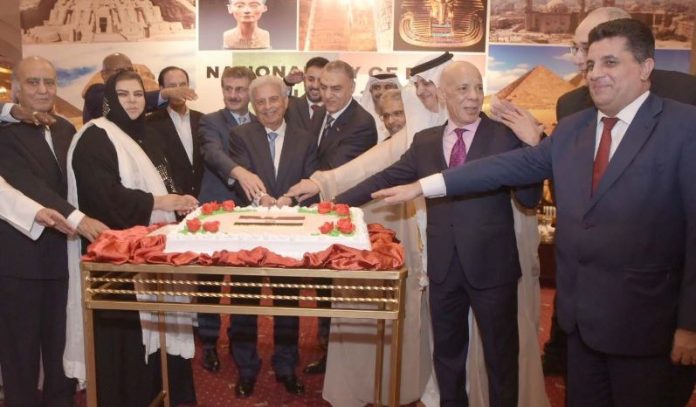
Federal Minister, Egyptian Ambassador honor Egypt’s National Day in Islamabad

Federal Minister, Egyptian Ambassador honor Egypt's National Day in Islamabad

ISLAMABAD, JUL 23 /DNA/ – Chief Guest Rana Tanveer Hussain, Federal Minister for Industries and Production, along with Ambassador of Egypt Dr. Ihab Abdelhamid, and other dignitaries, participated in a cake-cutting ceremony to celebrate Egypt’s National Day. The event highlighted the strong bilateral relations between Pakistan and Egypt. DNA


Harris vs. Trump: What’s Next for Pakistan?

Qamar Bashir

By: Qamar Bashir

The divine approval seemed to suddenly turn away from Joe Biden after he fumbled, lost his words, and struggled to maintain the sequence while making points, showing visible signs of aging. Later, he contracted coronavirus, perhaps seen as the final push of the divine to move him out of the president’s slot. The “Huma,” the “Bird of Paradise,” which had been protecting his presidency, flew away in search of a new abode. For the first time, it found not a man, but a woman of mixed heritage—Black and Tamil—bestowing her with the strength and charisma to enter the race to become the first-ever female president of the world’s most powerful country in known history.

She was nominated by Joe Biden as his successor, but this was only half the battle won. She still has to pass many tests and cross numerous formidable hurdles to officially secure her position as the Democratic nominee and run for the presidency. With the broadest smile, exuding confidence and competence, she is well-prepared for the challenge, but the path ahead is steep, with stiff competition from many men with impressive CVs and compelling credentials.

However, fate seems to be smiling on her. She has already made significant strides towards securing the Democratic nomination for the presidency. She has successfully garnered the support of enough Democratic delegates, and top Democrats, including elected officials, party leaders, and political organizations, have rallied behind her following President Joe Biden’s decision to drop his bid for reelection. She has set a new 24-hour record  of raising $48 million for presidential donations, and several state delegations, including Texas and California, have confirmed their support.

But who is Kamala Harris?. Shew was born on October 20, 1964, is a member of the Third Baptist Church of San Francisco, a mixed race, with a Black and South Asian heritage. Her mother, the late Shyamala Gopalan, a PhD was of Indian Tamil descent from Madras (now Chennai), India. Her father, Donald Jasper Harris, is of Jamaican descent and is an economist and professor emeritus at Stanford University. Kamala has one sibling, a younger sister named Maya Harris, who is a lawyer, public policy advocate, and political analyst, and who served as a senior policy advisor to Hillary Clinton’s 2016 presidential campaign.  She is married to Douglas Emhoff, an attorney. They got married on August 22, 2014. She does not have biological children but is a stepmother to Emhoff’s two children from his previous marriage, Cole and Ella Emhoff.

Kamala Harris earned a Juris Doctor (J.D.) from the University of California, Hastings College of the Law, in 1989. She began her legal career as a deputy district attorney in Alameda County, later serving as San Francisco’s District Attorney from 2004 to 2011, and as California’s Attorney General until 2017. Her career culminated with her election as Vice President alongside President Joe Biden in 2020.

Like all countries, Pakistan is closely watching the ups and downs of the U.S. elections. Pakistan, like others, is evaluating both Donald Trump and Kamala Harris for their expected policies toward Asia, South Asia, and Pakistan.

Pakistan has already experienced Trump’s presidency, so his policies may not come as a surprise. However, Trump had some positive aspects for Pakistan. He prioritized counter-terrorism and used military force and economic sanctions to curb terrorism. His administration carried out drone strikes and targeted terrorist leaders in Afghanistan and Pakistan. In Afghanistan, Trump focused on reducing U.S. military presence while negotiating with the Taliban, leading to the Doha Agreement aimed at withdrawing U.S. troops. His approach to countries perceived to harbor terrorists involved applying pressure through sanctions and military actions.

Regarding the Kashmir dispute, Trump generally supported India’s position, occasionally offering to mediate between India and Pakistan, but his administration was less vocal about human rights concerns in the region.

Trump’s view of Pakistan-China relations was generally wary, seeing Pakistan primarily through the lens of counter-terrorism and regional stability rather than as a broader geopolitical partner. He strengthened U.S.-India relations, viewing India as a key strategic partner to counterbalance China’s influence in the region, which sometimes strained U.S.-Pakistan relations.

On the other hand, Kamala Harris is likely to maintain a strong stance on counter-terrorism, emphasizing a combination of military, diplomatic, and economic tools. She is expected to support initiatives that enhance regional stability and cooperation in counter-terrorism efforts.

In Afghanistan, Harris would focus on ensuring that the country does not become a haven for terrorists again, emphasizing diplomatic solutions and international cooperation.

On the Kashmir dispute, Harris may take a more balanced approach, emphasizing human rights and democratic values. She has previously expressed concerns about the situation in Kashmir, which could lead to a more vocal stance on human rights issues.

Regarding Pakistan-China relations, Harris is likely to acknowledge their strategic importance while seeking to balance U.S. interests in the region, potentially engaging Pakistan in broader diplomatic and economic initiatives to counterbalance China’s influence.

Under Trump, India was seen as a crucial partner in the Indo-Pacific strategy to counter China’s rise, leading to significant defense agreements and a strong bilateral relationship.

Under Harris, while India will likely continue to be a strategic partner in counterbalancing China, she might also stress human rights and democratic values in U.S.-India relations, potentially leading to a more holistic approach.

For Pakistan, this comparison seems to tilt in favor of Kamala Harris becoming President of the USA. However, the true test will come once her policies take shape after she assumes office and confronts the ground realities and complexities of geopolitics. She will only realize the full impact of the intricate layers of bilateral and multilateral relations after assuming the mantle of power. Pakistan may likely be overshadowed by larger issues such as the Russia-Ukraine war, the China-Taiwan standoff, the trade and innovation war between the U.S. and China, and the Israel-Gaza conflict to name a few.

By: Qamar Bashir

Former Press Secretary to the President

Former Press Minister to the Embassy of Pakistan to France

Former MD, SRBC

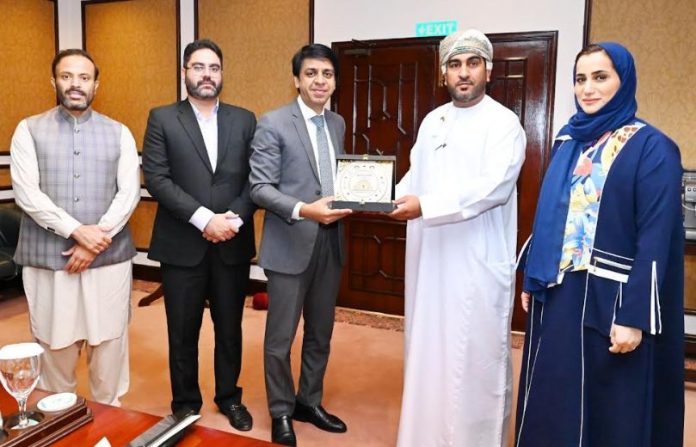
Oman Chamber delegation explores investment opportunities in Pakistan with RCCI

RCCI

RAWALPINDI, JUL 23: /DNA/ – President, RCCI, Saqib Rafiq had a meeting with the visiting delegation of Oman Chamber of Commerce headed by Ibtisam Ahmed Said Al Farooji, Undersecretary of the Ministry of Commerce, Industry and Investment Promotion of Oman. Matters related to the close cooperation between the Chambers of Commerce and joint ventures and exploring investment opportunities in various sectors including, Energy, IT, Tourism, Poultry, Gems and Pharmaceutical etc were discussed.

Other dignitaries included Ambassador of Oman to Pakistan, representatives of Oman Chamber of Commerce & Industry and representatives from private sector, TDAP representatives, including Mr. Arif Ullah and Mr. Ishaq Shinwari  were also present on the occasion along with Senior Vice President Muhammad Hamza Sarosh and Executive Committee Member Ikram ur Rehman Abbasi.

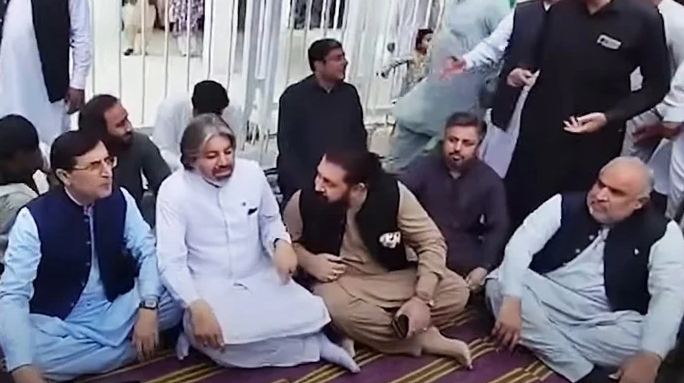
PTI kicks off hunger strike to demand Imran Khan, other leaders’ release

PTI kicks off hunger strike to demand Imran Khan, other leaders' release

ISLAMABAD, JUL 23: The embattled Pakistan Tehreek-e-Insaf (PTI) on Tuesday established a hunger strike camp outside the Parliament House in Islamabad to demand release of the party founder Imran Khan and other leaders.

The former ruling party has faced back-to-back setbacks in a few days as its central secretariat in the federal capital was sealed by the authorities earlier today a day after the party’s Information Secretary Raoof Hasan was nabbed along with the otherparty workers.

A day earlier, Islamabad police took Hasan into custody from the party’s Central Secretariat for heading a digital media cell and its alleged involvement in running anti-Pakistan propaganda.

Speaking to journalists outside parliament, the party chairman Barrister Gohar Ali Khan said that the hunger strike will be observed daily till 8pm as a token protest against “injustice” and for the PTI founder’s release and the supremacy of the parliament.

He added that he conveyed his party’s reservations to National Assembly Speaker Ayaz Sadiq over “illegal and unconstitutional actions”.

Gohar strongly condemned the sealing of the party’s secretariat in the federal capital.

It is noteworthy to mention here that the Islamabad administration sealed the PTI’s central office earlier today over “lack of fire and life safety arrangements”.

In a notice, which was obtained by Geo News, the administration said that the building lacked up-to-date fire extinguishers, emergency evacuation plan, an independent power source for the emergency system, and standard electric wiring.

The PTI secretariat was sealed by the Capital Development Authority (CDA) two months ago during an anti-encroachment operation in which a portion of the party’s central office was demolished. However, the party office reopened following the directives of the Islamabad High Court (IHC).

Another PTI senior leader and former NA speaker Asad Qaiser said: “Our first demand is to release the PTI founder, his wife Bushra Bibi and other detainees, including Hasan and party workers.”

He held the federal government responsible for the recent wave of lawlessness and inflation across the country.

Qaiser urged the Pakistan Muslim League-Nawaz (PML-N) government to immediately resign over “bad governance and mismanaging the economy”.

PTI’s Secretary-General Omar Ayub Khan said that the token hunger strike was being observed for the release of the incarcerated former premier, PTI Vice Chairman Shah Mahmood Qureshi and other arrested leaders and workers.

The opposition leader in the National Assembly censured the Metropolitan Corporation Islamabad (MCI) for sealing the PTI’s central office once again. Instead of the PTI secretariat, the MCI should seal its own office “where mice running everywhere”, he slammed.

Several PTI lawmakers joined the hunger strike camp including Gohar, Qaiser, Omar, Shibli Faraz, Latif Khosa, Ali Muhammad Khan, Falak Naz Chitrali, Sheikh Waqas, Senator Humayun Mohmand, Saifullah Abro, Shabbir Ali Qureshi, Sahibzada Sibghatullah, Mehboob Shah, Sajid Mohmand, Dawar Kundi, and others.

Stay Connected

64FansLike
60FollowersFollow

Latest Reviews

Exchange Rates

USD - United States Dollar
EUR
1.17
GBP
1.35
AUD
0.72
CAD
0.73