Home Blog Page 864

Pakistan, Afghanistan reinforce commitment to bilateral engagement

Afghanistan

ISLAMABAD, JAN 3 /DNA/ – A productive meeting was held between interim Foreign Minister Jalil Abbas Jilani and Mullah Shirin, the Governor of Kandahar. Both parties reaffirmed Pakistan’s dedication to sustaining engagement and fostering mutually advantageous ties with Afghanistan.During the discussion, emphasis was placed on the necessity of addressing all pertinent issues to unlock the complete potential for trade and connectivity between the two nations.This meeting underscores the ongoing commitment to bolstering relations and fostering cooperation for the collective benefit of both countries.

Cigarette industry drains Rs 567 billion potential revenue in past seven years

Cigarette

ISLAMABAD, JAN 3 /DNA/  – The pervasive influence of Pakistan’s cigarette industry on policymaking has not only exacted a toll on both the nation’s financial well-being and public health, but also caused a staggering Rs 567 billion loss in revenue over the last decade.

The alarming loss of revenue was unearthed through a comprehensive study delving into the dynamics of the cigarette sector and scrutinizing Federal Board of Revenue (FBR) data by the SDPI.

According to a study by the Pakistan Institute of Development Economics (PIDE) the total costs attributable to smoking-related diseases and deaths in Pakistan for 2019 reached an additional Rs 615.07 billion ($3.85 billion), with indirect costs (morbidity and mortality) making up 70% of the total cost.

However, the cigarette industry managed to influence decision making, which not only resulted in Rs 567 billion loss in potential revenue but also put extra burden on the country’s fragile healthcare system, the SDPI study reveals.

In its report titled “Pakistan: Overview of Tobacco Use, Tobacco Control Legislation, and Taxation”, the World Bank has also revealed that the decline in government revenue in the 2016-2017 fiscal year was carefully planned by the powerful cigarette industry.

The study brings attention to the influence of multinational companies and the introduction of a three-tier excise duty structure, raising concerns about tax evasion and its adverse effects on public health.

The intricate examination of associated factors indicates that safeguarding revenue streams while prioritizing public health requires a careful reevaluation of tax policies, it said.

The World Health Organization (WHO) emphasizes the need to safeguard tobacco tax policies from vested interests of cigarette companies for effective development, implementation, and enforcement of public health initiatives. However, it did not happen in Pakistan, the study said.

The study also highlighted how high and middle-income countries successfully imposed high taxes on cigarette products to decrease consumption and increase government revenues, but the fact remains that Pakistan still lacks a clear strategy on using cigarette taxation and prices as a public health tool.

The National Accountability Bureau (NAB), Senate Special Committee, and the Auditor General of Pakistan Revenue (AGPR) have also endorsed the challenges posed by the multinational cigarette industry, according to the study.

The cigarette industry in Pakistan is dominated by two multinational companies who sell household brands across Pakistan, which gives them immense control and influence over policymakers. The multinationals have long been blamed for forcing the government to rely on questionable data on the cigarette market.

As the nation grapples with these alarming findings, experts suggest that implementing high taxes on cigarettes can serve as a proactive measure in promoting public health and simultaneously bolstering the nation’s economic well-being, the SDPI said. DNA

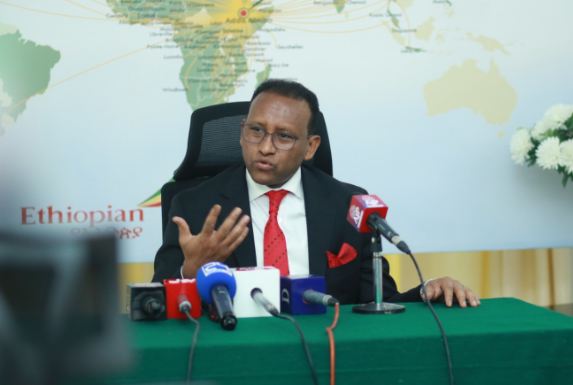
Ethiopia’s access to sea crucial for regional integration, peace & prosperity: Ambassador Jemal

Ethiopia

ISLAMABAD, JAN 3 /DNA/ – Ambassador Extraordinary and Plenipotentiary of the Federal Democratic Republic of Ethiopia (FDRE) to the Islamic Republic of Pakistan on Wednesday said the Government of Ethiopia had achieved aspirations of its people by securing access to the sea which was crucial for regional integration, peace and prosperity.

The Ambassador said signing of a Memorandum of Understanding (MoU) with the Government of Somaliland for sea access was a true reflection of the strong commitment of the Government of Ethiopia to the regional integration, collective peace, security and socio-economic development.

He said the credit for this breakthrough goes to H.E. Dr. Abiy Ahmed, the Prime Minister of FDR Ethiopia, who already won the Nobel Peace Prize for his strong commitment to peace and prosperity.

H.E. Prime Minister Abiy Ahmed had a clear vision not only for the development in Ethiopia but for the entire Africa and the world, the ambassador remarked.

The Ambassador said Ethiopia was already sharing its resources with the neighboring countries in Africa fostering strong connections with the brotherly countries. Currently, Ethiopia was exporting energy to Djibouti, Kenya and Sudan contributing to the regional integration and development in a massive way, he added.

The work on Grand Ethiopian Renaissance Dam was almost completed which would not only produce more than 5,150 Megawatts of the electricity, but also supplement efforts of the Government of Ethiopia in promoting regional development and prosperity, the Ambassador noted.

Ambassador Jemal Beker expressed gratitude to Muse Bihi Abdi, President of Somaliland, for supporting Ethiopia’s quest for access to the sea.

COP28: Rhetoric Overshadows Defence Spending vs Climate Action

COP28: Rhetoric Overshadows Defence Spending vs Climate Action

Air Vice Marshal Najam ul Asar (Retd)

Yet another Conference of the Parties (COP) to address the existential challenge to planet Earth and the human species in the form of climate change concluded in the United Arab Emirates (UAE) on 13 December 2023. It had to be extended by one day as the required consensus on phasing out of fossil fuels could not be achieved on the final declaration due to the intransigence of oil-producing countries. Eventually, the President of the conference facilitated the participants of the UN climate summit in reaching a final consensus, leading to what was termed as a ‘historic’ climate deal. Ironically however, he himself is head of the Abu Dhabi National Oil Company (ADNOC) whose appointment as COP28 President was strongly criticised by environmentalists

Twenty-seven years have passed since first COP on climate change was held in 1995 in Berlin, Germany under the United Nations Framework of Convention on Climate Change (UNFCCC) to address the issues of climate change. In 1997, COP3 adopted the ‘Kyoto Protocol’ to establish legally binding obligations for developed countries to reduce their greenhouse gas emissions. In subsequent conferences, United Nations and environmental scientists continuously warned the world that being the biggest polluters, not enough is being done by rich and developed countries to mitigate climate change and its subsequent effects.

Poor and developing countries, despite contributing minimally to climate degradation, face the most severe adverse effects. Lacking sufficient financial resources, they struggle to implement essential measures and projects crucial for their survival amidst rapidly changing climatic conditions.

In an effort to provide much-needed funding, developed countries made financial commitments to the Green Climate Fund (GCF), established in 2010. The twelfth report of the GCF, covering the period from 1 August 2022 to 31 July 2023, reveals that the total pledges and contributions during the initial resource mobilisation period (2015-19) amounted to USD 10.31 billion. As of April 2023, for the GCF 1 phase focused on replenishing funds, pledges reached USD 9.87 billion. At the recently concluded COP28, within the first four days, wealthy nations pledged an additional USD 57 billion to the GCF. However, a UN report indicates that developing nations will require USD 5.8-5.9 trillion before 2030 to effectively mitigate the impacts of climate change.

Despite being the worst polluters, developed countries are not contributing substantially to the GCF; instead, they allocate significant funds to defence expenditures. Regrettably, developing countries, despite their limited resources, are also investing heavily on defence. This global arms race consumes a colossal amount of funds annually, resources that could be more effectively used for environmental conservation. Current international tensions, such as the US-China confrontation and the war in Ukraine, have further escalated this trend, leading to a significant increase in global defence spending. When this defence expenditure is compared with the allocation of funds for climate change projects, a stark and troubling contrast emerges, highlighting a disparity in global priorities.

In 2022 USD 1.92 billion were disbursed for 28 low carbon emission and climate resilient development pathways projects around the world. In the same year (2022), Stockholm International Peace Research Institute (SIPRI) reports that a total of USD 2240 billion (USD 2.24 trillion) were spent on defence worldwide. The US, China and Russia together constituted 56% of global defence spending. Individually, USA spent USD 877 billion which is 39% of global spending and three times more than China which spent USD 292 billion on defence. The US also provided USD 19.9 billion as financial military aid to Ukraine which alone is almost double the amount pledged for GCF 1 on 31 July 2023 and even in initial resource mobilisation period (2015-19). In the same period, Central and Western Europe spent USD 345 billion; Russia USD 84.6 billion, India USD 81.4 billion, Saudi Arabia USD 75.0 billion and Ukraine USD 44 billion on defence.  

In COP28’s much acclaimed ‘historic’ deal, phase-down of fossil fuels has been included albeit in a watered down language. But again, it’s more of a rhetoric to pacify the environmentalists and portray it as the historic achievement of the conference. The sincerity of the purpose can be gauged from the fact that COP28 was attended by 2400 delegates who were associated with fossil fuel industries.  This figure is seven times larger than the Indigenous People delegation and four times more than last year’s 636 delegates – lobbyists from fossil fuel industry. Similarly, global oil and gas exploration will see an investment of USD 22 billion annually over the next five years. To maintain a temperature rise of 1.50 Celsius, the world needs to reduce the CO2 emissions by 43% of existing figures, however, it is likely to increase by 9% – needing no imagination of its consequences.

In conclusion, a straightforward comparison between the massive expenditures on defence and fossil fuel exploration versus the funds pledged for climate change mitigation starkly highlights the priorities of developed countries. These nations, primarily responsible for the current environmental crisis, demonstrate a concerning lack of seriousness in addressing the very disaster they have largely contributed to. It is not difficult to fathom where the world is heading with no fault of poor nations who, like always, continue to bear the brunt of the selfishness of rich and powerful countries as well as corporations. God save planet Earth.   

Air Vice Marshal Najam ul Asar (Retd) is Director at the Centre for Aerospace & Security Studies (CASS), Islamabad, Pakistan. He can be reached at: [email protected].

COAS commends PAF’s preparedness and indigenous technological advances

COAS

Rawalpindi, 2 Jan /DNA/ – An Induction and Operationalization Ceremony was held at an operational base of Pakistan Air Force, today. General Syed Asim Munir, NI (M) Chief of Army Staff, attended the distinguished ceremony as the Chief Guest. Upon his arrival at the base, Chief of Army Staff was received by Air Chief Marshal Zaheer Ahmed Baber Sidhu, Chief of the Air Staff, Pakistan Air Force. The ceremony showcased the newly inducted weapon systems and defence assets of PAF.

Upon his arrival, a smartly turned-out contingent of Pakistan Air Force presented Guard of Honour to the COAS.

During his speech CAS highlighted the latest inductions in the PAF’s arsenal comprising of J-10C fighter jets, air mobility platforms, modren Radars, Unmanned Aerial Systems, Loitering munition capabilities and Long Range Vectors which have significantly bolstered the aerial defence capabilities of the country.
CAS also mentioned that Center of Excellence for Air Mobility & Aviation Safety, College of Air Defence and reinvigoration of Air Power Centre of Excellence alongside operationalization of National Aerospace Science and Technology Park has provided PAF the capability to stay abreast with the evolving challenges. He emphasized upon the progress achieved by PAF in the emerging domains of Cyber and Space technologies to ensure an impregnable defence of the country.

COAS in his speech lauded the operational preparedness of Pakistan Air Force in incorporating state-of-the-art weapon systems, substantially contributing in ensuring the balance of power in the region. While emphasizing the significance of indigenization and human resource development, COAS wholeheartedly endorsed PAF’s dedication to technological advancements and operational excellence, reassuring that the Armed Forces of Pakistan are fully prepared to thwart any aggression. COAS also appreciated PAF’s efforts for transportation of Relief Goods for the victims of Gaza conflict.

Following the ceremony, a spectacular airshow was conducted, featuring various PAF fighter jets, training aircraft and UAVs. The Chief Guest and the attendees later witnessed a static display showcasing the diverse PAF fighter, air mobility and UAV fleet.

US ambassador meets Foreign Minister Jilani

US ambassador meets Foreign Minister Jilani

DNA

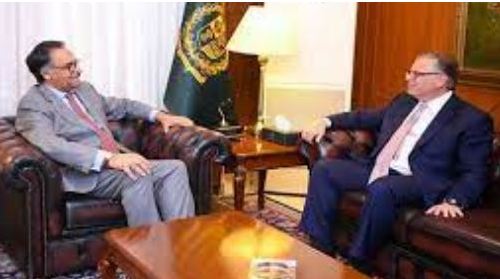
ISLAMABAD: U.S. Ambassador Donald Blome met today with Caretaker Foreign Minister Jilani to discuss a wide range of important bilateral issues, including expanded diplomatic engagement, the safe and efficient processing of Afghan citizens eligible for resettlement to the United States, as well as other issues of mutual interest.

Exercise Barracuda-Xii commences at Karachi

Exercise Barracuda-Xii commences at Karachi

DNA

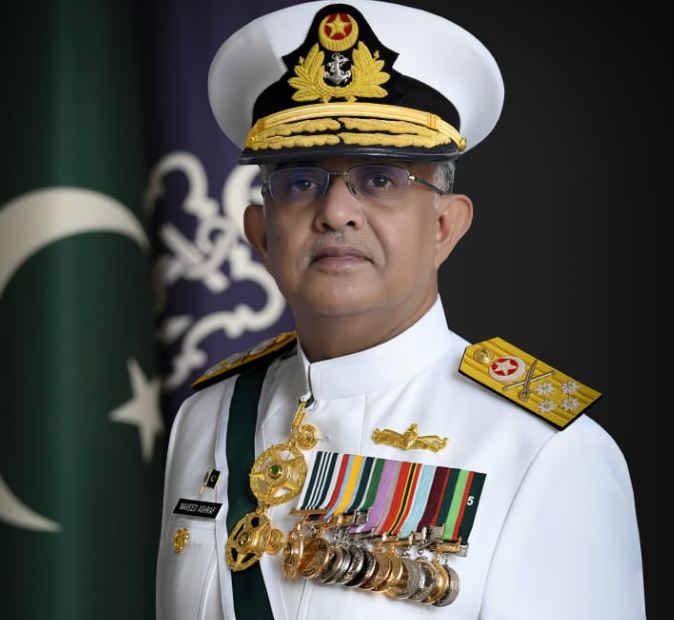
Karachi, Jan 2: International Exercise BARRACUDA-XII formally commences today at Headquarters Pakistan Maritime Security Agency (PMSA), Karachi. The event started with an impressive flag hoisting ceremony followed by wreath laying on Shuhadas monument. The ceremony was attended by observers from 13 friendly countries and officers of Pakistan Navy and PMSA. Exercise BARRACUDA-XII is scheduled from 02-04 Jan 24 and comprising Harbour and Sea phases.

Opening brief of the exercise was held at Karachi. Federal Minister for climate change Ahmed Irfan Aslam graced the occasion as Chief Guest. Foreign Observers and delegations from relevant stake holders also attended the brief wherein the Aims and objectives of Exercise BARRACUDA-XII were highlighted. Moreover, scholarly papers on response of Oil Spill and Search and Rescue at sea were presented by both National and International speakers.

During his address Chief Guest thanked all foreign delegates for their participation in the event. He further added that the exercise will continue to crystallise our preparedness for maritime disasters management. Pakistan has always been and will continue to be an ardent advocate of safe & secure seas for the wellbeing of the region and the world.

Earlier during his welcome address, DG PMSA Rear Admiral Imtiaz Ali apprised the audience about Government of Pakistan’s endeavour to curb pollution at sea and reiterated resolve of PMSA to fight Marine pollution. He further highlighted the role of PMSA in implementing the laws in National seas. He thanked the foreign participants and national maritime stakeholders for their support.

DG PMSA Rear Admiral Imtiaz Ali also called on the foreign observers and discussed the matters of mutual interest.

Exercise BARRACUDA is a marine pollution response exercise conducted biennially by PMSA since 2007. Focused on refining response mechanisms and enhancing coordination among stakeholders. The exercise serves as a critical platform to prepare for and address potential oil spills and other marine pollution incidents.

BARRACUDA-XII will unfold as an immersive experience in the North Arabian Sea providing a platform for participating countries to engage in scenario-based simulations and comprehensive drills starting from 2 Jan 24. The 03 days exercise which includes harbour and sea phase will facilitate knowledge exchange, enhance interoperability and solidify coordination among diverse maritime entities, thereby fortifying our global resilience against marine pollution incidents. As the world grapples with the imperative need to protect our oceans, BARRACUDA-XII stands as a testament to the power of international cooperation in combating marine pollution.

UBG’s historic victory in the FPCCI elections reflects the trust of the business community

FPCCI

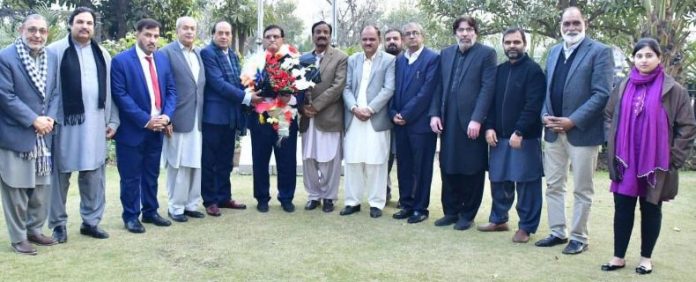
ISLAMABAD, JAN 2 /DNA/ – Zafar Bakhtawari, former President of Islamabad Chamber of Commerce and Industry (ICCI) and Secretary General, United Business Group (UBG), has said that UBG’s historic success in the FPCCI elections is a result of joint efforts of the business community. This victory is the trust of the business community in the visionary leadership of UBG led by SM Tanveer. He said this while talking at Islamabad Airport on his return from Karachi to Islamabad. He said that SM Tanveer has remarkably promoted the mission of his father by earning the trust and confidence of the entire business community of the country. The historic victory in the FPCCI elections is a testament to this fact.

Zafar Bakhtawari said that the success of Atif Ikram Sheikh as President and Saqib Fayyaz Magoo as Senior Vice President of FPCCI is a landmark positive development in the current economic situation. The new leadership of FPCCI will effectively elevate the business community’s voice on policy forums. He said that in Pakistan’s challenging economic conditions, the business community has taken significant steps through its mandate to formulate better policies. The Secretary General of UBG further emphasized that FPCCI should consult ICCI, and other major trade organizations to make effective policies for the better growth of the economy. The government, institutions, and political parties should involve the business community as stakeholders in policymaking to steer Pakistan out of difficulties. He said that the next month, Pakistan will witness general elections where the nation will choose new leadership. All political parties should ensure in their manifestos that they would work to sign a charter of the economy to ensure stable, sustainable, and long-term economic policies.  He said that the United Business Group will play an effective role in creating harmony among all the stakeholders at the national level regarding the economy.

President for improved status of women, providing enabling environment

Arif Alvi

DNA

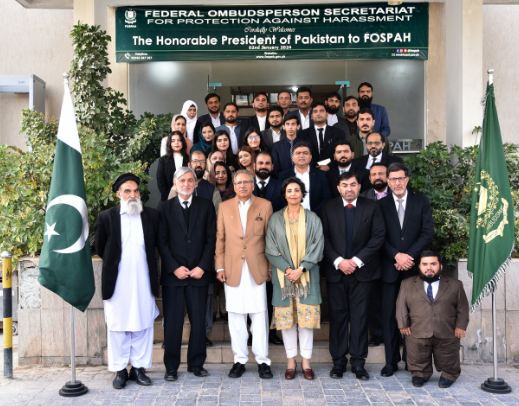
Islamabad, JAN 2: President Arif Alvi has underscored the need for taking measures to improve the status of women, provide them employment opportunities and enabling working-environment to increase their economic participation. He highlighted that our religion Islam granted property rights to women and it was our responsibility to give them their due share and create a safer society for them.

The President expressed these views while chairing a meeting during his visit to the Federal Ombudsman Secretariat for Protection Against Harassment at Workplace (FOSPAH) Head Office, in Islamabad, today. Federal Ombudsperson for Protection Against Harassment at Workplace, Ms Fauzia Viqar, Secretary FOSPAH, Mr Arif Karim, advisors and officials of FOSPAH attended the meeting.

Ms Fauzia Viqar gave a detailed presentation about the role and achievements of FOSPAH in protecting women’s rights. She informed that FOSPAH was providing speedy justice in harassment at the workplace and property cases of women who had been deprived of their ownership rights. She informed that 725 harassment cases were registered with FOSPAH, during 2023, out of which 517 cases had been decided. She said that an upsurge had been witnessed in the registration of harassment and women’s property cases with FOSPAH due to the awareness campaign about its role and functions. She apprised the meeting that harassment of women and denial of property rights to women were pervasive issues in Pakistan. Appreciating the continued support of the President Dr Arif Alvi, she told the meeting that so far 208 representations against the decisions of FOSPAH had been filed with the President, out of which only 10 were under process with the office of the President while the rest had been decided.

Addressing the meeting, the President called for taking appropriate legislative measures at the federal and provincial levels to ensure the protection of women’s property rights, besides discouraging the transfer of property by women to their family members due to pressures. He said that he was conducting personal hearings of the Ombudspersons’ cases to expedite the process of justice. He stated that highlighting important decisions of FOSPAH in harassment and women’s property cases through media would help increase awareness about the role of the Ombudsman. He said that police at the local level needed to improve their response to women’s complaints in property cases, adding that police officials should be educated about the provisions of the Enforcement of Women’s Property Rights Act, 2020.

The President urged FOSPAH to further increase its outreach and efficiency to provide speedy justice to women in harassment and property cases at their doorsteps. He also advised FOSPAH to enhance its linkages with NGOs and women’s rights organizations in Pakistan to seek suggestions for improving women’s status. The President said that providing a harassment-free and enabling environment to women in both the public and private sectors was essential for their economic and social empowerment. He underlined the need for increased engagements with the business community, particularly the chambers of commerce and industries, to provide employment to women as well as sensitize them about the importance and provisions of the Protection against Harassment at Workplace Act, 2010.

The President appreciated FOSPAH for its role in providing speedy justice to women, adding that women-led institutions like FOSPAH were critical in addressing the challenges being faced by women at workplaces as well as in acquiring their due property rights.

Japan earthquake kills nearly 50 as damaged roads hinder search for survivors

Japan earthquake kills nearly 50 as damaged roads hinder search for survivors

TOKYO, JAN 2: More than 40 people were killed after a strong 7.6-magnitude earthquake struck Japan on New Year’s Day with rescue teams on Tuesday struggling to reach remote locations where buildings had collapsed to look for possible survivors.

Monday’s quake that struck in the middle of the afternoon, prompted residents in some coastal areas to flee to higher ground as tsunami waves hit Japan’s west coast, sweeping some cars and houses into the sea.

Thousands of army, firefighters, and police officers have been sent to the devastated Noto peninsula in Ishikawa prefecture, but rescue efforts are hindered by damaged roads and difficulty in assessing the full extent of the aftermath.

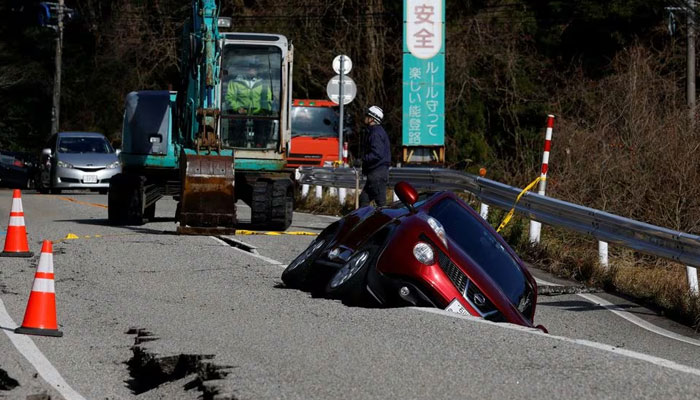
A view of a car stuck in a crack in the road, following an earthquake, near Ujima, Ishikawa prefecture, Japan January 2, 2024. — Reuters

Many rail services, ferries and flights into the area have been suspended. Noto airport has been closed due to damage to its runway, terminal and access roads, with 500 people stranded inside cars in its parking lot, according to Japan’s public broadcaster NHK.

“The search and rescue of those impacted by the quake is a battle against time,” Prime Minister Fumio Kishida said during an emergency disaster meeting on Tuesday, adding that helicopter surveys had discovered many fires and widespread damage to buildings and infrastructure.

Authorities in Ishikawa said they had confirmed 45 deaths from the earthquake so far, with half of those fatalities in hard-hit Wajima city near the quake’s epicentre, with the death toll likely to rise, Reuters reported.

Firefighters have been battling blazes in several cities and trying to free more people trapped in collapsed buildings, Japan’s fire and disaster management agency said.

A collapsed building caused by an earthquake is seen in Wajima, Ishikawa prefecture, Japan January 2, 2024, in this photo released by Kyodo. — Reuters
A collapsed building caused by an earthquake is seen in Wajima, Ishikawa prefecture, Japan January 2, 2024, in this photo released by Kyodo. — Reuters 

Over 140 tremors have been detected since the quake first hit on Monday, according to the Japan Meteorological Agency which warned more strong shocks could hit in the coming days.

A local said nearly 20 people were in her house for a New Year celebration when the quake struck but miraculously all emerged uninjured.

“It all happened in the blink of an eye,” she said.

Several world leaders sent condolence messages with United States President Joe Biden saying in a statement that Washington was ready to provide any necessary help to Japan.

“Our thoughts are with the Japanese people during this difficult time,” he said.

The Japanese government evacuated around 100,000 people on Monday night, sending them to sports halls and school gymnasiums.

Many returned to their homes on Tuesday, but 33,000 households remained without power in Ishikawa prefecture after temperatures dropped below freezing.

Most areas in the northern Noto peninsula also lack water supply, NHK reported.

Stay Connected

64FansLike
60FollowersFollow

Latest Reviews

Exchange Rates

USD - United States Dollar
EUR
1.17
GBP
1.35
AUD
0.67
CAD
0.72