Home Blog Page 850

Role of Mercantilism in the Foreign Policy of Pakistan

Role of Mercantilism in the Foreign Policy of Pakistan

Syed Laique Haider

Economic and political factors have had a profound influence on Pakistan’s foreign policy. On the international scene, Mercantilism has always been a decisive and major part of development and trade. According to this economic theory, Pakistan is able to leverage outer world markets through exporting surplus; it stores wealth; and, finally, it is always the protection of the domestic market. All these factors play a huge role in shaping the trade agreements, diplomatic relations, and international economic policies of Pakistan.From the beginning of its existence, Pakistan has always been a promoter of Mercantilism. In this way, the initial economic plans of the country drive to the fast growth of economy and expansion of the export sector, which are necessary to set this vision in or out of the country.

During the last seven decades, Pakistan’s foreign policy has attached the export-led growth path as its primary priority to increase output flow and promote trade diversification. The government has put in place protectionist measures including tariffs, quotas, and subsidies giving priority to domestic industries. Not only defensive, but these treaties also join hands with the countries from the Middle East like China, Turkey, and the Gulf states who come together in search of resources, markets, and investment. Regional economic cooperation has been realized via a number of trade and economic organizations like SAARC and ECO.

Mercantilism has been the engine of economic growth in Pakistan, materialising the goal of industrialization and job creation along with the exports. Trading has now been more diversified thereby, to a very big degree, decreasing the dependence in US and EU markets. Hence, Mercantilism has allowed Pakistan the space to engage in responsible, mutually beneficial military partnerships, as well as to pursue an independent foreign policy. However, difficulties like trade deficits,balance of payments issues and over-reliance on some few export commodities have crept in.

Pakistan’s strength lies in global trade, and it lies in regional economic cooperation and in supporting it also by competitive skills, regional value chains, and regional production networks. The country with the broadest network of good and service exports but not only(low-value products)is more likely to be successful. Moreover, productivity is a major driver of innovation and job creation. The sharing of good practices and experiences among them can accelerate the growth process in the different countries of the region. Along with India, Pakistan is on the same development path with more or less the same levels of development in various sectors. A great deal of infrastructure has been built in the last 70 years, but not much of it can be shared with other sectors rather than have a discussion on whether Mercantilism is responsible for Pakistan’s economic growth and its ability to possess strategic autonomy, it would be preferable to keep away from such traps.

For Pakistan to achieve its goals, it is very important to change its current policy and embrace an inclusive trading regime where the benefits cascading from the growth process are distributed pro-poor. Pakistan should diversify its goods and adhere to the Code of Conduct proposed by the United Nations Framework Agreement on the Regional Economic Cooperation in South Asia (India, 1990). Furthermore, multilateral trade pacts such as the South Asian Free Trade Area (SAFTA), the Central Asia Free Trade Area (CAFTA), the Gulf Cooperation Council (GCC), the Association of Southeast Asian Nations (ASEAN) or the Kellogg-Briand Pact will definitely be successful.

Rigorous policies are the hallmarks of Pakistan’s foreign policy which enables a sound economy and a strategic position. However, one can’t ignore the difficulties and drawbacks that are a result of these approaches. Through proper reformation in the world, the country could constantly achieve sustainable economic growth and strategic autonomy, as pledged. The main focus of the Mercantilist concept in foreign policy is the use of protectionism. The global economy is a kaleidoscope of both successful and broken countries. Prognosticating the winners from the losers of globalization depends on how the future dynamics of the market economy will evolve. The Joint Comprehensive Plan of Action (JCPOA) had even outlived the Biden administration and was still in force.

No politician ever gained power by not interfering in the market, and no special interest ever sponged off the rest of society by competing in the free market. That’s all the analysis you need to understand mercantilism.” Mark J. Perry

The accomplishment of making Pakistan’s foreign policy sustainable through the promotion of mercantilist has been the main source of its economic dominance and strategic freedom. Moreover, in recent years, these problems have become even more important in evaluating whether this approach is really justified and whether it is even effective.The record-high trade deficits of Pakistan have prompted queries regarding the viability of its mercantilist policies. The country’s exports have lagged behind the imports, resulting in a trade deficit that has grown and put pressure on foreign exchange reserves. Along with that, Pakistan’s exports still rely on a few commodities, such as textiles and cotton, a situation that leaves the country in the hands of the ever-changing global demand and prices.
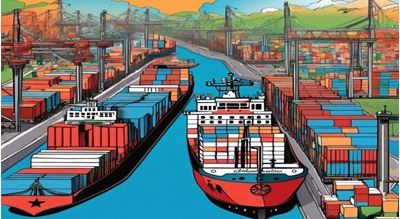
The entire protectionism outbreak and ensuing trade wars in the global sphere rearranged trade patterns, so Pakistan had to review and make amendments to its mercantilist strategy. The state has to handle the flow of global value chain and stay in cooperation with its partners and find access to new markets. Moreover, the political differences and lack of mutual economical features are still the reasons why Pakistan did not succeed when it comes to the regional economic organizations, such as SAARC and ECO.

The China-Pakistan Economic Corridor (CPEC) project has brought huge inputs and the infrastructure has benefited tremendously but there have also been worrying questions about the debt burden as well as the local industries’ condition. Pakistan has to make sure that CPEC enhances the whole economy and that it does not create an undesired level of reliance. Also, the claim that has been repeated is that usually, the pursuit of economic growth through mercantilism comes at the expense of environmental and social aspects.

Pakistan requires to incorporate environmental protection and social responsibility into its foreign policy so as to guarantee lasting prosperity. The assertion that educating, skill mastering, and research is the key to successful sustainable economic growth and comparative is irrefutable. These obstacles have to be addressed through a cleverly devised and flexible approach that includes the three crucial aspects of sustainable development, social responsibility, and human capital development.

Mercantilism is expected to take a leading position in the foreign policy of Pakistan as it sails through the whirlpools of the world economy. This economic course, which is mainly directed at exports, strategic trade agreements, and investments in local industries, is a definite mainstay of Pakistan’s foreign policy throughout its history. On the other hand, Mercantilism predicted to be the most influential factor for having Pakistan as a thriving economic hub, it may also opt for self-determined policies, and it may be instrumental in initiating eco-sustainability.The Mercantilist strategy of Pakistan will mainly consist of the expansion of their trade partnerships and development in the newer markets. Apart from looking for opportunities in Africa, Latin America, and Southeast Asia, Pakistan can utilize these avenues as its channels of trade with the rest of the globe. Besides rendering assistance to the US and the European Union as they cope with these crises, the country will likewise reinforce its connection with regional economic entities like SAARC, ECO, and SCO and pursuit of regional trade, investment, and economic growth.Investment ¾ hard infrastructure will be the driving force in Pakistan’s economy; that will also be accommodated by new factory startups and improved workforce skills.

The country will set up a high-quality infrastructure network that will be the backbone structure used for sustainable development. Pakistan by pursuing an export-led growth strategy can boost its international competitiveness, improve its production efficiency which can lead to the broadening in the range of goods they export.Strategic trade pacts with allies will ensure portal entrance, tariff reduction, and trade promotion. As a result, mutual economic cooperation will be the basic goal, followed by investment inflow, and market pull, all of which will ultimately improve Pakistan’s regional and global standing. The transition to a dynamic Pakistani digital economy and e-commerce industry would maximize trade, investment, and economic growth.

The important issues of sustainable development and environmental protection are being educated in Pakistan’s foreign policy to reach the point of balance between economic growth and environmental stability. It will also promote a positive global image, attract green finance, and support sustainable developments. A compelling factor of the Mercantilist approach in Pakistan is that the country will focus on its intellectual resources via education and innovation thus sustaining its economy environmentally, increasing efficiency and productivity.

All in all, Mercantilism will be the main propeller towards the foreign policy of Pakistan in the future, the engine which will drive the economic growth, the wheel which will ensure strategic autonomy, and the glue which will bind the sustainable development. While, the economy is walking through the storm, the Mercantilism will be the central steering wheel for the dynamic economic growth, the flourishing, and the protection of the national interests.
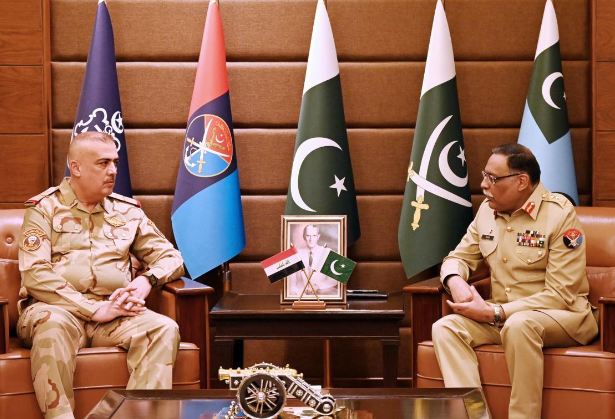

Iraqi Defence Secretary, CJCSC discuss bilateral security enhancements

Iraqi Defence Secretary, CJCSC discuss bilateral security enhancements

RAWALPINDI, AUG 19 /DNA/ – Lt Gen Ahmed Dawood Salman, Secretary Defence of Iraq called on General Sahir Shamshad Mirza, Chairman Joint Chiefs of Staff Committee, at Joint Staff Headquarters, Rawalpindi.

Matters of bilateral interests including, emerging security environment and enhancement of security and defence cooperation between the two countries were discussed during the meeting.

The visiting dignitary commended the professionalism of Pakistan Armed Forces and acknowledged the sacrifices rendered by people and Armed Forces of Pakistan in the war against terrorism.

Three soldiers embrace shahadat in Bajaur during border clash with Khwarij: ISPR

Three soldiers embrace shahadat in Bajaur during border clash with Khwarij: ISPR

RAWALPINDI, AUG 19 /DNA/ – Movement of a group of Khwarij, who were trying to infiltrate Pakistan-Afghanistan border, was picked up by the security forces in Bajaur District.

Own troops effectively engaged and thwarted their attempt to infiltrate.  Resultantly, five khwarij of Fitna al Khwarij were sent to hell, while four khwarij got injured.

However, during intense exchange of fire, three brave sons of soil; Naik Inayat Khan (age: 36 years, resident of District Khyber), Lance Naik Umer Hayat (age: 35 years, resident of District Mansehra) and Sepoy Waqar Khan (age: 25 years, resident of District Peshawar), having fought gallantly, embraced Shahadat.

Pakistan has consistently been asking Interim Afghan Government to ensure effective border management on their side of the border. Interim Afghan Government is expected to fulfil its obligations and deny the use of Afghan soil by Khwarij for perpetuating acts of terrorism against Pakistan.

Security Forces of Pakistan remain committed to secure its borders and such sacrifices of our brave soldiers further strengthen our resolve.

CDA Chairman: Over 150 services to be accessible via Islamabad Super App

CDA Chairman: Over 150 services to be accessible via Islamabad Super App

ISLAMABAD, AUG 19 /DNA/ – A meeting regarding the Online Building Plan Approval System was held on Monday under the chairmanship of CDA Chairman Muhammad Ali Randhawa. Nauman Khalid, Technology & Digitalization gave a detailed briefing on the online system.

The approval of building plans both for residential and commercial will be made through the Online Building Plan Approval System. The online system will enable citizens to process their cases regarding their houses and commercial building plans for approval from any corner of the world. Besides, citizens will not only be able to check the status of their cases online but also get updates of their case from the online system.

Under the Online Building Plan Approval System, architects will also be registered on this system. Chairman CDA Muhammad Ali Randhawa directed that CDA’s officers and staff concerned should be imparted necessary training before the lunching of this system. Besides, the necessary IT equipment should be provided to all concerned for successful operation of this online system.

The Chairman further stated that CDA is striving hard to provide all related services to citizens at their doorstep. He added that CDA is launching a super app for the citizens of Islamabad through which more than 150 services can be accessed from home.

ISSI signs MoU with CSAI at Russian Institute of Oriental Studies

ISSI signs MoU with CSAI at Russian Institute of Oriental Studies

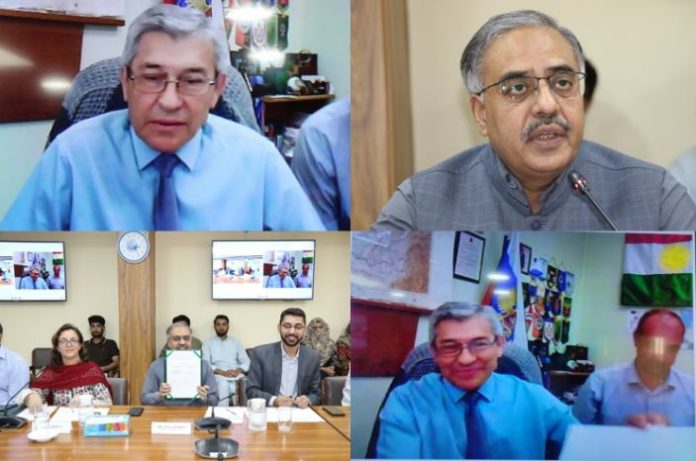
ISLAMABAD, AUG 19 /DNA/ – The Institute of Strategic Studies Islamabad (ISSI) signed a Memorandum of Understanding (MoU) with the Center for Scientific and Analytical Information (CSAI) at the Institute of Oriental Studies (IOS), Russian Academy of Sciences (RAS) today. The signing ceremony was held virtually and marked the beginning of a new era of academic and research cooperation between the two institutions.

Ambassador Sohail Mahmood, Director General of ISSI, and Prof. Dr. Nikolay Plotnikov, Head of CSAI, IOS, RAS, signed the MoU on behalf of their respective institutions. The event was also attended by Dr. Neelum Nigar, Director of the Centre for Strategic Perspectives (CSP) at ISSI, along with her research team and interns. Representing the Russian side, Mr. Alexey Marinin, Senior Researcher, was also present.

In his remarks on the occasion, Ambassador Sohail Mahmood emphasized the significance of this partnership, stating, “This signing today marks an important milestone in our joint endeavours to deepen academic and research cooperation. The world is witnessing unprecedented changes, and the dynamics of international relations are evolving rapidly. Platforms such as these can enable us to understand the fast changing environment as well as its impact on the global order.” He also highlighted the importance Pakistan attaches to its relations with the Russian Federation, noting the expanding bilateral cooperation in various domains — including diplomacy, economy, energy, security, defence, culture, and people-to-people exchanges. He also underscored the fruitful Pakistan-Russia collaboration on regional issues such as Afghanistan and in multi-lateral fora including the SCO.

Prof. Dr. Nikolay Plotnikov, in his remarks, underscored the extensive practical research work conducted by CSAI and the diverse areas and themes they explore, ranging from the Middle East to Japan in the Asia-Pacific region. He expressed confidence that collaboration with ISSI would open new avenues for joint research and dialogue.

Dr. Neelum Nigar highlighted that this MoU is the first formal document concluded between ISSI and a Russian research institute, marking a historic moment for ISSI. She expressed optimism about the potential for future joint research projects and the exchange of ideas between the two sides.

The MoU sets a framework for collaborative activities, including the exchange of researchers and data, joint events and programs, and the initiation of joint research projects. This partnership is expected to reinforce the intellectual efforts of both academic communities and contribute to a broader and deeper understanding of the regions they study.

The ceremony concluded with reaffirmation of a mutual commitment to foster stronger ties and explore opportunities for further cooperation in the coming years.

Finance Minister holds virtual meeting with President, GCEO of Mashreq Bank

Finance Minister

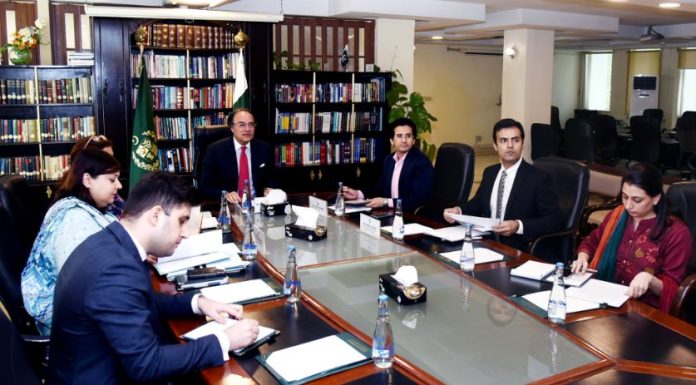
ISLAMABAD, AUG 19 /DNA/ – Ahmed Abdelaal, President / GCEO of Mashreq Bank, called on Federal Minister for Finance and Revenue Senator Muhammad Aurangzeb virtually to discuss the economic outlook and explore investment opportunities in Pakistan.

The meeting was also attended by Minister of State Mr. Ali Parvez Malik, and Senior officers from the Finance Division and State Bank of Pakistan.

The Minister greeted Mr. Ahmed Abdelaal and expressed appreciation for Mashreq Bank’s interest in Pakistan’s financial landscape and expressed keen interest of the Government of Pakistan to re-engage with Mashreq Bank.

The Minister provided an overview of the economic outlook of the country and mentioned the recent improvements in the macroeconomic indicators and stability of the currency and financial markets. He also mentioned the economic policies and initiatives of the government, emphasizing the ongoing efforts to stabilize the macroeconomic environment and enhance investor’s confidence through key initiatives of the government such as: broadening the tax base, improving the ease of doing business, digitalization within the Federal Board of Revenue (FBR), the privatization agenda of the government, and SOEs reforms.

Mr. Ahmed Abdelaal, President / GCEO of Mashreq Bank, appreciated the policies and initiatives of the government towards improving the investors’ confidence and creating a business-friendly environment in the country. He expressed Mashreq Bank’s interest in deepening its engagement in Pakistan’s financial sector and contributing to the country’s economic development. He also mentioned that Pakistan is amongst one of the most strategic markets for investment opportunities. He also discussed the potential areas for investment in Pakistan such as such as infrastructure, energy, technology, agriculture, and SMEs in order to enhance collaboration between Pakistan and the UAE for remittances, trade, finance, and Islamic banking.

The Finance Minister underscored the significant potential of Pakistan’s IT and Agriculture sectors, calling for increased investment from both local and international stakeholders to drive economic growth. He reiterated the government’s commitment to providing a stable and conducive business environment, assuring that all necessary measures are being taken to facilitate investments.

In conclusion, the meeting highlighted the strong partnership between Pakistan and Mashreq Bank in promoting sustainable economic development. The dialogue reflected Pakistan’s commitment to prudent fiscal management, investor-friendly policies, and inclusive growth, marking a positive step forward in enhancing economic collaboration.

BF publishes book on ‘Data Analysis in Pakistan’

BF publishes book on ‘Data Analysis in Pakistan'

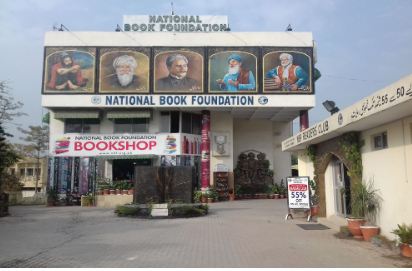
ISLAMABAD, AUG 19 (DNA): The National Book Foundation (NBF) has published a unique book on the topic of data analysis in Pakistan titled “Making Sense of Statistical Analysis: A Researcher’s Handbook for Data Analysis using IBM SPSS.”

This comprehensive work is a joint effort by renowned educational experts, Professor Dr. Nasir Mahmood and Dr. Muhammad Yousuf, and it thoroughly explores both the theoretical and practical aspects of SPSS, according to a news release.

Comprising ten sections and twenty-eight chapters, this book is being regarded as a significant advancement in the field of research.

It is the first book of its kind written by local authors in Pakistan, incorporating local examples to make data analysis more accessible and understandable.

The book covers a wide range of topics, from selecting research designs, choosing appropriate scales, preparing code books, data entry, data editing, data screening, and evaluating scales’ reliability and validity.

This book will prove invaluable not only for students of introductory and professional data analysis courses but also for researchers who wish to use SPSS for their research projects.

The authors have also provided all relevant SPSS data files and questionnaires on the book’s website, allowing researchers to independently analyze and improve their data analysis skills. In addition to simplifying the use of SPSS, the book serves as a practical guide for reporting results effectively.

The publication of this book marks another successful milestone for the National Book Foundation in its ongoing efforts to elevate research standards in Pakistan and encourage local authors.

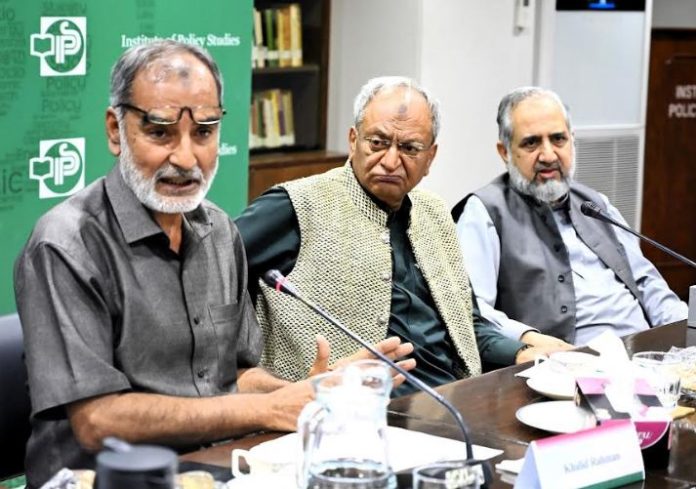
Experts discuss Bangladesh’s transition and regional implications at IPS

Experts discuss Bangladesh's transition and regional implications at IPS

ISLAMABAD, AUG 19 /DNA/ – The evolving situation in Bangladesh is driven by multiple factors. It goes beyond dissatisfaction with unemployment and administrative problems as there is also resistance to Indian influence. This unrest reflects a broader, ongoing process and it would be premature to consider it conclusive.

Following the resignation and departure of former prime minister Sheikh Hasina, Bangladesh’s interim leader, Muhammad Yunus, with his international stature, faces a critical test in this environment. Whether he can develop a truly indigenous agenda to address these complex challenges remains to be seen. Meanwhile, it is crucial to recognize that the interests of Pakistan and Bangladesh are not mutually exclusive; both nations can benefit from cooperation. A prudent approach would be to stay cautious and closely monitor the unfolding events.

This was observed during a session on “Transition in Bangladesh: Emerging Domestic and Regional Scenario,” held at the Institute of Policy Studies (IPS), Islamabad. The session, chaired by Khalid Rahman, chairman IPS, was addressed by Ambassador (r) Afrasiab Mehdi Hashmi, as the keynote speaker, and Ambassador (r) Rafiuzzaman Siddiqui, both of whom have served as Pakistan’s high commissioners to Bangladesh.

Shedding light on the recent developments, Ambassador Afrasiab noted that Pakistan now has an opportunity to reassess and strengthen its ties with Bangladesh. He observed that while Bangladesh may have grievances with Pakistan, there is no deep-seated animosity.

Meanwhile, resistance to Indian influence has been growing. Although the situation is still unfolding, it has sparked concerns in India, particularly about the potential resurgence of the Jamaat-i-Islami and the Bangladesh Nationalist Party.

On the other hand, it has also raised concerns in Bangladesh that India’s strategic interests might lead it to employ various tactics aimed at influencing the country’s political landscape, particularly to prevent the rise of these groups due to their historical stances and perceived anti-India sentiments. Furthermore, as India, under the BJP and Modi, has been characterized by a radical nationalist agenda, its political direction and approach toward neighboring countries, including Bangladesh, are increasingly being questioned.

Ambassador Rafiuzzaman emphasized the need and importance of adopting a balanced and watchful approach in response to the emerging situation. He suggested that the new Bangladeshi government could offer Pakistan opportunities for enhanced bilateral trade, cultural exchange, and youth interactions.

In his concluding remarks, Khalid Rahman noted that various national, regional, and international factors are influencing the current situation in Bangladesh. He highlighted that while dissatisfaction among Bangladeshis is fueled by various issues, Sheikh Hasina’s close association with India also significantly contributed to growing resistance against Indian influence. He said that India’s policy influences had increased the dictatorial pressure in Bangladesh. As both Congress and the BJP share similar approaches on external issues, the developments unfolding in Bangladesh underscore the need for India to reassess its external policies, he added.

Internet disruptions affecting export-oriented, local trade activity

Detrimental impact of recent internet disruptions

ISLAMABAD, AUG 19 /DNA/ – When the businesses are already facing several serious issues the slow and unreliable internet services are creating additional hurdles, severely affecting revenue streams and service quality.

The internet disruptions not only impact large-scale businesses but also individuals running small enterprises who rely on stable connections to sustain their livelihoods. When the internet slows down, businesses experience major disruptions in daily operations. Key functions such as communication, order processing, inventory management, and customer service are all hindered. Small businesses, in particular, are vulnerable as they often depend entirely on mobile internet and Whatsapp to attract and serve customers.

Although the situation appears to have improved after several days of disruptions, repetitive outages can lead to diminished credibility and lost customers, directly hitting revenue. These issues were raised by the Chainstore Association of Pakistan Chairman Mr Tariq Mehboob, along with CAP Co-founder and National E-Commerce Council Member Mr Asfandyar Farrukh, in a meeting held here today, raising serious concerns over the recent internet disruptions, primarily affecting mobile internet and Whatsapp, warning of significant impact to export-oriented and domestic commercial activity.

They highlighted the far-reaching consequences of these disruptions, stressing the urgent need for permanent resolution. Mr. Asfandyar Farrukh, Co-Founder of CAP and a member of the National E-Commerce Council, echoed these concerns, underscoring the economic impact. “It has been reported that there has been much higher usage of VPNs by individuals and businesses due to which internet slowdowns are occurring. However, VPNs would not be needed if local disruptions to Whatsapp, a key communication tool, and other digital services was prevented in the first place.

The repetitive internet slowdowns are causing substantial financial losses in both the IT and e-commerce sectors. With over $3.2 billion in annual IT and freelancing exports, and a $5 billion domestic e-commerce ecosystem at stake, the situation is critical. Freelancers, remote-workers, ride-hailing drivers and delivery riders who depend on stable mobile internet connections have been especially hard hit, facing missed deadlines, service delays, and loss of income.

Moreover, the image and credibility of Pakistani businesses serving foreign clients are being impacted, which could result in further financial damage if not permanently addressed. If any disruptions are imminent or occurring, the government and regulators must provide proactive information, complete transparency (including any changes to internet-related systems), and clear timelines for resolution so that individuals and businesses can plan accordingly and manage customer expectations.” The Chainstore Association of Pakistan strongly urges the government to take immediate and decisive action to protect the country’s digital economy. The recent disruptions have underscored the vital role that a stable and secure digital infrastructure plays in Pakistan’s economic stability and growth.

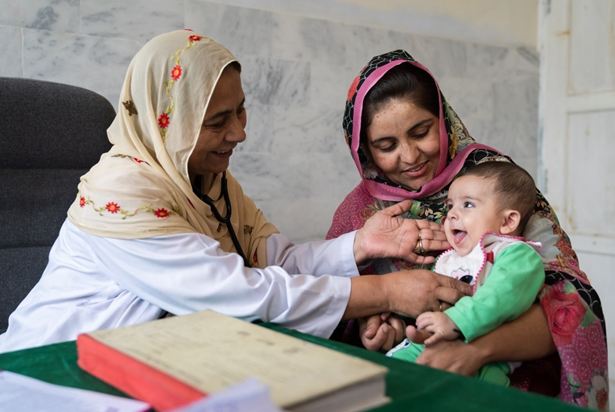
Aga Khan Foundation launches $7.2m nutrition and immunisation programme in Pakistan

Foundation

New initiative aims to support pregnant women mothers and children in particularly marginalised and underserved areas

 ISLAMABAD, /DNA/ – The Aga Khan Foundation (AKF) has announced the launch of a new $7.2million nutrition and immunisation programme in Pakistan. The newprogramme aims to support one million mothers and children in the most marginalised areas of four provinces. This programmeis being implemented in partnership with federal and provincial governments, Gavi, the Vaccine Alliance, and The Power of Nutrition (TPoN).

Pakistan faces significant challenges in child health, with the third-highest burden of child mortality and ranking third globally for the most under-vaccinated children. Nearly 1.2 million children have not received essential immunisations. The hardest-to-reach populations, with the highest concentrations of undernourished, stunted, and wasted children, also have the largest numbers of “zero-dose” children—those who have not received any vaccinations. This correlation indicates that children at high risk of malnutrition are also the ones missing out on critical immunisation services. Delivering integrated immunisation and nutrition services can provide combined reinforcement benefits. Malnutrition and infectious diseases are key contributors to child morbidity and mortality, as malnutrition impairs immune responses, increases infection risk, and reduces vaccine effectiveness. However, despite targeting the same vulnerable populations, immunisation and nutrition programmes often operate in isolation.

The $7.2 million programme aims to support seven districts where the need is particularly high includingDiamir, Astore, Gilgit, Sibi, Bolan, Usta Muhammad, Thatta, andSajawal. Through an integrated approach, the programme incorporates strengthening health systems to address existing gaps in routine immunisation and nutrition services, social behaviour change communication to generate demand for immunisation and supporting district and national governments in monitoring and reviewing data for evidence-based decision making and learning.The partnership aims to provide vital evidence on the importance of integration and real-life examples that demonstrate cost-effective ways of joint delivery to improve health, nutrition and vaccination outcomes while simultaneously developing resilient health systems and communities.

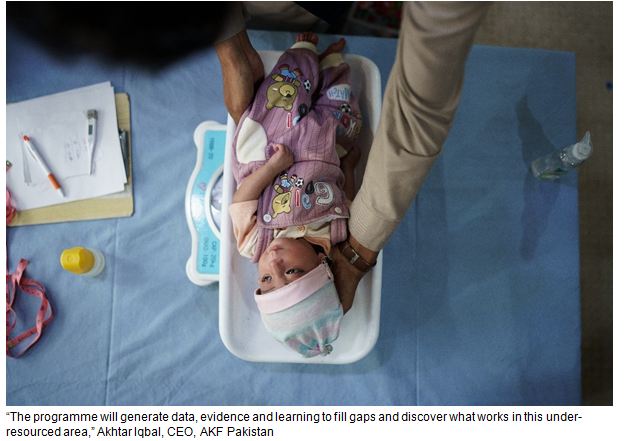
Akhtar Iqbal, Chief Executive Officer, Aga Khan Foundation Pakistan, said: The strategic and innovative partnership with Gavi, the Vaccine Alliance and the Power of Nutrition provides us a unique opportunity to contribute to SDGs by extending an integrated package of immunisation, health and nutrition interventions for children living in some of the most marginalised districts in Pakistan. Through a close partnership with the Federal and Provincial Expanded Programme on Immunisation Directorates, and technical support of the Aga Khan Health Services and Aga Khan University, the programme will generate data, evidence and learning to fill gaps and discover what works in this under-resourced area.”

Dr Tokunbo Oshin, Director, High Impact Countries, Gavi, the Vaccine Alliance, said: “With funding from the Aga Khan Foundation, The Power of Nutrition, and the FCDO Matching Fund, and in collaboration with the Government of Pakistan, Gavi is pleased to be able to support this innovative programme, which responds to preferences expressed by parents to be reached with a package of interventions. Through health systems strengthening efforts, this will be a good opportunity to provide essential services in remote areas of Pakistan and learn how to better scale up integrated service delivery, including immunisation and nutrition.”

Dr. Alok Ranjan, Director of Programmes and Investments, The Power of Nutrition, said: “We’re delighted to bring together partners Gavi, the Vaccine Alliance and Aga Khan Foundation for this vital project in Pakistan. For too long, nutrition and immunisation stakeholders have been working separately, despite the interventions reaching similar populations and being mutually beneficial.  This programme promises not only real impact in Pakistan, it can help pave the way for more integrated programming worldwide.”

The programme is being jointly funded by all partners and centrally managed by The Power of Nutrition who convened the group using its unique matching model to create leverage and impact at scale. It commences later in 2024 running through to 2027.

Dr. Zareef Uddin Khan, National Technical Focal Person, Federal Directorate of Immunisation, Dr.Inam Bharti, Deputy Director Procurement, Federal Directorate of Immunisation along with the Provincial Government representatives of Sindh, Baluchistan and Gilgit Baltistan participated and ensured their support during implementation of the project.”

Stay Connected

64FansLike
60FollowersFollow

Latest Reviews

Exchange Rates

USD - United States Dollar
EUR
1.17
GBP
1.35
AUD
0.72
CAD
0.73