Home Blog Page 82

HEC launches revised computing curriculum

HEC launches revised computing curriculum

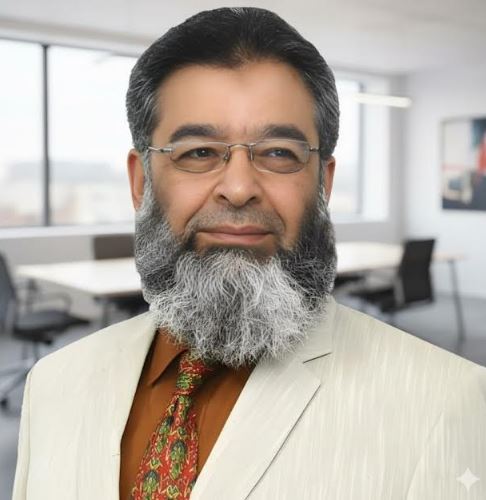
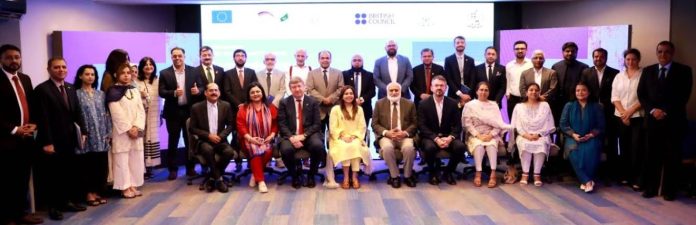
ISLAMABAD, JUN 19 /DNA/ – Chairman Higher Education Commission (HEC) Dr. Niaz Ahmad Akhtar launched the revised Computing curriculum at the British Council’s ‘Partnership for Future Skills and Employment’ event held under the European Union TVET Sector Support Programme at the National Incubation Centre (NIC), Islamabad.  

The HEC delegation included Dr. Muhammad Ali Nasir, Advisor (Research & Innovation Division) HEC, Engr. Waheed Ahmed Mangi, head of (Academics Division HEC), and Mr. Hidayatullah Kasi, Deputy Director (Curriculum).

During the event, Dr. Muhammad Ali Nasir presented the details of recently revised Computing curriculum, developed through extensive consultations involving academia, industry, accreditation bodies, Ministry of Information Technology and Telecommunication, Pakistan Software Export Board (PSEB), P@SHA, National Computing Education Accreditation Council (NCEAC), and development partners. The curriculum aligns with HEC’s Undergraduate Education Policy 2023 and represents a significant shift towards competency-based, industry-aligned computing education.

During the briefing session, it was highlighted that the revised curriculum embeds emerging technologies and future skills through 14 specialisation pathways under Computer Science programme, including Artificial Intelligence, Data Science, Cybersecurity, Cloud Computing, Robotics, Internet of Things, and Quantum Computing. Furthermore, the key component of the curriculum involves integration of industry-recognised certifications, mandatory internships, industry-supervised capstone projects, and outcome-based education principles aimed at enhancing graduate employability and global competitiveness.  

HEC trains 200 principals & education dept officials

HEC

ISLAMABAD, QUETTA, JUN 19: /DNA/ – The Human Resource Development (HRD) of the Higher Education Commission (HEC) Pakistan and the Education Testing Council (ETC), the examination body of HEC, conducted a series of orientation sessions for principals of degree colleges located in 39 districts of Balochistan alongside senior officials of education departments including District Education Officers.     

As many as 200 principals and officials attended the sessions held at Government Girls Postgraduate College, Quetta Cantt. Minister for Education Balochistan Ms. Raheela Hameed Khan Durrani attended the closing ceremony of the sessions as the chief guest.

It is pertinent to mention here that the HRD / ETC HEC and the School Education Department (SED), Government of Balochistan, signed a Memorandum of Understanding (MoU) in May 2026. Under the MoU, HRD / ETC agreed to hold aptitude test for the female candidates of Balochistan to avail themselves of 400 scholarships under the Balochistan Education Support Programme (BESP) and pursue B.Ed./BS Education at the leading national universities from Fall 2026 session. In this regard, the HRD / ETC held orientation sessions for the principals and other senior officials on their role in the successful conduct of the aptitude test in the near future.

The scholarship initiative, launched by SED Government of Balochistan with financial support from the World Bank, aims to provide deserving and underprivileged female students with access to quality teacher education and equip them with the knowledge and skills required to contribute effectively to the education sector of the province.

In her remarks, Ms. Durrani appreciated the participation of stakeholders and acknowledged the efforts of HEC Pakistan for organizing informative and impactful orientation sessions for deserving and underprivileged female students of Balochistan. She emphasized that such initiatives play a vital role in promoting higher education and women’s empowerment in the province.

The Human Resource Development (HRD) team, led by Project Director HRD, Bahram Qasim Jan, briefed the participants that the scholarship programme is fully funded and aims to enhance access to higher education opportunities for the students of Balochistan. He encouraged students to take full advantage of this opportunity and pursue their academic goals with dedication and commitment.

The ETC team, led by Consultant Dr. Imtiaz Haider, guided participants regarding the scholarship aptitude test and highlighted key important points. A mock test was also conducted at the end of the session.

Follow-up sessions will be conducted in different districts to ensure wider dissemination of information and encourage all eligible students to benefit from this opportunity.

Pakistan: The Candle of Peace

Pakistan: The Candle of Peace

by Muhammad Mohsin Iqbal

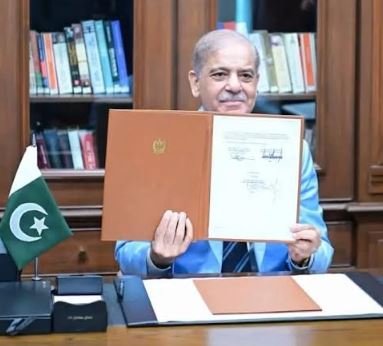
In the grand tapestry of international affairs, where peace prizes have long been the preserve of singular visionaries or dedicated institutions, a remarkable chapter has now been inscribed in the name of an entire nation. On Thursday, Pakistan’s Prime Minister Shahbaz Sharif set his signature upon the Islamabad Memorandum of Understanding, formally establishing Pakistan as the trusted mediator between the United States and Iran. In that solemn act, history itself bent its course, awarding to Pakistan a distinction rarer than any laurel bestowed by distant committees; the mantle of peacemaker among mighty powers.

When the conflict first erupted, the world beheld a blaze fed by ancient grudges and modern suspicions, threatening to consume the Gulf in fire and bloodshed. The waters of Hormuz themselves seemed poised to carry the sparks farther still. Many counselled caution or watched from afar, yet Pakistan chose a braver path. Like a candle thrust into gathering darkness, the nation stepped forward, undeterred by the powder keg at its feet. Such intervention demanded not merely diplomacy but courage of the highest order, the same resolve Pakistan had lately shown in answering provocation with measured strength. In May 2025, the country had already reminded the world that it would not shrink from defending its honour; now it offered that same fortitude in the service of concord.

Pakistan’s good intentions and the tireless efforts of its leadership have paid off magnificently. True mediation, as the elders of the Panchayat have long understood, rests upon prestige and mutual trust. The disputing parties must believe the intermediary capable of justice and wisdom. Pakistan, by virtue of its geographic position, its deep understanding of regional currents, and the integrity of its leadership, possessed precisely these qualities. With patience and clear purpose, Pakistani diplomacy worked to extinguish flames that gunpowder had so easily kindled. The good intentions of the government and the tireless exertions of its envoys have borne fruit. A disaster that might have engulfed economies and nations has been averted, and the world breathes more easily for it—saved from possible catastrophe through this pivotal role of Pakistan.

The document itself, bearing the signatures of the American and Iranian presidents alongside that of Pakistan’s Prime Minister as mediator, stands as a testament to this achievement. The signature of the Pakistani Prime Minister on this historic page is no less than a profound honor for the nation. Few honours could equal the quiet dignity of that page.

By lighting this candle of peace, Pakistan has begun to dispel shadows that had lengthened across the region. Lighting this candle of peace will disperse the possible darkness of the region and the world. Oil supplies, so vital to the arteries of global commerce, now flow once more. With the resumption of oil supply, the world’s shaky economy will recover, and the genie of inflation will be bottled again in the countries affected by this crisis. The persistent unrest that troubled the Gulf waters has been quieted, and this candle of peace has also put an end to the ongoing unrest in the Gulf. The meddlesome intrigues that once disturbed its shores have met their correction. The mischief that Israel had been continuing in the Gulf has also been corrected. Not least among the outcomes is the clarity brought to old imbalances. The biggest success in this whole matter is that America has now thrown the spoiled child that it had been holding in its lap in the form of Israel on the ground, allowing wiser counsels to prevail.

In this realignment, Pakistan has also extended a hand of renewed hope to the broader Muslim world. Pakistan has once again provided the Muslim Ummah with an opportunity to unite. The Ummah, so often divided by circumstance and design, finds before it a fresh opportunity for unity and purposeful cooperation. When brother nations stand together, their collective voice carries farther and their shared endeavours flourish.

For Pakistan itself, the dividends promise to be both immediate and enduring. In addition to the good of the region and the world, closed paths of prosperity and development will also open for Pakistan. Paths long obstructed by tension now open toward prosperity. The suspended project of the gas pipeline between Pakistan and Iran may at last reach its completion, bringing energy and stability to millions. Iranian oil, secured at equitable terms, will ease domestic burdens. Pakistan will be happy to buy oil from Iran at cheap prices. Bilateral trade between Pakistan and Iran, long promising yet underfulfilled, stands ready to double and redouble, carrying development in its wake.

Most precious of all, the peoples of this region may begin to regard one another less as strangers divided by borders and more as members of an extended family bound by faith, geography, and mutual interest. In addition, the people in this region will be united like a family and Muslim countries will proudly play their role in the world. In such an atmosphere, Muslim nations can assume their rightful place on the world stage, not as petitioners but as architects of their own destiny.

None of this has come without cost or risk. To leap into the furnace of Gulf tensions required vision and sacrifice. Yet Pakistan’s leadership weighed the peril against the prize of peace and chose the harder, nobler course. The flame they have kindled will not easily be extinguished, for it draws its light from the timeless human longing for concord amid discord. In an age still shadowed by strife, the world has been reminded that courage paired with wisdom can still bend the arc of events toward justice. Pakistan, by its actions, has written its name not only in the records of diplomacy but in the brighter ledger of history’s peacemakers. The candle burns steadily; may its glow long endure.

U.S. Embassy Islamabad convenes freedom 250 arts entrepreneurship showcase

U.S. Embassy Islamabad convenes freedom 250 arts entrepreneurship showcase

DNA

ISLAMABAD – Today, the U.S. Embassy in Islamabad hosted an “Arts Entrepreneurship Showcase” at the United States Educational Foundation in Pakistan (USEFP) that convened artists, designers, entrepreneurs and cultural leaders to celebrate the power of creative industries to drive economic growth, strengthen bilateral ties, and connect people across cultures.  U.S. Chargé d’Affaires (CDA) Natalie Baker and celebrated Pakistani fashion designer HSY headlined the event, moderated by renowned broadcaster and filmmaker Tauseeq Haider.

The showcase, held as part of the United States’ Freedom 250 initiative marking the 250th anniversary of American independence, featured three signature elements: A Freedom 250 entrepreneurship lecture to share American business expertise and best practices, an alumni arts marketplace showcasing the work of 20 Pakistan-U.S. Alumni Network (PUAN) alumni active in Pakistan’s creative industries, and a fashion runway show presenting 250 years of American design, culture, and textile innovation.  Together, these elements reflected the depth and strength of the U.S.-Pakistan bilateral relationship across business, culture, and the arts.

Speaking on the occasion, CDA Baker noted the unique capacity of the arts to forge lasting connections between nations and people, “The textile industry is one of the most powerful linkages between our two countries.  Over the past five years, Pakistani exports of finished apparel and clothing products to the United States have averaged over $4 billion dollars,” she said, adding, “Many of these garments were made from American cotton, with Pakistan importing nearly $800 million in U.S. cotton and other raw cotton inputs annually.  In fact, the United States is Pakistan’s second-largest supplier of cotton, underscoring how deeply interconnected our textile supply chains are—from American fields to Pakistani factories to global markets. Pakistan is also one of the world’s leading producers of denim fabric and garments, and there is a good chance that the jeans sold in American stores began their journey right here in Pakistan.  Just look at a pair of Levi’s jeans for a powerful reminder that the U.S. – Pakistan relationship is woven into the everyday lives of people in both countries.”

CDA Baker underscored the U.S. commitment to creative entrepreneurship as a driver of economic opportunity and bilateral partnership saying, “The United States has long believed in the power of creative industries to fuel progress and economic growth. It has been a part of our national identity since 1776.  American excellence in the arts and design comes not only from talent, but from a culture that encourages experimentation, entrepreneurship, and bold new ideas.  American creative industries continue to shape global conversations and inspire audiences around the world.”

A highlight of the evening, the runway show brought 250 years of American fashion to life through textiles, design, and cultural storytelling serving as a vivid, visual expression of America’s creative heritage and its ongoing capacity for reinvention.

The Freedom 250 initiative marks the United States’ 250th anniversary of independence through a year-long series of events, partnerships, and programs that celebrate American excellence, promote U.S. values, and deepen bilateral relationships with partner nations around the world.

Pakistan to transition fully to e-passports as major reforms unveiled

Pakistan to transition fully to e-passports as major reforms unveiled

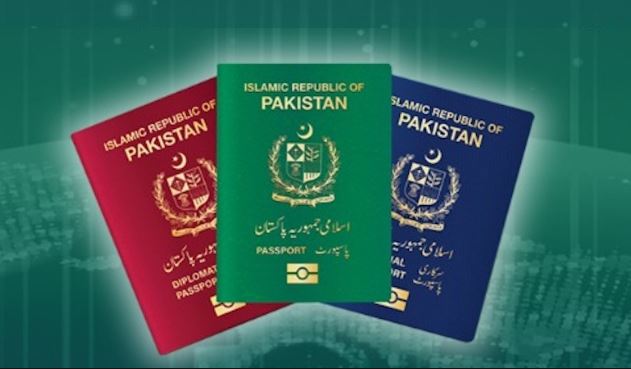
ISLAMABAD, Jun 19 (DNA): Pakistan has decided in principle to transition entirely to an electronic passport system as part of a sweeping package of reforms aimed at modernizing passport services, improving security, and enhancing public convenience.

The decision was taken during a special meeting chaired by Interior Minister Mohsin Naqvi at the Passport and Immigration Headquarters in Islamabad.

Officials said the complete shift to e-passports would significantly reduce fraud and forgery associated with travel documents. Addressing the meeting, Naqvi emphasized that the move would strengthen the integrity of Pakistan’s passport system and align it with international standards.

The meeting also approved a new fee structure under which applicants seeking premium passport services will be required to pay charges commensurate with the actual cost of those services.

In another citizen-friendly initiative, authorities announced that preparatory work for home delivery of passports, both within Pakistan and abroad, has been completed. The service is expected to be launched soon, enabling citizens to receive passports at their doorstep without visiting passport offices for collection.

The minister was informed that a cashless payment system will be introduced in passport offices nationwide from July 1, marking a significant step toward digitization and transparency in public service delivery.

As part of the modernization drive, online passport applications will also be migrated to the Pak ID platform, creating a more integrated and efficient digital process for applicants.

The meeting further reviewed progress on the proposed Business Passport policy. Interior Minister Mohsin Naqvi directed officials to finalize the policy at the earliest in consultation with the Federal Board of Revenue (FBR), underscoring the government’s intent to facilitate legitimate business travel while ensuring regulatory compliance.

During the session, Director General Passports and Immigration Muhammad Ali Randhawa provided a detailed briefing on ongoing reforms, operational improvements, and future plans for the passport and immigration system.

The latest measures reflect the government’s broader push to digitize public services, improve efficiency, and provide citizens with faster, more secure, and more accessible passport facilities.

US–Iran talks in Geneva called off due to Israel

US–Iran talks in Geneva called off due to Israel

US Vice President called off his trip. The Iranian delegation also refused to attend, citing continued Israeli bombing of Lebanon as the reason for their withdrawal; No UN sanctions lifting on Iran without France’s approval, foreign minister says

DNA

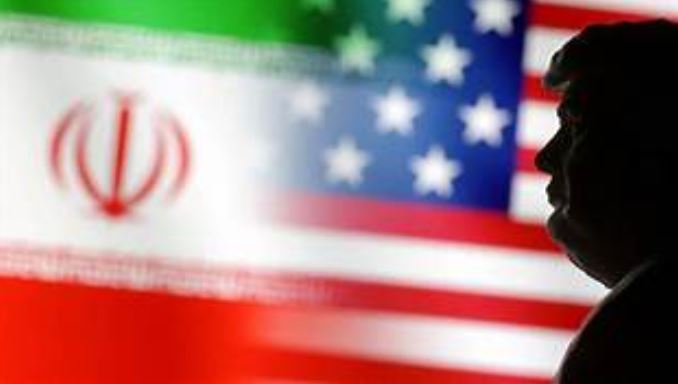
GENEVA – Planned peace talks between the United States and Iran were abruptly canceled after the US Vice President called off his trip. The Iranian delegation also refused to attend, citing continued Israeli bombing of Lebanon as the reason for their withdrawal.

Israeli National Security Minister Itamar Ben Gvir has said that “all of Lebanon must burn” after Israel’s military announced the deaths of four soldiers.

France has meanwhile taken a firm stance on the issue of sanctions. French Foreign Minister Jean-Noel Barrot stated on Friday that Paris will not approve the lifting of United Nations Security Council (UNSC) sanctions on Iran unless negotiations on Tehran’s nuclear program meet French expectations.

Barrot emphasized that stability in the region depends on resolving concerns over Iran’s ballistic missile program and its support for proxy groups. “We need a radical change of posture by Iran,” he said.

The cancellation of the Geneva talks underscores the deep divisions among international stakeholders and highlights the challenges ahead in addressing Iran’s nuclear ambitions and regional policies.

Meanwhile Swiss foreign ministry said that talks, set for mountaintop resort of Burgenstock, will not take place.

Pakistan Hockey’s struggles: lessons and the road ahead

Sultah Johar Hockey Cup: Pakistan to face Australia in Semi Final

A.M.Bhatti

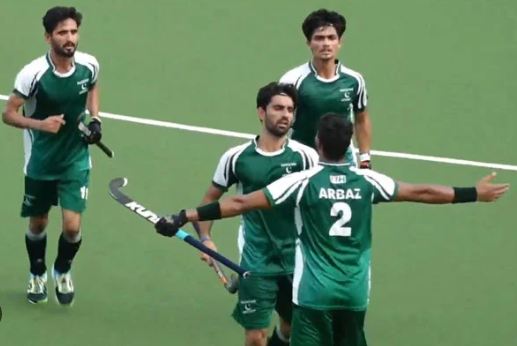
Pakistan’s participation in the ongoing FIH Pro League second round has been marked by heavy defeats and sobering realities. The national team, ranked 12th in the world, lost two pool matches against Belgium, conceding a staggering 12 goals, and another against Germany where they let in 6 goals. These results underline the gulf in class between Pakistan and the world’s top hockey nations, but they also highlight deeper structural issues that continue to plague the sport in the country.

To be fair, Pakistan’s poor results were not entirely unexpected. Belgium and Germany are among the world’s elite hockey teams, boasting professional setups, advanced training facilities, and consistent international exposure. Pakistan, by contrast, entered the Pro League almost by accident. Originally, New Zealand had qualified, but after their withdrawal, Pakistan was invited to fill the slot. This meant Pakistan was thrust into a competition against the very best without adequate preparation or realistic chances of victory.

The defeats, though heavy, should be seen in the context of Pakistan’s current standing. Ranked 12th, Pakistan is far behind the likes of Belgium, Germany, and other Pro League participants who occupy the top tier of world hockey. Competing against them is not just a matter of skill but also of fitness, infrastructure, and long-term planning—areas where Pakistan lags significantly.

While the scorelines are painful, Pakistan’s presence in the Pro League can still be considered valuable. Playing against top-ranked teams offers exposure to the highest level of hockey, something the players rarely experience otherwise. These matches serve as practice opportunities, allowing Pakistan to gauge where they stand and what needs to be improved before major tournaments like the Hockey World Cup.

Facing stronger opponents can also help young players adapt to the pace, intensity, and tactical sophistication of modern hockey. If lessons are drawn constructively, these defeats could become stepping stones toward rebuilding the national team.

However, the real challenge lies not in the defeats themselves but in the systemic issues that have crippled Pakistan hockey for decades. The sport, once the pride of the nation with multiple Olympic and World Cup titles, has been in decline due to mismanagement, lack of continuity, and political interference.

One of the most glaring problems is the absence of a permanent management setup. After every defeat, officials are reshuffled, coaches are replaced, and committees are dissolved. This cycle of instability prevents long-term planning and denies players the consistency they need to develop. Continuity is essential in sports management, and Pakistan’s hockey federation has failed to provide it.

Another critical issue is the lack of proper facilities and support for players. Modern hockey requires advanced training centers, fitness regimes, and sports science support. Pakistani players often train under outdated conditions, with limited access to modern equipment or structured fitness programs. Moreover, many players struggle with financial insecurity, as there are no permanent jobs or contracts to sustain them. Without proper incentives, it is difficult to expect athletes to dedicate themselves fully to the sport.

To revive hockey, Pakistan must invest in better facilities, provide secure employment opportunities for players, and ensure they are treated as professionals rather than amateurs. Only then can the team hope to compete with nations that have embraced professionalism in hockey.

Selection policies also need urgent reform. Currently, politics and favoritism are rampant within the hockey federation. Players are often chosen based on connections rather than merit, undermining the credibility of the team and demoralizing deserving athletes. Honest and competent individuals must be entrusted with the responsibility of managing the sport, and selection should be strictly merit-based. Without transparency, Pakistan hockey will continue to suffer.

Pakistan’s defeats in the Pro League should serve as a wake-up call. The team cannot expect miracles against top-ranked opponents without addressing the fundamental issues at home. A comprehensive overhaul of hockey management is required, focusing on continuity, professionalism, and meritocracy. The federation must stop the cycle of knee-jerk reactions and instead commit to long-term planning.

At the same time, participation in tournaments like the Pro League should be embraced as opportunities for growth. Even if victories are unlikely, the experience gained can help prepare the team for future competitions, including the World Cup. Exposure to high-level hockey is invaluable, but it must be complemented by reforms at the domestic level.

Pakistan hockey’s poor performance in the Pro League second round is disappointing but not surprising. Heavy defeats against Belgium and Germany reflect the current state of the sport in the country. Yet, these losses also highlight the urgent need for structural reforms. With better facilities, stable management, merit-based selection, and professional support for players, Pakistan can begin the long journey back to competitiveness. Until then, participation in elite tournaments will remain more of a learning exercise than a contest for victories.

Moroccan star Hakimi to stand trial for rape

Moroccan star Hakimi to stand trial for rape

News Desk

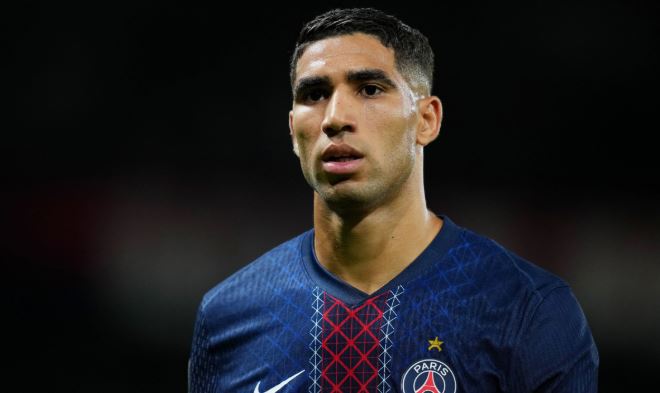
VERSAILLES: A French appeals court on Friday confirmed Moroccan football star Achraf Hakimi will stand trial charged with raping a young woman.

In February 2023, a woman then aged 24 told police in the Val-De-Marne region southeast of Paris that Hakimi had raped her.

The Paris Saint-Germain player and captain of the Moroccan national team, whose side are playing their second World Cup match on Friday against Scotland, has consistently denied the allegations.

Pakistan enters into Horticulture Cooperation with China to transform arid lands

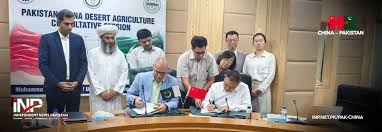
Islamabad, Jun 18 (): Pakistan’s first-ever Joint Laboratory for Desert Agriculture; and Science and Technology Backyard on Desert Horticulture were unveiled through an MOU to turn vast stretches of desert land of Pakistan into productive farmland, China Economic Net reported on Thursday.

Bringing together China’s Tarim University in Xinjiang and Pakistan’s Muhammad Nawaz Sharif University of Agriculture (MNSUA) in Multan, the partnership is expected to serve as a platform for technology transfer, scientific research, and farmer training focused on desert agriculture.

Dr. Abid Ali, chief scientist on Pakistani side, revealed the cooperation will focus on introducing a range of advanced technologies, including solar-powered greenhouse systems, precision agriculture, drone-based crop monitoring, and water-saving drip irrigation.

According to Dr. Ali, technologies developed by Tarim University could help address some of Pakistan’s most pressing agricultural challenges, including water scarcity and low productivity in desert regions.

“The technologies have already proven successful in Xinjiang,” Dr. Ali said. “For example, the low-cost, high-efficiency desert solar greenhouse technology addresses the longstanding challenge of low land utilization in traditional solar greenhouses, increasing land-use efficiency by up to 35%.

Its simple modular assembly structure enables rapid construction while ensuring excellent daylighting and heat-retention performance with a construction cost of only about RMB 290–320 (PKR 11,000–12,500) per square meter.”

Complementing this system, the water-curtain floor heating technology, also known as plant root-zone warming technology, captures and stores solar heat energy during the day and gradually releases it at night.

This improves the greenhouse microclimate, raises nighttime temperatures by approximately 5%, and significantly reduces overall energy consumption, enhancing both crop productivity and sustainability.

“Pakistan is an ideal first destination for its international application as the country has intensified efforts to reclaim arid areas through the Green Pakistan Initiative, which promotes modern farming technologies, drought-resistant crops, and sustainable land management,” he said.

Uncultivated desert land accounts for nearly 15% percent of Pakistan’s territory. Multan, as a major agricultural center in Pakistan and surrounded by deserts and CPEC roads, is set to benefit from new cultivation methods.

Dr. Ali described the project as a milestone not only for Pakistan but also for the wider region. “The initiative could provide a model for and be extended to other arid regions across Central Asia and the Middle East,” he said.

RCCI MedHealth & Beauty Expo 2026 Inaugurated in Islamabad

RCCI MedHealth & Beauty Expo 2026 Inaugurated in Islamabad

Healthcare Leaders, Diplomats, and Industry Experts Unite to Showcase Innovation and Strengthen Pakistan’s Health Sector

The MedHealth & Beauty Expo 2026, hosted by the Rawalpindi Chamber of Commerce & Industry (RCCI), was inaugurated in Islamabad, bringing together key stakeholders from the healthcare, pharmaceutical, wellness, and beauty sectors.

The inaugural ceremony was attended by Federal Minister for National Health Services Syed Mustafa Kamal, Federal Minister Hanif Abbasi, CEO DRAP Obaidullah Malik, and Hamed Asghar Khan from the Ministry of Foreign Affairs. The event also attracted ambassadors, high commissioners, diplomats, and senior government officials.The inaugural ceremony was attended by Federal Minister for National Health Services Syed Mustafa KamalFederal Minister for Railways Hanif AbbasiCEO of DRAP Obaidullah MalikHamed Asghar Khan from the Ministry of Foreign Affairs, ambassadors, high commissioners, and senior diplomatic officials from various countries.

Among those present were RCCI President Usman ShaukatGroup Leader Sohail AltafSenior Vice President Khalid Farooq QaziVice President Fahad Barlas, members of the Executive Committee, former RCCI presidents, and representatives of leading pharmaceutical and healthcare companies.

Addressing the inaugural session, Federal Minister Syed Mustafa Kamal said that the government’s priority is not only to provide treatment but also to focus on disease prevention and improving public health.

Federal Minister Hanif Abbasi said that the government is introducing reforms in Pakistan’s healthcare sector while facilitating greater private-sector participation to improve healthcare services.

Speaking on the occasion, RCCI President Usman Shaukat said that the expo features more than 50 exhibitors showcasing medical equipment, pharmaceutical products, cosmetics, healthcare solutions, and the latest beauty treatments. He noted that the event has brought together healthcare professionals, industry experts, leading brands, and businesses to promote innovation, knowledge sharing, and collaboration in the healthcare sector.

The event was attended by members of the diplomatic community, including Dean of the Diplomatic Corps and Ambassador of Turkmenistan Atadjan MovlamovAmbassador of Iran Reza Amiri MoghadamAmbassador of Azerbaijan Khazar FarhadovHigh Commissioner of Rwanda Fatou Harerimana, as well as trade and commercial counsellors from Zimbabwe, Indonesia, Lebanon, Vietnam, and several other countries.

Following the inauguration, the chief guests toured the exhibition stalls, interacted with exhibitors, and appreciated the quality, innovation, and diversity of the products and services on display.

Stay Connected

64FansLike
60FollowersFollow

Latest Reviews

Exchange Rates

USD - United States Dollar
EUR
1.15
GBP
1.35
AUD
0.70
CAD
0.71