Home Blog Page 814

Post-election scenario: PDM Part-II on the anvil

Post-election scenario: PDM Part-II on the anvil

Analysis
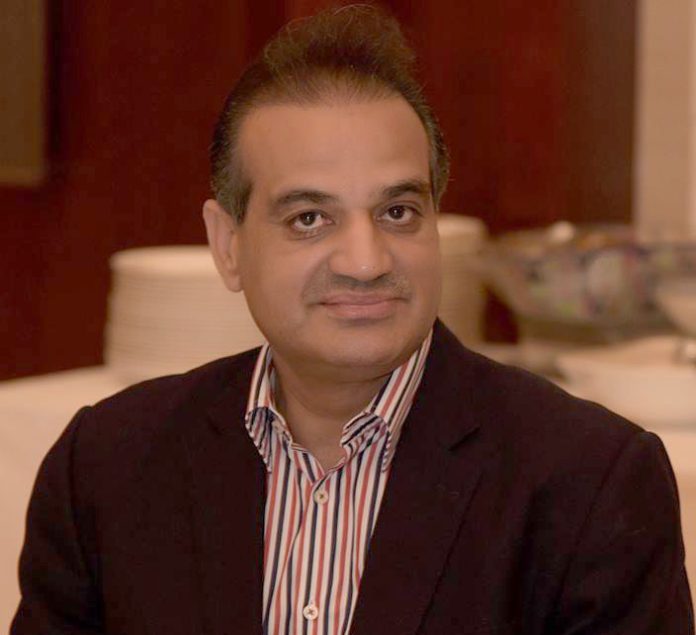
Ansar M Bhatti

Islamabad: The February 8 election will undoubtedly be remembered as a pivotal moment in Pakistan’s parliamentary history, marked by intense controversy surrounding the exclusion of a specific political party from the entire electoral process. The unfolding events have raised serious questions about the fairness and transparency of the electoral procedures.

Initially, the key leadership of the PTI found themselves behind bars, facing allegations of involvement in the May 9 incidents. Subsequently, the party faced another setback when it was stripped of its election symbol, the ‘bat.’ As if that wasn’t enough, numerous winning candidates from the party were purportedly denied their rightfully earned seats, adding fuel to the already heated situation.

The international community, too, expressed apprehensions about the legitimacy of the election process. The United States, in particular, promptly voiced its concerns, emphasizing the need for a thorough investigation into the allegations of fraud. This global response underscores the significance of ensuring a fair and just electoral process that upholds democratic principles.

The Australian government has conveyed its concerns regarding the conduct of the 2024 elections, expressing regret over the limitations imposed on the Pakistani people in their electoral choices. The restriction on certain political parties from participating in the elections is viewed as a setback to the democratic process.

‘Australia remains steadfast in its support for a democratic, stable, and prosperous Pakistan, emphasizing the importance of upholding commitments to democratic principles. These principles encompass not only the electoral process but also extend to fundamental rights such as human rights, media freedoms, freedom of expression, and freedom of association’.

The European Union and the Commonwealth states have both released statements that share a striking resemblance. The Commonwealth observers’ mission, during their visit to Pakistan, acknowledged certain irregularities in the elections, albeit in a discreet manner during their media interaction. Notably, an interesting comment arose from a high-ranking diplomat stationed in Islamabad, questioning the legitimacy of the Commonwealth observation mission chief, given the presence of the current Interior Minister of the Pakistani government seated beside him during the mission’s proceedings. This observation raises intriguing questions about the perceived objectivity and independence of the mission in the context of the political dynamics at play.

The excessive delay in releasing the final election results is a concerning deviation from a healthy electoral process. Ideally, the Election Commission should have promptly announced the results within two days of the election, yet regrettably, even after four days, the conclusive outcome remains elusive. This prolonged delay not only raises eyebrows but also lends credibility to speculations suggesting ongoing post-election manipulations.

The extended timeframe offers an opportunity for certain political entities to exert influence, particularly on independent candidates. The delay grants these ‘favorite’ parties ample time to maneuver and manage alliances or exert pressure on independents, potentially impacting the final outcome. Once the official results are disclosed, this window of influence may no longer be available.

With all factors considered, the pivotal inquiry emerges regarding the establishment of governments, both at the national and provincial levels. The electoral outcomes in Sindh and Khyber Pakhtunkhwa (KPK) indicate that the Pakistan Peoples Party (PPP) in Sindh and the Pakistan Tehreek-e-Insaf (PTI) in KPK are poised to effortlessly shape governments independently. Furthermore, the PPP is anticipated to take on a prominent role in the government formation in Baluchistan, collaborating with the Pakistan Muslim League-Nawaz (PML-N) and the Jamiat Ulema-e-Islam Fazl (JUI-F).

At the federal level, the competition for the prestigious position of the Prime Minister of Pakistan demands a display of political prowess from various parties. Ideally and logically the PML N seems better poised to get this post as the party supremo travelled all the way from UK to Pakistan despite a load of cases against him; got himself freed from all those cases and secured reasonable number of seats in the national assembly, though much short of what he and his party had claimed.

However Shehbaz Sharif may also  emerge as the consensus candidate for the position of Prime Minister. In such a scenario, Asif Ali Zardari aims to secure the role of President of Pakistan, while Bilawal envisions a position akin to Deputy Prime Minister or an equivalent role. If these arrangements materialize, Maryam Nawaz could be viable candidates for the Chief Minister post in Punjab. In yet another scenario, PML N and the PPP may agree on another option whereby both parties can share PM office i.e for first two and half years PML candidate may be the prime minister and for the rest of the tenure PPP may nominate its candidate.

Another possible scenario: A strategic negotiation between Asif Zardari and other key players may result in Bilawal obtaining the Prime Minister’s position, with Nawaz Sharif assuming the role of President. The MQM is poised to play a significant role in the federal cabinet, and their interest in retaining the governorship of Sindh is apparent. If all these parties join hands then it may be dubbed as an extension or continuation of the PDM government, which came into being after dislodging of the PTI government.

Though PTI has claimed that it would form governments in KP, Punjab and at the federal level however it may not be possible. This raises important questions such as: Why was the PTI government removed in the first place? What led to the imprisonment of key party figures? Why was their election symbol confiscated? These factors contribute to a broader skepticism about PTI’s potential to succeed in forming governments again.

Summing up, the powers who wanted to keep PTI out, PML N down and the PPP in seem to have successfully completed their task. Convicting Imran Khan in consecutive cases appears to be a strategic move in this game plan, intended to incite PTI supporters and drive them to vote in large numbers. This increased voter turnout effectively curtailed PML N’s chances of securing a simple majority, and the PPP was unable to attain a majority as well. As per reports, PTI’s majority was allegedly converted into a minority on many seats. Consequently, the ultimate outcome is that the influential forces have established a strategic advantage, positioning themselves as key players in determining the formation and sustainability of any government without their consent.

Regardless, it appears highly likely that the government formed through these negotiations and maneuvers may face significant challenges in maintaining its stability over an extended period. The inherent fragility of the current administration could potentially lead to the initiation of snap elections or even an internal power shift. In the context of Pakistan, the tenure of an elected government is typically expected to last a maximum of two to two and a half years, contingent on the dynamics between civilian authorities and the military.
Female teachers express annoyance over unpaid dues

Female teachers express annoyance over unpaid dues

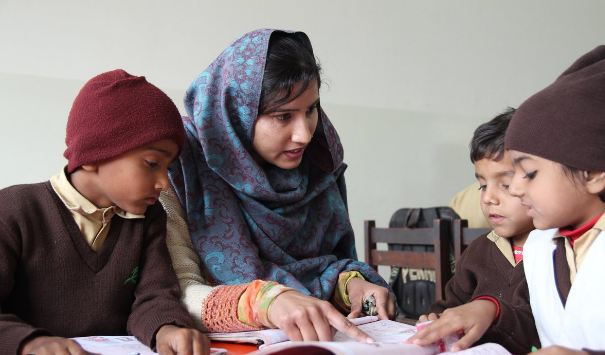
ISLAMABAD, FEB 11 (DNA) — As the Federal Directorate of Education (FDE) gears up for the centralized exams of primary and middle standard scheduled to begin on Monday, female teachers assigned to conduct exams have raised concerns over unpaid remuneration for the past three consecutive years and the absence of essential facilities.

Despite repeated attempts to address these concerns with FDE authorities, the teachers claim that their issues have not been resolved yet. Teachers complained that they haven’t been paid for their exam work for the last three years in spite of assurances by the concerned officials.

Expressing their grievances under the condition of anonymity, several teachers disclosed a history of unfulfilled promises and neglect by FDE authorities. Despite assurances of payment for exam duties, teachers lamented that they have not received remuneration for the last three years.

A teacher highlighted the financial strain incurred while performing exam-related tasks, including the collection of exam materials. Having personally hired taxis to transport materials to exam centres, she emphasized that neither taxi fares nor transport facilities have been provided by the FDE.

“Moreover, I am expected to conduct exam duties daily starting Monday, with no transport facilities provided. The daily taxi fare to and from the school where I am deputed amounts to Rs. 2000, a cost I am compelled to bear personally for the entire 15-day examination period which is hard to manage during the prevailing price hike situation”, the teacher said.

“It is disheartening that the authorities not only fail to pay our pending remuneration but also neglect to provide essential transport facilities”, the teacher said. Talking to APP, many teachers emphasized the lack of financial support for purchasing essential materials such as clothes, sealing wax, thread, and packing material required for packaging answer scripts.

They criticized the absence of paper collection facilities provided by the authority, exacerbating logistical challenges. Highlighting additional challenges, another teacher shared, “I have to purchase essential materials such as clothes, sealing wax, thread, and packing materials to pack the answer scripts daily, but no funds have been provided for these expenses.

 Moreover, there is no paper collection facility provided by the FDE. I cannot afford cab fare for transportation of answer scripts to FDE daily.” A headmistress of a school stated, “Teachers have recently undertaken exhausting election duties, sacrificing sleep for two nights.

In addition to their teaching responsibilities, teachers perform additional duties like census duties, election duties, invigilation, and deworming duties. Despite their contributions, teachers feel neglected and under-supported by FDE authorities, who have been unresponsive to their repeated pleas for assistance”.

The headmistress emphasized that the FDE authorities should acknowledge and facilitate their efforts. At least their pending dues of three years should be released. When contacted, a senior official of the concerned authority said that the teachers are paid a specific amount for performing duties during the centralized exams of Class V and VIII.However these payments were pending with the AGPR. — DNA

People have shouted their will!”: Alvi hails record turnout, praises women and youth

People have shouted their will!

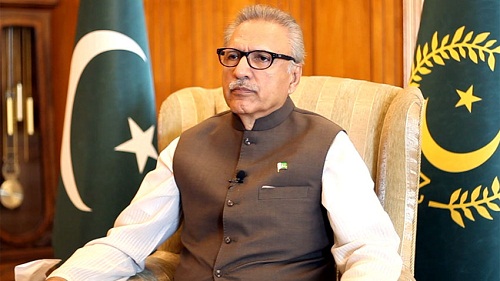
ISLAMABAD, FEB 11: (DNA) – President Arif Alvi has congratulated the people of Pakistan, especially the women for coming out in huge numbers, withstanding all pressures and standing up for democracy.

The youth deserve a special mention, and I praise them for having decided to take charge of the country by participating peacefully in the voting process. They have put their faith in democracy. This belief is very precious, it will write history and must be recognized.


A true mandate is essential to come out of the severe financial crunch, to make difficult decisions, to repair, and to heal the bitterness of the past. We must celebrate this effervescent new focus and show it to the outside world. My confidence in our brilliant future has been strengthened as the PEOPLE have not only spoken but have shouted out their will.


Nothing can crystallise unless this huge mandate of my citizens is respected and recognized. Politicians, their parties, and our institutions must embrace this God sent opportunity. Allah is definitely very gracious to Pakistan.
Come rise my people, unite, put everything together, repair and build. The world awaits you.

Imran seems ready to bury the hatchet

Imran seems ready to bury the hatchet

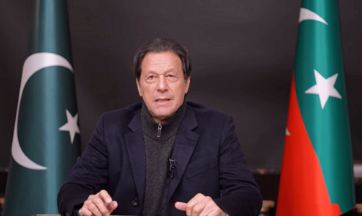
ISLAMABAD, FEB 11: As its fou­nder apparently agr­eed to let bygones be byg­ones, the PTI on Saturday said it will form governments in Punjab and Khyber Pakhtunkhwa and the federal government in the Centre after the independent candidates backed by the Imran-led party secured a purported lead in the 2024 polls.

Speaking to reporters outside Adiala Jail on Sat­u­rday, PTI lawyer Umair Khan Niazi said PTI founder Imran Khan has decided to form the government in the Centre and in KP and Punjab provinces after the victory of his symbol-less party.

As per Mr Niazi — who is also the newly-elected MNA from Imran Khan’s hometown of Mianwali — the PTI leader has called on the powers-that-be not to let Nawaz Sharif form the coalition government because “this experiment did not work in the past”.

Mr Niazi said Mr Khan was ready to move on to end political instability and for the future of the country. The lawyer said the candidates of the PTI who were defeated through rigging have been asked by the party founder to take to the streets in their constituencies on Sunday to protest the apparent rigging.

In a bid to execute its plan to form the government, the PTI after a meeting of the core committee asked Umair Niazi to get in touch with party-backed candidates for a government at the federal level, while Ali Amin Gandapur and Mian Aslam Iqbal have been asked to appro­ach lawmakers-elect in KP and Punjab, respectively.

At a press conference addressed by PTI chairman Gohar Ali Khan alongside others in the federal capital, the PTI leaders hoped that President Arif Alvi would invite the party to form since it emerged as the “largest single party” following the elections.

It must be noted here that the president cannot invite a political party to form a government at this juncture. As per Article 91, the National Assembly shall meet on the twenty-first day following the day on which a general election to the assembly is held, unless sooner summoned by the president. After the election of the speaker and deputy speaker, the house will elect the leader of the house (prime minister). “The member elected…shall be called upon by the President to assume the office of Prime Minister…,” read clause four of Article 91.

Reservations on ECP role

During the presser, the PTI leader asked the Election Commission of Pakistan to prepare anew the results of the elections considering Form-45 initially issued.

“Khan sahab, who is in jail, said we won’t let slavery take hold. Now the whole situation is in front of you; people came out in droves on their leader’s call to vote for the PTI despite suppression,” he added.

Barrister Gohar claimed that the PTI had 170 seats and it would avail legal options to find out what happened to the final results, which faced an ordinate delay. He said it was the responsibility of the ECP to compile the results in a transparent manner, adding that as per the law, the contesting candidate, an election agent as well as an authorised observer needed to be present during the compilation process.

Mr Gohar said hurdles should not be created for the PTI in forming its government since it had a “clear majority” after allegedly securing victory on 170 National Assembly seats out of the 265 seats where elections were held.

“Out of these, 94 are those that the ECP is admitting and has issued Form-47,” Mr Gohar Khan maintained.

“PTI has clinched the victory on 39 NA seats out of the 45 in KP, which is historic and unprecedented,” he added.

The PTI leader claimed in 22 National Assembly constituencies, including three in Islamabad and four in Sindh, the PTI had won as per the Form-45 but there were apparent attempts to turn their victory into defeat.

It said that the PTI would make a political alliance soon to get its due share of the reserved seats and added that the final decision in this regard would be made soon.

“We have no quarrel with anyone; we want to move forward. We will proceed and form a government in accordance with the Constitution and the law,” Mr Gohar added. About Nawaz Sharif’s speech on Feb 9, the PTI leader said that the self-proclaimed prime minister had 50 seats in the National Assembly, but he still declared himself the prime minister.

“As per the law, the final result is extracted from Form 45 and we have received all the results,” he said, adding that the final results should be announced at the earliest or else the PTI would stage “peaceful but strong protests” outside the offices of the returning officers in the constituencies where results were either withheld or tampered.

Security forces neutralize high profile Daesh leader in Khyber District operation: ISPR

Security forces neutralize high profile Daesh leader in Khyber District operation: ISPR

RAWALPINDI, Feb 11 /DNA/ – Security forces conducted an intelligence based operation in Khyber District, on reported presence of a high profile terrorist.

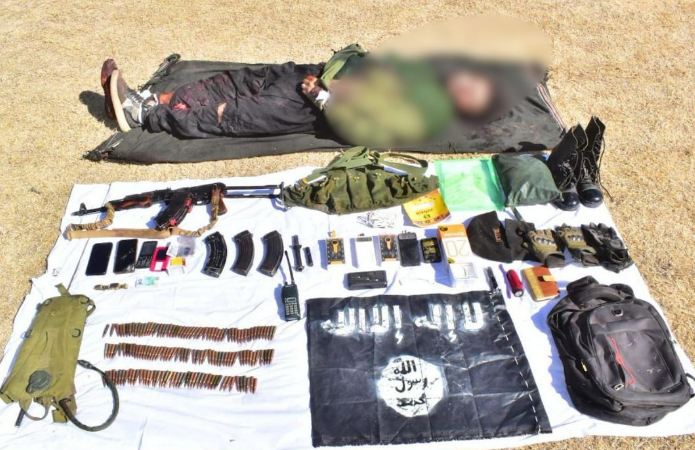
During the conduct of operation, after intense fire exchange, HVT Terrorist ring leader Surat Gul @Saif Ullah of Daesh was sent to hell.

Weapons, ammunition and explosives were also recovered from the killed Terrorist Commander, who remained actively involved in numerous terrorist activities including target killing of innocent civilians as well as extortion and was highly wanted by the law enforcement agencies.

Sanitization operation is being conducted to eliminate any other terrorist found in the area. Locals of the area appreciated the operation and expressed their full support to eliminate the menace of terrorism.

Refurbishing required for VC’s Appointment and Working

Refurbishing required for VC’s Appointment and Working

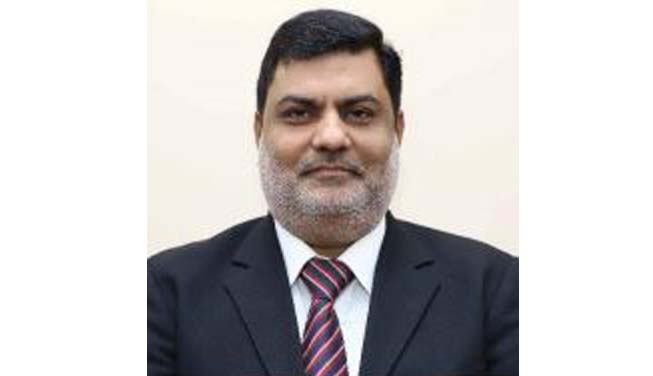
Prof. Dr. Arshad Munir

“We are seeking an individual who understands our past and can create a strong and compelling vision for our future; someone who embodies our values but is not afraid to challenge the status quo; a leader who can develop, articulate and implement a strategy capable of moving a world-class university to the next stage, become our next Vice-Chancellor”.

This is the advertisement from University of York England, one of the seven universities known as “the plate glass universities” established in the 1960s and flying speedily on QS globe with 162 ranking at the age of 60 years only with an endowment fund of £7.42 million compared to several oldest universities of UK like university of Aberdeen, established in 1495 having large endowment fund of £58.1 million but is at lower QS ranking i.e. 230 and Heriot- Watt University Edinburgh, established in 1821 having large endowment fund of £12.4 million but at lower QS ranking i.e. 281.

The same is the case with University of Warwick which was established also in the 1960s but flying swiftly on QS globe with 64 ranking at the age of 60 years only with an endowment fund of £6.7 million that indeed, is proof of excellent management, visionary leadership and sincere commitment from both the universities. The administrative driving force behind the University of York’s success include the leadership of a Vice-Chancellor, a Deputy Vice-Chancellor, Pro-Vice-Chancellor (Teaching, Learning and Students), Associate Pro-Vice-Chancellor (Teaching, Learning and Students), Pro-Vice-Chancellor (Research), Pro-Vice-Chancellor (Enterprise, Partnerships and Engagement) and Pro-Vice-Chancellor (Global Strategy) who play their role & responsibility at their level best. University of Oxford is one the world’s prominent institutions and has the highest status on the QS world ranking having more than 12,000 employees with more than £1billion income.

It is used to publish a comprehensive booklet for the appointment of her Vice Chancellor which elaborates process of the appointment along with the introduction of the university, teaching, research, engagement as well as fundraising and finance to give a brief outlook to a candidate to come with a vision and strategy that take the university ahead.

 The booklet emphasizes that “The Vice-Chancellor must have the courage to identify and to address the difficult questions Oxford needs to tackle, in a way that is sympathetic to the highly devolved and participatory nature of the collegiate University”.

A vice-chancellor serves as the chief executive officer of a university and principal accounting officer responsible for all administrative and academic functions of the University who is appointed for 3-4 years by the Chancellor(Governor) through a high-level search committee in Pakistan.

However, the appointment process of the Vice Chancellors always has been marred by allegations of irregularities, favouritism and even corruption. Many of the Professors have been appointed/ assigned the position of Vice Chancellors who are terminated from other institutions of Pakistan and even with dual jobs. On the other hand, there are also several Vice Chancellors who have been even removed because of their alleged involvement in corruption, favouritism, moral turpitude, and misuse of authority. Hundreds of cases and applications against the Vice Chancellors are still in the Courts, National Accountability Bureau, Federal Investigation Agency, Anti-Corruption Department etc. The prevailing data of course, demands overhauling which was already suggested by the author in one of his publications to make the system more transparent and efficient as it is very alarming to hand over an institution to a black sheep or a professional of bad fame/repute.

There are, however, some more suggestions regarding the appointment of a Vice-Chancellor and working of vice Chancellors for more autonomy linked with accountability.

i.              Pro- Vice-Chancellor or the Senior Most Dean of the concerned university may be added/ incorporated in the VC’s search committee to represent the university.

ii.             HEC/ HED or concerned Department/ Ministry may publish the list of eligible and ineligible candidates with justification on their website for verification, satisfaction, and omissions if any. The comparative award list of all shortlisted candidates may also be published after the interview for information and transparency as well.

iii.            The positions of the PVC’s and Deans may be filled directly by the Chancellor’s office through a comparative and competitive documentary base process without involving the Vice Chancellors. The concerned department/ unit of the Chancellors’ office may be held responsible and accountable in case of the vacancy is not filled in one fiscal year.

iv.           It may be mandatory to fill at least one post of professors at the faculty level and no faculties be constituted till the appointment/availability of a professor in that faculty.

v.            Declaration of own assets and submission of Bank statements along with blood relatives (wife & children) from the Vice Chancellors on the joining & relieving day may be pre-requisite.

vi.           Affidavit statement declaring no property has been transferred/ gifted or to ask to transfer/ gift by the VC to any of his relative(s) in/outside the country during his service as VC.

vii.          Performance evaluation report of the Vice Chancellors must include the number of national and international Projects, Awards, Gifts, and Funding won by the university staff and students in one fiscal year.

The more details of the above-mentioned suggestions are available and can be discussed and shared with the concerned authorities. Selection of efficient and committed leaders is mandatory for the success of any institute as Bill Gates has pertinently remarked, “As we look ahead into the next century, leaders will be those who empower others.”

The author is a professor of Islamic Studies having 23 years of teaching, research and administrative university experience at national and international levels having key positions as Dean, Director, and Chairperson etc.

Prof. Dr. Arshad Munir,

Ghazi University, Dera Ghazi Khan.

0331-6356433

[email protected]

Indonesia set for presidential vote, ex-general tipped to win

Indonesia set for presidential vote, ex-general tipped to win

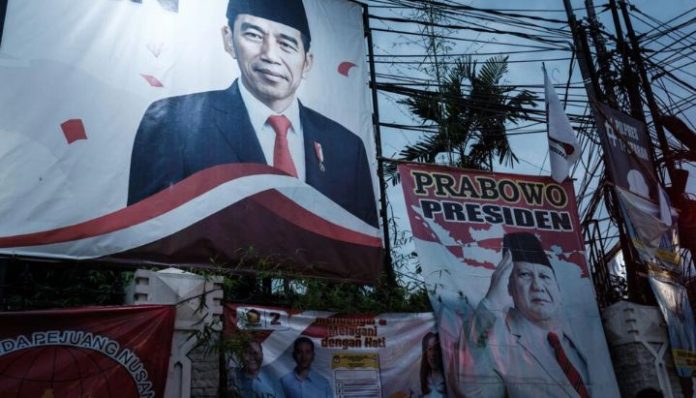
JAKARTA, Feb 11 (AFP/APP/DNA): Indonesians vote in a presidential election Wednesday with Defence Minister Prabowo Subianto the clear favourite after a campaign mixing nationalist rhetoric and pledges to continue the era of popular outgoing leader Joko Widodo.

The former general lost to Widodo in 2014 and 2019 but is on course to finally lead the world’s third-largest democracy after rehabilitating his image.

Widodo is constitutionally barred from running for a third term but his popularity hit all-time highs last year with polls showing he would have likely won another election.

Instead he is playing kingmaker for his defence chief and eldest son, who have joined forces on the same ticket.

Polls project Subianto to win a majority from nearly 205 million Indonesians who will dip their finger in halal ink at more than 800,000 polling stations across the volcano-dotted archipelago.

“What do I like? His persistence. For me, he cares about the people,” said Wilhelmina, a 51-year-old housewife in the capital Jakarta who goes by one name.

Battling the 72-year-old for a potential second-round run-off vote if he falls short are former Jakarta governor Anies Baswedan and former Central Java governor Ganjar Pranowo.

NGOs and his former military bosses accuse Subianto of ordering the abduction of democracy activists at the end of dictator Suharto’s rule in the late 1990s, but his new “cuddly grandpa” persona has won over younger voters.

Wilhelmina joined student protests when Subianto allegedly targeted them but says she has forgiven him.

“That figure was in the past,” she said.

The defence chief’s strongman credentials as a former special forces leader, his new social media image and the addition of Widodo’s eldest son have boosted his appeal.

The decision to recruit Gibran Rakabuming Raka courted controversy after Widodo’s brother-in-law passed a ruling to lower the age for candidates.

Their campaign surged after the 36-year-old was allowed to run.

The younger Widodo’s popularity is tied to his father, who took Indonesia out of the Covid-19 pandemic relatively unscathed and back to five percent growth.

So analysts say the vote will be a referendum on Widodo and Subianto’s administration.

Subianto has pledged to carry on Widodo’s ambitious economic development and infrastructure-building.

Baswedan has instead promoted an opposition message targeting bad governance, while Pranowo has offered free internet for students and banked on his humble background.

But both have been unable to match the star power of the Subianto campaign.

Indonesian Embassy Facilitates Nationals at Early Voting Event  

Indonesian Embassy Facilitates Nationals at Early Voting Event  

DNA

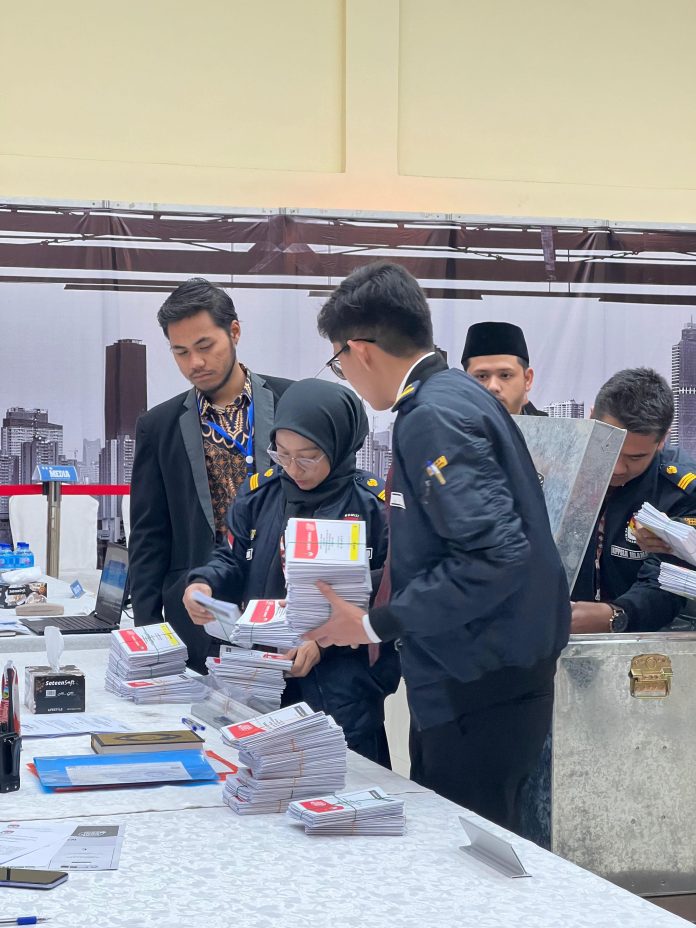
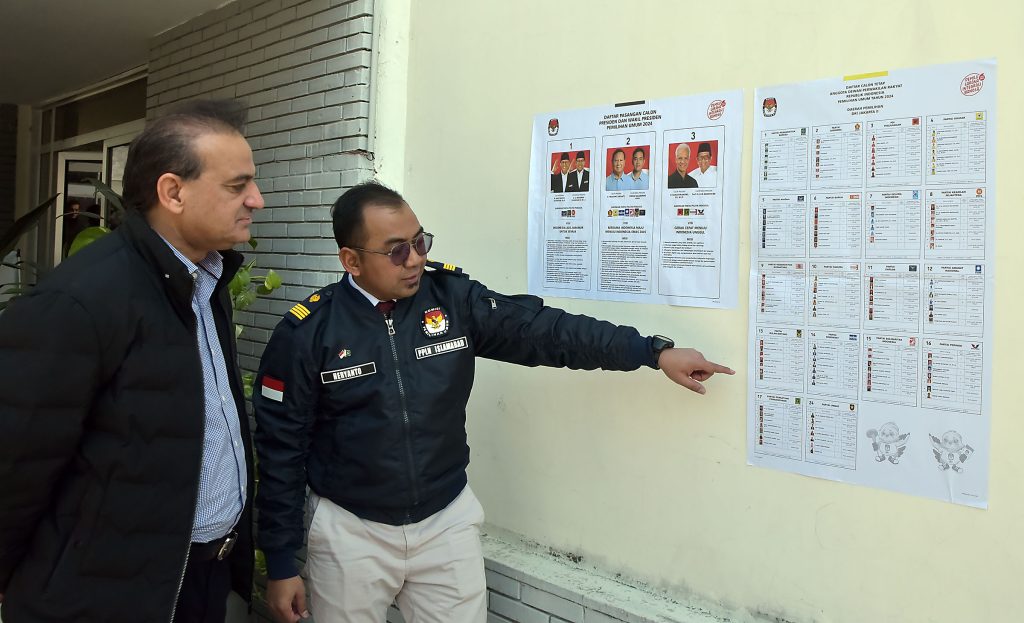
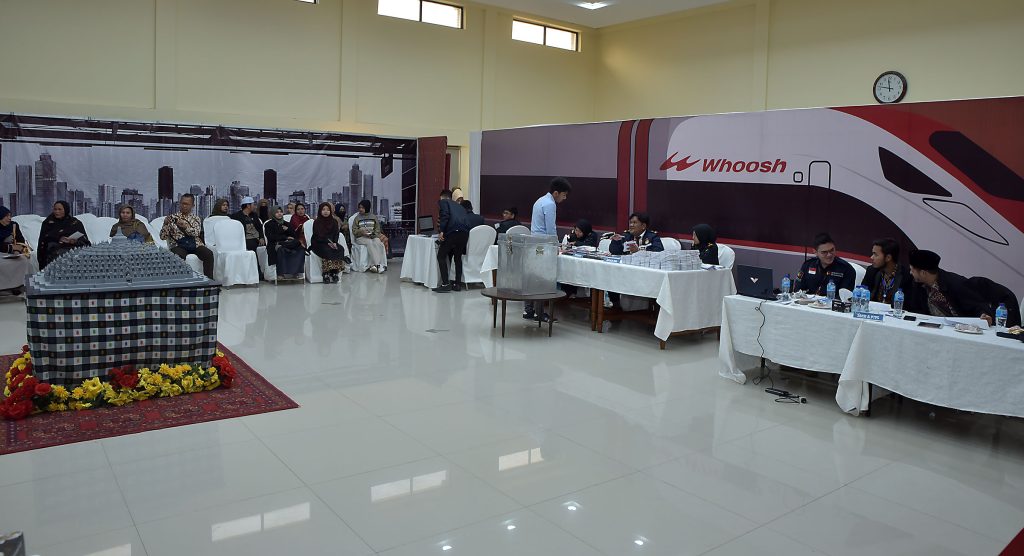
Islamabad: The Committee for the Indonesian General Elections with the support of the Indonesian Embassy in Islamabad conducted an advance polling event today at the premises of the Embassy. This early voting was held for the upcoming general elections in Indonesia scheduled to be held on 14 February 2024. The event provided an opportunity for the Indonesian nationals in Pakistan to participate in the electoral process as well as fostered a sense of community and camaraderie among the Indonesians and their families. The elections in democratic Indonesia will determine not only the new President and Vice President but also parliamentary and local representatives.

On this occasion, the Embassy made befitting arrangements to facilitate more than 800 citizens along with their families from all provinces of Pakistan to participate in voting process including Islamabad Capital Territory. While another approximately 200 Indonesian nationals will exercise their democratic right to vote in the Indonesian Consulate General in Karachi on this Sunday.

In addition to serving as a platform for exercising political rights, the event transcended its primary purpose and evolved into a vibrant social gathering. Attendees, both old acquaintances and new friends, seized the opportunity to reconnect, share stories, and celebrate the joyous occasion together. The atmosphere was filled with laughter, music, and the taste of Indonesian cuisine as participants enjoyed the bazaar featuring food stalls, a musical event, health facilities, and a children’s play area.

“This event is designed not only as a political event, but also as a moment of sharing happiness for Indonesians despite political differences,” said Mr. Arrozi M. Munib, Head of Indonesian General Elections Committee in Islamabad. “The ballot process was done smoothly with no significant hurdles on the ground,” added Mr. Zulfikar Alamsyah, Head of General Elections Supervisory Committee.

Moreover, the Embassy extended invitations to Pakistani think tanks and journalists, highlighting the significance of the electoral process in fostering strong democratic ties between Indonesia and Pakistan and further amplified the message of cross-border cooperation and mutual respect.

One of the distinctive features of the event was the marking of voters’ fingers with special purple ink, symbolizing their active participation in the electoral process. This visible demonstration of civic duty underscored the commitment of voters to shaping the future of their homeland through democratic means.

Expressing his views on the election arrangements, Ms. Solehatun from Haripur expressed her gratitude to those involved in the general election process particular the Embassy and all Committees for efficiently organizing the voting process, ensuring a smooth and democratic experience for all. “It was no tense faces. All I saw were smiles and happiness,” said Babar, a Pakistani national from Gujranwala, who accompanied his Indonesian wife during the event. The Embassy’s meticulous attention to security ensured that voters felt safe and secure throughout the electoral process, contributing to the overall success of the event.

Pakistan dispels the impression that there was any wrongdoing in election 2024

Foreign Office of Pakistan

ISLAMABAD, FEB 10 (DNA) – The Foreign Office of Pakistan has taken note of statements from certain countries and organizations on the general elections held in Pakistan on 8 February 2024.

We are surprised by the negative tone of some of these statements, which neither take into account the complexity of the electoral process, nor acknowledge the free and enthusiastic exercise of the right to vote by tens of millions of Pakistanis.

These statements ignore the undeniable fact that Pakistan has held general elections, peacefully and successfully, while dealing with serious security threats resulting primarily from foreign sponsored terrorism.

Some statements are not even factual. There was no nationwide internet shutdown. Only mobile services were suspended for the day to avoid terrorist incidents on the polling day. The elections exercise has demonstrated that the concerns of many commentators were misplaced.

Pakistan held the elections as part of its commitment to building a stable and democratic society. While we value constructive advice from our friends, making negative commentary even before the completion of electoral process is neither constructive nor objective.

Pakistan will continue to work towards building a vibrant democratic polity. Every election and peaceful transition of power brings us closer to that goal. We do this not on account of the concerns expressed by others but because that is the aspiration of our people and the vision of our founding fathers

Stay Connected

64FansLike
60FollowersFollow

Latest Reviews

Exchange Rates

USD - United States Dollar
EUR
1.17
GBP
1.35
AUD
0.67
CAD
0.72