Home Blog Page 797

ICE, ASITA sign MoU of cooperation, expect direct flights to Pakistan

ICE, ASITA sign MoU of cooperation, expect direct flights to Pakistan

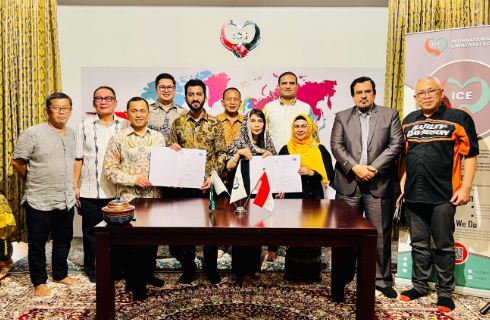
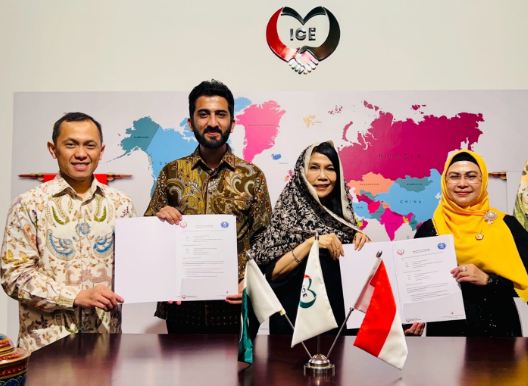
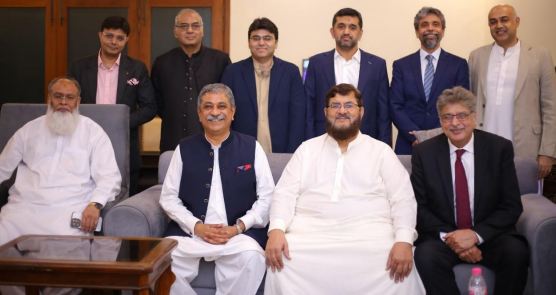
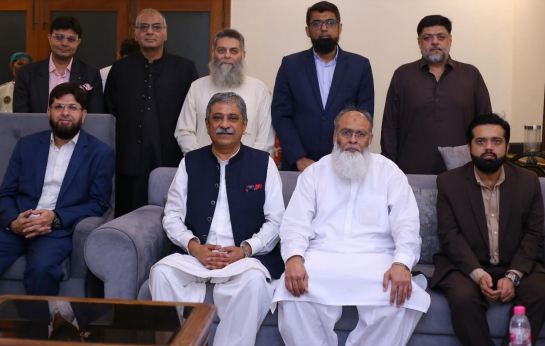
JAKARTA, OCT 6 /DNA/ – The International Creatives Exchange (ICE) has signed a memorandum of understanding (MoU) with the oldest tourism association in Indonesia, ASITA (Association of the Indonesian Tours and Travel Agencies) at the Al Barkat Palace, South Jakarta, on Saturday, (5/10).

The MoU consists of 11 points which aims to increase tourism for the two friendly countries, Indonesia and Pakistan.

Atta Ul Karim as the Chairman of ICE expressed his appreciation on the mutual cooperation, since him self was born in Pakistan and grew up in Indonesia. He unquestionably wishes to do something impactful for the benefits of both countries.

“I was born in Pakistan, but grew up and successful in Indonesia. So, I have to thank to the two countries,” Atta said, who was wearing golden brown batik at that time. “One of the best way for it is by continuously trying in all possible ways to improve tourism in the two brotherly countries,” he added.

Atta looks at ASITA as the right partner in realizing his wishes, since the association has been well- known as the leading association in tourism industry in Indonesia since 1971.

Mrs. Rusmiati, President of ASITA was proud and happy on the MoU, as Pakistan is one of the countries that has not been touched well in the tourism world, even though its potential is extraordinary. In addition, there are many halal tourism destinations in Indonesia, so there are huge similarities between Pakistan and Indonesia.

“Many countries have collaborated with ASITA, but Pakistan has not had any. In fact, its natural beauty is beyond imagination, even if it is compared to Switzerland or New Zealand,” Rusmiati explained while was wearing black Pashmina.

“Pakistan also has similarities with Indonesia as the two largest Muslim countries in the world, so it’s really a very good package to sell,” she continued optimistically.

According to the data, ASITA has 89 branches with seven thousand travel agencies as its underbow spread throughout the Indonesian archipelago.

On this occasion, Mrs. Siti Nur Azizah, Daughter of Indonesian Vice President and Mr. Rahmat Hindiarta Kusuma, Chargé d’Affaires of the Indonesian Embassy in Islamabad, were present to witness the MoU signing ceremony.

Mrs. Siti Nur Azizah, who had just attended the 79th Anniversary of the Indonesian National Armed Forces deeply wished that the cooperation will be beneficial for tourism industries between the two nations. “I wish it could be an access to build further levels of the long-standing friendly bilateral relations”, she said referring to the commemoration of 75th Anniversary of Diplomatic Relations between Indonesia and Pakistan, next year.

In line with Siti Nur Azizah, Rahmat Hindiarta Kusuma, the Chargé d’Affaires of the Indonesian Embassy in Islamabad, who had just arrived from Pakistan also fully supported the MoU. “As an Indonesian living in Pakistan, I really enjoy wonderful natural landscapes in Pakistan. The culture is also very unique. The people are very friendly, especially when they know we are from Indonesia. Hopefully this can be an open door for direct flights between Indonesia and Pakistan. There will be many multiple positive impacts,” the senior Diplomat said. During his one-year term in Pakistan, he has visited various regions in the country of Muhammad Ali Jinnah.

As it is well-known, currently there are no direct flights serving the two countries. That is one of the challenges in boosting tourist numbers from Pakistan to Indonesia or vice versa. “With the MoU between ICE and ASITA, we want to see the increased numbers of tourists in the two countries. Subsequently, the airlines further open the direct flights,” Rahmat concluded.

Indian FM Jaishankar rules out bilateral talks at SCO summit in Pakistan

Indian FM Jaishankar rules out bilateral talks at SCO summit in Pakistan

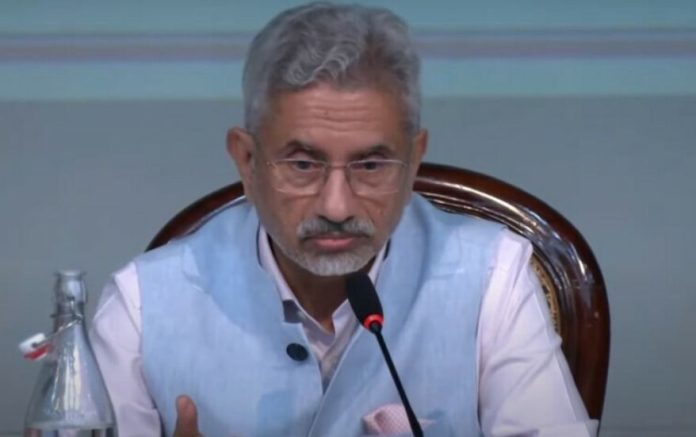
ISLAMABAD, OCT 5: India’s Minister for External Affairs Subrahmanyam Jaishankar on Saturday said he would not discuss bilateral relations when he visits Pakistan this month, the first such visit in nearly a decade, for the Shanghai Cooperation Organisation (SCO) summit.

“I expect there would be a lot of media interest because of the very nature of the relationship,” Jaishankar said in response to a query at an event in New Delhi.

“But I do want to say it will be for a multilateral event. I am not going there to discuss India-Pakistan relations,” he added.

“I am going there to be a good member of the SCO but since I am a courteous and civil person, I will behave myself accordingly,” he said.

The Indian foreign ministry confirmed a day ago that Jaishankar will visit Pakistan to participate in the summit on Oct 15-16 but did not say if he would meet any Pakistani leaders on the sidelines.

Relations between the two countries have gone through periods of thaw from time to time but have been largely frozen since they downgraded diplomatic ties in tit-for-tat moves in 2019.

Earlier, the Foreign Office (FO) had confirmed that Prime Minister Modi was invited to the SCO Council of Heads of Government meeting, which Pakistan is hosting on Oct 15-16, under its rotating chairmanship.

FO spokesperson Mumtaz Zahra Baloch had said, “An invitation has also been sent to the Prime Minister of India, Narendra Modi,” adding that some countries had already confirmed their participation in the meeting.

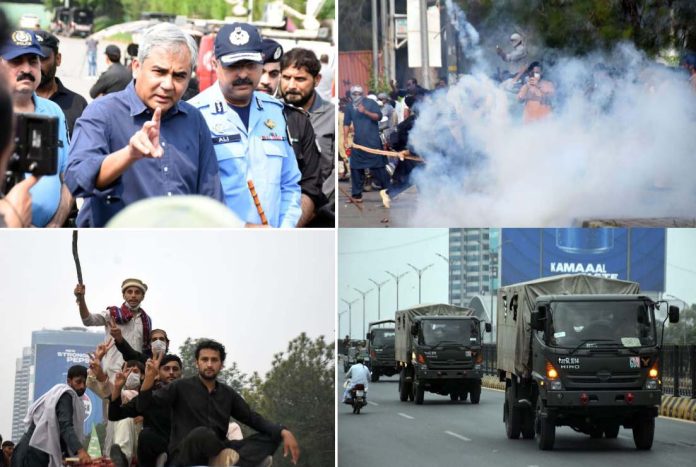
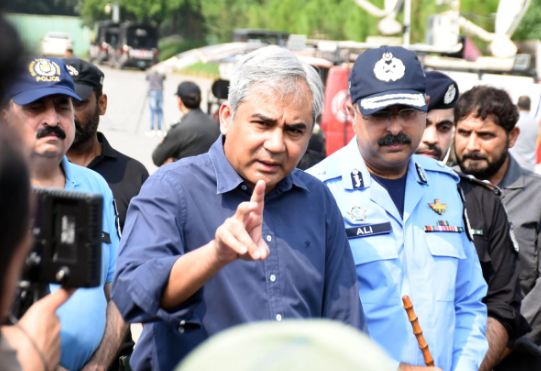
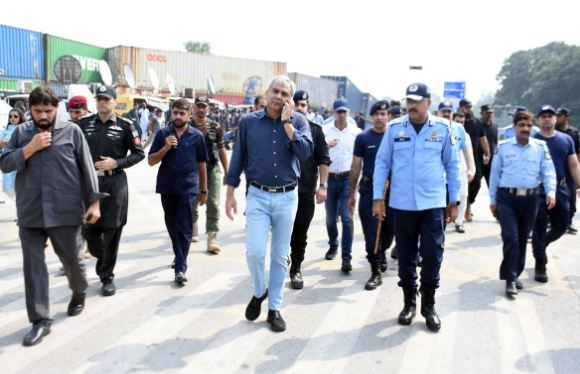
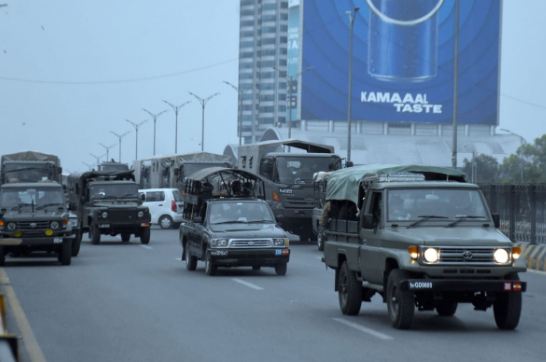
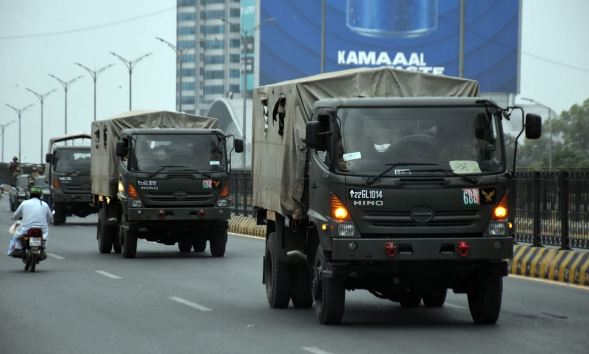
Meanwhile, a comprehensive security plan for the upcoming SCO summit was appr­oved on Wednesday at a meeting chaired by Federal Minister for Interior Mohsin Naqvi.

The interior minister said additional personnel from Pakistan Army, Rangers, FC and Punjab police will be deployed to ensure foolproof security for the guests.

In May last year, then-foreign minister Bilawal Bhutto-Zardari had visited India to attend the two-day meeting of the SCO Cou­ncil of Foreign Ministers.

He was the first Pakistani foreign minister to visit India in almost 12 years.

At a Senate panel later that month, Bhutto-Zardari called it a “productive and positive decision” to participate in the event.

“As far as the Kashmir issue, bilateral issues between Pakistan and India, and the responsibilities of multilateralism are concerned, my conclusion after the trip is that it is a productive and positive decision to participate in the event,” he had said.

Similarly, former adviser on foreign affairs Sartaj Aziz visited Amritsar in Dec­­ember 2016 for the Heart of Asia conference. Add­itionally, when India hosted the SCO Council of Heads of State on July 4, 2023, in a virtual format, Prime Minister Shehbaz Sharif participated, demonstrating Pakistan’s willingness to engage despite the strained bilateral relations with India.

India’s participation in the SCO, even otherwise, is a delicate balancing act, weighing its need for regional security cooperation against its wariness of China’s growing influence within the organisation. By engaging selectively in SCO’s economic strategies, India is pursuing a nuanced approach that aims to counterbalance Chinese dominance while fostering constructive ties with Central Asian nations.

India’s hesitation to attend meetings in Pakistan is a well-established stance, dating back to its boycott of the 19th Saarc Summit in November 2016, which was to be hosted by Pakistan. The boycott led to a stalemate, leaving the regional body in limbo, as the Saarc charter mandates that all member states must be present for a summit to take place. In contrast, the SCO has no such restriction, allowing for more flexibility in its meeting arrangements.

Pakistan Customs wins Junior National Hockey Championship Final

Pakistan Customs wins Junior National Hockey Championship Final

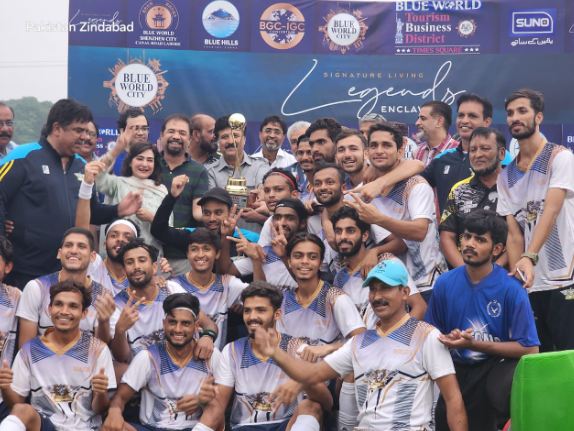
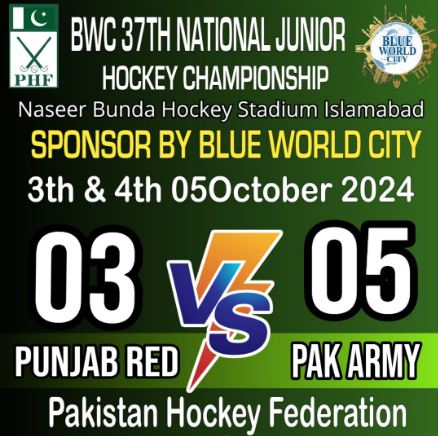
ISLAMABAD, OCT 5 (DNA) – Pakistan Customs has emerged victorious in the final of the Junior National Hockey Championship held in Islamabad.

Pakistan Customs wins Junior National Hockey Championship Final

The thrilling final match showcased the immense talent and competitive spirit of the young players.

With this win, Pakistan Customs has secured their place as champions, marking a significant achievement in the tournament.

Pakistan Customs wins Junior National Hockey Championship Final

Customs goal scorer Hamza Fayyaz scored two goals. Navy goal scorer Rana Waleed and Waseem scored one goal each.

Australian HC visits Khawaja Junaid Hockey Academy in Lahore

Australian HC visits Khawaja Junaid Hockey Academy in Lahore

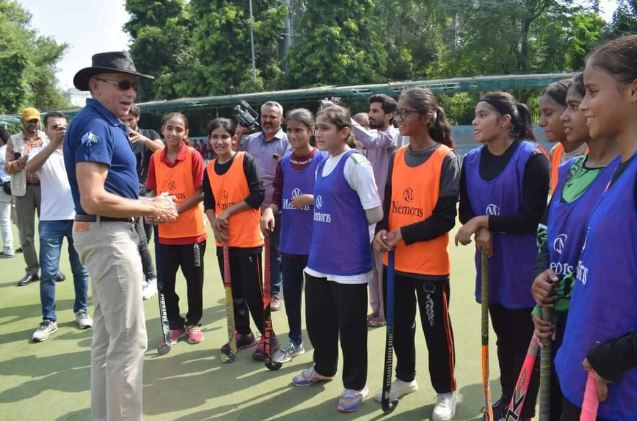
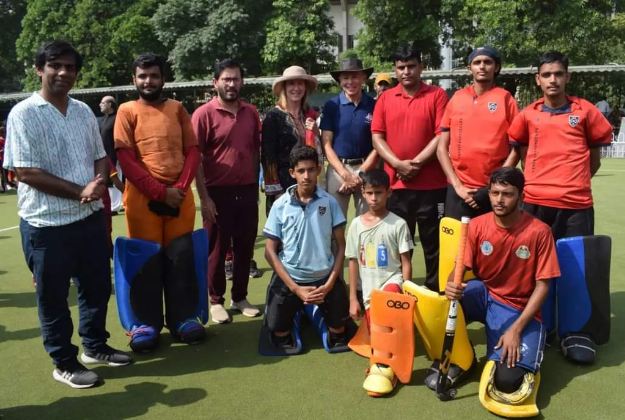
LAHORE, OCT 5 /DNA/ – Neil Hawkins, the Australian High Commissioner to Pakistan, visited the Khawaja Junaid Hockey Academy in Lahore today.

The esteemed diplomat was warmly welcomed by Olympian Khawaja Junaid, the founder of the academy. During the visit, Neil Hawkins commended the academy’s efforts in nurturing young hockey talent and fostering the spirit of sportsmanship in Pakistan.

This visit highlights the growing collaboration and shared passion for sports between Australia and Pakistan.

Unpacking the U.S.-China Economic Engagement

Unpacking the U.S.-China Economic Engagement

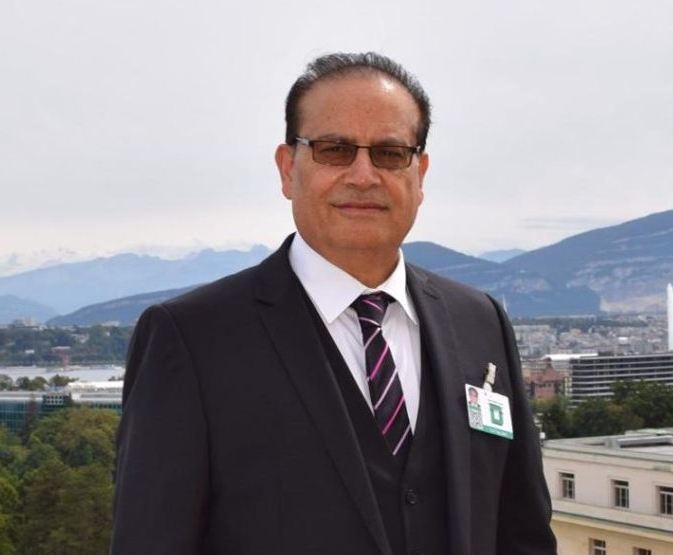
Dr. Muhammad Akram Zaheer

The small, seemingly insignificant actions in geopolitics often reveal much larger truths about the global order. A recent meeting of the U.S.-China financial working group offers a glimpse into the complexities of their relationship. This group, which includes representatives from the central banks and government agencies of both nations, met in China to coordinate changes in their respective banking systems. On the surface, this might seem like a routine event; after all, such meetings occur regularly. However, a closer look reveals a deeper geopolitical undercurrent. The coordination of financial policies between two of the world’s largest economies is more than just a technical exercise. It is a reflection of the broader tensionthat challenges and opportunities of characterize U.S.-China relations.At first glance, the relationship between the U.S. and China appears highly strained. Tensions between the two nations seem ever-present and their military activities suggest the potential for conflict. Both sides have been positioning their weapons systems in ways that provoke anxiety in the other. For instance, in recent months, we have seen joint Russian and Chinese bomber missions probing near U.S. airspace in Alaska, prompting U.S. and Canadian fighter jets to respond. Similarly, China has violated Japanese airspace, raising concerns among U.S. allies in the region.These incidents are not isolated. The U.S. maintains a close relationship with the Philippines, a nation that frequently clashes with China over territorial disputes in the South China Sea. Additionally, U.S. support for Taiwan continues to be a significant source of tension with Beijing. China views Taiwan as a breakaway province, while the U.S. treats it as a key ally in the Asia-Pacific region. The list of geopolitical flashpoints is long and these examples barely scratch the surface.Amid such military and political tensions, one might expect economic and financial relations to be similarly fraught. Geopolitics often dictates that wars can be sparked by political disagreements, economic threats, or military actions. In this light, financial matters, as a key dimension of geopolitical systems, should logically reflect the adversarial nature of U.S.-China relations. Yet, here lies the paradox: at the same time as military tensions are on the rise, the U.S. and China are quietly coordinating on financial and economic issues.This raises a fundamental question: why would two nations that appear to be on the brink of conflict also engage in efforts to streamline their financial systems and make trade more efficient? Is this merely a technical necessity, or does it signify something deeper about their relationship?The answer may lie in the realization that, despite their differences, both nations have a stake in economic cooperation. While geopolitical tensions may drive military and political actions, economic realities often force nations to find common ground. This is especially true for the U.S. and China, whose economies are deeply intertwined. The financial working group meeting, then, is not merely a technical exercise but a reflection of the broader balancing act that defines U.S.-China relations.The U.S. and China are economically interdependent in ways that make outright conflict unlikely. The two nations are each other’s largest trading partners and the flow of goods, services and capital between them sustains millions of jobs and underpins global economic stability. The U.S. relies on China as a manufacturing hub for everything from consumer electronics to medical supplies, while China depends on the U.S. as a major market for its exports.This economic interdependence creates a paradox. On one hand, it increases the stakes of any potential conflict, as both nations have much to lose if relations break down entirely. On the other hand, it forces both sides to engage in pragmatic cooperation, even when political and military tensions are high. The financial working group’s meeting is a clear example of this pragmatism in action. The U.S. and China may disagree on many issues, but when it comes to ensuring the smooth flow of capital and trade, they recognize the need for collaboration.Another important aspect of this dynamic is the changing perception of China in the international arena. For many years, China was viewed as an emerging military superpower, one that could challenge the U.S.’s dominance in the Asia-Pacific region and beyond. This perception was bolstered by China’s rapid economic growth, its ambitious military modernization efforts and its assertive foreign policy.However, recent developments have led to a reassessment of China’s strengths and weaknesses. While China remains a major military and economic power, it faces significant internal challenges that limit its ability to project power on the global stage. These challenges include a slowing economy, demographic pressures and increasing resistance from other nations to its Belt and Road Initiative (BRI).At the same time, the narrative of China as an economic juggernaut has been revived. Despite its slowing growth, China remains a crucial player in global supply chains and there is still money to be made in its vast market. The U.S., recognizing this, has shifted its focus from military confrontation to economic engagement. This shift is reflected in the financial working group’s focus on removing barriers to investment and trade, rather than on geopolitical competition.

The financial working group’s meeting, then, is about more than just streamlining financial transfers. It is a step toward ensuring that the economic relationship between the U.S. and China remains stable, even as other aspects of their relationship remain fraught with tension. The meeting reflects a recognition that both sides have much to gain from economic cooperation, even if their political and military interests diverge. At the heart of this cooperation is a principle that has long guided U.S.-China economic relations: “implement a deal for payments and leave the rest to the market.” This principle acknowledges the need for a framework that facilitates trade and investment while allowing market forces to shape the broader economic relationship. A pragmatic approach recognizes the importance of maintaining stability in the global economy, even as geopolitical tensions simmer.Despite the frequent flare-ups between the U.S. and China, it is unlikely that the two nations will go to war. From the U.S. perspective, there is little to gain and much to lose from a conflict with China. A war with China, especially a naval war in the Asia-Pacific, would be costly and could disrupt the global economy in ways that would hurt the U.S. and its allies. Furthermore, the U.S. is wary of being entangled in another protracted conflict, particularly at a time when it is still dealing with the aftermath of wars in Iraq and Afghanistan. For China, the decision to go to war is more complex. While China may be open to a limited conflict in Asia, particularly if it involves reclaiming Taiwan, it is cautious about engaging in a full-scale war with the U.S. China’s military, while formidable, lacks the global reach of the U.S. military and a naval war would expose its vulnerabilities. Additionally, China’s economy is heavily dependent on global trade and a war with the U.S. would likely lead to economic isolation and instability.Given these considerations, both nations have strong incentives to avoid military conflict. Instead, they are likely to continue engaging in a mix of competition and cooperation, particularly in the economic realm. The financial working group meeting is an example of this delicate balancing act. Both sides recognize the importance of maintaining economic ties, even as they prepare for the possibility of future confrontations.

The recent meeting of the U.S.-China financial working group may seem like a small event in the grand scheme of global geopolitics, but it reveals much about the current state of U.S.-China relations. While tensions between the two nations are high, particularly in the military and political spheres, economic interdependence forces them to find ways to cooperate. The financial working group’s focus on streamlining financial processes and facilitating trade is a reflection of this reality. The relationship between the U.S. and China is complex, shaped by both competition and cooperation. While the prospect of military conflict looms large, it is unlikely that either side will pursue war, given the high stakes involved. Instead, the two nations will continue to navigate their differences through a combination of diplomacy, economic engagement and, when necessary, military deterrence. The small things like the financial working group meeting offer a window into the larger truths of geopolitics. They remind us that even in times of tension, nations can find common ground, particularly when it comes to economic matters. As the U.S. and China continue to vie for influence in the global order, their ability to manage their complex, interdependent relationship will be crucial in shaping the future of international relations.

The PTI versus Yellow Vest Protests of France

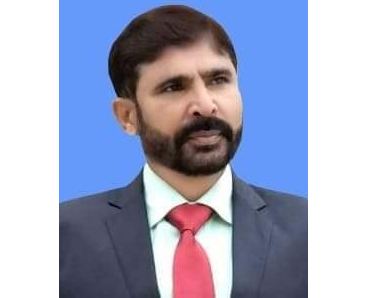
Qamar Bashir

Qamar Bashir

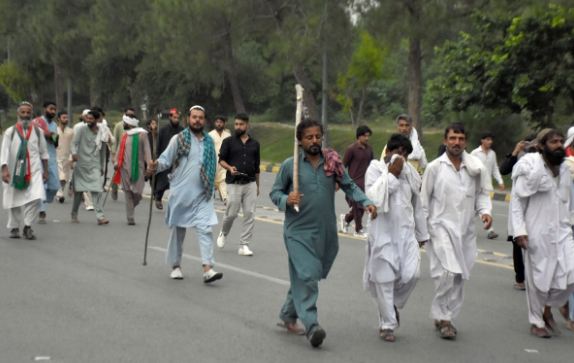
During my tenure as Press Minister in France, I witnessed firsthand the chaos of the Yellow Vest movement, which erupted in November 2018. The protests, sparked by rising fuel taxes and economic grievances, quickly evolved into a larger anti-government movement. Every weekend, thousands of protesters wearing yellow vests swarmed Paris, particularly targeting the posh Champs-Élysées, where the Embassy of Pakistan was located. The protests frequently spiraled into violence, with vandals setting vehicles ablaze, smashing windows of luxury boutiques, looting high-end stores, and even targeting banks by pulling out ATMs.

This movement turned into a prolonged cat-and-mouse game between protesters and law enforcement, who often resorted to tear gas, water cannons, and mass arrests to contain the destruction. Over 200,000 people participated at the peak of the protests, causing over €200 million in damages in Paris alone. The movement severely impacted France’s tourism industry, resulting in a 10% drop in bookings and a 30% decrease in tourist revenues during critical holiday seasons. The disruptions also tarnished France’s global image, and its ranking in the Reporters Without Borders Press Freedom Index fell from its usual top 10 position to 33rd, the lowest in Europe at that time. The unrest not only challenged the government but also left lasting scars on the French economy and society.

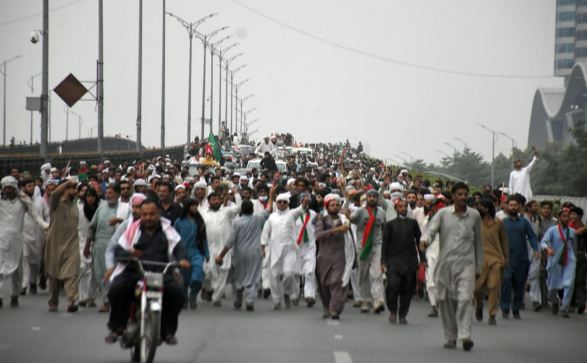
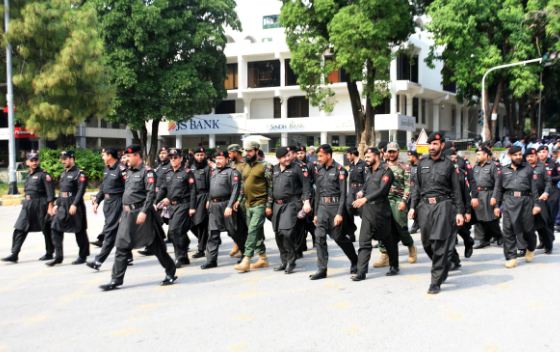
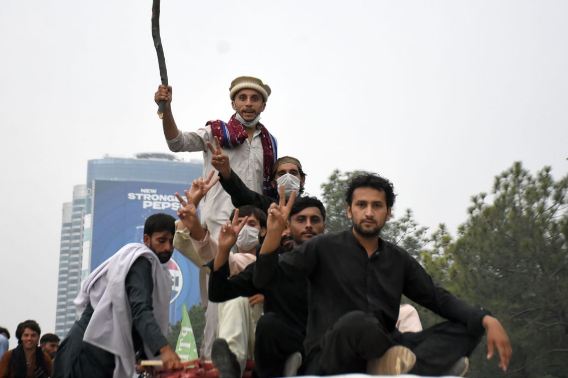
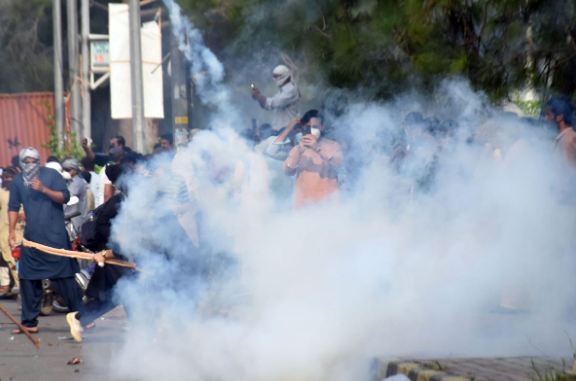
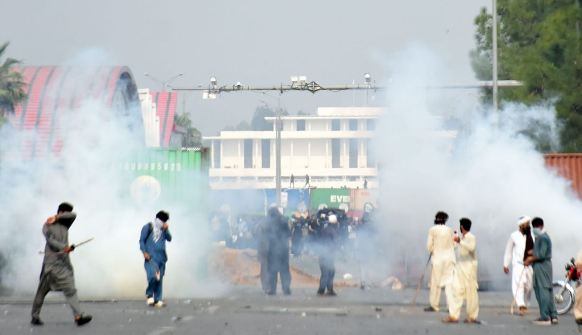
It appears that the PTI leadership may have drawn inspiration from the strategy employed during the Yellow Vest movement in France. Like the Yellow Vests, PTI seems to rely on frequent, large-scale protests to challenge the government’s authority. PTI’s strategy of organized and frequent protests has proven effective in multiple ways, although it comes at a high cost to the public and the economy.

PTI’s protests have effectively kept the ruling coalition on the defensive, especially on political and electoral fronts. The protests continue to cast doubts over the legitimacy of the ruling coalition, accusing them of coming to power through rigged elections, particularly citing the manipulation of Form 45 and Form 47. PTI claims that the National Assembly members, who passed critical legislation, including constitutional amendments, do not represent the will of the people. These claims have not only disrupted parliamentary proceedings but also forced the government to allocate resources to counter PTI’s legal challenges and public demonstrations.

The alleged manipulation of Form 47, where election results were reportedly altered in favor of the ruling coalition, remains a critical point of contention. Form 47 discrepancies highlight how PTI’s protests have successfully raised doubts about the electoral process. Furthermore, PTI’s strategy of street agitation and pressure tactics has forced the government to delay or reconsider sweeping constitutional changes that they intended to push through the National Assembly.

PTI’s consistent pressure on judicial matters has also played a role in reshaping Pakistan’s political landscape. Their protests against what they deem politically motivated cases have often rallied public support, placing the judiciary under intense public scrutiny. Legal challenges initiated by PTI have frequently led to delays or the invalidation of government actions, such as their intervention to challenge the amendments in the Supreme Court’s powers and electoral laws.

In this context, PTI’s protests have indirectly shaped the judicial narrative, even pushing the Supreme Court to review certain actions taken by the government. As a result, the judicial process has become an additional arena where the PTI has sought to counter what it sees as unconstitutional or undemocratic practices by the ruling coalition.

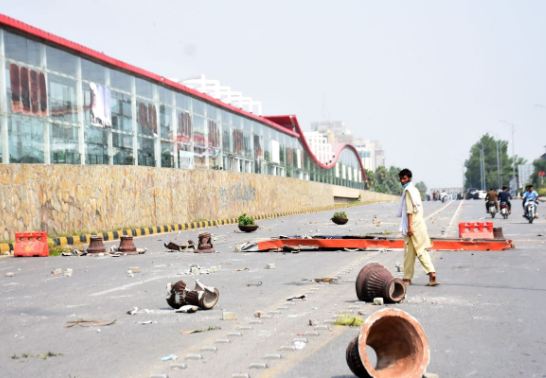
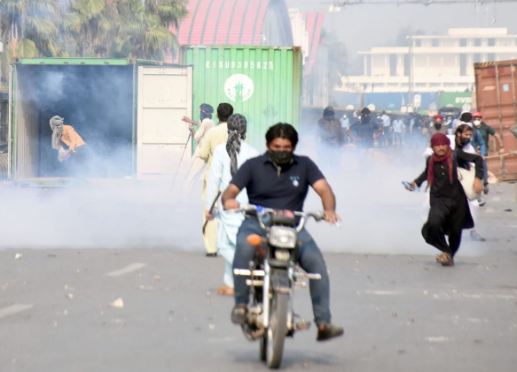
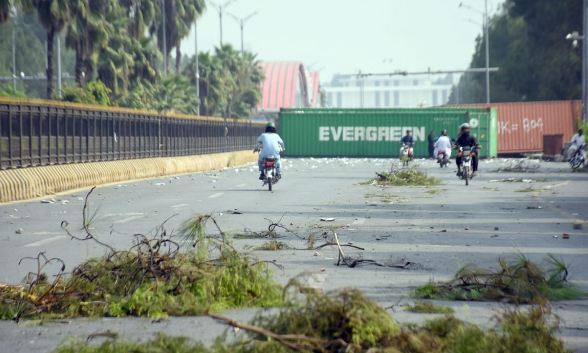
PTI’s protest strategy, however, comes at a steep economic cost to the country. Disruptions caused by their protests—whether in major cities or on critical national routes—result in financial losses on a large scale. Businesses in cities like Islamabad, Lahore, and Karachi report up to a 30% drop in revenue on days when PTI’s demonstrations are active. These losses, compounded over time, have taken a toll on businesses and employment.

Transport disruptions during protest days also create logistical nightmares, with goods stuck in transit and supply chains slowing down. This leads to price hikes for consumers and supply shortages in the market, further hurting the economy.

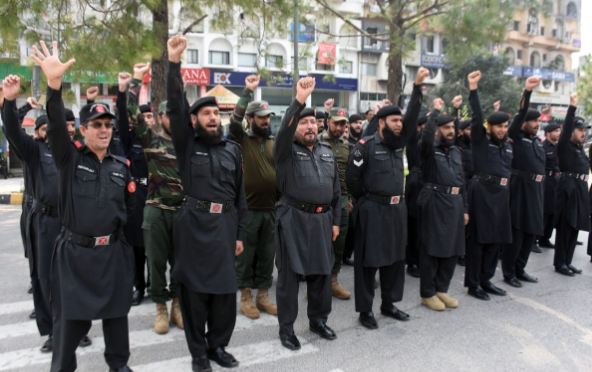
The government’s response to PTI’s protests has added additional pressure on national resources. The frequent deployment of anti-riot forces, tear gas, and other crowd-control measures not only strains law enforcement but also the national budget. The costs of policing PTI’s protests are substantial, with tear gas, fuel, and logistical expenses running into millions of rupees per protest day. According to estimates, the government allocates a significant amount from its law-and-order budget to deal with PTI’s frequent protests, leading to a drain on public resources that could be used elsewhere.

The law-and-order situation further deteriorates during protests as public property is often damaged, exacerbating the financial burden. PTI’s protests have raised concerns about the government’s ability to maintain control, tarnishing Pakistan’s image abroad. This, in turn, leads to lower tourism rates and diminished foreign direct investment (FDI). Investors and tourists are deterred by the political instability, adding further pressure to an already struggling economy. Tourism in Pakistan, which had been gradually increasing, saw a decline due to these political uncertainties and unrest.

Ultimately, PTI’s strategy, while effective in challenging the government on multiple fronts, leaves the average citizen grappling with the negative consequences. Business losses, reduced foreign investment, and diminished employment opportunities are felt across the country. The wider economy suffers from these disruptions, and the trickle-down effects are evident in the loss of jobs and business closures.

The French government ended the Yellow Vest movement by key policy reversals, such as canceling the fuel tax hike and increasing the minimum wage, addressing immediate grievances, while Macron’s “Grand National Debate” gave citizens a platform to voice concerns. Additional reforms, including tax cuts and support for rural areas, targeted underlying economic issues. Over time, the movement lost momentum due to internal divisions, public opinion shifts, and protest fatigue, allowing the government to de-escalate the crisis.

To defuse the PTI movement, the Pakistani government, judiciary, and parliament can learn from France’s handling of the Yellow Vest protests by adopting a balanced approach. This includes initiating public dialogue to address grievances, such as electoral concerns, through transparent reforms and restoring election tribunals. While making reasonable concessions, such as ensuring fair electoral processes, the government must maintain strict law enforcement against violence, distinguishing between peaceful protesters and agitators. Additionally, fostering protest fatigue and addressing economic concerns through targeted reforms can shift public opinion and weaken the movement, helping to restore political stability.

Qamar Bashir

Former Press Secretary to the President

Former Press Minister to the Embassy of Pakistan to France

Former MD, SRBC, CEO, ATV

Govt mulls Governor’s rule in KP

Pakistan: A Pivotal Bridge Aligning Economic Interests Between China and the Middle East

DNA
ISLAMABAD: The federal government is mulling imposition of Governor rule in the KP province. The KP Governor Faisal Karim Kundi met with the Prime Minister on Friday.
Sources close to this development revealed that both sides discussed as to how to control situation in the KP. Sources claim Governor Faisal Kundi also supported the idea of Governor rule, but it was not decided when the government will go for this extreme step.
The sources are of the view that many ministers think any such step before the SCO summit may be avoided.

PSBA Elects New Leadership: Muhammad Munir Khanani appointed Chairman

PSBA Elects New Leadership: Muhammad Munir Khanani appointed Chairman

KARACHI, OCT 4 /DNA/ – The Pakistan Stock Brokers Association (PSBA) held its Annual General Meeting (AGM) on October 4, 2024, under the Chairmanship of Dr. Yasir Mahmood, the Senior Vice-Chairman. The members adopted all resolutions submitted.

The financial statements for the fiscal year ending June 30, 2024, were also presented during the AGM. Members unanimously approved and adopted; a) the audited financial statements & reports 2023-24; b) the appointment of auditor, M. Saleem Associates, for the year 2025; c) the minutes of the 3rd AGM; and d) the Annual Report 2024.

A critical highlight of the AGM was the election of new directors/members to the Board/Executive Committee. The elections were conducted in accordance with the rules and regulations laid down by the Directorate General of Trade Organizations (DGTO), ensuring transparency and fairness.

The following individuals have been successfully elected as Directors/EC Members, as announced by the Election Commission:

1. Mr. Muhammad Munir Khanani – Chairman

2. Mr. Zahid Latif Khan – Senior Vice-Chairman

3. Mr. Ammar Ul Haq – Vice Chairman

4. Chaudhry M. Afzal – Director/EC Member

5. Mr. Abdul Qadir – Director/EC Member

6. Mr. Asad – Director/EC Member

7. Mr. Ghulam Mujtaba Sakarwala – Director/EC Member

8. Mr. Muhammad Adnan – Director/EC Member

9. Mr. Omer Khalil Malik – Director/EC Member

10. Mr. Zubair Ghulam Hussain – Director/EC Member

The elections were supervised by the Election Commission of PSBA, which adhered to all applicable legal frameworks to ensure a smooth and orderly process.

After the charge, in his concluding remarks, the newly elected Chairman, Mr. Khanani, emphasized the need for a continued focus on innovation, regulatory alignment, and member advocacy. He reiterated the Board’s commitment

to engaging with regulatory authorities, and tax bodies to create a more conducive environment for brokers and investors alike.

The AGM concluded with a vote of thanks to all outgoing directors for their dedication and service, and a renewed commitment from the incoming Board to uphold the values and objectives of the Association.

On World Teachers Day, President Zardari emphasises teachers’ empowerment, recognition

On World Teachers Day, President Zardari emphasises teachers' empowerment, recognition

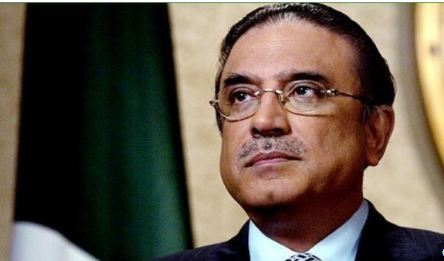
ISLAMABAD, Oct 4 (APP) As the international community observes World Teachers’ Day on Saturday, President Asif Ali Zardari urged the countrymen to reaffirm their commitment to empowering the teachers, besides ensuring their respect and recognition.

“On this day, let us reaffirm our commitment to empowering our teachers and ensuring that they receive the respect, support, and recognition they deserve. Let’s commit to improving our education system by investing in the capacity building and professional development of our teachers,” the president said in his message to the nation on the Day.

He said the teachers were the architects of any society as they helped nurture young minds and the Day was meant to celebrate the contributions of teachers in shaping our future generations. “Capable teachers inculcate critical thinking, creativity, and ethical values in their students, helping them become responsible and productive citizens.

They should help in the moral development of students by promoting ethical values, love, tolerance, mutual respect and brotherhood,” he stressed. The president also acknowledged the challenges being faced by teachers, including inadequate training and lack of professional development opportunities. He said that there was a dire need to equip our teachers with the tools to successfully fulfill their responsibilities. “We need to set standards for teachers’ recruitment, continuous education, training, and certification.

 A comprehensive monitoring and performance evaluation system is essential to improving the educational outcomes of our schools. We also need to provide a better working environment to teachers so that they can committedly discharge their duties,” the president said. He viewed that the experiences of the teachers could also be very useful in improving our education system. We believe that a workforce of well-trained and respected teachers is essential for building a more civilized and educated society, he added.

Stay Connected

64FansLike
60FollowersFollow

Latest Reviews

Exchange Rates

USD - United States Dollar
EUR
1.17
GBP
1.36
AUD
0.72
CAD
0.73