Home Blog Page 791

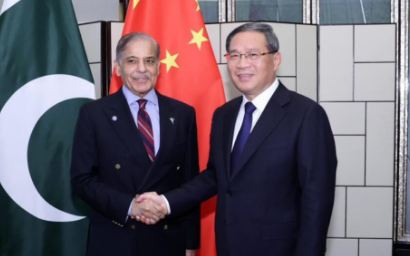
Pakistan rolls out red carpet for Chinese PM Li Qiang as bilateral ties to climb new height

Pakistan rolls out red carpet for Chinese PM Li Qiang as bilateral ties to climb new height
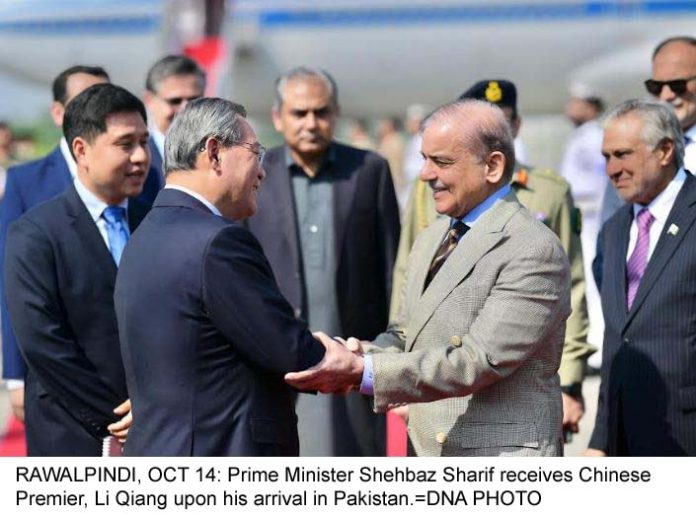
RAWALPINDI, OCT 14: Prime Minister Shehbaz Sharif receives Chinese Premier, Li Qiang upon his arrival in Pakistan.=DNA PHOTO

ISLAMABAD: Chinese Prime Minister Li Qiang on Monday landed in Rawalpindi on a four-day visit to Pakistan, where he will discuss various matters of mutual interest with Pakistan on the sidelines of the Shanghai Cooperation Organisation (SCO) summit. 

The Chinese dignitary is visiting Pakistan at the invitation of Prime Minister Shehbaz Sharif and will stay here from October 14-17, read a statement released by the Ministry of Foreign Affairs.

In a statement after arrival, the premier said: “As soon as I stepped off the plane, I was greeted with the warm hospitality of the Pakistani side and impressed by the profound brotherly friendship between our peoples.”Play Video

“On behalf of the Chinese government and people, I wish to convey cordial greetings and best wishes to the friendly Pakistani government and people,” said the Chinese dignitary.

He mentioned that Pakistan is an important developing country, an emerging market, and a major Muslim country. It is also, he said, China’s all-weather strategic cooperative partner and an ironclad friend.

“China is now further deepening reform comprehensively and advancing Chinese modernisation on all fronts through high-quality development. Pakistan is also committed to its reform and development endeavour,” added PM Li.

Earlier, expanding on the Chinese PM’s visit, the FO had said that the dignitary and his counterpart PM Shehbaz will lead respective delegations to comprehensively discuss all aspects of Pakistan-China relations including economic and trade ties and cooperation under the China-Pakistan Economic Cooperation (CPEC).

The Chinese premier would also call on President Asif Ali Zardari and hold meetings with parliamentary leaders and the country’s senior military leadership.

PM Li’s visit comes as several top foreign leaders will be convening in Islamabad for the Heads of Government meeting —  the supreme decision-making body of the SCO which meets once a year and decides upon all the important issues of the organisation.

The dignitaries set to attend the SCO moot include Russian Prime Minister Mikhail Mishustin, Iranian First Vice-President Mohammad Reza Aref and Indian External Affairs Minister Subrahmanyam Jaishankar — the first visit by an Indian FM in nearly a decade.

The SCO comprises China, Russia, Pakistan, Iran, India, Kazakhstan, Kyrgyzstan, Tajikistan, Uzbekistan and Belarus along with 16 more countries, which are affiliated as observers or “dialogue partners”.

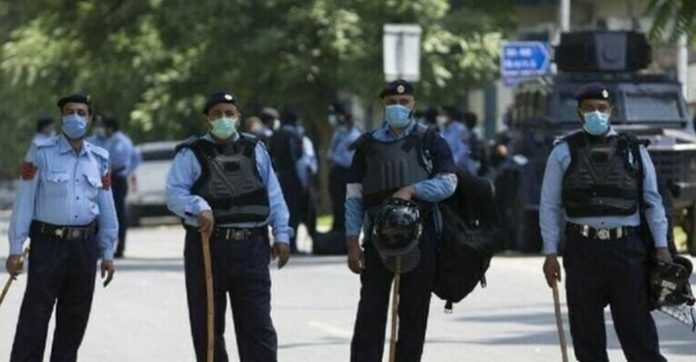
The high-level moot will be held with strict security measures in place as the government has announced a three-day public holiday in Islamabad, with schools and businesses shut, and large contingents of police and paramilitary forces deployed.

Pakistan Army troops will be responsible for the security of the capital’s Red Zone, which will house most of the meetings and is also home to parliament and a diplomatic enclave, according to the interior ministry.

Boeing delays 777X rollout, lays off 10% of staff as carriers wait for planes

Boeing delays 777X rollout, lays off 10% of staff as carriers wait for planes

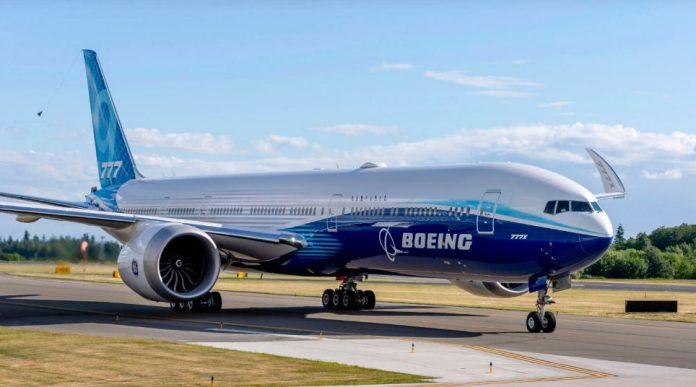
WASHINGTON, OCT 13: Boeing CEO Kelly Ortberg told employees that the company has to make “tough decisions” during the machinist strike. Boeing CEO Kelly Ortberg told employees Friday afternoon that the company would need to delay the launch of the 777X and lay off roughly 10% of its workforce as the machinist strike continues.

“Our business is in a difficult position, and it is hard to overstate the challenges we face together,” Ortberg said in the note.

The 777X was originally slated to launch in 2025, but Ortberg said the company now expects to make the first delivery in 2026 as a result of challenges with development, the ongoing strike and a pause from flight-testing. Ortberg said Boeing notified all customers of the 777X delay. Some prominent carriers that have placed orders for 777X include Emirates, Lufthansa, Qatar Airways, Etihad and Singapore Airlines. However, numerous airline executives were already not confident that the 777X would have been able to be delivered in 2025.

Emirates president Sir Tim Clark previously said he believed the 777X wouldn’t start operating until 2026, according to Bloomberg. The Dubai-based carrier currently has the largest order for the 777X, at 205 planes, according to Boeing figures from September.

“We’ve got a business to run, and if we’re having to pay the bill for refurbishing all these aeroplanes, it should be put at Boeing’s door,” Clark said at the IATA annual general meeting in June. “Because by the time we get our first aircraft, it would be six years of delays.”

The plane maker is also discontinuing the 767 cargo plane.

U.S. Airlines Plan for Delays
So far, executives at U.S. carriers have said they aren’t currently affected by the machinist strike. United Airlines chief commercial officer Andrew Nocella said at the Skift Global Forum in September that the carrier implemented an insurance plan this year in anticipation of delivery delays.

“We have plenty of aircraft available for flight schedules as planned for the time being, and hopefully Boeing and its people can resolve their issues as quickly as possible,” Nocella said.

Southwest Airlines, which operates an all-737 fleet, is also introducing red-eye flights, limiting its hiring, and making service cuts to grapple with delivery delays.

Boeing Makes Major Cuts to Its Workforce
Ortberg said Boeing would lay off 10% of its workforce, translating roughly to 17,000 employees. These cuts will affect executives, managers and employees.

Previously, the company furloughed thousands of white-collar employees and froze hiring. Ortberg said Boeing would end the furloughs due to the layoffs.

“We also need to focus our resources on performing and innovating in the areas that are core to who we are, rather than spreading ourselves across too many efforts that can often result in underperformance and underinvestment,” Ortberg said in the message on Friday.

Talks with the International Association of Machinists and Aerospace Workers broke down this week as Boeing withdrew its offer that included a 30% pay raise over the course of four years. The union wanted a 40% increase.

“Beyond navigating our current environment, restoring our company requires tough decisions and we will have to make structural changes to ensure we can stay competitive and deliver for our customers over the long term,” Ortberg said.

Airlines Sector Stock Index Performance Year-to-Date
What am I looking at? The performance of airline sector stocks within the ST200. The index includes companies publicly traded across global markets including network carriers, low-cost carriers, and other related companies. The Skift Travel 200 (ST200) combines the financial performance of nearly 200 travel companies worth more than a trillion dollars into a single number.

Pakistan Commemorates World Standards Day: A commitment to quality and safety

Pakistan Commemorates World Standards Day: A commitment to quality and safety

ISLAMABAD, OCT 13 /DNA/ – Pakistan joins the international community to commemorate the World Standards Day.  The Pakistan Standards and Quality Control Authority (PSQCA), a National Standards Body, is actively engaging with the global community and making efforts to inspire our domestic manufacturers to adopt standardization and quality-focused practices, thereby fostering a culture of excellence throughout the country.

The theme for this year as set by International Organization for Standardization (ISO), “Shared Vision for a Better World,” underscores the essential role of reliability and trust in driving the success of both the manufacturing and service sectors. Standards are indeed the foundation that makes everyday life functions seamless. This theme invites us to reassess the competitiveness of our products in the international market.

In line with our commitment to public safety, health and environment, I am proud to highlight that the PSQCA has developed rigorous safety standards for automotive vehicles to protect the lives of our citizens. Noteworthy achievement is that it has set a limit of 2% on industrially produced Trans Fatty Acids (iTFA) in food products, a critical step towards reducing cardiovascular diseases in Pakistan. These efforts reflect our determination to prioritize the well-being of our people through comprehensive and effective standards.

The growth of Pakistan’s exports is directly linked with the compliance of our goods and services with the international standards. This alignment helps to promote and build global consumer confidence in Pakistani products, broadens greater opportunities for our businesses worldwide and further stimulate economic growth in a sustainable manner. Conformity to such standards also bestows a competitive advantage, enabling businesses to meet customer needs through optimized organizational and manufacturing processes. I am confident that this year’s World Standards Day celebrations will contribute significantly to raising awareness of the importance of standardization. In an era marked by competitive challenges, such awareness is vital for the government, industry and business communities to ensure the satisfaction of consumers worldwide. I reiterate the commitment of the Government of Pakistan to support our relevant organizations achieving adherence to highest global standards and in accelerating Pakistan’s journey toward sustainable economic development.

China’s Strategic Gamble with North Korea

China’s Strategic Gamble with North Korea

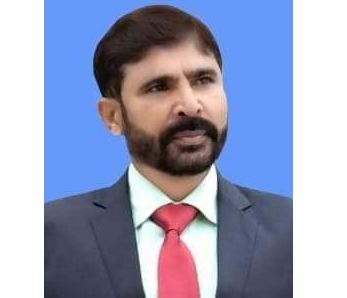
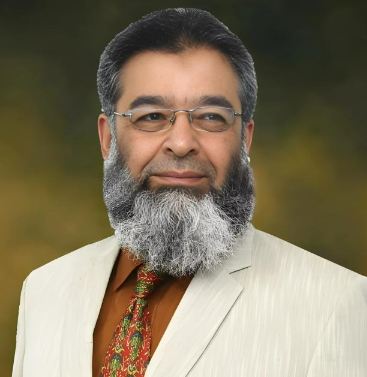
Dr. Muhammad Akram Zaheer

The relationship between China and North Korea is one of the most intricate and multifaceted alliances in contemporary geopolitics, shaped by a historical, strategic, and economic interplay. This dynamic, often characterized by both cooperation and tension, remains critical for regional security in East Asia and broader international stability. For Beijing, the Korean Peninsula’s stability is paramount, given its proximity and the potential consequences of conflict or regime collapse. North Korea’s nuclear ambitions, volatile leadership, and dependence on external support add layers of complexity to the bilateral relationship.

Historical Foundations of Sino-North Korean Relations

The historical backdrop of the China-North Korea relationship dates to the Korean War (1950-1953), where Chinese forces fought alongside North Korea against the U.S.-led United Nations coalition. The war solidified the bond between the two nations, with China emerging as North Korea’s most important ally. After the war, China continued to support North Korea, providing economic aid, military assistance, and political backing. This enduring partnership, however, has not been without its tensions, especially as the geopolitical landscape has shifted in recent decades. North Korea’s isolation from the international community due to its human rights record, nuclear ambitions, and periodic provocations has made China its most critical ally. For decades, Beijing has been Pyongyang’s economic lifeline, supplying food, energy, and other vital resources. This relationship has allowed North Korea to maintain its regime, even in the face of international sanctions and isolation.

From China’s perspective, the stability of the Korean Peninsula is crucial to maintaining regional security and protecting its broader strategic interests. The possibility of a nuclear conflict on the peninsula represents a severe threat; not only because of the catastrophic human and environmental consequences but also due to the long-term destabilizing effects such a conflict would have on the region. North Korea’s nuclear program, particularly its development of ballistic missile technology capable of reaching U.S. allies and territories, raises the risk of an arms race in the region and justifies an increased U.S. military presence in East Asia, much to China’s discomfort. Beyond the nuclear threat, China is deeply concerned about the potential collapse of the North Korean regime. A collapse could result in a humanitarian crisis, with a massive influx of refugees into China, creating security, economic, and social challenges. In addition, the fall of North Korea could pave the way for the unification of the Korean Peninsula under South Korean leadership, a close ally of the United States. This scenario would likely bring U.S. forces closer to China’s borders, a situation Beijing is eager to avoid at all costs. Consequently, propping up the North Korean regime, despite its problematic nature, is viewed as a lesser evil compared to the chaos that could arise from its collapse.

China has consistently provided North Korea with economic and diplomatic support as part of its strategy to maintain stability on the peninsula. This assistance comes in the form of food aid, energy supplies, and backing in international forums such as the United Nations, where China has used its veto power to shield North Korea from the harshest international sanctions. Beijing views these efforts as a necessary investment in regional stability, ensuring that North Korea remains stable enough to prevent a collapse but not so strong, that it can pursue its nuclear ambitions unchecked. This economic support is also a strategic investment for China. By maintaining North Korea as a buffer state, China keeps U.S.-allied South Korea, and by extension the U.S. military presence, at bay. The presence of U.S. forces in South Korea, including advanced missile defense systems such as THAAD (Terminal High Altitude Area Defense), is seen by China as a direct threat to its national security. North Korea’s geographical position serves as a critical geopolitical buffer, preventing U.S. military encroachment on China’s northeastern border.

While the relationship between China and North Korea is built on mutual dependence, it is not without significant tensions and contradictions. North Korea’s dependence on Chinese support, particularly for its economy, contrasts with its pursuit of policies that frequently challenge Chinese interests. Under Kim Jong-un’s leadership, North Korea has pursued an aggressive strategy of brinkmanship, conducting missile tests and advancing its nuclear program, often in defiance of international sanctions and at times against China’s explicit advice. North Korea’s pursuit of nuclear weapons is motivated by a desire for regime survival, as well as leverage on the international stage. By demonstrating its nuclear capabilities, Pyongyang aims to extract concessions, both from the international community and from China itself. Kim Jong-un’s regime is acutely aware that remaining a global priority is essential for securing the financial, economic, and humanitarian assistance it requires to survive. On the other hand, China’s broader strategic interests extend beyond the Korean Peninsula. Beijing’s primary concerns include maintaining its economic relationship with the United States, which is critical for China’s continued economic growth. The U.S. remains China’s largest trading partner, and any disruption to this relationship could have significant consequences for the Chinese economy, which is already grappling with slower growth and structural imbalances. Furthermore, China is keen to improve its diplomatic and economic relations with South Korea. Strengthening ties with Seoul serves multiple purposes: it could create a more favorable environment for diplomatic engagement with the U.S. and potentially lead to progress on the denuclearization of the Korean Peninsula. From China’s perspective, North Korea’s provocations, such as missile tests and nuclear threats, undermine these efforts by escalating regional tensions and justifying a U.S. military buildup in the region.

North Korea’s nuclear program is perhaps the most significant point of contention between Beijing and Pyongyang. While China has publicly condemned North Korea’s nuclear ambitions and has supported international sanctions aimed at curbing the regime’s weapons program, Beijing has been reluctant to fully enforce these sanctions, fearing that doing so could destabilize the North Korean regime. At the same time, China is deeply concerned about the presence of U.S. military forces in the region, which have been bolstered in response to North Korea’s nuclear threats. The deployment of U.S. missile defense systems in South Korea and Japan, ostensibly to protect against North Korean missiles, is seen by China as a direct threat to its own security. These systems could potentially be used to counter China’s own military capabilities, further complicating Beijing’s strategic calculations. The broader regional arms race that North Korea’s actions have fueled is a source of significant concern for China, as it threatens to destabilize the balance of power in East Asia.

Despite these challenges, China is unlikely to abandon North Korea. The collapse of the North Korean regime would be a geopolitical disaster for Beijing, potentially leading to Korean reunification under a U.S.-aligned government and the expansion of U.S. military influence in the region. Moreover, the humanitarian crisis that would result from a North Korean collapse would place enormous strain on China’s resources, as millions of refugees would likely flee across the border into Chinese territory. Therefore, a delicate balance of support and pressure characterizes China’s strategy towards North Korea. On the one hand, Beijing continues to provide Pyongyang with the economic and diplomatic backing it needs to survive. On the other hand, China seeks to exert pressure on North Korea to curtail its nuclear ambitions and avoid further escalating tensions in the region. This balancing act requires careful management of Beijing’s broader strategic priorities, including its relationships with the U.S. and South Korea, as well as its domestic economic and security concerns.

The relationship between China and North Korea is defined by mutual dependence, strategic pragmatism, and ongoing tensions. For China, North Korea serves as both a buffer state and a source of significant strategic headaches. While Beijing remains committed to preventing the collapse of the North Korean regime, it is increasingly frustrated by Pyongyang’s provocations and nuclear ambitions, which complicate China’s broader strategic goals, particularly its relations with the U.S. and South Korea. Looking forward, the Sino-North Korean relationship is likely to remain one of the most complex and challenging in East Asia. As China navigates its growing role on the global stage, it will continue to balance its support for North Korea with its broader strategic objectives.

China’s Strategic Gamble with North Korea

KC-EU to hold a protest in Brussels on black day of 27 October

KC-EU to hold a protest in Brussels on black day of 27 October

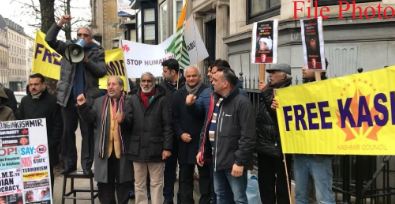
BRUSSELS, OCT 13 /DNA/ – A protest demonstration would be arranged in front of Indian Embassy in Brussels, the capital of Belgium on Sunday, October 27, 2024.

The protest will be organized by Kashmir Council Europe (KC-EU) to mark the day of Indian Occupation of Jammu and Kashmir (27th Oct).

Kashmiris on both sides of the Line of Control and based in other parts of the world observe Black Day on 27th October every year to protest the illegal occupation of Jammu and Kashmir by India.

In a statement issued in Brussels, Chairman Kashmir Council EU Mr Ali Raza Syed said, we demand New Delhi to end occupation of Kashmir, free people of Kashmir and give them right of self-determination.

A large number of Kashmiris and their supporters are expected to attend the demonstration to be held in Brussels on October 27. Ali Raza Syed said, the October 27 of 1947 is the darkest day in history of Jammu and Kashmir when India in total violation of all international norms and human values illegally landed its military forces in the state against the will of the people.

He further said, by staging this protest, we want to send a message to the Indian government that Kashmiris never accept India’s illegal occupation of their territories. The Kashmiri people want to decide their future in a free environment. It is sad to say that India claims to be the largest democracy in the world but it suppresses the rights of Kashmiris and kills innocent people in the occupied valley. Our brothers and sisters in Occupied Kashmir have been victims of Indian persecution for the past seven and half decades. On a daily basis, Indian authorities smash the Kashmiris by use of force and creating fear among the people.

About recent occupied Kashmir’s assembly elections, he said, elections under Indian constitution in the illegally occupied Kashmir is not substitute to right to self-determination of the Kashmiri people.

He also urged the international community to help the people of Jammu and Kashmir, so that they could independently participate in a plebiscite for deciding their political fate in accordance with the United Nation resolutions.

Govt wants to appoints Yahya Afridi as new SC CJ

Govt wants to appoints Yahya Afridi as new SC CJ

To pass the constitutional amendments, the government needs two-thirds majority in parliament, while it is short of 13 votes in the National Assembly (NA) and nine in the Senate

DNA

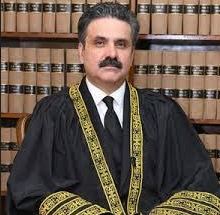
ISLAMABAD: The successor of Chief Justice of Pakistan (CJP) Qazi Faez Isa will be picked from the three most senior judges of the Supreme Court; the government has proposed in its draft for the intended constitutional amendments.

According to sources close to this development, the government wants to appoint Justice Yahya Afridi as the new Chief Justice of the Supreme Court. That is why the government is withholding the notification of Justice Mansoor Ali Shah as the new CJP.

The selection for the coveted post will reportedly be made by an eight-member parliamentary committee.

To pass the constitutional amendments, the government needs two-thirds majority in parliament, while it is short of 13 votes in the National Assembly (NA) and nine in the Senate.

The PP has already prosed a draft and made it public as well. According to the PPP draft the existing Supreme Court shall virtually cease to exist and if the package is passed the status of the Supreme Court shall be like an ordinary court.

The PPP package if approved as it is likely to turn the entire judicial system upside down. The JUI draft unlike seems more realistic and logical. It proposes a special constitutional bench within the Supreme Court instead of establishing a separate Constitutional Court.

OIC condemns Israeli occupation’s decision to confiscate UNRWA Headquarters in occupied Al-Quds

OIC demands immediate halt to Israeli attacks on Palestinian civilians

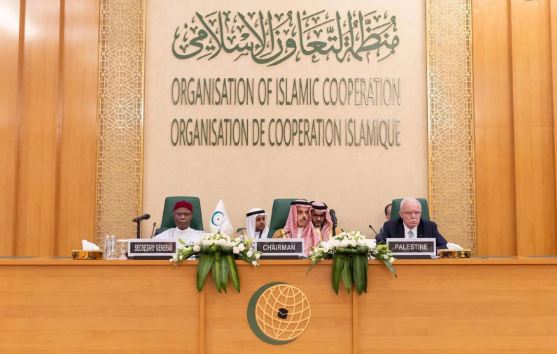
JEDDAH, OCT 13 /DNA/ – The Organization of Islamic Cooperation condemned in the strongest terms the illegal decision of the Israeli occupation authorities to confiscate the land on which UNRWA is located in occupied Al-Quds and to transform the site into a colonial settlement outpost, considering it an extension of the illegal Israeli measures aimed at undermining the existence, mandate, activities, and role of UNRWA as an international organization, in flagrant violation of the United Nations Charter and its relevant resolutions.

The Organization also stressed that all illegal measures, including the discussion of invalid draft laws to delegitimize the Agency, the systematic targeting of its facilities, and the killing and wounding of hundreds of workers and displaced persons in its schools, constitute violations of international law and crimes that require investigation and accountability.

The Organization reaffirmed the importance of UNRWA as a factor of stability in the region, and its vital role in providing basic services and humanitarian assistance to Palestinian refugees, especially in the Gaza Strip.

At the same time, the Organization called on the international community to assume its responsibilities towards obligating the Israeli occupation to respect the mandate granted to UNRWA by the United Nations General Assembly, provide protection for its facilities, employees, and displaced persons in its schools, and stop all attacks and illegal measures against it.

SCO summit 2024: Traffic plan announced for Rawalpindi and Islamabad

SCO summit 2024: Traffic plan announced for Rawalpindi and Islamabad

ISLAMABAD, OCT 13: Twin cities authorities have issued a comprehensive traffic plan for Rawalpindi and Islamabad for Shanghai Cooperation Organization (SCO) conference effecting from October 14 to 16.

The plan includes several road closures and diversions to ensure smooth traffic flow during the high-profile event.

From October 14 to 16, all types of heavy traffic will be prohibited within the city. Over 1,100 traffic officers will be deployed to manage and facilitate traffic during this period. Notably, the Expressway from Zero Point to Coral Chowk will be closed to traffic, prompting several alternative routes to be designated for motorists.

Passengers traveling from Margalla Road towards Rawalpindi are advised to use Ninth Avenue. Traffic from Faisal Avenue to Zero Point will also be redirected to Ninth Avenue. For those coming from Bhara Kahu to Rawalpindi, the recommended route includes Covering Road, Banigala, and Lahtrar Road.

Additionally, passengers traveling from Rawalpindi to Islamabad are encouraged to utilize Ninth Avenue. Vehicles from IJP Road heading to Faizabad should take Stadium Road from the Ninth Avenue Signal. Heavy traffic traveling from Peshawar to Lahore is advised to use the Motorway from Taxila.

To accommodate the traffic plan, the Rawalpindi-Islamabad Metro Bus Service will be completely suspended from October 14 to October 17. The metro service will not operate between Sadar Station and Pak Secretariat during this time.

Motorists coming from Peshawar via GT Road should also divert to the Motorway, with the option to exit at Chakri Interchange. This traffic management plan aims to minimize congestion and ensure the safety and security of all attendees at the SCO conference.

Pakistan’s Role on the Global Stage: A History of Key Conferences

Pakistan's Role on the Global Stage: A History of Key Conferences

by Muhammad Mohsin Iqbal

Since gaining independence in 1947, Pakistan has hosted numerous international and regional conferences that have played a significant role in shaping its diplomatic relationships, advancing regional cooperation, and showcasing its strategic importance on the global stage. These conferences have facilitated political, economic, and cultural exchanges, allowing Pakistan to position itself as a crucial player in South Asia and beyond.

One of the earliest and most significant events in Pakistan’s diplomatic history was the Bandung Conference which took place April on 18–24, 1955, held in Indonesia, where Pakistan actively participated as part of the newly formed Non-Aligned Movement. This event established Pakistan as a key voice among the newly independent nations of Asia and Africa, advocating for economic cooperation and peaceful coexistence. Pakistan’s strategic location in South Asia and its role as a bridge between the Muslim world and the West became more pronounced during the Cold War era.

The 1970s saw a period of considerable activity for Pakistan on the international stage. In 22–24 February 1974, the second Islamic Summit Conference was held in Lahore, attracting leaders from across the Muslim world. The summit was especially significant as it was held in the aftermath of Pakistan’s dismemberment in 1971, and the successful hosting of such a prestigious event was seen as a symbol of Pakistan’s resilience and its continued importance in regional politics. This gathering further cemented Pakistan’s leadership within the Islamic community, which was seeking to build stronger economic and political alliances during a period of global division.The Lahore Islamic Summit led to further institutionalizing the OIC, with Pakistan playing a pivotal role in shaping the organization’s agenda, particularly in terms of economic cooperation and support for the Palestinian cause.

In addition to Islamic conferences, Pakistan also hosted numerous South Asian regional summits. The formation of the South Asian Association for Regional Cooperation (SAARC) in 1985 was a landmark event in South Asia’s diplomatic history. Pakistan was one of the founding members of SAARC, and it hosted several SAARC summits, including the fourth summit was held in Islamabad, Pakistan on 29–31 December 1988. This summit marked an important milestone in promoting regional cooperation in areas such as trade, education, and environmental sustainability. Although SAARC has often been hindered by political tensions, particularly between Pakistan and India, the organization still holds immense potential for regional integration.

One of the major international events held in recent years was the 48th session of the Council of Foreign Ministers (CFM) of the OIC, hosted by Pakistan in March 22-23, 2022under the theme (Building Partnerships for Unity, Justice, and Development) in Islamabad. This conference was of immense importance, especially given Pakistan’s ongoing advocacy for the rights of Muslims worldwide, including in Palestine and Kashmir. The OIC meeting allowed Pakistan to reiterate its stance on these critical issues, while also discussing the humanitarian crisis in Afghanistan following the withdrawal of U.S. forces.

The significance of Shanghai Cooperation Organization (SCO) for Pakistan cannot be understated. The SCO conference, will hold in Islamabad from October 15-16, 2024, brought together member states to discuss key regional security, economic, and political issues. Pakistan, as the host country, will emphasize the importance of cooperation in combating terrorism, enhancing trade routes, and addressing climate change challenges. High-level delegations from all member states will participate, focusing on fostering connectivity through initiatives like the China-Pakistan Economic Corridor (CPEC) and enhancing multilateral ties for sustainable regional development. The conference will also provide an opportunity for bilateral discussions aimed at strengthening diplomatic and economic relations within the SCO framework.

The history of these conferences highlights the crucial role that Pakistan has played in international and regional diplomacy since its inception. These events have allowed Pakistan to project its influence on matters related to security, economic cooperation, and religious solidarity, particularly within the Muslim world. The SCO conferences, in particular, have had a significant impact on Pakistan’s foreign policy, enabling the country to enhance its security cooperation with China and Russia and strengthen its position in regional geopolitics.

Apart from the political and economic significance, these conferences have also contributed to Pakistan’s soft power by promoting cultural exchanges and fostering people-to-people contact. Conferences like the SAARC summits have encouraged regional cooperation on education, culture, and health, leading to greater understanding among South Asian nations despite underlying political tensions.

While the outcomes of these conferences have varied, with some leading to concrete diplomatic or economic initiatives and others serving more as symbolic gestures, the cumulative impact on Pakistan’s international standing has been profound. Pakistan has often used these platforms to advocate for peace, regional cooperation, and economic development, all while strengthening its alliances with key global powers. Despite the challenges of its geopolitical environment, Pakistan has demonstrated resilience and adaptability, using these forums to navigate its complex foreign relations and enhance its global footprint.

In conclusion, the history of international and regional conferences in Pakistan reflects the country’s strategic importance on the global stage. From Islamic solidarity conferences to regional summits under SAARC and the SCO, these events have allowed Pakistan to play a vital role in regional stability, economic development, and global diplomacy. The impact of these conferences continues to shape Pakistan’s foreign policy, particularly its relationships with its neighbors and key international powers.

Chinese Premier Li Qiang to visit Pakistan for bilateral talks and SCO meeting

Chinese Premier Li Qiang to visit Pakistan for bilateral talks and SCO meeting

ISLAMABAD, OCT 13 /DNA/ – At the invitation of the Prime Minister of Pakistan, Premier of the State Council of China Mr. Li Qiang is undertaking a bilateral visit to Pakistan on 14-17 October 2024. Premier Li is accompanied by Ministers and senior officials including from the Ministries of Foreign Affairs and Commerce, the National Development and Reform Commission and the China International Development Cooperation Agency.

Prime Minister Muhammad Shehbaz Sharif and Premier Li Qiang will lead their respective delegations to comprehensively discuss all aspects of Pakistan-China relations including economic and trade ties and cooperation under CPEC. The two sides will also discuss regional and global developments.

The Chinese Premier will call on President Asif Ali Zardari and hold meetings with parliamentary leaders and senior military leadership of Pakistan. He will also attend the Meeting of the Council of the Heads of Government of the Shanghai Cooperation Organization being held in Islamabad.

Premier Li’s visit to Islamabad is an expression of the importance attached by Pakistan and China to their “All-Weather Strategic Cooperative Partnership”. It will be an occasion for the two sides to reaffirm mutual support on issues of core interest; advance high-quality development of CPEC; and reinforce regular exchanges on important regional and global developments.

Stay Connected

64FansLike
60FollowersFollow

Latest Reviews

Exchange Rates

USD - United States Dollar
EUR
1.18
GBP
1.36
AUD
0.72
CAD
0.73