Home Blog Page 778

The Road Ahead: Expanding defense partnerships between Pakistan and Russia

The Road Ahead: Expanding defense partnerships between Pakistan and Russia

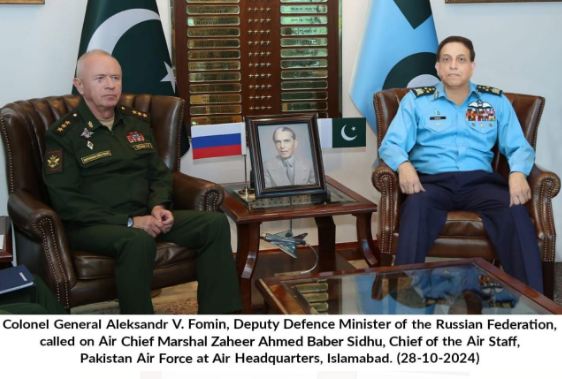
RAWALPINDI, OCT 29 /DNA/ – A high level delegation led by Colonel General Aleksandr V. Fomin, Deputy Defence Minister of the Russian Federation, called on Air Chief Marshal Zaheer Ahmed Baber Sidhu, Chief of the Air Staff, Pakistan Air Force at Air Headquarters, Islamabad. The meeting remained focused on bolstering military cooperation and industrial collaboration between the two sides while exploring new avenues to fortify existing ties through joint military exercises and technical support for PAF equipment.

Air Chief emphasised on strengthening military ties with Russia, focusing on collaborative training programs, joint military drills and industrial collaboration.

Colonel General Aleksandr V. Fomin commended the recent impressive advancements in Pakistan Air Force under the current leadership. The Russian Deputy Defence Minister reiterated his resolve to play his role in further consolidating the existing collaborative defence partnership with Pakistan through military to military cooperation and technical support for PAF equipment.

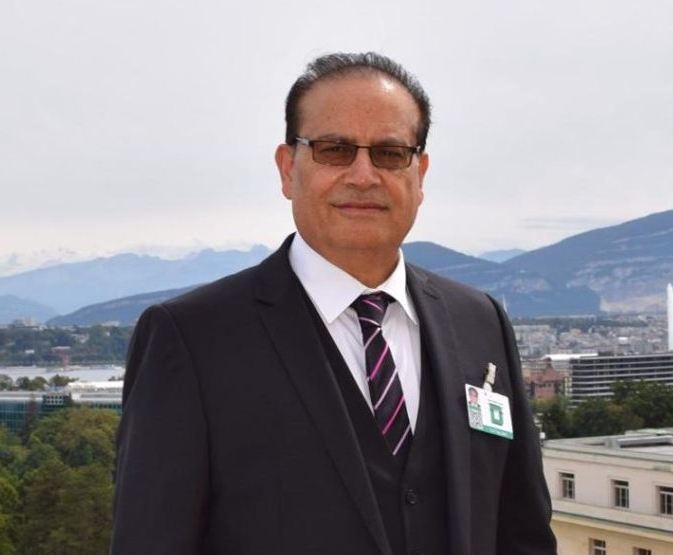
Can the 26th Constitutional Amendment be Challenged?

Qamar Bashir

By: Qamar Bashir

There are numerous grounds for challenging the 26th Amendment, including constitutional, political, logical, and juristic objections. Politically, the issue is clear: the assemblies were formed based on Form 47 rather than Form 45. The Election Tribunals have not been constituted nor are they functioning; additionally, the Senate is incomplete, as the senators from the KP Assembly have yet to be elected. Furthermore, the Supreme Court’s majority judgment restoring the PTI as a parliamentary party and allocating reserved seats has not been implemented. These and other unresolved issues have rendered this parliament highly controversial. Therefore, from a political and logical perspective, until these concerns regarding the parliament’s authenticity and legitimacy are resolved, it does not – and should not – have the legal, moral, or ethical standing to introduce far-reaching constitutional amendments that fundamentally alter the structure, nature, and spirit of the constitution.

There are several examples worldwide where amendments were prevented or delayed due to political controversies, legal challenges, or issues of parliamentary legitimacy. For example in Spain (1978–1980) after the transition from dictatorship to democracy, constitutional amendments faced resistance until electoral legitimacy and full parliamentary representation were achieved. Several amendments proposed to decentralize powers were delayed until regional representation in the Spanish parliament was settled and legitimacy established through fair elections. Spain required regional representation in decision-making to ensure inclusivity.

In Italy (2016) proposed constitutional reform to reduce the powers of the Senate faced a referendum and was blocked due to political controversies and the high level of polarization surrounding the reform. The opposition argued that the parliament, due to a political crisis and divided government, lacked moral authority to make such changes without broad consensus. Ultimately, Italians voted against the reform, stalling the amendments.

During Nepal’s transition to a federal republic (2015), the constitutional amendment process was delayed due to unresolved political representation and territorial disputes among provinces. The government was pushed to halt amendments, as opposition parties questioned the legitimacy of the Constituent Assembly formed without full representation from all regional and ethnic groups.

In Thailand in 2006 & 2014) the parliament was restrained from pushing through constitutional changes due to controversies surrounding the electoral process and legitimacy of the parliament itself. After military takeovers, temporary constitutions were issued to suspend amendments until free elections and legitimate parliamentary functioning were restored, signaling that amendments by controversial or incomplete assemblies could not proceed.

Constitutionally, these amendments contradict the very essence of the constitution. The spirit—or “DNA”—of the constitution is rooted in the trichotomy of power, which requires a clear separation between the branches of government, ensuring that no branch interferes in the internal matters of another and that no branch is subordinate to another. However, the 26th Amendment disrupts this balance by placing the judiciary under the administrative authority of the parliament and government, creating a dynamic akin to that of master and servant. Under this arrangement, judicial appointments, promotions, and transfers would be determined by the government or parliament, undermining judicial independence.

Additionally, by reconstituting the Judicial Commission of Pakistan (JCP), the amendment grants the parliament and government a controlling veto power over judicial members. This structure ensures that decisions made by the JCP require the consent of non-judicial members, meaning that even if all five judicial members agree on a decision, it will only hold weight if endorsed by non-judicial members. This scenario can be illustrated by imagining a government cabinet of 25 members, with 15 of those members coming from the judiciary. In such a situation, it would be the judiciary—rather than the government—controlling the executive. Similarly, the amendment enables the parliament and government to exert control over the judiciary, encroaching on its autonomy. There has been many examples where amendment made to give power to one pillar over the other were challenged and were annulled

In the United States (Marbury v. Madison, 1803) landmark case established the principle of judicial review, empowering the judiciary to challenge and nullify laws or amendments that infringe upon its independence. Although not a direct amendment case, it set a precedent by declaring that laws infringing on judicial authority are unconstitutional.

In Turkey (2008),  the Turkish government attempted to amend the constitution to limit judicial independence, granting parliament increased authority over judicial appointments. Turkey’s Constitutional Court ultimately annulled the amendment, ruling that it violated the principle of separation of powers.

In India (NJAC Case, 2015) the Indian government attempted to pass the National Judicial Appointments Commission (NJAC) Act, which sought to restructure the judicial appointment process by granting the executive a say in judicial appointments. The Supreme Court of India struck down the NJAC, ruling that it infringed upon judicial independence and violated the basic structure of the constitution.

In Poland (2019) the Poland’s government passed amendments giving parliament control over judicial appointments and disciplinary actions. The European Court of Justice (ECJ) found these amendments unconstitutional, asserting that they compromised judicial independence, a principle essential for EU member states.

In Hungary (2013), Hungary’s government sought to curtail judicial independence by amending the constitution to centralize power over the judiciary within the executive branch. The European Commission and Hungarian Constitutional Court intervened, reversing parts of the amendments due to their impact on judicial autonomy.

However there were many other instances where constitutional amendments expanding one branch’s authority over another were upheld. In South Africa and Germany, amendments granting limited executive oversight of the judiciary were maintained by the courts, justified by pressing national security or social needs.

But these amendments were generally made by parliaments recognized as legitimate, functioning within established democratic and constitutional frameworks.

Unlike Pakistan’s situation, where unresolved issues around election tribunals, incomplete parliamentary representation, and the unaddressed Supreme Court rulings have raised concerns about legitimacy, these other examples involved decisions from parliaments whose authenticity was not in question. The context and procedural integrity of a parliament play a crucial role in determining the acceptability of constitutional amendments, especially when they impact the balance of powers.

The 26th Constitutional Amendment, passed by a parliament facing serious legitimacy issues, stands a reasonable chance of being challenged and potentially invalidated by the courts in Pakistan.

By: Qamar Bashir

Press Secretary to the President (Rtd)

Former Press Minister at Embassy of Pakistan to France

Former MD, SRBC

Arifwala: A Transformation from Village to Urban Center

Arifwala: A Transformation from Village to Urban Center

Haseeb ur Rehman Akram

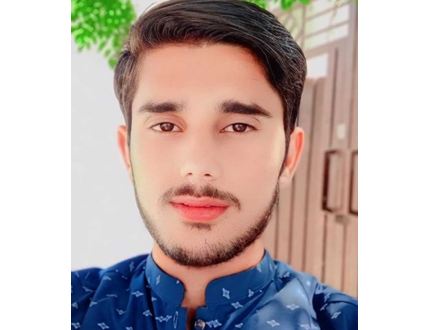
Arifwala City is situated in district Pakpattan. In the 19th century, Arifwala was known as Chak No. 61/EB. Later, it was named Arifwala after a landlord, M. Arif, who owned agricultural land in the area. The region’s early history is closely tied to its fertile soil, making it an attractive settlement area long ago. Although there is limited historical documentation, it is believed that the area was used for farming, supported by the nearby rivers. Over the centuries, various groups, including those during the Mughal and Sikh periods, inhabited the region. It remained primarily rural and agriculturally focused until it was officially declared a town in the early 1900s.Arifwalais known as the “City of Four Bazaars,” which are Qabula Bazaar, Thana Bazaar, Rail Bazaar, and Karkhana Bazaar. Sir Hubert William Emerson officially recognized it as a town in 1908. The foundation of the town hall was laid on March 6, 1931, and was completed two years later.Following Pakistan’s independence in 1947, Arifwala experienced demographic changes due to the migration of people from India. The town’s growth was fueled by its agricultural economy, with wheat, cotton, and sugarcane being the main crops. The Lower Bari Doab Canal, constructed during British rule, remains a critical irrigation source, allowing the region to thrive as a major agricultural hub. This abundance of crops made Arifwala a significant trading center, attracting traders and businesses from nearby areas.As the population increased and economic activities expanded, Arifwala saw improvements in infrastructure. Roads linking it to nearby cities like Pakpattan, Sahiwal, and Vehariwere enhanced. The town also benefited from the Green Revolution of the 1960s and 1970s, which introduced modern agricultural techniques that boosted productivity. In 1991, Arifwalawas declared a tehsil within the newly formed Pakpattan District. Arifwalais divided into 30 Union Councils, represented in the Provincial Assembly of Punjab by members elected from constituencies PP-195 and PP-196, who play a crucial role in shaping provincial policies. Becoming a tehsil brought positive impacts on education and healthcare, leading to the establishment of more schools, colleges, and medical facilities, improving access to essential services for the local population. MC High School, located in J Block, is the oldest and most prominent school in the city. Other public institutions include Govt. Graduate College for Boys Arifwala, Govt. IslamiaShakarGanj High School, and Govt. High School (M-Block) Arifwala. Private institutions include Allied School Arifwala, Beaconhouse School Arifwala, and PGC Arifwala. The Civil Hospital Arifwala, established in 1953, is the oldest hospital, providing healthcare services to the local community.

The development of infrastructure, better roads, and enhanced connectivity with nearby cities likePakpattan and Sahiwal have contributed to the region’s transformation. The Arifwala Railway Station, located on the Khanewal-LodhranRailway Line, was established in 1906 during British rule as part of the North Western State Railway. It became part of Pakistan Railways after the country’s independence.A significant portion of the population consists of farmers, with approximately 75% residing in villages and 25% living in urban areas. However, this trend is gradually changing due to industrialization. Arifwala Tehsil covers 295,146 acres (1,195 km²) with a population of around 720,000. The urban area covers 457 acres (1.85 km²), while the agricultural land spans 1,274 acres (3.18 km²). Punjabi is the native language, but Urdu is also widely spoken.

Arifwala’s economy is primarily agrarian, with many residents involved in farming and related activities. The fertile plains of Punjab make it ideal for cultivating a variety of crops, including wheat, sugarcane, cotton, and rice, which significantly contribute to both the local and national economy. The region’s extensive canal network plays a vital role in sustaining these crops. There has been a gradual shift towards modern farming practices, incorporating technology to improve yields. The local government has supported farmers with subsidies, improved seed varieties, and agricultural training. Despite these advancements, challenges like water scarcity, low market prices, and inadequate infrastructure persist. Nevertheless, the resilience and dedication of the farming community continue to sustain the agricultural sector in Arifwala.The climate of Arifwalais characterized by hot summers and mild winters. Summer lasts from June to September, with temperatures often reaching 45°C, and sometimes soaring as high as 48°C in June. Winter, spanning from December to February, brings relief from the heat, with temperatures ranging from 5°C to 20°C. The city receives limited rainfall, and the changing weather patterns have posed challenges for farming and daily life. Health concerns, such as heatstroke and dehydration, are common during the summer months.

A nearby townQabula Sharif has deep connections to Sufism. It is home to several revered shrines, the most notable being that of Hazrat Peer Syed Mir Ali Shah. The annual Urs celebrations in Qabula Sharif, which mark the death anniversaries of saints, are vibrant cultural gatherings that blend spiritual practices with communal activities. These events draw devotees from various regions. Qabula Sharif’s Sufi practices are linked to major Sufi orders, particularly the Chishti and Qadri orders, emphasizing spiritual growth and devotion. The teachings of these orders, along with the influence of local saints, have shaped the region’s religious and cultural identity, making Qabula Sharif a significant spiritual center.Despite its development, Arifwala retains the charm of a traditional Punjabi town where agriculture remains at the heart of life. It serves as a trade center for nearby villages, playing a key role in distributing agricultural produce. Its historical significance is reflected in cultural events like traditional fairs and Sufi music festivals that attract visitors. Today, Arifwala is a blend of history and progress, representing the cultural and agricultural heritage of Punjab. While there are still improvements needed in infrastructure, healthcare, and education, Arifwala continues to grow, balancing tradition with development. As it evolves, the city holds the potential to become a more developed urban center while retaining its unique cultural identity. In essence, Arifwala is emerging as a promising future hub in Punjab. Lastly, I am thankful to Dr. Muhammad Akram Zaheer for his support and motivation in writing this piece about my hometown

[email protected]

Support for Kashmiri right to self determination reiterated at an event in Ankara

Support for Kashmiri right to self determination reiterated at an event in Ankara

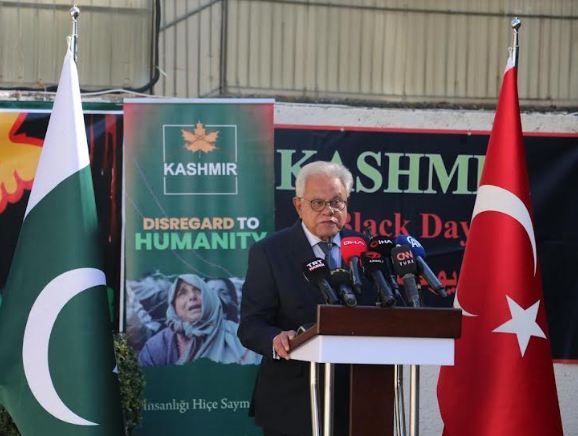
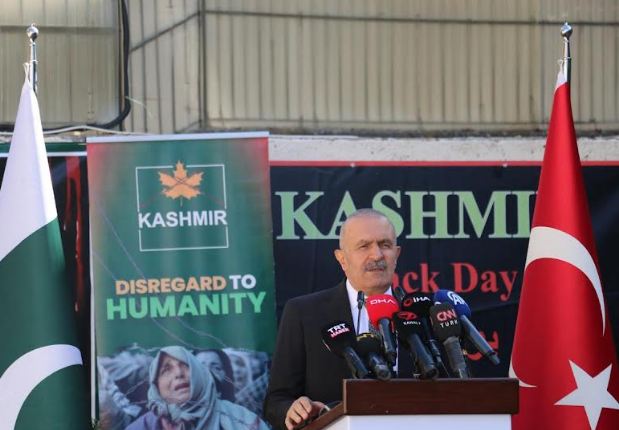
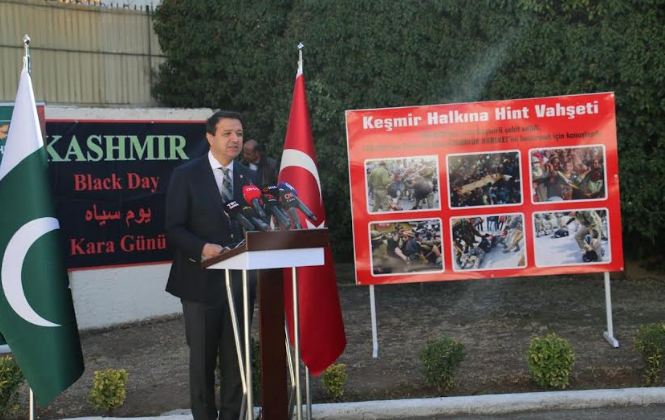
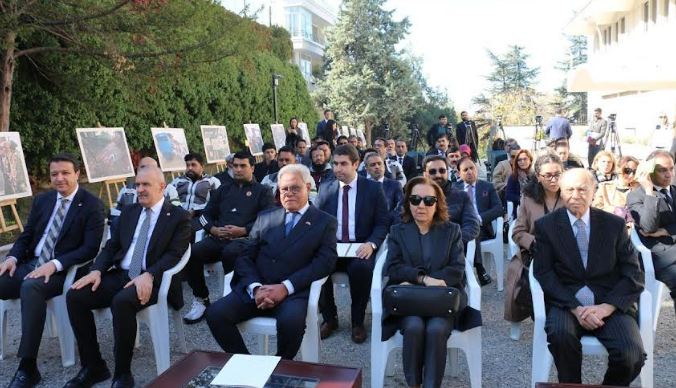
ANKARA, OCT 29 /DNA/ – The Pakistan Embassy organized an event in Ankara to commemorate Kashmir Black Day. This year, 27th October 2024 marked the completion of 77 years of illegal occupation of Jammu and Kashmir by India. Deputy Chairman Saadat Party and Member Parliament Mr. Mahmut Arikan, Member Parliament Burhan Kayaturk, Member Parliament Serap Yazıcı, Ambassador(R) Numan Hazar and representatives of media, think tanks and civil society attended the event.

In his speech, Deputy Chairman Saadat Party MP Mahmut Arikan stated that Kashmir dispute is issue of everyone with conscience, an issue of human rights and justice. While expressing concerns over worst human rights situation in Illegally Indian Occupied Jammu and Kashmir (IIOJK), he stated that Kashmiris have been displaying a brave resistance against this suffering and oppression for decades, now the international community especially the OIC needs to play its role in putting an end to human rights atrocities in IIOJK and implementation of UN resolutions to ensure peace and stability in the region.

While reiterating Turkish support for Kashmiri legitimate cause of self-determination, Member Parliament Burhan Kayaturk stated that establishment of justice in Jammu and Kashmir is vital for restoration of international peace and trust in United Nations, which could only be achieved through the implementation of  UNSC resolutions, which call for a free and fair plebiscite.

In his speech, while underscoring the importance of international peace , Ambassador(R) Numan Hazar stated that resolution of Kashmir dispute is vital for the establishment of regional and global peace.

Speaking on the occasion, ambassador Dr Yousaf Junaid stated that Kashmir black day marks the most tragic day in the history of South Asia.  While expounding in detail, the atrocities committed by Indian occupation forces against Kashmiris and endeavours to change the demography of the region, he stated that India has transformed IIOJK into one of the most militarized regions in the world, where thousands of Kashmiris have been killed, while their legitimate leaders remain imprisoned and media muzzled.

The ambassador highlighted that the recent developments in the Middle East are a stark reminder that long-standing disputes should not be allowed to fester. Violating international law and pushing disputes under the rug does not guarantee lasting peace. Three generations of Kashmiris have waited for the world, especially the United Nations, to deliver them their right to self-determination. The world can no longer ignore its responsibility, he added.

In his speech, Ambassador Junaid also highlighted the deep-rooted Pakistan Turkiye relationship, founded on common religious, cultural and linguistic affinities and a shared history. Ambassador Junaid thanked the people and government of Turkiye for its principled stance on Kashmir, especially H.E President Recep Tayyip Erdogan for highlighting the Kashmir cause. While concluding, the ambassador reiterated Pakistan’s political, diplomatic and moral support for legitimate Kashmiri demand for free and fair plebiscite under the auspices of the United Nations.

IICR hosts policy roundtable on “Navigating Complex Security Landscapes: Charting Pakistan’s Policy Course”

IICR hosts policy roundtable

DNA

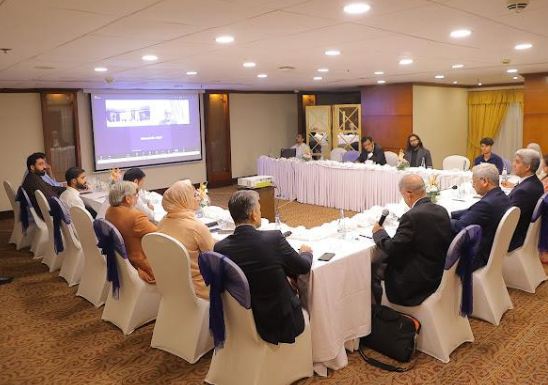
ISLAMABAD, OCT 28: The Islamabad Institute of Conflict Resolution (IICR) hosted an insightful policy roundtable addressing pressing issues in Pakistan’s national security, and regional challenges. Esteemed academics, industry experts, and former military officials delivered talks on diverse, timely topics, providing an opportunity for robust discussion and strategy development. Prof. Dr. Nazir Hussain served as the moderator, guiding a session that underscored the importance of collaborative national resilience in the face of multifaceted security threats.

Dr. Khalid Chohan, DG Research NACTA spoke on terrorism, radicalism, and insurgency, particularly focusing on the complexities of the Tehrik-i-Taliban Pakistan (TTP). He highlighted that the TTP, despite its attempts at influence, lacks local support in Khyber Pakhtunkhwa (KPK). Dr. Chohan explored the internal tribal dynamics within the TTP, especially rifts influenced by the Mehsud tribe, and the role of online forums in spreading extremist ideologies. He emphasized Pakistan’s need for innovative policy measures with strong implementation to counter growing threats.

Lt Gen Naeem Khalid Lodhi discussed Pakistan’s internal and regional challenges. He advised fostering diplomatic relations with Afghanistan while handling the TTP as a separate concern. Gen. Lodhi warned that strained Pakistan-Afghanistan relations could compromise the war on terrorism. He stressed the importance of introspection within Pakistan’s governance, stating that enhancing quality of life for ordinary citizens is fundamental to true progress. He further urged Pakistan to adopt a forward-looking approach, learning from past experiences and moving away from a “victim mindset.”

Brigadier (R) Imran Malik delivered a compelling analysis on insurgency in Balochistan, pointing to increased threats from groups like BLA/BRAS and the TTP. He presented a potential scenario where these groups could collaborate to incite nationalist, sectarian, and ethnic unrest. Malik recommended a two-pronged strategy: strengthening the government’s media counter-offensive to negate foreign misinformation, and engaging the Baloch populace directly, bypassing feudal intermediaries. His call to action included strategic military preparedness, proactive intelligence, and a comprehensive, government-led approach to engage the educated Baloch middle class, address grievances, and counter external influences.

Dr. Bilal Zubair of the National Defence University spoke on the China-Pakistan Economic Corridor (CPEC), the Shanghai Cooperation Organization (SCO), and foreign policy challenges. He explored “soft power” in national security, urging Pakistan to leverage its cultural assets through public diplomacy, education exchanges, and diaspora engagement. Dr. Zubair highlighted the potential for digital media initiatives like “Digital Pakistan” to enhance the country’s image and promote its interests. He noted the need for a cohesive cultural diplomacy policy to project Pakistan’s unique cultural strengths on the global stage.

Dr. Zunera Jaleel, Chair of Cybersecurity at Air University shared her expertise on Pakistan’s cybersecurity challenges. She identified ransomware, AI-generated threats, and Advanced Persistent Threats (APTs) as critical concerns, stressing the need for cybersecurity awareness and indigenous product development. Dr. Jaleel recommended public-private partnerships, enhanced legislation, and digital forensics to address emerging cyber threats. She underscored the role of educational frameworks to build a cyber-secure workforce, equipped to protect national assets and counteract state-sponsored attacks.

Ms. Farzana Yaqoob argued that the recent elections in Indian Illegally Occupied Jammu & Kashmir (IIOJK) are not reflective of genuine consent to Indian rule, but rather an assertion of resilience under oppression. Ms. Yaqoob reaffirmed that the people of IIOJK remain committed to their struggle for self-determination, condemning ongoing Indian repression.

Conclusion and Future Initiatives

The roundtable underscored the importance of addressing Pakistan’s complex security landscape through comprehensive, multi-faceted approaches. Each speaker highlighted specific challenges while advocating for robust policy measures, strong governance, and proactive engagement with communities. The IICR remains dedicated to fostering dialogue, strategic insights, and collaborative efforts to address the nation’s evolving security dynamics.

NDMA hosts INSARAG Asia-Pacific Regional Conference

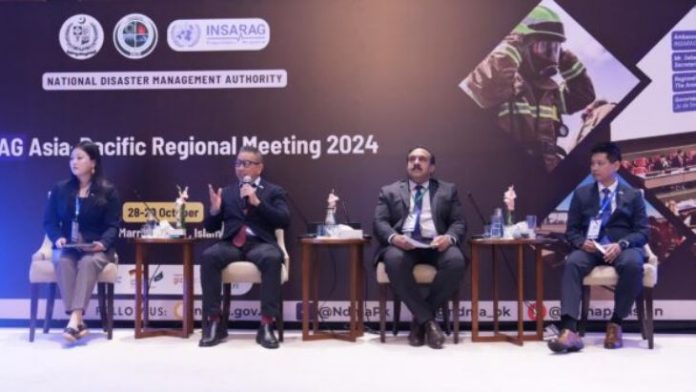
ISLAMABAD, OCT 28 (DNA) — Being the Regional Chair of the International Search and Rescue Advisory Group (INSARAG), Pakistan National Disaster Management Authority (NDMA) is hosting the INSARAG Asia-Pacific Regional Meeting from October 28-29, in Islamabad.

The opening session was inaugurated by Chairman NDMA Lieutenant General Inam Haider Malik, INSARAG Global Lead, Winston Chang, UN Resident Coordinator, Mohamed Yahya, a news release said.

The conference agenda included discussions on the global and regional work plans for 2024, followed by governance review consultations among stakeholders, global meeting, Accountability & Compliance & Classification as well as Global Strategy 2026-2030, NGOs and Partners and Localisation.

The Chairman NDMA emphasized Pakistan’s commitment to enhancing its disaster management systems, improving early warning mechanisms and building capacity for rapid response.

He further highlighted the importance of INSARAG’s mandate and stated, “INSARAG’s mandate of promoting cooperation, coordination, and standardization in search and rescue efforts across the globe remains vital.”

He said that NDMA had proposed a strategic initiative to unify disaster response efforts within the country, ensuring a cohesive and robust approach to disaster management.

The conference is being attended by 55 delegations from China, Russia, Australia, South Korea, Turkiye, Indonesia, Thailand, Philippines, Japan, Bangladesh, Nepal and global networking and humanitarian organisations. The other participants included representatives from government departments, country directors of UN organisations in Pakistan, representatives of NGOs and INGOs and media persons.

The INSARAG Asia-Pacific Regional conference will continue until Tuesday at the Marriott Hotel. This year, on January 17, NDMA assumed the chair of INSARAG, reinforcing its leadership role in regional disaster management efforts.

INSARAG is a global network dedicated to enhancing international disaster response, strengthening preparedness through Urban Search and Rescue (USAR) practices. INSARAG sets global standards to ensure teams are fully equipped for action during disasters. —DNA

Role of technology important in addressing urgent challenges: Shaza

Role of technology important in addressing urgent challenges: Shaza

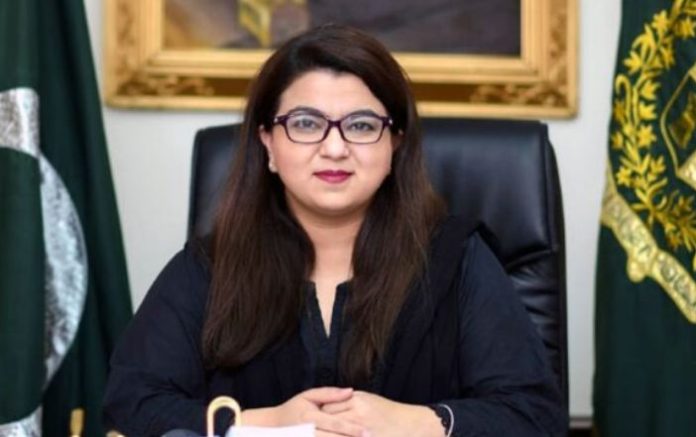
ISLAMABAD, OCT 28 (DNA) — Minister of State for IT and Telecommunication Shaza Fatima Khawaja Monday said that the technology had important role in addressing urgent challenges like climate change.

“Innovative digital solutions are essential not only for environmental sustainability but also for improving overall economic resilience and driving growth across various sectors,” she said while addressing the “First National Youth Climate Summit”. Shaza Fatima said, “Climate change is a big challenge and every one will have to play role for environmental protection.”

 “Climate action is most powerful when it includes everyone.  We cannot tackle climate change effectively without the unique prospective and energies of young people”, she said. he minister emphasized the need of launching proper campaign on social media regarding climate change.  She said there was dire need of eliminating elements causing pollution.

“A prime example of Pakistan commitment to supporting innovation is the recent call for startups from Ignite, an attached department under the Ministry of IT and Telecom, to present their innovative solutions in climate tech, green tech, and agri-tech at COP29,” she said.

Shaza Fatima said, “This initiative is a valuable opportunity for our startups to engage with world leaders, policymakers, and investors, and position Pakistan in global discussions on climate action.” “Similarly, the National Incubation Centers (NICs), which are a flagship program of Ignite and the Ministry of IT and Telecom, play an important role in nurturing a range of startups across multiple verticals.

 These verticals extend beyond climate-related fields to encompass health tech, fintech, and sustainable practices amongst others. Ultimately, this contributes to the development of a climate-resilient digital economy that aligns with global standards, as highlighted at COP28,” she said.

Minister of State for IT said, “Ministry of IT and Telecom stands ready to support any efforts that harness technology for meaningful environmental impact.”  “Think of technology as a bridge that connects knowledge with action. I urge each of you here to bring your talents, networks, and resources into this mission,” he added.

“Innovate, advocate, and collaborate across sectors and communities to create sustainable change. Your role is critical in turning ideas into results and making climate action not just inclusive but equally effective”, she said. —DNA

Envoys present credentials to President Zardari

Envoys present credentials to President Zardari

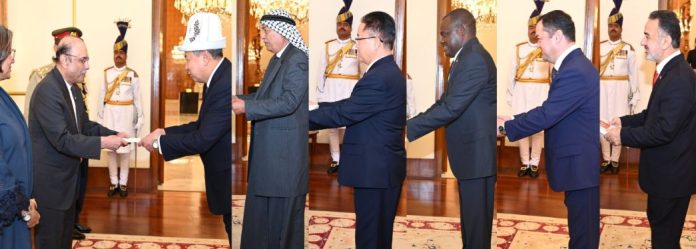
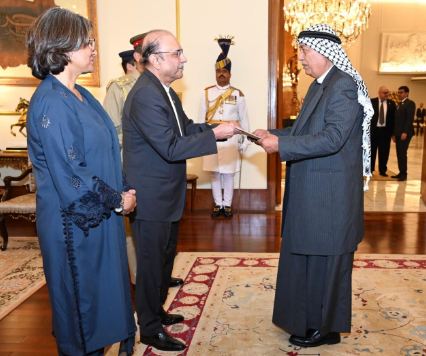
ISLAMABAD, OCT 28 /DNA/ – The envoys of the Kyrgyz Republic, the State of Palestine, the Democratic People’s Republic of Korea, Uzbekistan, Kenya and the Republic of Turkiye presented their diplomatic credentials to President Asif Ali Zardari, during a credential ceremony, held at Aiwan-e-Sadr, today.

The President received credentials from the Ambassador-designate of Kyrgyz Republic, Mr Avazbek Atakhanov, the Ambassador-designate of State of Palestine, Dr Zuhair Mohammad Hamdallah Zaid, Ambassador-designate of the Democratic People’s Republic of Korea, Mr Choe Chang Man, the Ambassador-designate of Uzbekistan, Mr Alisher Tukhtaey, the High Commissioner-designate of Kenya, Lt Gen (Retd) Peter Mbogo Njiru and the Ambassador-designate of Turkiye, Mr Irfan Neziroglu who also held separate meetings with the President.

Welcoming the envoys, the President felicitated them on their appointment and expressed the hope that they would play their role in further improving mutually beneficial bilateral relations with Pakistan, in the areas of trade, economy and culture.

Earlier, the envoys were presented with a guard of honour by a smartly turned-out contingent of Pakistan Armed Forces upon their arrival at Aiwan-e-Sadr.

God and gods

Global Misperceptions

Askari Raza Malik

Humans have always needed supernatural powers to protect them from man-made and natural disasters. This psychological phenomenon of fear and greed gave birth to mythologies. The Greeks had Zeus, the king of OlympusPoseidon, the earth-shaker; and Ares, the god of war. They had Aphrodite, the god of Love, to cater for human lust.

The Romans had the king of all gods, Jupiter, and Mars as the god of war. Most possessed their female counterparts, goddesses, and sometimes their sister cum wives.

In Hindu mythology, the deities include Brahma, the creator, and Shiva, the destroyer and their consorts. Shiva’s power to fertilize barren women, expressed in his magnified Phallus symbol, is the sole attraction of many temples. Chiti Ghati near Abbottabad is an interesting example.

All these gods reflected Nature’s positive and negative forces. Some gods were benign, some unjust. Coleridge alludes to gods’ tyranny, ‘the gods drinking their nectar and laughing at the miseries of human beings.’

In Abrahamic religions, God is one, omnipotent, omnipresent and omniscience. He is exceptionally kind and all-forgiving. In Christianity, humans are His children. Satan is evil but operates within limits. He cannot lead the pious stray.

Then there are human gods: NimrudPharoah, and Shaddad. Pakistan has had its fair share of human gods: Ghulam Muhammad, Ayub Khan, Bhutto, Zia, and Musharraf. Then came the whole dynasties of gods, Sharifs and Zardaris, who still plague the social and politico-economic landscape. God has just rid Pakistan of the evilest and most cursed chief judge. Hopefully, he was the last. Pakistan cannot afford another god of his ilk.

Any aspirant to be a future god must browse the pages of history. At the cost of repetition, I remember Liddle Hart, who said, ‘History might not teach us what to do in a given crisis, but it does tell us what not to do’ or words to that effect. In 1971, we lost erstwhile East Pakistan due to stubborn Bhutto’s doctrine, ‘Power at all cost,’ including Pakistan itself. He had openly said, ‘You keep your part, and we keep ours.’ He had not opened a single party office in East Pakistan. Mujib and Bhutto kept playing fool with Yahya Khan, a willing victim of his ambition and alcoholic stupor. Bhutto ensured that the Eastern part was lost to grab power in the West, which he did. And lo and behold, the whole blame fell on the shoulders of a stupefied Yahaya Khan. He was disgraced out of office, and a white paper was issued so that his entire clan would be ashamed of Yahya Khan for generations to come. Bhutto paid for his sins and was hanged. That is a lesson of history, ‘do not nurture illegitimate ambitions as God’s hand cannot be stopped from implementing His principles in life.’

Hijaj bin Yousaf, the Umayyad governor, was another tyrant of this dynasty. His oppression knew no bounds. But when the unseen and silent hand of destiny moved, he had to see his nephew and son-in-law, Muhammad bin Qasim, mercilessly murdered. He believed that God, in His unlimited bounty, would forgive him on the day of judgment. A student of history could not be sure. But before dying, he suffered from stomach cancer, an infliction that had no relief at the time. He died in agony. This is another lesson for those who continue scheming to extend the ongoing torture of their victims to allow them no relief. This is where history comes in. It tells us not to repeat the sins of Yahya Khan and Hijaj bin Yousaf.

Ayub Khan tried to defame the unblemished character of Miss Fatima Jinnah, the sister of the nation’s founder. His exit from power and life are examples of fear.

A chest-beating, power-drunk Musharraf had claimed an end to the politics of Bhuttos and Sharifs. He had to chew his own words and work with them. The lesson to learn is, ‘A mortal is too weak and vulnerable to shape destiny.’

The new Chief Justice belongs to an illustrious KPK family. His father, Omar Afridi, was from the 9th PMA long course. He earned the most coveted awards: the Sword of Honor for best all-around performance and the Norman Gold Medal, awarded to the best student, a rare honor. He joined 5th Horse (Probyn’s Horse). Later, he was assigned to the civil service, where he became the Chief Secretary and later a caretaker Chief Minister of KPK.

Yahya Afridi is a well-educated (Atchison College) and equally well-groomed individual. He is a bar at law from London. Before joining the Peshawar High Court, he was known to be a fair and large-hearted individual. His concern for human freedom motivated him to fight for every NAB victim during Musharraf’s days. But if he is anti-establishment, as most educated people of KP are, one cannot say. Exposure at the Federal level should have mellowed him down.

Still, he must carry the burden of his family reputation and his sense of Pashtun honor. Whatever he might do, he will never succumb to the complete slavery of the evil Zardari-Sharif coalition or Prince Bilawal’s and Princess Mariam Safdar and her foul mouth maids’ childish idiosyncrasies. All that Yahya Afridi has accomplished so far has earned him instant applause from a justice-starved public. Some skeptics interpret these as mere optics. It is hard to believe that he has already tied a Faustian knot with the devil.

From the other side of the hill, the story of the oppressed is summed up by Pauli Murray;

Now you are strong

And we are but grapes aching with ripeness

Crush us!

Squeeze from us the brave life,

Contained in this full skin.

But ours is a subtle strategy

Potent with centuries of yearning,

Of being Kegged and shut away

In dark, forgotten places.

We shall endure to steal your senses

In the lonely twilight of your winter’s grief.’

My duty was to caution — Al Balagh.

(The authored served Pakistan Army as Major General)

PCB accepts Gary Kirsten’s resignation as head coach

PCB accepts Gary Kirsten’s resignation as head coach

LAHORE, Oct 28 (APP): Pakistan Cricket Board (PCB) on Monday announced that Pakistan’s ODI and T20I head coach Gary Kirsten has resigned from his position with immediate effect and the PCB has accepted the resignation.

Gary Kirsten was appointed Pakistan’s white-ball coach in April 2024 for a period of two years but the former South African left-handed batsman has parted ways within six months of the appointment.

Meanwhile, the PCB has asked Pakistan’s red-ball coach Jason Gillespie to head the white-ball teams during the Australia tour from November 4 to 18, during which the national men’s side is scheduled to play three ODIs and T20Is each.

In a message to the press PCB said, “The PCB today announced Jason Gillespie will coach the Pakistan Men’s cricket team on next month’s white-ball tour of Australia after Gary Kirsten submitted his resignation, which was accepted.”

Stay Connected

64FansLike
60FollowersFollow

Latest Reviews

Exchange Rates

USD - United States Dollar
EUR
1.17
GBP
1.36
AUD
0.72
CAD
0.73