Home Blog Page 772

Kim Jong Un is China’s ally – but has become the ‘comrade from hell’

Kim Jong Un

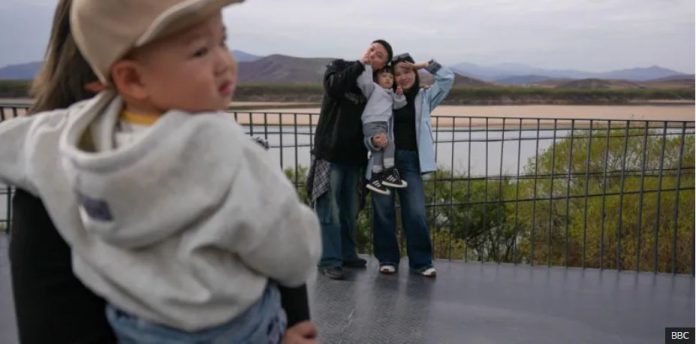
BEIJING: Chinese tourists huddle together against the brisk autumn breeze on a 12-storey building, vying for the best spot to photograph the point where their country meets Russia and North Korea.
The three national flags overlap on a map on the wall, which explains that Fangchuan in China’s north-east corner is a unique place for that reason.
“I feel very proud to be standing here… with Russia on my left and North Korea on my right,” declares one woman on a trip with her co-workers. “There are no borders among the people.”
That might be overly optimistic. Like the sliver of sandwiched Chinese territory she has travelled to see, Beijing too is caught between its sanctioned neighbours.
Fears over the budding alliance between Vladimir Putin and Kim Jong Un have peaked in recent weeks, with reports of North Korea deploying thousands of troops to support Russia’s invasion of Ukraine.
And that was before Pyongyang fired a banned intercontinental missile on Thursday, on the longest flight recorded yet – after turning up the rhetoric against Seoul for weeks.
“China seeks a relationship with a reasonable, high level of control over North Korea,” says Christopher Green, an analyst from the International Crisis Group. “And North Korea’s relationship with Russia threatens to undermine that.”
If Chinese leader Xi Jinping is unable shape the Putin-Kim alliance to suit his interests, China may well remain stuck in the middle as western anger and anxiety grows.

A map showing the strip of Chinese land that lies between North Korea and Russia, where all three borders meet.
Moscow and Pyongyang deny that North Korean soldiers are headed for Ukraine, widely seen as a significant escalation. But the United States says it has seen evidence of this, following allegations by South Korean and Ukrainian intelligence.
The first reports emerged just before Xi met his Russian counterpart at the Brics summit earlier in October, overshadowing a gathering that was meant to send the West a defiant message.
It increasingly appears as though China’s allies are spiralling out of its control. Beijing, the senior partner in the triad, seeks to be the stable leader of a new world order, one that is not led by the US. But that’s difficult to do when one ally has started a war in Europe, and another is accused of aiding the invasion.
“China is unhappy with the way things are going,” Mr Green says, “but they are trying to keep their discontent relatively quiet.”
It’s certainly a sensitive topic for Beijing, judging by the response to our presence in the border town, where it seems tourists are welcome – but journalists are not.
We were in public areas at all times, and yet the team was stopped, repeatedly questioned, followed and our footage deleted.
The hotel demanded to keep my passport for “my safety and the safety of others”. Police visited our hotel rooms, and they also blocked the road to the port at Hunchun, which would have given us a closer view of the current trade between Russia and China.

‘Lips and teeth’
On the viewing platform in Fangchuan, it’s clear that most tourists have come to see North Korea.
“I saw a person cycling,” says one girl peering through a telescope. Her friend rushes over to see: “Ooooh! It’s such a mysterious country.”
Close by is the Tumen river that gently cuts through all three countries. It is China’s gateway into the Sea of Japan, where it has territorial disputes with Tokyo.
The 1,400km-long (870 mile) Chinese border has some of the only platforms with a clear view into North Korea. South Korea’s frontier with the North is an almost impenetrable barrier, the heavily mined and fortified Demilitarized Zone.
Someone offers me a pair of binoculars. Some people are cycling through the village on ageing bicycles, but there are few other signs of life. One of the largest buildings is a school with a sign calling for children to “learn well for Chosun”, another name for North Korea.
“North Korea has always been our neighbour. It’s no stranger to us,” says a middle-aged man. “To be able to see how they live makes me realise China is prosperous and strong.”
A view of the North Korean countryside, as seen from the Chinese border in Fangchuan, shows acres of land, with two large buildings in the foreground and hills in the background
China offers some of the only glimpses into isolated North Korea

Chinese tourists wrapped in warm coats in Fangchuan look across the border using large grey binoculars under a cloudy sky
Chinese tourists are eager to know more about their reclusive neighbour
Kim Jong Un’s regime would certainly struggle to survive without its biggest benefactor, China, which accounts for more than 90% of foreign trade, including food and fuel.
That was not always the case. In the early 1960s it was the Chinese who fled famine across the Tumen river. Some even went to school in North Korea because they believed its education system at the time was better.
The North Korean economy crashed after the fall of the Soviet Union in 1991 – which had been its main source of aid and cheap oil – sparking severe food shortages and, eventually, famine.
Soon, North Korean refugees began wading through an often freezing river at the risk of being shot dead to escape hunger, poverty and repression. There are now more than 30,000 of them in South Korea and an unknown number still live in China.
“Since the collapse of the Soviet Union, North Korea hasn’t really had any choice but to maintain good relations with China, which has been its sole benefactor,” Mr Green says.
But now, he adds, Russia “is offering an alternative and the North Koreans are seeking to exploit that”.
Mao Zedong, the first leader of the People’s Republic of China, had likened the relationship between Beijing and Pyongyang to the closeness between “lips and teeth”: “If the lips are gone, the teeth will be cold.”

A man in a cap stands with his hands in pockets in front of cutout showing a row of three flags – Russia, China and North Korea.

Below the flags, the three countries’ names are spelled out in Mandarin and Korean.
The three-way alliance has long worried the West – and the recent closeness between Moscow and Pyongyang has only aggravated fears
‘The comrade from hell’
Now, Beijing finds itself smarting from a lack of gratitude as Kim’s lips are “kissing elsewhere”, according to sociologist Aidan Foster-Carter, who has studied North Korea for several decades.
“North Korea has consistently been the comrade from hell to both Russia and China. They take as much money as they can and [then] do what they like.”
Analysts have noted that Kim has consistently flattered Putin over Xi in the last year. While Kim hasn’t met Xi since 2019, he has met Putin twice in the past year or so. Russia’s invasion of Ukraine has drawn the two sanctioned leaders closer than ever. Putin seeks more support for his war and Kim wants to bolster his regime with alliances and attention.
From the Chinese border, it’s easy to see the burgeoning relationship between the two sides.
The whistle of a train interrupts the tourist chatter, and a steam engine pulling a long line of freight carriages slowly chugs across the railway bridge from Russia to North Korea. It stops in front of a Korean sign facing China which reads: “Towards a new victory!”

The friendship bridge connecting Russia and North Korea over a grey winding river.
The so-called friendship bridge connecting Russia and North Korea has become a crucial trade route
The US estimates that Kim has sold more than a million artillery shells and Grad rockets to Moscow for use in Ukraine, which North Korea denies.
But there is no doubt that the pair have stepped up cooperation after signing a security pact in June to help each other in the event of “aggression” against either country.
“You have very stiff and formal language to Xi Jinping on the occasion of what is actually an historically important event – the 75th anniversary of relations of the People’s Republic of China,” Mr Foster-Carter says.
“And yet on Putin’s birthday, Kim calls him ‘my closest comrade’. If you are Xi Jinping, what are you thinking?”

‘Through gritted teeth’
It’s hard to know, because China has shown no signs of interfering with the Russia-North Korea alliance.
The US has noticed Beijing’s disquiet and for once the two rivals may have similar goals.
In the last week, State Department officials have raised the issue of North Korean troops in Russia with Chinese diplomats.
Beijing does have options – in the past, they have cut supplies of oil and coal to North Korea, and complied with US-led sanctions to curb Pyongyang’s nuclear programme.
Already, China is battling US accusations that it is selling components to Russia that aid its invasion of Ukraine. Beijing’s trade with Moscow is also flourishing, even as it tries to cope with Western tariffs.
Xi has kept Russia close because he needs Putin’s help to challenge the US-led world order. But he has not stopped trying to repair ties with Europe, the UK and even the US. China has also been holding talks with Japan and South Korea to ease historic tensions.
But Kim’s increasingly aggressive rhetoric against Seoul has the South once again debating whether it should have its own nuclear arsenal. North Korean troops on a Ukrainian battlefield would only further unravel Beijing’s plans.
The possibility has already seen South Korean President Yoon Suk Yeol discuss “concrete counter-measures” and talk of strengthening security cooperation with Ukraine and Nato.
Getty Images Russian President Vladimir Putin and North Korean leader Kim Jong Un toast during a reception at the Mongnangwan Reception House in Pyongyang on June 19, 2024Getty Images
What China doesn’t want: More instability in East Asia because of a Putin-Kim alliance

A nuclear-armed South Korea or an “East Asian Nato” are not ideal in a region where China wants greater sway. An emboldened Kim could also draw a stronger show of support from the US – in the form of warships or even weapons – towards its allies, Seoul and Tokyo.
“For a very long time, China has had a policy of three nos in Northeast Asia – one of those nos was a no nuclear North Korea. Obviously that has been a failure,” Mr Green says.
Now Beijing fears that the alliance with Russia could destabilise North Korea, he adds: “That could even benefit Vladimir Putin in a way it really would not benefit Xi Jinping.”
Experts say Beijing is just as worried as the West about what military technology Putin might sell to Kim in exchange for troops.
“Satellites, for sure,” Mr Foster-Carter says. “But Putin is bad – not mad. Russia knows just as China knows that North Korea is a loose cannon. Giving [Kim] more technology for nukes is not a good thing for anybody.”
Experts believe Xi is unlikely to do anything drastic because China needs a stable North Korea – if he cuts off aid, he would likely have a refugee crisis at the border.
AFP A commemorative stamp featuring North Korean leader Kim Jong Un (L) meeting with China’s leader Xi Jinping is pictured at a shop in Pyongyang on June 18, 2019AFP
Another meeting on the cards? Xi Jinping and Kim Jong Un haven’t met since 2019
But Kim too might have a decision to make.
Although Russia is paying for shells and troops, Mr Foster-Carter says, it is China that “has actually kept North Korea going all this time, often through gritted teeth. I just wonder at what point Beijing will turn on Pyongyang?”.
Kim’s deadly gamble could also have a profound impact closer to home – the 25 million North Koreans who are cut off from the outside world and completely dependent on the regime for their survival.
Across the Tumen river in Fangchuan, a North Korean soldier watches us, while we watch him.
Steam rises from snack stands selling noodles and sizzled octopus on sticks on the Chinese side. And he can probably hear the giggling tourists taking pictures with the latest cameras and phones, which he is forbidden from owning.
The shallow river is a gulf neither the tourists nor the soldier can cross.
The Taliban say blasts and gunfire in Iran targeted and killed at least 2 Afghans earlier this month

Taliban

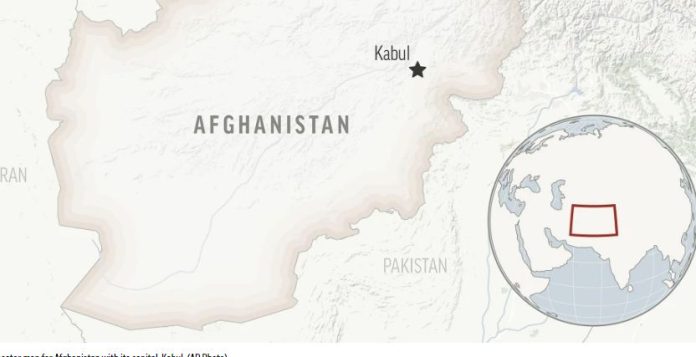
KABUL, Afghanistan (AP) — Explosions and gunfire in Iran killed at least two Afghans earlier this month, the Taliban authorities in Afghanistan said on Thursday.

Iran has denied any shooting took place near Saravan, a town in the country’s restive southeastern province of Sistan and Baluchistan, which borders Taliban-ruled Afghanistan.

A high-ranking Taliban committee has been investigating the incident for the past few weeks.

Taliban deputy spokesman Hamdullah Fitrat said the committee found that explosions and gunfire targeted Afghans in the Kalgan Valley, within Iranian territory. He did not say who was responsible for the attack.

“As of now, the bodies of two martyrs and 34 eyewitnesses, some of whom were injured in the incident, have been transported by the committee,” the spokesman said. “Some of the others who were injured remain in Iran and Pakistan and the committee is actively working to locate and transfer them (to Afghanistan).”

ADVERTISEMENT

The casualty figures are far lower than the ones given by HalVash, an advocacy group for the Baluch people that is broadly focused on Iran. It issued reports about the shooting, citing two unidentified witnesses and others as claiming a death toll of at least dozens, with more wounded.

Israeli attacks kill nearly two dozen more in Gaza as ceasefire hopes dim

Israeli attacks kill nearly two dozen more in Gaza as ceasefire hopes dim
Following warning to Iran, US army sends B-52 bombers to Middle East

Ahmad Zafar Hayat clinches the title of 17th chief of the naval staff amateur golf cup 2024

Ahmad Zafar Hayat clinches the title of 17th chief of the naval staff amateur golf cup 2024

DNA

Islamabad, 03 Nov 24: Ahmad Zafar Hayat won the title of the 17th Chief of the Naval Staff Amateur Golf Cup 2024, whereas Irtaza Hussain was declared the winner of Net Category. While Mr. Alam Afzal, Miss Humna Amjad and Master Abdullah Khan won the titles in the Senior, Ladies, and Junior categories, respectively. Chief of the Naval Staff Admiral Naveed Ashraf graced the prize distribution ceremony as the Chief Guest.

While addressing the ceremony, the Chief of the Naval Staff congratulated the prize winners on their well-earned success, appreciated their skills and dexterity, and commended the high standard of golf displayed by all participants throughout the event. He also lauded the consistent and generous support from sponsors, the media, and the management of Margalla Greens Golf Club (MGGC); without whom, the event would not have been such a resounding success.

The four-day-long Golf Cup was held from 31st October to 3rd November at the scenic Margalla Greens Golf Club (MGGC) in Islamabad. Around 300 golfers from across Pakistan participated in various categories, including Amateurs, Seniors, Ladies, and Juniors. The Golf Cup has been part of the National Golf Circuit since 2007 and is considered one of the finest competitions. It symbolizes the Pakistan Navy’s steadfast commitment to promoting sports.

The closing and prize distribution ceremony was attended by various dignitaries, including officers, organizers, sponsors, golfers, and members of the media fraternity.

Pakistan-Russia bilateral ties developing rapidly: Russian CG

Pakistan-Russia bilateral ties developing rapidly: Russian CG

KARACHI, NOV 3 – The Consul General of Russian Federation in Karachi Andrey V. Fedorov has said the bilateral cooperation among Pakistan and Russia was rapidly developing and high level contacts between leadership of both the countries had further strengthened it.

He said this while talking to APP and later on, addressing the “People’s Unity Day” ceremony held here late Friday night at the Consulate General of the Russian Federation. People’s Unity Day, is being celebrated by people of Russia on November 4 every year to commemorate an unprecedented resilience of our nation, Fedorov said in his speech.

Relying a question regarding Russia-Pakistan ties and the SCO Summit, Andrey V. Fedorov said the relations between Russia and Pakistan were developing with passage of time and currently there was a trade volume of over $ 2 billion between the two countries. He said all members of the Shanghai Cooperation Organization are equal and working together to save future of our children. He said SCO was providing stability of the region and it was working well. Later on, addressing the ceremony, Andrey said “People’s Unity Day” is the day when our country rose from the ashes and liberated itself from the Polish occupants during the so-called Time of Troubles.

He said at the end of the 16th century and the beginning of the 17 century, Russia struggled through political chaos, Western intervention, impostors, famines and many other horrible events. Our civilization, culture and people were literally on the brink of extinction. And in that very moment in the year of 1612, an ordinary shopkeeper Kuzma Minin and a rich Duke Dmitry Pozharsky formed the people’s volunteer militia that helped Russia to regain its true independence. At the end of the time of troubles our nation learned many valuable lessons that have continued to pass through generations. Firstly, instead of another civil war and internal strife of the elites Russians assembled a democratic Council from all regions and social classes to elect a new czar Mikhail Romanov, whose dynasty ruled Russia for more than 300 years.

Referring to Pakistan-Russia relations, Andrey V Fedorov said in the recent years, bilateral cooperation of the two countries had rapidly developed. The level and frequency of the high-level contacts between Russia and Pakistan have elevated dramatically since the last year, when we celebrated the 75th anniversary of the Establishment of Russia-Pakistan diplomatic relations, the Russian CG said and added that it was especially reflected on July 3 at the SCO Head of States meeting in Astana, on the sidelines of which Russian President Vladimir Putin met with Pakistani Prime Minister Shehbaz Sharif.

He also referred the visit of the Deputy Prime Minister of Russia Aleksei Overchuk to Islamabad on September 18-19, Russia-Pakistan Trade and Investment Forum in Moscow on October 1 that gave a powerful impetus to our economic cooperation, the SCO Heads of Governments Meeting on October 15-16 in Islamabad, on the sidelines of which Head of the Russian Government Mikhail Mishustin met with Prime Minister Shehbaz Sharif and discussed all the critical issues on the bilateral agenda.

He said, just recently the Chairwoman of the Russian Senate Valentina Matvienko also paid a visit to Pakistan as well. He hoped that all these meetings will result in a further progress in our ties, the projects discussed during our interactions will take form and the true potential of our cooperation will soon be realized. Sindh Governor Muhammad Kamran Khan Tessori, Chief Minister Syed Murad Ali Shah, senior members of provincial cabinet, Senator Syed Sarmad Ali Khan, former Speaker Sindh Assembly Agha Siraj Durrani, MNA Dr Farooq Sattar, PPP Sindh president Nisar Ahmed Khuhro, Diplomats of other countries, business community representatives and media persons were present on the occasion.

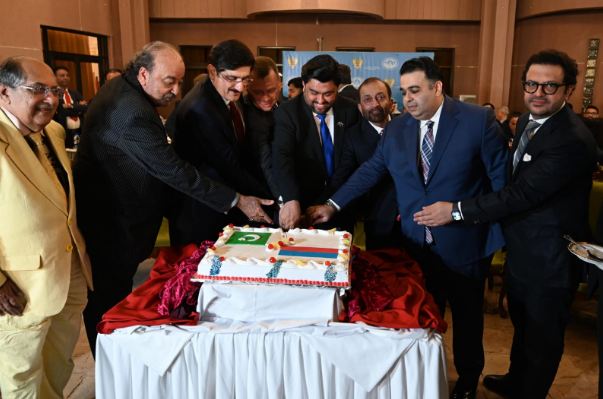
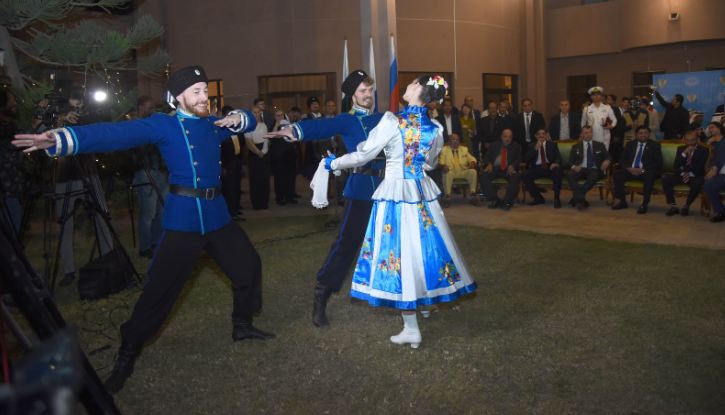
A cake cutting ceremony was also held on People’s Unity Day while Russian artists performed and mesmerized the audience with their traditional Russian dance before being served with delicious dinner. On the occasion of the Unity Day ceremony, a photo exhibition was also arranged that attracted the participants.

USA Elections 2024: Hinged and Unhinged

Qamar Bashir

By Qamar Bashir

It is an exhilarating experience to be in one of the most pivotal states in the U.S.—Michigan, one of the seven key swing states that, alongside Arizona, Nevada, Pennsylvania, Wisconsin, Georgia, and North Carolina, will shape the outcome of the presidential election, the future of America, and, by extension, the world. Swing states are crucial because Democratic (blue) states control 180 electoral votes, while Republican (red) states outside the swing states hold 186. Both parties are likely to retain their blue and red strongholds in the upcoming election, which is just two days away (November 5, 2024). As a result, the fate of both Democrats and Republicans hinges on these swing states, which hold the key to their success or failure.

The most impactful part of this experience has been the healthy and objective discussions among canvassers and with voters at their doorsteps. Canvassing door-to-door, particularly for me, was a once-in-a-lifetime opportunity to truly understand the sentiments of everyday people, not the elites in their luxurious homes. These doorstep interactions with various segments and races revealed distinct preferences.

Among Michigan’s population of 10,077,331, which is 73.9% white, I observed two notable trends. White men overwhelmingly support Mr. Trump, with only a few exceptions. On the other hand, white women are more divided, with many supporting Kamala Harris due to her stance on women’s reproductive rights, particularly the right to choose regarding abortion. Meanwhile, the Black population, making up 13.7% of the state’s population, is almost entirely in favor of Harris.

White Trump supporters, at their core, are driven by racial concerns, opposing immigration and harboring a deep desire to rid the country of what they see as the scourge of immigration.

Asian communities, particularly those from South Asia, are also split. Many are hesitant to openly express their political preferences, but when they do, they tend to favor Harris. However, younger South Asians, especially second-generation immigrants, show some support for Trump, citing concerns about the economy and job layoffs. One young Bangladeshi-American I spoke to mentioned he supports Trump because, during the previous Democratic administration, most of the men in his family were unemployed.

Interestingly, when asked about the main issue or problem in the upcoming elections, many respondents replied that “everything is a problem.” They expressed a general dissatisfaction, feeling that nothing is right and that everything needs to be realigned with democratic values, emphasizing civility, forgiveness, and compassion for each other irrespective of creed, color or race.

A significant number of respondents voiced their dislike for both Trump and Harris, noting that candidates often promise paradise before the election, but once in power, they forget those promises and focus on enjoying the perks of power and wealth, which they believe was the primary motivation behind running for office.

These conversations reminded me of similar sentiments often expressed by people in my own country, where there’s a shared frustration with political leaders who fail to deliver on their promises once they assume power.

During the group discussion, another hotly debated point was the use of divisive election rhetoric. Many noted that, despite knowing their slogans and rhetoric against races, immigrants, and opponents are irrational, illogical, and contrary to the norms of decency, political leaders continue to use them. They are aware that such rhetoric creates deep divisions and hatred among different racial groups, yet they inject this hateful “virus” purposefully to stir emotions, create frenzy, and push people toward extremist attitudes. The belief is that this tactic will solidify support among less-educated and racially biased voters, whose strong sentiments against their opponents will translate into votes.

According to most individuals in the discussion, this is a narrow and parochial approach, which they view as highly detrimental to the security, safety, and well-being of the American people. Interestingly, this growing sense of insecurity has even permeated Working America, the agency conducting door-to-door surveys on behalf of the Democrats. The agency has had to hire private security to protect its operations and personnel, highlighting the increased risks in the current political climate.

When it comes to election predictions, numerous surveys and polls have been conducted by various agencies and institutions, resulting in different and sometimes conflicting outcomes, making the prediction process even more complex. Having served in government roles in Pakistan, assisting ministers and even the President, I have insight into the mechanisms behind such surveys.

I quickly realized that during elections, poll-conducting agencies are often driven by profit. Political parties hire these agencies, either directly or through third parties, and, in exchange for payment, results that favor the hiring party are often injected into the media to create the perception of their widespread popularity.

For instance, according to “FiveThirtyEight”, Harris leads with 48.0% compared to Trump’s 46.8%, a margin of 1.2 percentage points. Similarly, “RealClearPolitics”  shows Harris ahead by 4 points in a CBS News poll and by 5 points in an NBC News poll.

According to the New York Post analysis, recent polls show Trump leading Harris. In Pennsylvania, Trump is predicted to be ahead by 48% to 47%; in Michigan, he leads 48% to 47%. In Arizona, Trump holds a 48% to 46% lead, and in Georgia, he leads 48% to 46%. However, Marist College finds Harris ahead by 3 points in Michigan, 2 points in Pennsylvania, and 2 points in Wisconsin. Additionally, the Australian Report states that national polls show Trump slightly ahead of Harris, with a poll average of 48.4% to 48.3%.

These diverse polling results reflect how polls can vary, possibly influenced by the interests of those funding the surveys, raising concerns about their objectivity and accuracy.

In Pakistan, we are familiar with how, seemingly overnight, the tide begins to turn in favor of a particular political party once the establishment has decided to install it in power as their preferred choice. Similarly, in the U.S., it appears that the election winds are now blowing in favor of Kamala Harris—not necessarily because people have deep faith in her or feel particularly passionate about her candidacy, but rather to prevent Donald Trump from returning to power. Trump, who former Democratic President Bill Clinton aptly described as “more unhinged” than he was during the 2016 elections, is seen by many as a greater risk, and this sentiment seems to be driving support for Harris.

By Qamar Bashir

Press Secretary to the President (Rtd)

Former Press Minister at Embassy of Pakistan to France

Former MD, SRBC

Punjab orders week-long school closure amid Lahore smog crisis

Punjab orders week-long school closure amid Lahore smog crisis

LAHORE, NOV 3: The Punjab government has announced a one-week closure of schools for primary classes in Lahore due to severe smog conditions.

Senior provincial minister Maryam Aurangzeb made the announcement during a press conference, emphasising the urgent need to protect children and vulnerable populations from the hazardous air quality.

Maryam Aurangzeb indicated that the prevailing wind patterns bringing air from India are expected to persist, complicating efforts to control the smog.

“We cannot stop or redirect the Indian air, and the only solution is dialogue,” she stated, urging cooperation to tackle the environmental crisis.

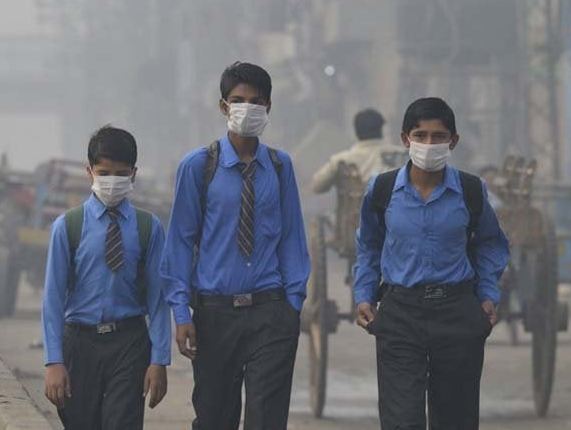
In addition to the school closures, the government has advised that 50% of the workforce should work from home to reduce exposure to the polluted air. Parents are being encouraged to provide masks for their children and to keep them indoors as much as possible.

The minister also highlighted measures being taken to mitigate the effects of the smog, including a ban on certain vehicles within a one-kilometre radius of green zones.

Maryam Aurangzeb mentioned that the technology for artificial rain, previously acquired from the UAE, is now locally available, and plans for implementation will proceed when conditions are suitable.

The government aims to address the immediate health risks posed by the deteriorating air quality while seeking longer-term solutions to combat smog in the region.

Lahore gasps as pollution hits record levels

Air pollution in Lahore reached alarming heights on Saturday, with officials reporting that the city’s air quality is nearly 40 times higher than the World Health Organisation’s (WHO) recommended limits. The level of PM2.5 pollutants, which pose significant health risks, peaked at 610.

The city has been engulfed in smog for several days, a mixture of fog and pollutants exacerbated by low-quality diesel emissions, agricultural burning, and winter weather.

The air quality index (AQI) surged to 1,067, far exceeding the ‘dangerous’ threshold of 300, according to IQAir data.

Winds blowing from India have further deteriorated Lahore’s air quality, placing the city third on the global air pollution index, following Delhi and Kinshasa.

Reports indicated that regions near the Indian border recorded AQI levels between 1500 and 1800, with Lahore itself facing hazardous conditions marked by an AQI score of 1000.

Armenia – Qatar Police Cooperation: Backward Slide?

Armenia – Qatar Police Cooperation

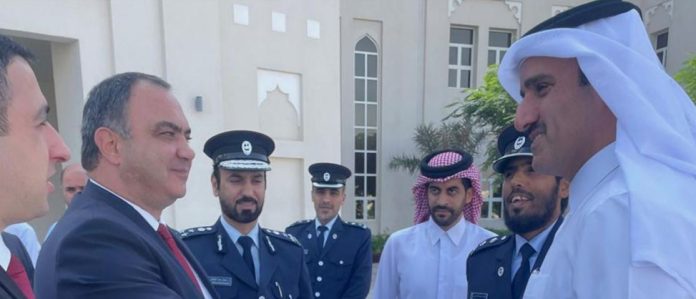
Armenian Minister of Internal Affairs Vahe Ghazaryan, today in Doha, met with the head of the Qatari Police Academy Brigadier Dr. Mohammed Abdullah Al-Mihanna Al-Marri.

Ghazaryan’s office, in a statement, says the two discussed prospects for cooperation between the police academies of their countries including the training and education of personnel.

They agreed to launch an exchange program for police academy students.

Ghazaryan and his delegation also attended Milipol Qatar 2024 global homeland security and safety exhibition and conference organized by the Qatari Ministry of Interior.

The police forces of both countries fall under the purview of their respective Ministries of Internal Affairs.

It should be pointed out that Qatar is listed as “Not Free” according to the 2024 Freedom House ranking and that Qatar’s legal system is a mixture of civil law and Islamic (Sharia) law. Armenia is listed as “Partly Free”.

What “police cooperation”, then, were the two officials discussing? What, specifically, can Armenia’s police learn from their Qatari conterparts?

Here are some telling excerpts of the Freedom House report on Qatar.

1 – Qatar’s hereditary emir holds all executive and legislative authority and ultimately controls the judiciary.

2 – Political parties are not permitted and public participation in the political arena is extremely limited.

3 – No genuinely independent anticorruption mechanisms hold senior officials and members of the ruling family publicly accountable for the allocation of state resources.

4- Both print and broadcast media are influenced by leading families and subject to state censorship.

5 – Organizers of public events must obtain a permit from the Interior Ministry, and protests are rare.

Kunar Flood Victims Urge Government to Help Rebuild Homes

Kunar Flood

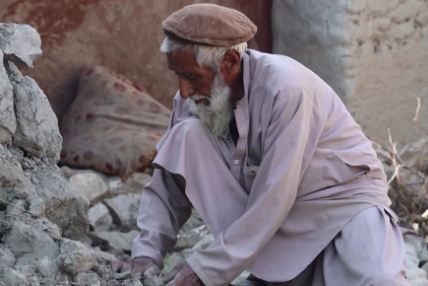
KUNAR: Flood victims from last month in Kunar province are calling on the interim government to help rebuild their homes.

They say that although they initially received some assistance, they are still facing serious challenges due to the lack of shelter.

Abdullah Jan, a resident of Lamatak area in Narang district, who was cleaning his home, said that a month ago the floods caused him great losses, and now he is struggling due to the absence of shelter.

Abdullah Jan told TOLOnews, “When I saw the flood coming, I quickly closed the door. Everything inside was ruined. Two houses were destroyed, and the walls of three other houses were damaged.”
Ghulam Nabi, another flood victim, said: “Our house has been destroyed, and the flood took our livestock. We have nothing left for shelter.”

According to the residents, recent floods in Kunar have not only destroyed homes but have also damaged hundreds of acres of farmland.

Izzatullah, another flood victim, said, “We request the authorities to provide us with shelter.”

Farid, also a flood victim, said: “The floods have destroyed hundreds of acres of agricultural land and our homes. I ask the government to help us.”

Local officials pledged that they are addressing these issues.

Izzatullah Karimi, spokesperson for the Kunar Department of Natural Disaster Preparedness, said: “For the homes that were completely destroyed, their surveys are completed, and in coordination with partner organizations, these homes will be rebuilt in the future.”

According to statistics from the Kunar Department of Natural Disaster Preparedness, the recent floods have caused significant financial losses and resulted in casualties in various districts of the province.

Dengue Cases Surge in Punjab as Attock and Rawalpindi Hit Hardest

QAZI SHOAIB KHAN

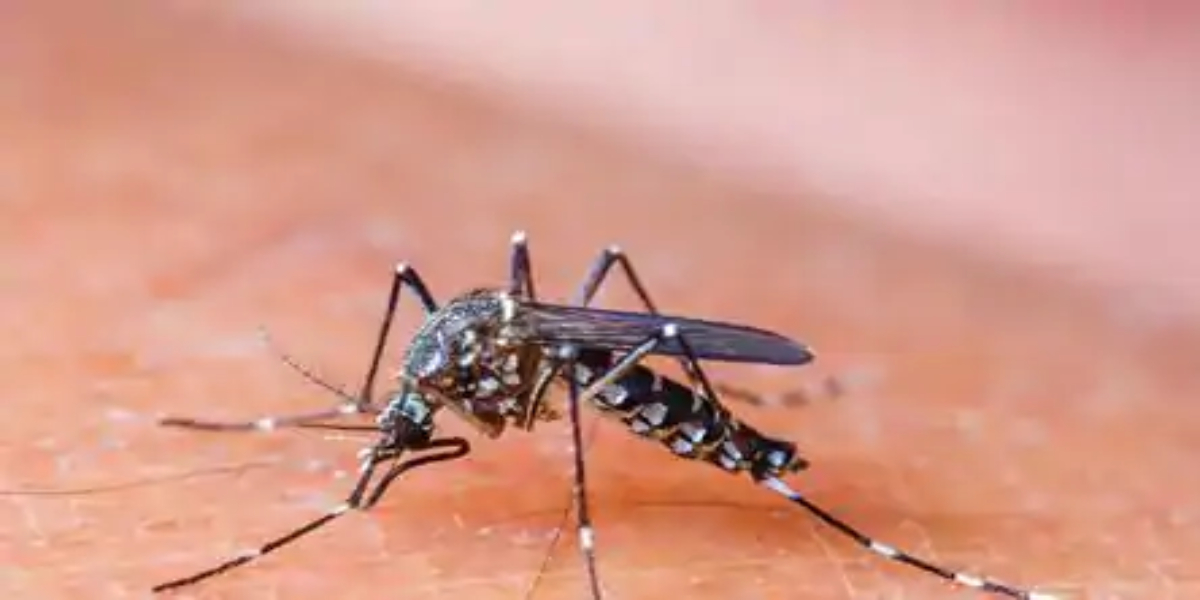
ATTOCK (NOV-03) The provincial Health authorities reported 114 new cases on Sunday, spread across 36 districts in the province including inte r provincial district Attock and Rawalpindi bearing the brunt of the surge. Health department spokesman says while briefing the media on Sunday .

Responding different questions, he told that the dengue outbreak in Punjab including district Attock shows no signs of slowing, as the total number of cases has risen to 6,011 this year. Health authorities reported 114 new cases on Sunday, spread across 36 districts in the province, with Rawalpindi bearing the brunt of the surge.

According to recent Health Department data, Rawalpindi alone reported 105 cases in the past 24 hours, marking it as the hardest-hit area in recent weeks. Throughout Punjab, 954 cases were reported over the last week, further intensifying the situation. Lahore reported four new cases, while Attock, Multan, Khanewal, Sialkot, and Sahiwal each confirmed one new case during the same period.

In response to the alarming increase, the Health Department has assured the public that all necessary resources are being mobilized to address the crisis. Medicine supplies have been stocked in public hospitals across the province to ensure proper care for dengue patients.

For residents seeking information, treatment, or wishing to register complaints, the Health Department has set up a free helpline at 1033. Authorities are emphasizing the importance of vigilance and proactive measures to curb the dengue spread.

Stay Connected

64FansLike
60FollowersFollow

Latest Reviews

Exchange Rates

USD - United States Dollar
EUR
1.17
GBP
1.36
AUD
0.72
CAD
0.73