Home Blog Page 754

President strongly condemns attack on Chinese nationals

President strongly condemns attack on Chinese nationals

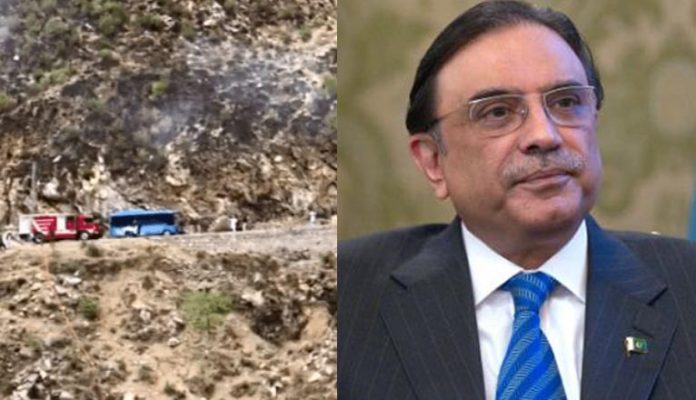
ISLAMABAD, Mar 25 (APP/DNA): President Asif Ali Zardari on Tuesday strongly condemned an attack on the Chinese nationals in Bisham and expressed his deep grief and sorrow over casualties. The president also conveyed his condolences to the bereaved Chinese families and the Government of China, President Secretariat Press Wing said in a press release.

The president reiterated that the enemies of Pakistan would never cause damage to Pak-China friendship.

Powering Economic Growth: Harnessing AI in Pakistan’s Energy Regulatory Organizations

Powering Economic Growth: Harnessing AI in Pakistan’s Energy Regulatory Organizations

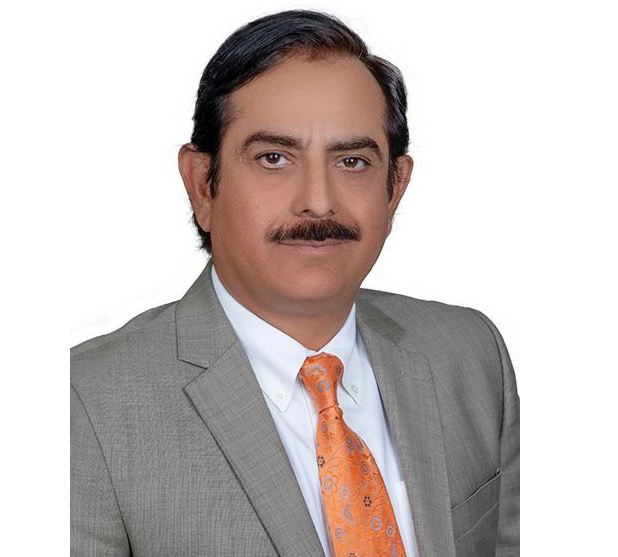
By Imran Ghaznavi

In Pakistan, the power, oil, and gas sectors play pivotal roles in driving economic growth and ensuring energy security. Regulatory organizations within these sectors, such as the National Electric Power Regulatory Authority (NEPRA) and the Oil and Gas Regulatory Authority (OGRA), are tasked with overseeing market dynamics, enforcing compliance, and fostering sustainable development. As Pakistan strives to achieve its economic goals, the adoption of artificial intelligence (AI) at the organizational level presents a transformative opportunity for regulatory bodies to enhance efficiency and act as catalysts for national economic growth.

  • Leveraging AI for Regulatory Efficiency

In the near future, AI holds the promise of revolutionizing the operations of regulatory organizations in Pakistan’s energy sector. By automating routine tasks, analyzing vast amounts of data, and providing actionable insights, AI technologies can streamline regulatory processes and improve decision-making efficiency. For example, AI-powered algorithms can be utilized to predict electricity demand, optimize resource allocation, and detect irregularities in energy markets, thereby enabling regulators to proactively address emerging challenges and ensure market stability.

  • Identifying Bottlenecks and Challenges

Despite the potential benefits, the adoption of AI in regulatory organizations faces several challenges in Pakistan. One bottleneck is the lack of comprehensive data infrastructure and digital capabilities within regulatory bodies. Many organizations struggle with outdated systems, fragmented data sources, and limited technical expertise, hindering their ability to fully leverage AI technologies. Additionally, there may be resistance to change from stakeholders accustomed to traditional regulatory approaches, as well as concerns regarding data privacy, security, and ethical considerations in AI-driven decision-making processes.

  • Overcoming Challenges and Building Capacity

To overcome these challenges, regulatory organizations must invest in building robust data infrastructure, developing technical capabilities, and fostering a culture of innovation and collaboration. This requires strategic partnerships with technology providers, academic institutions, and industry stakeholders to facilitate knowledge transfer and skill development. Moreover, regulatory bodies should prioritize data governance frameworks, transparency mechanisms, and risk management protocols to address concerns related to data privacy, security, and accountability.

  • Implementing AI Solutions for Impact

In order to realize the full potential of AI, regulatory organizations must strategically deploy AI solutions across key areas of operation. For example, in the power sector, AI can be used to optimize grid management, improve energy efficiency, and enhance demand forecasting accuracy. Similarly, in the oil and gas sector, AI technologies can enable regulators to monitor supply chains, detect market manipulation, and ensure compliance with environmental regulations. By focusing on targeted use cases and measurable outcomes, regulatory bodies can demonstrate the tangible benefits of AI adoption and garner support from stakeholders.

  • Driving Economic Growth through Regulatory Innovation

As regulatory organizations in Pakistan embrace AI and digital transformation, they have the opportunity to become drivers of economic growth and innovation. By promoting regulatory certainty, facilitating investment, and fostering a competitive market environment, AI-enabled regulatory bodies can attract private sector participation, stimulate job creation, and spur technological innovation in the energy sector. Moreover, by aligning regulatory objectives with broader national development priorities, such as poverty alleviation, climate action, and inclusive growth, regulators can contribute to the sustainable and inclusive economic development of Pakistan.

In conclusion, the adoption of AI at the organizational level presents a transformative opportunity for regulatory organizations in Pakistan’s energy sector to enhance efficiency and drive economic growth. By overcoming bottlenecks and building capacity, regulatory bodies can harness the power of AI to streamline operations, improve decision-making, and foster innovation. As catalysts for change, regulatory organizations have the potential to leverage AI to unlock new opportunities for regulatory excellence and become engines of national economic growth in the near future.

  • The author is a senior regulatory and reputation management practitioner with over 30 years public and private sector experience. He can be reached at [email protected]

Security forces kill four terrorists in D.I.Khan

Security forces kill four terrorists in D.I.Khan

RAWALPINDI, MAR 26 /DNA/ – Security forces conducted an intelligence based operation in Dera Ismail Khan District on reported presence of terrorists.

During the conduct of operation, after an intense fire exchange, 4 x Terrorists including Terrorist Mustafa, Terrorist Qismat Ullah and Terrorist Islam Ud Din were sent to hell.

The killed terrorists remained actively involved in numerous terrorist activities against security forces and killing of innocent civilians. Weapons, ammunition and explosives were also recovered from killed terrorists.

Locals of the area appreciated the operation. Sanitization operation is being carried out to eliminate any other terrorist found in the area as the security forces are determined to wipe out the menace of terrorism from the country.

President RCCI Sakib Rafiq hosts iftar dinner for diplomats

President RCCI Sakib Rafiq hosts iftar dinner for diplomats

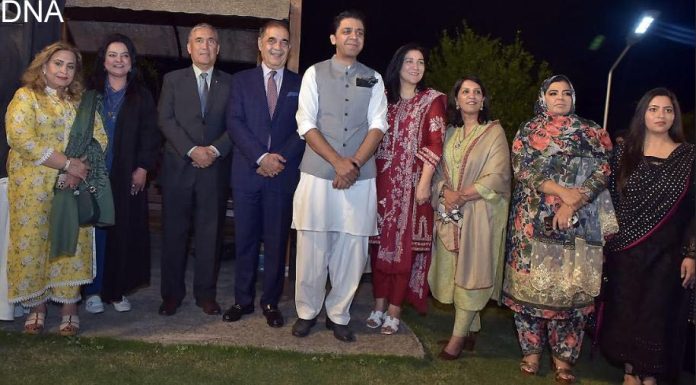
ISLAMABAD, MAR 26 /DNA/ – Sakib Rafiq, President of the Rawalpindi Chamber of Commerce and Industry, graciously hosted a splendid iftar dinner, bringing together esteemed members of the diplomatic corps and distinguished figures from the business fraternity. The event saw a notable turnout of diplomats representing a diverse array of nations, adding a touch of international flair to the gathering.

Speaking on the occasion, Zahid Latif Khan, Chairman of REIT, emphasized the longstanding tradition of iftar dinners at the Rawalpindi Chamber, highlighting its significance in fostering camaraderie and collaboration among stakeholders.

The enchanting ambiance of the venue, Qazi Farms, served as the perfect backdrop for the evening’s festivities, adorned with exquisite decor that added to the charm of the occasion.

“Will Israel Comply with the UNSC’s Ceasefire Resolution for Gaza?”

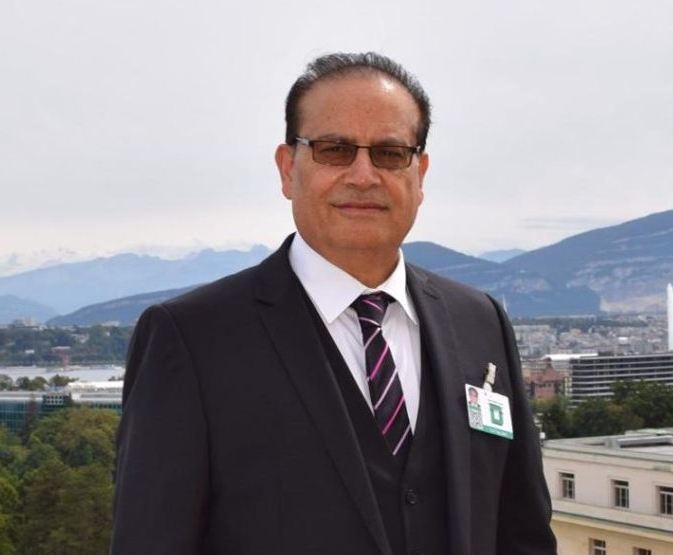
Qamar Bashir

By: Qamar Bashir

In a remarkable turn of events, Israel found itself facing unexpected diplomatic pressure as the United States chose not to exercise its veto power against a ceasefire resolution championed by ten nations led by Mozambique. The resolution garnered the support of 14 members of the UN Security Council, with the US abstaining. The resolution called for an immediate ceasefire during a sacred period, with the ultimate aim of achieving a permanent and sustainable cessation of hostilities. Furthermore, it demanded the immediate and unconditional release of all hostages, underscoring the necessity of humanitarian access to address their medical and other urgent needs.

This development signaled a significant shift in the international community’s stance on the conflict, highlighting a growing consensus towards prioritizing peace and humanitarian considerations in resolving the ongoing crisis.

The shift in the US stance towards the ceasefire resolution primarily stems from multiple factors. Firstly, the enduring and relentless nature of Israel’s military campaign in Gaza,

Secondly, with impending elections on the horizon, the US President’s concerns over potentially alienating Muslim voters, as well as support for a ceasefire from diverse religious, racial, and ethnic groups, influenced the decision-making process in Washington. The mounting frustration within US political circles at the Israeli Prime Minister’s unwavering stance on military actions, particularly the planned Rafah attack, further compounded the situation.

Moreover, Israel’s ongoing massacre, hindrance of humanitarian aid deliveries exacerbated tensions and raised humanitarian concerns globally, prompting the US to reassess its approach.

Israel incessantly and unlawfully pounding Gaza, hitting schools and hospitals and reducing large parts of neighborhoods to rubble. It unlawfully used white phosphorus in densely populated areas. Forced evacuation of all people from northern Gaza and displacing 1.9 million people. Unlawful killing of over 30,228 Palestinians most of them civilians, including 25000 women and children stemming from Israel’s regular use of excessive lethal force and  extrajudicial executions.

The sweeping unlawful collective punishment by imposing restrictions on the movement of people and goods deprived the 2.2 million Palestinians in Gaza of their right to freedom of movement and opportunities to better their lives; severely limited their access to electricity, health care, and water; and devastated the economy.  Israeli authorities also held 2,873 Palestinians in administrative detention, without charge or trial based on secret information.

More than 46,000 housing units have been destroyed and 234,000 others damaged, accounting for 60 percent of the housing stock in Gaza. At least 342 schools have been damaged, 187 “attacks on health care” were carried out, damaging 24 hospitals.

These atrocities are in utter violation of the established principles of Geneva Conventions designed to ensure the protection and dignity of all individuals affected by armed conflict. Civilians, regardless of age, including children and the elderly, are entitled to special care and must be shielded from deliberate harm. Hospitals and medical personnel are protected. Civilian property such as households, places of worship, and industrial facilities are safeguarded from deliberate targeting. It prohibits collective punishment and emphasizes individual accountability for actions taken during conflict.

The convergence of these factors ultimately compelled the United States to abstain from vetoing the ceasefire resolution, marking a significant departure from its previous staunch support for Israel’s actions.

Israel’s response to international appeals, UN resolutions, and pressure from the US reflects a deep-seated determination to pursue its own strategic objectives in the Israel-Palestine conflict. Despite widespread calls for moderation and humanitarian considerations, Israel has remained steadfast in its military actions against Palestinians in Gaza.

It even started hurling accusations at the US for US persistent advocacy for a two state solution and allowing humanitarian aid to enter into Gaza and warned that with or without the support of US, Israel would continue warfare and annexation of Palestinian territory, underscore Israel’s uncompromising stance on key issues such as the two-state solution and the provision of humanitarian aid.

By canceling a planned trip to Washington and rebuking the US for its perceived interference, Israel demonstrates its frustration with what it views as insufficient support for its military operations and broader objectives in the region.

Big Question is what is next after the passing of the resolution if Israel refuses to abide by the resolution.

This concern was put to writing by the UN secretary general, António Guterres, who in his tweet said quote, “The Security Council just approved a long-awaited resolution on Gaza, demanding an immediate ceasefire, and the immediate and unconditional release of all hostages. This resolution must be implemented. Failure would be unforgivable”.

The UNSC has many arsenals in its armory which could be used to implement the UNSC resolution, if  any of the party fails to abide by it as when the UNSC issues a resolution mandating a ceasefire between two countries, it signifies a collective international effort to restore peace and stability in the region.

However, if one of the involved nations refuses to adhere to the provisions outlined in the resolution, a cascade of diplomatic, economic, and potentially military consequences may ensue.

Initially, diplomatic pressure and condemnation from the UNSC and other member states could intensify, urging the non-compliant country to honor the ceasefire agreement.

Concurrently, economic sanctions may be imposed, targeting vital sectors of the non-compliant nation’s economy to compel compliance. This combination of diplomatic and economic measures aims to exert significant pressure on the non-compliant nation and encourage a return to peaceful negotiations and adherence to the UNSC resolution.

In more severe cases where the refusal to comply persists, the international community may escalate its response. This could involve the authorization of military intervention by the UNSC to enforce the ceasefire resolution and restore order.

Additionally, the non-compliant country may face further isolation on the international stage, with repercussions extending to legal consequences for breaches of international law.

However, unfortunately, numerous resolutions passed by the United Nations Security Council (UNSC) including those passed on Indian Illegally Occupied Jammu and Kashmir  have remained unimplemented for various reasons. These include the lack of enforcement mechanisms, political obstacles stemming from opposing interests among member states, resource constraints, challenges in securing cooperation among multiple parties, and the evolving nature of conflicts and geopolitical dynamics. Additionally, resolutions may face difficulties in implementation when they involve non-state actors or address issues beyond the control of the UNSC.

Ultimately, the effectiveness of UNSC resolutions hinges on factors such as political will, international cooperation, enforcement mechanisms, and the evolving circumstances surrounding conflicts and crises. When these factors align, resolutions are more likely to be successfully implemented, but when they are lacking, resolutions may remain unimplemented or only partially implemented.

The upcoming test will gauge the resilience and determination of the international community in confronting the actions of a single, albeit influential, nation: Israel. Whether the collective efforts of the international community will prevail over the policies of Israel remains to be seen, with time serving as the ultimate arbiter of this contentious struggle.

By: Qamar Bashir

Press Secretary to the President(Rtd)

Former Press Minister at Embassy of Pakistan to France

Former MD, SRBC

Pakistan welcomes UNSC ceasefire resolution in Gaza

Pakistan welcomes UNSC ceasefire resolution in Gaza

Mehtab Pirzada

ISLAMABAD: Pakistan has welcomed the UNSC resolution calling for an immediate ceasefire in Gaza. Foreign Minister Ishaq Dar in his X message said, ‘We urge urgent implementation of the resolution and hope the Palestinian people will have much needed respite after months of bloodshed and massacre of over 30,000 innocent civilians’.

Over the course of past six months, Pakistan has repeatedly expressed its strong and unequivocal condemnation of the indiscriminate use of force by Israel, calling for an immediate and unconditional ceasefire, unimpeded humanitarian assistance to the besieged people of Gaza, return of the displaced Palestinians, and ensuring accountability for the crimes being committed by Israel with impunity.

We call for expeditious implementation of the Security Council resolution adopted today, hoping that it will serve as a first step towards ending Israel’s brutal onslaught, ensuring a permanent ceasefire, and helping address the prevailing grave humanitarian situation in Gaza.

Pakistan will continue to voice its support for a just, comprehensive and durable solution through the establishment of a secure, viable, contiguous and sovereign State of Palestine on the basis of the pre-June 1967 borders, with Al-Quds Al-Sharif as its capital..

UNSC resolution demands ‘immediate’ Gaza ceasefire

UNSC resolution demands ‘immediate’ Gaza ceasefire

Russia, at the last minute, objected to the removal of the word “permanent” ceasefire and called a vote, which failed to gain passage

News Desk/DNA

NEW YORK CITY: The UN Security Council for the first time on Monday demanded an immediate ceasefire for the month of Ramadan after the US, Israel’s ally which vetoed previous drafts, abstained.

Drawing unusual applause in the often staid Security Council chamber, all 14 other members voted in favor of the resolution which “demands an immediate ceasefire” for the rest of the ongoing Islamic holy month.

The resolution called for the cessation of hostilities to lead to a “lasting sustainable ceasefire” and demanded that Hamas and other militants free hostages seized on October 7.

Russia, at the last minute, objected to the removal of the word “permanent” ceasefire and called a vote, which failed to gain passage.

The text acknowledged the ongoing diplomatic efforts by Egypt, Qatar and the US to bring about an end to hostilities, the release of all hostages and an increase in the distribution of humanitarian aid.

The successful resolution was drafted in part by Algeria, the Arab bloc’s current member on the Security Council, with a diverse array of countries including Slovenia and Switzerland.

Also on Monday, the White House said the US abstention did not signal a change in Washington’s policy toward the conflict.

It does not represent a “shift in our policy,” National Security Council spokesman John Kirby told journalists.

FM stresses early resumption of PIA flights to UK

Faisal Sheikh

Islamabad, MAR 25: Foreign Minister Ishaq Dar, in a phone call with British counterpart David Cameron on Monday, stressed the need for early resumption of national carrier Pakistan International Airline’s (PIA) flights to the United Kingdom to “bolster linkages”, according to the Foreign Office (FO).

In July 2020, the UK had joined several countries in suspending PIA’s flight operations due to concerns about the authenticity of pilot licences.

On Saturday, Dar had said that PIA flights to the UK would res­ume “in weeks, not months”, and that he took up the matter of banned flights of the national carrier with British government officials over the weekend in London. Sources had told Dawn that the matter came under discussion during Dar’s meetings as he urged UK officials to review the matter.

Today, a press release from the FO said Dar received a call from British Foreign Secretary David Cameron during which the foreign minister made his request regarding the resumption of flights, saying that it would further bolster linkages, particularly in view of the large Pakistani diaspora in the UK.

FM Dar thanked Lord Cameron for his felicitations on the former assuming office, saying that he looked forward to working closely with the UK leadership to further strengthen bilateral relations.

He also stressed the need to enhance bilateral cooperation in trade and investment, people-to-people contacts and climate matters.

The two ministers also discussed important regional issues, including Afghanistan and the situation in Gaza. Dar also invited Lord Cameron to visit Pakistan on mutually convenient dates.

“Reiterating the importance of [the] Pakistan-UK relationship, the foreign minister said that Pakistan and the UK had longstanding, historic relations with multifaceted cooperation. The foreign minister emphasised the early conclusion of the Enhanced Strategic Partnership agreement to take relations to the next level,” the FO said.

FM reiterates Pak’s unwavering support for the Palestinian cause

FM reiterates Pak’s unwavering support for the Palestinian cause

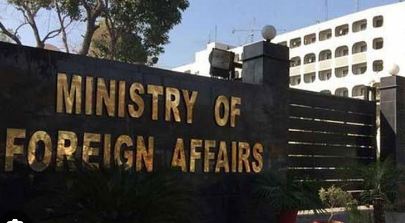
Ambassador of Japan Mitsuhiro Wada paid a courtesy call on Foreign Minister, Ishaq Dar

Ansar M Bhatti/DNA

ISLAMABAD: Ambassador Ahmed Jawad A. A. Rabei of the State of Palestine paid a courtesy call on Foreign Minister Ishaq Dar to convey his warm wishes on the assumption of office.

During the meeting, the foreign minister thanked the Ambassador and reiterated Pakistan’s unwavering support for the Palestinian cause. He also called for an urgent and unconditional ceasefire in Gaza.

The discussions underscored the longstanding and close ties between Pakistan and Palestine, reaffirming commitment to mutual cooperation and solidarity.

Meanwhile, Ambassador of Japan Mitsuhiro Wada paid a courtesy call on Foreign Minister, Ishaq Dar at the Ministry of Foreign Affairs. Bilateral relations and collaboration in trade,

investment, and export of manpower were discussed.

The foreign minister appreciated the longstanding development partnership between Pakistan and Japan. He also stressed the need to further enhance this mutually beneficial relationship in all domains.

Drive on Railway safety, prohibited items in full swing

Pakistan Railways

ISLAMABAD, MAR 25 (DNA) — Pakistan Railways awareness campaign was in full swing in order to raise public knowledge of the dangers of trespassing, crossing railroad tracks, and carrying forbidden objects like gas cylinders, guns without a license, cartridges, drugs, and daggers.

“The campaign was launched on the directives of Minister for Railways Shahid Ashraf Tarar and Secretary Syed Mazhar Ali Shah which will not help the department to control accidents but also win the confidence of the passengers of the rail” an official told media.

The official said, “Pakistan Railways will use all the social media platforms including print, electronic media, twitter, Facebook, poster and pamphlets to create an awareness among the citizens about a safe train journey.”

He said the department has also asked all the divisional superintendents to ensure checking of luggage of passengers at entry points with scanners, metal detectors and walkthrough gates. He said Pakistan Railways had always given importance to the safety of citizens and its passengers.

“It has been directed to discourage and stop those passengers who are carrying prohibited products. It is suggested to install emergency doors and auto-lock doors in coaches in case of any emergency,” he added.

The official urged the citizens to stop at the level crossing before crossing the track, look on both sides of the track and wait for the train to pass if any train was coming. He said that double whistle boards had been provided at most of level crossings where train drivers were bound to play horn to warn the road users about train arrival.

To a question, he said, “Pakistan Railways has converted approximately 181 un-manned level crossings to manned level crossings across the country, out of 550 identified by the department over the entire railway network in over one year.”

“The relevant provincial government provided the finances to Pakistan Railways for the up-gradation of un-manned level crossings in the country,” he said. He said the department was taking several steps including the up-gradation of unmanned and vulnerable railway level crossings across the country in collaboration with respective provincial governments.

The official said there were two types of level crossings over the Pakistan Railways network, un-manned and manned level crossings, adding that the un-manned level crossings were without gate leaves. “There is a total of 1,565 unmanned level crossings over the entire railway network and as per railway policy in vogue, the up-gradation of any unmanned or manned level crossing is the responsibility of road owning authority,” he added.

The said that un-manned level crossings without gates leaves and gate men, were previously provided where ‘Kacha path’ with low traffic volume crosses the railway track to facilitate movement of locals, farmers and carts at their own risks.

However, he said, “Due to high risk of accidents on existing un-manned level crossings, construction and provision of new un-manned level crossing is completely banned on entire Railway system as per Railway policy for level crossings from 2019.” — DNA

Stay Connected

64FansLike
60FollowersFollow

Latest Reviews

Exchange Rates

USD - United States Dollar
EUR
1.17
GBP
1.35
AUD
0.67
CAD
0.73