Home Blog Page 744

Belarus President visits Pakistan, signs comprehensive cooperation roadmap for 2025-2027

Pakistan, Belarus sign joint communique in diplomatic milestone

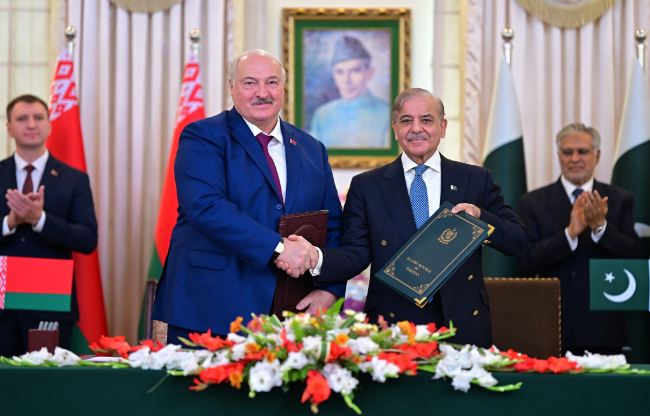
ISLAMABAD, NOV 29 /DNA/ – At the invitation of Prime Minister Muhammad Shehbaz Sharif, President of the Republic of Belarus Aleksandr Lukashenko visited Islamabad from 25-27 November 2024.

During his visit to Islamabad, President Lukashenko held extensive talks with the Prime Minister Muhammad Shehbaz Sharif. The two sides discussed areas of bilateral cooperation and engagement; and key regional and global developments. The two sides reaffirmed the commitment to promote mutually beneficial cooperation, deepen political dialogue, strengthen inter-parliamentary exchanges, and enhance trade and economic cooperation.

The two leaders signed several agreements and Memoranda of Understanding (MOUs) focusing on cooperation in environmental protection, disaster management, halal trade, financial intelligence sharing, vocational education and science & technology.

A key outcome of the visit was signing of the “Roadmap for Comprehensive Cooperation between Pakistan and Belarus for 2025-2027”. The road map outlined a strategic framework for enhancing economic ties through high-level meetings, inter-governmental commissions, and targeted collaborative initiatives, reinforcing the importance of regional economic integration, connectivity and legal frameworks needed to facilitate bilateral economic collaboration.

Speaker of the National Assembly of Pakistan, Sardar Ayaz Sadiq, is on an official visit to Moscow, on a special invitation of his Russian counterpart, Chairman of the State Duma of the Russian Federation, Volodin Vyacheslav Victorovich.

In Moscow, the National Assembly Speaker held bilateral meetings with the Chairman of the State Duma, Volodin Vyacheslav Victorovich; Chairperson of the Federation Council, Valentina Matvienko; Vice Chairman of State Duma, Alexander Babakov ;and Deputy Chairman of the Council of Muftis Damir Mukhetdinov.

The visit aims to further strengthen and expand friendly ties between the governments and the people of the two countries through parliamentary exchanges.

An MoU will also be signed between the State Duma and the National Assembly of Pakistan, on expanding parliamentary cooperation and exchanges.

Foreign Secretary Ms. Amna Baloch participated in the second meeting of the “Global Alliance for the Implementation of the Two-State Solution” held in Brussels, Belgium yesterday.

At the forum, the Foreign Secretary reaffirmed Pakistan’s unwavering support for the Palestinian cause. She called for a ceasefire in Gaza; a comprehensive approach for resolution of the Palestinian question, with the establishment of a sovereign and independent State of Palestine, with pre-1967 borders and Al-Quds Al-Sharif as its capital; and full membership of Palestine in the United Nations. The Foreign Secretary also emphasized the imperative for the international community to intensify its efforts for lasting peace in the region.

On this International Day of Solidarity with the Palestinian People, Pakistan reaffirms its unwavering solidarity and support for the people of Palestine in their pursuit of justice, freedom, and dignity. We also reaffirm our strong support for the Palestinian people’s right to self-determination and the establishment of an independent state with Al-Quds Al-Sharif as its capital, based on pre-1967 borders.

Pakistan welcomes the recent ceasefire agreement in Lebanon and calls on all parties to fully uphold and implement United Nations Security Council Resolution 1701. We firmly support Lebanon’s sovereignty, territorial integrity, and stability; and stress the urgent need for humanitarian assistance to those affected; the safe return of displaced persons; and facilitating the reconstruction of conflict-affected areas.

We believe this ceasefire is a critical step towards de-escalating tensions and preventing a broader conflict in the region. Pakistan hopes that the ceasefire agreement will set the stage for an immediate and unconditional ceasefire in Gaza Strip and other occupied Palestinian territories; an end to genocide in Gaza; and humanitarian relief to the Palestinian people.

Last week, four Kashmiri civilians were subjected to severe torture at an Indian Army Camp in Chas area of Mughal Maidan, Kishtwar in Indian Illegally Occupied Jammu and Kashmir (IIOJK). Causing significant outrage across IIOJK, the incident is the latest in a series of similar abuses spread over the last several decades. We express grave concern over this disturbing incident, and demand that the perpetrators of the custodial torture are held accountable.

Pakistan will continue to extend political, diplomatic, and moral support to our Kashmiri brothers and sisters for the just and peaceful settlement of the Jammu and Kashmir dispute in accordance with the UN Security Council Resolutions.

Now an Announcement:

Deputy Prime Minister / Foreign Minister of Pakistan, Senator Mohammad Ishaq Dar will undertake an official visit to Mashhad, Iran from 02-03 December 2024 to attend the 28th Meeting of Council of Ministers of Economic Cooperation Organization.

In his address at the Meeting, Deputy Prime Minister will reiterate Pakistan’s commitment to the ECO Charter and highlight the potential of greater connectivity in the ECO region, through development of road and rail networks; liberalization of visa regimes and simplification of border procedures; and to attain sustainable growth and enhance geo-economic potential of the ECO region. The Deputy Prime Minister / Foreign Minister will also reiterate the Pakistan’s concerns over hostilities in the Middle East, endangering the regional peace and security.

Deputy Prime Minister / Foreign Minister will sign the ‘Charter for ECO Clean Energy Center’ and hold bilateral meetings with participating ministers and other dignitaries on the sidelines of the Ministerial Meeting.

I thank you!

*

(Anas Mallick, Capital TV): Two questions. Firstly, the EU Ambassador to Pakistan, Riina Kionka yesterday, tweeted with regards to the arrest or the farcical arrest of the senior journalist Matiullah Jan. How does Pakistan see the statement?

(Azaz Syed, Geo News): The matter of Matiullah Jan’s arrest was also raised in the Parliament of UK yesterday by Hamish Falconer. You may also have seen discussions that the British authorities are very much concerned about this situation. Your comments?

Spokesperson: Regarding the circumstances of the arrest of Mr. Matiullah Jan, the Ministry of Information will be in a position to comment, as they are the lead Ministry with regards to issues relating to the media in Pakistan.

(Anas Mallick, Capital TV): Israeli Prime Minister in an interview has said that Israel will do all that takes to stop Iran from acquiring a nuclear bomb. How does Pakistan see the statement as a neighbour of Iran in the context of the recent increase in hostilities in West Asia?

Spokesperson: I would not like to comment on such political statements by the Israeli leadership. We note the position of the Iranian government that it is not pursuing a nuclear weapons programme.

(Zeeshan Yousafzai, Dunya TV): Pakistan’s Charge d’ Affaires to Afghanistan and Afghanistan’s Defense Minister Mullah Yaqoob have met in Afghanistan. What was the agenda of discussions held between them? Your comments?

Spokesperson: It is the responsibility of our diplomats based in Afghanistan to engage with the officials and leadership of the Afghan interim government and the meeting of our head of mission in Kabul with the Defense Minister of Afghanistan was in this context. The two sides discussed matters of mutual interest. I do not believe that we should be sharing details with the media about the discussions that took place in this meeting.

(Zeeshan Yousafzai, Dunya TV): Madam, some evidence has been shared by Pakistan with the Chinese side regarding the attack of TTP on Chinese nationals in Pakistan. The Chinese Special Envoy visited Afghanistan and Pakistan. Is there any proposal for some settlement being facilitated by China between the TTP and Pakistan?

Spokesperson: First of all, there is no dialogue taking place between Government of Pakistan and TTP. The position of Pakistan with regards to the dialogue with TTP is very clear and has been reiterated on several occasions. Second, Pakistan has said on number of occasions that the proposals to initiate talks with TTP, wherever they may come from, are an affront to the families of thousands of victims of terrorism. Thirdly, there is no such proposal on the agenda between Pakistan and China with regards to engagement with TTP.

(Khawaja Nayyar Iqbal, Media Today): Regarding recent visits of high-level delegations to Pakistan, it is being said by the foreign policy analysts and experts that Pakistan’s foreign policy is prioritizing Russia and its allies. Is this view correct? Is there any change in the foreign policy of Pakistan?

Spokesperson: Pakistan wishes to pursue good relations with all countries. We do not believe in zero sum relationships. Expansion of our relations with one country should not be considered at coming at the expense of our relationship with any other country. We are confident that our relations with countries around the world can move forward on their own merit, notwithstanding any understandings or agreements Pakistan pursues internationally in its own national interest.

(Allah Noor, Mashriq TV): Ma’am, it is being reported that there was a huge loss of lives and wealth during the latest protests of Pakistan Tehreek-e-Insaf at D-Chowk. It was also reported that a very high-level Belarus delegation has visited Pakistan, bringing in a huge investment in Pakistan. How much investment has actually come to Pakistan because of this visit? Your comments?

Spokesperson: First, with regards to the visit of the President of Belarus, I have already made a comprehensive statement. A joint statement between Pakistan and Belarus signed during the visit has also been released to the media. Secondly, you may have seen that a number of agreements were signed between the two countries. These agreements include cooperation in diverse areas, including in economy, in financial intelligence, cooperation between our customs authorities, cooperation in connectivity and road projects. In addition to that, you would recall that there was a Business Forum, which was held on the sidelines. A large number of business persons, both from Pakistan and Belarus, attended that forum where a large number of agreements, including joint ventures, were signed. So, we consider it as very encouraging and an expression of confidence of the businessmen of Belarus in Pakistan’s economy.

(Naveed Siddiqui, Business Recorder): Ma’am, with regard to visa ban of the UAE on Pakistanis, there are reports that more than 5000 Pakistanis are languishing in different jails of the UAE, as they were involved in different criminal activities and due to this reason UAE imposed visa ban on Pakistanis. Has Pakistan take up this issue with them?

Spokesperson: First of all, I cannot confirm the figures that you mentioned regarding the number of Pakistanis in prisons in the UAE. Second, as we have said in our last two briefings, granting of visas to any individual is the sovereign right and decision of the country concerned. We do not subscribe to the impression that there is a ban on visas for Pakistani nationals as Pakistani nationals continue to travel to the UAE. Any issues that arise with respect to the issuance of visas and stay of Pakistani nationals in the UAE are important agenda items between Pakistan and the UAE, and we continue to discuss these issues with the government of the United Arab Emirates.

(Czechangez Khan Jadoon, Daily Payam-e-Khyber): On 26th November, during the protests in Islamabad, some Afghan refugees were arrested. The Government of Pakistan has decided that no Afghan refugee will be allowed to live in Islamabad after 31st December. Don’t you think these illegal Afghan refugees can return after getting their Pakistan visas from our Embassy in Kabul or run away to other cities of Pakistan? Does the Foreign Office or our Embassy in Kabul have the data of illegal Afghan refugees who are residing in Pakistan without visa?

Spokesperson: With regards to the first part of your question, on the recent developments in Islamabad, the Ministry of Interior has given detailed briefings to the media, including the arrest of some Afghan nationals. Details of the policy with regards to the continued stay of Afghan nationals will be released by the Ministry of Interior. You may like to seek further details from them.

(Naveed Siddiqui, Business Recorder): Ma’am, there are almost 3 million legal Afghan refugees in Pakistan, including: 700,000 which came to Pakistan after the takeover of Taliban; 1.4 million hold PORs; and almost 800,000 with Afghan Citizenship Cards. These approximately 3 million Afghan refugees are legal. Is it not against the spirit of tripartite agreement and will the international community not criticize Pakistan over imposing legal constraints on legal refugees on their entry to Islamabad, as even after having visas they have to seek permission from the DC?

Spokesperson: We believe that participation of foreign nationals in any political activity in Pakistan is unacceptable. We expect all foreigners in Pakistan to respect Pakistani laws and customs. With regards to the participation of Afghan nationals in the protest this week, the Ministry of Interior has already shared the details. Details of the policy with regards to continued stay of Afghan nationals in Islamabad will also be released by the Ministry of Interior.

(Farhan Ali, Public News): Ma’am, the Russian Secretary of National Security Council visited Afghanistan. He is so far the senior most Russian official to visit Kabul. Did the Russian side have any communication with Pakistan before such high-level engagement with Kabul?

Spokesperson: I’m not aware of such a communication between Pakistan and the Russian Federation.

(Khawaja Nayyar Iqbal, Media Today): Ma’am, a petition has been filed in Rajasthan, India, to declare the shrine of Hazrat Khwaja Moin-ud-din Chishti in Ajmer sharif a mandir/hindu temple. Similarly, in District Sambhal, Uttar Pradesh, there is another historical Badshahi Mosque, which is also being declared as mandir/hindu temple. Your comments please?

Spokesperson: These are disturbing developments. Over the past years, we have been witnessing an emerging pattern of systematic targeting of shrines and places of worships of Muslims in India. This trend needs to be arrested. The relevant authorities must ensure the safety, security and dignity of Muslims in India, their holy sites and the places of worship.

(Allah Noor, Mashriq TV): Ma’am, as the situation in Kurram is very critical; there were incidents of firing on troops yesterday and some days earlier too. There is loss of life on both the sides. There are some reports of foreign involvement in such activities. Does Pakistan have any evidence regarding this? Secondly, has UNHCR contacted Pakistan regarding the deadline announced by the Minister of Interior Mohsin Naqvi regarding illegal Afghan refugees to live in Islamabad without NOCs?

Spokesperson: On your second question, I am not aware of any communication that has taken place between this Ministry and UNHCR with regards to Afghan nationals who were involved in the incidents of this week. Secondly, the Ministry of Interior will share with the media the details of these Afghan nationals and their status in Pakistan. So, I cannot comment on their status.

With regards to the Kurram situation, the President and Prime Minister of Pakistan have strongly condemned the attacks on civilians, including women and children in Kurram district. They expressed grief over the loss of precious lives. Investigations have been initiated. As the Prime Minister said, those responsible will be held to account. Efforts are also underway to restore peace in Kurram. Details are available with the Ministry of Interior and the concerned law enforcement authorities. Ministry of Interior would also release information in case of any evidence of the involvement of any extra territorial force or terror group.

(Luqman Shah, Daily Azkar): Madam, yesterday Pakistan participated in the meeting of the Second Global Alliance for the Implementation of the Two-State Solution regarding Palestine in Belgium. Is Two-State solution the state policy of Pakistan or is Israel still an illegal state for Pakistan?

Spokesperson: Pakistan’s position with regards to the question of Palestine is consistent. That position corresponds with the wishes of the people of Palestine to have an independent and sovereign state of Palestine on the pre-June 1967 borders with Al Quds Al Sharif as its capital. This has been a consistent position of Pakistan and corresponds to the position of the Palestinian government and with the resolutions of the United Nations and OIC.

(Asghar Ali Mubarak, The Daily Mail International): Ma’am, has the incoming president of the United States invited any dignitaries from Pakistan to the oath-taking ceremony or has any official communication taken place with the foreign office on this?

Spokesperson: We are not aware of any such invitation at this stage.

(Anas Mallick, Capital TV): Ma’am, the PCB chairman, who’s also the Interior Minister in a press conference, said, and I quote that: “this cannot happen that Pakistan goes to India to play there, but India does not play in Pakistan. And I have communicated the government position to the ICC”. Now what is that government position that the PCB has communicated to the ICC, because I believe the Foreign Office would be part of the consultations on this matter as in the past?

Spokesperson: As I said previously, Pakistan believes that sports should not be politicized. We are going to host the Champions Trophy of ICC in Pakistan next year, and we hope that all cricket playing nations that qualify for the Champions Trophy will be represented at the Champions Trophy. That is our message to the ICC as well. Details are available with the PCB.

(Anwar Abbass, 24 News): Ma’am, Pakistani Charge d’ Affaires in Kabul, Ubaid Nizamani met Afghan Minister for Defense yesterday. Were the topics like handing over of terrorists, exchange of lists, or information sharing also discussed in that meeting?

Spokesperson: I already answered this question when asked by Mr. Yousafzai. I can add that our diplomats continue to meet with officials of the Afghan interim government and continue to discuss matters of mutual interest. The meeting of our Head of Mission in Kabul with the Afghan Minister for Defense was also in this context, and all aspects of bilateral interest from both side were discussed. I am not in a position to divulge further details.

(Abdullah Momand, Dawn News): You said there is no ban on travel to the UAE. However, it is mentioned in the official documents of the Consulate of Pakistan in the UAE that such a ban has been imposed by the UAE cabinet.

Spokesperson: I have not seen the document, you are referring to, so I cannot comment on it. Number one. Number two, as I said earlier, we do not subscribe to the impression that there is a ban on visas for Pakistanis. Pakistanis continue to travel to UAE. Any issues with regards to issuance of visas to Pakistani nationals remain on the bilateral agenda between our two countries, and we continue to discuss these issues with the United Arab Emirates.

(Azaz Syed, Geo News): Ma’am, you have rightly pointed out that there is no ban. Rather, there are restrictions. Would you mind sharing what kind of restrictions have been imposed by UAE government? Any details regarding those restrictions ?

Spokesperson: I would not get into these details. What I would like to reiterate is that Pakistanis continue to travel to the UAE. Any issues that arise with regard to issuance of visas for Pakistani nationals are on the bilateral agenda between our two countries. We continue to discuss it with the government of the United Arab Emirates.

(Allah Noor, Mashriq TV): Ma’am, Pakistanis do not face as many visa restrictions in other countries as they are facing in the UAE. Pakistanis are also involved in various illegal activities in foreign countries, especially in the UAE. Maam what is your message to overseas Pakistanis and to such Pakistanis who are involved in illicit activities?

Spokesperson: We have said repeatedly, and I reiterate today, our message to overseas Pakistanis is, to respect the laws, customs and culture of the country where they are living. They are the representatives of the people of Pakistan, and we urge them to respect the laws, customs and culture of the country where they are based. We also urge Pakistanis who are interested in traveling abroad to use legal means to travel abroad and not to fall prey to illegal rackets and smugglers including human smugglers for their own personal safety.

(Abdullah Momand, Dawn News): PTI worker Sara Mir, based in London, in an application to the Pakistani High Commission London threatened that she will arrange a protest demonstration outside the Pakistani High Commission because she alleged that her family has been victimized. The application has been forwarded to Foreign Office and then Foreign Office onward forwarded it to Ministry of Interior. So, what are the details of that application?

Spokesperson: I would not like to comment on an individual case. Any individual has the right to petition to the Government of Pakistan on issues that concern them. When such petitions are received, these petitions are duly examined, and the Government of Pakistan takes appropriate action in light of our laws and the relations with the country concerned.

(Faisal Kamal Pasha, WE News): International pressure with respect to PTI, the human rights situation and the ban on journalists, is mounting on Pakistan. How would Pakistan, in general, react to this situation? Do you think it is exaggerated?

Spokesperson: We have seen some external commentary on the recent developments in Pakistan. We believe that some of this commentary is based on inaccurate and incomplete picture about the situation in Pakistan. The Government of Pakistan has explained the developments of this week during several press conferences held by government Ministers. I would advise you to refer to those statements.
Decolonized approach to identity can resist exploitation of values and foster unity: Dr Bargallie

Decolonized approach to identity can resist exploitation of values and foster unity: Dr Bargallie

ISLAMABAD, NOV 29 /DNA/ – The individual and collective identity defines the nature and characteristics of a person and a society. Identity is shaped by relationships, histories, and evolving contexts and is vital for mental peace and civilizational development. In a globalized world where societies are increasingly multicultural, adopting a relational and decolonized approach to identity can bridge divides, foster inclusivity, and reshape cultural connections. This perspective not only promotes a more equitable and interconnected future but also resists the exploitation of values, focusing instead on the shared humanity that unites us all.

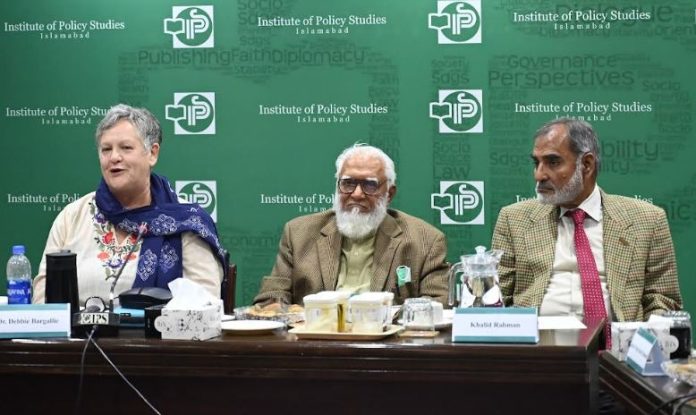
This was noted by Dr Debbie Bargallie, associate professor and principal research fellow at Griffith Centre for Social and Cultural Research and Griffith Institute for Educational Research, Griffith University, Australia. She was delivering a talk during a seminar on “Reshaping Cultural Connections in a Globalized World” at the Institute of Policy Studies (IPS), Islamabad. The session was chaired by Dr Khalid Masud, member, Shariat Appellate Bench, Supreme Court of Pakistan, and joined by Khalid Rahman, chairman IPS.

The event served as a precursor to an international seminar titled “The Role of Religions in Fostering Peace, Harmony, and Justice,” which IPS is organizing on December 4.

Dr Bargallie highlighted the interconnectedness of cultural histories and identities, emphasizing how relationality and positionality shape knowledge and social research. Drawing from cultural theorist Stuart Hall’s concept that all narratives are “in context” and positioned, she called for revisiting sidelined histories to foster a more inclusive understanding of cultural connections and identities.

She shared insight from her research and personal experiences, exploring the historical links between Australia, Islam, and cultural relations. She noted that trade and cultural exchanges between Muslims and Aboriginal Australians were established long before European colonization, as evidenced by ancient maps by Al-Khwarizmi drawn in 820 AD and Kilwa Sultanate coins found in Australia. These artifacts reveal a period of mutual engagement that predates European settlement.

Dr Bargallie also elaborated on the contributions of 19th-century Muslim immigrants, including Afghans, Indians, Algerians, and Malays, who shaped Australia’s industries as cameleers, farmers, and hawkers. These contributions underscore the early foundations of Australia’s multicultural fabric. However, she noted the challenges faced by these communities under the racially exclusionary White Australia policy, which marginalized non-European migrants. Sharing a personal connection, she recounted how her great-grandfather, a Muslim from Punjab who migrated in the 1890s, was unable to leave Australia due to discriminatory policies like the English dictation test.

Despite such challenges, the resilience and growth of Australia’s Muslim community have significantly enriched the nation’s multicultural identity. Pakistani migrants, now the 17th largest migrant group in Australia, exemplify this vibrancy. Moreover, Islam, as the fastest-growing religion in the country, now accounts for 3.2% of the population, highlighting the increasing acceptance of cultural diversity.

She noted that these histories and relations are never depicted in mainstream literature and discourse due to the adoption of Eurocentric approaches. She called for a decolonized approach to cultural studies that values indigenous epistemologies, marginalized voices, and non-Eurocentric frameworks. She advocated for narratives that emphasize shared histories, fluid identities, and relationality to address systemic challenges like displacement, marginalization, and loss of cultural heritage.

Dr Bargallie said that within this decolonized approach, national frameworks rooted in inclusivity could serve as powerful tools for promoting harmony and coexistence under a shared identity. Such an approach has the potential to transform civilizational relations, fostering mutual respect, tolerance, and progress while paving the way for a united and forward-looking community.

In his concluding remarks, Dr Khalid Masud reflected on the evolving nature of identity in a globalized world, emphasizing its dual potential to unify and divide. He noted how political identity, often replacing religious identity, has become a source of exclusion and conflict in many countries. Unlike political identity, which imposes boundaries, cultural identity offers a more inclusive and expansive sense of belonging.

He stressed that, in the digital era, where identities are increasingly shaped and politicized, there is a need to resist the exploitation of values and instead focus on the shared humanity that connects us all. As nation-states diminish in significance, cultures emerge as the foundation of identity, offering a path toward reimagining humanity and fostering a more inclusive and interconnected future.

Direct Flights and Economic Opportunities: Malaysia expands ties with Pakistan

Direct Flights and Economic Opportunities: Malaysia expands ties with Pakistan

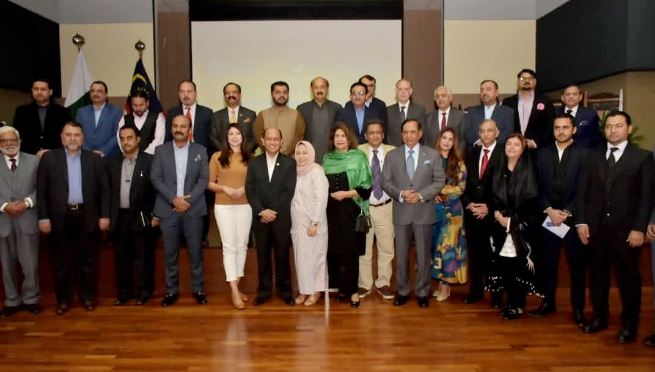
ISLAMABAD, NOV 29 /DNA/ – The High Commission of Malaysia in Islamabad hosted a Networking Hi-Tea with Pakistani stakeholders and Friends of Malaysia. The event aimed to expand the High Commission’s network and foster closer ties between the two countries, focusing on trade, investment, and business collaboration.

The event brought together members of the National Assembly, Senate, senior government officials, present and former military personnel, and the High Commission’s Home-Based and Locally Recruited Staff.

In his remarks, the High Commissioner emphasized the importance of Malaysia-Pakistan relations, highlighting key achievements from the recent state visit of Malaysia’s Prime Minister to Pakistan. The visit saw agreements to boost trade, investment, and cultural exchange, with direct flights between Karachi and Kuala Lumpur increasing to seven per week starting December 2024.

The High Commissioner also highlighted the strong bond between the two countries. He praised Pakistan’s beauty, resilience, and the warmth of its people, while expressing Malaysia’s gratitude for the contributions of the Pakistani diaspora to Malaysia’s development. With over 200,000 Pakistanis living in Malaysia, their role in strengthening ties and fostering goodwill was invaluable.

On economic opportunities, the High Commissioner highlighted the USD1.4 billion trade volume in 2023 between Malaysia and Pakistan. He emphasized the immense potential for further collaboration, particularly in agriculture, the halal industry, and technology. Malaysia’s expertise in the halal sector was offered to help Pakistan become a regional hub, leveraging its agricultural strengths. Additionally, he invited Pakistani investors to explore opportunities in Malaysia, especially with the country preparing to chair ASEAN in 2025.

The High Commissioner also took the opportunity to highlight the atrocities faced by Palestinians, commended Pakistan’s unwavering support, and reaffirmed Malaysia’s commitment to advocating for justice on international platforms.

Attendees had the opportunity to network and explore ways to strengthen bilateral relations. The High Commission remains committed to facilitating cooperation that benefits both nations and builds a foundation for long-term partnership.

Building Bridges: Sardar Ayaz Sadiq’s Moscow visit and Pakistan-Russia collaboration

Building Bridges: Sardar Ayaz Sadiq's Moscow visit and Pakistan-Russia collaboration

By: Muhammad Mohsin Iqbal

The parliamentary relationship between Russia and Pakistan has experienced remarkable growth, particularly during the tenure of Sardar Ayaz Sadiq as Speaker of the National Assembly of Pakistan. His proactive diplomatic outreach and commitment to fostering bilateral ties have significantly elevated the scope and depth of collaboration between the two nations. A notable milestone in this relationship was Speaker Sarsar Ayaz Sadiq’s official visit to Moscow from November 27 to 29, 2024, on the invitation of H.E. Vyacheslav Volodin, Chairman of the State Duma of the Russian Federation.

Leading a delegation of parliamentarians, including Rana Muhammad Hayat Khan, Abdul Qadir Patel, Syed Agha Rafiullah, Dr. Muhammad Farooq Sattar, and Sher Ali Arbab, Speaker Sardar Ayaz Sadiq embarked on this visit to strengthen parliamentary ties. The delegation was warmly received by Vice Chairman of the State Duma, Alexander Babakov, signifying the respect Russia extended to Pakistan’s parliamentary leadership. This visit reflected the mutual desire to expand cooperation in areas such as economic development, counterterrorism, and cultural exchange.

A significant achievement of the visit was the signing of an Agreement on Cooperation between the State Duma and the National Assembly of Pakistan. During his meeting with Chairman Volodin, Speaker Sardar Ayaz Sadiq emphasized the unprecedented level of cooperation already established between the two legislatures. Chairman Volodin highlighted the agreement as a foundation for exploring innovative formats of collaboration to address shared challenges and enhance mutual benefits. Discussions encompassed vital areas like food security, economic partnerships, and counterterrorism, showcasing the comprehensive approach adopted by both countries in fostering bilateral ties.

The delegation’s visit also included a poignant moment of remembrance when Speaker Sardar Ayaz Sadiq laid a wreath at the Tomb of the Unknown Soldier in Alexander Garden, near the Kremlin wall. Accompanied by Vasily Piskarev, Chairman of the State Duma’s Committee on Security and Anti-Corruption, this tribute to the fallen heroes of World War II underscored the shared values of resilience and respect for historical sacrifices.

An essential dimension of the visit was the focus on interfaith harmony and cultural cooperation. In a meeting with Professor Damir Mukhetdinov, Deputy Chairman of the Council of Muftis, Speaker Sardar Ayaz Sadiq commended Russia’s stance against Islamophobia and praised President Vladimir Putin’s respect for religious diversity. He acknowledged the growing camaraderie between Russia and the Muslim world and emphasized the importance of interfaith dialogue in fostering understanding and unity. Both sides expressed a commitment to enhancing cultural and religious exchanges, further strengthening ties beyond political and economic realms.

Global issues also featured prominently during Speaker Sadiq’s engagements in Moscow. He condemned the ongoing brutality in Palestine, expressing solidarity with its people and calling for collective international efforts to address the crisis. Such expressions of empathy highlighted Pakistan’s broader commitment to justice and peace in the global arena.

Speaker Sadiq’s tenure as Speaker of the National Assembly was marked by other key initiatives that bolstered Pakistan-Russia relations. Earlier, he hosted Russian parliamentary delegations in Islamabad, facilitating discussions on trade, economic collaboration, and legislative exchanges. These engagements emphasized the mutual respect and shared goals underpinning the bilateral relationship. Additionally, during international parliamentary conferences, Speaker Sadiq consistently advocated for Pakistan-Russia energy cooperation, regional connectivity, and counterterrorism efforts, paving the way for joint ventures and collaborative solutions to shared challenges.

Multilateral forums also served as a platform for advancing common interests. Pakistan and Russia jointly championed issues like counterterrorism and regional stability, reinforcing their partnership in addressing global and regional challenges. The exchange of parliamentary delegations during Speaker Sadiq’s tenures underscored the shared commitment to fostering mutual understanding and creating opportunities for deeper engagement.

The Moscow visit concluded with Speaker Sadiq extending a formal invitation to Chairman Volodin to visit Pakistan. This gesture demonstrated his vision for sustained dialogue and engagement, essential for nurturing long-term relations between the two nations. The invitation reflected the Speaker’s dedication to elevating parliamentary diplomacy as a cornerstone of bilateral relations.

Under Sardar Ayaz Sadiq’s leadership, Pakistan’s parliamentary diplomacy has emerged as a vital instrument in strengthening international partnerships. His emphasis on dialogue, mutual respect, and collaboration has not only deepened ties with Russia but has also set the stage for a more robust and comprehensive relationship. The progress achieved during his tenure is a testament to the power of parliamentary diplomacy in addressing global challenges and fostering mutual understanding. As Pakistan and Russia continue to build on this foundation, their partnership holds the promise of greater achievements in the years to come.

Ethiopia, Pakistan forging cooperation for holding single country exhibition in Addis Ababa

Ethiopia, Pakistan forging cooperation for holding single country exhibition in Addis Ababa

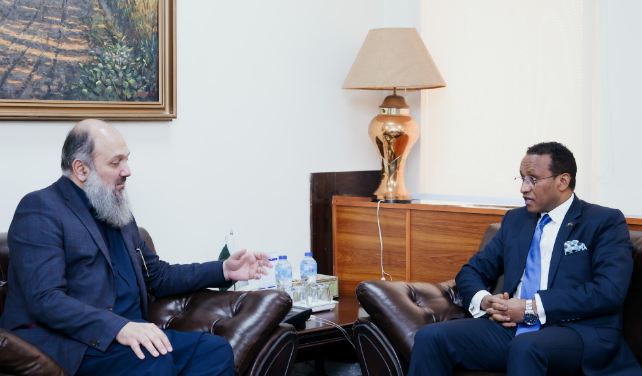
ISLAMABAD, NOV 29 /DNA/ – The Federal Democratic Republic of Ethiopia (FDRE) and the Islamic Republic of Pakistan on Friday decided to expand the bilateral cooperation for holding a successful Single Country Exhibition in Addis Ababa, Ethiopia next year by ensuring a large number of traders from both the sides.

The decision to this effect was taken during a meeting between H.E. Dr. Jemal Beker Abdula, Special Envoy and Ambassador Extraordinary of the FDR Ethiopia to the Islamic Republic of Pakistan, and H.E. Jam Kamal Khan, Federal Minister of Pakistan for Commerce.

During the meeting, both the sides discussed matters of mutual interest including bilateral cooperation for enhancing the bilateral trade between the two countries that enjoy a long standing brotherly relations.

H.E. Ambassador Dr. Jemal Beker noted the growing bilateral cooperation in various areas such as finance, trade, culture, aviation, science and technology especially after the opening the Ethiopian Mission in Islamabad.

He said the bilateral relations are on upward trajectory, citing recently signed Memoranda of Understanding between the two nations in the areas of business, trade, investment, aviation, science and technology, start of the Ethiopian Airlines operations in Karachi, and exchange of delegations from business, trade, aviation, education, health and cultural sectors.

The Ambassador briefed the Minister about the Home Grown Economic Reforms which had shown promising results in Ethiopia, addressing macro-economic imbalances, increasing productivity, creating ease of doing business and providing a conducive environment for attracting the foreign direct investment.    

Ethiopia is a gateway to Africa which is a huge market of more than 1.4 billion population, he said while underscoring the significance of the Single Country Exhibition in Addis Ababa which would not only connect the Pakistani traders with the Ethiopian counterparts but also with the African market.

On the other hand, the Minister said the Ministry of Commerce, and the Trade Development Authority of Pakistan is making all the necessary preparation regarding the Single Country Exhibition in Addis Ababa.

He said the Government of Pakistan is committed to Look Africa and Engage Africa Policy and has been taking all possible steps to strengthen its relations with the African countries including Ethiopia which is growth star of the African Continent, registering consistent economic growth under the leadership of Prime Minister of Ethiopia Dr. Abiy Ahmed.

A new role for men

A new role for men

Pakistani men wield enormous influence over many aspects of women’s lives resulting in notable power in shaping latter’s lives

By Dr Luay Shabaneh

Pakistan, a great nation brimming with resources, talent, and a vibrant history of inspiring leaders who created a great country, deserves a higher standing on the global stage. However, its current ranking on the global social indicators does not reflect that.

The country’s position at 137th on the Sustainable Development Index (SDI) and 134th on the Social Progress Index (SPI) – encompassing 57 indicators across basic needs, well-being, and opportunity – is a stark contrast to its potential. Pakistan is also placed at the fifth tier of low social progress countries, penultimate on the gender parity index, and ranked among the five least performing countries along with Afghanistan on the Global Gender Gap Index (GGGI) which evaluates education, health, and economics. The country deserves better social progress.

UN Secretary-General Antonio Guterres has emphasised that Sustainable Development Goals (SDGs) cannot be achieved without gender equality. Therefore, Pakistan will not be able to improve its global indices unless women and girls enjoy their rights to education, economic opportunities and healthcare including reproductive health.

Pakistani men wield enormous influence over many aspects of women’s lives; they hold positions of power including the top leaders and ministers, religious leaders, judges, and tribal leaders. This dominance grants them considerable power in shaping women’s lives, they design and implement policies that affect women’s lives and well-being. Currently, one in three women in Pakistan experiences gender-based violence, a phenomenon often rooted in deep-seated social norms that perpetuate male dominance.

Paradoxically, these same norms also leave men uninformed and unsupported when it comes to addressing their own sexual and reproductive health issues – creating a critical gap that hinders progress on gender equality and overall social well-being. This dichotomy plays out in various spheres of life. At the community level, women’s lives are a private affair, yet they are judged as a public affair according to social norms. Within families, men’s actions or decisions profoundly impact women’s status, achievements, and reproductive life.

Recognising this dynamic, many development practitioners advocate for engaging men as agents of change in empowering women. In this vein, Executive Director of UNFPA Dr Natalia Kanem aptly emphasises that the mindset needs to shift, power dynamics need to change and for this to happen, men and boys need to be part of the solution, not merely be passive bystanders. However, to be a game-changer men and boys themselves need to have greater awareness and wellbeing.

In Pakistan, husbands play a dominant role in their wives’ health and well-being, particularly during pregnancy, childbirth, the postpartum period, and decisions related to family planning. Empirical research suggests that men can be powerful allies in promoting women’s well-being if they are allowed to better understand women’s sexual and reproductive health (SRH) issues, interact positively, and offer support. However, for men to play this role, it is crucial that they first understand their own SRH matters and have access to relevant health services. Men’s reproductive health is rarely discussed in public or development contexts.

In male-dominated societies like Pakistan, the prevailing narrative assumes that men are inherently sexually healthy, as any sexual illness is seen as undermining their manhood and superiority in the power dynamics of sexual relationships. As a result, men often adhere to stereotypical behaviours where they are expected to not show emotions, not respond to pain, and avoid seeking medical support. In many cases, they place the blame on their wives for dysfunctional sexual relationships, particularly in the early years of marriage. This dysfunctionality often impacts the mental health of men and boys. Seeking psychosocial help and counseling for these issues is also considered taboo, which leads to increased aggression among men.

Additionally, families frequently put social pressure on women regarding infertility but seldom speak openly to men. In response to this pressure, women may resort to exaggerated medical intake and expose themselves to unreliable and sometimes unsafe treatments by quack practitioners and charlatans, driven by the fear of polygamy or divorce. This puts their reproductive and mental health at significant risk.

There is a widespread lack of awareness around men’s sexual health issues. Men are not only transmitters of sexually transmitted infections (STIs) including HIV but are also vulnerable to depression due to sexual dysfunctionality which in turn impacts the well-being of women and children, severely impairing family health and stability. Often, these issues are intertwined with a high prevalence of gender-based violence (GBV).

Men’s sexual health is a vital yet neglected aspect of community health. Sexual dysfunction in men can increase the likelihood of Intimate Partner Violence (IPV) through the mechanisms of masculine discrepancy – stress and anger. In older ages, it is recommended that men undergo regular checkups for sexual health risks such as prostate cancer, particularly after the age of 55.

In Pakistan, prevailing social norms often overlook the significant role men can play in improving maternal and postpartum health, reducing infant mortality, and alleviating maternal stress. Redefining these roles is essential for addressing broader health and gender equity challenges. While men are often viewed as perpetrators of gender-based violence (GBV), there is a growing global recognition of men as victims, particularly in cases of sexual violence faced by young boys and adolescents.

In many parts of the world, including Pakistan, societal norms around masculinity discourage vulnerability and victimhood. The lack of services tailored to male victims further discourages them from coming forward. While this recognition of men and young boys as victims of GBV is becoming more widespread in Western countries, it is also slowly gaining attention in Asia, particularly in countries like India and South Korea. There, domestic violence against men and sexual abuse of adolescents are beginning to be acknowledged in legal frameworks, though significant cultural barriers remain.

The role of men and boys is crucial for making a breakthrough in women’s status and consequently improving Pakistan’s overall ranking on global social indices. A genuine shift in men’s role, from dominating to supporting women, is vital for both families and communities. Men must be educated about women’s rights and their role in the positive gains they get when their partner woman is strong, protected and able to enjoy her rights.

Pakistan needs a transformative counter-narrative on men’s sexual and reproductive health – one that redefines traditional views of masculinity often centred around narrow notions of dominance and sexuality and instead promotes a broader vision of support, protection, and respect for women’s rights. This shift necessitates not only public dialogue but also targeted services and policies that actively engage men as allies in advancing gender equality.

The writer is the UNFPA representative in Pakistan.

Trump’s Comeback and Saudi Arabia’s Yemen Strategy

Trump’s Comeback and Saudi Arabia’s Yemen Strategy

Dr. Muhammad Akram Zaheer

The Kingdom of Saudi Arabia’s recent shift towards a more restrained approach to the Houthi rebels in Yemen.  The former U.S. President Donald Trump’s return to the political stage holds significant implications for regional security and U.S.-Saudi relations. This development matters as it could potentially affect the Kingdom’s security posture against Iranian influence in the region, while U.S. support may prove pivotal in shaping the outcomes of this conflict. This essay explores the strategic rationale behind Saudi Arabia’s moderated stance, the potential ramifications for regional stability and the influence Trump’s return to the political stage might exert on Saudi policies.

Historically, Saudi Arabia has taken a firm stance against the Houthis, viewing them as an extension of Iranian influence in Yemen and a direct threat to its security. The Kingdom has engaged in years of military action to curb Houthi advances and prevent a consolidation of Iran-backed groups along its borders. However, recent diplomatic developments signal a shift in Saudi strategy. Instead of seeking to militarily defeat the Houthis, Riyadh has opted for a muted, more cautious approach that focuses on maintaining a controlled stability along its southern border. This reflects a broader trend in Saudi foreign policy, prioritizing short-term stability over an all-out conflict that could result in severe economic and political costs.This strategy is reminiscent of Israel’s policy toward Hamas in Gaza, which has often involved managing conflict levels rather than pursuing complete military victory. While this approach might create a temporary quiet, it leaves unresolved tensions and risks a future escalation. The decision to de-escalate also appears to be influenced by the broader Saudi vision of economic reform and diversification under Vision 2030, which depends on a stable regional environment. Engaging in prolonged military confrontations with the Houthis could compromise these economic goals, especially as Saudi Arabia aims to attract foreign investments and reduce its dependency on oil revenue.While Saudi Arabia’s softened approach may allow for short-term stability, it could also inadvertently embolden Iranian influence in the region. Iran’s support for the Houthis has allowed it to maintain a foothold on the Arabian Peninsula, enabling the projection of power and influence close to Saudi borders. A less confrontational Saudi approach might be perceived by Tehran as a weakness, potentially encouraging further Iranian support for its allies and proxies throughout the Middle East. Moreover, the Kingdom’s de-escalation could undermine its deterrence capabilities, which were largely predicated on its ability to respond assertively to threats along its borders.This softer stance may also complicate U.S.-Saudi relations. The United States has traditionally supported Saudi Arabia’s efforts to counter Iranian influence, recognizing the Kingdom as a critical ally in maintaining the balance of power in the Middle East. However, the dynamics of this partnership could be influenced by changes in U.S. leadership. President Trump, who had previously strengthened ties with Saudi Arabia, returns to the political arena with a reputation for favoring assertive foreign policies and could potentially push for a return to a more forceful Saudi posture against the Houthis and Iran.The re-entry of Donald Trump into U.S. politics may introduce a shift in the American approach to Middle Eastern affairs, particularly in relation to Saudi Arabia and Iran. Trump’s administration had emphasized “maximum pressure” on Iran, leading to increased sanctions and a more confrontational stance against Iranian allies across the region. Under Trump’s potential return to the White House, there could be renewed U.S. support for a stronger Saudi stance against the Houthis. This approach would signal to Iran and other regional actors that the United States remains committed to countering Iranian influence, bolstering Saudi Arabia’s position.Trump’s potential influence on U.S.-Saudi relations could also manifest through increased support for Saudi defense initiatives. During his previous term, Trump facilitated significant arms sales to Saudi Arabia, reinforcing the Kingdom’s defense capabilities. A renewed alignment of U.S. strategic goals with Saudi interests could shift the current balance of power, encouraging Saudi Arabia to adopt a more assertive stance towards the Houthis, while also containing Iranian influence. This could lead to a resurgence of military engagements in Yemen, altering the regional power dynamics in favor of U.S.-aligned actors.

Given the complex interplay between Saudi Arabia’s cautious diplomacy and the potential for heightened U.S. support under Trump, the Kingdom faces a critical juncture. Maintaining a posture of cautious diplomacy may stabilize the immediate situation but is unlikely to resolve the underlying threats posed by Iranian influence. The Kingdom must reassess its approach, balancing its immediate need for stability with the longer-term goal of countering Iranian expansionism.For Saudi Arabia, a robust stance against Iran and its proxies in Yemen is crucial for ensuring its security and maintaining its role as a regional leader. This approach, however, requires external support to be sustainable, particularly in terms of intelligence, military aid and political backing from the United States. Trump’s potential influence could provide the Kingdom with a renewed opportunity to realign its strategy with a broader U.S.-led regional policy, countering Iranian influence more effectively.

CJCSC inspects naval operational base at Ormara, reviews maritime defense readiness

CJCSC inspects naval operational base at Ormara, reviews maritime defense readiness

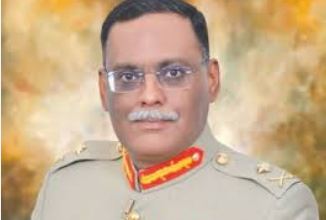
RAWALPINDI, NOV  29 /DNA/ – Chairman Joint Chiefs of Staff Committee (CJCSC) General Sahir Shamshad Mirza visited forward Naval Operational Base, Ormara today.

Upon arrival, a comprehensive operational brief was presented to Chairman JCSC on prevailing threat environment and defence of the area.

General Sahir Shamshad Mirza visited operational assets of Navy including Surface Ships and a Submarine and reviewed operational preparedness and combat readiness of the units in sea.

During interactions with troops at Coastal Area and onboard ships, Chairman JCSC expressed satisfaction on operational readiness of deployed elements.

He also appreciated the morale of troops and directed the field units to ensure optimal utilization of latest weapons and equipment with zeal and zest in order to ensure defence of the motherland.

PODA empowers young students with life skills and anti-violence education

students

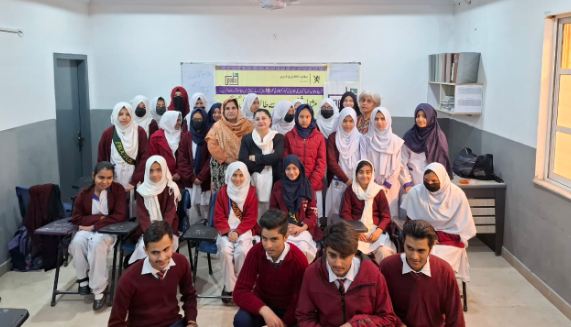
RAWALPINDI, NOV 29 /DNA/ – PODA conducted two engaging sessions on life-based skills education for the more than 60 girl and boy students of The Basic School in a low- to middle-income locality. Through interactive parallel sessions in two separate classrooms, PODA empowered the students with confidence-building strategies, emphasizing the significance of education and essential skills for economic empowerment. By imparting these valuable skills, PODA aims to enable these young girls to play a vital role in the country’s progress. These activities were part of the ongoing 16 Days of Activism Campaign against Gender-based Violence which is being observed from 25 December to 10 December.

As part of its 3-year project, “Reduce Early Marriages to Enhance Gender Equality,” supported by the Norwegian Embassy, Islamabad, PODA is working tirelessly to eradicate early marriages and promote gender equality across 41 districts of Punjab. In collaboration with key stakeholders, including legislatures, government officials, politicians, community leaders, academicians, lady health workers, nikah khawan/registrars, educational institutions, women, girls, youth, lawyers, and bar associations, PODA advocates for amending the Child Marriage Restraint Act 2015 – Punjab. The proposed amendment seeks to raise the minimum age of marriage for girls to 18 years, with the National Identity Card being made mandatory for marriage registration.

Renowned Supreme Court Advocate, Ms. Hifza Bukhari, delivered an inspiring talk, sharing her personal journey and highlighting the significance of pursuing a career in law. She offered valuable insights and practical advice on becoming a lawyer, emphasizing the vital role legal professionals play in upholding justice, promoting active citizenship, and strengthening the country’s foundation.

Ms. Bukhari acknowledged the challenges women face in this male-dominated profession, where they are often discouraged from joining. However, her session motivated the audience to consider a career in law, ultimately contributing to a more just and equitable society.

Ms. Sadia Jamil, Vice Principal of the school, expressed her appreciation for PODA’s efforts in providing students with practical knowledge and skills for their lives ahead. She noted that these sessions aimed to empower girl students, enabling them to create a positive impact in their communities and contribute to the growth of more resilient and empowered communities.

As part of the ongoing 16 Days of Activism Campaign against Gender-Based Violence, PODA organized a drawing competition to educate students about their rights and strategies to protect themselves from harassment and violence. Under the guidance of PODA’s Project Manager, Nabeela Aslam, the activity informed students about their fundamental human and constitutional rights. The session emphasized Article 25-A of the Constitution of Pakistan, guaranteeing compulsory education for children aged 5-16, and covered their rights to play, health, and skills to combat harassment, ultimately empowering them to assert their rights and well-being. During the “Drawing Competition”, six students shared disturbing stories of six girls under the age of 14 who had been married, either within their immediate surroundings or among their relatives.

The interactive sessions conducted by PODA provided valuable insights and practical lessons for the participants. The key learnings from the sessions included the significance of life skills in navigating real-life challenges, effective communication skills, and strategies for building resilience and confidence. The sessions emphasized the crucial role of education in promoting emotional intelligence and well-being, leading to a more impactful and practical life.

UNODC kicks off groundbreaking initiative to promote tolerance among Pakistani youth

UNODC

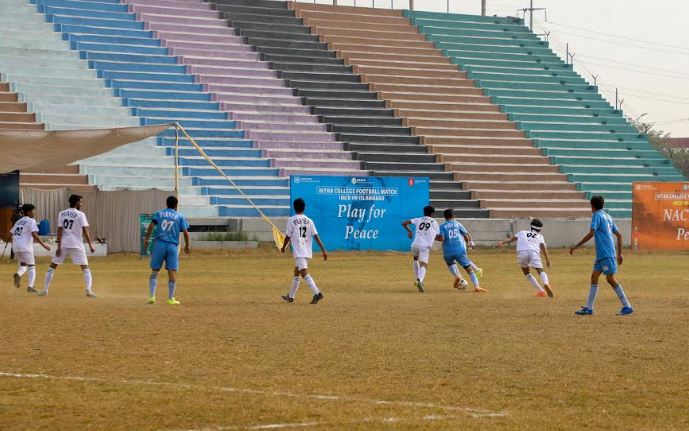
ISLAMABAD, NOV 29 /DNA/ – United Nations Office on Drugs and Crime (UNODC) in collaboration with National Counter Terrorism Authority (NACTA) and with the financial support from the Denmark Embassy kicked of the project ‘Strengthening Pakistan’s response to effectively prevent the spread of violent extremism virtually and amongst youth in vulnerable communities (SPREE)’ in Islamabad Model College for Boys (IMCB) H-9, Islamabad via football match. Aimed at improving the rule of law in Pakistan and bolstering regional stability, the project kick-off ceremony was marked by a football match titled “Play for Peace,”. The event aimed to demonstrate how sports can be a powerful tool to foster peace and tolerance among youth and society.

The opening ceremony was graced by the Danish Ambassador, Mr. Jakob Linulf who in his remarks thanked NACTA, UNODC and college management for organizing the event. “Denmark firmly believes in the power of youth to drive positive change. By supporting initiatives like this, we are investing in the future of Pakistan’s young generation, helping them to become leaders in promoting peace and stability,” said the ambassador on the occasion.

Emphasizing, UNODC’s Commitment to preventing violent extremism, Mr. Troels Vester, Country Representative UNODC said, “Today’s match is part of a larger, groundbreaking initiative, to strengthen Pakistan’s ability to prevent the spread of violent extremism, particularly in vulnerable communities and among the youth. Via this unique initiative, we continue providing spaces for young people to engage in constructive, community-building activities. UNODC Pakistan is proud to lead such initiatives that not only focus on law enforcement and security but also prioritize prevention through engagement and education.”

Director General Communications & Outreach NACTA Ms. Saleha Zakir Shah said that NACTA is deeply committed to preventing violent extremism in all its forms. As per mandate NACTA is not only fostering studies in understanding the factors that lead to radicalization, especially among young people but also taking impact oriented tangible steps with its partner. She further remarked that social cohesion through youth engagement has great potential to strengthen the social fibre which is the core identification of Pakistan. DG NACTA emphasized that Sports has magnetic power to connect the youth with each other and urged the youths to adopt sportsmanship to invest in society with tolerance and co-existence. In this regard, communal efforts are the dire need of time to curb the menace of violent extremism, hate speech and terrorism.

The event began with the national anthem, setting the tone for a day steeped in unity and pride. Following this, players from both teams—the spirited Blues and the determined Whites—were introduced to the crowd, receiving cheers and encouragement. The IMCB H-9’s football field was more than a venue that day—it became a stage for unity, hope, and a brighter future.

The match was a spectacle. Divided into two halves of 30 minutes each, it was a display of skill, determination, and sportsmanship. The Blue team, known for their aggressive strategy, faced off against the Whites, and celebrated for their defensive resilience. The first half was marked by intense back-and-forth action, with both teams creating scoring opportunities. Despite valiant efforts, neither side managed to find the back of the net, leaving the crowd on edge as they waited for a breakthrough. The match took a thrilling turn when the White team netted the first goal in the first 10 minutes, sparking jubilation among their supporters. Undeterred, the Blue team fought back with determination and resilience, demonstrating their unwavering spirit. In the end, the intense showdown culminated in a nail-biting shootout, where the Whites claimed victory with a score of 1-0.

During the closing ceremony, the Principal, Prof. Javed Iqbal, extended his heartfelt gratitude to Denmark, UNODC, and NACTA for organizing this impactful event at the college. He also acknowledged the efforts of the Director Sports, Prof. Tahir Shahid, IMCB, for his role in making the ceremony a success. Prof. Javed emphasized that this match was not just a competition but a symbolic gesture under the “Play for Peace” initiative, designed to unite hearts and promote harmony. He highlighted how sports can transcend cultural, social, and political barriers, fostering mutual respect and understanding among individuals.

The Principal, joined by the distinguished guests of honor, presented trophies and awards to the winning and runner-up teams, as well as to standout performers. These moments of celebration captured the spirit of unity as both teams shared in the joy of their achievements. The event showcased the transformative power of sports, reminding everyone present that peace begins with fair collaboration, mutual respect, and the celebration of diversity.

Stay Connected

64FansLike
60FollowersFollow

Latest Reviews

Exchange Rates

USD - United States Dollar
EUR
1.18
GBP
1.36
AUD
0.73
CAD
0.73