Home Blog Page 734

Military eliminates Khwarij terrorists, recovers weapons in targeted operation: ISPR

Military eliminates Khwarij terrorists

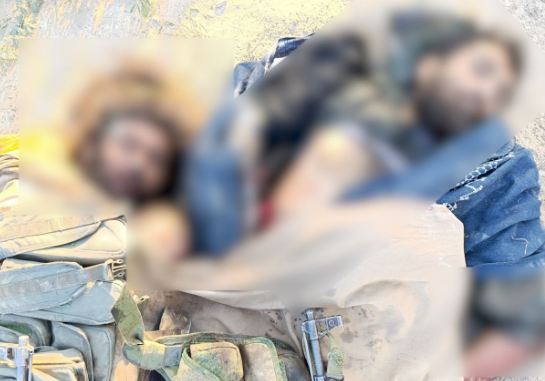
Rawalpindi, Dec 9 /DNA/ – Security Forces conducted an intelligence based operation in general area Kulachi, Dera Ismail Khan District on reported presence of khwarij.

During the conduct of operation, own troops effectively engaged khwarij location, as a result of which, two Khwarij were sent to hell, while one Kharji was apprehended in injured condition.

Weapons and ammunition were also recovered from these Khwarij, who remained actively involved in terrorist activities against the security forces as well as target killing of innocent civilians.

Sanitization operation is being conducted to eliminate any other Kharji found in the area, as security forces of Pakistan are determined to wipe-out the menace of terrorism from the country.

Diplomatic Feast: Thai Ambassador serves traditional cuisine to ASEAN diplomats

Diplomatic Feast: Thai Ambassador serves traditional cuisine to ASEAN diplomats

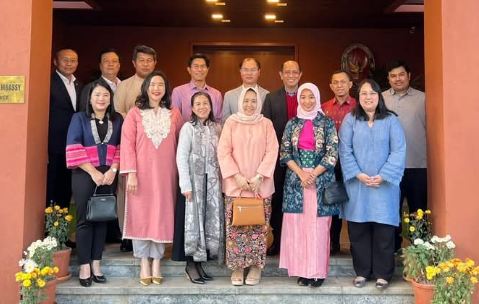
ISLAMABAD, DEC 9 /DNA/ – Rongvudhi Virabutr, Ambassador-designate of the Kingdom of Thailand to the Islamic Republic of Pakistan, and his spouse, Bantita Pichyakorn Virabutr, hosted a luncheon for the ASEAN Ambassadors and Chargé d’Affaires and spouses to express appreciation and gratitude for the honor and warm welcome in receiving them at Islamabad International Airport on 1 December 2024.

Upon this occasion, Rongvudhi Virabutr discussed on the ways of strengthening the ASEAN Committee in Islamabad (ACI) as well as the role of ACI in promoting ASEAN Awareness in Pakistan in various dimensions including soft power such as through food and films.

For this special occasion, the Residence’s chef prepared an authentic Thai menu featuring beef and chicken noodles and Thai coconut custard dessert, replicating the flavors and atmosphere of traditional noodle shops in Thailand. The ASEAN diplomats greatly enjoyed the Thai cuisine in a friendly and casual atmosphere.

Pak-China Hospital in Gwadar serves 21,000 patients in 7 months

Pak-China Hospital in Gwadar serves 21,000 patients in 7 months

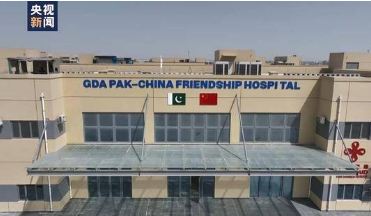
ISLAMABAD, DEC 09 (DNA) — More than 21,000 patients, especially women and children, have received free medical services at the Pak-China Friendship Hospital (PCFH) in Gwadar since its launch and operation over the last seven months. The number of patients has surged due to the high-quality, no-cost healthcare services provided. 

Patients seeking treatment in areas such as gynecology, orthopedics, neurology, gastroenterology, cancer care, dentistry, pediatrics, infectious diseases, diabetes, and hypertension have been flocking to PCFH, which is hailed as a model public good program under the Belt and Road Initiative (BRI).

“Creating a hundred percent paperless environment has ensured convenience, ease, and comfort for patients, particularly those from the illiterate coastal community, preventing them from getting caught in lengthy and complicated procedures,” said Aslam Khan, PCFH Operations Manager, in an interview with Gwadar Pro.

“If Pak-China Friendship Hospital (PCFH) Gwadar had not been operational, I could have lost my second child during the final stages of labor,” said Aaman Tasleeem Baloch, who came to the hospital for a routine check-up on December 7. 

In an interview with Gwadar Pro, she explained, “The free medical care provided during my second pregnancy at PCFH ensured a safe delivery, and I was blessed with a healthy daughter who is now three months old.” Aaman Tasleeem Baloch is just one of many patients who have benefited from the hospital’s free services. 

The hospital provides seamless medical care not only to Gwadar’s local population but also to people from surrounding areas, offering state-of-the-art medical equipment, a conducive environment, and hassle-free amenities.

In addition to gynecology, PCFH is dedicated to treating patients in orthopedics, neurology, gastroenterology, cancer, dentistry, pediatrics, neonatal medicine, and family medicine. Built at a cost of $100 million, with financing from the Chinese government under the framework of China-Pakistan Economic Corridor (CPEC), the Hospital is equipped with 150 beds and a fully functional Outpatient Department (OPD), winning the hearts of the local people.

Spanning over 68 acres of land, the hospital was established under the Gwadar Development Authority’s (GDA) Business Plan.  It consists of six blocks: a medical block, a residential block, a nursing block, a paramedical institute block, a medical college block, and a central laboratory block, along with other allied facilities, medical equipment, and machinery.

After completion, the hospital was handed over to the Gwadar Development Authority and is now managed and operated by the Indus Hospital & Health Network (IHHN), a non-profit organization that serves the ailing community.

Nadir Ali Baloch, Deputy Manager of Administration at PCFH, said the hospital’s “Help Desk Initiative,” launched on September 16, has been providing health services to communities throughout the coastal area and other localities such as Turbat, Jiwani, Surbandar, and Catcheh, as well as distant districts.

“The Help Desk Initiative operates as a ‘One Window Facility,’ where patients can get information on doctor appointments, medical tests, and emergency aid, all free of cost,” he added. In response to a query, Baloch explained that the hospital had already made significant strides in providing health services to the local community with the opening of the Outpatient Department (OPD), marking a milestone in offering state-of-the-art, no-cost medical care to Gwadar’s impoverished residents.

The hospital’s mammography service, aimed at treating cancer patients, is progressing at full speed.  The service includes screening mammography, diagnostic mammography, ductography, and needle localization, all provided by dedicated female technologists under the supervision of a radiologist, he added. —DNA

Pak-Afghan Diplomacy: Shakeeb, Dar explore path to enhanced cooperation

Pak-Afghan Diplomacy: Shakeeb, Dar explore path to enhanced cooperation

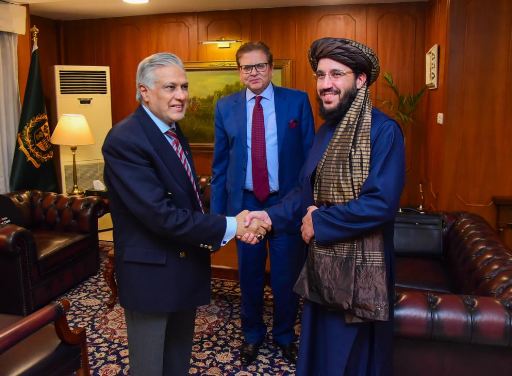
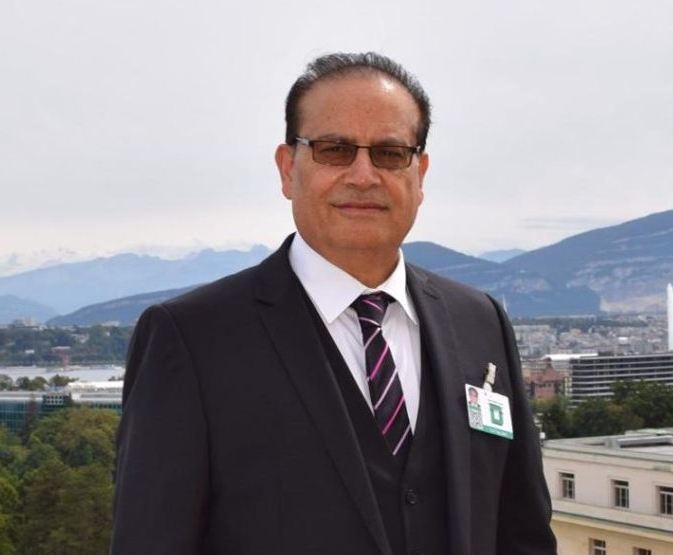
ISLAMABAD, DEC 9 /DNA/ – Chargé d’affaires of Afghanistan, Sardar Ahmad Shakeeb, met today with Deputy Prime Minister and Foreign Minister Senator Mohammad Ishaq Dar at the Foreign Office to discuss strengthening diplomatic ties between Pakistan and Afghanistan.

The high-level diplomatic meeting, also attended by Special Representative for Afghanistan Ambassador Mohammad Sadiq, focused on deepening mutually beneficial relations and exploring avenues for enhanced cooperation between the two neighboring countries.

Both sides emphasized the importance of maintaining and developing their deep-rooted historical connections.

Pakistan Navy celebrates 53rd HANGOR Day in Pakistan Navy War College

Pakistan Navy celebrates 53rd HANGOR Day in Pakistan Navy War College

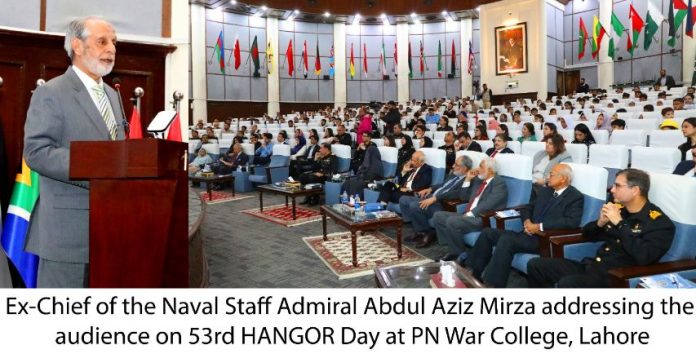
LAHORE, DEC 9 /DNA/ – Pakistan Navy celebrated 53rd HANGOR Day to commemorate the historic event in which Pakistan Navy Submarine HANGOR sank Indian Navy Frigate KHUKRI and crippled INS KIRPAN during the 1971 war in a spectacular display of naval warfare. To pay special tribute, Pakistan Navy observes 9th December as HANGOR Day, a reminder of the unmatched courage and unwavering commitment demonstrated by Submarine HANGOR during the war.

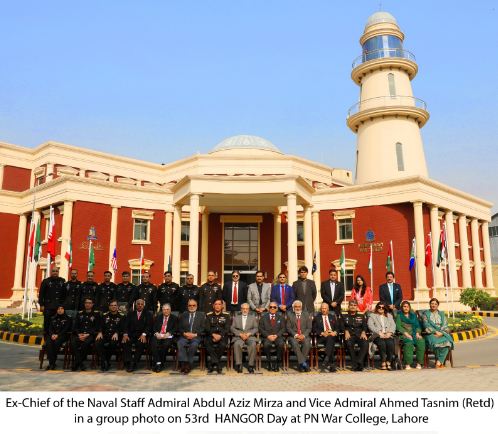
This year, an impressive ceremony was held at Pakistan Navy War College, Lahore. Former Chief of the Naval Staff Admiral Abdul Aziz Mirza (Retd) graced the occasion as the Chief Guest.

Submarine HANGOR remains a symbol of pride for Pakistan Navy. Her gallant action during 1971 war was not only a remarkable tactical achievement that resulted in the sinking of Indian Navy’s Frigate but also effectively thwarted and marginalized Indian aggression, particularly on the Western front. The event holds a distinguished place in naval history as the first and only successful kill by a conventional submarine since World War II.

On the occasion, Vice Admiral Ahmed Tasnim (Retd), who served as the Commanding Officer of Submarine HANGOR during the operation, paid rich tribute to the valiant crew for their service in defending the motherland. He highlighted that HANGOR is a luminous chapter in Pakistan Navy’s history and will always be remembered. He also elaborated on the factors that contributed to the development of extraordinary leadership skills among all ranks and emphasized their significance in leading the nation during times of adversity.

Pakistan Navy Submarine HANGOR was the first of the Daphne Class submarines acquired from France. Commissioned in 1969, it served Pakistan Navy with honour until its decommissioning in 2006. In recognition of their bravery, the valiant crew of HANGOR was awarded four Sitara-e-Jurat, six Tamgha-e-Jurat, and sixteen Imtiazi Asnaad. To honour its legacy, the submarines being jointly manufactured by Pakistan and China have been named HANGOR Class submarines.

The ceremony was attended by a large number of serving and retired PN officers, CPOs/Sailors, Navy civilians, MARSEW participants, faculty members from various public and private universities, and students from Bahria College, Lahore.

ICCI President calls for urgent privatization of loss-making SOEs

ICCI President calls for urgent privatization of loss-making SOEs

ISLAMABAD, DEC 9 (DNA): Nasir Mansoor Qureshi, President of the Islamabad Chamber of Commerce and Industry (ICCI), has expressed frustration over the government’s failure to privatize loss-making state-owned entities, such as Pakistan International Airlines (PIA), Pakistan Steel Mills (PSM), and Pakistan Railways (PR). He said that despite the government’s repeated claims about the massive burden of these entities on the national exchequer, not a single public entity has been privatized, despite Finance Minister Muhammad Aurangzeb’s statement acknowledging the Rs. 6 trillion cost over the past decade.

Qureshi emphasized that privatization is crucial for reducing losses from these entities, yet the government still needs to take action. He also mentioned that plans to privatize Pakistan Steel Mills were abandoned. Qureshi argues that privatization, liberalization, and deregulation are essential for economic stability and the country’s progress.

Additionally, Qureshi highlighted bureaucratic hurdles hindering the ease of business in the country despite the business community’s determination to drive economic growth. He also highlighted the ICCI’s efforts to foster closer ties between the business community and government through its uninterrupted measures and initiatives to promote entrepreneurship and empower women entrepreneurs for financial self-sufficiency.

Notably, the government has a privatization program in place, which includes 24 state-owned enterprises to be privatized by 2029. However, progress on this front could be made faster.

Experts from across the globe to gather at LUMS for a dialogue on Governance and Inclusion

Experts from across the globe to gather at LUMS for a dialogue on Governance and Inclusion

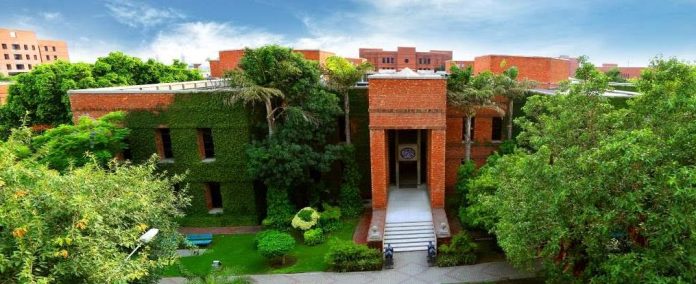
LAHORE, Dec 9 /DNA/ – The Pathways to Development Conference is returning for its third year and will be hosted at LUMS from December 16–18. The flagship 3-day event promises to feature in-depth dialogue with scholars, policymakers, and practitioners from across the world on critical challenges faced by developing economies.

This annual event is jointly organised by the Chaudhry Nazar Muhammad Department of Economics and the Mahbub ul Haq Research Centre (MHRC) at LUMS as well as the Centre for Economic Research in Pakistan (CERP), Institute for Development and Economic Alternatives (IDEAS), Institute of Development Studies at University of Sussex (IDS), Consortium for Development Policy Research (CDPR), and International Growth Centre (IGC).

Speaking about the conference’s unique contribution to development discourse in Pakistan, Dr. Sanval Nasim, Assistant Professor at Colby College, said: “Pathways to Development brings together some of the top researchers across the globe working on Pakistan and development issues in South Asia, creating a vital space for knowledge exchange between researchers and policy practitioners.”

This year’s theme, Governance and Inclusion, examines the role of equitable governance in addressing crises such as fragmentation and unequal access to resources such as health, education, and justice. The conference seeks to unravel the complexities inherent in building resilient and inclusive societies. At the same time, it attempts to bridge the research-policy divide by engaging with practitioners and stakeholders beyond academia. The event highlights the importance of intellectual exchange and evidence on what works (and does not work) while promoting interdisciplinary discussions to address the socio-economic challenges facing the country.

The plenary sessions this year include: From End of History to Hell in a Handbasket: Framing the Current Development Challenge with Lant Pritchett (London School of Economics, School of Public Policy); Climate Justice: Legal and Policy Challenges in the Face of a Climate Emergency with Justice Syed Mansoor Ali Shah (Supreme Court of Pakistan), Saad Gulzar (Princeton), Maira Hayat (Notre Dame), and Ghazala Mansuri (World Bank); and The Non-Filing Dilemma: Base Broadening and Deepening in Pakistan with Mazhar Waseem (University of Manchester).

Building on the conference’s reputation for contributing to evidence-based policymaking, Dr. Stefan Dercon from Oxford University, a previous keynote speaker, emphasised: “Maybe we can be more influential with our evidence if we begin to understand better what drives policymakers—what are the things we can do within these constraints, and how can we nudge those in power towards sensible growth and development strategies.”

With over 300 participants expected, attendees will engage with groundbreaking research, network with leading experts, and explore pathways to inclusive development. For more information and to register, please visit https://path2dev.org/.

PM for ensuring safe evacuation of Pakistanis from Syria

PM for ensuring safe evacuation of Pakistanis from Syria

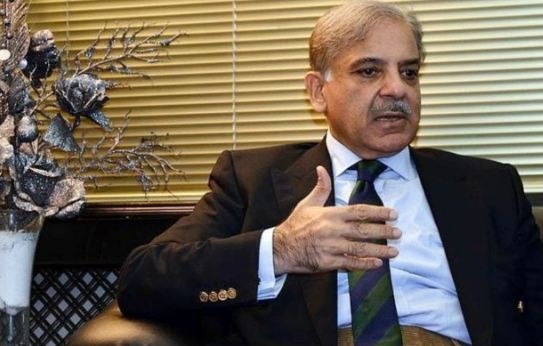
ISLAMABAD, DEC 9 (APP/DNA): Prime Minister Muhammad Shehbaz Sharif on Monday directed the authorities concerned to formulate an action plan for the safe evacuation of Pakistanis, wishing to return from Syria, via neighboring countries as soon as possible.

The prime minister was chairing a meeting held here to review the current situation of Syria and safe evacuation of Pakistanis present in that country.

He said :”All possible steps should be taken to ensure the safe evacuation of Pakistanis from Syria.”

“The safety of Pakistanis’ lives and property in Syria is our top priority,” the prime minister said while instructing to utilize all available resources for this purpose.

He also directed the Pakistan Embassy in Damascus to establish an information desk and a helpline to facilitate the Pakistanis.

Until the security situation improves, the Ministry of Foreign Affairs’ Crisis Management Unit and information desks at Pakistani embassies in Syria and its neighboring countries should remain operational round-the-clock, the prime minister directed.

The meeting was attended by Deputy Prime Minister Mohammad Ishaq Dar, Defense Minister Khawaja Muhammad Asif, Minister for Economic Affairs Ahad Cheema, Minister for Information and Broadcasting Attaullah Tarar, Special Assistant Tariq Fatemi, and senior officials from relevant departments.

Syria: Trampled Like Grass

Qamar Bashir

By: Qamar Bashir

Macomb, Detroit, Michigan

When Israel was carrying out its military operations against Palestine, I initially believed that the scale and magnitude of Israel’s actions were disproportionate to Palestine alone and that Israel, along with its benefactor, had a larger strategic objective. This objective eventually came into focus: the weakening of Bashar al-Assad’s Shia regime in Syria. Interestingly, the U.S. played a crucial role. It first identified the main factors that kept Assad in power: Russia and Iran.

On one front, Russia became entangled in a prolonged war in Ukraine, where, with the support of the U.S. and Europe, Ukraine was able to limit Russia’s advances and push it back on multiple fronts. This prolonged war drained Russia of precious resources, and whatever resources it had were poured into its own conflict, leaving its allies, like Syria, high and dry.

At the same time, the U.S., with its ally Israel, sought to stretch Iran’s resources in the Middle East by involving it in a series of regional conflicts. Iran was forced to commit significant resources to supporting Hamas, Hezbollah, the Houthis in Yemen, and securing its own interests, which left its support for Syria’s Assad regime weakened.

This was a critical moment for the anti-Assad militias, supported by Saudi Arabia, the UAE, and other Sunni powers in the Middle East. These countries provided money and USA and its allies including Israel provided military aid, and superior guerrilla tactics and reconnaissance technologies, giving the militias an edge over the forces supporting Assad.

Without adequate funding, ammunition, and strategic guidance, Assad’s regime and its affiliated militias lost momentum, leading to a decisive advantage for the opposition groups backed by Sunni powers.

Donald J. Trump, the USA President Elect in his latest statement released on his personnel account on X, gleefully broke the news of Bashar al-Assad’s imminent fall. He announced that opposition fighters in Syria, in an unprecedented move, had taken control of numerous cities in a highly coordinated offensive and were now on the outskirts of Damascus, seemingly preparing for a major push to oust Assad. Trump pointed out that Russia, deeply involved in the ongoing war in Ukraine and having suffered significant losses, including over 600,000 soldiers, appeared incapable of halting this advance through Syria — a country Russia has long protected. He suggested that, just like Assad, Russia might be forced out, which he claimed could, in the end, be beneficial for them.

However, in his signature style, Trump reiterated his isolationist stance, saying, “THE UNITED STATES SHOULD HAVE NOTHING TO DO WITH IT. THIS IS NOT OUR FIGHT. LET IT PLAY OUT. DO NOT GET INVOLVED!” Despite his rhetoric, it was clear that the U.S. had been deeply involved in the Syrian conflict for years, both directly and through support of various opposition groups, and it continued to be a significant player in the region.

The situation in Afghanistan echoes the recent developments in Syria. After the U.S.-led invasion in late 2001, NATO and its allies successfully removed the Taliban from power, replacing them with Hamid Karzai’s government, followed by Ashraf Ghani in 2014. Despite massive investments of billions of dollars, the training of the Afghan National Army (ANA), and the continued presence of NATO forces, the Afghan government struggled with corruption, insurgency, and internal divisions. The Taliban gradually regained strength, and by 2021, after the U.S. signed the Doha Agreement to withdraw troops, the Afghan government quickly collapsed.

In August 2021, as the Taliban swept through the country, President Ghani fled, and the Afghan government crumbled. The chaotic and rapid departure of both Ghani and U.S. forces marked a humiliating defeat, as the coalition’s two-decade effort to stabilize Afghanistan ended in disaster. Despite the U.S. pouring resources into the country, the regime failed to survive without the backing of foreign forces, drawing comparisons to the weakening of Assad’s regime in Syria amidst shifting global dynamics.

The Syrian war, which began in 2011, is a complex and devastating conflict involving a mix of internal and external actors pursuing divergent goals. Bashar al-Assad’s government, supported by Russia, Iran, and Hezbollah, seeks to maintain power, while opposition forces range from moderate groups to extremists like Hayat Tahrir al-Sham, with backing from the U.S., Turkey, Saudi Arabia, and Qatar. Kurdish forces, crucial in the fight against ISIS, are allied with the U.S. but face Turkish opposition due to PKK ties. Regional players such as Iran and Russia aim to bolster Assad, while Turkey targets Kurdish ambitions, and Saudi Arabia and Qatar support Sunni rebels to counter Iran’s influence. ISIS, though territorially diminished, remains a disruptive force. Global actors like the U.S. and Russia pursue strategic interests, further entrenching the conflict. This multi-dimensional proxy war has devastated Syria, complicating efforts for peace and prolonging human suffering.

Now when Rebel forces have entered Damacus, have freed prisoners and have surrounded Asad’s resident, the future of Syria remain uncertain for decades of come. With Assad’s ouster and taking over Syria by U.S.-backed militia, Syria’s next decade would likely see a fragile transition marked by internal divisions, ongoing insurgencies, and regional power struggles. A transitional government, heavily influenced by U.S. and Gulf interests, would face legitimacy challenges, while rebuilding efforts focus on restoring infrastructure and reviving the economy. Kurdish demands for autonomy could heighten tensions with Turkey, and Iran might escalate proxy warfare to undermine the new regime. Though aligned with Sunni Arab states, Syria could remain a battleground for geopolitical rivalries, with external interference stalling democratic reforms. Persistent extremist threats, corruption, and sectarian divides would jeopardize stability, leaving the country vulnerable to cycles of unrest and underdevelopment.

First Iraq, then Libya, later Afghanistan, and now Syria—nations that were once navigating their own challenges like any other—have been plunged into chaos through entanglement in complex geopolitical rivalries. Once peaceful, these countries now lie in ruins, their physical infrastructure decimated, their economies shattered, and their social fabric torn apart. Children have been orphaned, women widowed, and countless lives lost, leaving behind rubble where thriving communities once stood. The staggering human cost is a sobering reminder of the price of becoming a pawn in the games of powerful nations. For fragile and impoverished countries, the lesson is clear: steer clear of the battles of giants, or risk being trampled like grass underfoot.

By: Qamar Bashir

Press Secretary to the President (Rtd)

Former Press Minister at Embassy of Pakistan to France

Former MD, SRBC

Macomb, Detroit, Michigan

Baker: United States remains Pakistan’s largest export market and crucial economic partner

Baker: United States remains Pakistan's largest export market and crucial economic partner

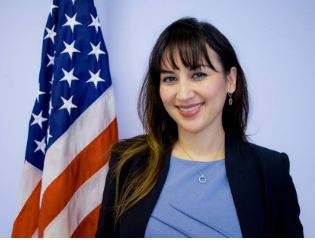
ISLAMABAD, DEC 9 /DNA/ – U.S. Chargé d’Affaires Natalie Baker acknowledged the significant contributions of Waqar Khan, Anwer Azam, and Usman Shaukat in fostering stronger business ties between the United States and Pakistan.

Speaking at a conference organized by the Pak America Business Forum and the Rawalpindi Chamber of Commerce and Industry, Baker emphasized the critical role of bilateral business relationships in promoting mutual economic prosperity.

The event underscored the ongoing commitment to strengthening economic connections between the two nations.

I have been asked to speak on how the U.S. Mission facilitates investment in Pakistan through diplomacy and policy advocacy.  It’s a timely question, as Pakistan looks to move beyond the economic crisis and implement difficult but necessary structural economic reforms to realize a more prosperous future.

Ambassador Blome and I believe that the United States is Pakistan’s indispensable partner in this endeavor.  Our economic partnership has been a cornerstone of our bilateral relationship.

The United States remains Pakistan’s best trading partner.  Let me tell you why. The United States is Pakistan’s largest export market globally – Pakistan sends around 16 percent of its total exports to the United States each year.  Pakistan’s exports to the United States have grown substantially over the last decade.  This is a testament to the robust economic relationship we share. 

Similarly, U.S. investors have contributed enormously to Pakistan’s economic development.  Right now, over 80 U.S. firms directly employ 120,000 Pakistanis and indirectly support the livelihoods of over a million Pakistani workers.  These companies bring American values of openness, transparency, and responsible corporate citizenship.  These businesses also drive critical research and development and provide new opportunities to local communities.

This economic relationship is important for the United States – that’s why we continue to invest in Pakistan.  We recognize Pakistan’s enormous potential.  It is one of the world’s most populous countries, with a growing and dynamic young population.

In my engagements with Pakistan’s youth, I continue to be impressed by their ambitions, their ideas, their commitment to seeing a better and brighter future for their country.

That brighter future includes economic opportunities in technology, business, trade, climate resilience, and security.  If Pakistan realizes its potential in these areas for growth and development, the result will not only benefit Pakistan, but also the region and the world.

We want Pakistan and its citizens to succeed and to become an economic powerhouse.

The U.S. Mission in Pakistan – which includes the Embassy in Islamabad and our consulates in Karachi, Lahore, and Peshawar – is committed to increasing two-way trade and investment to help Pakistan unlock these economic possibilities.

My colleagues in the Foreign Commercial Service, Foreign Agriculture Service, and on the economic teams throughout Mission Pakistan are conducting the day-to-day diplomacy to grow our business relationships.

My team works hard to connect U.S. and Pakistani businesses, assist U.S. investors in navigating the Pakistan market, and advocate for business climate improvements.

With senior leaders throughout the Pakistani government, we advocate for policies that will make it easier to invest and trade in Pakistan.

In our economic diplomacy, we have a secret weapon – all of you, the Pakistan-American community.  Pakistanis abroad are not only innovative and entrepreneurial – they are committed to giving back to Pakistan.

Today, Pakistan is emerging from serious economic challenges and is looking to undertake difficult but desperately needed economic reforms.  The United States will support Pakistan through this transition.

We believe that unlocking the potential of the private sector is pivotal to that effort and this includes the Pakistani business community abroad.  We envision more Pakistani-American investment and trade with Pakistan.  It is a natural role for you to play in securing a more prosperous future for all Pakistanis.

That’s why USAID launched the Pakistan Investment Promotion Activity in 2021.  The project has organized Pakistan Investment Roadshows in Dubai, Riyadh, New York, San Francisco, and Washington, D.C., showcasing 48 companies that are now engaged directly with international investors.

Many of these investors are part of the Pakistani diaspora.  Collectively, these initiatives have helped firms raise $13 million in foreign direct investment, while increasing U.S.-Pakistan bilateral trade by $41 million and generating $14.5 million in private sector investment.

We also look to Pakistan to bolster the U.S. economy through our SelectUSA program, which promotes foreign direct investment in the United States.   In June, Pakistan sent a delegation to the SelectUSA Summit in Washington, DC.

The delegation included GharPar, a women-led online beauty company from Lahore that is redefining women’s economic empowerment.  The company participated in a U.S. government funded entrepreneurship training program in 2016 and created approximately 1,000 jobs here in Pakistan.

SelectUSA is a valuable opportunity for companies like GharPar that are now looking to take their business to the next level by expanding operations into the United States.  I hope all of you will consider participating in our next SelectUSA Summit on May 11-14, 2025, in National Harbor, Maryland.

I want to emphasize again that we in the U.S. Mission are here to help your businesses take advantage of these opportunities.  All of you here today are uniquely positioned to make trade and investment happen and bring our countries closer together, creating a brighter future for both of our countries.

Thank you again to the Pak America Business Forum and Rawalpindi Chamber for hosting this event and providing this opportunity for us to meet and discuss improving our bilateral trade and investment.  I look forward to learning more about your businesses and sharing ideas on where we can collaborate.

Stay Connected

64FansLike
60FollowersFollow

Latest Reviews

Exchange Rates

USD - United States Dollar
EUR
1.18
GBP
1.36
AUD
0.72
CAD
0.73