Home Blog Page 718

Dar hosts reception marking Pakistan’s eighth UNSC non-permanent membership

Dar hosts reception marking Pakistan's eighth UNSC non-permanent membership

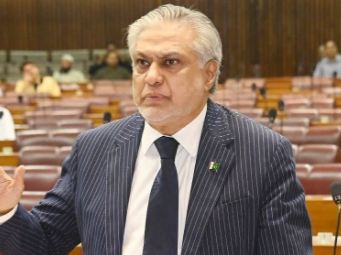
ISLAMABAD, JAN 1 /DNA/ – Deputy Prime Minister and Minister for Foreign Affairs Senator Mohammad Ishaq Dar, hosted a reception at the Ministry of Foreign Affairs today to mark the beginning of Pakistan’s term as a non-permanent member of the United Nations Security Council (UNSC) for the years 2025-2026. 

The event was attended by the heads of resident Missions of the UN Security Council Member States in Islamabad and senior officials of the Ministry of Foreign Affairs.

Speaking on the occasion, the Deputy Prime Minister/Foreign Minister said that elected for an eighth time, Pakistan brings to the Security Council a rich legacy of experience and an unwavering commitment to the principles and purposes of the UN Charter. He highlighted Pakistan’s contributions to international peace and security, especially through its active role in UN peacekeeping and peacebuilding endeavors around the world.

The Deputy Prime Minister/Foreign Minister underlined that Pakistan looked forward to seeking just and peaceful resolution of situations on the agenda of the UN Security Council. As a member of the Council, Pakistan will continue to oppose the unilateral and illegal use or threat of force; combat terrorism in all its forms and manifestations; and support effective UN peacekeeping, and peacebuilding efforts. 

Expressing his gratitude to all UN Member States for their resounding support in electing Pakistan to UN Security Council, the Deputy Prime Minister/Foreign Minister reaffirmed Pakistan’s commitment to working constructively with all UNSC members and with the broader UN membership to bridge divides, foster consensus, and uphold UN Security Council’s mandate in accordance with the purposes and principles of the UN Charter. 

Provincial stakeholders urge KP Government to enact Child Marriage Restraint Bill

Provincial stakeholders urge KP Government to enact Child Marriage Restraint Bill

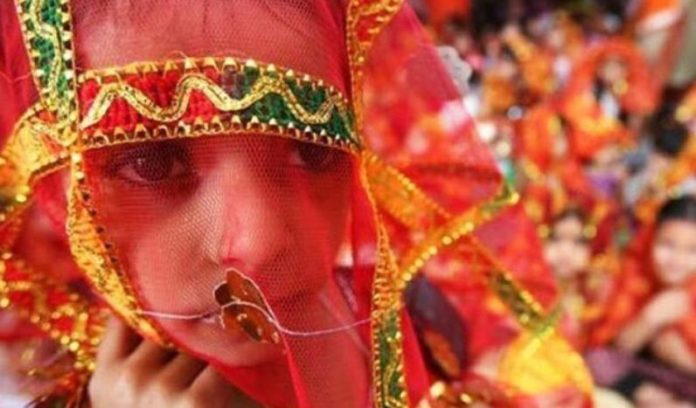
PESHAWAR, JAN 1 (APP/DNA): A provincial stakeholders seminar on child marriages has called on the Khyber Pakhtunkhwa (KP) government to urgently enact the Child Marriage Restraint Bill to address the deep-rooted social and traditional practice that adversely impacts millions of young lives.

Participants stressed that such legislation is essential to safeguard the potential and future of children.

The seminar was jointly organized by Blue Veins, the National Commission for Human Rights (NCHR), and the Directorate General of Human Rights.

The event featured prominent speakers, including Allama Muhammad Raghib Hussain Naeemi, Chairman of the Council of Islamic Ideology (CII); Maulana Tayyab Qureshi, Chief Khateeb of Peshawar District; Ghulam Ali, Director of the Directorate General of Human Rights; Said Rehman, Director of Local Government KP; Imran Takkar, child rights activist; and Muhammad Rizwan, Coordinator of NCHR, among others.

Speakers highlighted that marriages below the age of 18 constitute a grave violation of fundamental human rights.

They urged the provincial government to make 18 years the mandatory minimum age for marriage for both boys and girls.

Participants expressed concern over delays in enacting legislation and emphasized that existing laws, such as the Pakistan Majority Act 1975 and the Khyber Pakhtunkhwa Child Protection and Welfare Act 2010, define individuals under 18 as children. Therefore, any marriage below this age should be considered illegal.

Qamar Naseem, Program Manager of Blue Veins, shared said according to data collected by international organizations around 21 percent of girls in Khyber Pakhtunkhwa became married before the age of 18 years.

While three percent of girls in the province tie the marriage bond before the tender age of 15 years, Qamar added.

Quoting figures of Health and Demographic Survey Report of KP, Qamar Naseem said 15 percent girls become mother before the age of 18.

Similarly, he continued, 23 percent girls in the province cannot study till 10th grade because of getting married.

He said the colonial era Child Marriage Restraint Act (CMRA) 1929 is still in vogue in the province which defines a child as a person, if a male, is under 18 years of age, and if a female, is under 16 years of age.

The CMRA 1929 provides punishment of simple imprisonment up to one month or fine of Rs. 1000 or both, for contracting a child marriage by a male above 18 years of age; for performing or conducting a child marriage; and for parent or guardian involved in child marriage.

He said a new law titled Khyber Pakhtunkhwa Child Marriage Restraint Bill 2021, proposing the marriage age for both male and female as 18, was submitted in KP assembly as private member bill but is not made an Act yet.

The Law department after vetting the draft legislation has announced returning it back to Social Welfare department with some recommendations.

Chief Khateeb Peshawar District, Maulana Tayyab Qureshi extended support to the demand and said religious scholars agree with the fact that a proper age be set for marriages of girls and boys.

Maulana Tayyab also proposed making Nikkah registrar accountable for registration of marriages wherein bride is underage.

Director Local Government KP, Said Rehman apprised participants that around 800 Nikkah registrars have been registered in the province.

The LG department, he continued, has decided to conduct training of Nikkah registrar for proper registration of Nikka forms.

While supporting the viewpoints of seminar participants, Chairman CII, Allama Muhammad Raghib Hussain Naeemi suggested making registration of identity cards in Nikkah forms mandatory to ascertain the age of the bride and groom.

He said CII had recommended to the government in 2018 to take measures for creating awareness among the masses about negative impacts of early marriages on the lives of boys and girls.

Allama Naeemi was also of the view that a uniform Child Marriages Law should be enforced in the country to reflect the consensus of the nation on this important issue.

The seminar also held a discussion on the Kalash Marriage Bill and participants were informed that the final draft of the legislation has been received by the Law Department which after vetting of the legal document would soon send it to the provincial assembly for discussion and passage.

The seminar participants were also informed that around 27 universities out of 34 in Khyber Pakhtunkhwa have shown compliance with a two percent admission quota for the minority community.

Sana Ahmad of Blue Veins said that in 2021-22 only eight to nine universities, both public and private, in the province were complying to the decision of allocation of two percent quota for minority communities.

However, due to joint efforts by Blue Veins, NCHR and minority representatives the number of universities have reached to 27 which are showing compliance.

The seminar concluded by emphasizing the urgency of legislative action to curb child marriages and ensure compliance by all the varsities over provision of 2 percent quota to minorities.

Ministry launches biometric B-Forms for Children over 10

Ministry launches biometric B-Forms for Children over 10

Minister Mohsin Naqvi said, “These measures will prevent the misuse of children’s identity information and strengthen our national identification system. I commend NADRA and the Passport Department for their swift action in implementing these reforms

ISLAMABAD, JAN 1 /DNA/ – The ministry of Interior, on directives of Interior Minister Mohsin Naqvi, has announced the introduction of a new B-Form equipped with advanced security features for children aged 10 and above.

This initiative aims to enhance identity verification and curb crimes such as identity theft, human trafficking, and illegal passport acquisition.

The new B-Form will now include mandatory fingerprint impressions and photographs of children in the specified age group.

According to officials, the phased rollout of these enhanced B-Forms will commence on January 15, 2025.

Speaking on the development, Minister Mohsin Naqvi said, “These measures will prevent the misuse of children’s identity information and strengthen our national identification system. I commend NADRA and the Passport Department for their swift action in implementing these reforms.”

In the first phase, children between the ages of 10 and 18 will need to visit NADRA centers, accompanied by a parent or legal guardian, to provide their fingerprints and photographs.

Guardians must also present their Computerized National Identity Card (CNIC) and the child’s computerized birth certificate issued by the Union Council or Town Committee.

Once the process is completed, NADRA will issue a new B-Form featuring the child’s photograph and biometric details. The updated document will be a prerequisite for obtaining a new passport for children in this age group.

The Ministry of Interior spokesperson confirmed that the old B-Form, which lacks biometric details, will no longer be accepted for children over 10 years old. Additionally, further reforms, such as integrating iris scans and enhancing services through the Pak-ID Mobile App, are planned for future phases.

This initiative is part of a broader effort to integrate NADRA’s systems with provincial civil registration databases and ensure the issuance of Digital IDs to all Pakistani citizens. “These steps will play a crucial role in securing the identity of our citizens and combating crimes effectively,” said the spokesperson.

Will 2025 Be Better for Pakistan Than 2024?

Qamar Bashir

By: Qamar Bashir

Macomb, Detroit, Michigan

The year 2024 was a defining period for Pakistan, marked by political upheaval, constitutional controversies, and economic struggles. The year began with severe economic challenges in January, including skyrocketing inflation, low GDP growth, and rising unemployment. Political tensions heightened as the Pakistan Tehreek-e-Insaf (PTI) continued protests and sit-ins, demanding early elections. In response to the growing unrest, the much-anticipated general elections were held on February 8, 2024, following a delay from 2023.

The general elections were marred by widespread allegations of rigging, particularly against the military establishment, which was accused of manipulating results to favor the Pakistan Muslim League (N) and to marginalize Tehreek-e-Insaf (PTI).

The PTI organized nationwide protests demanding the restoration of what they termed their “stolen mandate” and the release of detained party leaders. PTI also called for a boycott of products from companies owned by the armed forces and threatened civil disobedience, escalating tensions. The party accused the military of permeating civilian decision-making processes and undermining democratic institutions.

The U.S. State Department called for a transparent investigation into the alleged irregularities, emphasizing the importance of adherence to democratic principles. Additionally, over 60 Democratic lawmakers in the U.S. House of Representatives urged President Joe Biden to leverage U.S. influence to secure Khan’s release. Richard Grenell, a close aid of the USA President Elect Trump publicly criticized the Pakistani government’s actions, expressing support for Khan and condemning the alleged electoral manipulation. In response to both domestic and international pressure, the Pakistani government initiated negotiations with PTI.

To consolidate power, the new government enacted significant legislative and constitutional amendments in 2024. In October, Parliament passed the 26th Amendment to the Constitution, introducing controversial changes to the judiciary. This amendment shifted the appointment of the Chief Justice of Pakistan to a Special Parliamentary Committee, replacing the seniority-based system, and fixed the Chief Justice’s tenure at three years. Additionally, amendments were made to election laws, effectively disabling the functioning of Election Tribunals and frustrating the Supreme Court’s rulings on electoral disputes. Alongside these developments, stricter internet regulations were implemented to curb misinformation and dissent, heightening fears over the erosion of freedom of expression and the suppression of political dissent.

In November 2024, the National Assembly approved amendments extending the service terms of the chiefs of the Pakistan Army, Navy, and Air Force from three to five years.

On December 13, 2024, a larger bench of the Supreme Court, led by Justice Aminuddin Khan, susppended the earlier decision of the Supreme Court on suspenssion of military courts, and allowed military courts to resume trials of civilians accused of involvement in the May 9, 2023,  pending final appeals. Following this ruling, military courts sentenced 85 civilians to prison terms ranging from two to ten years by December 26, 2024. These developments have drawn condemnation from human rights organizations for the lack of transparency and due process in military court proceedings.

In 2024, Pakistan’s relations with neighboring countries were marked by significant tensions and security challenges. On January 16, Iran conducted missile strikes in Pakistan’s Balochistan province. In retaliation, on January 18, Pakistan carried out airstrikes in Iran’s Sistan and Baluchestan province, targeting Baloch separatist militants. Similarly, on April 16, Pakistan conducted its first notable strike in Afghanistan, targeting TTP hideouts in Kunar and Nangarhar provinces reportedly killing several militants. On December 25, Pakistan carried out additional airstrikes in Afghanistan’s Paktika province, reportedly killing 46 people. Taliban interim goverment retaliated and carried out attack inside Pakistan claiming achieving the objectives. Relations with India also remained tense, with frequent border skirmishes and disputes over Kashmir.

In 2024, Pakistan’s missile program faced heightened scrutiny as the United States imposed sanctions on four Pakistani entities, including the National Development Complex. The U.S. alleged that advancements in Pakistan’s missile capabilities, such as the Shaheen-III missile with a range of 2,750 kilometers, could pose risks of regional destabilization and potential nuclear proliferation.

In the fiscal year 2023-2024, Pakistan’s economy exhibited modest growth, with a 0.92% increase in the first quarter, driven by the agriculture and services sectors, but experienced contraction of industrial sector by 1.03%. Inflation rates showed a significant decline, dropping from 29.2% in 2023 to 4.9% in 2024, which allowed the State Bank of Pakistan to reduce the policy rate from 22% to 13% by December.

Regarding trade, Pakistan’s exports for the fiscal year 2023-2024 were approximately $30.68 billion, marking a 10.65% increase from $27.72 billion in the previous fiscal year. Imports during the same period amounted to $63.29 billion, resulting in a trade deficit of about $32.61 billion.

Foreign Direct Investment (FDI) showed signs of recovery, with a 17% increase to $1.9 billion in July 2024, primarily sourced from China, Hong Kong, the UK, US, and Singapore. However, challenges such as complex regulations, security concerns, and energy shortages continued to hinder the investment climate.

Internationally, Pakistan maintained its support for Palestinian rights, condemning Israeli actions in Gaza and calling for a just and lasting solution based on pre-1967 borders with Al-Quds Al-Sharif as the capital of a sovereign Palestinian state. Additionally, Pakistan advocated for de-escalation in Syria, urging respect for the country’s sovereignty and territorial integrity. citeturn0search1 These positions underscore Pakistan’s commitment to addressing both its internal economic challenges and its stance on key international issues.

In 2024, Pakistan faced significant challenges in governance, justice, freedom of speech, political freedom, and its international image. Freedom House’s “Freedom in the World 2024” report rated Pakistan as “Partly Free,” with a score of 35 out of 100, indicating limited political rights and civil liberties. The World Justice Project’s Rule of Law Index placed Pakistan at 130th out of 139 countries, reflecting systemic issues in justice and governance. In terms of press freedom, Reporters Without Borders ranked Pakistan 150th out of 180 countries in its 2023 index, noting slight improvements but ongoing concerns about media restrictions. Additionally, Pakistan’s position in the global soft power index declined from 63rd in 2021 to 84th in 2023, highlighting challenges in its international image.

In 2025, Pakistan must address its challenges with a strategic focus on political stability, economic resilience, and global engagement. Political unrest should be defused through dialogue, transparent governance, and respect for democratic principles, while ensuring judicial independence and safeguarding freedoms to rebuild public trust. Economic priorities include diversifying exports, reducing the trade deficit, attracting foreign investment by addressing systemic barriers, and reducing reliance on external financing like IMF loans to regain fiscal sovereignty.

Diplomatically, Pakistan should foster regional stability through improved ties with neighbors—India, Afghanistan, and Iran—and engage constructively with global powers like the USA, Europe, Russia, and China for mutual economic and strategic gains.

Improving governance, reducing corruption, and upholding justice and freedoms are critical for elevating Pakistan’s global rankings and international image. By implementing these measures with accountability, Pakistan can achieve sustainable progress and enhance its standing on the world stage.

By: Qamar Bashir

Press Secretary to the President (Rtd)

Former Press Minister at Embassy of Pakistan to France

Former MD, SRBC

New High Commissioner-Designate for Pakistan Arrives in Ottawa

New High Commissioner-Designate for Pakistan Arrives in Ottawa

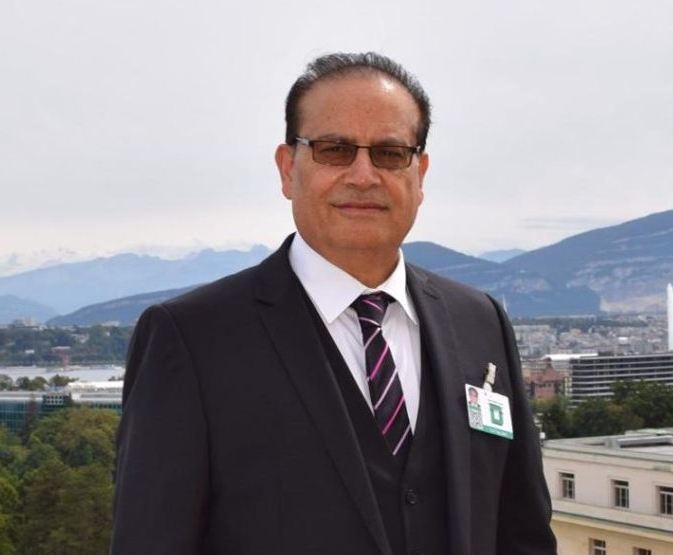
OTTAWA, DEC 31 (DNA) — The High Commissioner-designate Mr. Muhammad Saleem has arrived in Ottawa on December 29, 2024. With a distinguished diplomatic career and a passion for fostering international cooperation, Ambassador Saleem brings exceptional leadership and vision to this role.

Muhammad Saleem graduated with a Master’s degree in Diplomacy and Strategy from the National University of Malaysia. He joined the Foreign Service of Pakistan in 1995 and since then has served at various positions in the Ministry of Foreign Affairs, Islamabad, and Pakistan’s Diplomatic Missions abroad including the Federal Republic of Germany, the Kingdom of Bahrain, Romania and Canada.

He also served as Pakistan’s High Commissioner to the United Republic of Tanzania from 2020-2022. Ambassador Saleem has consistently worked to build on meaningful partnerships, address global challenges, and promote shared values on the international stage. He is eager to deepen the strong and historic ties between Pakistan and Canada.

Through initiatives focused on political, economic, investment, trade, higher education, cultural exchange and people-to-people contacts, he aims to further strengthen the existing collaboration and explore new avenues of cooperation between the two friendly countries. —DNA

Musadik Malik: Saudi deal to be finalized soon

Musadik Malik: Saudi deal to be finalized soon

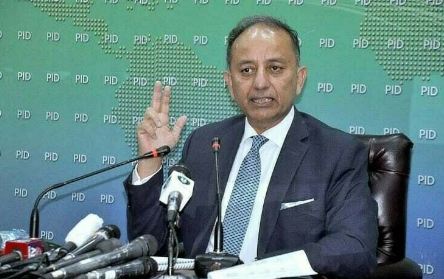
ISLAMABAD, DEC 31 /DNA/ – Federal Minister for Petroleum Dr Musadik Malik while talking to the media persons stated that the matters with saudi Arabia are moving forward positively and will be finalized soon.

He clarified that news items claiming federal cabinet has accorded approval to the sale of a 15 per cent stake in the Reko Diq are not true.

A price negotiation committee is handling the matters to ensure negotiations proceed in timely fashion to seal the deal soon. However, it has not been finalized yet.

Iran’s CG highlights diplomatic role in economic growth at Karachi forum

Iran's CG highlights diplomatic role in economic growth at Karachi forum

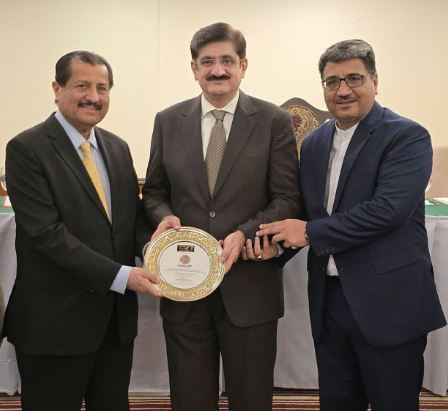
KARACHI, DEC 31 /DNA/ – The ceremony of the 8th Diplomatic and Foreign Investment Award 2024 by the Diplomatic Forum for Social Economic Foundation has been held at a local hotel.

Consul General of Iran, Hassan Nourian while speaking at the Diplomatic Forum as a Dean of Consular Corps in Karachi stated that the diplomatic & consular missions play a crucial role in promoting socioeconomic progress by fostering international cooperation, facilitating trade and investment, and enhancing the country’s global image.

He appreciated the effort of the Consulate Generals based in Karachi for providing consular services to their respective citizens and to the Pakistani applicants, and offering visa facilitation and market information to the business community.

He also assured, on behalf of the Karachi Consular corps, his commitment for the enhancement of the cultural, commercial & consular relations with Pakistan and utilization of all of the capabilities to play a vital role in creating a conducive environment for economic growth, attracting investment and enhancing international cooperation.

Sindh Chief Minister, Syed Murad Ali Shah while speaking at the Diplomatic Forum for the Socio-Economic Foundation as the chief guest said that he was impressed by the remarkable efforts of the Diplomatic Community in Karachi. He also mentioned the several constructive steps taken by the Sindh government to build confidence among local and foreign investors. He stated that to implement better investment policies.

He mentioned that the Doing Business Reform Strategy served as the national roadmap for improving Pakistan’s investment climate and the strategy encompassed a comprehensive set of reform actions at both the federal and provincial levels.

He invited foreign investors through their diplomats to consider investing in Pakistan and Sindh, which he described as highly attractive and safe destinations for various types of investment.

UAE Ambassador extends new year greetings

UAE Ambassador extends new year greetings

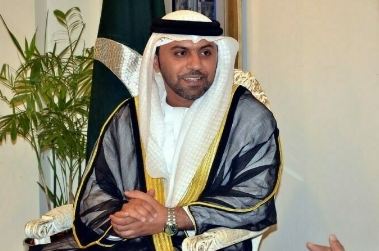
ISLAMABAD, DEC 31 /DNA/ – Ambassador of UAE Hamad Obaid Alzaabi has extended new year wishes to Pakistani brothers and sisters. In a message he said “we stand on the brink of a new year, my wife, Maitha Majid Al Suwaidi, and I are filled with gratitude and joy as we celebrate this special occasion with the remarkable children at the SOS Children’s Village in Islamabad. It is a privilege to share this moment with those who embody resilience, hope, and the spirit of our shared humanity.

In the spirit of this festive season, we reflect on the bonds that unite us, transcending borders and cultures. Our visit to the SOS Children’s Village serves as a reminder of the importance of nurturing and supporting the young hearts of our future. Together, let us commit to fostering love and compassion in our communities.

As we step into the new year, let us hold onto the dreams of a brighter tomorrow, where peace and security prevail for every individual and family. May our collective efforts lead us toward a harmonious world, where every child thrives in an environment of love and care.
Wishing all the joy, prosperity, and a secure future filled with hope, and further progress and prosperity to Pakistan and the UAE”.

FM Dar chairs key meeting of Pakistan’s diplomatic envoys

FM Dar chairs key meeting of Pakistan's diplomatic envoys

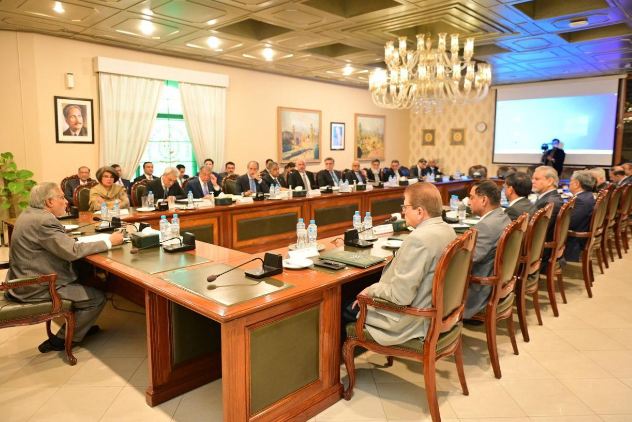
ISLAMABAD: /DNA/ – The Deputy Prime Minister/Foreign Minister Senator Mohammad Ishaq Dar today chaired a meeting of Pakistan’s envoys at key multilateral and bilateral Missions. Foreign Secretary Ms. Amna Baloch and Additional Foreign Secretaries and senior Directors General of the Ministry also attended the meeting.

The Envoys shared their assessment and views on the regional and global developments and inputs for foreign policy priorities for 2025 and beyond. 


In his keynote address, the Deputy Prime Minister/Foreign Minister shared the vision of a dynamic foreign policy in its bilateral and multilateral dimensions. He underscored Pakistan’s commitment to strengthening its relations with countries around the world and urged the envoys to play their role in enhancing Pakistan’s international profile and developing its international partnerships.


The annual meeting of Pakistan’s envoys is a regular feature at the Ministry of Foreign Affairs to discuss the various facets of Pakistan’s foreign policy and its coherent implementation.

Gen Mirza commends Pakistan Navy’s regional security role

Gen Mirza commends Pakistan Navy's regional security role

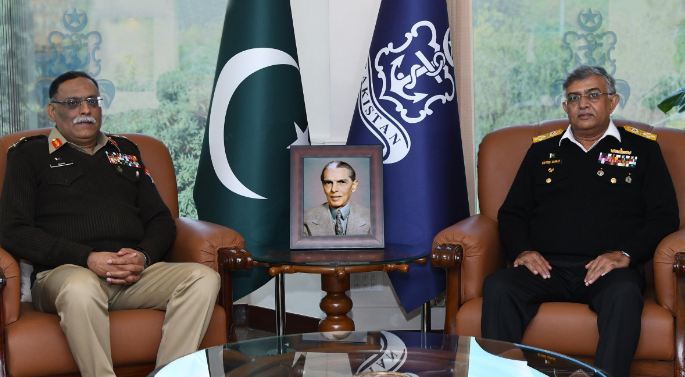
ISLAMABAD, 31 Dec /DNA/ – Chairman Joint Chiefs of Staff Committee General Sahir Shamshad Mirza visited Naval Headquarters Islamabad and met Chief of the Naval Staff Admiral Naveed Ashraf. Matters of mutual interest, contemporary geo-political situation and emerging maritime security challenges were discussed during the meeting. General Sahir Shamshad Mirza appreciated the role of Pakistan Navy in ensuring maritime security in the region.

Stay Connected

64FansLike
60FollowersFollow

Latest Reviews

Exchange Rates

USD - United States Dollar
EUR
1.17
GBP
1.35
AUD
0.72
CAD
0.73