Home Blog Page 717

Peace accord signed to resolve Kurram dispute

Peace accord signed to resolve Kurram dispute

Jirga member Malik Sawab Khan confirms that 14-point deal has been signed

Shamim Shahid

KOHAT: After days-long negotiations, the two warring tribes in Kurram have signed a peace agreement containing 14 points aimed at establishing peace in the area as violence plagued the restive territory for several weeks, Jirga member Malik Sawab Khan said on Wednesday.

Speaking to a private news channel, Sawab Khan — who is part of the grand jirga — said that 45 people from each warring side have signed the 14-point peace agreement.

“Both sides have agreed to hand over their weapons to the government,” he said, warning of the government’s action if either side fails to do so. Furthermore, he said, it was decided in the agreement that all bunkers will be dismantled.

The jirga member added that a committee will be constituted within 15 days to start implementing the agreement, hoping that the situation in restive Kurram would return to normal within a month.

In response to a question, Khan said that the government would decide on the opening of the roads. “Members of Anjuman-e-Hussainia Association and members belonging to Anjuman-e-Farooqia, gave assent to the accord.”

A grand peace jirga was convened at Kohat Fort to mediate talks between the warring tribes of the violence-hit district. The peace talks, held under the supervision of GOC 9 Division Major General Zulfiqar Bhatti, aimed at establish lasting peace between the warring tribes whose clashes have claimed over 130 lives since November.

Despite multiple truces announced over the past year, the issue remained unresolved, with tribal elders continuing efforts to negotiate a permanent peace agreement.

Adviser to the Khyber Pakhtunkhwa Chief Minister on Information, Barrister Mohammad Ali Saif, announced last week that a general consensus had been reached between the rival tribes during the Kurram peace jirga.

In today’s statement, Barrister Saif echoed Sawab Khan’s remarks, saying that both sides have agreed to surrender their weapons and demolish their bunkers. “The peace agreement will usher in an era of peace and prosperity in Kurram,” he added.

Another jirga member, Raza Hussain said that plans were being chalked out to open routes and establish peace. “We will work in collaboration with the law enforcement agencies (LEAs) to ensure peace and order,” he said, adding that the ceasefire would be implemented immediately as per the agreement.

Kurram, a district of more than 600,000 residents near Pakistan’s border with Afghanistan, has long been a hotspot for sectarian violence. But recent months have seen escalating tensions, with clashes since July to date leaving over 200 people dead.

The recent clashes exacerbated a humanitarian crisis in the distrct, with medicine and oxygen supplies running critically low due to the prolonged closure of the main highway linking Parachinar to Peshawar.

Reports suggest that over 100 children may have died from a severe shortage of medicine, though Khyber Pakhtunkhwa government spokesperson Barrister Saif has denied these claims.

In addition to the ongoing sit-in at the Parachinar Press Club, the road closures have sparked protests in Karachi, now in their ninth day. On Monday, a separate protest was staged in Bagan, in the lower part of Kurram, against damage to shops and homes in the area.

Protesters demanded the reopening of roads and assistance for affected individuals. However, district administration officials cited security concerns, including recent firing on passenger vehicles and tribal clashes, as the reason for the closures.

The district was declared “disaster-hit” by the provincial government with authorities airlifting medical supplies to the area and evacuating people in critical need.

4 more Pakistani bodies found, toll rises to nine

Arrangements are being made by the Pakistani Embassy to send the bodies back to Pakistan

DNA

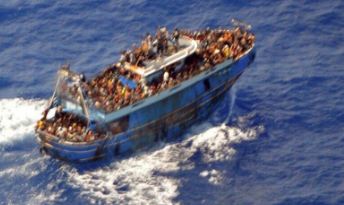
GUJRANWALA: The death toll of Pakistani citizens from the recent Greece boat tragedy has risen to 9 as the authorities found four more bodies of Pakistani nationals.

On December 14, last year, the foreign media reported that a wooden boat carrying migrants capsized off the island of Gavdos in southern Greece.

According to the FIA, the latest victims, identified as Shabbir, Zain Ali, and Zeeshan from Narowal, along with Owais Ali from Sialkot, were found near the site of the incident.

The bodies have been transferred from Greece’s Giavados Island to a hospital in Athens for processing.

The FIA confirmed that arrangements are being made by the Pakistani Embassy to send the bodies back to Pakistan.

The process is expected to take approximately one week before the remains can be returned to their families in Pakistan.

Authorities are continuing to investigate the cause of the tragedy and provide support to the families of the victims.

On December 22, the Federal Investigation Agency (FIA) arrested two individuals, including a human smuggler in Gujranwala, in connection with Greece boat tragedy.

According to FIA authorities, the arrested suspects, Mohammad Aslam and Saeed Ahmed, played a role in the human smuggling operation.

According to the FIA, Mohammad Aslam is directly involved in the Greece boat tragedy and is a member of an international human smuggling gang.

He exploited victims by promising to send them to Europe, collecting millions of rupees from them.

Parks beautification, provision of recreational facilities: PHA registers exceptional performance in 2024

Parks beautification, provision of recreational facilities: PHA registers exceptional performance in 2024

Implementing Maryam Nawaz Sharif’s ‘Clean Punjab project’ in letter & spirit

Staff Reporter

RAWALPINDI, JAN 1 /DNA/ – In the outgoing year 2024, the Parks and Horticulture Authority (PHA) Rawalpindi played a key and significant role in providing better recreational and tourism facilities to the citizens of the garrison city. ‏Under the leadership of Director General PHA Ahmed Hassan Ranjha and in line with Punjab Chief Minister Maryam Nawaz Sharif’s ‘Clean Punjab project’ vision, parks were upgraded in Rawalpindi as well as Murree and visitors were provided with state f-the-art recreational environment. The list of the accomplished tasks is long including entertainment facilities, cleanliness and trimming of the plants and shrubs. Similarly, the parks along the Murree Road have been upgraded and visitors particularly families have commended the work like pavements, sitting enclaves, flowers and fountains there.

‏In the year 2024, a landmark was achieved when 1,000-kanal nursery Gorakhpur Nursery was launched in Rawalpindi under the auspices of the PHA from where saplings were distributed among the public for plantation in the parks and homes.

In short, most of the targets set by the PHA Rawalpindi for the year 2024 regarding tree plantation have been successfully ensured.

Moreover, in the year 2024, the upgradation work of Rawal Park was completed in Rawalpindi and the park was transformed into the best entertainment place for the citizens of Rawalpindi.

‏Along with this, the renovation and upgradation work of Potohar Park and Allama Iqbal Park were also completed successfully in the year 2024 and now both the parks have become centre of attraction for the people especially the families and children providing them the best recreational facilities.

‏In the year 2024, the PHA has beautifully decorated the parks and entertainment places, as well as the green belts of the city’s main highways and the major squares of the city. The green belts of Murree Road, Stadium Road, Khayaban-e-Sir Syed Chowk and other highways of the city have been decorated with beautiful flowers and plants. ‏Along with this, the PHA has also played a key role in providing sports activities to the youth and the football grounds in Allama Iqbal Park and Rawal Park have become very popular among the youth for sports.

Similarly, a cricket arena has been developed in Commercial Market Park, which again is frequented by the players and the youth two times a day.

Besides, Chandni Chowk and Sixth Road Underpass has been equipped with indoor sports activities, which has increased the beauty of the Murree Road on one side and the youth have also got a place for better indoor sports activities.

The PHA has developed Contrala Park and Playground in Gujar Khan, which offer better recreational facilities to the citizens of Gujar Khan.

Likewise, the PHA has created beautiful and ornamental plant beds under horticulture in Police Training Academy Rawat.

‏A beautiful and attractive green area has also been developed at the Rawalpindi Institute of Urology.

Moreover, rainwater harvesting measures have been organized by the PHA in Rawal Park, where rainwater is stored and used for plantation purposes.

‏Under the ongoing plantation campaign, PHA is planting trees around the Ring Road in Rawalpindi giving a beautiful look and shady trees. Besides, plantation measures have also been promoted.

The PHA has also developed Lower Topa Park Murree in the outgoing year 2024, which has provided better recreational facilities to the tourists and visitors.

The development work of Lower Topa Park Murree was completed in the year just as the upgradation work of Quaid-e-Azam Park in Rawalpindi has been completed.

Along with this, beautiful lighting arrangements have been completed along the walking tracks in Murree and in the parks of the city.

In order to highlight the plantation campaign organized by the PHA, an Alpine Flower House was established which provides for free plants to the citizens to promote plantation. The work on Gulab Park organized by PHA is in the final stage. In the year 2025, PHA plans to ensure completion of Dhok Kala Khan Park in Rawalpindi where the work will start soon.

The renovation and development work of the park on Adiala Road will also be completed this year.

7th agriculture census launched: Ahsan

7th agriculture census launched: Ahsan

ISLAMABAD, JAN 01 (DNA) — Minister for Planning, Development and Special Initiatives Professor Ahsan Iqbal on Wednesday launched the long-overdue 7th Agriculture Census, underscoring the importance of accurate data collection in policy-making to effectively address future food security challenges.

“Pakistan’s population growth rate has increased from 2.4 percent to 2.55 percent. If this trend continues, an additional 380 million people will be added to the existing population of 240 million by 2047,” he said while addressing the agriculture census launch ceremony.

Commenting on the potential consequences, he asked the gathering to consider the implications for food security in 2047 if a viable agricultural strategy was not developed based on reliable data collected by field enumerators using digital tools. “That is why the Planning Ministry places great importance on accurate data collection. If there is wrong reporting (in compiling statistics), it will lead to wrong policies,” he said.

Ahsan Iqbal said the 7th Agriculture Census was a key initiative that could revolutionize this sector, which has long been considered the backbone of the national economy. He expressed confidence that the census results would be available by coming August and would lay the foundation for the much-needed transformation in the agriculture sector.

He emphasized the necessity of judiciously utilizing available resources and ensuring they were directed toward the right goals.  The census data would provide critical insights into crop patterns, the use of modern machinery, and livestock statistics, enabling targeted interventions and fostering self-reliance in the sector, he added.

The Planning minister also commended the management and team at the Pakistan Bureau of Statistics (PBS) for their efforts in preparing for the agriculture census and thanked the provinces for their workforce contributions and support from relevant departments. For the first time, all agriculture-related censuses covering machinery, livestock, and crops have been merged into a single comprehensive census to ensure accurate and actionable data.

The census would leverage advanced technology and a centralized dashboard to streamline data collection and analysis, facilitating targeted interventions and optimal resource allocation. Ahsan Iqbal also unveiled an innovative dashboard designed for real-time tracking of census progress and data insights. —DNA

Providing quality healthcare to all citizens government’s top priority

Providing quality healthcare to all citizens government's top priority

ISLAMABAD, JAN 01 (DNA) — During a meeting with Dr Rana Imran Sikandar, Executive Director of the Pakistan Institute of Medical Sciences (PIMS), he commended the government, under the leadership of Prime Minister Shehbaz Sharif, for prioritizing healthcare reforms.

He said that efforts are underway to address public healthcare challenges and to plan large-scale developmental projects for various departments of PIMS.Dr. Sikandar provided a comprehensive briefing on the hospital’s performance, challenges, and the state of medical facilities.

The Deputy Chairman praised PIMS as a vital healthcare institution serving patients from across Pakistan but acknowledged the immense pressure it faces as a primary healthcare provider. “The provision of medical facilities is becoming increasingly challenging due to the rising number of patients,” Syedaal Khan added.

He expressed concerns over the frequent breakdown of hospital equipment, which often forces patients to seek diagnostic tests from external facilities. To address these issues, he underscored the urgency of procuring new machinery through adequate funding.

 He also called for significant improvements in the hospital’s infrastructure, particularly the wards, and urged both administrative staff and medical professionals to take collective responsibility for enhancing patient care. Highlighting inefficiencies in the hospital system, Syedaal Khan pointed to the long queues patients endure for blood sample collection.

 “This system needs to be reformed to save patients’ valuable time,” he stated, stressing the importance of streamlining operations for better service delivery. The Deputy Chairman reiterated the government’s commitment to resolving healthcare challenges and ensuring accessible, high-quality medical services for all citizens. —DNA

Rs490 million approved for Constitution Avenue beautification: Chairman CDA

Rs490 million approved for Constitution Avenue beautification: Chairman CDA

ISLAMABAD, JAN 1 /DNA/ – The Capital Development Authority (CDA) Development Working Party (DWP) held its 71st meeting today, chaired by Chairman CDA/CDA-DWP Muhammad Ali Randhawa at CDA Headquarters. The meeting was attended by CDA Board Members, representatives from the Ministry of Planning, Development & Special Initiatives, the Ministry of Finance, the Ministry of Interior and the relevant senior officers.

The forum deliberated on and approved four significant development schemes to uplift the city’s infrastructure and services.

The meeting of CDA-DWP approved PC-I for the upgradation, illumination, and beautification of Constitution Avenue in Sector F-5/G-5, Islamabad, at a cost of Rs. 490.082 million. This project aims to enhance the aesthetics and functionality of key government buildings, including Aiwan-e-Saddar, the Prime Minister’s Office, the Ministry of Foreign Affairs, the National Library, Parliament House, the Supreme Court, the Federal Shariat Court, Cabinet Blocks, and the Office of the Auditor General of Pakistan. The project will develop CDA’s assets on a permanent basis and is expected to be completed within four months.

Recognizing the challenges posed by rapid urbanization, the meeting of CDA-DWP approved PC-II for hiring a consultancy firm to provide advisory services for developing a state-of-the-art municipal solid waste management system in line with the directions of Government of Pakistan. This initiative aims to reduce pollution, mitigate health risks, and promote a cleaner urban environment. The consultancy phase will take 4 months, during which a mechanism will be devised for implementing international standards in solid waste management.

To boost Islamabad’s hospitality sector and enhance its global reputation, PC-II was approved for hiring a consultancy firm to conduct a feasibility study and provide transaction advisory services for the development of 5-star hotels in the city. This initiative will foster economic growth, promote tourism, and elevate Islamabad’s stature as a hub for political, diplomatic, and business activities. The consultancy phase will span 12 months, focusing on proposing modern operational models on a joint venture and profit-sharing basis.

Acknowledging the pressing need for a modern slaughterhouse in Islamabad, the CDA-DWP approved PC-II for hiring a transaction advisor to conduct a feasibility study and provide advisory services for developing a state-of-the-art slaughterhouse in Humak. The existing small scale facility, established in 1964, has become obsolete. The new facility, to be built on 15.75 acres of CDA-owned land, will ensure the provision of hygienic and quality meat. The project’s consultancy phase will take 12 months and will explore public-private partnership models for implementation.

The CDA remains committed to improving Islamabad’s infrastructure and services through sustainable and modern development practices. These approved projects signify a step forward in making Islamabad a model capital city.

Pakistan Navy Ship MOAWIN seizes large cache of narcotics in north Arabian sea

Pakistan Navy Ship MOAWIN seizes large cache of narcotics in north Arabian sea

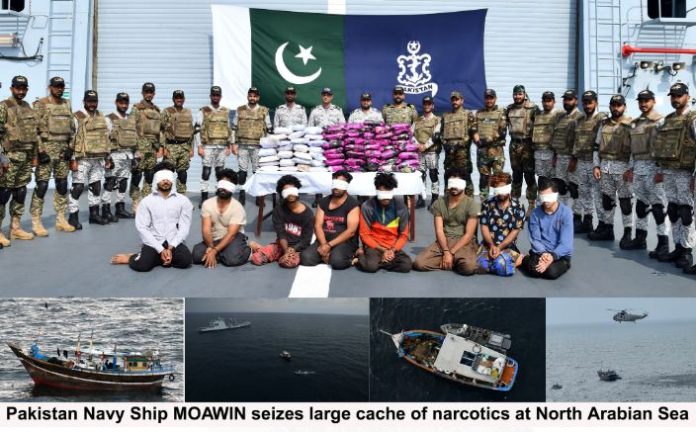
ISLAMABAD, JAN 1 /DNA/ – Pakistan Navy Ship MOAWIN seized a large cache of narcotics during a counter-narcotics operation in North Arabian Sea. The seized narcotics are estimated to be worth approximately USD 1 million in international market.

The cache was being transported via sea to international destinations. During the operation, PNS MOAWIN, supported by Pakistan Navy air assets, successfully intercepted a Dhow, conducted boarding operations, and apprehended the narcotics, which were stowed in a hidden compartment of the vessel.

The successful execution of this anti-narcotics operation demonstrates Pakistan Navy’s vigilance, professionalism, and resolve to deter and disrupt all illegal activities, ensuring good order at sea.

PODA advocates for amendment in child marriage restraint act Punjab

PODA advocates for amendment in child marriage restraint act Punjab

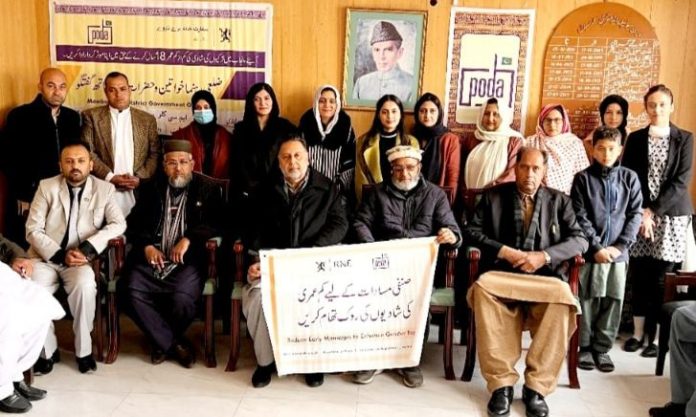
KALLAR SYEDAN, JAN 1 /DNA/ – During an engaging awareness-raising session organized by PODA in the hall of Tehsil Municipal Corporation, participants unanimously agreed to support an amendment in the Child Marriage Restraint Act 2015. The proposed amendment seeks to raise the minimum age of marriage for girls from 16 to 18 years, ensuring a safer and more empowering future for young girls in Punjab.

This resolution aims to safeguard adolescent girls’ fundamental rights, including access to education, reproductive health, and employment opportunities. By doing so, it will ultimately contribute to the country’s development and progress. The session was part of PODA’s 3-year project, “Reduce Early Marriages to Enhance Gender Equality,” supported by the Norwegian Embassy in Islamabad.

The session drew a diverse range of participants, including academicians, members of the Tehsil Bar Association, health professionals, and government officials from various departments such as education, health, population welfare, and local government. Representatives from the union council, media persons, youth representatives, nikah registrars, religious scholars, and members of the Municipal Committee also participated.

Advocate Khawaja Zahid Nasim cited the Constitution of Pakistan and presented an overview of the prevailing laws concerning child marriages. He highlighted the landmark Lahore High Court verdict in which the definition of ‘child’ in Section 2(a) of the Child Marriage Restraint Act 1929 termed unconstitutional. Mentioning that the Sindh Child Marriage Restraint Act sets the marriageable age for both girls and boys at 18 years, Khawaja Zahid also informed that around 40 other Muslim countries have set the minimum marriageable age for girls at 18 years to combat child marriages.

Nabeela Aslam, Project Manager at PODA, emphasized that child marriages constitute a gross violation of human and child rights. By depriving children of their childhood, education, and economic empowerment opportunities, child marriages exacerbate the severe marginalization of already vulnerable children. She said that underage marriages disproportionately affect vulnerable girl children, who are often malnourished, illiterate, and powerless to advocate for their rights. This vulnerability renders them susceptible to domestic violence, as they lack the ability to defend themselves, she added.

Advocate Bano Jahangir emphasized the importance of timely nikah registration, highlighting a common issue. She briefed that typically, when parents marry off their underage daughters, the nikah is not registered. However, when children are born from such unions, complications arise in legitimizing the marriage, underscoring the need for prompt registration, she added.

Dr. Mariam Nawaz, a doctor working at Tehsil Headquarter Hospital, shed light on the alarming health consequences of child marriages. According to her, child marriages lead to a significant increase in early pregnancies, maternal mortality, school dropouts, and exposure to violence, emphasizing the urgent need to address this critical issue. “Child marriages contribute to a devastating cycle of anemia, exacerbating maternal and infant mortality, low birth weight, and impaired mental growth,” she added.

Arshad Bhatti, Raja Pervaiz Akhter Qadri, Hafiz Asif Mehmood, Taskeen Badra and Syed Waqas Haider Advocate emphasized on the crucial role of education in safeguarding adolescent girls’ rights and promoting economic empowerment. They urged the government to prioritize girls’ education, highlighting its far-reaching benefits in protecting them from exploitation, promoting economic independence, and fostering a brighter future.

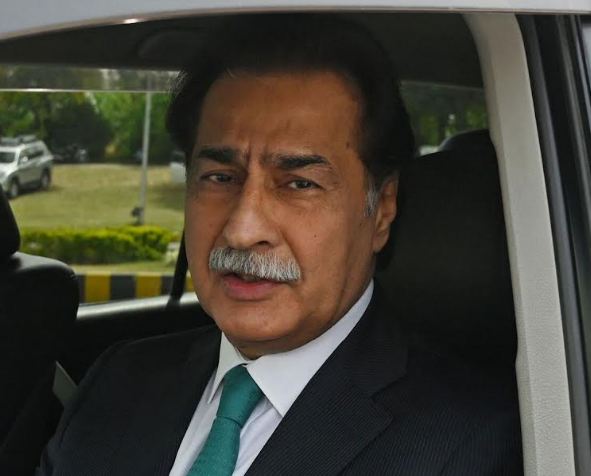
The Trusted Mediator: Sardar Ayaz Sadiq’s Legacy in Bridging Political Gaps

The Trusted Mediator: Sardar Ayaz Sadiq’s Legacy in Bridging Political Gaps

by Muhammad Mohsin Iqbal

In the complex political landscape of Pakistan, the role of the Speaker of the National Assembly is crucial in maintaining parliamentary decorum and ensuring a balance between opposing factions. Sardar Ayaz Sadiq, a seasoned parliamentarian, has emerged as a pivotal figure in bridging the gaps between the opposition and ruling parties. His statesmanship, impartiality, and commitment to democratic values have earned him widespread respect across the political spectrum, making him a symbol of unity in turbulent times.

The Trusted Mediator: Sardar Ayaz Sadiq’s Legacy in Bridging Political Gaps

Sardar Ayaz Sadiq’s journey in politics is closely intertwined with the Pakistan Muslim League-Nawaz (PML-N), where he has consistently upheld the party’s principles while demonstrating a unique ability to engage constructively with political opponents. His tenure as Speaker during his first term was marked by several challenges, most notably when the Pakistan Tehreek-e-Insaf (PTI) submitted en masse resignations from the National Assembly. At that time, Pakistan was navigating a highly charged political environment. Ayaz Sadiq handled the crisis with remarkable composure, employing a blend of constitutional wisdom and political tact. Instead of escalating the tensions, he facilitated dialogue and worked diligently to ensure that the sanctity of the Parliament was upheld. His approach highlighted his dedication to democratic processes and showcased his potential as a mediator.

Sardar Ayaz Sadiq’s ability to build trust across party lines has been a defining feature of his political career. Leaders from the Pakistan Peoples Party (PPP), Jamiat Ulema-e-Islam (JUI), PTI, and other opposition parties have often expressed their confidence in his impartiality. His leadership style, characterized by inclusivity and respect for diverse viewpoints, has enabled him to foster a culture of collaboration even in the face of intense political rivalry. This respect is not only a testament to his personal integrity but also an acknowledgment of his efforts to prioritize national interests over partisan agendas.

In his current tenure as Speaker, Sardar Ayaz Sadiq faces the formidable task of navigating a deeply polarized political landscape. The growing rift between the government and the PTI threatens the stability of Pakistan’s democratic institutions and poses significant challenges to the country’s economic and social development. Recognizing the urgency of the situation, Ayaz Sadiq has taken on the role of a mediator, striving to bring both sides to the negotiating table. His reputation as a fair and credible interlocutor places him in a unique position to achieve a breakthrough in the impasse.

Sardar Ayaz Sadiq’s efforts to bridge the divide are not just about preserving parliamentary decorum; they are also about safeguarding the broader interests of Pakistan. The country stands at a critical juncture, facing economic challenges, social unrest, and external pressures. In such times, political stability and collective action are imperative for progress. Sadiq’s calls for dialogue and reconciliation aim to create an environment where all stakeholders can work together to address these pressing issues.

The respect Sardar Ayaz Sadiq commands across party lines is a rare and invaluable asset in Pakistani politics. His ability to engage with leaders from different ideological backgrounds, combined with his unwavering commitment to democratic principles, makes him a key figure in efforts to restore political harmony. His efforts to bring the government and PTI together are not just about resolving a political deadlock; they are about fostering a culture of collaboration that can pave the way for sustainable development.

The potential for Sardar Ayaz Sadiq to succeed in this endeavor lies in his deep understanding of the political dynamics and his proven track record as a mediator. His leadership during the PTI resignations crisis demonstrated his capacity to handle complex situations with grace and efficacy. Today, as Pakistan grapples with economic challenges and the need for political unity, his role is more critical than ever. By bringing the government and PTI to the table, Ayaz Sadiq could help establish a framework for cooperation that prioritizes the nation’s interests over individual ambitions.

Sardar Ayaz Sadiq’s efforts to promote dialogue reflect his belief in the power of consensus to drive progress. His vision for a united political front is not just about overcoming immediate challenges; it is about laying the groundwork for a democratic culture where differences are resolved through discussion rather than discord. His emphasis on mutual respect and shared goals resonates with the aspirations of the Pakistani people, who yearn for stability, prosperity, and a brighter future.

In conclusion, Sardar Ayaz Sadiq stands as a beacon of hope in Pakistan’s turbulent political arena. His ability to command respect from all sides, coupled with his dedication to democratic values, positions him as a key player in efforts to foster political reconciliation. His leadership is a reminder that dialogue and cooperation, rather than confrontation, are the paths to a stronger and more prosperous Pakistan. At a time when the nation faces daunting challenges, Ayaz Sadiq’s efforts to build bridges offer a roadmap for unity, progress, and the realization of Pakistan’s true potential.

From Hybrid Warfare to AI-Driven Conflicts

From Hybrid Warfare to AI-Driven Conflicts

Dr. Muhammad Akram Zaheer

The geopolitical landscape in the near future is likely to be shaped by several significant phenomena that could alter the balance of global power, particularly in relation to the Western world. One such scenario is the potential withdrawal of the United States from its historically dominant role, accompanied by the adoption of a doctrine of non-interference in international affairs. Should this occur, it could lead to a diminished global leadership role for the U.S., thereby creating a power vacuum that may enable China and Russia to expand their influence on the world stage. A second key development would be the continued ascent of China as a global power, resulting in heightened tensions with its neighboring states, especially Taiwan. This rise in Chinese power would not only challenge regional stability but could also pave the way for China to assert itself as a global leader. Concurrently, China’s expanding influence would likely prompt a shift in the regional power balance, with countries aligning in either support or opposition to China’s policies.

Meanwhile, Russia’s increasing imperial ambitions and revanchist behavior are becoming more pronounced, with the country intensifying its interventions in former Soviet republics. However, in the event of a Russian defeat in the ongoing conflict in Ukraine an outcome that appears increasingly likely Russia could experience a reduction in its geopolitical influence. It may be relegated to a secondary state status, heavily dependent on China both politically and economically and would lose its ability to exert significant influence over European policies for a prolonged period. Another possible scenario that poses a significant challenge to Western dominance would be the disintegration of the European Union (EU), particularly given the EU’s growing disinterest in developing its defense capabilities, its struggles with the immigration crisis and the increasing influence of right-wing and nationalist movements. These forces seek to redefine the EU’s role and, in some cases, advocate for its dissolution. While the war in Ukraine has underscored the need for European nations to rebuild their military strength and preserve political and economic unity in the face of external threats, the subversive activities of Russia and China could destabilize the EU further, presenting a formidable challenge to its cohesion.Simultaneously, the Middle East will likely continue to grapple with entrenched challenges, including the persistence of jihadist terrorism, weak governance structures and rising economic instability. Additionally, sectarian tensions between Shiite and Sunni states, as well as geopolitical conflicts involving Iran and Israel, are already shaping regional dynamics, as seen in Syria, Yemen and beyond. As global powers, particularly China and Russia, vie for dominance and seek to shift the global hegemonic order, their growing influence presents a direct challenge to the United States, especially in economic, military and technological spheres. These two powers, in particular, are engaging in a range of strategies to challenge U.S. supremacy, including the use of force and the implementation of hybrid warfare techniques.

Should the conflict in Ukraine conclude with a partial or complete victory for Russia, a new regional order could emerge, with China, Russia and Iran forming a strategic bloc that extends its influence over neighboring countries, as well as in Africa and South America. Conversely, a Ukrainian victory could lead to a realignment of former Russian spheres of influence, with some countries seeking to join NATO or form new alliances with the United States. Concurrently, China is expected to extend its reach into Africa and South America, further consolidating its position as a global strategic player, on par with the United States.The technological advancements of the future will undeniably play a pivotal role in reshaping the nature of conflict. The ongoing issue of climate change, exacerbated by human activity, is already having significant geopolitical ramifications. The reduction in Arctic ice cover has encouraged Arctic-bordering nations, including Russia, Canada, Norway, Denmark and the United States, to expand their claims to natural resources in the region. Russia, for instance, has staked a claim to the area north of Siberia extending to the North Pole, asserting that it is an extension of its continental shelf. In anticipation of future resource exploitation, Russia has already deployed Arctic units within its military structure to ensure control over these newly accessible regions. This intensifying competition for Arctic resources underscores the broader geopolitical shift toward the resource-rich Polar Regions.At the same time, urbanization trends are expected to continue, with a growing population migrating toward coastal cities. This shift will have implications for both economic development and military strategy, as these cities will become critical centers of activity. By 2030, the number of megacities with populations exceeding 10 million is expected to rise to 41, further concentrating global power in these urban hubs.

In response to these emerging geopolitical realities, NATO has outlined its strategic priorities, including deterrence and defense, crisis management andcollaborative security. NATO’s focus on technological advantage, resilience and climate change mitigation reflects its recognition of the shifting global landscape. However, the growing influence of China, particularly its use of economic advantage and military power, poses a significant challenge to NATO’s interests. China’s hybrid strategies, which include disinformation campaigns, cyberattacks and military expansion, threaten the security and cohesion of the alliance. Furthermore, the Sino-Russian partnership, which continues to deepen, further complicates NATO’s ability to maintain its position as the dominant global military and economic power.As new technologies continue to evolve, they bring both opportunities and risks to global security. In the future, military operations will increasingly rely on advanced technologies, including artificial intelligence, autonomous systems and cyber capabilities. These advancements will not only reshape the nature of conflict but will also alter the strategies employed by both state and non-state actors. In particular, the development of anti-access and area-denial technologies, precision strike capabilities and electronic warfare tools will allow adversaries to counter NATO’s traditional military strengths. These innovations will create an environment in which traditional military power will be less effective unless integrated with cutting-edge technologies.The future of warfare will be characterized by rapid technological advancements, requiring military forces to adapt swiftly. Technologies such as AI-supported command and reconnaissance systems will enable faster decision-making, providing a strategic advantage in combat. The integration of autonomous systems in combat units, alongside human soldiers, will redefine military tactics, with the ability to conduct operations more efficiently and effectively. However, despite these advancements, the survival of human forces will remain a crucial factor in the success of military operations, particularly as the risks associated with urban warfare and precision strikes increase. As the battlefield becomes more digitized, the importance of information warfare, including psychological operations and cyberattacks, will grow, emphasizing the need for robust defense capabilities in these domains.

In the end, the ability of military forces to adapt to these new technological realities will determine their effectiveness in future conflicts. The integration of artificial intelligence, automation and information warfare strategies will play a central role in shaping the outcome of wars, particularly as global powers such as China, Russia and the United States continue to develop and deploy new military technologies. The evolving nature of conflict, marked by the convergence of traditional and hybrid warfare strategies, will challenge established military doctrines and necessitate a rethinking of military readiness and strategy in the coming decades.

Stay Connected

64FansLike
60FollowersFollow

Latest Reviews

Exchange Rates

USD - United States Dollar
EUR
1.17
GBP
1.35
AUD
0.72
CAD
0.73