Home Blog Page 715

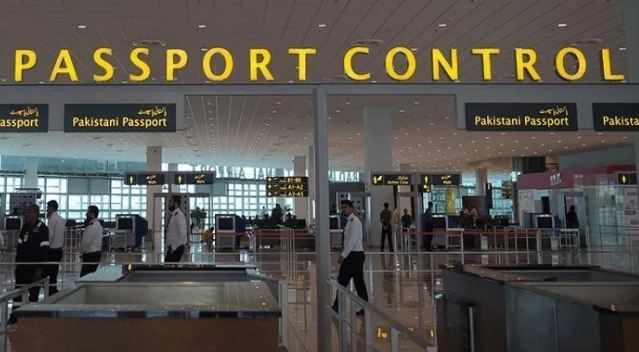
Pressure mounts on Pakistan to check human trafficking

Pressure mounts on Pakistan to check human trafficking

The government faces the dual challenge of addressing systemic corruption and ensuring that law enforcement agencies are both effective and transparent in their operations

Ansar M Bhatti

ISLAMABAD: The Pakistani authorities have intensified their crackdown on human smugglers in response to mounting international pressure, particularly from European nations. Sources reveal that several European countries have formally lodged strong protests with the Pakistani government, urging the establishment of a comprehensive and foolproof mechanism to curb this pervasive issue at its roots.

These countries contend that such illegal activities are unlikely to occur without the complicity or negligence of security officials tasked with preventing them. In light of these concerns, the Pakistani government recently dismissed approximately 36 officials from the Federal Investigation Agency (FIA) over their alleged involvement in human trafficking. However, insiders claim that a significant number of officials remain complicit in these operations, highlighting the scale of the challenge.

Reports suggest that human smugglers often evade accountability due to their connections with influential figures, including politicians. These traffickers allegedly finance the political campaigns of certain candidates, who, once elected to parliament, provide protection and legal cover to their benefactors. This nexus between human traffickers and political elites has made it exceedingly difficult to dismantle the network, even when culprits are apprehended or face legal scrutiny.

International stakeholders continue to push for stricter action, emphasizing that unchecked human trafficking tarnishes Pakistan’s global image and undermines regional security. The government faces the dual challenge of addressing systemic corruption and ensuring that law enforcement agencies are both effective and transparent in their operations.

In a related development, at least 30 passengers set for travel to different countries were offloaded from planes at the Jinnah International Airport in Karachi late on Saturday night over suspicion of human smuggling, sources from the immigration department told .

Immigration officials said that most of the offloaded individuals were going to fall victim to human smuggling. The officials said most of the detained individuals had been transferred to the Anti-Human Smuggling Circle for further investigation, while multiple people were allowed to go back home.

Officials reported that the offloaded passengers were questioned for various reasons.

Abid Ali, a passenger bound for Saudi Arabia, was flagged on the Integrated Border Management System (IBMS) list. Similarly, Salman Riaz, a public servant traveling to the Gulf on an employment visa, lacked the required no-objection certificate (NOC).

Several passengers heading to Saudi Arabia — Aftab Ahmed, Mohammad Khalil, Mohammad Riaz, and Ahmed Khan — were found to have incomplete documents. Another passenger, Faiz, holding a visit visa, lacked sufficient funds for travel expenses and hotel bookings.

Officials also suspected Umrah passengers Iqbal, Imran, Mujahid, another Imran, and Ijaz of being involved in human trafficking.

In another case, Oman-bound passenger Shaukat was found without sufficient funds in his bank account for travel expenses and hotel bookings. Babar Khalil and Hamza Javed, also traveling to Oman, were offloaded due to incomplete work visa documentation.

Records showed that Aminullah, another Oman-bound passenger, held two passports issued under his name.

Dubai-bound passenger Saira Bano failed to provide adequate details regarding her travel expenses, accommodation, and purpose of visit.

Furthermore, Nigerian nationals Daniel Saqib and Syed Bilal Hussain were traveling without work visas, while Tanzanian-bound passengers Sadaf Mustafa and Muhammad Ijaz lacked hotel bookings and sufficient travel funds.

AI: Pakistan’s Future or Foe?

AI: Pakistan’s Future or Foe?

Syeda Ishal Fatima Naqvi

Artificial Intelligence (AI) is a double-edged sword, especially for a developing nation like Pakistan. While AI promises to revolutionize education, healthcare, and industry, it also poses significant challenges that demand immediate attention.

AI-driven tools can enhance education by personalizing learning, improving accessibility, and equipping students with 21st-century skills. However, its unchecked growth could worsen unemployment and raise ethical concerns regarding data privacy and algorithmic bias.

Pakistan must act decisively. Policymakers need to create AI-friendly regulations, ensure inclusive access, and invest in AI education and research. At the same time, addressing ethical dilemmas and preparing the workforce for an AI-dominated future are equally critical. Without a balanced approach, the promises of AI could turn into pitfalls, leaving us vulnerable in an increasingly automated world.

The influence of AI relies on how we choose to use it. AI is neither fundamentally good nor bad. Now is the moment to take action.

Syeda Ishal Fatima Naqvi
[email protected]
HITEC University Taxila

30 passengers offloaded at Karachi airport over suspected human smuggling

30 passengers offloaded at Karachi airport over suspected human smuggling

DNA

KARACHI: At least 30 passengers set for travel to different countries were offloaded from planes at the Jinnah International Airport in Karachi late on Saturday night over suspicion of human smuggling, sources from the immigration department told .

Immigration officials said that most of the offloaded individuals were going to fall victim to human smuggling. The officials said most of the detained individuals had been transferred to the Anti-Human Smuggling Circle for further investigation, while multiple people were allowed to go back home.

Officials reported that the offloaded passengers were questioned for various reasons.

Abid Ali, a passenger bound for Saudi Arabia, was flagged on the Integrated Border Management System (IBMS) list. Similarly, Salman Riaz, a public servant traveling to the Gulf on an employment visa, lacked the required no-objection certificate (NOC).

Several passengers heading to Saudi Arabia — Aftab Ahmed, Mohammad Khalil, Mohammad Riaz, and Ahmed Khan — were found to have incomplete documents. Another passenger, Faiz, holding a visit visa, lacked sufficient funds for travel expenses and hotel bookings.

Officials also suspected Umrah passengers Iqbal, Imran, Mujahid, another Imran, and Ijaz of being involved in human trafficking.

In another case, Oman-bound passenger Shaukat was found without sufficient funds in his bank account for travel expenses and hotel bookings. Babar Khalil and Hamza Javed, also traveling to Oman, were offloaded due to incomplete work visa documentation.

Records showed that Aminullah, another Oman-bound passenger, held two passports issued under his name.

Dubai-bound passenger Saira Bano failed to provide adequate details regarding her travel expenses, accommodation, and purpose of visit.

Furthermore, Nigerian nationals Daniel Saqib and Syed Bilal Hussain were traveling without work visas, while Tanzanian-bound passengers Sadaf Mustafa and Muhammad Ijaz lacked hotel bookings and sufficient travel funds.
Trump’s Agenda 47

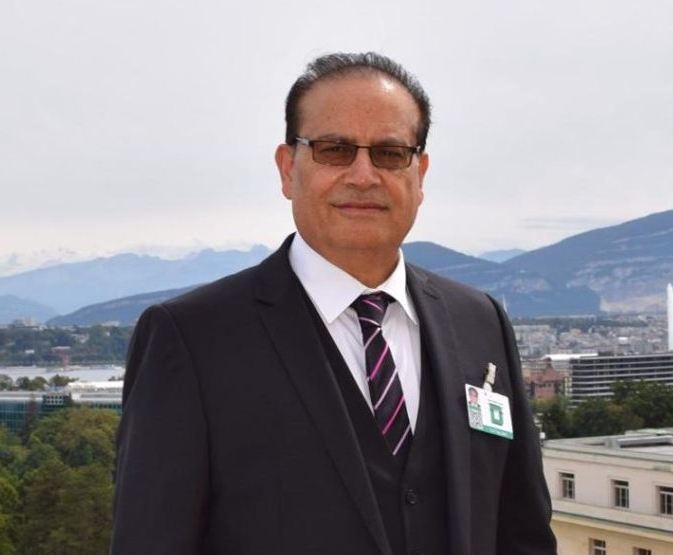
Qamar Bashir

By: Qamar Bashir

Macomb, Detroit, Michigan

After the nationwide abhorrent terrorist attacks in the USA, President-elect Donald Trump painted a grim picture of the country. He stated, “Our country is a disaster, a laughingstock all over the world! This is what happens when you have OPEN BORDERS, with weak, ineffective, and virtually nonexistent leadership.”

He blamed the United States Department of Justice and the FBI for their failure to ensure the safety and security of the American people, criticizing them for not fulfilling their responsibilities of enforcing U.S. laws, overseeing law enforcement, and representing the nation in legal matters, as well as administering justice at a federal level. Trump then added a third culprit to complete the triangle: the “Democrats.” He accused the Democrats of incompetence and corruption, claiming they spent all their time unlawfully attacking their political opponents instead of protecting Americans from violent elements that, according to him, have infiltrated every aspect of the government and the nation itself. He further stated that the Democrats should be ashamed of themselves for allowing such a situation to arise in the country.

Trump warned the CIA to intervene immediately, saying, “NOW, before it is too late.” He concluded his statement by declaring that the USA is breaking down, suffering from “a violent erosion of safety, national security, and democracy” nationwide.

He asserted that only strength and powerful leadership could stop this decline, ending with a pledge: “See you on January 20th. MAKE AMERICA GREAT AGAIN!”

The big question remains: how does Trump plan to make America great again? In his victory speech after his historic 2024 election win, Trump outlined his ambitious “Agenda 47.” While his policies appear promising on the surface, they carry both anticipated and unforeseen repercussions, not only for the U.S. but also for the rest of the world.

Trump’s top priority is improving the U.S. economy, recognizing that in today’s interconnected world, no country can act alone without risking adverse consequences. He pledged to impose universal tariffs of 10%-20% to protect U.S. industries and address trade imbalances, particularly with China, which accounted for $537 billion in imports to the U.S. in 2022. Tariffs could boost domestic manufacturing by reducing foreign competition but may raise consumer prices, disrupt supply chains, and exacerbate inflation.

On energy policy, Trump pledged to achieve energy independence by rolling back petroleum production regulations, exiting the Paris Agreement, and expediting oil infrastructure projects. This could drive economic growth, create jobs, and enhance energy security, strengthening the U.S. as a major energy exporter. However, it may increase carbon emissions, environmental harm, and weaken global climate leadership.

Trump’s tax reforms include extending the 2017 Tax Cuts and Jobs Act, eliminating federal taxes on tips and Social Security income, and making car loan interest fully tax-deductible. These measures aim to boost disposable income, support retirees, and stimulate industries like automotive and hospitality. However, they risk widening the federal deficit, which already exceeds $33 trillion, without corresponding spending cuts or revenue increases.

On immigration, Trump pledged mass deportations of undocumented immigrants, completing the Mexico border wall, reinstating the “Remain in Mexico” policy, and ending birthright citizenship for children of undocumented immigrants. These measures aim to deter illegal immigration but could cause labor shortages, legal challenges under the 14th Amendment, humanitarian concerns, and strained U.S.-Mexico relations.

Trump’s foreign policy priorities include resolving the Ukraine-Russia conflict within 24 hours, reducing involvement in “endless wars,” prioritizing U.S. interests in trade agreements, and pressuring NATO allies to increase defense spending. While these policies could strengthen military readiness and reduce long-term entanglements, critics warn they may alienate allies, destabilize alliances, and oversimplify complex geopolitical issues.

Trump’s foreign policy on Palestine, Syria, and Iran emphasizes a mix of disengagement and assertive measures. He aims to resolve the Gaza conflict and weaken Hamas by targeting Iran’s support network. In Syria, he opposes U.S. military involvement, maintaining it is not America’s fight, even as opposition forces gain ground. Toward Iran, he is likely to revive his “maximum pressure” campaign with stringent sanctions to curb its nuclear ambitions and regional influence. The upside is that it could reduce U.S. military entanglements, weaken adversarial groups like Hamas, and apply economic and diplomatic pressure to contain Iran’s influence. The downside is that the potential destabilization in the region, humanitarian crises from inaction in Syria, and the risk of further isolating the U.S. from diplomatic solutions, potentially exacerbating tensions without resolving underlying conflicts.

He pledged to obliterate the Deep State, downsize bureaucracy, and cut expenditure. The upside is that reducing bureaucratic red tape and government spending could streamline operations, enhance efficiency, and return power to citizens by limiting overreach. Cutting unnecessary expenditures may lower the national debt and improve fiscal responsibility. The downside is that drastic downsizing could lead to the loss of experienced personnel, reduced oversight, and disruption of essential services. Efforts to dismantle the “Deep State” might politicize government institutions, erode trust in public administration, and create instability in critical governance functions.

His other domestic policies are even more sweeping.  He pledged a patriotic curriculum and school choice to promote national unity and empower parents with educational options. The downside is that centralized credentialing and removing federal oversight may create disparities in educational quality across states.

He promised harsh penalties for serious crimes and structured facilities for homelessness could improve public safety and order. The downside is that these measures may oversimplify complex issues, neglect rehabilitation, and raise ethical concerns.

He pledges to improve infrastructure and Urban Development by creating “Freedom Cities” and cultural initiatives to spur innovation, economic growth, and national pride. The downside is that these projects may face high costs, feasibility challenges, and potential public resistance to large-scale federal developments.

When America sneezes, the world catches a cold. The election of Donald Trump has sparked both hope and nervousness within the American nation and across the globe. The entire world waits with bated breath, fingers crossed, to see whether his promises will make America great again or lead to unforeseen consequences. Americans and global observers alike are anxiously anticipating the rollercoaster ride under Trump’s unpredictable, mercurial, and impulsive leadership. This time, he is flanked by figures like Elon Musk, Vivek Ramaswamy, and Kash Patel—business leaders and technocrats with proven records of success and remarkable achievements. Let us hope his presidency not only revitalizes the United States but also creates a better world for everyone.

By: Qamar Bashir

Press Secretary to the President (Rtd)

Former Press Minister at Embassy of Pakistan to France

Former MD, SRBC

Four killed, 32 injured as blast rocks Turbat

Four killed, 32 injured as blast rocks Turbat

QUETTA, JAN 4: At least four people were killed while 32 others sustained injuries after a blast rocked Balochistan’s city of Turbat on Saturday, police said.

According to the law enforcers, five injured in the blast are in critical condition. However, the nature of the blast has not been ascertained yet.

A CCTV footage obtained by Geo News showed that several vehicles moving on the road and suddenly a huge flame covered a moving passenger bus following the explosion.

Senior Superintendent of Police (SSP) Serious Crime Wing Zohaib Mohsin was also injured in the blast, police said. Six members of his family also sustained injuries in the explosion.

According to police, Mohsin and his family were passing through the area when the blast occurred.

Last month, two people were killed and four others were injured in a blast in Dasht area in Turbat. The police had said the improvised explosive device (IED) blast also damaged a vehicle.

According to the Center for Research and Security Studies’ Annual Security Report, Balochistan saw 782 deaths out of Pakistan’s total of 2,546 fatalities in the year 2024.

It is pertinent to know that the increase in terrorist attacks coincides with the return of the Taliban government in neighbouring Afghanistan.

Condemnations
Sindh Chief Minister Murad Ali Shah strongly condemned the Turbat blast, terming the act as inhumane and despicable, according to a spokesperson for the top official.

The chief minister said that targeting innocent people is a cruel and barbaric act and reaffirmed that terrorists would never succeed in their malicious objectives.

This is a developing story and is being updated with more details.

122nd Midshipmen & 30th Short Service Commissioning Parade held at Pakistan Naval Academy

Pakistan Naval Academy

DNA
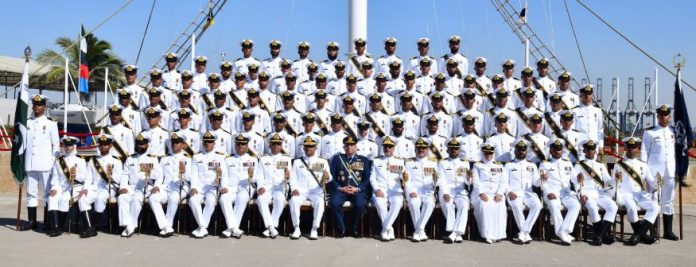
KARACHI, 04 Jan 25: The commissioning parade of the 122nd Midshipmen and 30th Short Service Commission (SSC) Course was held at Pakistan Naval Academy (PNA), Karachi, marking the graduation of 49 Midshipmen and 29 SSC Cadets. The Chief of the Air Staff, Air Chief Marshal Zaheer Ahmed Baber Sidhu, graced the occasion as the Chief Guest. Upon arrival, the Chief Guest was received by Chief of the Naval Staff, Admiral Naveed Ashraf.

While addressing the parade, the Chief Guest extended his felicitations to the newly commissioned officers and their parents on successful completion of their training. He commended Pakistan Naval Academy for imparting high-quality training to cadets, including those from friendly countries. He expressed the hope that these cadets from friendly nations will serve as ambassadors, strengthening bonds of friendship and mutual respect. The Chief of the Air Staff emphasized the importance of staying updated with modern trends, technologies, and the evolving geo-strategic landscape. He advised the commissioning term that in today’s high-tech and information-driven era, only knowledgeable leaders can effectively address emerging challenges.

Earlier, in his welcome address, Commandant Pakistan Naval Academy, Commodore Tasawar Iqbal, highlighted the key features of the academic and professional training provided to the cadets at the Academy. Later, the Chief Guest presented awards to the distinction holders. The prestigious Quaid-i-Azam Gold Medal was awarded to Lieutenant Muhammad Imad Ud Din PN for being the best all-round officer throughout training. Midshipman Tennakoon M.L. Vimukthi from Sri Lanka won the coveted Sword of Honour. Midshipman Muhammad Shayan was awarded the Academy’s Dirk. Officer Cadet Abdul Rehman received the Chairman Joint Chiefs of Staff Committee Gold Medal. Officer Cadet Ali Jalil Ibrahim Sharif Shuhaib Al Shabani from Iraq was awarded the Chief of the Naval Staff Gold Medal. The Commandant Gold Medal was awarded to SSC Course Officer Cadet Sidra Saeed. The Proficiency Banner was claimed by the Fox’l Squadron.

South Korea’s Quest for Nuclear Deterrence

South Korea’s Quest for Nuclear Deterrence

Dr. Muhammad Akram Zaheer

South Korea’s reliance on the United States to counter the nuclear threat posed by North Korea has been a cornerstone of its national security strategy for decades. The alliance between Seoul and Washington, solidified by the 1953 defense pact following the Korean War armistice, has long provided South Korea with a sense of security under the American nuclear umbrella. However, this assurance is increasingly being called into question due to both North Korea’s expanding capabilities and shifting dynamics in U.S. foreign policy. North Korea’s nuclear ambitions date back to the Cold War era, culminating in its first successful nuclear test in 2006. Since then, Pyongyang has not only advanced its nuclear arsenal but also developed intercontinental ballistic missile (ICBM) technology capable of reaching American cities. This development raises significant doubts about whether the United States would risk nuclear retaliation to defend South Korea in the event of a conflict. North Korea’s growing capabilities have introduced a new level of uncertainty into the U.S.-South Korea alliance, as the potential costs of American intervention now include direct threats to U.S. soil. Compounding these concerns is the potential return of Donald Trump to the U.S. presidency. During his first term, Trump openly criticized the U.S.-South Korea alliance, framing it in transactional terms and suggesting that the United States bore an undue burden in the partnership. His statements and actions during that time, including private remarks about dismantling the alliance, have fueled apprehension in Seoul about the reliability of American commitments under his leadership. Trump’s approach underscores broader concerns about the United States’ willingness to honor its defense obligations, especially in the face of existential nuclear threats from Pyongyang. These developments have driven South Korea to reconsider its longstanding reliance on the U.S. nuclear umbrella. The increasing fragility of this arrangement has led to growing support within South Korea for developing an independent nuclear arsenal. Public opinion surveys reveal a significant shift in attitudes: a 2021 poll by the Chicago Council on Global Affairs found that 71% of South Koreans favor nuclearization, a notable increase from 56% in 2010. This growing public support reflects deep-seated concerns about the reliability of U.S. commitments and the pressing need to address the asymmetric nuclear threat posed by North Korea.

Despite the domestic momentum behind nuclearization, the primary obstacle remains international opposition, particularly from the United States. Washington has consistently opposed nuclear proliferation, even among its allies, and has worked to dissuade Seoul from pursuing an independent nuclear capability. The Biden administration, for instance, has sought to reassure South Korea by reaffirming its security commitments through joint declarations and increased military presence in the region. However, these measures fall short of addressing the core issue: whether the United States would truly risk nuclear retaliation to defend its ally. The debate over South Korea’s nuclearization highlights the limitations of extended deterrence in the current geopolitical context. During the Cold War, similar doubts were expressed by U.S. allies in Europe, who questioned whether Washington would “trade New York for Paris” in a nuclear standoff. Today, South Koreans face a comparable dilemma, exacerbated by the unprecedented nature of the North Korean threat. Unlike other nuclear-armed states, Pyongyang’s regime is uniquely vulnerable to conventional military defeat, making it more likely to resort to nuclear weapons in a conflict. This heightened risk underscores the need for South Korea to reassess its security strategy. Proponents of South Korean nuclearization argue that an independent arsenal would enhance regional stability by creating nuclear parity on the Korean Peninsula. A self-reliant South Korea would be better positioned to deter North Korean aggression without relying on potentially unreliable American guarantees. Moreover, a nuclear South Korea could free the United States to focus on its broader strategic priorities in East Asia, particularly its competition with China. Historical precedents, such as U.S. alliances with nuclear-armed Britain and France, demonstrate that Washington can maintain strong ties with allied nations that possess independent nuclear capabilities. Critics of South Korean nuclearization, however, caution against its potential consequences for the international nonproliferation regime. They argue that South Korea’s withdrawal from the Nuclear Nonproliferation Treaty (NPT) could set a dangerous precedent, encouraging other countries to follow suit. Nonetheless, advocates counter that the unique circumstances of the Korean Peninsula, marked by the acute and asymmetric threat from North Korea, justify an exception. Furthermore, they contend that South Korea’s democratic governance and responsible stewardship of advanced technologies make it a trustworthy nuclear power.

In practical terms, South Korea’s path to nuclearization would not require an arsenal comparable to those of great powers like the United States or Russia. A modest stockpile of approximately 100 warheads, coupled with existing delivery systems such as fighter jets and submarines, would suffice to establish credible deterrence against North Korea. This limited capability would address the immediate security challenges without escalating regional tensions unnecessarily. The urgency of this debate is underscored by North Korea’s rapid advancements in nuclear and missile technologies. Under Kim Jong Un’s leadership, Pyongyang has conducted multiple nuclear tests and developed a range of delivery systems, including short-, medium-, and long-range missiles. The regime’s recent efforts to miniaturize nuclear warheads, pursue hypersonic missile technology, and deploy submarine-launched ballistic missiles further exacerbate the security dilemma faced by South Korea. These developments, combined with North Korea’s increasingly aggressive rhetoric, underscore the inadequacy of existing deterrence mechanisms. The Washington Declaration of 2023, which established a U.S.-South Korean Nuclear Consultative Group, represents a step toward addressing Seoul’s security concerns. However, its provisions fall short of resolving the fundamental issue of extended deterrence. The declaration’s emphasis on rotational deployments and consultation mechanisms does little to mitigate the underlying doubts about U.S. willingness to risk nuclear retaliation for South Korea’s defense. As long as these doubts persist, the debate over South Korea’s nuclearization will remain a central issue in the country’s national security discourse.

The evolving security landscape on the Korean Peninsula demands a reexamination of South Korea’s defense strategy. The combination of North Korea’s expanding nuclear capabilities and uncertainties about U.S. commitments has created a pressing need for South Korea to explore alternative security arrangements. While the prospect of nuclearization raises complex challenges, it also offers a potential solution to the asymmetry that currently destabilizes the region. For South Korea, achieving greater self-reliance in its national defense may be the only viable path to ensuring its long-term security in an increasingly uncertain world.

China Leads New Media: Internet penetration reaches over 1.1 billion users

China Leads New Media: Internet penetration reaches over 1.1 billion users

DNA

BEIJING, JAN 4: China’s news media has evolved into a data-driven, intelligent, platform-based, and socialized industry. The omni-media communications system has been significantly enhanced, as highlighted in the 54th China Statistical Report on Internet Development. By June 2024, China boasted nearly 1.1 billion internet users, representing a penetration rate of 78.0%.

According to a report on the development of China’s News Media, issued by the All China Journalists Association, (ACJA), the country’s digital transformation extends to 3,606 Internet news information service units, providing 14,228 licensed services including websites, applications, and public accounts. This growth complements the thriving print media sector, which recorded 26.01 billion newspaper copies printed in 2023, with a total subscription value of 35.57 billion Yuan.

The report further states that in recent years, the rapid advancement of generative artificial intelligence (AI) technology has significantly reshaped the ecosystem of journalism and communication in China. This transformation has introduced a paradigm shift in how news is produced, curated, and disseminated, enabling media organizations to leverage AI for tasks such as real-time reporting, automated content creation, personalized audience engagement, and predictive analytics. By integrating cutting-edge digital and intelligent technologies, China’s media industry is not only enhancing efficiency and precision but also redefining the boundaries of creativity and innovation in storytelling. This forward-thinking approach positions China as a global pioneer in utilizing AI to meet the evolving demands of modern journalism, while also addressing challenges related to accuracy, ethics, and inclusivity in media practices.

Generative AI (AIGC) is becoming a cornerstone of the media landscape. According to the AIGC Panorama Report of Application in China, the market size for generative AI applications is projected to hit 20 billion Yuan in 2024, surging past one trillion Yuan by 2030. Media outlets are increasingly investing in AI-powered tools, integrating them with film, television, and music assets to foster innovative collaboration and applications.

The sector has also witnessed employment growth. The newspaper publishing industry employed 184,000 professionals in 2023, marking a third consecutive year of increase. Across the broader media industry, over 1 million individuals contributed to the development of radio, television, and online audiovisual services, the ACJA report stated.

By October 2024, the nation had 230,585 accredited journalists, many of whom continue to immerse themselves in grassroots reporting, champion ethical journalism, and enhance public oversight.

China’s media industry achieved a total output value of 3.15 trillion Yuan in 2023, reflecting an 8.38% year-on-year increase. Newspapers generated 61.66 billion Yuan in revenue, with notable contributions from advertising, circulation, and new media operations. The national radio and television industry, alongside online audiovisual platforms, recorded revenues of over 1,412.608 billion Yuan, marking a 13.74% up year on year.

The All-China Journalists Association (ACJA) has played a pivotal role in advocating for journalists’ welfare and professional development. Over the past decade, it has disbursed 25.15 million Yuan in support of journalists facing injury, illness, or death in the line of duty. The ACJA also promotes ethical journalism and social responsibility, with over 580 media social responsibility reports published in 2024 alone.

China’s media industry stands as a beacon of innovation and transformation, leveraging generative AI and digital tools to redefine news production and communication. With a strong focus on workforce development, ethical practices, and public engagement, the sector continues to adapt to the demands of an increasingly digital and interconnected world.

By embracing these advancements, China’s media industry is not only shaping its future but also setting a global benchmark for innovation and responsibility in journalism. Through the integration of cutting-edge technologies such as artificial intelligence, big data analytics, and immersive media, Chinese media outlets are redefining content creation, distribution, and audience engagement. Furthermore, their emphasis on ethical journalism, cultural storytelling, and international collaboration highlights a commitment to balanced reporting and shared narratives. As China continues to leverage its resources and talent, it is positioning itself as a leader in promoting sustainable and forward-thinking media practices on the global stage.

HEC’s National Outreach Programme Concludes at SBBU Sheringal

HEC’s National Outreach Programme Concludes at SBBU Sheringal

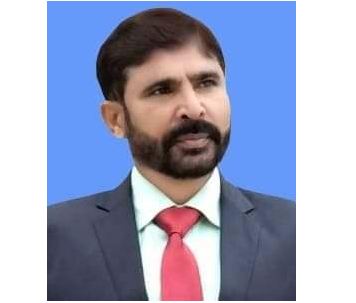
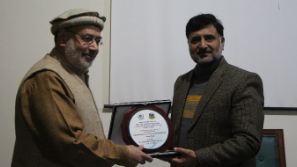
Islamabad/Sheringal, Jan 4 /DNA/ – Shaheed Benazir Bhutto University (SBBU), Sheringal concluded a transformative four-week faculty training programme organized in collaboration with the National Academy of Higher Education (NAHE) HEC under its National Outreach Programme for higher education faculty.

The closing ceremony was attended by Dr. Muhammad Shahab, Vice Chancellor, SBBU Sheringal, Mr. Mahmood Khan, Registrar of SBBU Sheringal, Dr. Abaidullah Anwar, Deputy Director, Quality Assurance Division, HEC and senior faculty and administrative heads of the University.

The four-week training programme encompassed a diverse range of modules curated to enhance the professional capabilities of university faculty.

Delivered by expert resource persons appointed by NAHE, the programme focused on essential areas of academic and leadership development. Key topics included modern pedagogical practices, research methodologies, curriculum design, and effective assessment strategies.

These modules provided a comprehensive foundation for fostering an enriched and innovative teaching-learning environment at SBBU Sheringal.

In his keynote address, Dr. Shahab expressed profound appreciation for NAHE and HEC for their unwavering support, both technically and financially, in implementing this critical initiative. He commended the participants for their resilience and commitment, especially in overcoming the challenges posed by harsh weather and difficult circumstances.

Dr. Abaidullah Anwar shared insights into key HEC policies, including the Graduate Education Policy and Distance Learning Policy, underscoring the alignment of the training programme with HEC’s vision for academic excellence. He lauded the determination of faculty, who remained steadfast and engaged throughout the rigorous sessions, despite severe weather conditions.

The National Outreach Programme by NAHE, HEC, continues to make strides in bridging capacity-building gaps across Pakistan’s higher education institutions. By prioritizing professional development and faculty excellence, this initiative reinforces HEC’s broader vision of uplifting the quality of higher education nationwide.

PM message on World Braille Day

Shehbaz Sharif

DNA

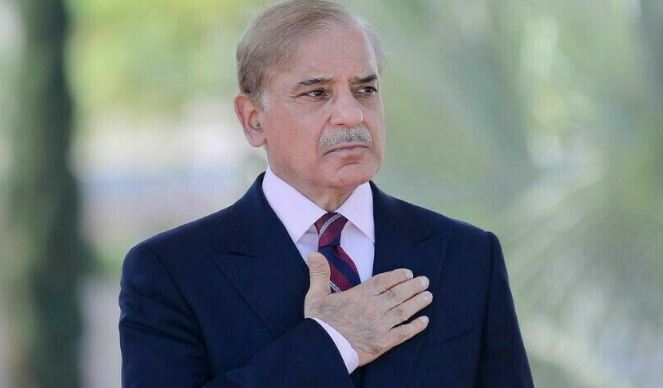
ISLAMABAD: Prime Minister Shehbaz Sharif has issued a special message on the World Braille Day. In his message the prime minister said, ‘on World Braille Day, we join the global community in celebrating the transformative power of Braille, a remarkable system that has opened doors to knowledge, communication, and independence for millions of visually impaired individuals worldwide.

Braille is not just a tool for reading and writing; it is a window to inclusivity and equal opportunities, empowering individuals to lead independent and dignified lives.

We are committed in our resolve for creating enablers in our society that empowers all individuals through accessible education, equipping schools with Braille books, enhancing teacher training, and establishing specialized centres for visually impaired students.

World Braille Day is a reminder that true progress is measured by how open and equitable our society is and a day for the reinforcement of our pledge to build a Pakistan where every citizen has the platform and opportunities to thrive, and I urge every individual and institution to play their part in promoting inclusivity and accessibility for all’.

Stay Connected

64FansLike
60FollowersFollow

Latest Reviews

Exchange Rates

USD - United States Dollar
EUR
1.17
GBP
1.35
AUD
0.72
CAD
0.73