Home Blog Page 714

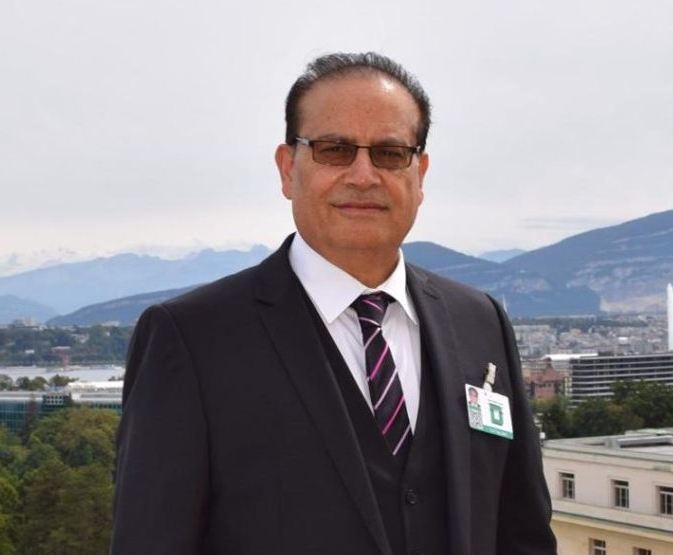
Maldives, Sri Lanka recall their envoys

Maldives, Sri Lanka recall their envoys

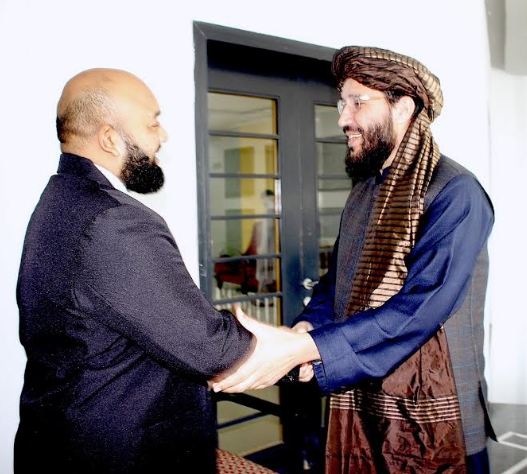
Maldives high commissioner’s meeting with the Afghanistan Charge d Affaires cost him his job

Ansar M Bhatti

ISLAMABAD: Maldives and Sri Lanka are preparing to appoint new envoys to Pakistan after both countries recalled their respective high commissioners in quick succession.

The Maldivian government recalled its High Commissioner, Mohamed Thoha, following a controversial meeting with Afghanistan’s top diplomat in Islamabad. Thoha’s engagement with Ahmad Shakib, Afghanistan’s chargé d’affaires, reportedly took place without prior approval from Maldivian authorities.

In a statement, the Maldivian Ministry of Foreign Affairs had clarified that the meeting was not authorized. “The Maldives is guided by the practice followed by the United Nations General Assembly regarding the representative character of a government. Accordingly, the Maldives recognizes the Government representing Afghanistan at the United Nations as the legitimate authority,” the statement read.

During the meeting, Ahmad Shakib emphasized Afghanistan’s goal of fostering constructive relations with all nations and its ambition to transform the country into a regional connectivity hub through economic policies. Photographs from the meeting were shared on the social media platforms of both embassies, further fueling the controversy.

In response, the Maldives Embassy in Islamabad removed all images of High Commissioner Thoha from its website and social media accounts, although the Afghanistan Embassy retained the photos. Thoha was recalled only a few months after his appointment, marking an abrupt end to his tenure.

Similarly, Sri Lanka has recalled its High Commissioner to Pakistan, Admiral Ravindra C. Wijegunaratne, less than six months into his posting. While the Sri Lankan Ministry of Foreign Affairs has not provided an official explanation, diplomatic sources suggest that political factors may have influenced the decision.

Both recalls highlight unexpected diplomatic challenges for Islamabad as it awaits the appointment of new envoys from the Maldives and Sri Lanka.

The Ruthless Accountablity…

Qamar Bashir

By: Qamar Bashir

Macomb, Detroit, Michigan

The democratization and widespread accessibility of social media across the globe have given a loud and clear voice to those who were previously unheard. These individuals, whose voices once had no reach, impact, or influence in their communities, societies, countries, or on a global level, are now empowered. Social media, with its various platforms, has opened up avenues of communication that, until a few years ago, were the exclusive domain of the rich and influential.

This newfound freedom has enabled the general populace to develop the skills to ask questions, build followings, and exercise their influence. Social media influencers worldwide have become so powerful that media managers across the globe now systematically engage with them to leverage their reach and connect with their audiences, fans, and followers.

During my tenure as a media manager at the Ministry of Information, I played a pivotal role in establishing social media initiatives. I was instrumental in setting up the social media cell for Maryam Nawaz Sharif and later the Digital Media Cell during the PTI government. Both entities effectively utilized social media platforms to amplify their policies and narratives, reaching millions of social media users.

As Press Secretary, I curated a list of the country’s top media influencers and organized two luncheons with the President. These events provided a platform for the President to share his thoughts on various critical issues of the time, fostering dialogue and understanding between the influencers and the government.

The power of social media was lately acknowledged by the US President Elect Donald J. Trump when he used TikTok very successfully to reach and influence the young audience across the country and acknowledge the power of the social media as the one major contributing factor towards his unprecedented victory during Election 2024.

The power of social media has been instrumental in creating an informal yet highly effective global accountability system. This system has become particularly prominent in countries and societies where the rule of law is weak or nonexistent. In such places, the powerful often suppress criticism, control and gag accountability mechanisms, and manipulate the judiciary to serve their own interests. The legal and systemic frameworks in these societies are designed to protect the elite, allowing them to remain above the law through sheer brute power.

One striking example of this global accountability was seen in the case of General (Retired) Qamar Javed Bajwa, the former Chief of the Pakistan Army. General Bajwa wielded immense power over the country, to the extent that he was often described as a “God-like” figure. He had the authority to install or dismantle governments at will. During his tenure, allegations surfaced regarding the accumulation of billions in wealth. When his wealth and tax returns were leaked, the whistleblowers—journalists and Federal Board of Revenue (FBR) officials—were imprisoned rather than commended for exposing illegal financial activities.

However, accountability for General Bajwa came in an unusual and public manner. While sitting on the steps of a church with his wife, he was repeatedly subjected to degrading verbal abuse, and the entire humiliating episode was recorded and uploaded to social media. The footage quickly became a viral story worldwide, illustrating how one of the most powerful figures in Pakistan could be reduced to a common, helpless individual in the face of public scrutiny.

Former Chief Justice of the Supreme Court Qazi Faez Isa played a controversial role in Pakistan’s political landscape. Through what were perceived as vindictive and revenge-driven decisions, he deprived the most popular and largest political party of its election symbol, removed its chairman, and barred it from contesting elections as a unified political entity. These actions were widely viewed as a grave disservice to the country and its people. While in Pakistan, Justice Isa appeared to be above the law. However, public accountability eventually caught up with him. First, he was humiliated while buying donuts, and later during a flight to London. Videos of these incidents quickly went viral, providing a sense of satisfaction to those who felt justice had been served for the perceived injustices against the party and its millions of supporters.

On a broader scale, the world has become increasingly hostile to the leadership of the Pakistan Muslim League (Nawaz) (PML-N). The PML-N has been criticized for allegedly compromising its principles, aligning itself with the establishment, and using these connections to secure power at both the federal and provincial levels. The party was seen as the primary beneficiary of what has been described as the most rigged, managed, and engineered election in Pakistan’s history on February 8.

Despite holding a minority in parliament, the PML-N formed a government with the establishment’s support. Once in power, they introduced constitutional amendments and legislative changes that further empowered the already dominant establishment, solidifying their authority. These actions, however, did not go unchallenged. Both domestically and abroad, the leadership of the PML-N has faced relentless backlash. Overseas Pakistanis have publicly confronted and humiliated them, recording these incidents on video. These clips often go viral on social media, amplifying their humiliation globally and serving as a form of public accountability.

When a country’s internal accountability mechanisms are stifled and fail to deliver justice, the diaspora of misgoverned nations turns to other power centers in their host countries to hold their leadership accountable for unlawful, undemocratic, and illegal actions. In Pakistan’s case, as all pillars of the state have become subservient to the powerful establishment, the Pakistani diaspora has looked to the leadership of the United States, the United Kingdom, and the European Union. These countries wield significant influence over Pakistan as its largest aid donors, key importers, business partners, and through their control and influence over international financial institutions like the IMF, which can bring Pakistan’s fragile economy to its knees.

This two-pronged accountability is extremely potent and has the potential to shrink the space for dictators and corrupt rulers globally. No matter how powerful a dictator, corrupt ruler, judge, parliamentarian, or businessman may be, they might evade formal accountability processes within their country, but they cannot escape the relentless accountability of the general public wielding the power of social media or the unyielding scrutiny of the country’s diaspora worldwide.

Rulers and dictators now face a stark choice: either restore the rule of law and allow the pillars of the state to function independently or prepare to face ruthless accountability through social media and the global diaspora. The era of unchallenged impunity is rapidly coming to an end.

By: Qamar Bashir

Press Secretary to the President (Rtd)

Former Press Minister at Embassy of Pakistan to France

Former MD, SRBC

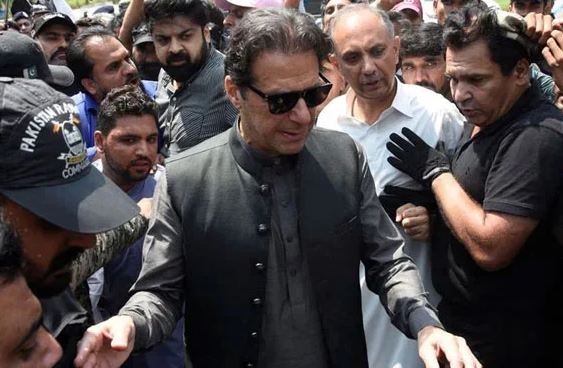
PTI ‘seeks Imran’s release via executive order’ in talks

Imran Khan

Hamid Raza denies govt’s claim saying they only want end to “political victimisation, negative tactics by prosecution”

Khayam Abbasi

ISLAMABAD: The first and foremost demand of the Pakistan Tehreek-e-Insaf (PTI) in the high-stakes talks with the government remains to be the release of its founder Imran Khan, a Pakistani newspaper reported citing a member of the committee from the ruling side.

This committee member also confirmed that the former ruling party has continued to push for the former prime minister’s freedom in both rounds of talks, instead of the option of house arrest.

“PTI made Khan’s release its first demand during the December 23 meeting,” said a member of the committee speaking on the condition of anonymity.

“Even in the January 2 meeting, they started by insisting on the release of Khan and others, showing how central this demand is for them.”

When asked if the PTI wanted Khan released from Adiala jail or placed under house arrest in Banigala, the source clarified that PTI is demanding his release through an executive order. They are not asking for house arrest but seeking his complete freedom from custody, he added.

To a question about PTI’s public stance that the deposed premier has only demanded the release of party workers and leaders, the source disputed this, saying: “In both meetings, PTI’s first demand was the release of Imran Khan, followed by others.”

“The others include Shah Mehmood Qureshi, Dr Yasmin Rashid, Senator Ijaz Chaudhry, and party workers,” he said, adding that this highlights Khan’s release as PTI’s top priority in the ongoing negotiations.

During the meeting, government committee members questioned PTI leaders about their demand for Khan’s release through an executive order. “How many political prisoners were released this way? During Khan’s tenure, Rana Sanaullah, Shehbaz Sharif, Irfan Siddiqui, Khawaja Asif and others from the Pakistan Muslim League-Nawaz (PML-N) and Pakistan Peoples Party (PPP) were arrested. Were they released through executive orders?” the source said.

According to the source, the PTI team had no answers to this question. The source further claims that the Khan-founded party wants his release without any written agreement to avoid embarrassment. However, the source added: “Even if Khan is to be released, PTI should submit some written demands because the government needs to consult its legal team to discuss legal options for the release.”

“It seems the PTI team either lacks confidence or does not have the mandate to decide without Khan’s approval. On every issue discussed during the talks, PTI’s response is that they need to ask and consult Khan first,” he added.

Separately, Senator Irfan Siddiqui said that it was agreed during the first meeting that PTI would submit a written charter of demands on January 2. However, they didn’t bring it in written form during the second meeting either. When the committee asked the reason, they replied that they needed to discuss the demands with Khan first. Once he approves them, they will be presented in a written form.”

When asked if the PTI committee had been given access to Khan to discuss the charter of demands, Senator Siddiqui said: “It was decided in the first meeting that PTI would bring the charter of demands in written form, and the government would facilitate a meeting with Khan to discuss the talking points with him. The government has fulfilled its promise and helped them meet Khan. Now, they want the government to arrange a separate meeting room where no one can listen to their conversation.” Siddiqui added that the government has complied with all the previous agreements.

The PML-N parliamentary leader in the Senate and spokesperson of the government’s negotiating committee also cautioned that the negotiation process could hit a snag if the PTI failed to present its demands in writing as per its commitment.

“We could not make any progress in 12 days,” he said during an interview with a private media outlet.

Siddiqui explained that the government honored its words and facilitated the PTI team meeting with Khan but the PTI seems indecisive about whether to present a ‘charter of demands’ in writing or not.

Responding to a question, he said that the PTI requested another opportunity to consult Khan to seek his advice and finalise the charter of demands.

“We accepted this, but if the written charter of demands was not presented in the third meeting too, the negotiation process may face difficulties.”

To another question, the PML-N senator replied that being a political prisoner is determined by the nature of offense, not the identity of individual.

“If, as a member of Senate, I commit murder and am jailed for it, I will not be considered a political prisoner. Such exemptions do not even apply to the president of Pakistan,” he said.

In addition to demanding the release of Khan and other prisoners and establishment of judicial commissions, the PTI has also demanded that the whereabouts of 45 missing individuals be traced, he revealed.

“When we asked for the names, addresses and identities of these 45 individuals, the PTI did not have details available with them. How can the government trace people whose details even the PTI doesn’t know?”

Siddiqui clarified that the government neither made any demand from the PTI, nor even asked to withdraw their call for civil disobedience. “Neither the government nor any institution has offered to transfer Khan from Adiala jail to Banigala or any other location, as per my knowledge,” he said.

He also dismissed rumours of any parallel or behind-the-scenes negotiations. “The date for the third round of talks would be given by the PTI,” he said.

Sahibzada Hamid Raza, a member of the PTI negotiation team, denied the government’s claim that they have demanded Khan’s release through an executive order.

“We have made it clear to them that PTI leadership will face the cases, but the government should stop political victimisation and negative tactics by the prosecution.”

Raza also confirmed that PTI had discussed Khan’s release with the government, but emphasised, “It should be under the constitutional and legal framework only.”

Pakistan 213/1 at stumps after South Africa impose follow-on

South Africa win toss, bat first in second Test against Pakistan

Pakistan 213/1 at stumps after South Africa impose follow-on

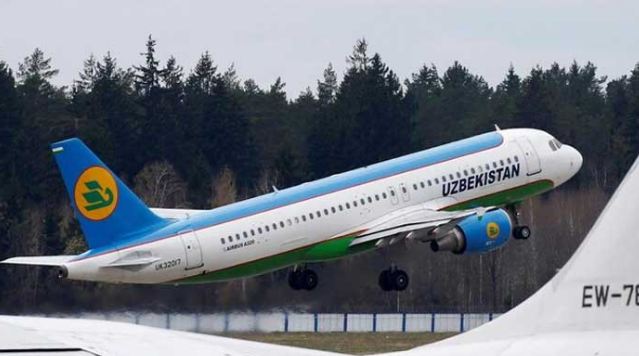
Uzbekistan plans ‘direct flights’ to Karachi to strengthen bilateral ties

Uzbekistan plans 'direct flights' to Karachi to strengthen bilateral ties

ISLAMABAD, JAN 5: In an effort to strengthen bilateral ties with Pakistan, the Uzbekistan government is mulling to introduce a new direct flight route between its country and Karachi this year, Ambassador Alisher Tukhtaev announced on Sunday.

During his official visit to Karachi from January 2-4, Ambassador Tukhtaev addressed the Trade Development Authority of Pakistan (TDAP), Karachi Chamber of Commerce and Industry (KCCI), and members of the business community in the metropolis.

He highlighted the historic and brotherly relations between Uzbekistan and Pakistan, underpinned by shared cultural and religious affinities.

“Our two nations are closer than ever, thanks to the realisation of the long-awaited vision of regional connectivity,” the ambassador said, emphasising the ongoing efforts to enhance economic cooperation and strategic collaboration.

Ambassador Tukhtaev shared that Uzbekistan implemented a soft visa regime for Pakistani citizens in September 2023, facilitating business and tourist travel.

This initiative, coupled with the recently launched direct flights between Tashkent and Lahore, underscores Uzbekistan’s commitment to fostering people-to-people connections and promoting mutual understanding.

Highlighting the trade potential, the ambassador noted that mutual trade between Uzbekistan and Pakistan has tripled over the past five years, rising from $122 million in 2019 to $387 million in 2023.

He stressed the untapped opportunities for further collaboration, particularly in sectors such as textiles, pharmaceuticals, leather and tannery, food processing, and agribusiness.

The ambassador also commended the success of the “Made in Pakistan” single-country exhibition held in Tashkent last June, which provided an invaluable platform for entrepreneurs from both nations to forge new trade and investment agreements.

Building on this momentum, he announced plans for a “Made in Uzbekistan” industrial exhibition in Karachi later this year, expressing confidence that it would further strengthen economic ties.

The ambassador extended an invitation to a delegation from the KCCI to visit Uzbekistan and explore investment opportunities in regions such as Bukhara, Sirdarya, Surkhondarya, and Kashkadarya. He assured full support from the Uzbek Embassy in facilitating government-to-business (G2B) and business-to-business (B2B) meetings during such visits.

“Uzbekistan offers a safe, conducive, and liberal environment for investment,” he stated, urging Pakistani businesses to capitalise on opportunities in various sectors where Sindh excels. He also welcomed the idea of organising B2B meetings alongside business delegation visits to materialise trade and investment prospects.

Accountability court ‘defers’ £190m case verdict against Imran, Bushra again

Accountability court 'defers' £190m case verdict against Imran, Bushra again

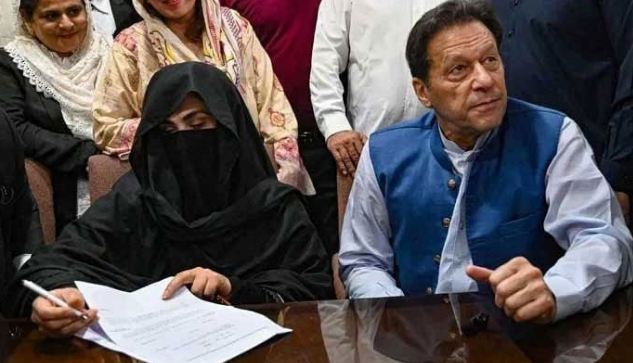
ISLAMABAD, JAN 5: An accountability court in Rawalpindi has “deferred” the verdict of £190 million case against Pakistan Tehreek-e-Insaf (PTI) founder Imran Khan and his wife Bushra Bibi for the third time, Geo News reported citing sources on Sunday.

The announcement of the verdict was scheduled for Monday (tomorrow).

The accountability court had reserved the verdict on Dec 18, following the conclusion of arguments and had fixed Dec 23 to announce the judgment.

However, the verdict was rescheduled for Jan 6, 2025. The sources said that lawyers would be apprised of the new date tomorrow.

The development comes amid ongoing negotiations between the Imran Khan-founded party and the federal government, with both sides expected to hold third round of talks next week.

The government has asked the former ruling party to present its “charter of demands” in writing, with the PTI demanding release of “political prisoners” including party chief Imran Khan and the judicial probe into May 9, 2023 events and November 26 crackdown.

Pointing towards the expected verdict in £190m case, PTI spokesperson Sheikh Waqas Akram said in a statement that the ongoing negotiation process would not be affected even if the party founder is sentenced in the case.

Also known as the Al-Qadir Trust case, the former prime minister along with his wife, Bushra and others have been accused by the National Accountability Bureau (NAB) of causing a loss of £190 million to the national exchequer via a settlement between the PTI government and a property tycoon.

During the one-year-long trial, NAB recorded testimonies of 35 witnesses, including former principal secretary Azam Khan, Khyber Pakhtunkhwa ex-chief minister Pervez Khattak and former federal minister Zubaida Jalal.

The said case is part of the plethora of legal challenges faced by the incarcerated PTI founder who has been behind bars since August last year after he was sentenced in Toshakhana case-I.

Al-Qadir Trust case overview
The anti-graft watchdog had filed the reference against Khan, Bushra, and others in December 2023 over the purported settlement.

As per the charges of the case, Khan and other accused allegedly adjusted Rs50 billion — £190 million at the time — sent by Britain’s National Crime Agency (NCA) to the Pakistani government as part of the agreement with a property tycoon.

Subsequently, the then-prime minister got approval for the settlement with the UK crime agency from his cabinet on December 3, 2019, without disclosing the details of the confidential agreement.

It was decided that the money would be submitted to the Supreme Court on behalf of the tycoon.

According to NAB officials, the PTI founder and his wife obtained land worth billions of rupees from the property tycoon, to build an educational institute, in return for striking a deal to give legal cover to the property tycoon’s black money received from the UK crime agency.

Later, the Al-Qadir Trust was established in Islamabad a few weeks after the PTI-led government approved the agreement with the property tycoon.

One-year-long trial
The accountability watchdog arrested the PTI founder on November 13 last year in connection with the said case. NAB then interrogated Khan and Bushra for 17 days in the Adiala Jail.

The trial began after filing of the NAB reference on December 1, 2023. On 27 February 2024, charges were formally filed against the couple.

Notable witnesses against the PTI founder included his former cabinet member Pervez Khattak, former federal minister Zubaida Jalal, ex-principal secretary Azam Khan, and the chief financial officer of the Al-Qadir University.

The court also declared six co-accused, including Zulfi Bukhari, Farhat Shahzadi, Mirza Shahzad Akbar and Zia-ul-Mustafa Nasim, as absconders, ordering the freezing of their assets and bank accounts.

During the proceedings, the Islamabad High Court granted bail to the disqualified premier in the £190 million reference, while the trial court approved pre-arrest bail for Bushra.

The PTI founder-chairman submitted a list of 16 witnesses to the court, but the request to summon them was rejected.

Over the course of the case, four judges were replaced with Judge Muhammad Bashir, Judge Nasir Javed Rana, Judge Muhammad Ali Warraich, and then again Judge Rana presiding over the hearings.

PM Shehbaz hosts UAE president for strategic talks in Punjab

PM Shehbaz hosts UAE president for strategic talks in Punjab

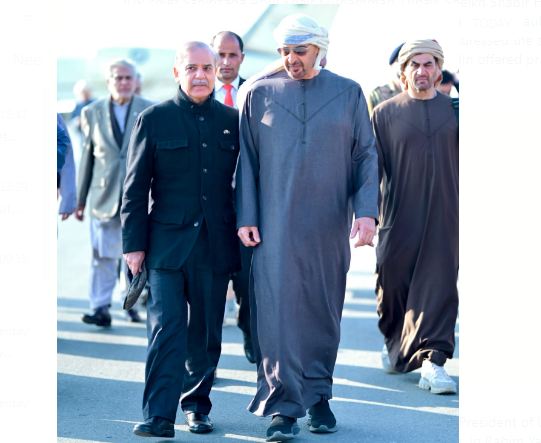
RAHIM YAR KHAN: /DNA/ – Prime Minister Shehbaz Sharif met today with His Highness Sheikh Mohammed bin Zayed Al Nahyan, President of the United Arab Emirates, at Rahim Yar Khan.

During the meeting, both leaders expressed their shared commitment to deepening economic, political, and cultural ties. They discussed a wide range of issues, including economic collaboration, regional stability, climate change, and the promotion of mutual interests on the global stage.

Prime Minister Shehbaz Sharif praised the UAE’s visionary leadership and its role as a key partner for Pakistan in development and investment. He underscored Pakistan’s readiness to expand cooperation in sectors such as renewable energy, technology, trade, infrastructure and skill development.

His Highness Sheikh Mohammed bin Zayed Al Nahyan highlighted the UAE’s keen interest in collaborating with Pakistan in the mining, minerals, and agriculture sectors. He expressed admiration for the manner in which Pakistan’s economy has stabilized and is moving in the right direction under the leadership of Prime Minister Shehbaz Sharif. He emphasized that this renewed economic vigor has created prospects for enhanced bilateral investment and collaboration.

In his remarks, His Highness also reiterated the UAE’s commitment to enhancing its longstanding partnership with Pakistan, emphasizing the importance of people-to-people connections and shared prosperity.

Prime Minister Sharif extended his gratitude to His Highness for the UAE’s unwavering support during critical times, particularly in humanitarian assistance and development aid. Both leaders reaffirmed their dedication to peace and progress in the region, vowing to work closely on matters of mutual interest.

The meeting concluded with a joint resolve to foster greater cooperation, particularly in priority sectors, ensuring a brighter future for both nations.

South Korea’s Strategic Future in a Nuclear World

South Korea’s Quest for Nuclear Deterrence

Dr. Muhammad Akram Zaheer

Taiwan’s foreign policy framework is fundamentally influenced by its interactions with both China and the United States, leaving it relatively unconcerned about recent developments in South Korea’s nuclear policy. Hypothetically, if China were to make explicit nuclear threats against Taiwan, Taipei might reassess its stance on nuclear armament. However, Beijing, unlike Pyongyang, has strategically refrained from employing such provocative rhetoric. Historically, the intricate and often contentious dynamics between Japan and South Korea have compounded the challenges in Tokyo-Seoul relations. Nonetheless, the nuclearization of North Korea over the past 18 years has not catalyzed Japan’s pursuit of nuclear weapons, making it improbable that South Korea’s potential nuclearization would provoke such a shift today. Moreover, Japan’s strong anti-nuclear sentiment, deeply rooted in the trauma of Hiroshima and Nagasaki, continues to serve as a significant deterrent against any nuclear ambitions.

The underlying drivers of South Korea’s interest in nuclearization are distinct from the circumstances in Japan and Taiwan. In Seoul, the debate is motivated by the pressing nuclear threat posed by North Korea, a scenario that neither Tokyo nor Taipei currently faces. Another pertinent concern associated with nuclear proliferation is safety. New nuclear states are often scrutinized for their potential mismanagement of nuclear arsenals or the risk of these weapons being diverted to unauthorized entities. While such apprehensions are legitimate, they appear less applicable in South Korea’s context. The nation’s robust democratic institutions, as evidenced by the parliament’s rejection of the president’s unexpected martial law declaration and the subsequent public backlash, underline the strength of its civilian oversight and governance. Furthermore, South Korea’s extensive experience in managing a civilian nuclear power industry for decades instills confidence in its capacity to safely handle nuclear materials and ensure stringent command and control over its arsenal. Critics, particularly among South Korean progressives, argue that nuclearization could exacerbate North Korea’s nuclear and missile programs while undermining prospects for peace on the Korean Peninsula. However, this perspective appears increasingly outdated. For decades, Pyongyang has leveraged Seoul’s nuclear restraint to advance its own arsenal, with minimal connection between North Korea’s nuclear decisions and South Korea’s actions. North Korean leadership has unequivocally indicated its intent to retain its nuclear weapons, irrespective of external factors. Paradoxically, the threat of South Korea’s nuclearization may serve as a catalyst for negotiations with Pyongyang, in contrast to the ineffectiveness of continued restraint.

Despite these arguments, South Korean nuclearization is not devoid of risks. If Seoul were to advance its nuclear program, Pyongyang might resort to preemptive measures, such as missile strikes targeting South Korean nuclear facilities, potentially triggering the very conflict North Korea seeks to avoid. However, South Korea is likely to adopt a strategic approach, ensuring that its nuclear infrastructure is well-defended and dispersed, rendering a successful preemptive strike by North Korea highly improbable. Moreover, the repercussions of such an aggressive action by Pyongyang would be catastrophic, galvanizing global opposition and diminishing any strategic gains North Korea might seek. Beyond North Korea, potential responses from China and Russia merit consideration. Both Beijing and Moscow have historically demonstrated limited commitment to curbing North Korea’s nuclear ambitions. In recent years, Russia’s alignment with North Korea has grown stronger, potentially complicating South Korea’s nuclearization trajectory. While Moscow might employ tactics such as cyberattacks or increased support for Pyongyang, its economic leverage over Seoul remains minimal, particularly following South Korea’s sanctions against Russia in response to the Ukraine conflict. Similarly, China, despite its significant economic ties with South Korea, has contributed to the security dilemma by refraining from taking decisive action against North Korea’s nuclear advancements. While Beijing might resort to economic sanctions in response to South Korea’s nuclearization, Seoul’s efforts to diversify its economic partnerships, including a shift towards the United States as a primary trade partner, have mitigated its vulnerability to Chinese pressure. Strategically, South Korean nuclearization offers potential benefits for the United States, despite initial apprehensions. A self-reliant South Korean nuclear deterrent could alleviate the burden on Washington to provide direct nuclear coverage, reducing the risk of the U.S. homeland being drawn into a potential conflict with North Korea or China. Moreover, a nuclear-armed South Korea could serve as a regional deterrent within the U.S. alliance framework, akin to the roles of France and the United Kingdom in Europe. Such an arrangement would enable Seoul to shoulder greater responsibility for its security, aligning with long-standing U.S. demands for its allies to enhance their defense capabilities and reduce dependency on American guarantees. The United States’ insistence on strict adherence to nonproliferation principles often undermines its allies’ strategic autonomy. Historical precedents, such as the U.S. opposition to West Germany’s nuclear aspirations during the Cold War, illustrate the tensions inherent in such policies. Coercive measures, including economic sanctions or exclusion from nuclear material markets, risk alienating allies and undermining the liberal democratic values that the United States seeks to promote. In South Korea’s case, allowing greater strategic autonomy would not only strengthen bilateral ties but also enhance regional stability by addressing the security challenges posed by North Korea’s expanding arsenal.

Intermediate options, such as the redeployment of U.S. tactical nuclear weapons to South Korea or a nuclear-sharing arrangement, offer potential compromises. However, these measures are fraught with limitations, including the persistent fear of U.S. abandonment and the challenges of ensuring credible deterrence. A more viable alternative might involve South Korea pursuing a “nuclear latency” strategy, wherein it develops the capability to rapidly produce nuclear weapons without crossing the threshold of actual weaponization. While such a strategy could provide a deterrent effect without violating international norms, it also risks provoking international backlash if perceived as de facto nuclearization.

Ultimately, South Korea’s pursuit of nuclear weapons reflects a broader shift in regional security dynamics and the limitations of existing nonproliferation frameworks in addressing asymmetric threats. By achieving a limited yet survivable nuclear arsenal, Seoul could restore inter-Korean nuclear parity, enhance its strategic independence, and contribute to the broader stability of East Asia. For the United States, accommodating South Korea’s nuclear aspirations, rather than obstructing them, represents a pragmatic approach that balances regional security imperatives with the principles of alliance management and liberal internationalism.

Muslims can fight Israel or Zionist powers only by uniting, Hasan Nourian

Muslims can fight Israel or Zionist powers only by uniting

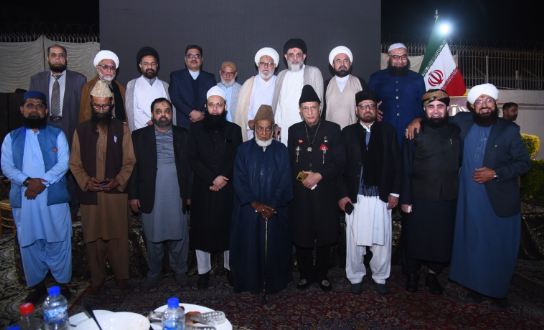
KARACHI, JAN 5 /DNA/ – The Consul General of the Islamic Republic of Iran, posted in Karachi, Hasan Nourian has said that Muslims can fight Israel or the Zionist powers only by uniting, the enemy wants Muslims not to unite, so that their ambitions can be fulfilled, speaking at the seminar on the anniversary of General Qasim Soleimani and the day of the international protest movement.

JUP chief Sahibzada Abul Khair Muhammad Zubair, Sheikh Shabir Hasan Mohsami, Ayatollah Ghulam Abbas, Allama Baqir Abbas Zaidi, Maulana Azad Jameel, Shah Feroze Rahmani and others also addressed the seminar, on this occasion, Sheikh Muhammad Hassan Salahuddin offered prayers.

Hassan Nourian further said that Israel has committed the worst war crimes. More than 50,000 people have been martyred in Israel and 100,000 people have been injured, ”Israel considers the areas of Iraq, Saudi Arabia, Syria and other countries to be its part and wants to occupy these areas too”. He said that the movement that has started for the freedom of Bait-ul-Maqdis is not only a movement of individuals, but it has become a movement of the Islamic world. ”The countries that shout on human rights are the countries with most in-human actions”, that the day is not far when the Palestinians will get their right and Israel and its followers will have to eat what the sow.

He said that Iran and Pakistan have always supported the Palestinians.

Sahibzada Abul Khair Muhammad Zubair said that all the martyrs, including Qasim Soleimani, have died on the right path and have given a clear message to Israel that it will face humiliation and disgrace at all levels. He said that Qassem Soleimani was such a popular figure that America celebrated his martyrdom, a section wants to create disunity among Muslims, we have to understand this. Baqir Abbas Zaidi said that this is a struggle that has given a clear message to the world that people cannot be suppressed by force, Israel is not fighting a war, but is killing innocent children.

Asadullah Bhutto said that the great virtue of Iran is that it has made Muslim countries united against atrocities, today there is an effective voice against Israel in the entire Islamic world, the time is not far when Israel will also be divided. Feroze Rahmani said that it is necessary for 57 Islamic countries to make the United Nations of Muslims, when so many countries speak together, a message of solidarity will be sent. Azad Jameel said that instead of verbal accumulation, boycott the products of America and Israel, so that the money that America and Israel get will cut off.

PEMRA elevates Muhammad Tahir Sheikh to Executive Director General position

PEMRA elevates Muhammad Tahir Sheikh to Executive Director General position

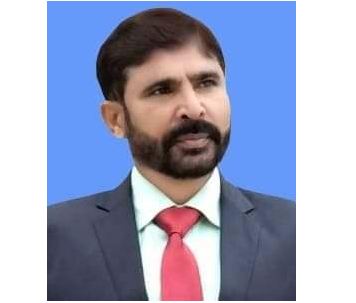
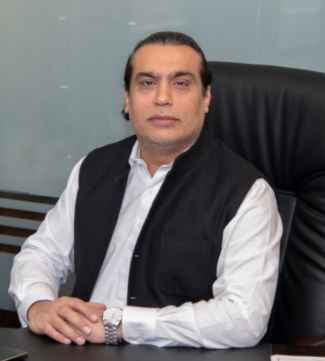
ISLAMABAD, JAN 5 /DNA/ – Muhammad Tahir Sheikh promoted as Executive Director General in PS 21. Chairman PEMRA Muhammad Saleem promoted him on the basis of extra ordinary performance as Director General. Mr. Tahir joined PEMRA in 2003 and become part of the pioneer team who established the regulatory framework for electronic media in private sector.

He had served in various positions and departments in the Authority, Licensing, Admin, Enforcement/ Operations and Public Relations. He is official spokesperson of the Authority and had represented Authority at various national and international forums.

Stay Connected

64FansLike
60FollowersFollow

Latest Reviews

Exchange Rates

USD - United States Dollar
EUR
1.17
GBP
1.35
AUD
0.72
CAD
0.73