Home Blog Page 713

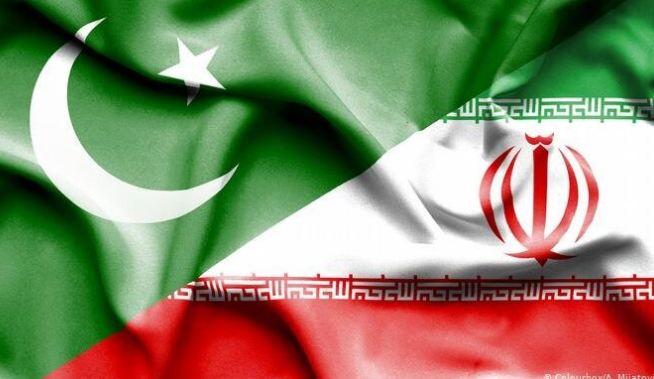
Ishaq Dar, Iranian FM Ali Bagheri discuss Gaza crisis over phone

Ishaq Dar

ISLAMABAD, JUN 2 /DNA/ – Deputy Prime Minister and Foreign Minister Mohammad Ishaq Dar @MIshaqDar50 today received a telephone call from Acting Foreign Minister of Iran Ali Bagheri.

They discussed the situation in Gaza and unabated Israeli atrocities there. The Deputy Prime Minister reiterated Pakistan’s full support for all initiatives aimed at ending the genocide in Gaza and for humanitarian relief to the Palestinian people.

Wapda wins All Pakistan M Majid and Abdul Nasir Memorial Basketball Tournament

Wapda wins All Pakistan M Majid and Abdul Nasir Memorial Basketball Tournament

By our correspondent

ISLAMABAD: Pakistan Wapda emerged victorious in a nail-biting showdown against Pakistan Air Force, clinching the All Pakistan Muhammad Majid and Abdul Nasir Memorial Basketball Tournament on Sunday here at Siddique Memon Sports Complex Karachi organized under the umbrella of Pakistan Basketball Federation (PBBF).

In a fiercely contested match, both teams displayed exceptional skills and tenacity, battling until the final moments. Wapda, however, seized control in the last quarter, securing a thrilling 68-67 points victory. Zainul Hassan of Wapda emerged as the hero of the day, contributing a stellar performance with 34 points, while teammate Muhammad Israr added 10 points, respectively.

Despite a valiant effort from PAF, Wapda’s dominance in the closing stages proved decisive. Umair Jan led the scoring for PAF with 26points, followed by Umair Siddiqui with 12 points.

Managing Director of United Medical and Dental College Dr. Bilal Faiz was the chief guest of concluding ceremony who presenting the winning trophy to the captain of the Pakistan Wapda team while Pakistan Basketball Federation (PBBF) Secretary General Khalid Bashir, Karachi Basketball Association (KBBA) President Muhammad yaqoob, Tournament chief organiser Dr. Umer Daraz Khan, PBBF Associate Secretary Yaqoob Qadry and others dignitaries were also present during the concluding ceremony.

Earlier In the third position match, Punjab Rangers secured a convincing 72-61 points victory against Islamabad, claiming the third position.

Late Muhammad Majid and late Abdul Nasir represented Pakistan as well as in national events for a long time and the purpose was to organise the memorial tournament for the recognition of their great love and services to the game of basketball.

“Unpacking Alvi’s 7-Points

Qamar Bashir

By: Qamar Bashir

After his retirement as President and Supreme Commander of the Armed Forces, Dr. Arif Alvi, following a brief period of hibernation, has proposed a 7-point plan as a starting point for all stakeholders currently at an impasse, unsure of their next moves. However, at this point, the plan is vague and may only gather weight and effectiveness as time passes.

Currently, it raises many questions. For example, while the plan suggests that all stakeholders should come to the table, it fails to specify who these stakeholders are. The biggest stakeholder is the supra-executive, which, although holds de facto power, lacks any legal or constitutional role in purely political matters.

The dilemma is that, de jure, this body is the most ardent, effective, influential, and powerful entity, exercising full control over election results and having the final say in domestic and foreign affairs, as well as business, finance, economy, and investment. Therefore, any political deal without its willing consent and agreement will be a farce, having no real consequence or impact.

The other stakeholders include PML(N), PPP, and MQM. However, the official stance of PTI is that since these parties are beneficiaries of Form 47, PTI will not engage in any dialogue with them. PTI’s second condition for considering them as stakeholders is even more stringent: the return of their “stolen” mandate. Agreeing to this condition would be akin to a death knell for these parties.

The catch is that if the supra-executive body agrees and joins hands with PTI, the governments in the Centre and the provinces of Punjab and Balochistan would collapse like houses of cards—an extremely unlikely scenario. Therefore, if Dr. Alvi is able to persuade his own party to accept his 7-point plan, PTI would need to roll back its narrative of refusing dialogue with PML(N), PPP, and MQM.

His second point is more dramatic, literary and innovative. It says Zoom out, go to the balcony, have a bird’s eye view of the problem, understand the gravity of the situation. It emphasizes the need for a broader perspective on the current political crisis. By advocating for this approach, Dr. Alvi wants stakeholders to gain perspective and move beyond immediate conflicts and narrow viewpoints. For instance, rather than focusing solely on recent disputes, they should consider the historical context and how past political maneuvers have led to the present situation. This broader understanding can help in identifying underlying issues that need addressing, rather than just treating the symptoms of the crisis.

Additionally, Dr. Alvi encourages stakeholders to assess the gravity of the situation and understand the potential long-term consequences if the current trajectory continues. This involves recognizing the broader impact on political stability, governance, and national unity. For example, a failure to resolve the political deadlock could lead to economic instability and diminished public trust in government institutions. By appreciating the full scope of the crisis, stakeholders can better appreciate the urgency and importance of finding a sustainable resolution.

In his second point,  Dr. Alvi calls for strategic thinking and inclusive solutions. He suggests that stakeholders metaphorically “go to the balcony” to step back from the fray, allowing for a more neutral and objective assessment of the situation. This can lead to more effective and impartial solutions. This collaborative approach is essential for addressing complex issues and finding a path forward that benefits the nation as a whole.

Dr. Alvi’s third point emphasizes the necessity of reducing emotions, anger, and egos among the stakeholders involved in the political crisis. He advocates for a more composed and rational approach to problem-solving, where decisions are not driven by personal grievances or heated emotions. For instance, political leaders must set aside their personal animosities and focus on the greater good, engaging in constructive dialogue rather than confrontational rhetoric.

Dr. Alvi’s fourth point is about looking for and building a bridge to the other side underscores the importance of fostering reconciliation and collaboration among political stakeholders. He encourages all parties to view each other not as enemies but as partners in the pursuit of national stability and progress. By promoting a spirit of forgiveness and moving forward with mutual guarantees, stakeholders can overcome past grievances and work together constructively. This involves setting aside past conflicts and focusing on common goals, such as economic development, social welfare, and political stability.

Dr. Alvi’s fifth suggestion is to talk about each other’s fears and handle them and highlight the importance of empathetic communication in resolving political conflicts. He advocates for an open dialogue where stakeholders can express their concerns and anxieties candidly, creating an atmosphere of mutual understanding. For instance, political parties might fear loss of power, public backlash, or economic instability. By openly discussing these fears, parties can better understand each other’s perspectives and motivations, which can help in identifying common ground and developing strategies that address these concerns. This process not only builds trust but also allows for the creation of solutions that are sensitive to the fears and needs of all parties involved, paving the way for a more cooperative and less adversarial political environment.

The sixth point is even more important. The  worst alternative to a negotiated settlement entails prolonged political deadlock, escalating tensions, and potential unrest. Without a willingness to engage in constructive dialogue and compromise, parties may resort to extreme measures such as political sabotage, mass protests, or even violence, leading to further polarization and instability. This scenario not only undermines democratic principles but also poses significant risks to the nation’s social cohesion, economic prosperity, and international reputation. Moreover, failure to reach a settlement prolongs uncertainty, exacerbating investor concerns and hindering much-needed reforms.

The last point concludes once the other six points are complied with. To effectively address the current political crisis, stakeholders must zoom in and focus on solving the underlying issues through proactive and collaborative efforts. This involves engaging in meaningful dialogue, identifying common goals, and exploring pragmatic solutions that address the root causes of the conflict. By prioritizing constructive engagement over partisan interests and ego-driven agendas, stakeholders can foster trust, build consensus, and pave the way for a sustainable resolution. Moreover, zooming in allows for a more nuanced understanding of the specific challenges at hand, enabling stakeholders to tailor solutions that are responsive to the needs and concerns of all parties involved.

The plan is both pragmatic and practical, offering a promising starting point to end the tumultuous period marked by unnecessary egoism and personal agendas. It encourages a shift towards prioritizing the greater national interest—a concept often mentioned but frequently overlooked.

By: Qamar Bashir

Former Press Secretary to the President

Former Press Minister to the Embassy of Pakistan to France

Former MD, SRBC

CPNE Elects New Leadership: Irshad Arif President, Aijaz Ul Haq Secretary General

CPNE Elects New Leadership: Irshad Arif President, Aijaz Ul Haq Secretary General

ISLAMABAD, JUN 2 /DNA/ – Council of Pakistan Newspaper Editors (CPNE) held its annual elections in Karachi on 31st May 2023. The elections witnessed active participation from the member editors of the council, highlighting the commitment to upholding journalistic standards and integrity in Pakistan.

In a significant development, Irshad Arif Editor in Chief of 92 News was elected as the President of CPNE & Aijaz Ul Haq Managing Editor of Express Group was elected as the Secretary General. Election in the highest and esteemed body of editors of Pakistan is expected to strengthen the operational aspects of the CPNE, ensuring that the council remains a robust advocate for the rights and responsibilities of newspaper editors across the country.

Tahir Farooq Editor in Chief of Daily ITTEHAD Media Group & Pakistan Economic Net was elected unopposed as the Vice President of Council of Pakistan Newspaper Editors of Khyber Pakhtunkhwa chapter. A veteran journalist, Tahir Farooq has always stood up for the rights of media and journalists, earning respect and admiration from his peers for his unwavering dedication to the cause. Tahir Farooq was appreciated for his outstanding work in the year 2023/2024.

Farooq held the chairmanship of the Foreign Relations Committee, his efforts in connecting with international organizations were widely lauded. His work has significantly contributed to strengthening the ties between the journalistic community and international representatives, promoting better understanding and cooperation.

Farooq has contributed in different committees of the Council of Pakistan Newspaper Editors.  In the capacity of Vice President of CPNE he filed petition in the honorable Peshawar High Court for the recovery of long outstanding dues of newspapers of Pakistan.

The newly elected officials have expressed their dedication to fostering a free and responsible press in Pakistan. They aim to address the challenges faced by the media industry and work towards enhancing the role of newspapers in promoting informed and balanced public discourse.

CPNE has vowed to fight for the rights of journalists and media in Pakistan and spearhead the struggle for freedom of speech in the country.

Real estate – Paying price of an economic gimmickry

Real estate – Paying price of an economic gimmickry

ISLAMABAD, JUN 02 (DNA) — Billions of rupees black money was thrown to the real estate basket when former Premier Imran Khan announced incentives for tax evaders, paving way for whitening their black money and resultantly creating an artificial boom in this sector. Seeing the market dynamics hundreds of thousands common people with moderate income also stepped in having a desire to buy some property for their kids and future needs.

But, they were mistaken as the bulk investors sold out their properties to individual buyers and made their way leaving them in turmoil.If some invested their retirement dues, the others invested their savings or the provident fund money – they were accumulating penny after penny over the decades with an innocent desire of getting their children married after earning some profit by selling their plots.

But, swayed by desire to have an abode, they fall prey to real estate tycoons least knowing about their exploitive tendencies and plans to suck their hard earned money. Some developers and builders described the PTI era boom in real estate as a bubble that when burst, washed away the belonging of hundreds of thousands small investors leaving them in dire desperation.

“This policy of the previous government was a severe blow to real estate sector as the tax evaders escaped by whitening their money and faulty policies supplemented by economic recession struck billions of rupees of common people,” said a builder Falak Khan. “The previous government ruined real estate sector. The artificial bubble has burst leaving hundreds of thousands investors in lurch.”

He opined that a gradual development in this sector could have ensured sustainability. “But, abruptly forging ahead has trapped local investors as well as overseas Pakistanis. Therefore, the government should seriously look into this crisis and bail out small investors.” Seeing the series of events, one can easily understand how the poor people are deprived of their money. Firstly, there is a bobby trap of small down or advance payment; then an affordable installments payment plan and promises of early delivery of plots.

But, when there is good response in buying files, the society owners oversell files meaning that more files than the actual land acquired for a society. Once the bulk stock of files is sold out, they themselves float rumors that society does not have required land that result in panic selling of files by the investors.

Here step in the cronies of developers who artificially down the prices and buy back these files on lesser rates for the same developer, inflicting loss on average investors. For example if somebody has paid Rs 600,000 for a file, its market value is dropped to 20 to 40 percent and files are bought back by the same societies through their front men, eating up this 20 to 40 percent hard earned money of small investors and discard oversold files.

Then, the actual buyers in accordance with acquired land remain in field and start paying installments.Then comes the second phase wherein buyers are charged in the name of revised land rate, development charges and plots allocation in different sectors. Faulty balloting mechanism by many societies on a pick and choose basis also affect common investors.  “This is an engineered propensity. All this is done by a few property giants willfully to eat up poor people money,” said a real estate agent Aamer Chaudhry. “These societies keep changing their policies, perplexing the buyers as well as agents.”

“This is a vibrant sector and can contribute well to national economy if the major players in real estate and the corrupt government officials are reigned in properly,” he remarked. “After agriculture and industrial sectors, this sector was an equal hope for common people and low income groups. But, its recession has left them in a miserable condition.” The most painful segment of the story is that some developers who launch a housing society, does not have land compatible to sold out files as many among them purchase small patch of land, construct an attractive entrance and some development to attract investors.

Then after selling files they purchase the remaining land with the investor’s down payment money and   except the initial investment on small patch of land, they extract rest of money for land purchasing from small investors. This vicious circle keeps benefitting the rich and inflicting losses on common investor as in many cases they are totally deprived of their money when the developers vanish from the scene.

“Certain modalities must be specified for real estate sector ensuring that no small investors are trapped again by property tycoons,” said an investor Asif Mahmood. “If after every few years, people will keep suffering massive losses in this sector, it will shake their confidence. Where should we go after investing money in these societies and then keep waiting for years for plots.”

“Every society must bound to legally acquire land, restricted from files over selling, introduce affordable payment plans without hidden charges, judicious balloting and on time development and possession,” he added.

This gloomy picture calls upon the federal and provincial governments to lay down a strict mechanism for developers, societies’ owners and real estate agents by completely overhauling the rules and laws for this sector to save the hard earned money of small investors. — DNA

Interior Minister Mohsin Naqvi cracks down on passport delays at London Centers

Interior Minister Mohsin Naqvi cracks down on passport delays at London Centers

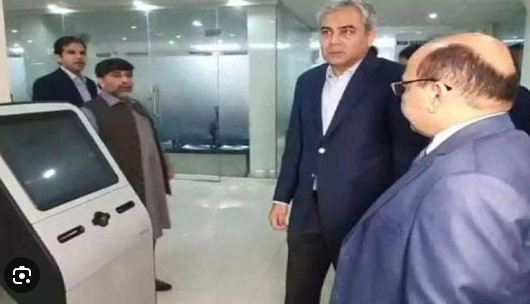
LONDON, JUN 2 /DNA/ – Federal Interior Minister Mohsin Naqvi on Wednesday visited the passport and NADRA centers in London and took notice of the delays in issuance of passports to the overseas Pakistanis. The Interior Minister ordered that urgent passports should be issued within 7 days and normal passports within 30 days, directing that this policy should be implemented at all Pakistani missions worldwide.

Previously, overseas Pakistanis had to wait for 4 months for a normal passport and one and a half month for an urgent passport. The Interior Minister emphasized that any delay in issuing passports would not be tolerated and action would be taken against officials responsible for it.

To ensure timely delivery of passports, the Interior Minister established a monitoring cell, which would be headed by his PSO, ASP Sher Bano Naqvi. Overseas Pakistanis who do not receive their passports within the specified time can file a complaint at the following email address:

[email protected]

The Interior Minister also took notice of the staff shortage at passport and NADRA centers and directed effective staff management to address the issue. During his visit,  Mohsin Naqvi met with the staff of the passport and NADRA centers and directed them to issue passports to overseas Pakistanis within the specified time. He appreciated the performance of NADRA staff and encouraged them to continue providing efficient services to overseas Pakistanis.

Interior Minister also met with overseas Pakistanis present at the centers and inquired about their issues. Pakistan’s High Commissioner to the UK, Dr. Mohammad Faisal, was also present on the occasion.

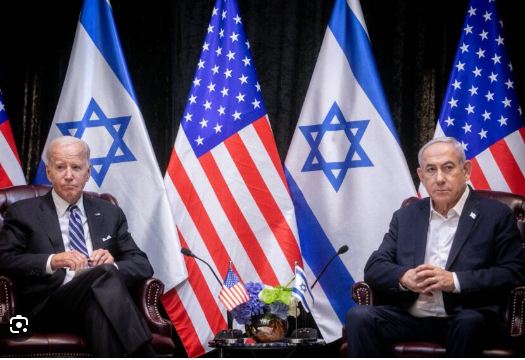
Netanyahu Aide: Biden’s Gaza plan ‘not a good deal’ but Israel accepts it

Netanyahu Aide: Biden's Gaza plan 'not a good deal' but Israel accepts it

JERUSALEM, JUN 2 /DNA/ – An aide to Prime Minister Benjamin Netanyahu confirmed on Sunday that Israel had accepted a framework deal for winding down the Gaza war now being advanced by US President Joe Biden, though he described it as flawed and in need of much more work.

In an interview with Britain’s Sunday Times, Ophir Falk, chief foreign policy advisor to Netanyahu, said Biden’s proposal was “a deal we agreed to — it’s not a good deal but we dearly want the hostages released, all of them”.

“There are a lot of details to be worked out,” he said, adding that Israeli conditions, including “the release of the hostages and the destruction of Hamas as a genocidal terrorist organisation” have not changed.

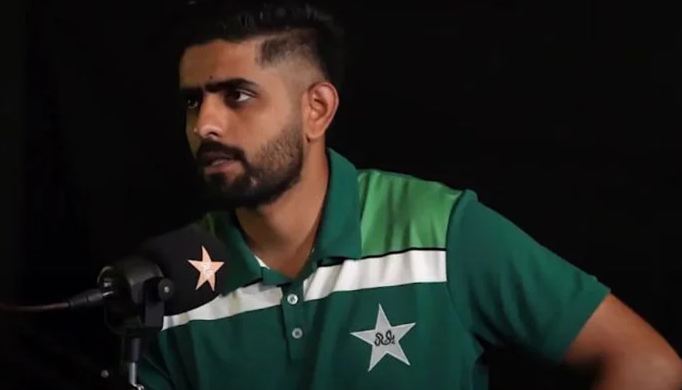
Babar Azam opens up on ‘pressure game’ as Pak vs Ind T20 World Cup clash on June 9

Babar Azam opens up on 'pressure game'

ISLAMABAD, JUN 2: As Pakistan gears up to kick off its journey in the T20 World Cup 2024, skipper Babar Azam has acknowledged that there will be some nerves in the match against arch-rivals India in the tournament.

“The whole world is focused on the day when the Pakistan-India match is held. Naturally, there will be nerves,” Babar said while speaking on a Pakistan Cricket Board’s (PCB) podcast.

Noting that the rivalry between the two countries is always the most talked about, Babar said that the team was focused on the June 9 match as the players too get a different vibe and excitement since the clash is always the most talked about and is discussed globally.

Stressing the need to focus and stick to the basics, the skipper said things will get easier if the players are able to keep themselves calm and maintain belief in their own skills and hard work.

“It is always a pressure game,” he added.

Hopeful to lift trophy
Furthermore, despite coming off from a 2-0 defeat in the recently concluded series against England, Babar said that he hopes to lift the trophy and that they have to give their best in each match to materialise this goal.

“I am happy and excited because when you go to play in a major event […] the hope is always to lift the trophy, but for that to happen, we have to play top cricket against every side,” he noted.

On the conditions that the Men in Green might face in the United States, Babar acknowledged that they can in fact pose a challenge as it will be the side’s first instance playing in the US.

“We are in the process of collating various cricket and match-related information from players who have played there, which can help and assist us in our preparations,” he said.

Stressing that the team can only control their own efforts on the pitch and not the results, the right-handed batter underscored the significance of how the players present themselves in the ground, their body language and communication.

Reflecting on his own accomplishments as a captain, Babar said that although he has performed “decent” by winning a few series, he acknowledges that winning an International Cricket Council (ICC) tournament is a different thing altogether.

“Lifting the ICC trophy is a different motivation. You go to a different level and get a lot of praise. So, the motivation, aspiration and dream remain to lift an ICC trophy and present it to Pakistan,” he noted.

Hurtful past
Recalling the Green Shirts performances in previous editions of the World Cup, Babar lamented that despite the team’s good performances they were unable to see those tournaments to the end to lift the trophy.

“Unfortunately, we could not finish on a high. We were also runners-up in the Asia Cup 2022. So, at the back of our minds, we are thinking about how we have played two finals and a semi-final and how we can overcome the mistakes that derailed our campaigns,” he said.

He further remarked that the team could’ve won the T20 World Cup 2021 semi-final against Australia.

“I think the semi-final we lost against Australia, we could have won that. In that match, fielding was the reason that made a different impact.

“If we had bowled two or three dot balls in the final stages, then the pressure would have got to them. But we lost as a team and not due to an individual,” the skipper noted.

He further added: “For me, in 2022 [World Cup], we could and should have won the India game, but they took it away.”

“Shaheen’s [Afridi] injury was impactful because, at that time, the pressure was on them [England]. We were forced to give an over to a spinner and that made a difference,” he said while recalling the T20 World Cup 2022 loss against England in the final.

However, Babar termed the loss against Zimbabwe as the most hurtful one and said: “It hurts more because we had played good cricket against India and people were praising our performance and fightback.”

APBF emphasizes need for transparency to instill confidence in investors

APBF emphasizes need for transparency to instill confidence in investors

DNA

ISLAMABAD, JUN 2: Emphasizing the need for transparency for instilling confidence in the business community and investors to attract investment the All Pakistan Business Forum (APBF) has asked the government that its strategies should not only focus on short-term but also cover a long-term vision for speedy economic growth.

APBF President Syed Maaz Mahmood emphasized that such transparency from the government is crucial, as the country has had trouble raising enough money to cover its expenses. He said that the domestic investment at the moment is alarmingly low which has sent a negative signal to the potential foreign investors and now is the time that the federal government should give some patient hearing to the private sector calling. He said if the government was seriously desirous of having economic turnaround in the coming years it would have to do two things that are: an immediate freeze on domestic and foreign borrowing and secondly put in place a well-tailored strategy to show-case Pakistan’s potentials to the outer world.

APBF Chairman Ibrahim Qureshi said that even though Pakistan’s economic crisis is a recurring factor in the country’s political unrest, it has a history of ignoring the nation’s true issues, which include poor governance, a broken judicial system, outdated laws, complicated tax system, lack of transparency, duplication in the government system, ineffective bureaucracy, improper use of our human, natural and water resources, lack of efficient local government, inadequate data for country’s planning, and the consistent flaws in policies in execution by the government departments.

Ibrahim Qureshi said that Pakistan’s GDP growth rate has always remained below its potential despite efforts to boost economic growth. He said that the development of important sectors and investment prospects was hampered by inadequate revenue collection, structural problems, and governance issues.

Syed Maaz Mahmood said that due to the low tax-to-GDP ratio, borrowing and outside help are heavily relied upon to close the fiscal imbalance. There is a recurring budget deficit because the government spends more than it takes in. The national debt burden has risen, as a result, needing substantial financial resources for debt repayment. Both internal and external debt in Pakistan has been constantly rising.

He called upon the government to announce clear and robust economic strategies, as the country has stuck in low economic growth situation, where double-digit policy rate for the last few years has diminished capacity to increase domestic production, and exports, negatively impacting domestic resource mobilization.

The APBF President said that the government will have its work sharply cut out as far as the economic challenges are concerned. Coming at the back of fast-unfolding climate change crisis that pushed millions into poverty with little fiscal capacity of government to provide anywhere near close to what was needed in stimulus spending. Then there is acute debt distress, and seriously high inflation at the back of global aggregate supply shock, and accentuated by a world of rising conflicts, mainly in Ukraine, and the Middle East.

Since it has been causing serious governance and economic issues for years, the cost of goods, food, petrol, and other necessities has increased, and inflation has almost reached 45 per cent, which is not bearable for the common man. On the other hand, there has been an increase in dissatisfaction among the public that no state institution is performing well and to save them from the haughtiness and bad administration pervasive in the system.

Doha Summit: A chance of “loss and win” for Taliban regime    

Global Misperceptions

Shamim Shahid Abdul Waheed

In order to participate in third conference scheduled to be held at Doha, Qatar on June 30th till July 3 next,  regarding ongoing situation and future prospects of Afghanistan, the Taliban leaders governing Kabul have held talks with representatives of the United Nations and Qatar, and come up with the demand of Afghanistan seat in United Nations.

In connection with making successful the event, UN Secretary General’s representatives are touring the region. The UN representative had visited Kabul couple of days back and held details conversations with Taliban office holders. Taliban leadership besides listening to UN officioals also handed over a list of its demands which included beside others recognition of its Emirate Islami and giving it the UN seat on permanent grounds.

Whatever might be its conclusion and decisions but almost sessions of over three days much important gathering to be attended by a number of countries, either having stakes or interested in ending of over four decades conflict in Afghanistan but Taliban’s decision banning girls’ education, ending women’s jobs and establishing an inclusive government are believed to be its main key terms on the agenda. But instead, Taliban wants to include its achievements like controlling drugs production and its eradication, improving security situation and combating the IS (Daesh) militants considering a serious threat to the global peace may be made part of the agenda.

But apart from UN and Taliban, others especially European and Far Eastern world would definitely highlight political and rights issues as no one is allowed to exercise just human rights, Since mid of August 2021, forced disappearance, mysterious target and extra judicial killing, detention of men and women, denying just rights of expression to media personnel, making mum and even killing and beating of singers, musicians and artists are considered routine matters across Afghanistan. It will also be hard for the global community to remain silent spectators to what happening at hands of gun-totting Taliban inside prison houses and detention centers with all those who have served the country in different categories. All those who either remained in civil or in security organs since November 2001 last are still treated by Taliban as “enemies and American agents.” Hundreds of such people are locked in prisons for undine since August 2021 last.

Except Russian Federation, nor any other country extended either any support to Taliban or willing to endorse its demand for giving representation in UN and recognition of its regime. Though Chinese are willing to recognize Taliban but they ( Chinese) are aware its prices. It could be hard for China to formally recognize Taliban regime before of any other member of international community. Pakistan is making conditional all of its support and cooperation to Taliban. Compare to recent past, Pakistan’s position on the issue of Afghanistan is now different but still it effecting rest of the worlds on the grounds of its domains over “Islamic hardlines.”

In such a circumstances, defending its case could be very hard for Taliban in much high profile Doha Conference, considered biggest event in Qatar after February 2020 last when the US and Pakistan backed Afghan Taliban signed an agreement. Through this agreement, Taliban succeeded in returning to power but they had failed in earning hearts of common Afghans who having no any concern that who is in power and who is governing Afghanistan but they are much more interested in peace and tranquility in their motherland.

On such grounds, participation of Taliban government Doha Conference would definitely requires with strong arguments, especially with a positive approach, adopting a flexible and showing a balanced flexibility in the framework of its internal and external responsibilities and obligations.  At the international level, the Taliban can communicate to the international community positive aspects of their achievements especially defending sovereignty and solidarity of the country, ensuring peace and tranquility and discouraging production of opium and its conversion in valuable commodities and its trafficking as well. Similarly patiently listening, understanding and  responding its positive assurances about common men ( Afghans) miseries from the participants/observers and HR  activists  could make beneficial the Taliban who are now reluctant to share powers with others despite commitments made in Doha February 2020 historical documents.

The Third globally applauded Doha conference might be a valuable opportunity for Taliban rulers as through it in return of international community’s demands pertained to honouring of human rights, allowing girls education and women to contribute in addressing economic needs of families, ending of political victimization and others, Taliban could easily cash its achievements. Doha conference could prove a golden chance for Taliban to review its all those internal and external shortfalls as Afghanistan is still on the bank of another global strategy, whereas US lead allies days and nights made hard by Russian federation on defense side and Chinese on economic side.

Attending the said meeting will certainly reduce sensitivity and mistrust of global community towards Taliban, calling also Emirate Islami Afghanistan. Through this event, Taliban could easily convey its messages to rest of the world and can easily convince some of community fellows in favour of its achievements. Similarly through this event, Taliban could easily convince rest of the world which is really interested in nothing else except ending of hostilities and return to peace and tranquility in the war devastated Afghanistan. Through this scheduled event, Taliban without support or assistance of any third party mediation, could easily response to reservations and observations of international community and can get a lot for the war affected people of Afghanistan. It is the time

Whatever might be the situation, Taliban must avail the opportunity otherwise its decision of didn’t attending the moot could be an emotional blunder. Though Taliban would call it an independence in decisions and didn’t bowing head to compromise its principles in according to their own interpreted Islamic doctrine but it would pose very bad impacts on the future of already over war devastated Afghanistan. It would make more isolate Afghanistan at the time when its sheltered banned Tehrik Taliban Afghanistan is considered a serious threats to its links with Pakistan and Russian Federation and some of Central Asian countries are considering Afghanistan sheltered IS militants a threat to its peace.

Stay Connected

64FansLike
60FollowersFollow

Latest Reviews

Exchange Rates

USD - United States Dollar
EUR
1.17
GBP
1.35
AUD
0.67
CAD
0.72