Home Blog Page 701

The U.S. Bans TikTok for the Wrong Reasons

Qamar Bashir

By: Qamar Bashir

Macomb, Detroit, Michigan

Today, when I woke up, like most people do nowadays, I checked my social media applications—especially TikTok. However, instead of opening as expected, I was greeted by a heartbreaking message: TikTok is finally banned in the USA, but there is hope that once Trump takes office, the ban may be reconsidered.

This ban disheartened many like me on multiple levels. First, it was not China but the USA—a country whose First Amendment explicitly prohibits laws restricting media freedom—that imposed the ban. Second, in nations like Pakistan and other authoritarian regimes, when platforms like YouTube, Facebook, or X are blocked, citizens often look to the USA as a beacon of free speech and seek its support in restoring access. Now, with the USA itself banning TikTok, authoritarian governments may use this as justification to suppress media platforms that challenge their narratives, citing the American precedent.

While such extreme measures are expected in third-world countries with fragile democratic institutions, for the USA—long considered the global flag bearer of democratic values and media freedom—this action is both unusual and damaging to its international reputation. The decision undermines the USA’s credibility in advocating for free speech and an open internet, raising concerns about the selective application of democratic principles.

The recent Senate confirmation hearing of Treasury Secretary nominee Scott Bessent provided a rare opportunity to gain insight into the mindset of U.S. policymakers. Through their deliberations, I was able to better understand the mindset behind such a drastic move and the broader implications of this unprecedented decision. During the hearing, TikTok emerged as a major point of concern among lawmakers from both parties, who viewed the platform as a national security threat and a potential tool for economic and political influence by the Chinese government. The discussion centered around fears of Chinese control over user data, the app’s impact on American youth, and its role in shaping public discourse.

Senators raised alarms about TikTok’s ties to the Chinese Communist Party (CCP) through its parent company, ByteDance, and the potential for the platform to be used for espionage, data collection, and even social manipulation. Some lawmakers pointed out that TikTok’s algorithm has an outsized influence on shaping public opinion, making it a potential vehicle for spreading disinformation and subtly influencing voter behavior. Others expressed concerns that TikTok’s data collection practices could allow the Chinese government to access sensitive information on millions of American users, posing a significant cybersecurity risk.

In response, some senators proposed forcing ByteDance to divest TikTok’s U.S. operations to an American company to mitigate security risks while preserving the platform’s existence. Others argued for a total ban, stating that no ownership transfer could fully eliminate the risk of covert Chinese influence. Meanwhile, opponents of the ban, including free speech advocates, warned that restricting access to a widely used platform undermines democratic values and sets a dangerous precedent for government intervention in digital media.

Senator Marco Rubio emphasized that TikTok is not just a social media app but a potential tool for geopolitical influence. He warned that China could use TikTok’s algorithms to subtly shape public opinion by suppressing certain political narratives while amplifying others, particularly during elections. Lawmakers also pointed to the risk of disinformation campaigns and accused TikTok of promoting narratives favorable to China while limiting exposure to content critical of Beijing’s policies.

The debate also focused on TikTok’s impact on American tech firms, with senators frustrated over its minimal oversight compared to heavily regulated U.S. companies. Senator Elizabeth Warren argued that TikTok enjoys an unfair advantage, benefiting from Chinese government support while American firms face strict regulations. Some senators claimed China restricts U.S. companies like Facebook and Google while allowing TikTok

The hearing also touched on the broader public debate surrounding TikTok. Lawmakers acknowledged that banning the app could provoke backlash from millions of American users, particularly younger demographics who rely on the platform for entertainment, business, and political engagement. Senator Cory Booker argued that while national security risks should not be ignored, lawmakers must also consider the economic impact on influencers and small businesses that depend on TikTok for income.

Some senators questioned whether banning TikTok would set a precedent for future actions against other foreign-owned tech companies. They warned that such a move could trigger retaliatory measures against American firms operating in China, further straining U.S.-China relations.

The entire reasoning cited for the TikTok ban appears to rest on shallow grounds. With the advanced technological capabilities at its disposal, the United States could have easily developed a robust system with stringent checks and balances to prevent the data of American users from being transmitted to China. Instead of outright banning the platform, regulatory frameworks could have been implemented to ensure data security while preserving free speech and market competition.

The justifications for the ban bear striking similarities to the narratives used to justify the Iraq War, where sweeping claims were made without substantial evidence. Now, as the U.S. government moves to ban TikTok, multiple narratives have emerged—many of which lack technical credibility or logical consistency. Instead of a measured approach, the decision appears to be driven more by geopolitical rivalries and economic protectionism rather than genuine concerns about national security.

Interestingly, Scott Bessent, Trump’s nominee for Treasury Secretary, refrained from taking a definitive stance given Trump’s known sympathy toward TikTok and his recognition of the platform’s significant role in his unprecedented election victory. Bessent carefully took a middle ground. He stated that he would support a thorough review of the app’s operations and its potential risks to national security while emphasizing that any decision should be based on intelligence assessments and should prioritize the protection of American user data.

The ban on TikTok was imposed just a few days before Trump’s inauguration ceremony. Had the decision been left to Trump, TikTok might still be operational today. However, at the same time, the timing of the ban conveniently absolved Trump from making a decision that could have posed serious questions about his commitment to upholding democratic values, where media freedom is considered one of the strongest pillars.

By: Qamar Bashir

Press Secretary to the President (Rtd)

Former Press Minister at Embassy of Pakistan to France

Former MD, SRBC

Medicines Dispatched to Parachinar: Secretary Health

Medicines Dispatched to Parachinar: Secretary Health

PESHAWAR, Jan 19 (APP):Following the directives of Chief Minister Ali Amin Gandapur and Health Advisor Ihtesham Ali, a significant consignment of emergency medicines has been dispatched to Upper Kurram, stated Secretary Health Adeel Shah on Sunday.

The medicines have been handed over to the Medical Superintendent (MS) of Parachinar to effectively manage the emergency situation, Secretary Health Adeel Shah confirmed.

A total of 4,000 kilograms of medicines worth 5 million PKR are being transported through two flights of the Government of Khyber Pakhtunkhwa’s MI-17 helicopter, he added.

Due to persistent road blockages and extreme cold weather, the demand for medicines in Kurram has significantly increased, explained Secretary Health Adeel Shah.

The MS of Parachinar had previously informed the authorities about the anticipated shortage of medicines, prompting a timely response from the Health Department to ensure the provision of medicines before any crisis, he noted.

In addition to emergency supplies, routine medicines are also being dispatched via helicopter for both Upper and Lower Kurram, confirmed Secretary Health Adeel Shah.

Apna panel sweeps Islamabad photojournalists association elections

Apna panel sweeps Islamabad photojournalists association elections

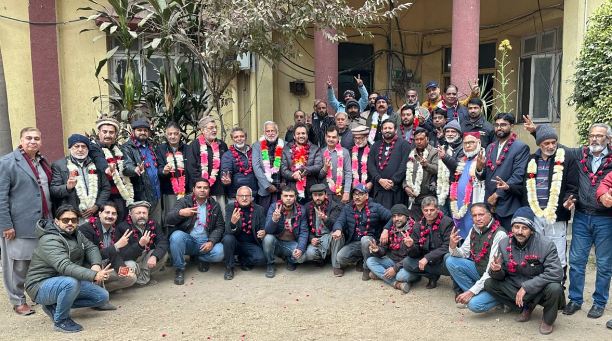
Photojournalist Association Election, Sajjad Haider President, Sohail Shahzad General Secretary, Jahangir Ch elected SV President

ISLAMABAD JAN 19: The annual election of Islamabad Photojournalists Association was held at Pindi Press Club, according to Chairman Election Commission Nasir Mir and member Aamir Lodhi, all the candidates of “Apna panel” won the election

The result was; Sajjad Haider President, Sohail Shahzad General Secretary, SVP Jahangir Chaudhry, Ch Javed and Mudassar Raja vice Presidents, M Asim Finance Secretary, Faisal Khan Joint Secretary and Syed Mehdi Information Secretary were elected.

 While the members of Governing Body Rizwan Khan, Habib Sheikh, Raja Zafar Hanif Khattak, Abid Zia, Sultan Bashir, Tahir Kazmi was also declared successful.

 87 photojournalists including senior photojournalist Javed Nasir, BK Bangash, Mazhar Khan, Latif Adil, Agha Mehroz, Tanveer Shahzad were present in this election.

Bangladesh PSO tours Karachi shipyard during defence engagement visit

Bangladesh PSO tours Karachi shipyard during defence engagement visit

KARACHI, JAN 19 /DNA/ – Principal Staff Officer (PSO) of the Armed Forces Division of Bangladesh, Lieutenant General SM Kamrul Hassan, visited Karachi, where he met with senior officials of Pakistan Navy. He called on Commander Pakistan Fleet, Rear Admiral Abdul Munib; Commander Coast, Rear Admiral Faisal Amin; and Managing Director of Karachi Shipyard & Engineering Works (KS&EW), Rear Admiral Salman Ilyas. During his visit, he also toured Pakistan Navy ships and units.

During these engagements, discussions focused on professional matters of mutual interests, including regional maritime security and bilateral defence collaboration. Various potential areas of cooperation were highlighted, such as joint military exercises, reciprocal visits, and training exchange programs between the two countries.

The visit of Lieutenant General SM Kamrul Hassan is expected to further strengthen defence ties between the two brotherly nations, enhancing cooperation and solidifying the bonds between the armed forces of Pakistan and Bangladesh.

TIKA provides vocational training support for children with autism

TIKA provides vocational training support for children with autism

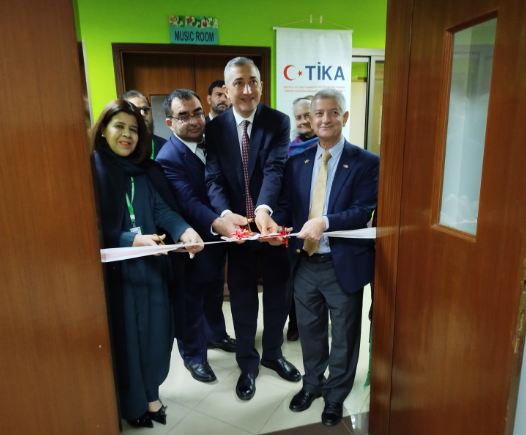
KARACHI, JAN 19 /DNA/ – The Turkish Cooperation and Coordination Agency (TİKA) has established pre-vocational training areas at the Sindh Institute of Physical Medicine and Rehabilitation to ease the integration of children with autism into life and provide them with preparatory opportunities for advanced vocational training. The pre-vocational training areas, which were renovated and equipped with furniture and electronic equipment, were inaugurated by Dursun Ali Yaşacan, Head of TİKA’s East and South Asia, Pacific, and Latin America (DOGAL) Department, and Cemal Sangu, Turkish Consul General in Karachi.

In his remarks following the inauguration, Dursun Ali Yaşacan emphasized that TİKA develops and supports projects worldwide to ease the lives of disadvantaged groups. He expressed his satisfaction in contributing to such a successful institution.

Consul General Sangu added that after touring all units, he witnessed firsthand the beneficial and successful services provided by the Institute. He expressed his gratitude to TİKA for choosing the right institution for the project and thanked the Institute’s officials for their dedicated services to Pakistan.

Dr. Irum Rizwan, Head of the Institute, highlighted the rapid increase in the number of individuals with autism worldwide, Noting that one out of every 100 children in Pakistan is autistic. She expressed her gratitude to TİKA for their support in helping these special children adapt to normal life.

A beneficiary mother, who has received rehabilitation services for her child for years, expressed her profound gratitude to TİKA and the Turkish people. She mentioned how the Institute’s vocational training helped her son develop skills and eventually find employment.

The Institute, established as Pakistan’s first training hospital for individuals with autism, provides rehabilitation and vocational training services to approximately 150 children daily. In addition to motor skills development and daily life activities, the Institute offers vocational training in crafts, lamination, and cooking, while also educating academics and students.

Pakistan forces thwart border infiltration attempt in Zhob: ISPR

Pakistan forces thwart border infiltration attempt in Zhob: ISPR

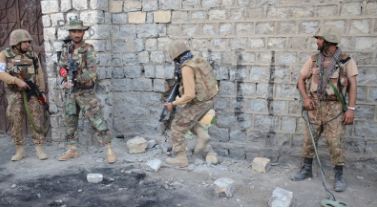
RAWALPINDI, JAN 19 /DNA/ – On night 18/19 January, movement of a group of khwarij, who were trying to infiltrate through Pakistan-Afghanistan border, was picked up by the security forces in general area Sambaza, Zhob District. Own troops effectively engaged and thwarted their attempt to infiltrate. Resultantly, five Khwarij were sent to hell.

Pakistan has consistently been asking Interim Afghan Government to ensure effective border management on their side of the border. Interim Afghan Government is expected to fulfill its obligations and deny the use of Afghan soil by Khwarij for perpetuating acts of terrorism against Pakistan.

Security Forces of Pakistan remain committed to secure its borders & eliminate the menace of terrorism from the country.

PIAF to take all associations on board to finalize budget proposals

PIAF to take all associations on board to finalize budget proposals

PIAF evolves two-pronged strategy to prepare proposals for the upcoming budget

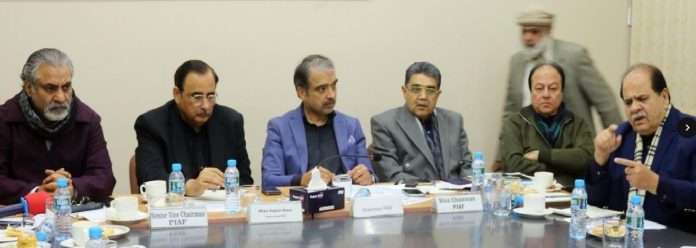
LAHORE, JAN 19 /DNA/ – The Pakistan Industrial and Traders Associations Front (PIAF) has decided to take all trade and industry associations on board for the preparation of budget proposals. The decision in this regard was taken at a meeting of the Parliamentary Committee of the Pakistan Industrial and Traders Associations Front (PIAF), which was held under the chairmanship of PIAF Chairman Faheem ur Rehman Saigol, with special participation of PIAF Patron-in-Chief and Vice President of the Saarc Chamber, Mian Anjum Nisar.

The meeting was attended by Lahore Chamber President Mian Abu Zar Shad, Senior Vice Chairman of PIAF Nasrullah Moghal, Vice Chairman of PIAF Tahir Manzoor Chaudhry, former Chairman of PIAF Mohammad Ali Mian, and Executive Committee members of PIAF and Lahore Chamber including Tanveer Ahmad Sheikh, Irfan Ahmad Qureshi, Abdul Majid, Shabaan Akhtar, Ahad Amin Malik, Rana Mohammad Nisar, Aamir Ali, Umar Sarfraz, Ahsen Shahid, Mian Muneeb Munnoo, Ali Imran, Firdous Nisar, and Amina Randhawa.

The PIAF chairman said that an effort would be made to give the government a set of suggestions that would help turn the upcoming budget business friendly. He said that the business community understands that government was utilising its best abilities to overcome the economic challenges but, at the same, the private sector considers itself duty-bound to tell the government of hitches. He said that the PIAF has evolved two-pronged strategy to prepare proposals for the upcoming budget.

The meeting also discussed the performance of PIAF and Lahore Chamber, along with other matters.

The meeting expressed satisfaction with the performance of the PPP alliance. On this occasion, Faheemur Rehman Saigol stated that in order to maintain our mandate, we must further improve our performance for the upcoming elections. PIAF stands with the business community during difficult times and stays in touch with its members throughout the year, coordinating with relevant authorities to resolve issues.

Mian Anjum Nisar mentioned that all stakeholders should prepare budget proposals in a timely manner and follow up with the relevant departments for success. He expressed deep concern over the country’s deteriorating economic situation and urged members to develop practical suggestions and action plans to address the country’s fundamental issues. Financial decision-makers should formulate policies that promote industrial progress and financial prosperity, which would lead to increased local production and exports. For this purpose, affordable natural energy should be included in the priorities. The growth of trade and industrial activities, along with improvements in the energy sector, will drive the national economy’s growth rate.

On this occasion, Lahore Chamber President Mian Abu Zar Shad, former President of Lahore Chamber, and former Chairman of PIAF, Mohammad Ali Mian, also addressed the meeting.

Celebrations erupt in war-torn Gaza as 15-month-long Israeli atrocity finally ends

Celebrations erupt in war-torn Gaza as 15-month-long Israeli atrocity finally ends

GAZA, JAN 19: Israeli PM’s office says three hostages to be freed after 1400 GMT today, four more in seven days as ceasefire comes into effect.

13 children beggars taken into protective custody

13 children beggars taken into protective custody

                MULTAN, JAN 19 (APP): The Child Protection Bureau(CPWB) has intensified its anti-begging initiatives and rescue operations,taking 13 children into protective custody last week.This was disclosed by CPWB spokesperson Naveed Mukhtar.

The children rescued included beggars, runaways, missing persons, and other vulnerable individuals.

Rescue operations were conducted at various locations across the city, with additional support from the Child Help Line (1121), which received calls regarding children in need of protection.

He stressed as part of its ongoing efforts, the Bureau distributed awareness pamphlets to educate the public about child protection and the prevention of child trafficking.

Rising Prices: Dry fruits slipping out of reach of common people

Rising Prices: Dry fruits slipping out of reach of common people

By Fakhar e Alam

                PESHAWAR, Jan 19 (APP): In a foggy weather, Muhammad Zakir (58) opens his dry fruits shop in morning at the bustling Firdus bazaar, hoping to attract customers for economic gains during the last days of winter.

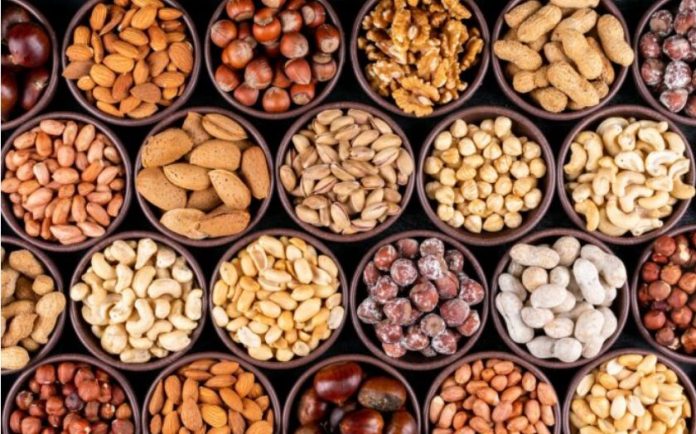
As the cold wave gripped Khyber Pakhtunkhwa, Zakir dressed in traditional attire with Chaddar and Chitali wollen cap, has brought huge stock of almonds, pistachios, cashews, figs, raisins, walnuts, and salted seeds, sourced both locally and from other countries to earn maximum profits in winter but disappointed.

“These days, most of the people just ask about prices of dry fruits and return empty handed due to exorbitant prices, forcing us to wait till late night with a hope to sell out all stock before an end of the winter to avert financial loss,” Zakir who associated with dry fruits trade for the last 25 years said while asking co-labourers to offload peanuts bags in his two room shop at Firdus bazzar – the hub of dry fruits business in Peshawar City.

“On the onset of winter season in the past, the traders and businessmen mostly from northern districts of KP and Punjab come here for buying of dry fruits stock.” Zakir told APP. He said that eight different almonds and peanuts’ verities were transported by him as winter special offer, adding high-quality almonds imported from Afghanistan, are being sold at Rs 2,600 to Rs 3000 per kilogram.

“Keeping our consumers’ demands, seven types of pistachios from Iran were imported but Akbari, Ahmadghai and Doda pistachios have a special taste selling at Rs3,600 per kilogram,” Zakir said.

 “In KP’s sub-zero temperatures, the human body needs warmth, and almonds, cashews, and other dry fruits are helpful for people especially for senior citizens to keep them warm for a longer period of time,”  Professor Dr Sirzamin Khan, head of medical ward of the Government Hospital Nowshera told APP.

He said dry fruits and walnuts are high in fat, which produces heat in body, and provide energy, protein, vitamins, and essential nutrients, thus making it a winter essential food in Pakistan.

Dr Sirzamin advised people to make dry fruits part of their food during winter to protect themselves and loved ones from winter bites.

Despite its significance, the alarming surge in dry fruit prices in Peshawar, Nowshera and Charsadda districts has raised significant concerns among the citizens, prompting them to call upon the district government to ensure its availability at reasonable rates and take strong action against price hikers and hoarders.

Riaz Khan, a former PST teacher was annoyed over the lackluster approach of the PTI government to regulate its prices besides maintained a close check on daily use items including dry fruits and vegetables, leaving millions of poor people at the mercy of price hikers and hoarders.

He lamented the rising prices of dry fruits in Khyber Pakhtunkhwa that adversely affected people as well traders but emphasized their availability at affordable prices due to their disease-preventing properties and ability to keep the body warm and mind fresh.

Another trader, Karim Khan, whose family linked with the dry fruit business for the last 40 years at Chowk Yadgar dry fruits market, expressed worry about lack of sale of dry fruit this winter and demanded special loan packages for the affected traders.

According to the Pakistan Bureau of Statistic (PBS), Pakistan imported more than 31,000 metric tons of dry fruits worth Rs5 billion ($17.745 million) between July-October 2023 primarily from Iran, Afghanistan, Indonesia, Montenegro and Philippines to cater people’s demands.

Professor Dr. Naeem Khattak, former Chairman, Political Economics Department, University of Peshawar said that Pakistan has ranked 99th out of 121 countries facing challenges of food insecurity, malnutrition, stunting and hunger due to population bulge, low agriculture productivity and climate change challenges. He claimed that unfortunately about 26% of annual food production, or around 20 million tons, which is valued at $4 billion are lost in Pakistan.

Dr Naeem said Pakistan carried highest per capita food waste in the world, at 212 kilograms per person per year which has direct impact on prices of dry fruits. He said the prices of dry fruits and vegetables have increased after the agriculture sector had suffered at USD $3.7 billion losses due to 2022 flood; adding approximately 14.6 million people need adequate food security and agricultural assistance in our country.

Similarly, about 20 percent of the country’s population is undernourished, and nearly 45 percent of children younger than five years of age are stunted due to poverty, socioeconomic imbalances and unemployment.

He said unfortunately due to prevalent culture of extravagance and ostentation, particularly among the elite in Pakistan, where dry fruits is treated as a status symbol rather than a precious commodity and thus wasted massively.

He said it’s high time to reassess our priorities and redefine what it means to truly value and respect of dry food. Dr Khattak underscored the need of tripartite agreements among Pakistan, India and Afghanistan to curb the smuggling of the dry fruits.

Muhammad Zahir Shah, KP Minister for Food said that an inclusive mechanism was put in place for monitoring and control of movement of dry fruits in border areas of the province.

He said that an online food price and control system was developed through which the citizens can check the daily prices of essential items and lodge complaints against overcharging vendors or hoarders on which prompt action is being taken.

PMRU is empowered to generate weekly reports regarding the set key performance indicators (KPIs) of price magistrates tasked with ensuring the real-time performance tracking of price magistrates through the KP Inspection Mobile App.

The district price control committees were notified with the powers to conduct price review meetings besides notifying fresh price lists of dry fruits, conventional fruits and vegetables for every district, including the merged areas.

Stay Connected

64FansLike
60FollowersFollow

Latest Reviews

Exchange Rates

USD - United States Dollar
EUR
1.17
GBP
1.35
AUD
0.72
CAD
0.73