Home Blog Page 700

Pakistan, Turkey conduct joint naval exercise TURGUTREIS-XI in Mediterranean Sea

Pakistan, Turkey conduct joint naval exercise TURGUTREIS-XI in Mediterranean Sea

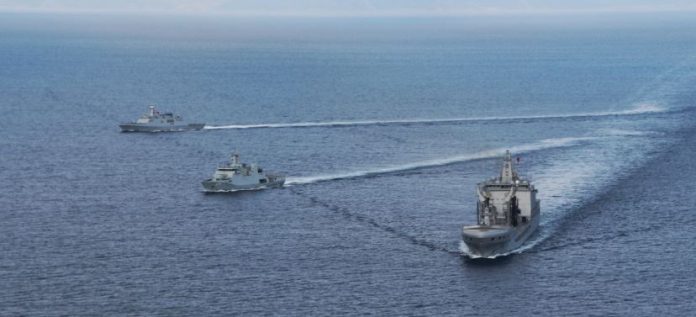
ISLAMABAD, JAN 20 /DNA/ – Pakistan Navy and Turkish Navy successfully conducted bilateral exercise TURGUTREIS-XI in the Eastern Mediterranean Sea. The TURGUTREIS series of bilateral exercises is named in honour of the great Ottoman Admiral Turgut Reis, symbolizing a shared maritime legacy and strong naval ties between the two brotherly nations.

Pakistan Navy’s recently commissioned ship, PNS YAMAMA, participated in the exercise during her maiden voyage from Romania to Pakistan. The ship was joined by Turkish Navy vessels TCG BUYUKADA, TCG DERYA, and TNF SH-70 helicopter. The exercise was meticulously planned to enhance interoperability between the two navies, as participating units engaged in a variety of maritime operations and tactical maneuvers.

Throughout the exercise, both navies reaffirmed their mutual commitment to strengthening cooperation in addressing emerging maritime challenges and ensuring regional maritime security. The collaboration underscores the shared objective of maintaining safe and secure global commons for the benefit of all.

Iranian military chief meets COAS at GHQ

Iranian military chief meets COAS at GHQ

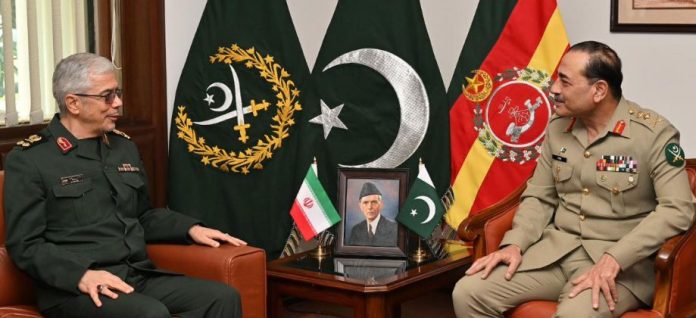
RAWALPINDI, JAN 20 /DNA/ – Major General Mohammad Bagheri, Chief of General Staff (CGS) of the Iranian Armed Forces, visited the General Headquarters (GHQ) and called on General Syed Asim Munir, NI (M), Chief of Army Staff (COAS), today.

During the meeting, both sides discussed matters related to the prevailing regional security environment and bilateral defence cooperation.

Upon his arrival at GHQ, Major General Mohammad Bagheri laid a floral wreath at the Yadgar-e-Shuhada in homage to Pakistan’s martyrs. He was warmly received, including a guard of honor presented by a smartly turned-out contingent of the Pakistan Army.

SC summons Registrar for non-compliance of directive

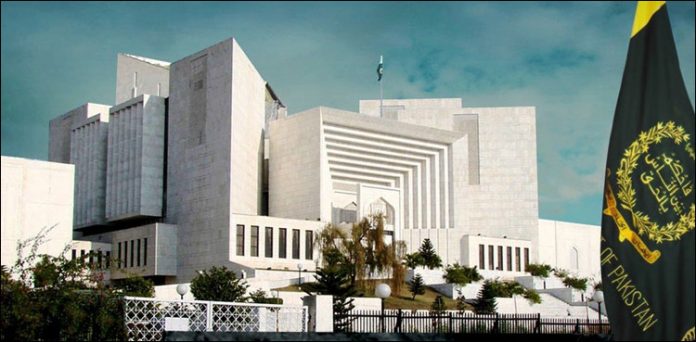
ISLAMABAD, JAN 20 (DNA) — The Supreme Court of Pakistan has expressed displeasure over non-compliance of its directive to fix hearing of the case regarding jurisdiction of regular benches of the SCP and has summoned the Additional Registrar SCP to explain his position.

A three-member Bench of the Supreme Court of Pakistan, headed by Justice Mansoor Ali Shah, had directed the Registrar SCP Office on Thursday, January 16, to fix hearing of the petitions regarding jurisdictions of the Benches after the 26th amendment to the same Bench that was already hearing it.

The Court observed that it was clearly ordered to fix the case regarding jurisdiction of the regular benches before the same bench on Monday, January 20 but the Registrar Office did not included it in the Cause List for Monday.

Registrar Supreme Court, when summoned, was not available to appear before the Court due to some health issue. Deputy Registrar, however, appeared before the Court and informed that the Judges Committee (for allocation of cases to various benches) has decided to fix this case before the Constitutional Bench on January 27.

The Court observed that how can a judicial order be ignored through an administrative committee? The three-member bench, headed by Justice Mansoor Ali Shah, in a written order has observed that hearing of many other cases regarding tax matters is cancelled too. The Court directed Additional Registrar to appear before the court in person by tomorrow and explain his position.

The Court adjourned the proceedings for tomorrow. It may be worth reminding that Justice Aqeel Abbasi was included in the bench as replacement of Justice Irfan Saadat. Justice Mansoor Ali Shah termed it a mistake by the office of the SCP and remarked that in the current case, the judgment of the Sindh High Court was delivered by Justice Aqeel Abbasi.

 Justice Irfan Saadat was part of the previous bench that conducted the proceedings on January 13. Justice Mansoor asked the Attorney General office for assistance on a question that either jurisdiction of a Supreme Court bench under Article 191 can be withdrawn or not? The proceedings were then adjourned for Monday January 20. The Court directed the office of the SCP to fix the case before the same bench but it was not. —DNA

New Uzbekistan: Implementation of foreign experience in the system of Presidential Educational Institutions

New Uzbekistan: Implementation of foreign experience in the system of Presidential Educational Institutions

In Uzbekistan, the attitude towards education and upbringing, science has completely changed. In particular, systematic, consistent and comprehensive measures are being implemented to develop preschool, general secondary and higher education, and research institutions. A number of important decrees, resolutions and programs are being adopted in this direction.

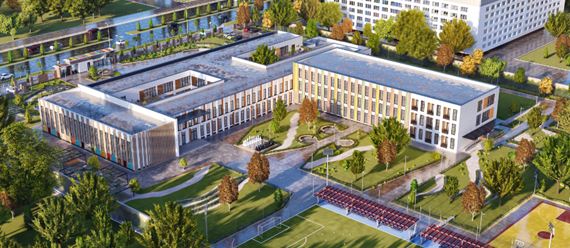
The system of the Agency of Specialized Educational Institutions, created on the personal initiative of the head of state, currently includes 14 Presidential schools, 9 creative schools, 2 sports schools, 185 specialized schools and boarding schools, the Namangan State Institute of Foreign Languages named after “New Uzbekistan” and “Iskhokhon Ibrat”, the Scientific and Practical Center for Pedagogical Excellence and International Assessment, the state institution “Center for Subject Olympiads” and the children’s health camp “Renaissance”.

In the 2023/2024 academic year, 319 people graduated from Presidential schools, 263 people from creative schools, and 5,868 people from specialized schools.

In particular, 65 percent of graduates of the Presidential Schools (206 people) were given the opportunity to enroll early in prestigious foreign universities.

Also in the 2023/2024 academic year, students from our system’s schools took part in 12 international and regional subject Olympiads, winning 6 gold, 17 silver and 34 bronze medals.

All creative schools of the system entered the top ten based on the results of entrance examinations to higher educational institutions of the republic in the 2024/2025 academic year.

Of course, these achievements are the result of the high attention paid in our country to the field of education, as well as the further improvement of the educational process in schools on the basis of international cooperation.

This year, the Agency has achieved significant results in the field of cooperation with prestigious educational organizations around the world. In particular, a week of scientific and practical training was organized for executive and academic directors of the Presidential Schools, as well as foreign and domestic teachers in STEM disciplines, in order to familiarize themselves with the presentation of new programs of the Cambridge International Educational Organization for the 2025/2027 academic year, teaching methods, and laboratory work.

The specialized school named after Muhammad al-Khwarizmi in the system successfully passed the first stage of the implementation of the International Baccalaureate Organization (IB) program, and the process of preparation for accreditation was completed.

It should be noted that an agreement has been signed between the Scientific and Practical Center for Pedagogical Excellence and International Assessment at our Agency and the IB organization.

Also in May-June of this year, the Agency and the Korean Educational Center at the Embassy of the Republic of Korea in Uzbekistan held the “Incheon Education Festival”. The “Education of Natural Sciences” festival, held on August 13-14, was aimed at ensuring the participation of young people in specialized international programs, projects and competitions with a focus on modern professions by organizing practical classes based on natural and exact sciences, comprehensive support for the formation of creative abilities, as well as the formation of creative ideas among teachers working in the system, and the development of skills for presenting them to students, linking them with practice.

In addition, negotiations were held between the Agency’s management and delegations from foreign countries, devoted to issues of cooperation in the field of education. In particular, during the dialogue with the international educational organization of the United States of America Cognia, an agreement was reached on cooperation in studying and improving the activities of Presidential, creative, specialized schools and boarding schools, raising the quality of education in schools to a higher level.

For reference, the international educational organization Cognia currently reaches more than 25 million students and more than 1 million teachers in about 80 countries and serves more than 36,000 educational institutions. In particular, this organization provides high-quality professional services in school accreditation, certification, assessment, research, education quality improvement, provision of quality educational resources, as well as professional development and qualifications of teachers through an online platform and in person.

The Agency organized a meeting with the executive director of the international departments of Woosong University of the Republic of Korea, Yu Tek Lee, and the general manager of the Digital Campus program, Seung Joon Lee.

A memorandum was also signed between the Agency and Sungkyunkwan University of the Republic of Korea, because of which the university plans to allocate grants for 100% and 50% of tuition fees for students in the Agency’s schools in the 2025 academic year.

Representatives from the Incheon Metropolitan City Education Office of the Republic of Korea visited schools in our system and learned about educational programs, the assessment system, and projects created by students in areas such as modern information technology, artificial intelligence, and robotics.

In addition, Ambassador Extraordinary and Plenipotentiary of Hungary to Uzbekistan Jozsef Rozsa visited specialized boarding school No. 1 in the city of Karshi, which is part of our Agency. The Ambassador of Hungary got acquainted with the activities of the school and highly appreciated the conditions created here for the education of young students.

Scientists from the UK visited the Presidential School in Bukhara. During the visit, Professors Simon Thompson and Marcelo Starikoff of the University of Sussex, as well as the rector of the Bukhara State Pedagogical Institute Bakhodir Mamurov, held sincere conversations with teachers and students of the Presidential School. The guests spoke in detail about the higher education system and educational programs in the UK.

It should be noted that in the Agency’s cooperation with international partners, priority is given to such issues as the effective organization of educational processes, student and teacher exchange programs, and the development of curricula for teaching STEAM disciplines and foreign languages in the system’s schools.

Presidential schools occupy an important place among educational institutions in the Agency system.

For reference, for the 2024/2025 academic year, 336 students who scored the highest scores on the entrance exams were admitted to the 5th grade of 14 Presidential Schools.

It should be especially noted that the number of young people seeking to acquire modern knowledge is growing every year. For example, this year, 62,062 applications were submitted for admission to the Presidential Schools for the new academic year, with an average of 185 people applying for one place. This is a clear indication that the Presidential Schools, created on the special initiative and with the attention of the head of our state, have become a driving force in the field of education.

Indeed, today students of the Presidential Schools, operating in all regions of the republic, are achieving significant results.

In the 2023/2024 academic year, 319 students graduated from the Presidential Schools, with 100% of graduates receiving international language proficiency certificates (the highest score is 8.5), 80% (255 people) received an international SAT certificate (the highest score is 1560 points). 70% of graduates showed a positive result in A-level exams in Cambridge (12% more than last year).

Hundred percent of graduates of presidential schools were given the opportunity to enroll early in prestigious foreign universities.

In particular, a student of the Tashkent Presidential School Abdulaziz Sobirov was accepted to study at Harvard University, which is in the TOP-5 of the international ranking, with a 100 percent grant of 354,000 US dollars, and Saifullo Saidov was accepted to Princeton University, which is in the TOP-20, with a grant of 350,000 US dollars. In addition, another 34 graduates received 100 percent grants from various prestigious universities.

An 11th-grade student of the Khiva Presidential School, Zulfiya Shomurotova, was awarded the Zulfiya State Prize in Education. Also, a graduate of this school, OgabekYuldashov, was awarded the state award “Marduglon”.

In 2024, students of the Presidential School won a total of 10 medals (4 gold, 3 silver, 3 bronze) at such prestigious international Olympiads as the Abu Ali ibn Sino International Biology Olympiad, the International Zhautykov Olympiad, the International Physics Olympiad, the International Mathematical Olympiad, the International Economics Olympiad and the International Standards Olympiad.

Of course, these results open the way to new achievements in education and upbringing of the younger generation. In this direction, an action plan has been developed, according to which the Presidential Schools will transition to a two-semester curriculum. Thanks to this, educational processes will be adapted to the requirements of international standards and additional conveniences will be created in the assessment processes.

In order to digitalize the learning and assessment processes in the Presidential Schools and organize training seminars to improve the qualifications of teaching staff, cooperation will be established with the international educational organization Pearson-Edexcel.

IGCSE exams will also be introduced for 9th grade students. This will help identify gifted students early, fill existing gaps in academic performance, and increase the responsibility of teachers and students.

The Agency’s system also includes Yangi Uzbekiston, which effectively uses international cooperation links in the educational process.

In particular, in November, a delegation headed by the Deputy Head of the Department of International Relations of the State Chancellery of the Federal State of Bavaria, Christoph Stöckle, visited Yangi Uzbekiston University.

At the meeting, members of the delegation became familiar with the university’s educational programs aimed at teaching students modern knowledge and skills.

Issues of student and faculty exchange, establishing cooperation in the field of joint scientific research and developing modern educational programs were also discussed.

In addition, MIT J-WEL is one of the closest partners of Yangi Uzbekiston (New Uzbekistan) University. Bilateral cooperation serves to further improve the quality of education and the potential of the faculty, create broad opportunities for students, and strengthen the authority of Yangi Uzbekiston University in the international arena.

An agreement was signed between the Massachusetts Institute of Technology J-WEL and Yangi Uzbekiston University, which gives the university students the opportunity to undergo an internship and improve their qualifications at the No. 1 university in the world. That is, students participate in classes organized by MIT professors and teachers, conduct scientific research, develop their projects and conduct experiments in MIT laboratories.

In conclusion, it can be said that in our country special attention is paid to the development of science and education, a holistic and continuous system is being created that comprehensively supports a child in a family from birth to adulthood, and helps them find a worthy place in life. An active contribution to this process is also made by the Agency of Specialized Educational Institutions, which serves the upbringing of the younger generation, capable of making a worthy contribution to the prosperity of our Motherland.

As the President of our country noted: “The more educated our children are when they leave school, the faster the branches of the economy based on high technologies will develop, and it will be possible to solve many social problems. Therefore, if I say that the threshold of the New Uzbekistan begins with school, I think that all our people will support this idea.”

Sevara Shakirova,

Deputy Director of the Agency for Presidential

Educational Institutions of the Republic of Uzbekistan

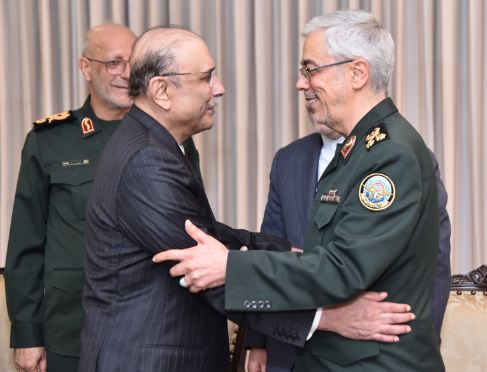
Chief of General Staff of Iranian Armed Forces calls on President Zardari

Chief of General Staff of Iranian Armed Forces calls on President Zardari

ISLAMABAD, JAN 20 /DNA/ – Chief of General Staff of the Iranian Armed Forces, Major General Dr Mohammad Bagheri, called on President Asif Ali Zardari, at Aiwan-e-Sadr, today, and exchanged views on matters of bilateral importance.

During the meeting, both sides highlighted the longstanding and fraternal relations between Pakistan and Iran, and emphasised the need to promote trade and economic relations for the mutual benefit of the two brotherly countries.

It was also highlighted that terrorism was a shared challenge, and both countries needed to take effective and coordinated measures to address this challenge.

The Chief of General Staff of the Iranian Armed Forces appreciated Pakistan’s stance on Gaza and Lebanon.

First-ever int’l moot on animals & environmental rights concludes on a high note

First-ever int'l moot on animals & environmental rights concludes on a high note

Justice Minallah highlights legal rights of animals, links biodiversity with protecting animals’ habitat

Staff Reporter 

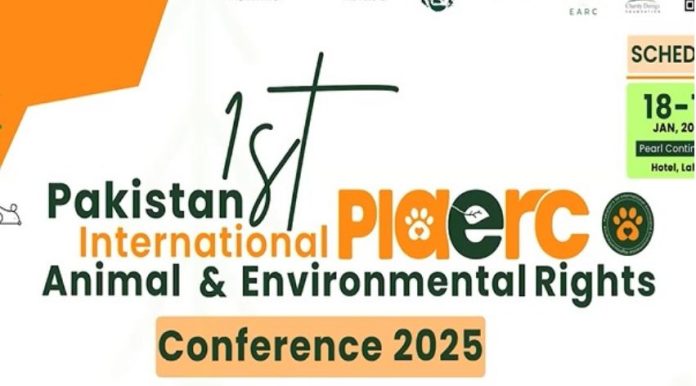
LAHORE, JAN 20 /DNA/ – Judge of the Supreme Court of Pakistan, Justice Athar Minallah commended the organizers of Pakistan’s first-ever International Animal and Environmental Rights Conference held in Lahore (18-19 Jan, 2025) for organizing a conference on a subject that is close to every Pakistani’s heart.  

As a judge of the Supreme Court, it was not easy for me to accept invitation to a public gathering and address a seminar but the subject of the conference and the purpose of the seminar convinced me that I must attend and address on this important topic, he said.

He praised the organizers, the award-winning Pakistani Interspecies Justice lawyer, an activist, philanthropist and a teacher of animal laws Altamush Saeed and the co-organizer Ahmad Malik— for raising public awareness on such an important subject that deals with animals’ rights and environment challenges.

Justice Minallah said the world, particularly Pakistan was confronting with serious environmental challenges and one of the causes of the rising temperatures and melting glaciers was that we were trespassing in the kingdom of animals. If we preserve their natural habitat and don’t disturb them, I can assure nature would remain intact and there would be no threat to our forests or eco-system, he said.

The conference that was attended by a large number of the audience particularly the youth from various universities and colleges, animal lovers and members of civil society. Those who addressed and interacted with the audience included the national and international animal rights groups representatives, economists keeping an eye on the businesses related with animals’ sale, farm animals’ rights activists, wild animal rights champions, legal fraternity and activists.

During the two days, one had the opportunity to listen to the stalwarts of animal rights. They included Justice Athar Minallah and Justice Ayesha Malik of the Supreme Court of Pakistan, Justice Jawad Hassan of the Lahore High Court, President of the Lahroe High Court Bar Association (LHBA) Manzoor Butt, AHC Abuzar Niazi, co-organizer and former SCP clerk & NUST Faculty member Bilquees Bano, animal rights activists Aiza Qamar and artist Faryal Gauhar, journalists Sana Roger and Yusra Askari, Barrister Ahmad Pansota, Four Paws Project Director Dr Amir Khalil, WWF Pakistan’s Hamera Aisha, Legal Counsel for Animals Australia, Shatha Hamade and Dr Gulbike Mirzaoglu.

In his keynote address Justice Minallah highly complimented International Animals Welfare Group, Four Paws—Project Director, Dr Amir Khalil and his team—for rescuing the ‘world’s loneliest elephant’ Kavan from Islamabad’s Marghazar Zoo and transferring it to a sanctuary for elephants in Cambodia.

Justice Athar Minallah recalled the days when he was Chief Justice of the Islamabad High Court (IHC) and a number of petitions landed in the court regarding the welfare of animals and provision of various facilities in the Islamabad Zoo.

This was the time when Dr Amir Khalil and his team were already in the federal capital looking after Kavan and coping with multiple challenges including the lack of cooperation from the government of the day and inappropriate conditions, they were working in, he said.

Justice Athar Minallah appreciated Dr Amir Khalil who was also sitting in the audience for giving a number of recommendations that helped the court have a clear picture of the deteriorating state of affairs at the zoo in general and the condition of the elephant in particular.

According to those recommendations, in Pakistan, there was no such place as could be termed suitable or friendly for an elephant’s permanent stay, said Justice Minallah adding an elephant being a social animal cannot live a natural life in isolation, let alone the dungeon for animals known as the Islamabad Zoo.

Not only the zoo lacked proper environment but the keepers were also without necessary training to handle wild animals like elephant, bear, leopard or lion, the judge said.

The matter was attracting international attention and at that time, the judge said, fortunately, the internationally-acclaimed animal rights activist and the Oscar-winning US singer Cher stepped in. She visited all the way from the US to Islamabad and offered the Four Paws team as well as the government of Pakistan that she was ready to bear expenses for the safe transportation of the elephant from Islamabad to a Cambodian sanctuary.

Kavan was thus flown out of Islamabad through a chartered cargo plane while Islamabad’s only zoo was shut down in compliance with the IHC order.

The conference organizers while thanking Justice Athar Minallah for his historic role in improving the situation for animals in Pakistan presented him ‘Champion Award’ which the judge handed over to Dr Amir Khalil in recognition of his dedication for the animals’ welfare in Pakistan. “Kindly present this award to Kavan on my behalf and send me his photograph,” said Justice Athar Minallah.

Dr Amir Khalil who was given an award separately, thanked Justice Athar Minallah and promised he would ‘convey’ the award to Kavan. He held that Justice Minallah’s landmark judgment played a crucial role in creating awareness about animals’ rights worldwide.

It may be mentioned here that Justice Athar Minallah’s judgment regarding legal rights of animals has now become an international reference whenever and wherever the question of animals’ rights is raised.

In that judgement Justice Minallah had ruled that a zoo, no matter how well-equipped, is no less than a concentration camp for living beings. He also ruled that animals had legal rights and “after surveying the jurisprudence developed in various jurisdictions it has become obvious that there is consensus that an ‘animal’ is not merely a ‘thing’ or ‘property.’”

Pakistan, Netherlands hold 11th round of bilateral political consultations

Pakistan

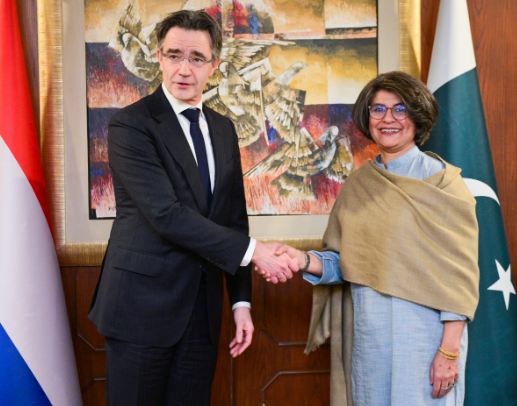
ISLAMABAD, JAN 20 /DNA/ – The 11th Round of Pakistan-Netherlands Bilateral Political Consultations (BPC) was held in Islamabad today. Foreign Secretary Ms. Amna Baloch and Mr. Christiaan Rebergen, Secretary General, Ministry of Foreign Affairs of the Kingdom of The Netherlands, led the respective sides.

The two sides discussed the entire spectrum of bilateral relations as well as regional and global issues of mutual interest. They expressed satisfaction over the positive momentum in bilateral cooperation and resolved to maintain the ongoing engagements in a range of areas including political, economic, trade and investment, climate change, agriculture, water management, dairy & livestock, education and culture.

Underscoring the importance of enhanced trade and economic ties between the two countries, the Foreign Secretary appreciated the role of Netherlands as a major trading partner of Pakistan and encouraged greater Dutch investment in Pakistan.

The two sides also discussed the challenges posed by climate change.

It was agreed to maintain close contacts for further enhancement of Pakistan-Netherlands bilateral relations.

Ceasefire Without Resolution: The Unfinished Struggle for Peace

Ceasefire Without Resolution: The Unfinished Struggle for Peace

by: Muhammad Mohsin Iqbal

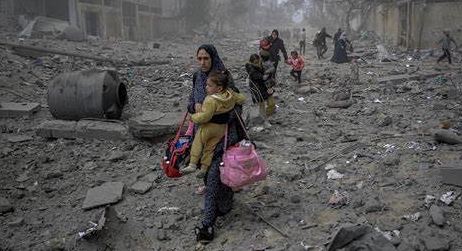
A ceasefire has finally been declared between Israel and Palestine, bringing an end to weeks of devastating conflict. This war, like many before it, has left behind a trail of destruction, immense human suffering, and deep political and social scars. While both sides claim justification for their actions, the toll on human life and infrastructure has been staggering, with the consequences of this latest conflict likely to be felt for decades.

In Palestine, the losses have been catastrophic. Thousands of civilians, including women and children, lost their lives. Entire neighborhoods have been reduced to rubble as airstrikes and artillery fire targeted residential areas, markets, and shelters. Medical facilities, including hospitals and clinics, were severely damaged or destroyed, leaving the injured without adequate care. Schools were turned into piles of debris, depriving children of education and safety. The economic losses are equally devastating, with estimates running into billions of dollars. Infrastructure essential for daily life, such as water systems, electricity grids, and transportation networks, has been obliterated, plunging many areas into a humanitarian crisis.

Israel, too, suffered significant losses, albeit on a smaller scale. Rocket attacks by Palestinian groups caused casualties and injuries among civilians, with many left to grapple with the trauma of living under constant threat. Residential buildings and public infrastructurewere damaged, though the extent was far less than in Gaza. The Israeli government allocated substantial resources to its military operations and civil defense, straining the national economy.

The war left both sides with thousands injured, many of whom will bear lifelong physical and psychological scars. The destruction of homes, hospitals, schools, and places of worship on both sides symbolizes the indiscriminate nature of modern warfare. Yet, the disparity in destruction highlights the unequal capabilities and vulnerabilities of the two parties.

Questions about accountability and justice loom large. International law prohibits targeting civilians and civilian infrastructure, and both sides have been accused of committing war crimes. Will the international community hold perpetrators accountable? Historically, global powers have often chosen diplomacy over justice, with war crimes investigations either delayed or abandoned due to political considerations. The United Nations and human rights organizations have, once again, faced criticism for failing to prevent the conflict and protect civilians. Despite numerous resolutions and calls for peace, the UN’s inability to enforce its decisions underscores its weakened role in global conflict resolution.

Will this ceasefire include measures to ensure that such wars do not recur in the future? Unfortunately, the agreement does not seem to address the root causes of the conflict, such as territorial disputes, political tensions, and the blockade on Gaza. Without clear and enforceable mechanisms to address these issues, this ceasefire risks becoming just another pause before the next eruption of violence.

Are wars truly the solution to problems? This conflict serves as yet another reminder that war only deepens divisions, destroys lives, and perpetuates cycles of suffering. Every war leaves behind unhealed wounds and unresolved grievances. Diplomatic efforts and peaceful negotiations are the only viable paths to lasting solutions, yet these paths are often overshadowed by the destructive allure of military might.

What lessons have we learned from these wars? The repeated outbreak of hostilities between Israel and Palestine shows the failure of political and international systems to resolve deep-seated disputes. It also highlights the resilience of ordinary people who bear the brunt of these conflicts but continue to hope for peace. The lesson is clear: without justice, there can be no peace, and without addressing the underlying issues, temporary ceasefires are mere illusions of calm.

As the dust settles, the daunting task of reconstruction begins. For Palestine, rebuilding will require massive international aid. However, previous conflicts have shown that promises of assistance often fall short, leaving Palestinians to struggle with inadequate resources. In Israel, while the damages are less extensive, reconstruction efforts will also demand significant investment.

The failure of the United Nations and human rights organizations in preventing this war and mitigating its effects cannot be ignored. Their inability to enforce international law and ensure the protection of civilians highlights the urgent need for reforms in global governance. Mechanisms must be strengthened to prevent conflicts, hold aggressors accountable, and provide justice to victims.

The road to peace is long and fraught with challenges. Both sides must engage in meaningful dialogue to address core issues and build trust. The international community must play an active role in mediating and supporting peace efforts. Reconstruction in Palestine should be prioritized, with transparent mechanisms to ensure aid reaches those who need it most.

Ultimately, the true cost of this war cannot be measured in numbers alone. Beyond the lives lost, the injuries sustained, and the buildings destroyed, the psychological trauma, loss of trust, and deepened divisions between communities are immeasurable. This ceasefire must be seen not as an endpoint but as a starting point for addressing the fundamental issues that lead to violence. The world must collectively reflect on whether it will continue to allow wars to devastate generations or work toward building a future where dialogue and justice prevail over destruction.

History through Heritage: An exhibition celebrating the past

History through Heritage: An exhibition celebrating the past

A similar exhibition also took place in Islamabad Serena Hotel on Thursday January 18, 2025. A large number of diplomats witnessed the exhibition and praised the work of Farooq Raiz

Dr. Muhammad Kashif Ali

GUJRAT: The Hayatian Historical Society of the Department of History & Pakistan Studies at the University of Gujrat, recently organized a highly anticipated exhibition titled “History through Heritage.” This event took place at the prestigious Hafiz Hayat Campus and showcased an extraordinary private antique collection owned by Farooq Riaz, a passionate collector from the district of Gujrat. The exhibition provided a unique opportunity for students, faculty members, and the public to immerse themselves in centuries-old history through the lens of material culture, offering a rare glimpse into Pakistan’s rich cultural legacy.

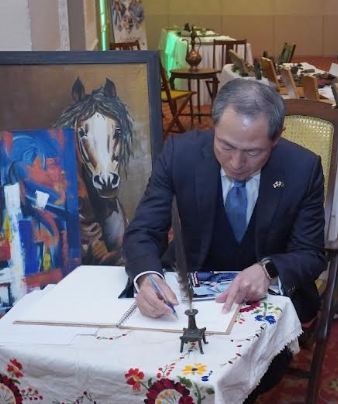
Ambassador of Japan pens down his comments

A similar exhibition also took place in Islamabad Serena Hotel on Thursday January 18, 2025. A large number of diplomats witnessed the exhibition and praised the work of Farooq Raiz.

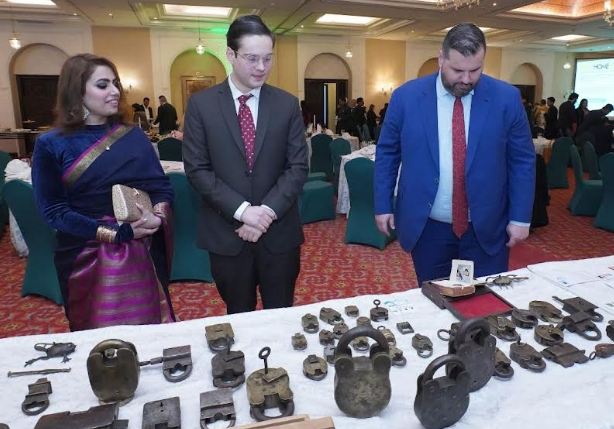
The exhibition featured an impressive array of historical artifacts spanning several eras, including rare locks, intricate timepieces, vintage swords, pots, firearms, postcards, stamps, and historical documents. These artifacts serve as tangible links to the past, preserving the essence of local culture and society. They allow visitors to engage with the everyday lives, technological innovations, and artistic achievements of people who lived hundreds of years ago. In doing so, the exhibition reinforces a community’s sense of identity and continuity, fostering a deeper connection to Pakistan’s multifaceted heritage.

Ambassador of Romania takes interest in antique items

Artifacts like manuscripts, old passports, and postcards are invaluable for documenting the political, social, and economic developments of earlier times. For historians and scholars, these items offer rare insights into the evolution of trade, governance, and legal systems over centuries. Historical documents on display provided a direct link to past events and societal shifts, helping trace the trajectory of Pakistan’s regional interactions, commerce, and diplomacy.

Among the most striking exhibits were weapons like swords, guns, and spears, which offer an essential perspective on military history and the power dynamics of various civilizations. These pieces not only represent the conflicts, conquests, and defence mechanisms of past societies but also serve as symbols of authority and prestige. In particular, the variety of swords displayed illuminated the craftsmanship and prestige associated with military leaders and warriors of past centuries, highlighting the cultural significance of weaponry in various regions of Pakistan.

Locks, pots, and other everyday objects further illustrated the skilled craftsmanship of earlier generations. The locks in particular captured the attention of many visitors, with Farooq Riaz’s collection standing as the largest in Pakistan. The variety of locks, ranging from those made during the Mughal era to British colonial times and modern periods, demonstrate the technological advancements and ingenuity involved in their creation. Locally produced in regions like Kotli Loharan (Sialkot), Hajiwala (Gujrat), and Aligarh (India), the locks range from intricate number pattern locks to magnetic mechanisms. The largest lock in the collection weighs over 5,000 grams, while the smallest was less than 50 grams, showcasing the diversity in both form and function. Such objects reflect the skill and dedication of artisans, whose techniques have been passed down through generations, preserving the legacy of craftsmanship in Pakistan.

Farooq Riaz’s personal collection is a testament to his lifelong passion and dedication to preserving Pakistan’s heritage. Over the course of more than thirty years, Mr. Riaz financed his own expeditions across the country, meticulously collecting artifacts from remote corners and forgotten markets. His collection, particularly the impressive assortment of locks, stands as a valuable contribution to the preservation of history and culture in Pakistan. His efforts demonstrate the importance of individual contributions in safeguarding our collective heritage for future generations.

Mihai Eminescu, Allama Iqbal monument to be restored

Mihai Eminescu, Allama Iqbal monument to be restored

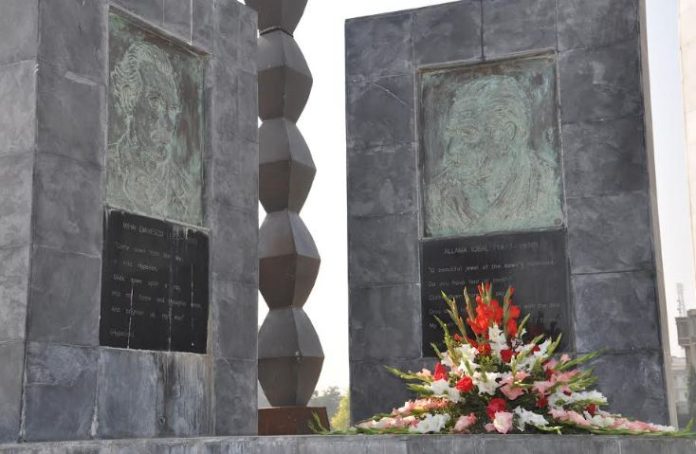
The monument, which symbolizes the cultural bond between Pakistan and Romania, was inaugurated approximately 21 years ago by then-Prime Minister Chaudhry Shujaat Hussain, in recognition of the literary contributions of the two iconic poets

Ansar M Bhatti

ISLAMABAD: Chairman of the Capital Development Authority (CDA), Muhammad Ali Randhawa, announced that an FIR has been registered against those responsible for vandalizing the monument dedicated to Romanian poet Mihai Eminescu and Pakistan’s national poet Allama Iqbal.

In a statement shared on X (formerly Twitter), the Chairman emphasized CDA’s commitment to preserving national heritage. He stated, “An FIR has been lodged, and an investigation into the incident is underway.”

Additionally, he directed the Environment Directorate to initiate restoration efforts on the damaged monument without delay. The primary objective is to meticulously repair and rejuvenate the structure, ensuring it is restored to its original condition and grandeur.

 This includes preserving its historical and cultural significance while employing expert craftsmanship and appropriate materials to maintain authenticity. The restoration process will also involve consultation with heritage conservation specialists to ensure the monument regains its former glory while adhering to international standards of preservation.

Expressing gratitude, Romanian Ambassador to Pakistan, Dan Stoenescu, praised the CDA’s swift response. In his message on X, the ambassador remarked, “Thank you for your commitment and efforts to restore this unique monument celebrating our national poets, Mihai Eminescu and Allama Iqbal, as well as the enduring friendship between our nations.”

The monument, which symbolizes the cultural bond between Pakistan and Romania, was inaugurated approximately 21 years ago by then-Prime Minister Chaudhry Shujaat Hussain, in recognition of the literary contributions of the two iconic poets.

Both Pakistan and Romania have historically enjoyed strong bilateral relations, marked by mutual respect and cooperation across various fields. The establishment of the monument symbolized the enduring friendship and collaboration between the two nations, serving as a testament to their shared values and diplomatic ties. This monument stood not only as a cultural and historical landmark but also as a beacon of goodwill between the two countries.

The respective Romanian ambassadors and the Pakistani government demonstrated unwavering commitment to maintaining the monument, dedicating substantial efforts and resources to ensure its preservation and upkeep. Their collaborative endeavors underscored the significance of the monument as a representation of their partnership.

Unfortunately, in recent times, the monument suffered damage due to an act of vandalism. This incident has marred the monument’s legacy and raised concerns about the protection of such symbolic structures. The act highlights the need for stronger measures to safeguard cultural and diplomatic heritage, ensuring such incidents do not undermine the efforts invested in fostering international relationships.

Stay Connected

64FansLike
60FollowersFollow

Latest Reviews

Exchange Rates

USD - United States Dollar
EUR
1.17
GBP
1.35
AUD
0.72
CAD
0.73