Home Blog Page 698

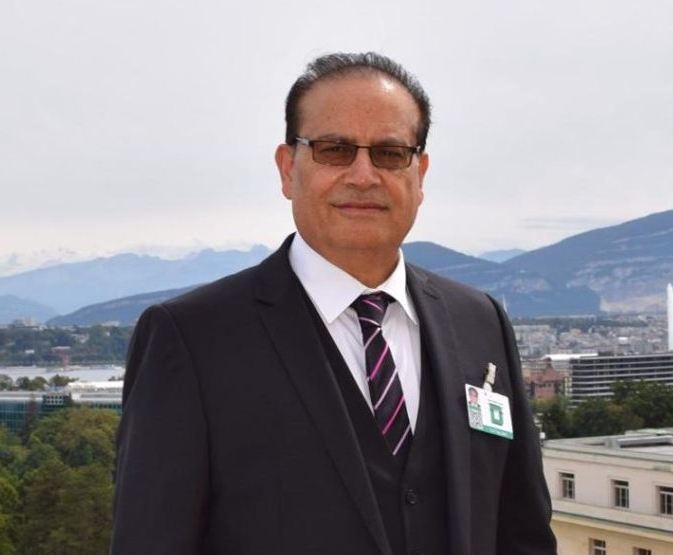
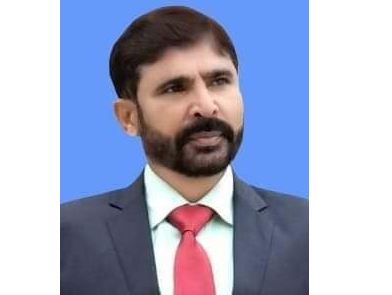
Ambassador Farooq highlights $35M trade potential in Saudi market during RCCI visit

Ambassador Farooq highlights $35M trade potential in Saudi market during RCCI visit

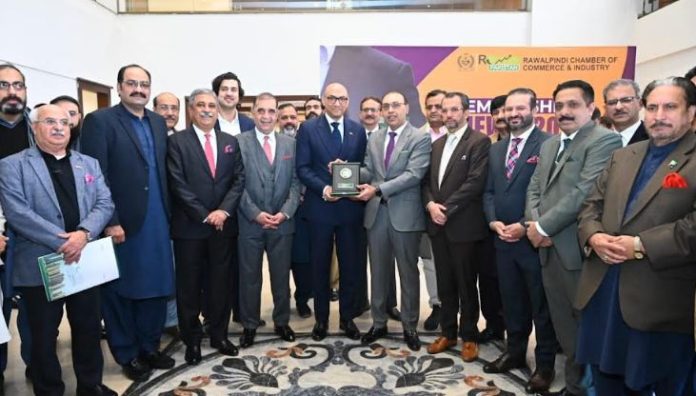
RAWALPINDI, JAN 22 /DNA/ – Pakistani Ambassador to Saudi Arabia, His Excellency Ahmed Farooq, paid an official visit to the Rawalpindi Chamber of Commerce and Industry (RCCI), where he was warmly welcomed by RCCI President Usman Shaukat, group leader Sohail Altaf, Senior Vice President Khalid Farooq Qazi, Vice President Fahad Barlas, former RCCI President Zahid Latif Khan, and other distinguished members of the executive committee. Representatives from various sectors of the business community also attended the event.

In his address to the chamber, Ambassador Ahmed Farooq underscored the importance of adapting to the dynamic global business environment and urged Pakistani businesses to tap into the growing market potential in Saudi Arabia. He noted that over 90 Pakistani IT companies are already operating successfully in Saudi Arabia and emphasized the high demand for Pakistani products in sectors such as food, rice, meat, pharmaceuticals, plastic shoes, and seafood.

The Ambassador also highlighted the lucrative prospects in Saudi Arabia’s booming hotel and hospitality sector, offering significant job opportunities for skilled professionals from Pakistan.

Notably, Ambassador Farooq announced that the long-standing ban on seafood exports to Saudi Arabia has recently been lifted, thanks to the concerted efforts of the Pakistani government. He encouraged Pakistani traders and entrepreneurs to take advantage of this breakthrough, as well as the wider demand for Pakistani products in the Kingdom.

He urged businesses to plan and schedule trade exhibitions in Saudi Arabia at least five to six months in advance, assuring them of the embassy’s full support in organizing these events. “Pakistani companies in Saudi Arabia are already conducting annual business worth $30 to $35 million. This is a testament to the vast opportunities available for others to expand their reach in the region,” he remarked.

ISSI hosts KIIR Interns for Session on Kashmir

ISSI hosts KIIR Interns for Session on Kashmir

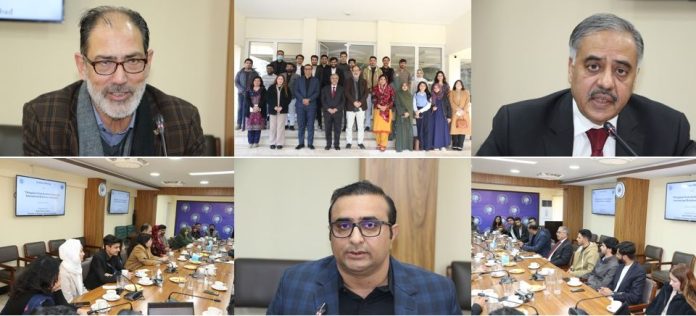
ISLAMABAD, JAN 22 /DNA/ – The India Study Centre (ISC) at the Institute of Strategic Studies Islamabad (ISSI) hosted a group of Kashmir Institute of International Relations (KIIR) Interns, hailing from students from Islamabad’s leading Universities. The group was led by KIIR Chairman Mr. Altaf Hussain Wani. The interaction was part of ISSI’s initiative of engaging the youth, particularly on issues of national importance and Pakistan’s foreign policy.

In his introductory remarks, Dr. Khurram Abbas, Director ISC, stressed the importance of precise academic discourse on the Kashmir issue, emphasizing alignment with Pakistan’s official stance based on UNSC resolutions enshrining the Kashmiris’ right to self-determination.

In his detailed expose, DG ISSI Ambassador Sohail Mahmood highlighted the importance of effective narrative-building in shaping global perceptions and stressed the imperatives of clarity, accuracy and consistency while presenting Pakistan’s case. He highlighted the distinct legal, human rights, and peace and security dimensions of the Jammu and Kashmir dispute and elaborated on India’s detrimental actions on each of those counts. He also noted that the ‘Hindutva’ ideology posed a formidable structural constraint in the way of any forward movement both on the Kashmir dispute and on Pakistan-India relations.

Ambassador Sohail Mahmood emphasized that the youth must maintain full faith in the justness of the Kashmir cause; fully familiarize themselves with the history and facts of the Kashmir dispute; recognize the massive onslaught of misinformation and disinformation by hostile elements to create confusion and disaffection; and equip themselves with the requisite skills to craft the counter-narrative and persuasively advocate Pakistan’s stance for a just and lasting solution in line with the relevant UNSC resolutions. He also emphasized the importance of proactive diplomatic initiatives on the strength of a whole-of-the-nation approach. 

The Session included a vibrant Q&A segment and concluded with highly insightful remarks by Mr. Altaf Wani.

Engagement with Afghanistan must to help millions in distress: UNAMA

Engagement with Afghanistan must to help millions in distress: UNAMA

ISLAMABAD, JAN 22 /DNA/ – Disengagement is neither an option nor helpful to Afghans. We must collectively engage with Afghanistan to create an entry point for helping millions of Afghans that are in distress, and also help the country deal with its longstanding challenges.

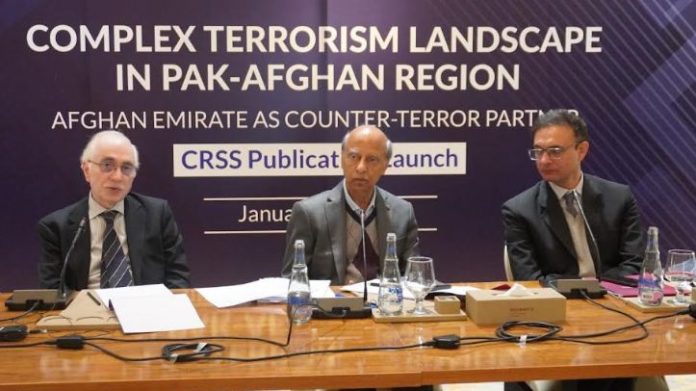
These remarks were made by the head of the Pakistan-based liaison office for the U.N. Assistance Missionin Afghanistan (UNAMA), Malick Ceesay, during the launching ceremony of “Complex Terrorism Landscape in Pakistan-Afghanistan Region: Afghan Emirate as Counter-TerrorPartner”, the latest publication of the Center for Research and Security Studies (CRSS). The research publication offers critical insights into the evolving dynamics of militancy in the region and explores the heightened threats posed by the Tehrik-e-Taliban Pakistan (TTP) and the Islamic State of Khorasan Province (ISKP) following the Taliban’s return to power in August 2021.

The UNAMA representative further said that peace and stability of Afghanistan is the concern of the entire international community and not just of the United Nations, all wanting to see the country prosper, stable and enjoy lasting peace as a matter of Afghanistan’s and international interest. UNAMA and UN are committed and working to make that possible through engagement, regional collaboration and coordination.

The CRSS research in its key highlights notes that contrary to the initial optimism about Taliban rule that it might bring decline in transnational terrorism and lead to regional stability, the threats have instead only intensified and it has introduced new complexities, manifest in – as far as Afghanistan’s neighbors are concerned – 66% surge in violence recorded in Pakistan in 2024, the highest in nearly a decade. The country alsowitnessed a sustained rise ini) overall violence (resulting from terrorism and counter-terrorism operations), and ii) terror attacks on Pakistan’s security forces and their resulting fatalities, for the fourth consecutive year since 2021, which coincides with the Taliban’s return to power in Afghanistan.

TTP and ISKP – now dominate the militant landscape in the region, where a closer look at them as two primary militant actors reveals that each pursuing distinct and divergent but equally destabilizing agendas. The TTP, rooted in Deobandi ideology, seeks an Islamic state in Pakistan and exploits local grievances. ISKP, a Salafi-jihadist group, prioritizes transnational jihad, carrying out mass-casualty attacks and targeting religious minorities. ISKP’s brutal agenda poses a global threat, with its tech-savvy recruitment strategies and adaptability making it a formidable adversary.

The report critiques the Taliban’s dual counter-terrorism strategy of combating ISKP through aggressive operations, viewing them as an existential threat, while tacitly supporting TTP which stems from their ideological alignment and strategic considerations. This selective approach has strained its relations with Pakistan and hindered regional counterterrorism efforts.

It recommends that Pakistan needs strategic clarity on the nature of the TTP threat and must adopt a deradicalization strategy that does not treat militancy as a monolith, instead, take into consideration the distinct ideological, socio-political, and economic drivers of groups like the TTP and ISKP. Strengthened intelligence-sharing and cross-border coordination are crucial to counter transnational threats.Community-led initiatives promoting tolerance, education, and infrastructure development can mitigate grievances that fuel militancy.

The report underscores the importance of holding the Taliban accountable for their commitments under the Doha Agreement while engaging them for counterterrorism cooperation. It highlights the need to integrate counterterrorism efforts into broader governance and development frameworks for sustainable peace.

“The rise of ISKP and the consolidation of TTP through splinter groups pose twin challenges. Their divergent objectives—localized versus transnational jihad—demand differentiated and targeted responses”, said the principal author of the report, Dr. Aamer Raza, from the department of Political Science, University of Peshawar.

Former ambassador of Pakistan to China, Masood Khalid, said that China’s engagement with the Taliban is rooted in its long-term and pragmatic interests, where stability in Afghanistan aligns with Beijing’s goals of regional economic integration and security. However, the Taliban must demonstrate their willingness to combat transnational threats.

He further saif that ETIM is a serious issue but China is likely to continue engagement with Taliban regime and not make terrorism an excuse for disengagement. The issue of transnational threats emanating from Afghanistan are a source of serious concern for all countries. The Trump administration is likely to come back to Afghanistan and seek accountability from Taliban on their Doha promises.

The executive director of CRSS, Imtiaz Gul, said that the geopolitical concerns of neighboring countries, coupled with Pakistan’s vulnerability, have made it the primary victim of cross-border militancy. We must recalibrate our policies to address the root causes of this violence.

Prominent experts, academics, and policymakers gathered at the launch event to discuss the findings and their implications for regional security, and approached consensus that the international community cannot afford to disengage from Afghanistan as it risks exacerbating security challenges, further destabilizing the region, and undermining counterterrorism progress.

PM Shehbaz meets Hurriyet Leaders at Bhimber Daanish School inauguration

PM Shehbaz meets Hurriyet Leaders at Bhimber Daanish School inauguration

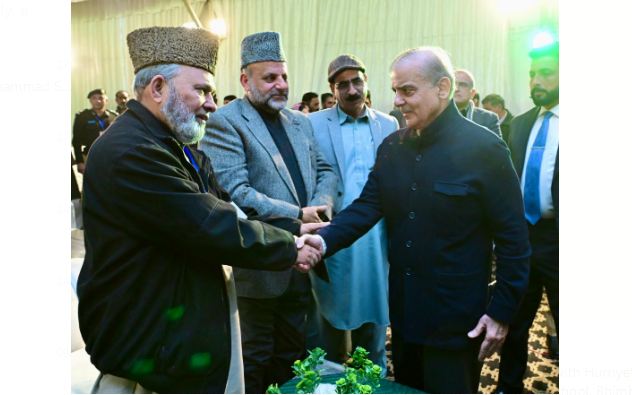
BHIMBER, JAN 22 /DNA/ – Prime Minister Muhammad Shehbaz Sharif meets with Hurriyet Leaders on the occasion of founding ceremony of Daanish School, Bhimber on 22 January 2025.

FATA University hosts second career counseling seminar under KPEFA initiative

FATA University hosts second career counseling seminar under KPEFA initiative

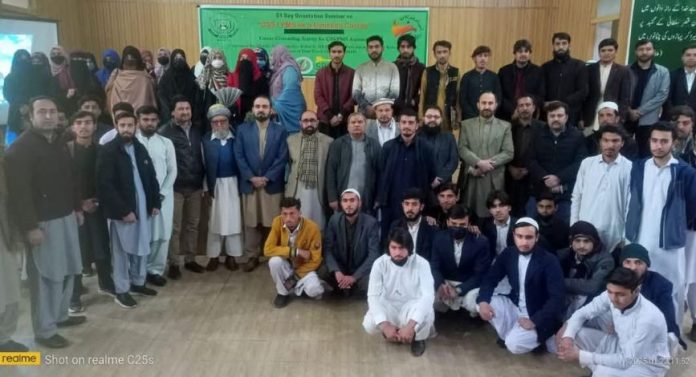
KOHAT, JAN 22 /DNA/ – Second seminar of Career Counseling , Under Youth Skills Development Program of Khyber Pakhtunkhwa Education Foundation Academy(KPEFA)was held in the Ajab Khan Afridi Auditorium Government Degree College /FATA University Darra Adam Khel Kohat.

Member National Assembly Kohat Mr.Sheheryar Khan Afridi was the Chief Guest, who lauded the efforts of KPEF and District Administration Kohat for organizing such informative sessions for Youth Development. He urged upon the youth to adopt the way of honesty and hardwork for achieving Success in life. He said skillful honest youth can uplift Pakistan. He said, success always came after painful struggle.

The event was attended by students of FATA University, Govt.Degree College and Govt.Girls Degree College Darra Adam Khel Kohat.Earlier, Dr.Alamzeb, VC FATA University welcomed the guests and students. Mr.Arif Shah, Director KPEFA presented on Youth Skills Development Program and Digitized Scholarship Program of KP Education Foundation.

Mr. Saad Munir,Additional Assistant Commissioner Kohat gave presentation on CSS/PMS as a dynamic Career. Mr.Abdul Akram , Deputy Commissioner motivated students to opt for the careers of their choices as CSS/PMS aspirants may join KPEF Academy for preparing themselves for the competitive exam. Students asked numerous questions which were addressed by the speakers.

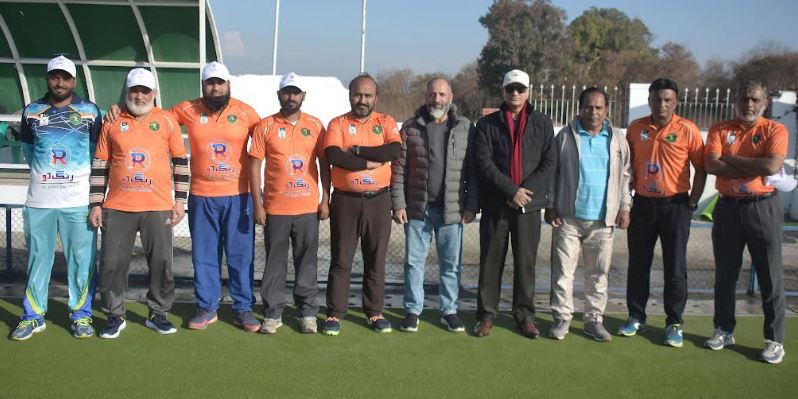
Malaysian, Brunei envoys chief guests: Rising Stars Hockey Club lifts Chief of Army Staff trophy

Malaysian, Bruni envoys chief guests: Rising Starts Hockey Club lifts Chief of Army Staff trophy

Team Coach Asif Bhatti and Manager Ansar Bhatti congratulated players for outstanding performance

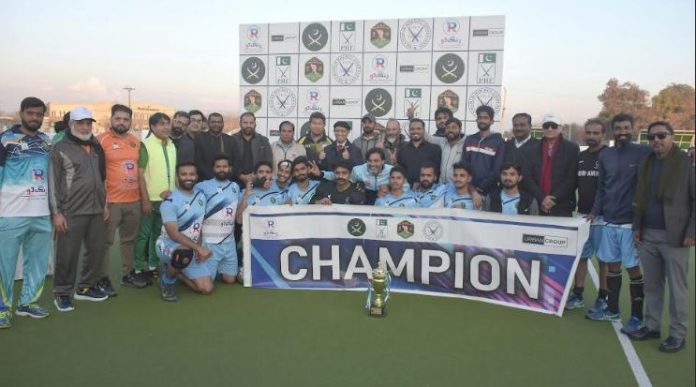
ISLAMABAD, JAN 22 /DNA/ – The final match of 2nd Chief of Army Staff Inter Club Hockey Championship 2025 was played at Naseer Banda Hockey Stadium, Pakistan Sports Complex.

After an interesting and thrilling match, the match was tied at 2.2 goals and both teams managed to score 3.3 goals in the penalty shoot-outs.

Rising Star Hockey Club won the Chief of Army Staff Inter-Club Hockey Tournament by defeating Nishtar Hockey Club by 6 goals to 5 in the sudden death competition.

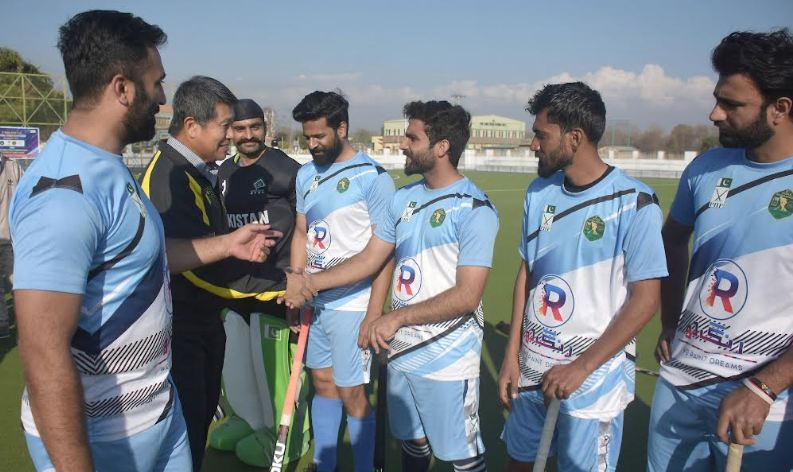
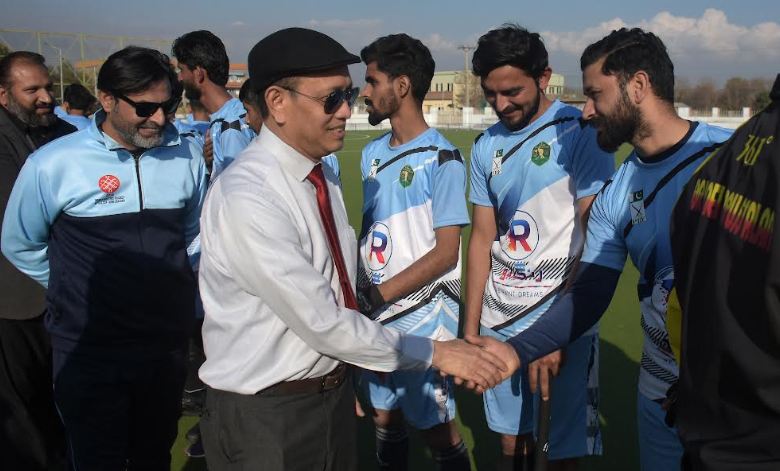
Among the special guests High Commissioner of Malaysia Mr. Azhar Mazlan, High Commissioner of Darul Islam Brunei Mr. Kamal Ahmed, Deputy Director General Pakistan Sports Board Mr. Syed Naveedur Rehman, Olympian Shahbaz Ahmed Sr Chaudhry Atif Hanif is the main sponsor of this tournament, Urban Group and CEO of Rang Duka Mr. Waqas Hameed, Co-Chairman of Ring Two Mrs. Uzma, CEO of Green City Housing Society were present at the ground and thoroughly enjoyed this thrilling and exciting match.

Azim Jatt and Wajahat Munir performed the umpiring duties in today’s match while Muhammad Imran was the reserve umpire.

The technical official in the field jury was Rizwan Rana along with Ehsanullah Niazi and Raja Muhammad Latif were part of the jury.

International hockey empire Sohail Janjua was also present.

Tournament Director Chaudhry Mehboob Javed and Assistant Tournament Director Waseem Baig were also present. Team coach Asif Bhatti and Manager Ansar Bhatti congratulated players for outstanding performance.

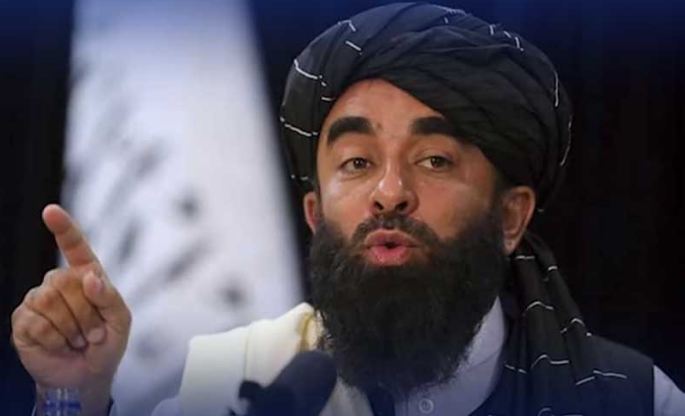
Taliban refuse Trump’s demand to return US weapons

Taliban refuse Trump's demand to return US weapons

KABUL, JAN 22: Afghanistan Taliban has reportedly refused to return any of the military equipment left behind by US troops during their exit from Afghanistan in 2021, according to a source familiar with the matter. The individual, who chose to remain anonymous, stated that relations between Kabul and the Trump administration are off to a shaky start.

Instead of retrieving the abandoned weapons, the source suggests that the US should consider providing the Taliban with more advanced weaponry to aid in their fight against the Islamic State Khorasan (ISIS-K), a local offshoot of the broader ISIS organization. This proposal highlights ongoing tensions and shifting alliances in the region.

Afghan Taliban member freed from US custody in exchange for two Americans, Kabul says

The United States has freed an Afghan convicted by an American court on charges of drug smuggling and terrorism in exchange for two U.S. citizens held in Afghanistan, authorities in Kabul said on Tuesday.

Afghan officials said the man, Khan Mohammad, had landed in Kabul after being released. Mohammad was sentenced to life imprisonment in 2008 by a U.S. court, which was the first conviction on narco-terrorism charges, according to the U.S. Department of Justice.

Mohammad told local media organisation Hurriyat in a video interview on Tuesday that he had left prison on Jan. 16.

“Thanks to the support and assistance of the Islamic Emirate and, by God’s grace, I was freed,” he said, referring to the Taliban’s name for its government.

The prisoner exchange was the result of “long and productive” negotiations between Afghan and American authorities, Afghanistan’s foreign ministry said in a statement.

Mohammad was arrested in eastern Afghanistan in 2006 and extradited to the U.S a year later, according to the DOJ website.

Zabihullah Mujahid, a spokesman for the Taliban administration, confirmed that two Americans had been released, but declined to identify them.

One of the Americans released was named Ryan Corbett, according to a statement on a site run by his family. Corbett had been in Taliban detention since 2022, the family site said.

“We are overwhelmed with joy that Ryan is on his way home,” the family said on the site.

CNN and the New York Times reported on Sunday that the other American released was William McKenty.

“The Islamic Emirate views the actions of the United States positively when they contribute to normalizing and expanding relations between the two countries,” Afghanistan’s foreign ministry statement said.

It thanked Qatar for its role in the exchange.

WHO WERE THE MEN RELEASED?

According to the DOJ website, Mohammad was a member of the Afghan Taliban who had been sentenced to life imprisonment on two counts at the age of 38 in the first ever narcotics-terrorism charges brought in the United States.

The website quoted court records saying Mohammad was “a violent jihadist and narcotics trafficker” who “sought to kill U.S. soldiers in Afghanistan using rockets”.

Corbett’s family said he ran a non-government organization called Bloom Afghanistan, which was a social enterprise focused on strengthening Afghanistan’s private sector.

He was in Afghanistan to renew his business visa in 2022 when he was detained by the Taliban.

McKenty’s family had asked the U.S. government to keep his details private, according to the New York Times.

The prisoner exchange was years in the making and finally struck in the very last hours of Democratic former President Joe Biden’s time in office before Republican President Donald Trump took over on Monday, CNN reported.

“It’s notable that the Taliban waited for Trump,” said Graeme Smith, senior analyst at International Crisis Group.

“Of course it was negotiated by the Biden administration, and I think the outgoing administration laid the groundwork for further potential deals,” he added, referring to the talks over other Americans detained in Afghanistan as well as Muhammad Rahim al-Afghani, a high-profile prisoner held in Guantanamo Bay.

Biden’s administration had been negotiating with the Taliban since at least July about a U.S. proposal to release three Americans, including Ryan Corbett but also George Glezmann and Mahmood Habibi – in exchange for al-Afghani, Reuters reported this month, citing a source familiar with the discussions.

The New York Times reported that Glezmann and Habibi remained in Afghanistan after this week’s release.

Glezmann is a former airline mechanic. Mahmood Habibi, a naturalized American, was seized soon after a U.S. strike in Afghanistan killed Ayman al-Zawahri, the leader of Al Qaeda, the New York Times said.

Corbett’s family praised both the Trump and Biden administrations for the exchange but expressed regret that Glezmann and Habibi were also not freed, according to a statement.

State-of-the-art Mobile App ‘RAAHGUZAR’ launched

State-of-the-art Mobile App ‘RAAHGUZAR’ launched

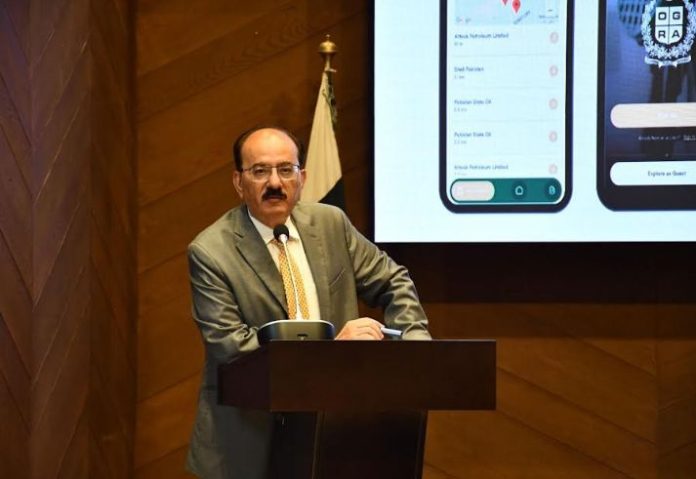
The launching ceremony, held at OGRA head office in Islamabad, was attended by senior officials from the Ministry of Energy (Petroleum Division), FBR, Customs, the Explosives Department, and representatives from OCAC and the Oil Marketing Association of Pakistan (OMAP).

DNA

ISLAMABAD, JAN 22: The Oil and Gas Regulatory Authority (OGRA), in collaboration with the Federal Board of Revenue (FBR) and the Oil Companies Advisory Council (OCAC), has launched a state-of-the-art mobile application, ‘Raahguzar.’ This innovative app, utilizing Geographic Information System (GIS) technology, enables users to pinpoint legal petrol pumps and outlets across the country, marking a significant step in the digitization of Pakistan’s oil supply chain.

The launching ceremony, held at OGRA head office in Islamabad, was attended by senior officials from the Ministry of Energy (Petroleum Division), FBR, Customs, the Explosives Department, and representatives from OCAC and the Oil Marketing Association of Pakistan (OMAP).

The ‘Raahguzar’ app offers a user-friendly platform for consumers, district governments, and law enforcement agencies to identify illegal outlets or “dabba stations.” Additionally, consumers can use the app to lodge complaints related to illegal outlets, overcharging, or quality concerns, ensuring transparency and empowering stakeholders.

The event was chaired by Chairman OGRA, Mr. Masroor Khan, alongside Member Oil and Finance. In his address, Mr. Khan emphasized the transformative potential of this initiative. “This journey began with discussions between OGRA and FBR in August 2024, highlighting the urgent need for digitizing the oil supply chain. The launch of ‘Raahguzar’ is the first phase of a broader track-and-trace system aimed at promoting accountability, preventing economic leakages, curbing illegal activities, and enhancing the oil industry’s integrity,” he stated.

Mr. Khan further added, “This initiative will serve as a game-changer in addressing the challenges posed by illegal petrol pumps and malpractices, contributing significantly to the growth and sustainability of the oil sector in Pakistan.”

The launch of ‘Raahguzar’ reflects OGRA’s commitment to leveraging technology for effective governance and fostering a transparent and accountable energy ecosystem.

For further details or to download the ‘Raahguzar’ app, visit OGRA’s official website or contact the OGRA helpline.

Trump’s Strategy to Counter China’s BRI: Too Little, Too Late”

Qamar Bashir

Trump’s Strategy to Contain China (Part-II)

By: Qamar Bashir

Macomb, Detroit, Michigan

During the two confirmation hearings—Marco Rubio’s confirmation hearing for Secretary of State and the Senate Finance Committee—China was identified as America’s most significant geopolitical challenge. Various strategies were discussed to counter China’s rapid and unprecedented rise on the global stage, including a three-point strategy: strengthening U.S. alliances in the Indo-Pacific, restricting China’s access to advanced U.S. technology, and countering Beijing’s military aggression in Taiwan and the South China Sea. The discussion urged the Trump administration to work tirelessly to end economic dependence on China, particularly in critical industries such as semiconductors and rare minerals, to safeguard national security and economic resilience. 

While outlining perceived threats from China, the hearings cited alleged cyberattacks on U.S. infrastructure, such as the Treasury Department hack, sabotage of communication cables in Asia and Europe, and military intimidation of Taiwan and the Philippines in the South China Sea. Additionally, China was accused of waging economic warfare through its control of critical minerals and manufacturing dominance, posing a significant risk to U.S. economic stability. Senator Rubio warned that without decisive action, China would dominate global supply chains, making the U.S. dangerously dependent on Beijing for essential goods, including medicine and technology. 

Both committees expressed deep concerns over China’s Belt and Road Initiative (BRI), arguing that Beijing has strategically used the massive infrastructure project to ensnare developing countries in debt traps and gain economic and geopolitical leverage. Senators John Cornyn and Todd Young warned that the BRI has expanded China’s influence across Asia, Africa, and Latin America, with over 150 countries now part of the initiative, many of which are struggling with unsustainable debt burdens. 

They noted that China provides large-scale infrastructure loans with opaque terms, and when countries fail to meet repayment obligations, Beijing seizes control of critical assets such as ports, railways, and energy infrastructure, effectively making these nations financially and politically subservient to Chinese interests. The senators called for a robust counter-strategy to curb China’s economic coercion and reassert U.S. influence in global infrastructure and development financing. 

Senators Maria Cantwell and Bill Cassidy further warned that China’s BRI projects often involve exploitative labor practices, where Chinese firms and workers dominate construction contracts, leaving little long-term benefit for local economies. To counter this, they advocated for stronger U.S. trade and investment partnerships that prioritize local job creation and economic sustainability. 

They proposed expanding U.S.-backed alternatives, such as the Development Finance Corporation (DFC) and the G7’s Partnership for Global Infrastructure and Investment (PGII), to offer more transparent and sustainable financing options to emerging economies. Instead of relying solely on public funds, they suggested that the U.S. encourage private-sector-led investments in infrastructure projects in Africa, Latin America, and Southeast Asia, providing a viable alternative to China’s state-backed lending. 

Additionally, Bessent and Senator James Lankford proposed leveraging U.S. energy exports as a tool to counter China’s growing economic foothold in developing nations. By increasing American liquefied natural gas (LNG) and oil exports, the U.S. could offer an energy alternative to Chinese-financed coal and fossil fuel projects under the BRI, reducing these countries’ dependence on Beijing. 

Another proposed measure involved strengthening diplomatic and security alliances, particularly with Indo-Pacific nations, to reduce China’s dominance over global infrastructure and supply chains. Senator Cornyn emphasized that the U.S. must work closely with India, Japan, and Australia through the Quad alliance to provide a coordinated, transparent, and non-exploitative alternative to the BRI. 

Bessent concluded that a Trump administration would take a more aggressive stance on countering China’s economic expansion, ensuring that the U.S. leverages trade agreements, private-sector investments, and strategic partnerships to prevent more nations from falling into Beijing’s economic orbit. The hearings made it clear that reasserting U.S. leadership in global infrastructure financing and reducing dependency on China’s BRI loans would be a key priority for the incoming administration. 

It was acknowledged that, under the watch of U.S. leadership, the BRI has expanded to 151 countries, encompassing a combined GDP of $41 trillion and a population of approximately 5.1 billion people. With over $679 billion invested in infrastructure projects—including power plants, railways, highways, ports, and telecommunications—the BRI has reshaped global trade and economic connectivity. 

Despite the initiative’s rapid expansion over the past 12 years, the U.S. is only now in the brainstorming phase of formulating a countermeasure. The current discussions revolve around developing an alternative to the BRI—one that operates under U.S. leadership and is marketed as a more viable and transparent system of lending and investment. However, this realization comes too little and too late. Even if the U.S. were to start constructing a parallel system today, it would take at least 12 years to reach the level of maturity that the BRI has achieved as of 2025. By that time, the BRI itself would have advanced another decade, further consolidating China’s economic influence. 

Given this reality, a more pragmatic approach for the U.S. would be to rethink its strategy—not by opposing the BRI, but by engaging with it. Instead of treating China as a rival in global infrastructure development, the U.S. should consider a cooperative approach, joining BRI projects as an equal partner. China has consistently extended invitations to all nations, including its geopolitical adversaries such as the U.S. and India, to collaborate within the BRI framework. 

By leveraging the unmatched expertise of U.S. entrepreneurs, managers, and innovators, the BRI could be significantly enhanced in terms of efficiency, transparency, and governance. A strategic partnership between the world’s two largest economies would not only benefit the partner nations involved but also set a new precedent for global cooperation. Rather than engaging in a zero-sum competition, a U.S.-China collaboration on infrastructure and development initiatives could usher in an era of shared prosperity, sustainable growth, and geopolitical stability. 

Ultimately, global economic development should not be viewed as a contest of dominance but as an opportunity for mutual benefit. By fostering a cooperative rather than adversarial relationship, the U.S. and China could lead the world toward an unprecedented level of economic integration and progress (Continues). 

By: Qamar Bashir

Press Secretary to the President (Rtd)

Former Press Minister at Embassy of Pakistan to France

Former MD, SRBC

The Transition of U.S. Presidential Powers

The U.S. Response to China's Rise

Dr. Muhammad Akram Zaheer

The role of a U.S. president, while central to the nation’s governance, is often misconceived as that of an unrestrained and autonomous actor capable of single-handedly shaping the course of history. This perception, although common even in democracies, is far removed from the reality of institutional, structural’ historical constraints that define presidential leadership. Historically, U.S. political cycles reveal a predictable pattern where periods of significant national transformation are preceded by presidencies marked by crisis and perceived ineffectiveness. These cyclical shifts occur roughly every 50 years and are characterized by the election of a president who presides over a tumultuous period of social and economic disorder, ultimately paving the way for a successor who reconstructs and redirects the nation. To understand this cyclical phenomenon, one must examine the historical precedents of such transitions. Following George Washington’rew Jackson became the second significant transformational president, framing his leadership around the extensive settler movement and its accompanying financial developments that were already reshaping the United States. Similarly, Franklin D. Roosevelt took office during the Great Depression, an era of unparalleled economic despair. He not only redefined the nation’s economic structure but also prepared it for the impending global conflict of World War II. Decades later, Ronald Reagan inherited a nation grappling with severe economic stagnation, a lack of capital and demand’ military setbacks in regions like the Middle East. Each of these presidents responded to crises that were not of their own making, yet their leadership set the stage for reconstructing the nation and initiating new trajectories in governance, economy’ foreign policy. Before such transformative presidencies, however, there is invariably a period of disarray, marked by presidents who despite their efforts to govern effectively amidst systemic chaos. This pattern illustrates that the leadership of a transitional president is not about absolute agency but about responding to existing pressures and reconfiguring the nation to meet emerging challenges. The election of Donald Trump in 2016 provides a contemporary example of this dynamic. Trump’s campaign and subsequent presidency were shaped by societal tensions and a growing disillusionment with the preceding political norms. It is essential to recognize that no president operates in a vacuum, free to implement their agenda without encountering institutional and public resistance. Trump’s rise to power was not merely a reflection of economic dissatisfaction, as is often suggested, but rather a response to cultural and ideological divisions within American society. His rejection of the entrenched “culture war” narratives resonated with a significant segment of the population, positioning him as an alternative to the prevailing political establishment.

Trump’s electoral success was rooted in his ability to align himself with public sentiment on issues beyond the economy. His emphasis on recalibrating cultural norms, redefining international alliances’ addressing perceived imbalances in global economic and military engagements reflected a broader desire for change. While economic policies, such as tax reforms and deregulation, formed part of his platform, they were secondary to his overarching narrative of restoring America’s strength and autonomy in an increasingly interconnected and contentious world. A central feature of Trump’s presidency was his attempt to redefine the United States’ role on the global stage. He advocated for a reconsideration of foreign alliances, seeking to renegotiate trade agreements, military commitments’ diplomatic relations to prioritize U.S. interests. This approach did not necessarily signal an embrace of rigid nationalism but rather a pragmatic effort to address what he perceived as unfair burdens borne by the United States in its international engagements. Such a strategy was ambitious, aiming to establish new economic and military models while navigating resistance from domestic and international actors.

Stay Connected

64FansLike
60FollowersFollow

Latest Reviews

Exchange Rates

USD - United States Dollar
EUR
1.17
GBP
1.35
AUD
0.72
CAD
0.73