Home Blog Page 693

ICCI President stresses importance of reviving real estate sector for economic growth

ICCI President stresses importance of reviving real estate sector for economic growth

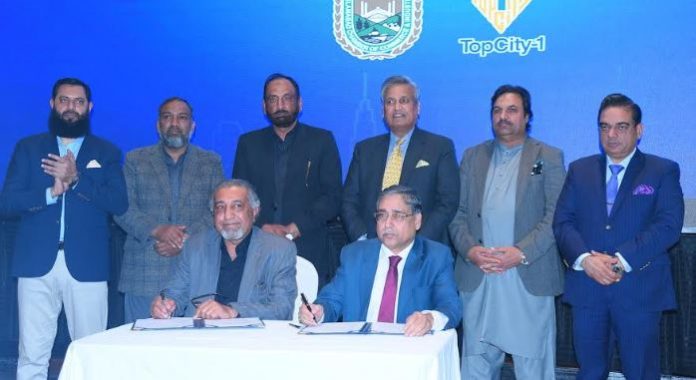
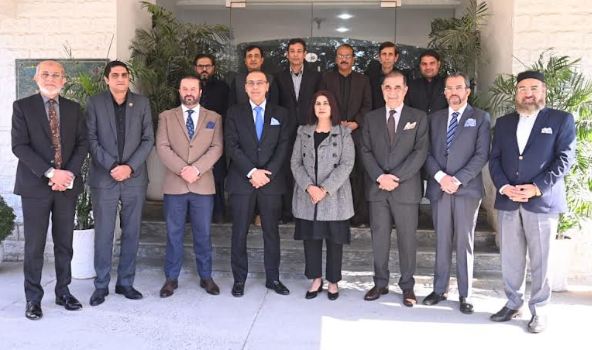
ISLAMABAD: The Islamabad Chamber of Commerce and Industry (ICCI) has announced a collaborative effort with Top City-I to host the Top City-1 Expo 2025, set to take place from February 21 to 23. This announcement was made by Nasir Mansoor Qureshi, the President of ICCI, during a pre-launch event held at the S.M. Muneer Auditorium at the Chamber House, which was attended by a wide range of business leaders, stakeholders, and prominent figures from across the country.

President Qureshi, in his address, underscored the immense significance of the real estate sector to Pakistan’s overall economic development. He declared 2025 to be the “Year of Real Estate,” noting that the sector, valued at over $2 trillion, is one of the largest contributors to employment and business opportunities in the country. He explained that revitalizing this vital industry would not only benefit private enterprises but also provide a substantial boost to government revenues, which are essential for the country’s fiscal health.

The ICCI President also praised the proactive efforts of Top City-1, recognizing the initiative as a step in the right direction for addressing the sector’s challenges. He reiterated ICCI’s full commitment to fostering a business-friendly environment and supporting initiatives that drive sustainable economic growth. According to Qureshi, the revival of the real estate sector will create a ripple effect, benefitting both the private and public sectors by providing new avenues for investment, job creation, and revenue generation.

Tariq Sadiq, Chairman of the Founder Group ICCI, shared an optimistic outlook, acknowledging the government’s recognition of the negative impact of irrational taxation on the real estate market. He expressed confidence that the sector’s revival is crucial for Pakistan’s broader economic recovery, noting that it would serve as a catalyst for economic development across multiple industries.

Sardar Tahir Mehmood, a member of the Prime Minister’s Task Force for the Development of Housing, highlighted positive changes that are on the horizon. He quoted Prime Minister Shehbaz Sharif’s recent statement, which confirmed the government’s intention to introduce favorable policies for the real estate sector, including the removal of the Federal Excise Duty on property transactions. This policy change, Mehmood believes, will ease the financial burden on real estate transactions and help stimulate growth in the sector.

Brigadier Sikandar Khan ®, Chief Operating Officer of Topcity-1, expressed gratitude for the unwavering support from ICCI and emphasized the collective determination of the business community to overcome challenges and contribute to the nation’s development. He called for greater unity among business leaders to tackle the current difficulties and ensure the real estate sector’s growth.

A significant moment during the event was the signing of a Memorandum of Understanding (MoU) between ICCI and Topcity-1. The MoU, formalizing their collaboration for the Top City-1 Expo 2025, was signed by ICCI Secretary-General Ghulam Murtaza Siddiqui and Brigadier Sikandar Khan ® on behalf of Topcity-1. The partnership aims to bring together industry leaders, investors, and stakeholders to discuss key trends, investment opportunities, and the future of real estate in Pakistan.

Senior Vice President Abdul Rehman Siddiqui concluded the event by reaffirming ICCI’s commitment to removing barriers to doing business in Pakistan and supporting initiatives that facilitate the ease of doing business. He stressed that the chamber remains steadfast in its mission to create a conducive environment for business growth and economic prosperity.

The event also featured a presentation by Waqas Khan Swati, an ICCI member and CEO of Waqas International, who elaborated on the potential and vision for the upcoming Top City-1 Expo 2025. His insights highlighted the vast opportunities that exist within Pakistan’s real estate sector and the ways in which the industry can thrive with the right policies and investments.

The pre-launch event was attended by several notable figures, including ICCI Vice President Nasir Mehmood Chaudhry, former ICCI Presidents Zubair Ahmed Malik and Mohammad Ejaz Abbasi, executive members Zulqurnain Abbasi, Shumaila Siddiqui, Ishaq Sial, Irfan Chaudhry, and ICCI President’s Advisor Naeem Siddiqui, as well as Topcity-1 executive Ghulam Yasin and other leading members of the business community.

HEC updates commerce curricula to meet modern academic and industry needs

HEC updates commerce curricula to meet modern academic and industry needs

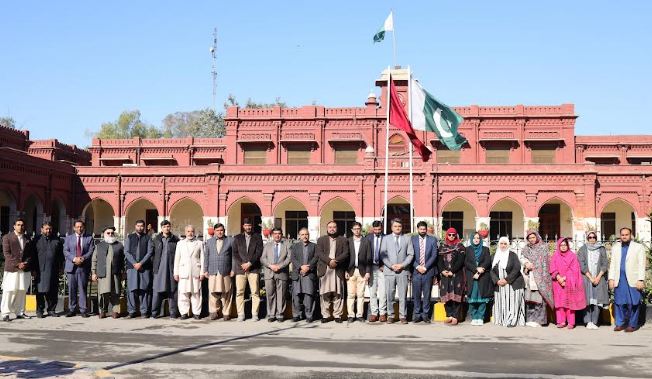
ISLAMABAD, JAN 29 /DNA/ – The Higher Education Commission (HEC), through its National Curriculum Review Committee (NCRC), has updated the Commerce degree curricula to align with modern academic and industry demands. The two-day NCRC meeting, chaired by Prof. Syed Muhammad Amir Shah from Allama Iqbal Open University, Islamabad, took place at Government College University Faisalabad.

The committee designed comprehensive curricular standards for the Associate Degree, Bachelor of Studies, and Master of Studies in Commerce, reinforcing HEC’s commitment to academic excellence and aligning the discipline with contemporary business challenges.

Dr. Amjad Hussain, Director General, Academics Division at HEC, highlighted HEC’s commitment to enhancing curriculum development, elevating academic standards, and fostering a more structured, industry-aligned education system.

Mr. Muhammad Ali Baig, Deputy Director, Academics Division at HEC and Secretary of the NCRC, provided a comprehensive overview of HEC’s curriculum development approach. He emphasized the need for a structured Commerce degree that equips students with industry-relevant skills, setting it apart from the existing degree of Bachelor of Business Administration. He highlighted the importance of strengthening courses in accounting, finance, economics, and trade policy in the undergraduate degree in Commerce to make it more relevant to the subject and the required practice in field. Moreover, recognizing the growing influence of AI and digital transformation in commerce, he stressed the integration of courses on computing, digital skills, business technology, and enterprise resource planning to modernize the curriculum of commerce degrees and to enhance graduates’ technological competency.

The NCRC had representation from leading higher education institutions across Pakistan, including Air University, Islamabad, Allama Iqbal Open University, Islamabad, Bahauddin Zakariya University, Multan, Emerson University, Multan, Fatima Jinnah Women University, Rawalpindi, Foundation University Islamabad, Government College University Faisalabad, Government College University Lahore, Hailey College of Commerce, University of the Punjab, Lahore, International Islamic University, Islamabad, Quaid-i-Azam College of Commerce, University of Peshawar, Sardar Bahadur Khan Women University, Quetta, University of Balochistan, Quetta, University of Karachi, University of Kotli Azad Jammu & Kashmir and University of Malakand, Lower Dir.

Aligned with HEC’s undergraduate and graduate education policies, the revised curricula integrate the latest advancements in the field. Upon approval by HEC management, they will be distributed to universities nationwide for implementation.

Will Trump Succeed in Obliterating the Deep State?

Qamar Bashir

By: Qamar Bashir

Macomb, Detroit, Michigan

Donald Trump, even before his potential inauguration in 2025, has opened multiple contentious fronts both domestically and internationally. Each of these fronts is serious, radical, and aggressive, carrying significant risks and consequences if not handled with extreme care. However, the most perilous and far-reaching of these battles is his direct confrontation with the so-called “deep state.” His perception of the deep state arises from the significant resistance he faced from federal agencies during his first term, as well as his belief that the Biden administration has used government machinery as a political tool to intimidate and suppress him, his associates, and his party.

Trump’s anti-deep state policy is based on the premise that the “deep state” is a network of entrenched bureaucrats and intelligence officials working to undermine the elected authority. He has vowed to “obliterate” this institutional opposition by purging government agencies, dismantling bureaucratic strongholds, reducing administrative power, and imposing stricter political loyalty tests within federal institutions with the objective to shift decision-making power away from unelected officials back to the duly elected representatives of the people.

He rightly understood that the federal bureaucracy has accumulated substantial leverage over elected officials through the crafting and enforcement of complex regulations and by maintaining an outsized role in governance and limiting executive flexibility. Trump rightly realized that without dismantling this influence, no president can effectively execute their agenda.

To achieve this, Trump introduced “Agenda 47,” a sweeping initiative to re-establish a new “Department of Government Efficiency” (DOGE). This department is tasked with setting performance benchmarks, streamlining governmental functions, and ensuring that agencies operate with heightened efficiency and accountability. By defining clear objectives and reassessing resource allocation, this initiative seeks to eliminate inefficiencies and curtail the unchecked power of unelected officials.

Soon after his inauguration, Trump issued an executive order to enforce a federal hiring moratorium, intending to drive deep structural reforms within the government by reducing bureaucratic expansion and recalibrating agency operations. He issued Executive Order 13957 (Schedule F) to reclassify certain federal positions. The purpose was to make it easier to remove employees deemed obstructive to the administration’s objectives, laid the groundwork for sweeping restructuring, particularly within national security and intelligence agencies, and fundamentally reforming the Foreign Intelligence Surveillance Act (FISA) courts.

Additionally, Trump has proposed the creation of a Truth and Reconciliation Commission to declassify and disclose documents related to alleged deep state activities, including unauthorized surveillance, censorship, and political interference. He has vowed to identify and prosecute individuals who leak sensitive government information to the media, arguing that such leaks contribute to misinformation and internal manipulation.

To ensure continued oversight, Trump has setup an independent auditing system to continuously monitor intelligence agencies, preventing them from engaging in unauthorized activities against American citizens, and to dismantle the entrenched power structures that have historically constrained presidential authority.

Additionally, the Heritage Foundation’s “Project 2025” aligns with these objectives and has launched a comprehensive plan to reshape federal agencies and implement policies consistent with the administration’s goals. On January 24, 2025, the administration terminated at least 17 inspectors general across various federal agencies, while tens of thousands of federal civil service roles are reclassified as political appointments, aiming to replace existing personnel with individuals loyal to the administration.

A program has been offered to buyouts equivalent to seven months’ salary, encouraging federal employees to resign voluntarily by February 6, 2025. Estimations suggest that between 5% to 10% of federal employees may accept the buyout offer, potentially affecting up to 200,000 workers, given the federal civilian workforce of approximately 2 million.

President Donald Trump has not solely focused on civil bureaucracy, but he has implemented significant reforms in the U.S. armed forces to better align them with his administration’s policies and strengthen civilian oversight. On January 27, 2025, he signed an executive order to prohibit the use of race- or sex-based preferences in recruitment and advancement, aiming to refocus the military on traditional merit-based criteria. He has signed another executive order prohibiting transgender individuals from serving in the U.S. military. He has appointed individuals aligned with his vision for the military to key defense positions.

Trump has demonstrated to leaders worldwide how to free elected representatives and their constituents from the control of entrenched bureaucrats who, through sheer force and administrative manipulation, usurp the powers of elected officials. Under the guise of regulations, laws, and procedural rules, these unelected entities assert dominance, making entire nations subservient to their authority. He has shown that decision-making power can and must be returned to the duly elected representatives of the people, ensuring that governance reflects the will of the electorate rather than the dictates of an unaccountable bureaucracy.

His actions resonate with millions, particularly in nations where fragile democratic institutions allow deep state elements to operate unchecked. In these countries, the deep state is often far more oppressive, using military power to suppress fundamental human rights. Despite being funded by taxpayer money, these entities dominate national institutions, including the judiciary, parliament, and executive branches, ensuring an unyielding grip on power.

In such regimes, deep state actors exploit their positions for illicit activities such as smuggling, blackmail, and seizing national assets through sheer force. They impose tyranny and fascism on their own citizens, silencing opposition by means of extrajudicial killings, destruction of businesses, and illegal detentions. Political dissidents are often abducted without judicial oversight, imprisoned under fabricated charges, or forced into exile. This unchecked power structure devastates economies, stifles free speech, gags and defaces the media, imposes curbs on the internet and social media, and undermines the democratic aspirations of the people.

The deep state in these countries has established a parallel government structure that exerts control over nearly every aspect of governance, from the lowest levels to the highest. This shadow system overrides decisions made by the civilian government, imposing its own policies and directives. Additionally, a parallel industrial network has been created, operated by serving military officials who use illicit funds, tax revenues, and illegally diverted national resources to sustain and shield their operations from taxation or legal scrutiny.

Any business entity posing a challenge to their financial interests is swiftly eliminated through coercion, intimidation, or outright force. Business leaders and industrialists are frequently blackmailed, while legislators are pressured into passing laws that further consolidate deep state influence, and the judiciary is given written orders to issue. These tactics ensure that the deep state remains beyond accountability, leveraging illegal and unethical methods to maintain and expand its power.

By challenging these entrenched power structures, Trump has positioning himself as a force against global deep state influences and a role model for other democratically elected leaders around the world. His actions have the potential to inspire movements in other nations to resist undemocratic rule and reclaim their sovereignty. If successful, his reforms could mark a significant shift in the governance of not only the United States but also serve as a beacon of hope for oppressed populations around the world.

By: Qamar Bashir

Press Secretary to the President (Rtd)

Former Press Minister at Embassy of Pakistan to France

Former MD, SRBC

Gandhara Cultural Festival promotes sustainable tourism

Gandhara Cultural Festival promotes sustainable tourism

The festival featured a vibrant array of stalls and exhibits, showcasing ancient artifacts, stone carvings, books, hand-embroidered dresses, handmade jewelry, truck art, stupas, and organic foods

Faisal Sheikh/DNA

ISLAMABAD, JAN 29: The Gandhara Cultural Festival, held at the Pakistan National Council of the Arts (PNCA) on Wednesday, brought Pakistan’s rich cultural heritage to life, celebrating the ancient Gandhara civilization and promoting eco-tourism.

The event, followed by the grand launch of the project “Promoting Gandhara’s Civilization and Heritage for Eco-Tourism,” marked a significant step in preserving Pakistan’s historical treasures and boosting tourism.

The festival featured a vibrant array of stalls and exhibits, showcasing ancient artifacts, stone carvings, books, hand-embroidered dresses, handmade jewelry, truck art, stupas, and organic foods.

One of the main attractions was a Hindu community corner, where visitors were captivated by devotional bhajans performed with traditional musical instruments, symbolizing interfaith harmony.

The event was organized by Kurrum Welfare Houses and the Pakistan Poverty Alleviation Fund (PPAF), in collaboration with the Pakistan Tourism Development Corporation (PTDC), Prime Minister’s Youth Programme (PMYP), and PNCA.

Parliamentary Secretary, Farah Naz Akbar inaugurated the festival, commending the initiative for its role in promoting cultural tourism and unity among diverse communities.

“It is heartening to see that stalls from seven different cultural communities are part of this festival, showcasing Pakistan’s rich and diverse heritage,” she remarked.

She also highlighted the government’s “Uraan Pakistan” initiative under the leadership of Prime Minister Shehbaz Sharif, which aims to drive national progress through cultural and economic growth.

CEO of PPAF,  Nadir Gul, emphasized the organization’s commitment to poverty alleviation across 150 districts, providing livelihood opportunities to people of all backgrounds. He highlighted PPAF’s initiatives in Chitral and Balochistan, focusing on education, health, and cultural preservation.

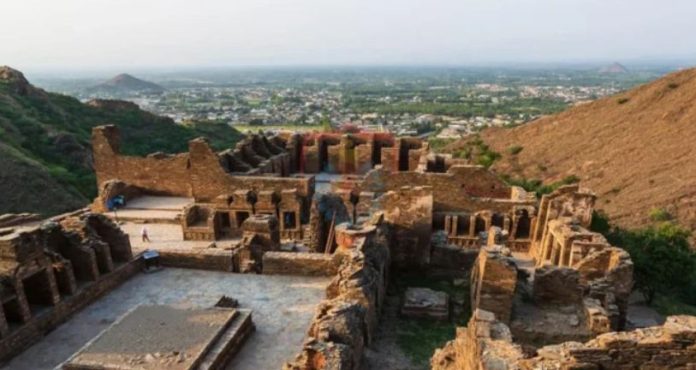
MD PTDC, Rana Aftab, underlined the global significance of Gandhara heritage, spanning Peshawar, Swat, and Taxila Valley. He noted that over 500 million Buddhists worldwide consider this region sacred, making it a prime destination for religious tourism.

“We see Gandhara civilization as a key tourism product. PTDC is actively promoting Buddhist heritage through major projects that aim to preserve history while generating livelihood opportunities for local communities,” he stated.

Tourism, he added, contributes 5.3% to Pakistan’s GDP, with religious tourism from Buddhist, Hindu, and Sikh pilgrims playing a significant role in economic revival.

Advisor for Culture and Heritage at PNCA, Kashif Irshad announced comprehensive national initiatives under “Uraan Pakistan” to boost cultural tourism.

“Pakistan has immense potential in cultural tourism. Under this initiative, we aim to generate $18 billion in foreign exchange annually by 2030,” he revealed.

He also announced plans to host three major cultural festivals—Mehergarh Cultural Festival, Indus Valley Festival, and Gandhara Cultural Festival—to showcase Pakistan’s historical richness to the world.

The festival featured a grand exhibition of Gandhara artifacts, including sculptures, coins, pottery, paintings, and photography exhibits. Visitors had the opportunity to explore the artistic and historical significance of Gandhara’s legacy.

MPA Khyber Pakhtunkhwa, Malik Tariq Awan, also attended the event while a number of visitors also reached the venue for having a glimpse of rich cultural legacy.

The festival concluded with a guided tour of the PNCA Art Gallery, where visitors admired a stunning display of ancient stone carvings, stupas, and paintings that reflect Gandhara’s artistic and spiritual heritage.

The Gandhara Cultural Festival stands as a testament to Pakistan’s rich history, cultural diversity, and commitment to sustainable tourism. By preserving its historical treasures and promoting religious tourism, Pakistan is not only safeguarding its past but also paving the way for economic growth, interfaith harmony, and global recognition of its cultural heritage and growth through sustainable tourism.

PNS YAMAMA visits Jeddah, participates in bilateral exercise

PNS YAMAMA visits Jeddah

DNA

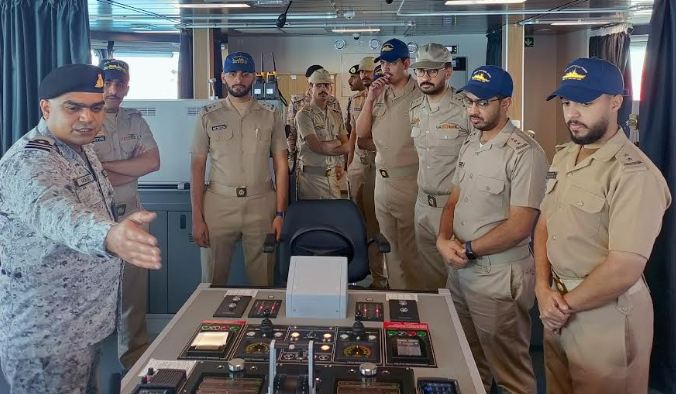
ISLAMABAD, 28 JAN: The newly commissioned Pakistan Navy Ship YAMAMA visited Jeddah, Saudi Arabia, during its maiden voyage from Romania to Pakistan and participated in a Passage Exercise (PASSEX) with the Royal Saudi Naval Forces (RSNF).

Upon arrival at Jeddah port, the ship was warmly welcomed by senior officials of RSNF and representatives from Pakistan Embassy. During its stay, the ship’s crew engaged in professional activities, including cross-ship visits, table-top discussions on maritime issues, and meetings with the RSNF leadership.

Following the port visit, PNS YAMAMA conducted a PASSEX with HMS Makkah. The exercise was designed to strengthen naval cooperation and enhance interoperability between the two navies. Both forces reaffirmed their commitment to ensuring maritime security and promoting regional stability.

The visit of PNS YAMAMA to Saudi Arabia and its participation in the bilateral exercise further reinforced the strong brotherly relations and defence collaboration between Pakistan and Saudi Arabia.

PNS YAMAMA is the fourth Offshore Patrol Vessel (OPV) built for Pakistan Navy by DAMEN Shipyards, Galati, Romania. These versatile and state-of-the-art platforms are equipped with advanced technologies and designed to operate in contested maritime environments. They aim to maintain peace in the prevailing challenging times and project deterrence across all domains of warfare.

RCCI delegation calls on Chief Commissioner RTO Tehmina Aamer

RCCI delegation calls on Chief Commissioner RTO Tehmina Aamer

RAWALPINDI, JAN 28 /DNA/ – The Rawalpindi Chamber of Commerce and Industry (RCCI) delegation, led by President Usman Shaukat and Group Leader Sohail Altaf, had a meeting with Chief Commissioner (RTO) Tehmina Aamer at the RTO Office Rawalpindi. The delegation included SVP Khalid Farooq Qazi and VP Fahad Barlas.

Prominent officials present were Mr. Wilayat Khan (Commissioner City Zone), Haroon Masood (Commissioner Cantt Zone), and Mr. Riaz Khan (Additional Commissioner Headquarters).

The delegation appreciated the RTO office for adding 500,000 new taxpayers through extensive awareness drives in collaboration with RCCI. Suggestions were made to simplify the sales tax registration form, ease taxation policies, and broaden the tax net. RCCI also offered its support in widening the tax base.

Chief Commissioner Tehmina Aamer assured full cooperation in creating a business-friendly environment. She welcomed RCCI’s suggestions for broadening the tax net and requested a sample income tax form for incorporating proposed changes into policy reforms.

Gohar denies holding talks with any other quarter after PTI ends dialogue with govt

Gohar denies holding talks with any other quarter after PTI ends dialogue with govt

RAWALPINDI: Regretting the government’s failure to constitute judicial commissions within the seven-day deadline, Pakistan Tehreek-e-Insaf (PTI) Chairman Gohar Ali Khan clarified on Tuesday that his party was not holding dialogue with any other quarter.

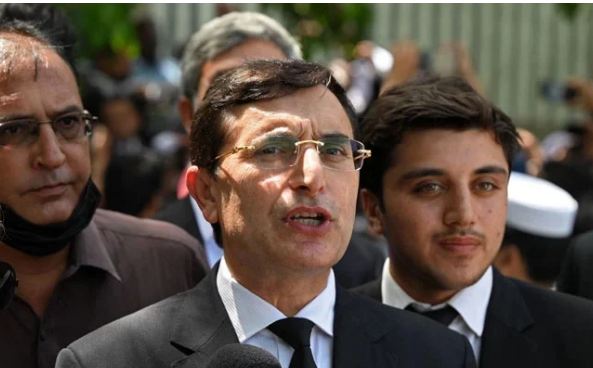
“It’s unfortunate that talks could not proceed further. We sat with the government with an open heart. Our demand was that the judicial commission should be announced within seven days,” Gohar said talking to media outside the Adiala jail in Rawalpindi.

He said the negotiations would have moved forward, had judicial commissions been formed.

The PTI and the ruling coalition have been engaged in talks aimed at defusing political tensions in the country for nearly a month. Both sides have held three rounds of talks so far.

However, the dialogue process hit a snag as the Khan-founded party quit negotiations over the government’s failure to form the judicial commissions to probe the May 9, 2023 violent protests and a crackdown on party protesters in Islamabad on November 26 last year, within seven days, as per their demands.

The PTI chief said his party has been striving for the rule of democracy and Constitution for 27 years. He said they were maintaining contacts with political parties in this regard as they wanted to take all the stakeholders into confidence over the 26th Constitutional Amendment as well as independent judiciary.

Gohar said they would make every effort including protest for the formation of judicial commission.

On speculations about Khyber Pakhtunkhwa Chief Minister Ali Amin Gandapur’s role in the party after Junaid Akbar replaced him as the party’s KP president, the PTI chairman apprised media that the party founder dismissed rumours about Gandapur as false.

“The party founder said Ali Amin Gandapur himself came to him and said he was not getting enough sleep due to heavy work load,” he said, adding that the post of party’s provincial president was changed on the KP chief minister’s recommendation.

The PTI founding chairman had categorically stated that disinformation was being disseminated against Gandapur, he maintained.

Moreover, he said the party had zero tolerance policy on corruption.

On the other hand, speaking to media outside the Supreme Court, PTI Senator Hamid Khan said the PTI would hold a of series conventions in Lahore, Islamabad and Karachi.

“We will hold protests and conventions,” he said, adding their struggle was constitutional and they had multiple options with them.

Struggle for every organisation would not be of low scale, hence the lawyers should mentally be prepared, he said.

Hamid said the PTI and the common men would finally have the last laugh in this struggle.

​​​​​​​Secretary-general: Azerbaijan’s presidency intends to transform, increase CICA’s efficiency

​​​​​​​Secretary-general: Azerbaijan's presidency intends to transform, increase CICA's efficiency

In December 2024, Azerbaijan assumed the chairmanship of the Conference on Interaction and Confidence Building Measures in Asia (CICA) for 2024-2026. This period opens new prospects for enhancing pan-Asian cooperation, strengthening mutual trust between regional countries, and promoting initiatives aimed at ensuring security and sustainable economic development of the continent.

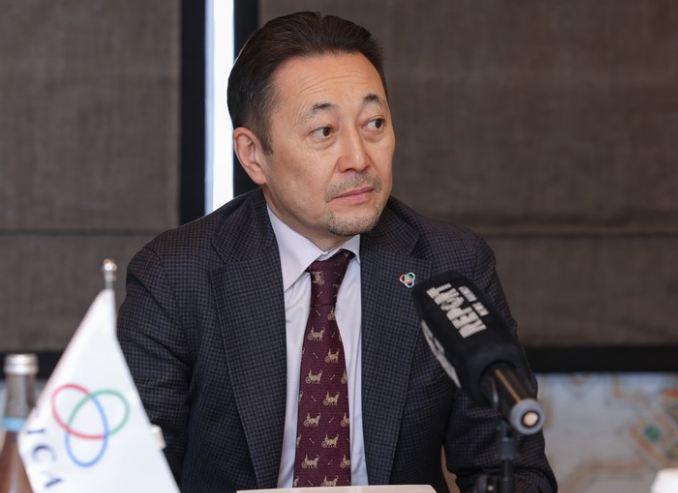
In an interview with Report, CICA Secretary General Kairat Sarybay noted that Azerbaijan’s chairmanship provides a unique opportunity to strengthen the organization’s role in addressing key challenges facing the continent. He also discussed CICA’s priority areas and plans for deepening dialogue between member states.

  • In 2025, CICA expects to hold more than 20 events in Azerbaijan. Could you elaborate on these events?
  • For CICA, each member state’s contribution is important for strengthening trust and cooperation, and 2025 will be special thanks to the wide range of events proposed by the new chairmanship. These initiatives align with Azerbaijan’s chairmanship motto – “Strengthening CICA, Connectivity, Digitalization and Sustainable Growth” – and reflect member states’ priorities.

CICA’s confidence-building measures implementation plan for 2025 includes 44 events, of which about 20 are proposed by Azerbaijan, covering all five key CICA dimensions: economic, environmental, human, military-political, and new challenges and threats.

It is particularly important that Azerbaijan’s initiatives ensure comprehensive dialogue and cooperation, strengthening multilateralism and considering all states’ interests.

Among the planned initiatives, several key areas can be highlighted:

On Economic Cooperation and Digitalization:

  1. CICA Port Leaders Conference aimed at developing transport infrastructure and strengthening regional connectivity
  2. Digital Transformation and Innovation Forum promoting advanced technology adoption
  3. SME Exhibition within the annual CICA Business Council meeting

On Environmental Sustainability and Food Security:

  1. “Circular Green Tourism” project supporting environmental sustainability and cultural exchange
  2. International Summit on Agricultural Practices aimed at enhancing regional food security

On Cultural Cooperation and Innovation:

  1. Cultural Heritage Protection Conference focusing on preserving member countries’ shared values and traditions
  2. Artificial Intelligence in Art Competition promoting creativity and technology integration in culture

On Sustainable Development and Youth Initiatives:

  1. “SDGs in Action” event within the annual CICA Youth Council meeting promoting sustainable development among youth.

I’m sure that these initiatives will attract active participation from member states and mark an important step in achieving chairmanship goals, promoting trust, sustainable development, and joint progress in the region.

  • How do you assess Azerbaijan’s contribution to humanitarian and social programs within CICA? What new initiatives can be proposed to improve social welfare in our countries?
  • Contributing to humanitarian and social programs is a key priority for all CICA member states. Azerbaijan, as chair of the organization, views CICA as an effective platform for strengthening peace, stability, and quality of life, with special emphasis on humanitarian development. Particular attention is paid to women’s rights, youth policy, science and education, people-to-people contacts, and dialogue between civilizations. In 2021 and 2024, CICA foreign ministers supplemented the CICA Catalogue of Confidence Building Measures with issues of women’s and girls’ empowerment and volunteerism, emphasizing its importance for sustainable development.

The first Volunteer Leaders Summit was held in Astana in October 2024, and the second Summit will take place in Baku in December 2025, coinciding with the UN International Year of Volunteers 2026. Azerbaijan’s other initiatives include institutionalizing women’s empowerment issues, expanding opportunities for women in SMEs, and strengthening educational cooperation through launching a Partner Network of leading universities.

This initiative aims to actively involve CICA in scientific and educational spheres and will be coordinated by ADA University. Additionally, including science and education in the Catalogue of Confidence Building Measures is being considered to systematize cooperation in these areas and strengthen their significance within CICA’s agenda.

We are confident that under Azerbaijan’s chairmanship, member states will deepen dialogue and take coordinated actions in these areas. These initiatives will bring practical benefits, strengthen mutual understanding, respect for cultures, and create new opportunities to improve the well-being of people in our countries.

  • What measures will be taken within CICA to address security issues, including cyber threats and terrorism?
  • We live in an era when global security risks and threats are rapidly transforming. Asia, home to 60% of the world’s population, remains one of the most challenging regions in this regard. The origins of these risks are diverse, their manifestations are multifaceted, and their effective resolution requires a collective approach. Under these conditions, CICA can play a key role by offering multilateral mechanisms to counter these challenges. Counterterrorism remains one of CICA’s priority areas. This issue is included in the “New Challenges and Threats” section of the Catalogue of Confidence Building Measures.

Member states actively exchange experience and strengthen cooperation in this sphere. The sixth CICA Summit in Astana in 2022 adopted the CICA Action Plan for the Implementation of the UN Global Counter-Terrorism Strategy, the most comprehensive document of the kind in the Asian region. In this area, CICA develops partnerships with other international organizations, including the UN Counter-Terrorism Office, SCO, and its Regional Anti-Terrorist Structure. Coordinators play an important role: India organized a seminar on countering radicalization in 2023; Türkiye became a co-coordinator in 2024 and continued work by organizing training on border strengthening and countering terrorist group movement.

Our future efforts will focus on sharing best practices for rehabilitating former extremists, working with youth and marginalized groups, and strengthening border security measures to prevent terrorist group movement and illegal arms trafficking. Regarding cybersecurity, or as defined in UN terminology, “ICT security and its use,” it has become an important area of cooperation within CICA since 2021 after its inclusion in the Catalogue of Confidence Building Measures. Member states pay special attention to countering criminal use of ICTs and ensuring international information security. At the sixth CICA Summit, heads of state and government supported the need for international cooperation in this field.

As part of its presidency , Azerbaijan plans to conduct training for cybersecurity specialists in 2025 and initiate discussion and adoption of a joint action plan on personal data protection. Kazakhstan proposed organizing a high-level conference on information technology and cybersecurity.

Separately, it’s worth noting that Azerbaijan’s presidency plans to consider humanitarian demining as a new confidence-building measure within CICA, focusing on sharing best practices, given the relevance of this challenge for many Asian countries facing mine contamination.

I am convinced that joint efforts of member states will effectively counter modern challenges, strengthening regional security and stability.

  • What results are expected from Azerbaijan’s presidency in CICA?
  • Azerbaijan’s presidency marks the beginning of a new era characterized by two significant transformations: the ongoing process of CICA’s transformation into a full-fledged international organization and profound changes in the geopolitical and economic context. In this process, interaction and unity of Asia, which increasingly asserts itself as a center of global growth, innovation, and political influence, gain special significance. These large-scale changes require effective coordination and concerted actions between countries.

Azerbaijan, with its rich experience in multilateral interaction, particularly in the Non-Aligned Movement and COP29, has proven its leadership during its chairmanship in major organizations and initiatives. This point was noted both in Foreign Minister Jeyhun Bayramov’s speech at the CICA Ministerial Meeting (in December 2024) and by numerous experts and observers. Member states’ trust in Azerbaijan as Chair serves as clear evidence of the country’s high competence and readiness to implement ambitious tasks.

Azerbaijan’s presidency focuses on strengthening CICA through connectivity, digitalization, and sustainable growth in Asia. To achieve these goals, the country will focus on three priority areas: CICA’s transformation and institutional development, sectoral cooperation through confidence-building measures, and promoting synergy between CICA and other international organizations.

One of the key outcomes of the December CMFA meeting was the adoption of an updated CICA Confidence Building Measures Catalogue. Additionally, a document on modalities for implementing confidence-building measures was approved, which will significantly increase their effectiveness and practical impact.

These steps demonstrate member countries’ commitment to strengthening cooperation and interaction. Judging by the priorities reflected in Azerbaijan’s chairmanship vision, the five key dimensions of cooperation will gain new dynamics, and their priority areas will receive new momentum thanks to your country’s innovative and constructive approach.

We are convinced that under Azerbaijan’s active and progressive leadership, CICA will continue to strengthen its status as a unique platform for trust, interaction, and constructive cooperation in Asia.

  • In 2022, the transformation of CICA into a full-fledged regional organization was announced. When can we expect this process to be completed?
  • Indeed, transformation became the central theme and strategic goal of the completed Kazakh chairmanship, receiving support from all CICA member states. The adoption of the Astana Statement on Transformation at the sixth CICA Summit in Astana (October 13, 2022) was a historic milestone in the organization’s development. This document laid the foundation for a structured, inclusive, and transparent negotiation process aimed at gradually transforming CICA into a full-fledged regional international organization. Kazakhstan’s President Kassym-Jomart Tokayev stated that we are not creating a new organization but moving to a new stage of institutional development.

CICA member states view transformation as an evolutionary process and do not set artificial deadlines for its completion. For example, as part of implementing the decisions of the sixth CICA Summit, a Transformation Roadmap was developed and approved at the CICA CMFA meeting in New York (September 21, 2023). This document identifies eight key areas of reform, including developing the organization’s charter, exploring new areas of cooperation, improving the implementation of confidence-building measures, updating the Rules of Procedure and CICA External Relations Regulations, as well as reforms related to the role of the Secretary-General, the Secretariat’s international status, budget, and human resource management. During Kazakhstan’s presidency, CICA has already implemented key institutional reforms, including establishing the CICA Council of Heads of State and Government, the CICA Council of Foreign Ministers, and introducing the position of Secretary General.

Work on improving confidence-building measures modalities has been completed. Work on the draft Charter and updated Rules of Procedure has begun. Work on amendments to the host country agreement aimed at strengthening the organization’s international status is practically complete. As part of the transformation, Azerbaijan, following the principle of continuity, will focus on three key areas: agreeing on a legally binding Charter of the organization, further institutional strengthening, and financial autonomy of the organization. I repeat that the most important task of Azerbaijan’s presidency will be the successful completion of the transformation negotiation process with the adoption of the CICA Charter at the next CICA Summit in 2026.

I would like to emphasize that Azerbaijan, like many other CICA member states, views transformation not only as a process of institutional strengthening but also as continuous work in all dimensions and thematic areas, aimed at tangible results for member states, including improving practical returns from CICA institutions and confidence-building measures. We are confident that under Azerbaijan’s leadership, specific and effective results will be achieved, strengthening CICA’s role as an important multilateral platform. I want to add that during our current visit to Baku, numerous meetings were held with the Azerbaijani side regarding preparations for the 2026 Summit and the extraordinary meeting of the Council of Ministers of Foreign Affairs in 2025, as well as substantive planning of work for all CICA governing and advisory bodies and the Secretariat to effectively implement Azerbaijan’s priorities. In particular, the Secretariat has prepared a detailed roadmap with specific work plans for all areas throughout Azerbaijan’s two-year chairmanship period. The CICA Secretariat will make every effort to fill the agenda proposed by Azerbaijan with concrete and meaningful activities.

  • Thank you for the interview.
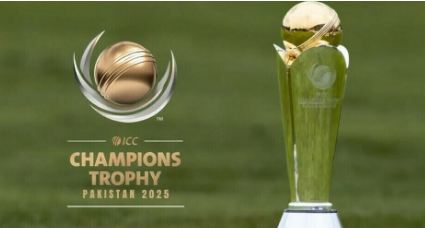
Hosting ICC Champions Trophy an honor for Pakistan: Tarar

Hosting ICC Champions Trophy an honor for Pakistan: Tarar

ISLAMABAD, Jan 28 (APP):Federal Minister for Information, Broadcasting, National Heritage and Culture Attaullah Tarar said on Tuesday that it was an honor for Pakistan that mega event of International Cricket Council’s, Champion Trophy was being played in Pakistan.
He said that it was good omen that after several years, mega  events were being held in Pakistan.

A mega sports event will be played in Pakistan after the Shanghai Cooperation Organization summit that held last year.

The minister said that unfortunately in the past, sports fields in Pakistan presented a deserted look.

He said that Pakistan Television was a national broadcaster, and ratings of  PTV Sports have also increased in the recent past.

To a question, he said the PTV made payments on time to acquire ICC telecast rights, all their conditions have been fulfilled and PTV will telecast all ICC matches.

A good cricket experts panel including Shoaib Akhtar, Shoaib Malik and other stars will be brought on the PTV screen.

He said that in the past, things were not right in the PTV Sports but now steps were taken to make it an up-to-date sports channel.

The minister lamented that in the past, reforms were not carried out within PTV and there was no plan regarding ICC payments.

“Our efforts are to revive the PTV sports channel under a transparent system”, he maintained.

He said a good online pension system has been introduced in Radio Pakistan to streamline its affairs.

He said that the officers who identified ghost employees deserved appreciation as the public sector money has been saved by expelling ghost employees. He remarked that other institutions should also follow suit and work in an efficient manner.

He promised that positive changes would be seen in both PTV and Radio Pakistan in coming days.

CAYA Youth Summit 2025 kicks off; Youth leaders gather in Islamabad

CAYA Youth Summit 2025

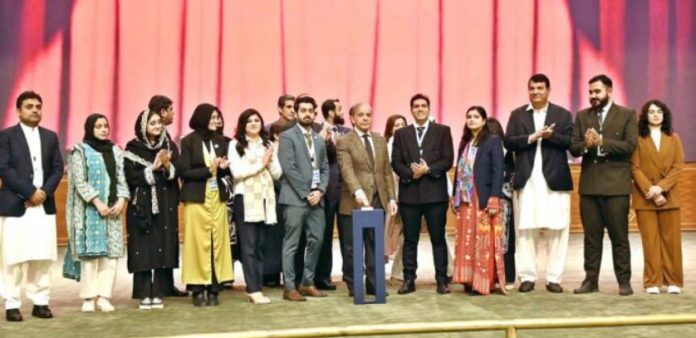
ISLAMABAD, Jan 28 (DNA): The Commonwealth Asia Youth Alliance (CAYA) 2025 Summit kicked off on Tuesday here at the Jinnah Convention Centre, focusing on youth empowerment, education, and skills development.

The Prime Minister Muhammad Shehbaz Sharif was the chief guest of the inaugural session of the summit.

The event commenced with the recitation from the Holy Quran, followed by the National Anthem of Pakistan.

Speaking at the event, Chairman Prime Minister’s Youth Program (PMYP),  Rana Mashhood Ahmad Khan welcome the distinguished guests from 12 countries and also congratulated the 113 new members of the third batch of the Prime Minister National Youth Council (NYC).

He shared that 49 boys, 49 girls, 02 transgenders and 13 candidates from overseas diaspora were selected through interviews conducted by a panel of professionals and leaders.

To promote the rich heritage and scenic beauty of the country, a video on Pakistan’s tourism potential was showcased in the event, captivating the audience with stunning visuals of the nation’s diverse landscapes.

A video message from the Commonwealth Secretary-General Patricia Scotland was also played, who acknowledged the government of Pakistan’s strides in youth development and its significant contributions to the Commonwealth community.

Earlier, the prime minister also administered the oath to the members of 3rd batch of National Youth Council and gave away awards to the high achievers.

Stay Connected

64FansLike
60FollowersFollow

Latest Reviews

Exchange Rates

USD - United States Dollar
EUR
1.17
GBP
1.35
AUD
0.72
CAD
0.73